Every cat owner has experienced the moment when their furry friend decides to claim them as their personal pillow. One second you’re watching television or reading a book, and the next, a warm ball of fur has settled across your chest, legs, or lap without so much as asking permission. While this behavior might seem random, it’s actually loaded with emotional significance that reveals the depth of your bond with your feline companion.
Scientists have spent decades studying feline behavior, and their findings paint a surprising picture of cats as deeply emotional, socially connected creatures. When your cat chooses you as their sleeping spot, they’re making a complex decision that involves trust, affection, and an ancient survival instinct that dates back thousands of years. Let’s explore what’s really happening when your cat transforms you into their favorite napping destination.
The Ultimate Sign of Trust
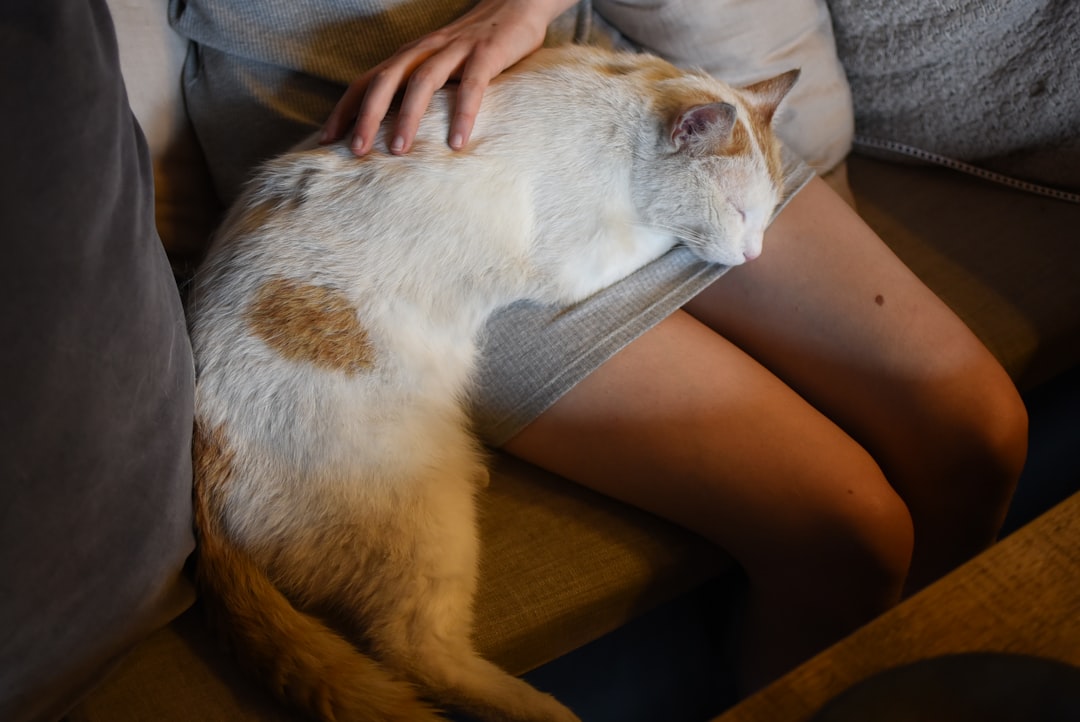
Sleep represents one of the most vulnerable states for any animal, and cats are no exception. As both predators and prey in the wild, they must position themselves in the safest possible location when they rest. When your cat chooses to sleep on you, they’re demonstrating an extraordinary level of trust.
This behavior clearly indicates that your cat feels secure and protected in your presence. In the wild, cats are vulnerable when they sleep, so choosing to rest with you is a sign of ultimate trust and comfort. Think about it from their perspective: they’re essentially putting their life in your hands while they’re at their most defenseless.
This trust-building behavior actually begins in kittenhood. Cats are raised in litters, and when they’re very young until they’re about twelve weeks of age, sleeping usually means piling onto one another near mom. Your cat sleeps with you for comfort and security. After their mother, you’re the next best thing.
The Science of Bonding Through Oxytocin
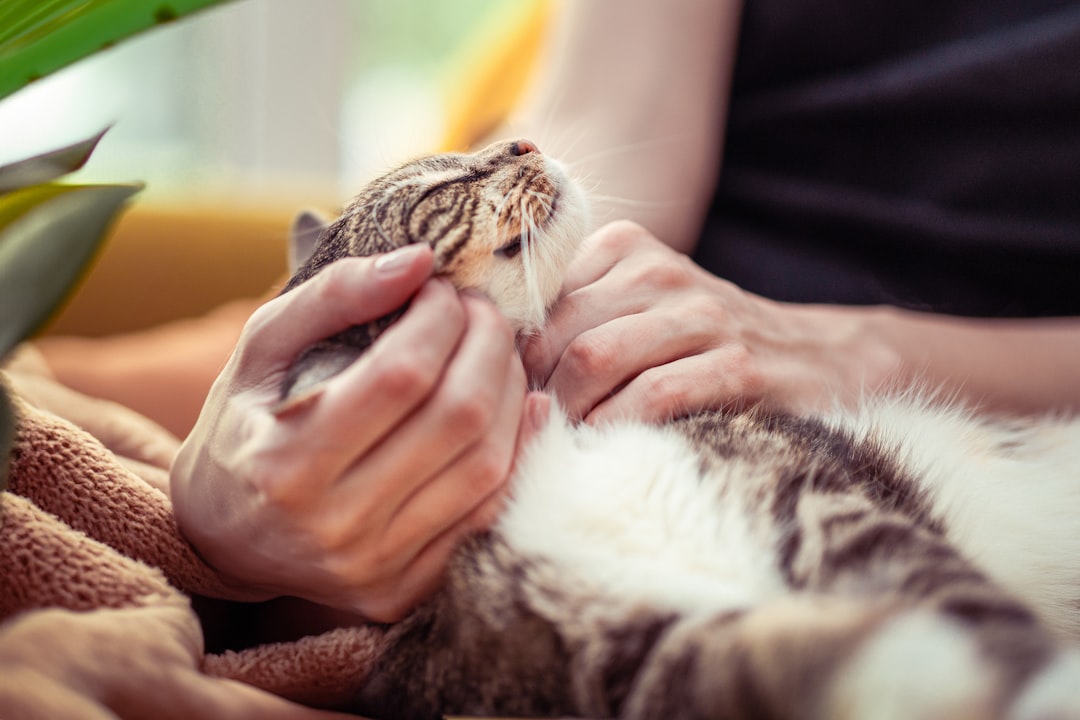
Research by American neuroscientist Paul Zak and others has suggested that cats may experience an increase in oxytocin levels when they interact with their owners. Such hormonal changes are a significant factor in why your cat chooses to sleep with you, as it strengthens the bond and brings them joy. This “love hormone” creates the same warm, fuzzy feelings that humans experience during intimate moments.
When a cat purrs, it can trigger the release of oxytocin in humans, helping boost happiness and reduce stress. Researchers have reported that brief petting sessions with their cats boosted oxytocin levels in many owners. The results suggested that friendly contact was linked to elevated oxytocin in the humans’ saliva, compared with a quiet resting period without their cat.
Interestingly, this hormonal response works both ways. Researchers monitored oxytocin in cats during play and cuddling at home with their owner. Securely attached cats who initiated contact such as lap-sitting or nudging showed an oxytocin surge. The more time they spent close to their humans, the greater the boost.
Seeking Warmth and Physical Comfort
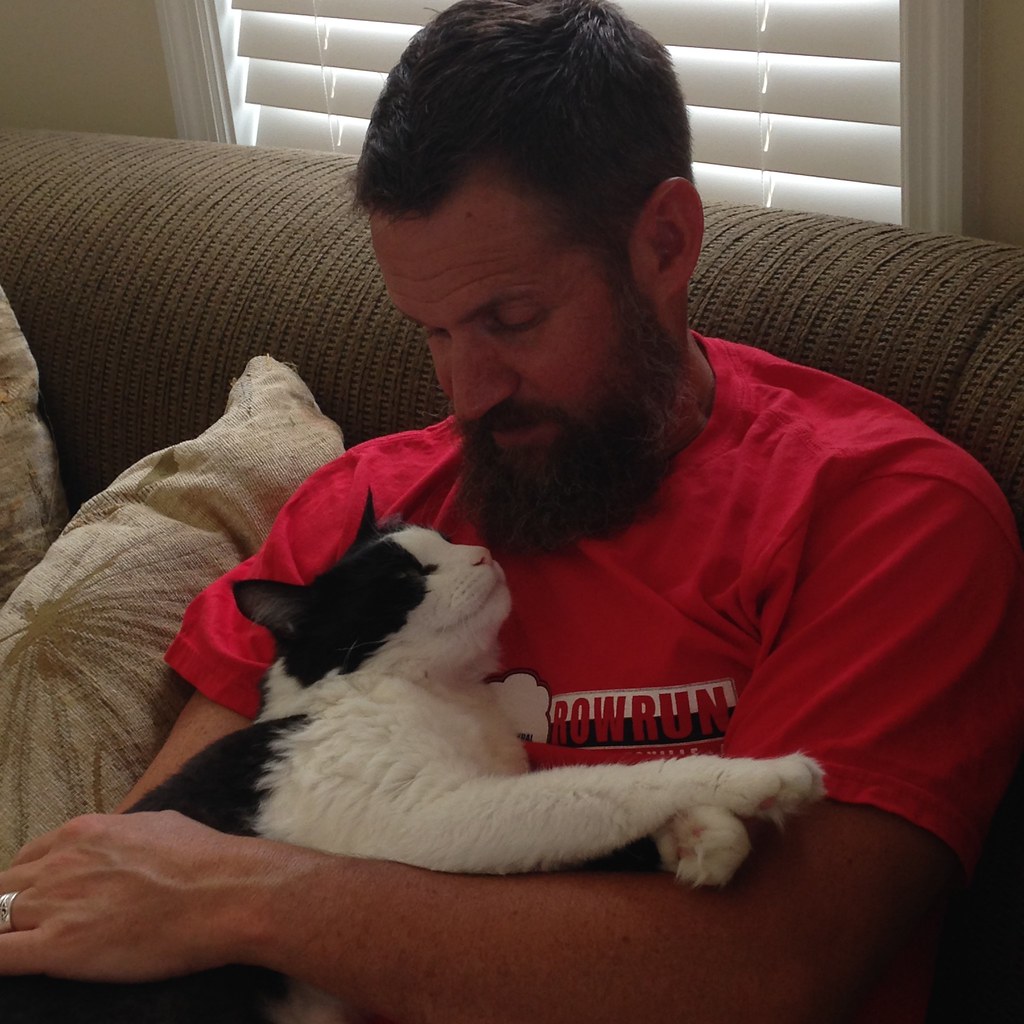
Cats like warmth, and they like nothing more than a warm, cosy spot to sleep in. When it comes to cats’ preferred sleeping places, warmth definitely overrides comfort, particularly in winter. Your body temperature naturally runs around 98.6 degrees Fahrenheit, making you an ideal heating pad from your cat’s perspective.
Let’s not forget the instinct for animals to bundle together and share body heat when temperatures start to plummet. Cats are no different. Your body heat is an ideal source, even if it means sleeping on your head, which is both warm and stable, making it a perfect resting place for your feline friend.
Just as humans cuddle up together for warmth, cats also like to get in on the action and enjoy some of that natural human body heat. Other popular warm spots for cats include a sunny spot, windowsill, or by a radiator, but who can beat cosying up next to your loving owner? Warmth helps cats to relax and have a more restful sleep, so sleeping near you is actually beneficial to their health as well as being comfortable.
Marking Territory Through Scent
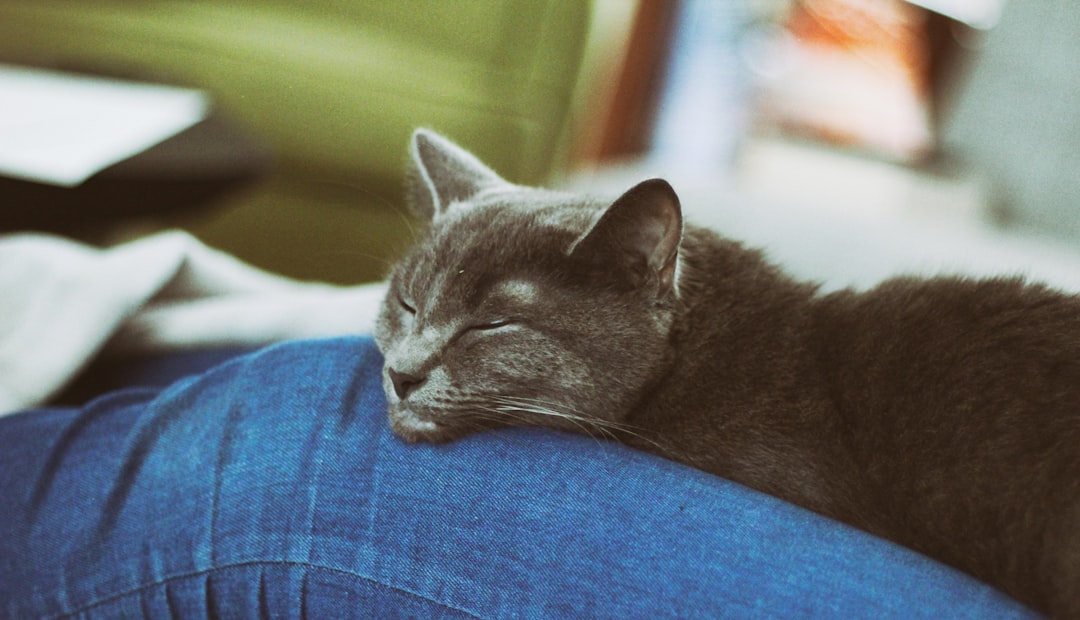
Cats are territorial animals that mark their turf with their scent. They release pheromones from their face and body, and sleeping on you allows them to spread their scent over you, thereby marking you as theirs. This might sound possessive, but it’s actually a profound compliment in the feline world.
They adjust their sleeping patterns to match yours, seeking the soothing rhythm of your heartbeat and breath. It’s also about marking you with their scent, an intimate gesture in the cat world, signifying that you are a part of their trusted circle. When your cat sleeps on you, they’re essentially claiming you as family.
Cats find the owner’s bed to be the most concentrated source of familiar scents. Your unique smell provides them with a sense of security and belonging that they can’t find anywhere else in your home.
Emotional Security and Protection
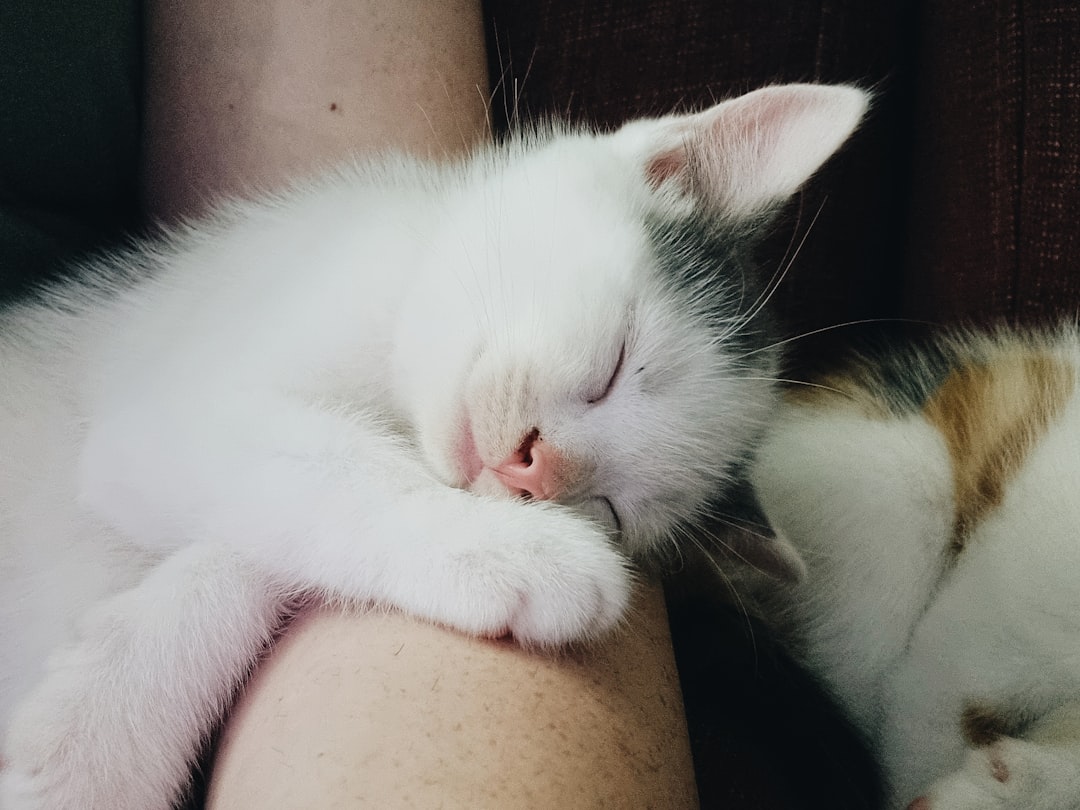
Cats may choose to sleep there as it provides psychological and emotional comfort. In multi-cat homes where there is tension, a cat may sleep in the owner’s bed to be kept safe from being the victim of an ambush. Even in single-cat households, your presence offers a sense of security that allows them to sleep more deeply.
If your cat is sleeping pressed up against you, it may be because it feels secure next to you and wants to let you know it feels safe. If they feel safe, they’re more likely to let their guard down and relax. In the wild, cats are vulnerable when they sleep. So in a home setting, you’re acting as their safe space and offering them a form of protection.
This behavior maximizes body heat and taps into their instinct to find a safe and secluded place to rest. If your cat prefers sleeping under your bed sheets, they are likely drawn to the warmth and comfort provided by your scent. This offers a sense of familiarity and security.
Different Sleeping Positions and Their Meanings
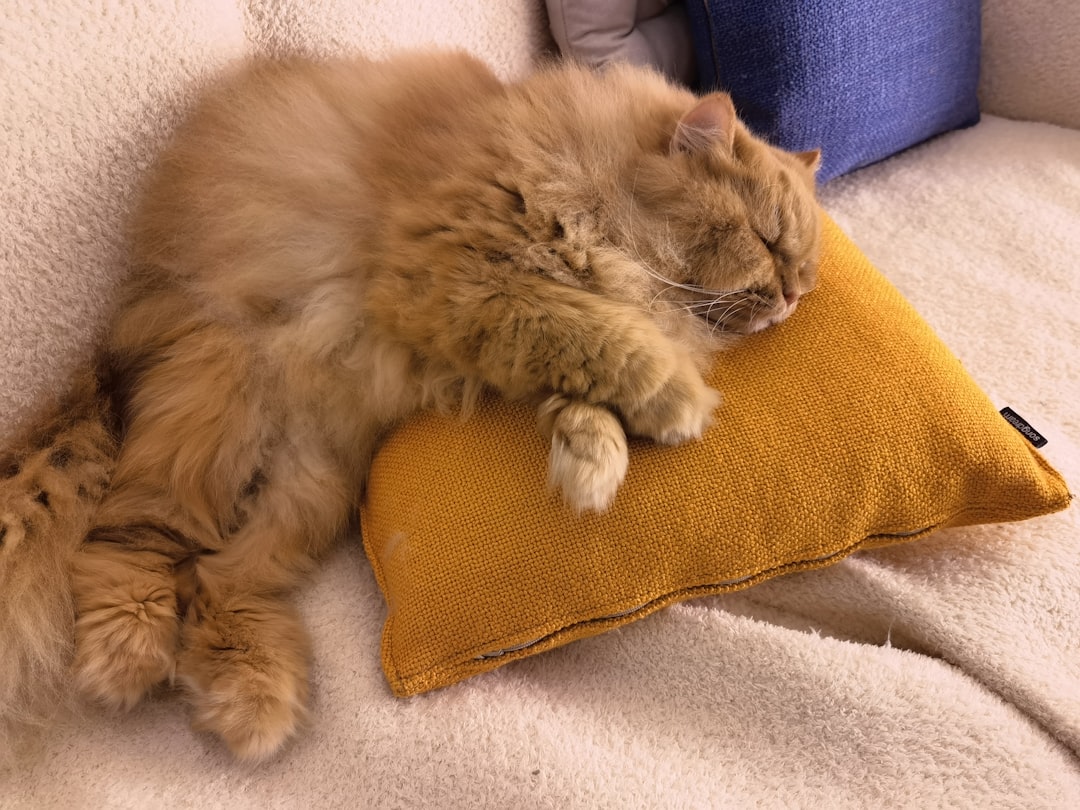
Cats who sleep on their owner’s pillow are trying to claim their territory. This position shows that they view their owner as part of their family and want to be close to them even while they sleep. If your cat consistently chooses your pillow, they’re sending a clear message about your importance in their life.
Cats who prefer to sleep at the foot of the bed may want to be near their owner without being too close. This position allows them to keep an eye on their human while still having their own space. This behavior often indicates a cat that values independence but still wants to maintain a connection.
If a cat is sleeping on your chest, it’s likely because it enjoys the sound of your beating heart and feels safe. Also, a cat’s oxytocin levels are higher when bonding and being social, which is another reason why your body is the perfect pillow. The rhythmic sound of your heartbeat can be incredibly soothing to cats, reminding them of their early days with their mother.
The Social Nature of Feline Sleep
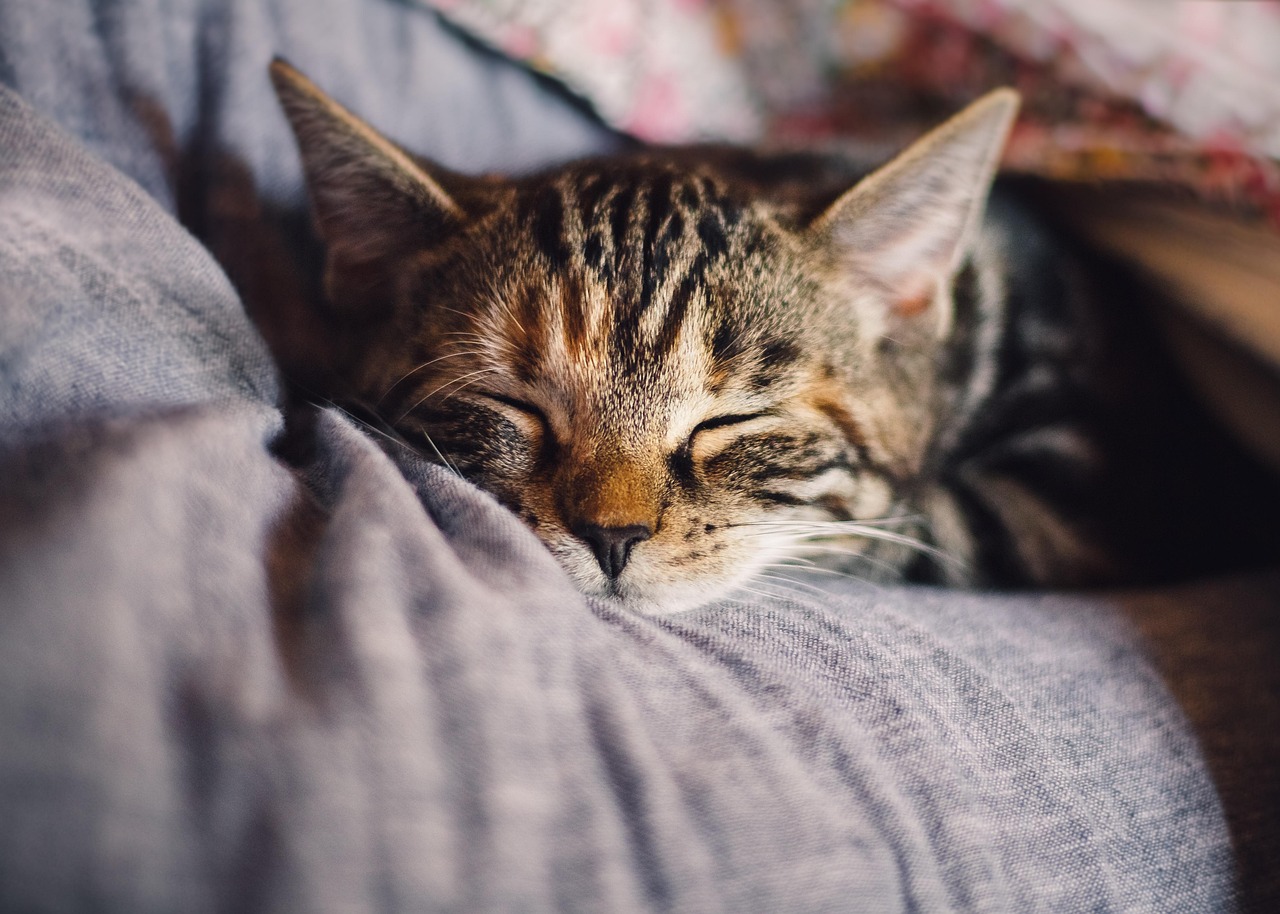
In addition to added warmth, cats may sleep with their owners for bonding and affection. In an outside cat colony, it’s common for bonded cats to sleep curled up next to each other or at least in close proximity. This is considered “friendly social behavior.” They may also sleep close together for extra warmth in very cold weather conditions.
Although cats are often labeled as solitary hunters, they exhibit surprisingly social behaviors when it comes to rest. Felines may prefer some independence during the day, yet they often seek out trusted companions at night. This “social sleeping” tendency reveals a more communal side of feline behavior than many realize. One reason for this is that sleep can be a vulnerable time, and cats instinctively gravitate toward places where they feel safe. By choosing to sleep near a familiar human, cats not only find warmth and comfort; they also benefit from a sense of security that reinforces their bond.
Cats are social sleepers and like to sleep next to other cats and siblings. If this isn’t an option, then you involuntarily step up to the plate. Your cat has essentially adopted you as their sleeping companion, which is a significant honor in the feline world.
Communication and Attention-Seeking
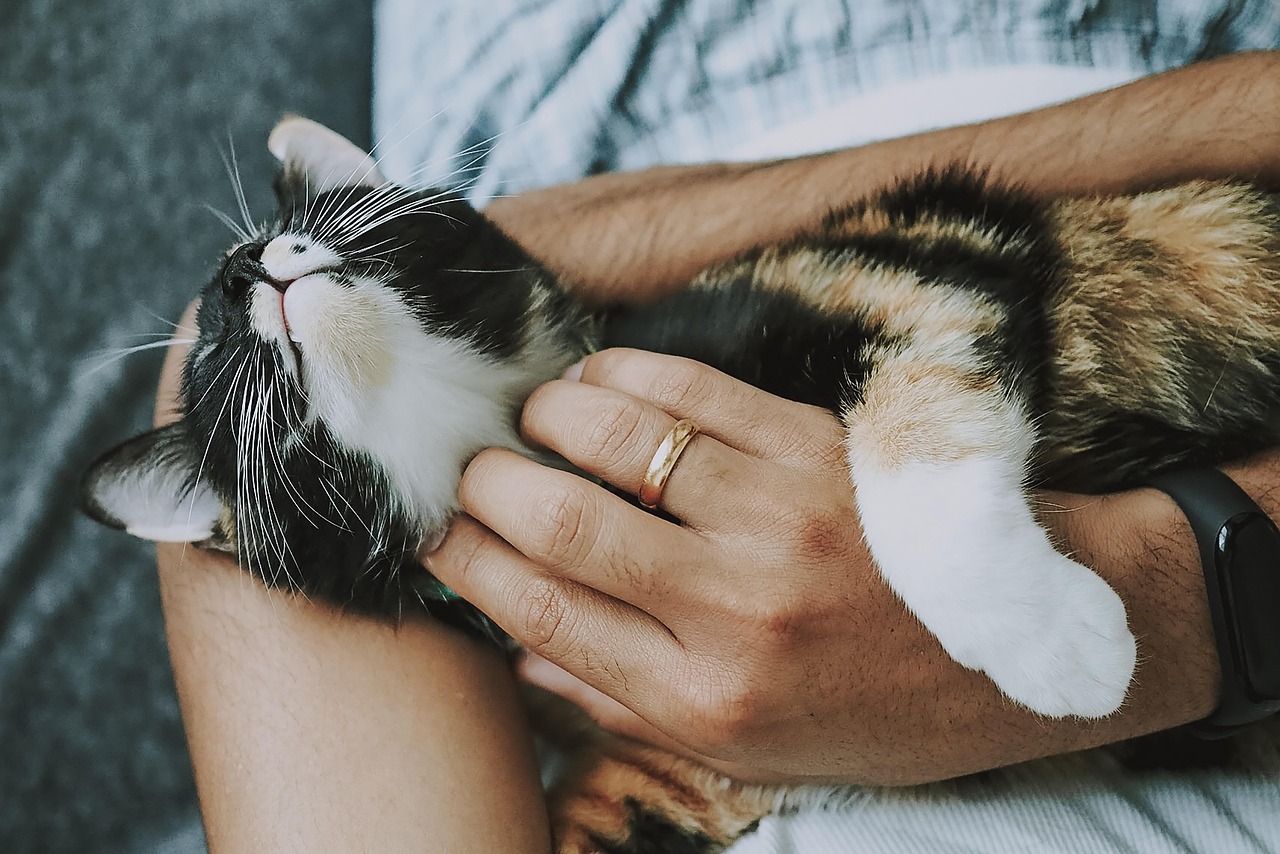
Cats are complex creatures, and cat owners may sometimes overlook their cat’s attempts to communicate or misunderstand the message they are trying to convey. There are many non-verbal ways our cats use to communicate with us, such as by licking us, swishing their tails and even clawing us. Is your cat sleeping on you as a way to try to tell you something? “I love you”, “I’m feeling insecure”, or “I’m here to protect you”, perhaps. Or, if you’ve not been paying them enough attention, they might be trying to get some from you, and have learned that lying on top of you is a guaranteed method of achieving this.
Sometimes, your cat’s decision to sleep on you isn’t just about comfort or warmth. It’s their way of ensuring they have your undivided attention, even if you’re trying to focus on something else. This behavior can be particularly pronounced if they feel they’ve been neglected or if there have been changes in your routine.
Cats sleep with their owners because they have an emotional connection with them. Sleeping on you is a sign of the strong bond between you. Think of it as your cat’s way of saying “I love you, I want to be near you and spend time with you.”
Conclusion
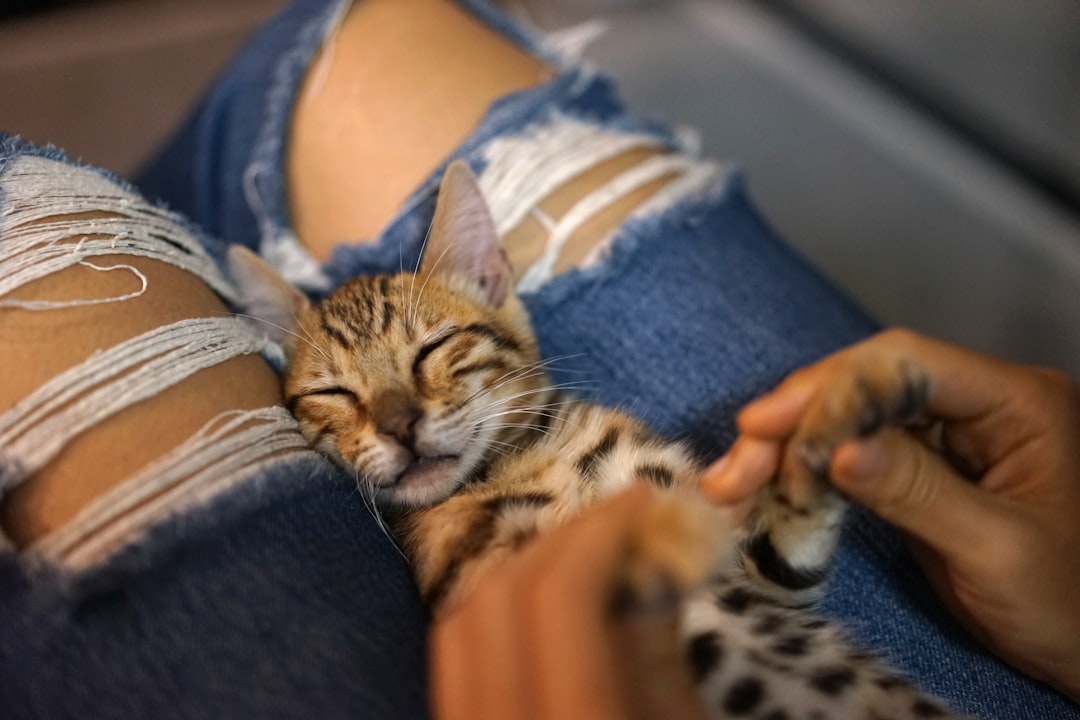
When your cat chooses you as their sleeping spot, they’re offering you one of the highest compliments in the feline world. This behavior represents a complex blend of trust, affection, comfort-seeking, and social bonding that speaks to the deep emotional connection between cats and their human companions. When all is said and done, what it means if your cat sleeps on you is that it’s happy and enjoying your company. A cat’s sleep is incredibly important and re-energising, which is why they want to feel as comfortable as possible when they’re asleep.
Far from being the aloof creatures they’re often portrayed as, cats are deeply emotional beings who form profound bonds with their human families. The next time your cat settles in for a nap on your lap, chest, or beside you, remember that you’re witnessing a beautiful display of love, trust, and contentment. What do you think about your cat’s sleeping habits? Tell us in the comments.