You never imagine the day will come. When you bring that tiny puppy or kitten home, or when you rescue that grateful soul from the shelter, you think about years of love, laughter, and companionship ahead. You don’t think about the end. Yet here you are, facing a decision that feels impossibly heavy.
Saying goodbye to a beloved pet is often one of the most difficult decisions a pet owner can make. The weight of it sits on your chest, making it hard to breathe. You scroll through photos on your phone, remembering better days. Maybe your veterinarian has gently mentioned that it might be time. Maybe you’ve noticed changes yourself – the struggle to stand, the lack of interest in favorite toys, the pain in those once-bright eyes. Whatever brought you here, know this: you’re not alone in this heartbreaking journey.
Myth: You’ll Just Know When It’s Time
One of the most common things people hear is that they’ll simply know when it’s the right moment. Let’s be real – this is rarely true. While there are sometimes signs, events or symptoms that occur that make the choice obvious, often the choice is not clear. Many families tell us that they waited too long; families rarely tell us they made the decision too soon.
The truth is, some people will tell you that you will simply “know” when it is time but this idea is not really fair. Determining someone else’s life quality is not completely intuitive. Your pet can’t tell you in words how they feel. They can’t explain if today was a good day or if the pain medication stopped working. You’re left interpreting behaviors, watching for signs, second-guessing every observation.
First-time pet owners especially struggle with this decision. Owners experiencing a pet’s decline or terminal illness for the first time will generally wait until the very end to make the difficult euthanasia decision. They are fearful of euthanizing their pet too soon, and giving up without a good fight. Afterward, however, most of these owners regret waiting too long. It’s hard to say for sure, but the pattern repeats itself across countless families.
Fact: Quality of Life Scales Provide Real Guidance

You don’t have to navigate this alone with just your gut feeling. The scale examines seven key quality of life factors: hurt, hunger, hydration, hygiene, happiness, mobility, and, finally, “more good days than bad.” The animal’s well-being in relation to each factor is rated on a scale of 0–10, with 10 being ideal. This framework, known as the HHHHHMM scale, was developed specifically to help caregivers make more informed assessments.
A score above 5 in each category, or an overall score greater than 35, suggests that the dog’s quality of life is acceptable and that it is reasonable to continue end-of-life care and support. These tools aren’t meant to replace your veterinarian’s guidance or your own intimate knowledge of your pet. Rather, they help you measure what you’re seeing in a more objective way. You can use them daily or weekly, tracking changes over time and comparing results with other family members.
The scales consider whether your pet can still enjoy favorite activities, even if they’re modified for age or illness. The elderly pet does not necessarily need to continue chasing balls or jumping after Frisbees but he should enjoy sleeping comfortably, favorite resting spots, your company. Happiness matters. Interest in food matters. Freedom from debilitating pain matters.
Myth: Euthanasia Is Painful for Your Pet

One of the most common myths is that euthanasia is a painful or distressing experience for the pet. In reality, the process is designed to be as peaceful and gentle as possible. This fear keeps many people awake at night, worrying about whether they’re causing their beloved companion more harm.
Here’s what actually happens: The euthanasia solution is usually a barbiturate- the same class of drugs used for general anesthesia. At a much higher dose, this solution provides not only the same effects as general anesthesia (loss of consciousness, loss of pain sensation), but suppresses the cardiovascular and respiratory systems. As the solution is injected, the animal loses consciousness and within minutes the heart and lungs stop functioning. Since the pet is not conscious, they do not feel anything.
Most veterinarians now use a two-step approach. They first administer a sedative to help your pet relax completely before the final injection. Unlike us, they don’t know that a choice is being made – they only know that they are being loved, that you are with them, and that they don’t feel pain anymore. Your pet experiences only peace in those final moments.
Fact: Preventing Suffering Is More Compassionate Than Waiting
This is perhaps the hardest truth to accept. If you wish for a peaceful, calm, loving, family-oriented, in-home end-of-life experience for your pet, you will probably need to make the decision a little sooner than you want. This decision should not be about ending suffering that has already occurred, but about preventing any suffering in the first place.
If the most important thing is waiting until the last possible minute to say goodbye to your baby, you will most likely face an emergency, stress-filled, sufferable passing for your pet that may not be peaceful, and you may regret waiting too long. Honestly, this is what experienced pet owners have learned the hard way. The second time around, they often choose differently.
They forget that euthanasia is a gift that, when used appropriately at the right time, prevents further physical suffering for the pet and emotional suffering for the family. It’s an act of love, not betrayal. Letting go before your pet experiences prolonged agony takes courage, but it’s often the kindest choice you can make.
Myth: Waiting for a Natural Death at Home Is Better

It is a misconception that most pets pass away on their own at home – unfortunately it’s not that simple and often isn’t the case. Animals are incredibly resilient, so it can take much longer than we realize for them to succumb to illness. By the time a pet passes away at home, they have likely endured prolonged illness, pain, and even suffering. This romanticized idea of pets gently falling asleep doesn’t match reality for most animals.
Remember that few dogs die peacefully in their sleep at home. Most reach a point when their quality of life is poor and a decision for euthanasia has to be made. Wild animals may succumb quickly to predators or harsh conditions, but our pampered companions in safe homes can linger far longer than nature intended. Their bodies hang on even when their spirits have dimmed.
Euthanasia allows us to minimize a pet’s suffering and give them a quick, painless and more dignified passing – especially once we know that there’s nothing more that can be done medically to treat an illness or improve a pet’s quality of life. Sometimes the most natural thing we can do is unnatural – to intervene with compassion when our pets need us most.
Fact: Your Veterinarian Is Your Partner in This Decision
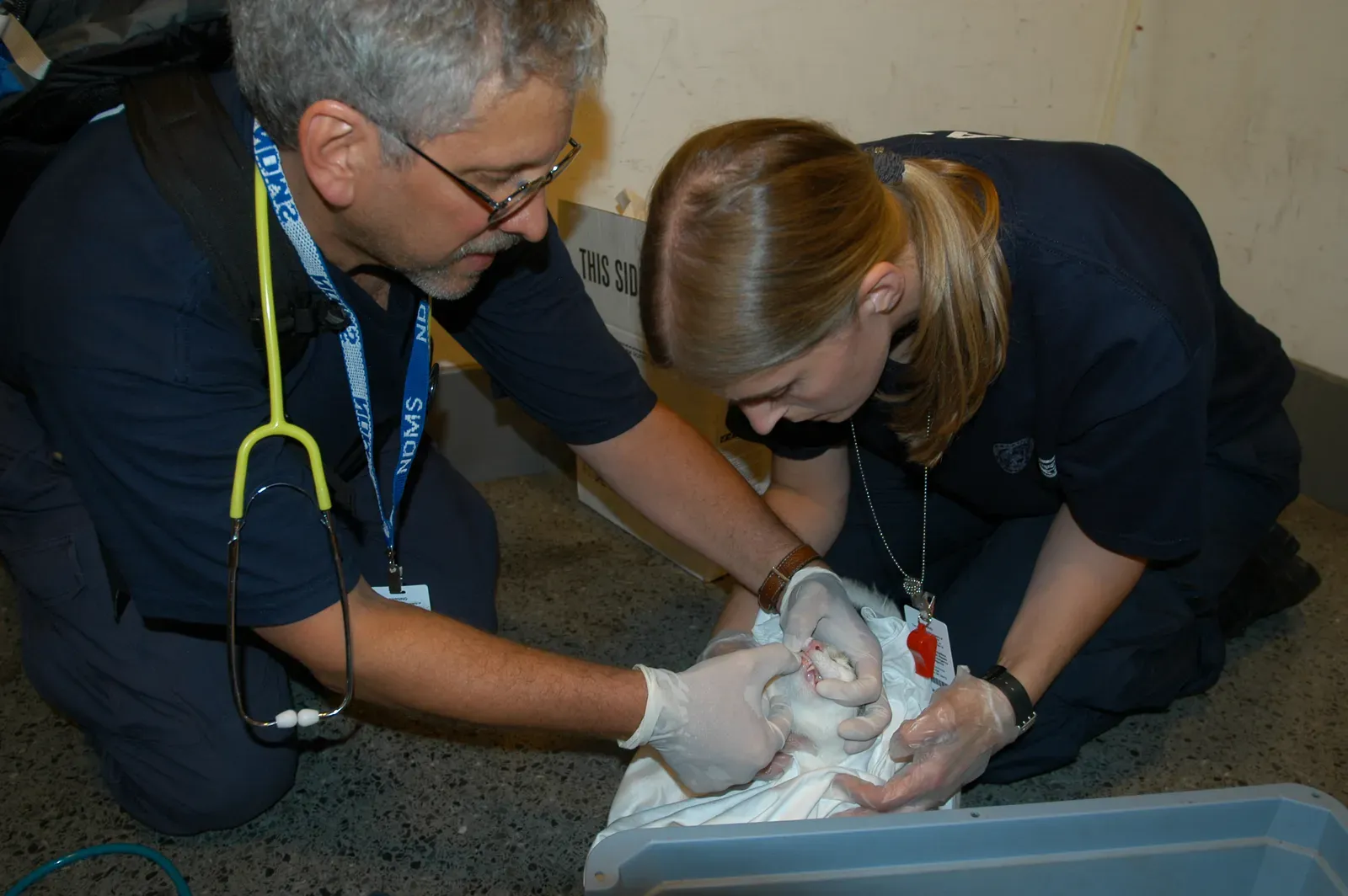
Your veterinarian is the person who has guided you and your pet throughout its life. They understand your situation, and it’s important to know that every situation is unique. Still, they can’t make the final call for you. The responsibility rests on your shoulders, which feels impossibly heavy.
Your vet can assess your pet’s medical condition, explain treatment options and their realistic outcomes, and help you understand what quality of life looks like going forward. Your veterinarian understands the bond you share with your pet and can evaluate your pet’s condition, estimate the chances for recovery, and discuss any potential disabilities, special needs, and long-term problems. Your veterinarian can explain medical and surgical options as well as risks and possible outcomes. Because your veterinarian cannot make the euthanasia decision for you, it is important that you fully understand your pet’s condition.
Don’t hesitate to ask questions, even ones that feel uncomfortable. If you don’t understand something about the prognosis or treatment options, keep asking until it’s clear. If possible, discuss an end-of-life plan for your dog with your veterinarian well before the time arrives when you will need it. Talk with your veterinarian, who can answer questions about your dog’s health status and help you make the best decision for you and your pup.
Myth: Choosing Euthanasia Means You’re Giving Up

Euthanasia is a compassionate choice made to relieve a pet’s suffering, not an act of giving up. It’s often the last resort when conditions are terminal or treatments no longer help. Yet the guilt can be overwhelming. You might feel like a traitor, like you’re abandoning your friend when they need you most.
Deciding to euthanize a pet can feel gut-wrenching, murderous, and immoral. Families may feel that they are letting their pet down, or that they are causing their best friend’s death. These feelings are normal, but they don’t reflect the reality of what you’re doing. You’re not ending their life – you’re ending their suffering. There’s a profound difference, even if it doesn’t feel that way in the moment.
Try to remember that this difficult decision is being made to ease your pets’ suffering rather than your own feelings is not only helpful but imperative. Your pet depends on you to make choices on their behalf. Sometimes the hardest choice is also the most loving one.
Fact: When Bad Days Outnumber Good Days, It’s Time

When bad days outnumber good days and your dog’s health and circumstances aren’t expected to improve, it may be time to say goodbye. This becomes your measuring stick. Keep a journal if it helps – track the days that seem okay versus the ones filled with struggle.
When there are too many bad days in a row, or if the dog seems “turned off” to life, quality of life is compromised. Bad days may mean nausea, vomiting, diarrhea, seizures, frustration, unrelenting pain/discomfort, or inability to breathe. You know your pet better than anyone else. You see the subtle shifts in their eyes, the way they no longer greet you at the door, the loss of spark that once defined them.
You and your family know your dog better than anyone else and, often, it’s a case of them having more bad days than good. Trust what you’re seeing. When the balance tips and suffering outweighs joy, you have your answer – even if accepting it breaks your heart.
Fact: You Can Be Present or Say Goodbye Beforehand

Some pet owners choose to be present during their pet’s euthanasia, but others choose to say goodbye beforehand and avoid the procedure. This is a very personal decision, and you are encouraged to do what feels right for you. Do not let others pressure you into making a choice that makes you uncomfortable. There’s no wrong answer here.
Many people find comfort in holding their pet during those final moments. Others know they’ll fall apart and prefer to remember their companion as they were. The decision to stay or not stay with a pet is a very personal one. Some owners feel they could comfort their pet in its final minutes. Others feel their emotional upset would only upset their pet. Either choice comes from love.
Mobile veterinary services, such as those offered by some practices, provide the option of having euthanasia performed in the comfort of your own home. This can be particularly comforting for both pets and owners. The familiar surroundings can help reduce stress, and your pet can pass away peacefully in a space where they feel safe and loved. Consider what would bring you and your pet the most peace.
Myth: You Must Rush the Decision Once You’ve Decided
Many pet owners fear that once the decision for euthanasia is made, they will have to say goodbye immediately. In fact, most veterinary clinics, including Express Vets Marietta, understand the emotional difficulty of the decision and offer flexibility. You often have time to prepare emotionally and practically.
Although there are times when the decision may need to be made immediately, you usually will have some time to review the facts and discuss the situation with your family and friends, before deciding how to proceed. Use this time to say proper goodbyes. Let family members have private moments. Take photos if that brings comfort. Feed them their favorite treat one last time.
Before the procedure is scheduled to take place, make sure that all members of your family have time with the pet to say a private goodbye. Children especially need time to process and participate in ways appropriate to their age. These final hours or days become precious memories that help with healing later.
Finding Peace in an Impossible Choice
There’s no script for this kind of grief. Please know that it is normal and natural to second-guess a decision and that second-guessing does not mean you made the wrong choice. In cases of illness or declining quality of life there is truly no wrong decision to be made, only the decision you feel is best for your pet and your family. You will doubt yourself – maybe for days, maybe for years. That’s part of loving deeply.
It is never an easy decision, but as a long-time mentor once told me, “it’s better to do it one day too early than one day too late.” These words offer little comfort in the moment, yet they hold a difficult truth. Though it’s natural, try not to feel guilty or blame yourself – the decision for euthanasia is taken with your dog’s best interests at heart to avoid them suffering.
You gave your pet a beautiful life. You loved them through their best days and now you’re loving them through their worst. That’s what real love looks like – not just the easy parts, but the devastating ones too. Your pet has been lucky to have you. Now they need you one last time to set them free from pain, even though it shatters you to do it.
What helped you make this decision, or what do you wish someone had told you during this impossible time? Your experience might be exactly what another grieving pet parent needs to hear.