If you’re a dog person who somehow ended up sharing your life with a cat, that first head-butt can feel oddly special, almost like a secret handshake you did not know you were learning. It is not dramatic like a happy dog zooming across the room to tackle you with kisses, but there is a quiet intensity to it that makes you pause. That gentle nudge of a forehead against your hand or cheek feels personal, intentional, and strangely intimate.
Behind that tiny action is a lot more going on than a simple request for pets. When a cat presses their head into you, they are using some of the most important scent glands on their body to mark you as part of their safe social circle. To a dog lover used to wagging tails and slobbery greetings, it is easy to miss just how powerful this moment is for a cat. In their language, this is not just contact, it is a statement: you are familiar, and you are theirs.
What Is Bunting? The Cat Version of a Warm Hello
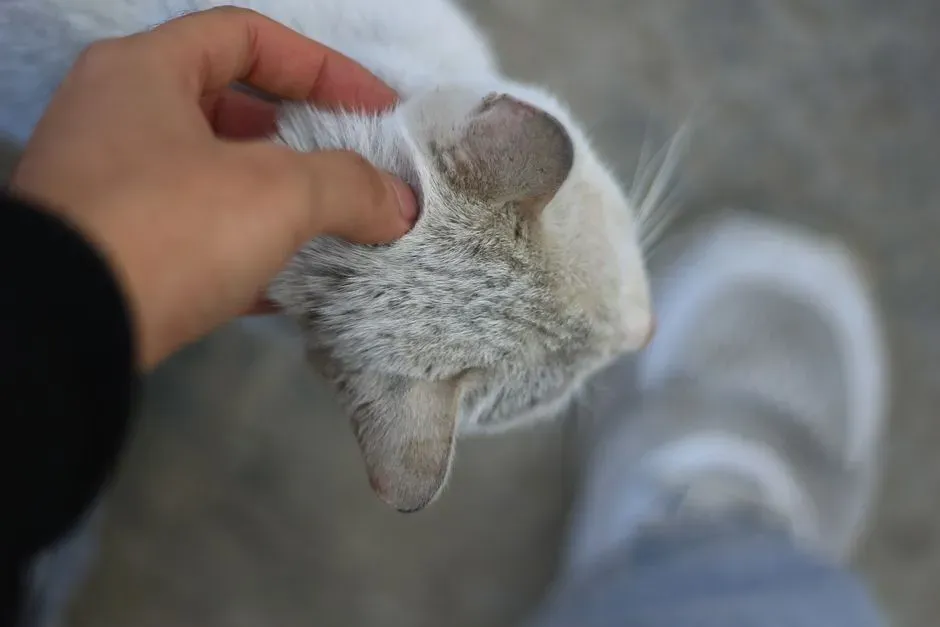
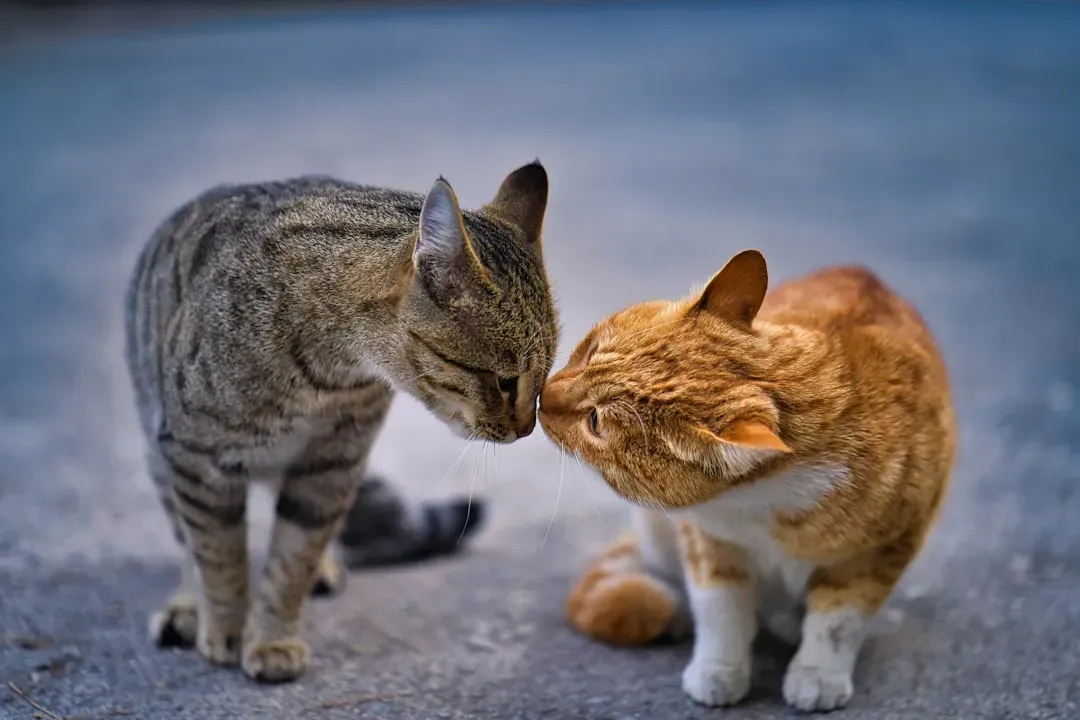
That head-butt you feel is actually something behaviorists call bunting. It is when a cat presses, bumps, or rubs their head, especially the cheeks and forehead, against a person, another animal, or an object. To human eyes, it can look a bit random or clumsy, like a cat just crashing gently into you, but it is one of the most social and deliberate gestures in their repertoire. Unlike a dog’s full-body greeting, bunting is subtle and concentrated in a very specific area.
Bunting is not a rough shove; it is usually soft, sometimes followed by a cheek rub or a slow blink. A cat might stand on your lap, bump your chin, and then slide their face along your jaw as if they are painting you with something invisible. In that moment, they are not just looking for your hand to move toward their head. They are actively sharing their scent and soaking up yours, layering familiarity the way a dog layers joy into every wag of the tail.
Scent Glands: The Invisible Signature Your Cat Leaves on You
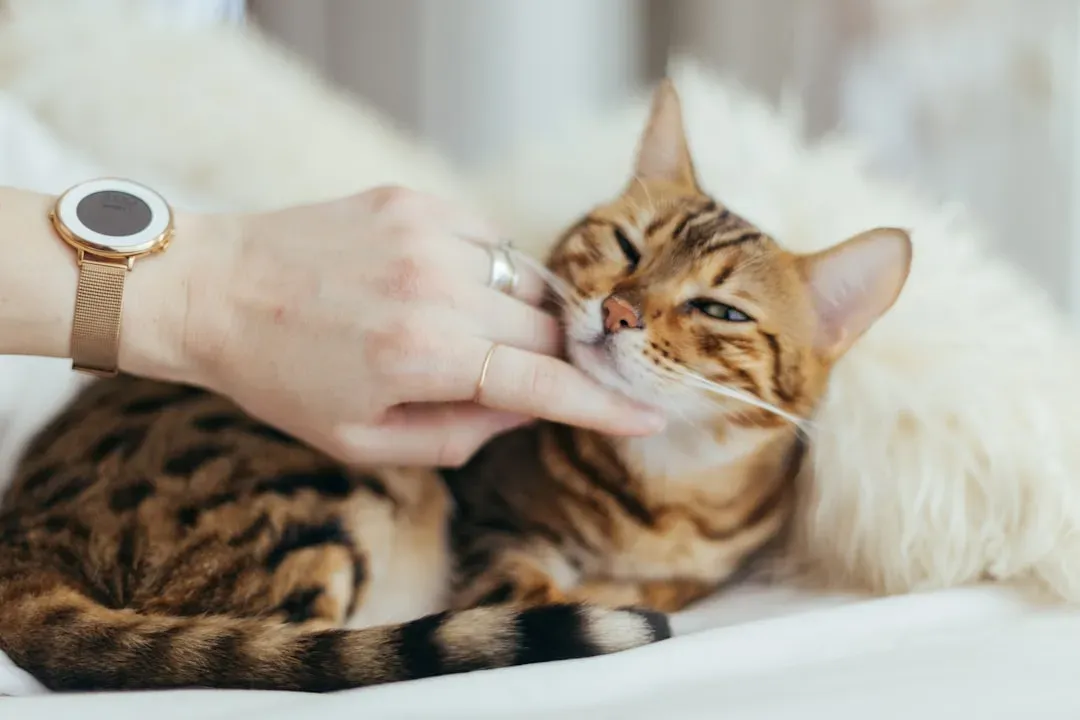
Cats have specialized scent glands on their face, especially around the cheeks, chin, forehead, and at the base of the ears. When they head-butt you, those glands brush against your skin or clothes, depositing a very faint chemical signature. You will not smell it, and you will not see it, but your cat absolutely can detect it later. For them, scent is like an emotional scrapbook, recording who is safe, who is family, and where they feel at ease.
To a dog lover used to obvious signals like wagging, panting, and full-body leaning, this microscopic scent chemistry can feel almost unreal. But for cats, scent is one of the most powerful tools for building a map of their world. When they mark you with their facial scent, they are effectively labeling you as part of their home base. Every time they re-encounter that blended scent on you, it reinforces a sense of continuity and comfort, the way a familiar dog toy still smells reassuring to a dog even after a wash.
Marking You as Family, Not Property
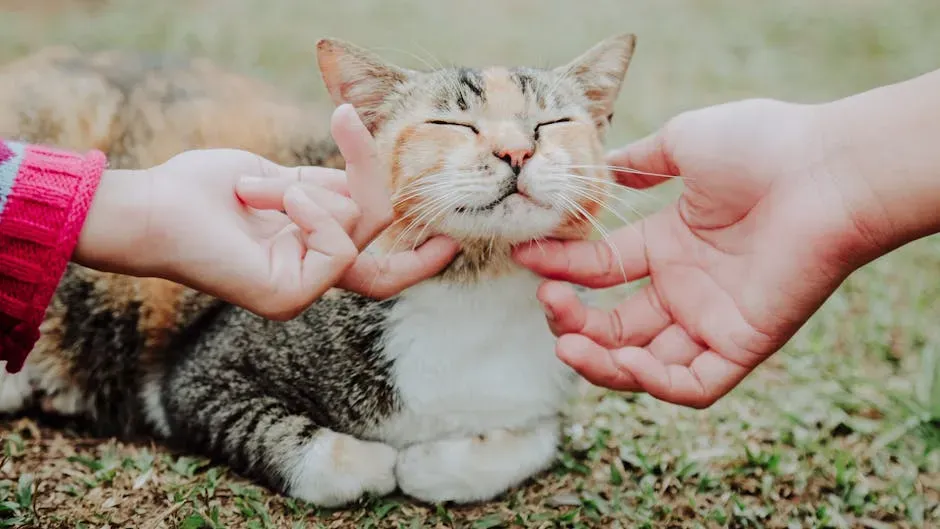
It can be tempting to joke that your cat is claiming you like a piece of furniture, but that is not quite right. Facial marking, like head-butting, is mostly a social behavior, not a territorial threat. Cats that get along often bunt each other, rubbing faces and foreheads in a kind of greeting ritual. When your cat does that to you, they are treating you the way they would treat a trusted feline companion. They are not just saying this is mine; they are saying this is us.
Compared to urine marking or scratching, which can be more about boundaries and territory, head-butting is about bonding. A cat that chooses to mark you with their facial scent is folding you into their inner circle, not pushing others away. For someone who grew up with dogs, think of it like the difference between a dog guarding a bone and a dog bringing you a toy to share. One is about ownership; the other is about relationship. Bunting sits firmly in the relationship category.
Why Head-Butts Feel So Special: Trust in a Tiny Package
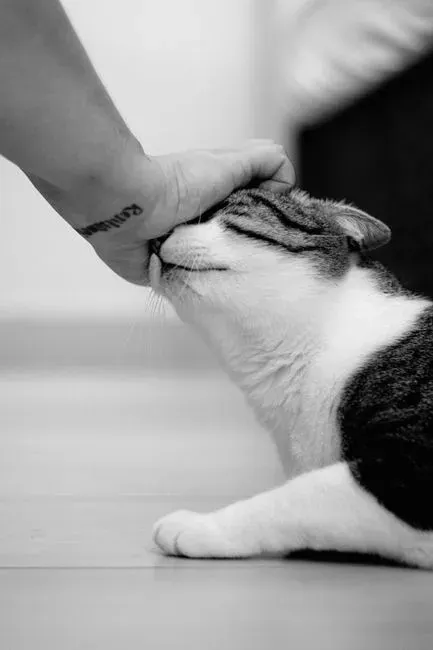
Cats are naturally more cautious than most dogs, especially around touch and proximity. A dog may hurl itself into a stranger’s lap in minutes; a cat often takes days, weeks, or even months to decide you are safe. So when a cat chooses to close that distance and deliberately put their face, one of their most vulnerable areas, right against you, that is a big deal. It means they are willing to lower their guard and share space in a very intimate way.
For dog people, it might help to think of a head-butt as the cat equivalent of a deep, relaxed lean against your legs or a dog flopping over to offer their belly. It is a moment where the animal is saying, without drama but with total clarity, that they feel secure in your presence. That quiet weight of a cat’s head resting against your chin or hand can carry as much emotional meaning as any tail wag, just wrapped in a smaller, softer gesture.
How Your Reactions Shape the Bond
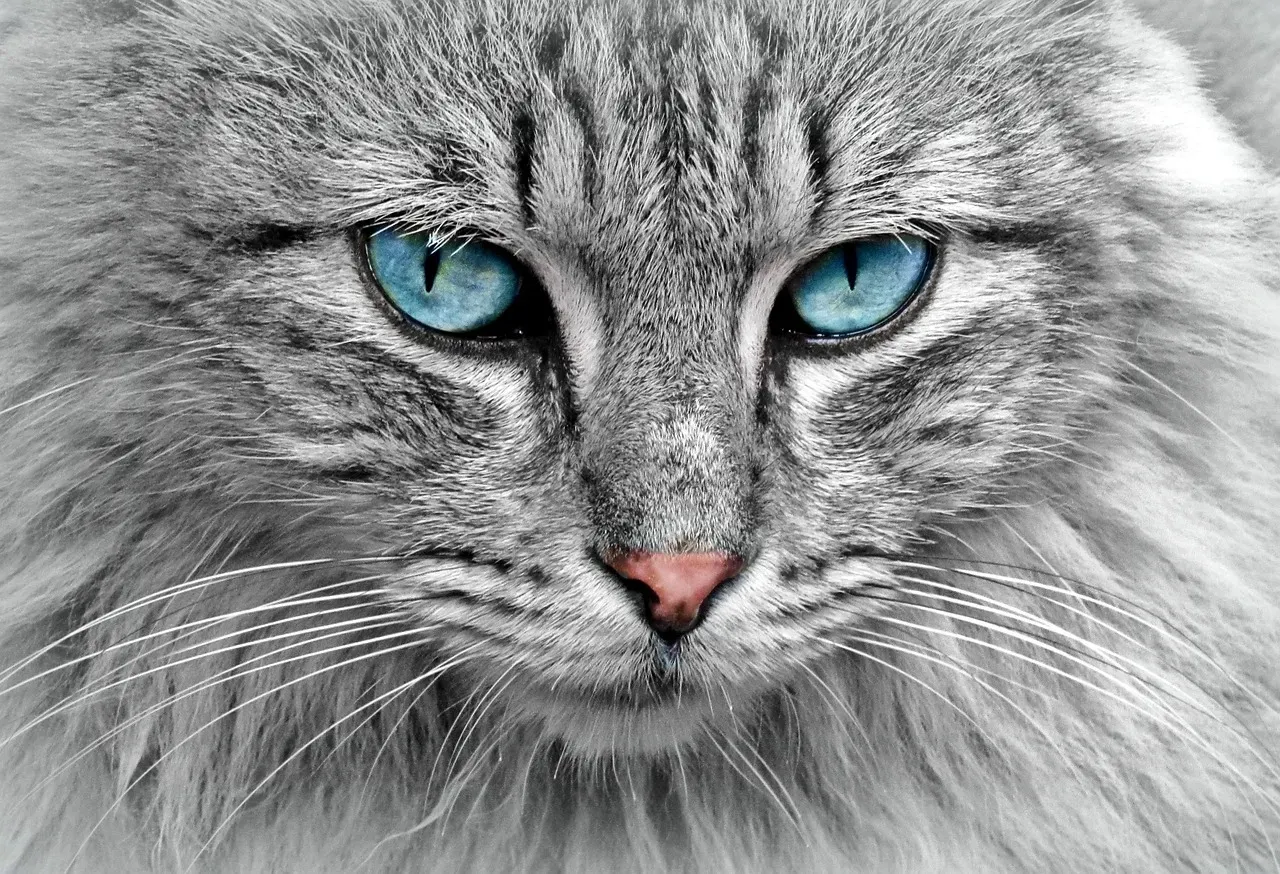
The way you respond to a head-butt can either reinforce that growing familiarity or accidentally shut it down. If you lean in gently, offer a slow blink, and maybe stroke the cheeks or between the ears, you are telling your cat that their social gesture landed safely. They learn that approaching you this way leads to calm, pleasant contact. Over time, that predictable response becomes part of the comfort they associate with you, just like a dog learns that a certain tone of voice means affection and safety.
On the other hand, if you react with sudden loud noises, fast movements, or grabby hands, a more sensitive cat might hesitate to try again. That does not mean you have ruined anything, but it does mean you may need to re-earn that level of closeness with patience. As a dog lover, you might be used to more physical, rough-and-tumble affection, but most cats do better with light, steady touch and pauses where they can choose whether to continue. Let the cat decide how long the interaction lasts, and you will often get more head-butts over time.
Do Cats Head-Butt Dogs Too? Cross-Species Friendship
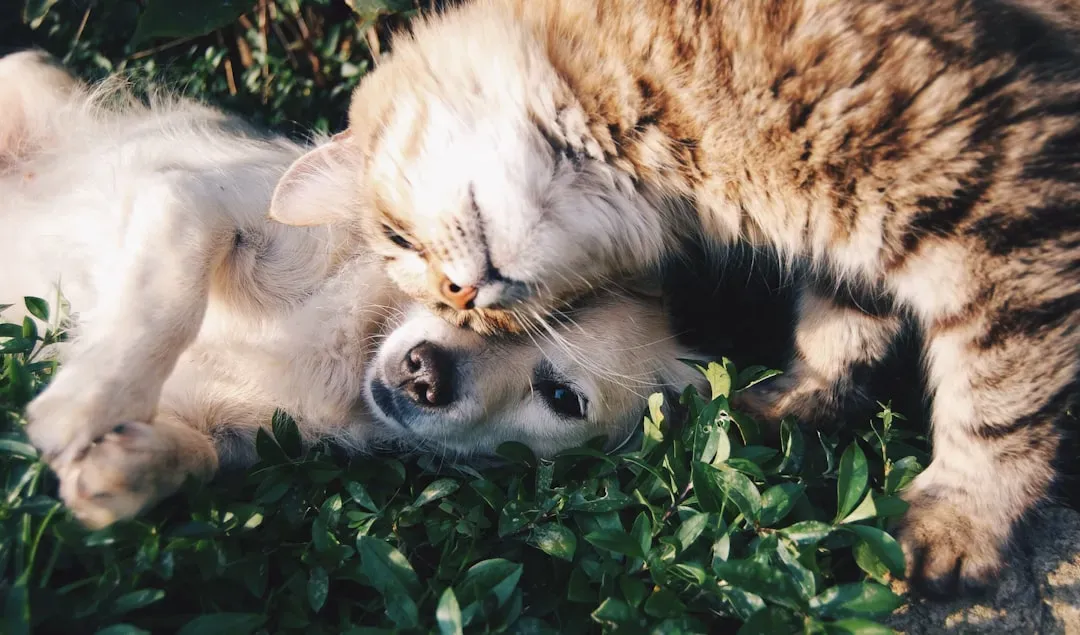
If your household already includes a dog, you might one day see your cat walk up and gently bump their head against your dog’s shoulder or muzzle. When that happens, you are watching an incredible bit of cross-species communication. Your cat is doing the same thing they do to you: using scent and touch to blend social worlds together. They are not just tolerating the dog; they are, in their own language, inviting the dog into a shared scent bubble of familiarity.
Dogs do not always understand this gesture right away, of course. Some will sniff politely, some will freeze, and some will wag enthusiastically as if they have just been handed the key to the city. Over time, though, many dogs learn that this quiet little bump from the cat is not a challenge but a greeting. If you have ever watched a dog carefully lower their head so the cat can rub along their face, you have seen a rare kind of harmony, where two very different animals find a way to say the same thing: you are safe with me.
When a Head-Butt Might Signal Something Else
Most of the time, bunting is a sign of comfort and social bonding, but context still matters. A cat that suddenly becomes excessively clingy, rubbing and head-butting nonstop while also acting restless or vocal, might be trying to get your attention for another reason. Changes in behavior, especially when combined with eating less, hiding more, or seeming uncomfortable when touched, can hint at pain or stress rather than simple affection. Just like with dogs, a sudden shift in how they seek contact is something worth noticing.
It is also important not to confuse head-butting with head pressing, where a cat pushes their head hard into a surface and holds it there, often looking disoriented or distressed. Head pressing is a medical red flag and needs urgent veterinary attention, while bunting is brief, relaxed, and usually paired with normal, happy behavior. If you are ever unsure, it is always better to check in with a vet. That way, you can enjoy the sweet significance of those gentle bumps with confidence, knowing you are not missing something important.
Conclusion: A Quiet Gesture That Speaks Volumes
To a dog lover’s eyes, a cat’s head-butt can look small compared to flying leaps, wagging tails, and full-body hugs. But inside that tiny moment is an entire language of scent, trust, and shared familiarity. When your cat presses their forehead or cheeks against you, they are not just asking for attention; they are leaving a part of themselves behind, layering your scent with theirs to build a shared sense of home. It is a soft, nearly invisible ritual that slowly turns you from stranger to family.
The next time your cat bumps your hand, your face, or even your dog, you will know there is a lot happening beneath that simple touch. You are being marked, remembered, and folded more tightly into their emotional world. For anyone who has loved a dog and is learning to love a cat, that realization can be surprisingly moving. So when that little head lands against you, maybe pause for a second and let it sink in: in their own quiet, scent-soaked way, your cat is saying they belong with you. Did you ever imagine something so small could mean so much?
Kristina is a young writer from India. An arts graduate and an avid content creator, Kristina is passionate about animals and wildlife. She enjoys exploring topics related to pet care, animal behavior, conservation, and nature, combining thorough research with engaging storytelling.