You call their name. You pat the cushion beside you. You rattle the food bowl for good measure. Your cat glances over, holds your gaze for a moment, then looks away and stretches. If you’ve shared your home with a cat, you know this scene well. It’s easy to read it as rejection, but the truth is far more interesting.
The answer to this apparent indifference lies not in disinterest but in the unique way cats communicate and express their independence. Unlike dogs, which evolved as pack animals with strong social bonds, cats are solitary hunters by nature. This doesn’t mean they don’t care for their humans – it simply means they show it differently. Understanding where that difference comes from makes all the time together much richer.
The Solitary Hunter Within Your Living Room
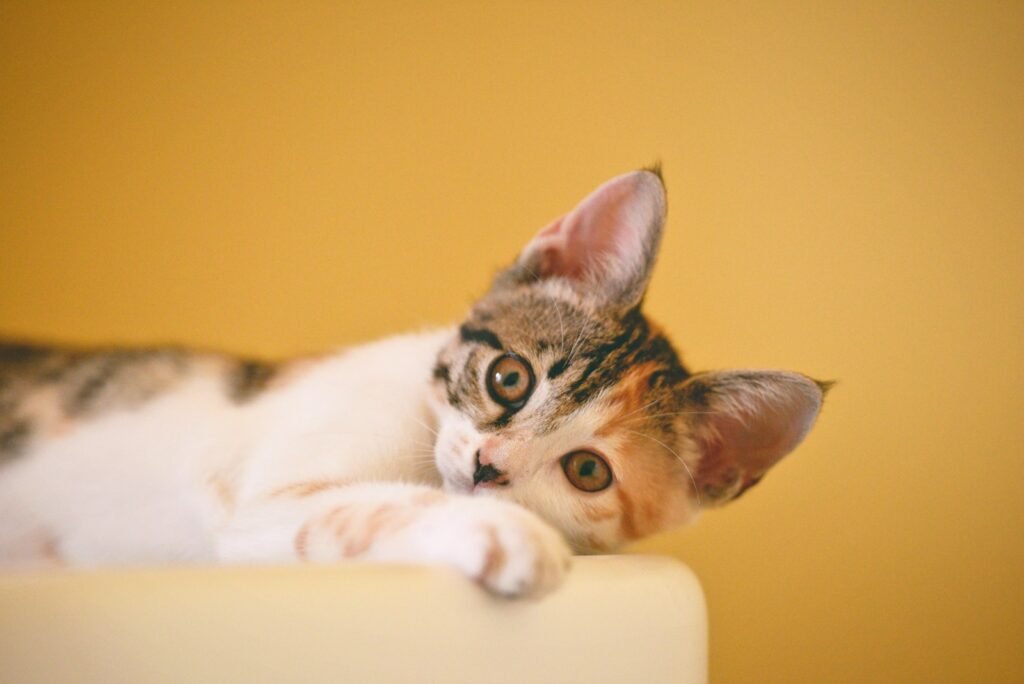
The domestic cat is, at its core, a social species but a solitary hunter and a crepuscular predator. That combination is unusual in the animal kingdom, and it goes a long way toward explaining why your cat can seem both affectionate and strangely self-contained within the same hour.
Cats are natural-born hunters in the wild, preferring to spend time alone or in small groups. They’re not gregarious pack animals like wild dogs, and most wild cats have established safe spaces they can retreat to in emergencies. Most of the things they do in our homes are innate survival instincts, and cats learn how to hone those skills from kittenhood. That window seat isn’t just comfortable – it’s a perch with a good sightline.
How Cats Domesticated Themselves (Sort Of)
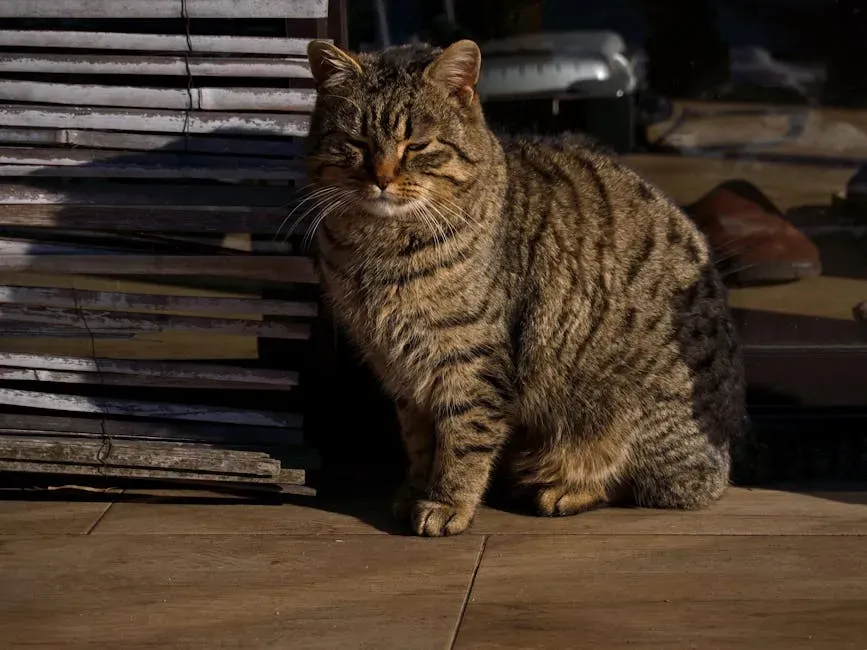
Unlike dogs, cats likely weren’t domesticated through selective breeding. Instead, their domestication was more of a mutual arrangement. As early farming communities stored grain, they attracted rodents. Wildcats, solitary animals by nature, started hunting near these settlements. Over time, more social cats tolerated human contact and became permanent fixtures around human homes. This gradual, self-initiated adaptation was the start of true domestication.
Researchers classify cats as “semi-domesticated.” Unlike dogs, which were bred for specific tasks such as herding, guarding, and retrieving, cats domesticated themselves. They hung around for the food but kept their independence. That independence wasn’t an oversight in the process – it was the whole point.
Science Weighs In: Cats Are Built for Autonomy
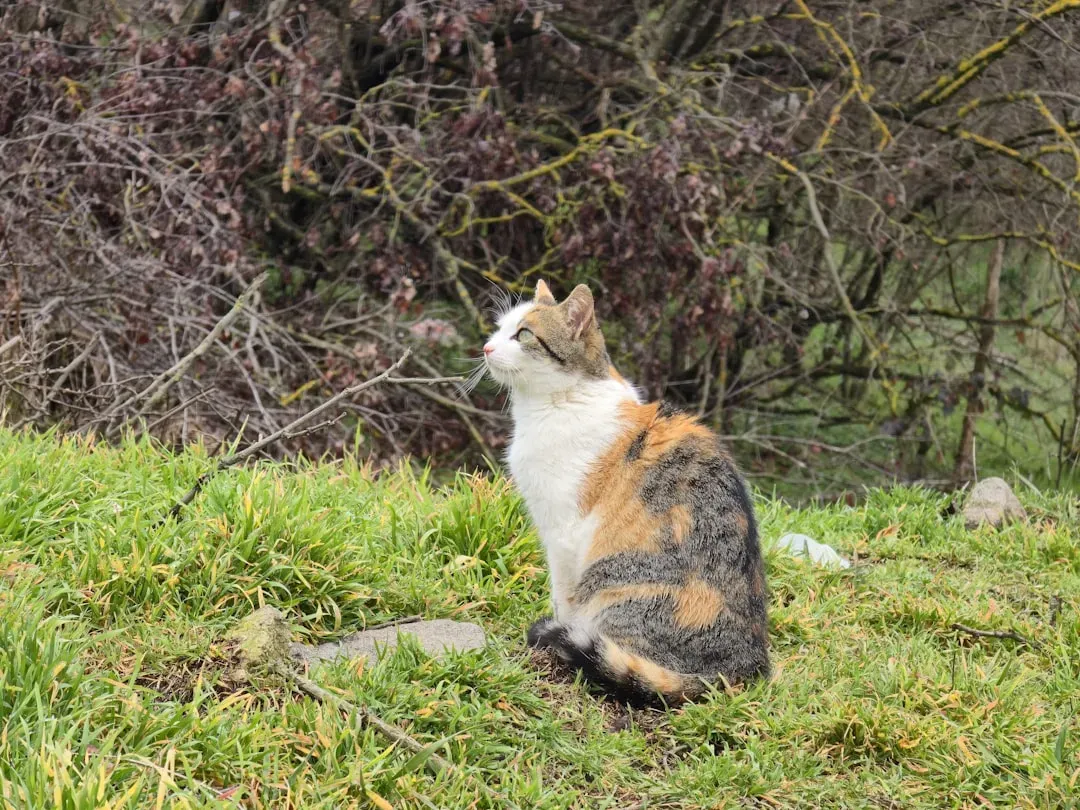
A study by animal behavior specialists at the University of Lincoln showed that while dogs perceive their owners as a safe base, the relationship between people and their feline companions appears to be quite different. While it is increasingly recognized that cats are more social and more capable of shared relationships than traditionally thought, this research shows that adult cats appear to be more autonomous, even in their social relationships, and not necessarily dependent on others to provide a sense of protection.
Research indicates that cats display symmetrical inter-specific amicability with humans. Domestic cats have retained their functional independence from humans, and they do not show attachment towards their owners in the same way that characterizes the dependence-based, dog-human relationship. That’s not a flaw in your bond. It’s simply a different architecture of connection.
They Know Their Name – They Just Choose When to Respond
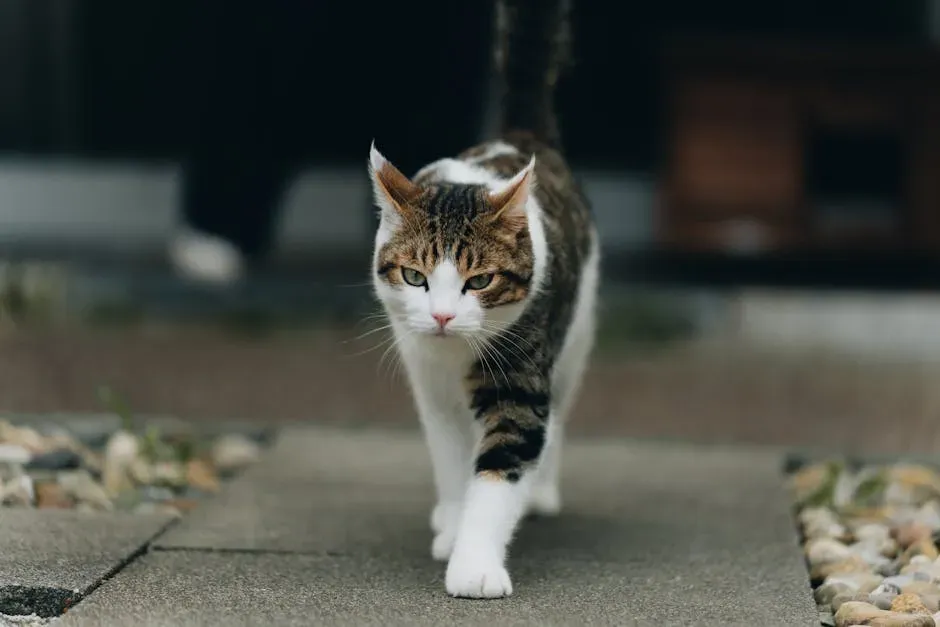
Cats are selective responders who choose when to acknowledge calls based on their motivation and current state. This behavior reflects their independent nature rather than a lack of attachment to their owners. A cat’s apparent indifference is usually just their way of maintaining healthy boundaries and expressing their natural independence.
Cats choose to respond based on their interest level and current activity. While studies show they recognize their names, they may not see an immediate benefit in responding, especially if they’re engaged in something else or feeling relaxed. Think of it less like being ignored and more like receiving a very polite rain check.
The Sleep Schedule That Rules Everything
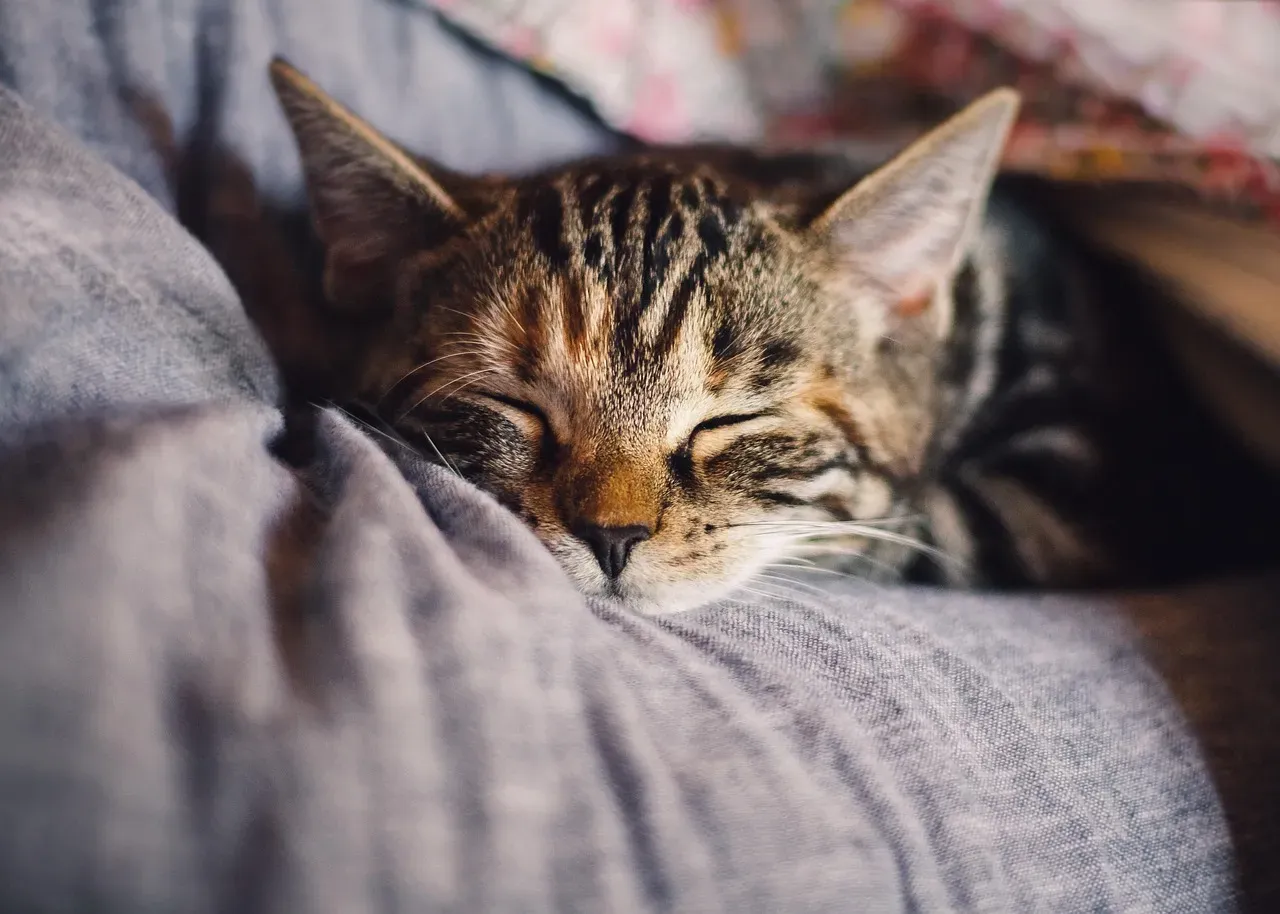
Cats conserve energy by sleeping more than most animals, especially as they grow older. The daily duration of sleep varies, usually between 12 and 16 hours, with 13 to 14 being the average. Some cats can sleep as much as 20 hours. When your cat walks past you without so much as a glance at midday, there’s a reasonable chance they’re simply between naps.
Cats aren’t simply “sleeping” for half the day. Their sleep is structured into distinct periods of rest and activity, reflecting their natural hunting instincts. Cats are primarily crepuscular animals, meaning they are most active during dawn and dusk. This innate behavior is directly linked to their evolutionary heritage as predators. Hunting at these times allows them to capitalize on the lower light levels, giving them an advantage over their prey. That 3 a.m. sprint through your hallway? Completely on schedule.
Reading the Signals Your Cat Is Actually Sending
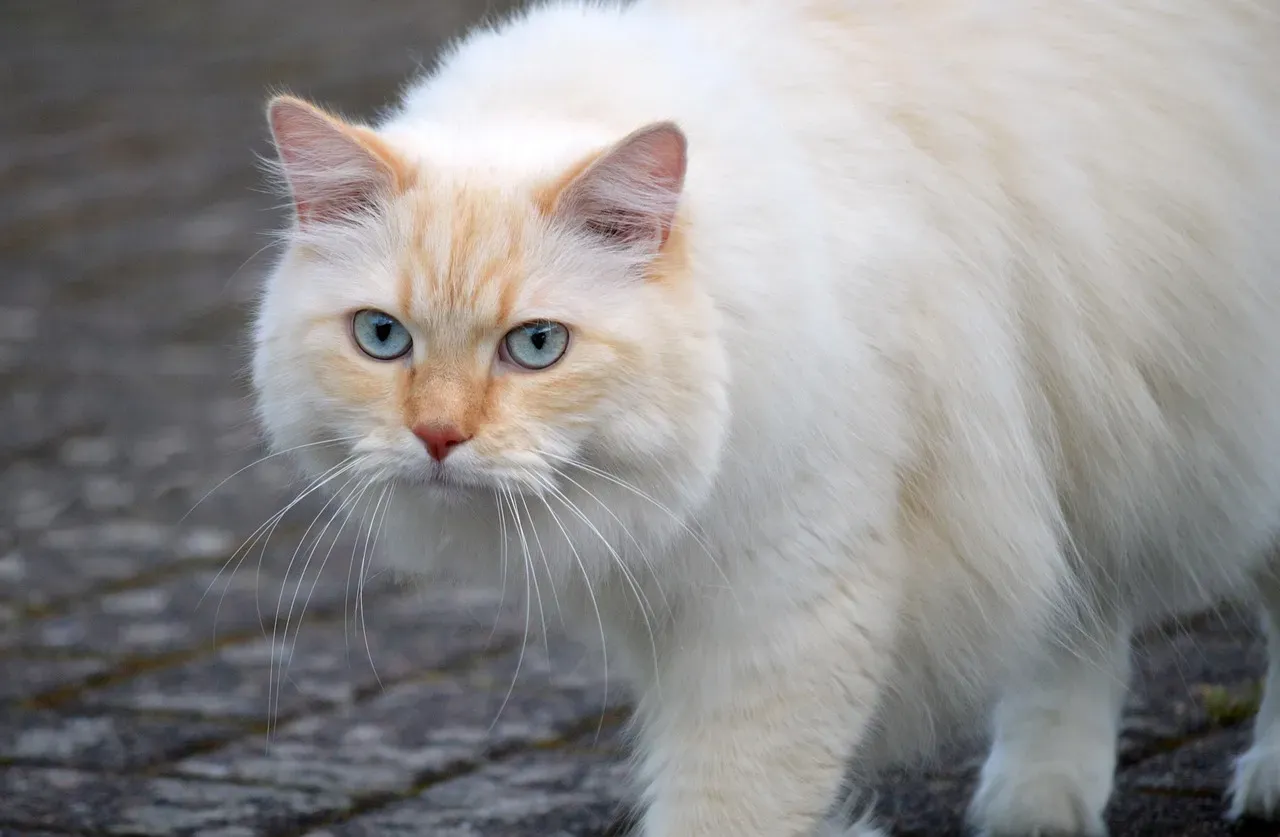
Cat body language uses ears, eyes, tail, and posture as a multi-channel system. Cat body language is a multi-channel communication system where every signal must be read together for accurate interpretation. Reading just one signal is like judging someone’s mood by only seeing their hands – cats use ears, eyes, tail, body posture, and whiskers simultaneously.
A recent study reveals that cats communicate through slow blinking, a subtle yet powerful signal. When cats feel relaxed and content, they naturally narrow their eyes and blink slowly. This facial expression closely resembles the soft squint humans make when smiling. In other words, it’s a cat’s way of expressing friendliness and trust – a kind of silent hello. If your cat sends you a slow blink from across the room, that’s not indifference. That’s affection on feline terms.
Your Cat Does Bond With You – Just Differently
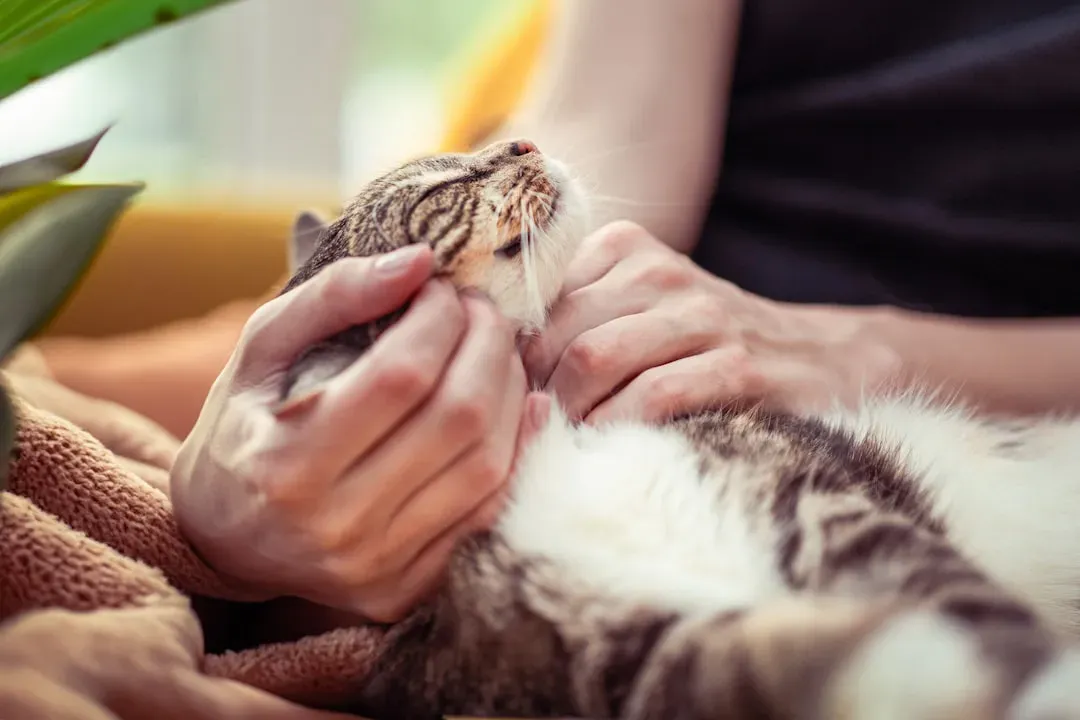
Modern cat owners may misinterpret independence as indifference. In truth, cats do form deep emotional bonds with their humans, but they show affection in subtler ways – rubbing against legs, slow blinking, grooming, or simply choosing to nap nearby. These behaviors demonstrate trust and comfort, even if they don’t look like the overt displays of devotion we might expect.
Research confirms that pet cats form attachment bonds to human caretakers, forming secure attachments at roughly the same rate as has been observed in dog-human bonds and human infant-caregiver bonds. The difference is in expression, not depth. Your cat napping on the far end of the couch rather than in your lap isn’t a statement – it’s just their preferred configuration of closeness.
Early Socialization Shapes Everything
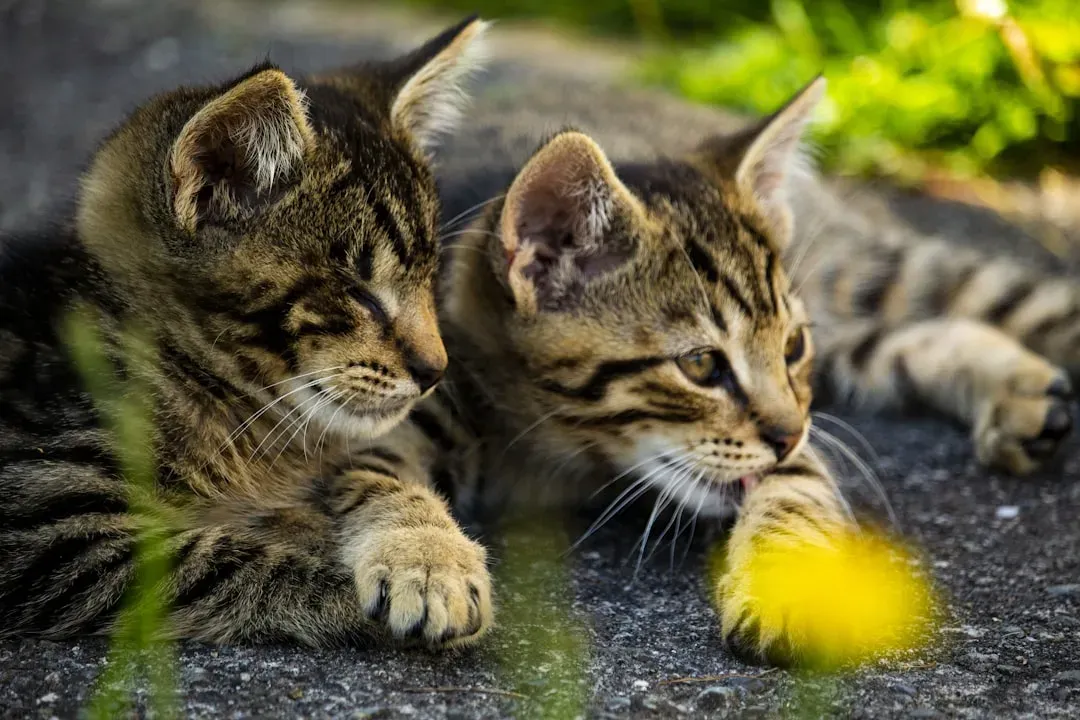
Eileen Karsh was the first researcher to experimentally determine the sensitive phase of kittens for socialization to humans. Kittens handled frequently by humans during their second to mid-seventh week of age become friendly and trusting of people and remain so throughout their later lives. This narrow developmental window carries a long shadow. How a kitten experiences those early weeks often defines how open or reserved they’ll be as adults.
Kittens who are handled frequently and gently between two and seven weeks old typically grow up to be more social and affectionate. Those who miss this crucial socialization window often remain more aloof throughout their lives. So if you adopted a more reserved cat, their distance likely has roots in early experience rather than any personal opinion of you.
Your Mood and Routine Affect Their Behavior Too
Cats – merely their presence, but of course their behavior – can affect human moods, and human mood differences have been shown to affect the behavior of the cats in return. The relationship is genuinely reciprocal, even when it doesn’t look like it from the outside.
Cats are incredibly perceptive to routines and emotional states. If you’re anxious or stressed, your cat might either cling closer for mutual comfort or give you space, depending on their personality. If you’re consistently interactive and engaging, you’re more likely to have a cat that follows you around. If you’re more hands-off, your cat might adapt by becoming more self-sufficient. Your cat is reading you – probably more carefully than you realize.
How to Deepen the Bond Without Forcing It
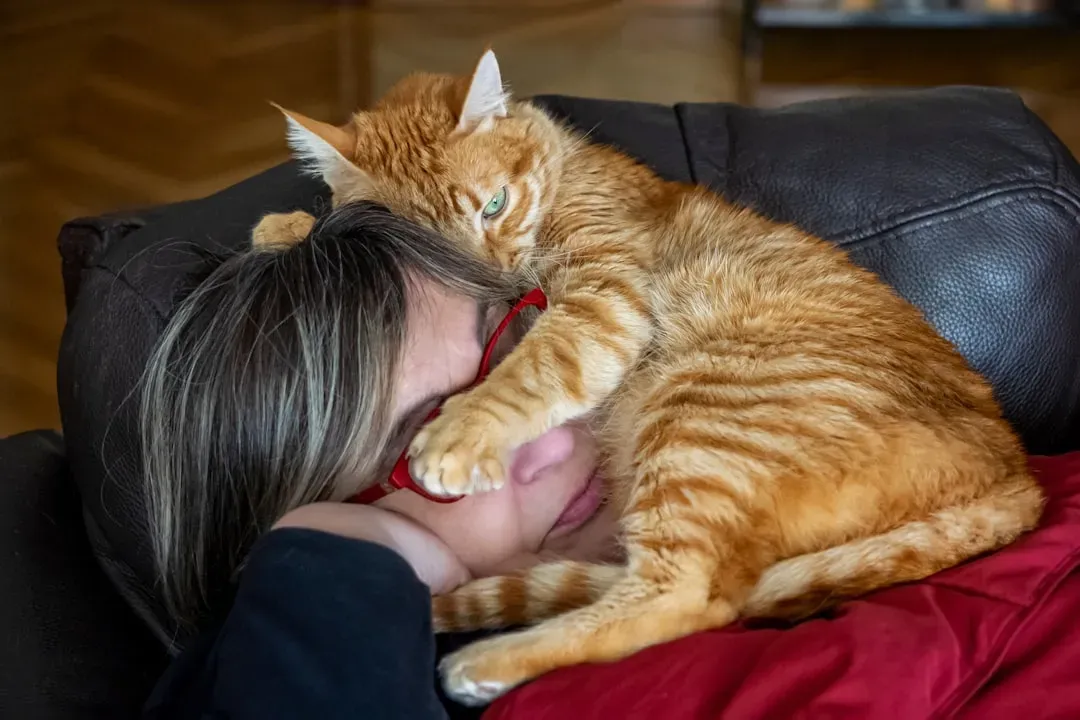
Research comparing how much time cats sought proximity to an attentive human versus an inattentive human found a telling contrast. Shelter and pet cats spent less than one-fifth of the testing period interacting with an inattentive human, but on average spent over three-fifths of trial time seeking the proximity of the same human when the human was attentive. Your engagement genuinely matters to them.
The key to improving your relationship with your cat lies in understanding and respecting their communication style. Positive reinforcement, consistent routines, and allowing them to initiate interaction can help strengthen your bond over time. Cats need items like toys, vertical perches, and scratching posts to relieve stress. Without any way to blow off steam, a cat can get anxious and avoid human contact altogether. A well-stimulated cat is a more socially available one.
Conclusion
Your cat isn’t being rude when they walk past you without a second glance. They’re operating from a blueprint shaped over thousands of years – one built on self-sufficiency, selective trust, and a kind of companionship that doesn’t require constant validation to be real.
The slow blink from across the room, the deliberate choice to nap within earshot, the gentle head rub at an unexpected moment – these are the vocabulary of a creature that connects on its own terms. Learning to read that language, rather than expecting it to sound like a dog’s, changes everything about how you experience sharing your home with a cat.
Independence and affection aren’t opposites. In the feline world, they coexist quietly – and once you see that, the apparent indifference starts to look a lot more like something else entirely.