If you’re planning to travel with your feline companion, you need to know that the airline industry is going through significant changes when it comes to pet policies. These shifts affect everything from fees to safety requirements, and they’re happening at a rapid pace across major carriers.
The landscape of flying with cats has transformed dramatically in recent years. Statistics show that nearly 20% of travelers bring their pets along on flights, creating a surge in demand that airlines are scrambling to accommodate while balancing safety, profit, and passenger comfort. What this means for you as a cat owner is that you’ll need to stay informed about these evolving policies to ensure smooth travel experiences.
Rising Fees Reflect Increased Demand
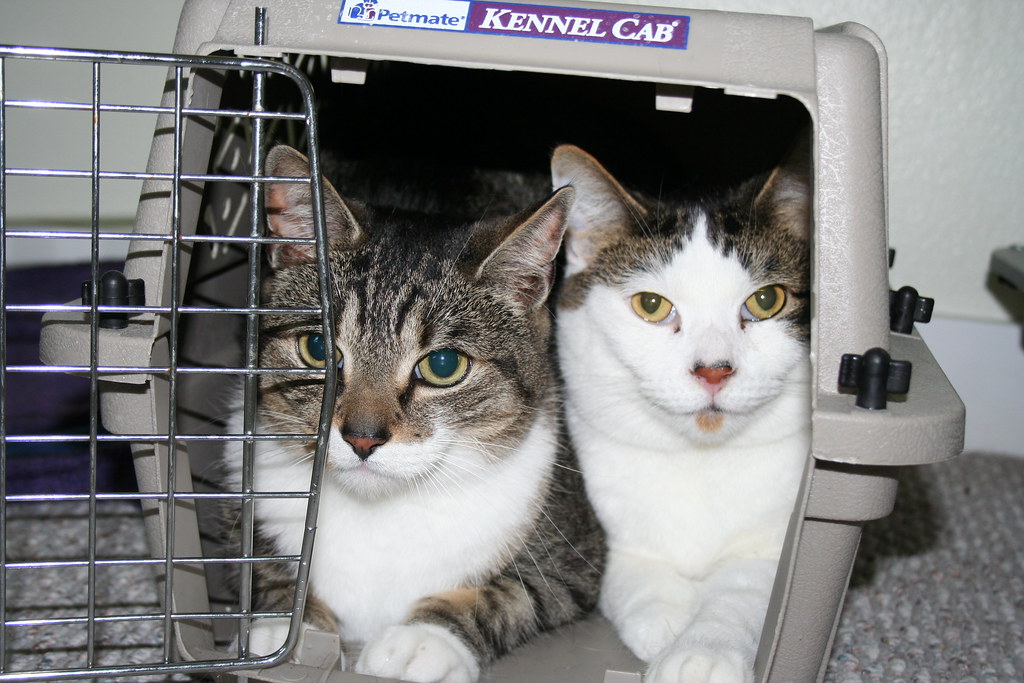
Airlines have been steadily increasing their pet travel fees, and the numbers might surprise you. Travelers planning to fly with pets on Delta will soon face steeper fees. bringing a pet in the cabin currently costs $95 each way for domestic flights. This represents a significant jump from previous pricing structures.
The trend isn’t limited to Delta. United Airlines currently charges $125 each way for bringing a pet into the cabin. United Airlines maintains consistent pricing across domestic and international flights at $125 each way, making it one of the steepest hikes across the industry.
While airlines typically already impose fees for pet transport, usually ranging from $100 to $200, Delta’s increase pushes the cost of pet travel upwards. In a landscape where more passengers are seeking to travel with their animals, these escalating fees will undoubtedly impact budget-conscious individuals hoping to include their pets in their travel plans.
Cargo Restrictions Create Cabin-Only Options
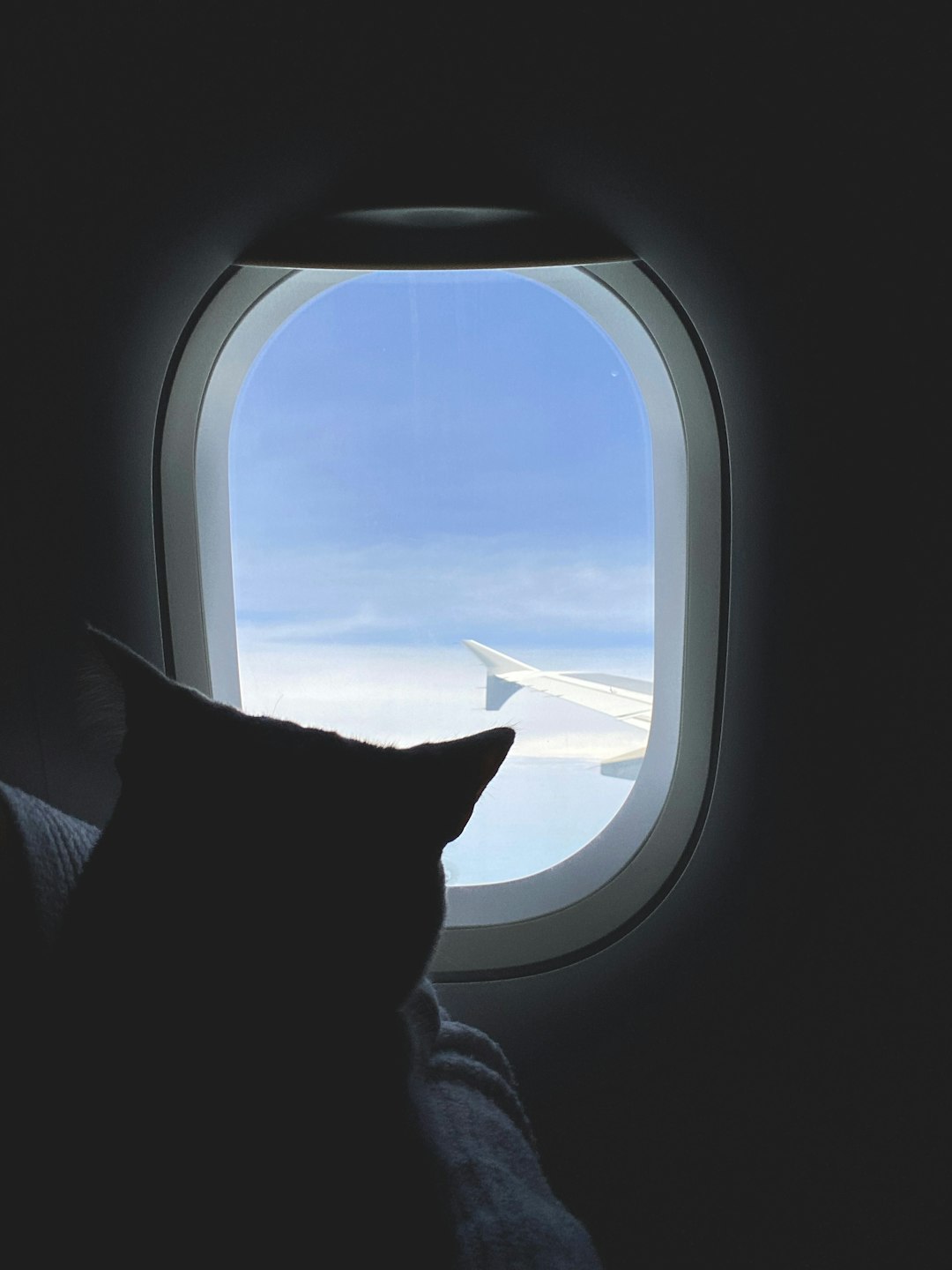
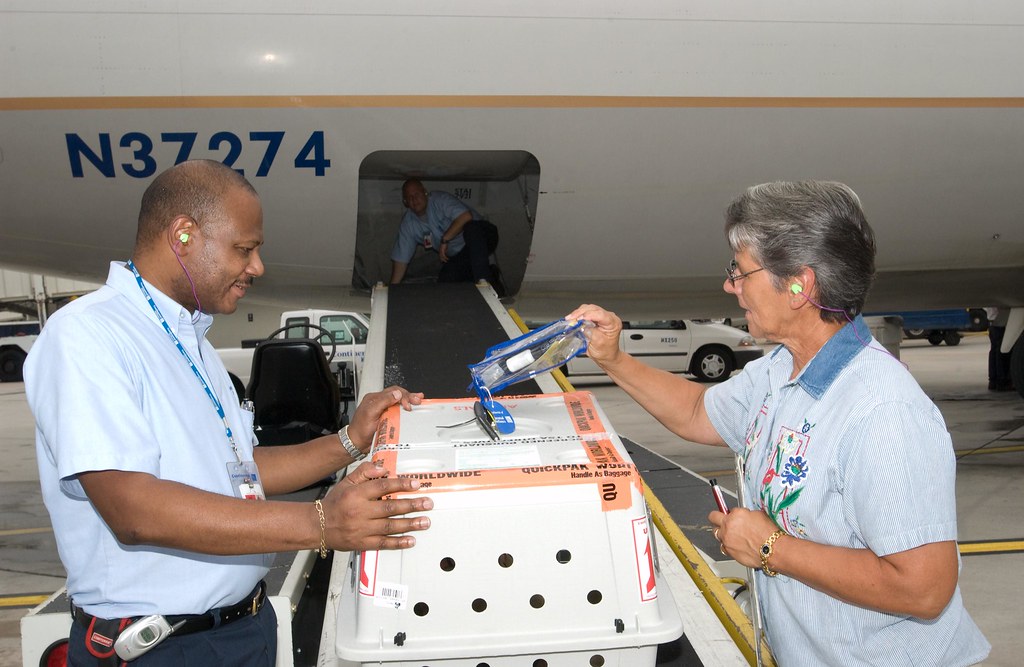
One of the most significant policy shifts has been the virtual elimination of checked pet programs for most travelers. “We no longer let you check your pets through the PetSafe program. Pets can only fly in cargo when traveling with certain active-duty military or State Department employees. This restriction now applies to major airlines including United and American.
We only accept checked pets at the ticket counter for active-duty U.S. Military and U.S. State Department Foreign Service personnel traveling on official orders. For civilian travelers, this means if your cat doesn’t meet in-cabin requirements, you’ll need to explore alternative transportation methods or specialized pet shipping services.
As of 2025, Delta Cargo is not available to the general public for pet transport. It is limited to: U.S. Military members with Permanent Change of Station (PCS) orders · U.S. State Department personnel traveling under official Foreign Service orders. This shift forces most pet owners to find carriers and routes that accommodate in-cabin travel.
Enhanced Safety Protocols and Documentation
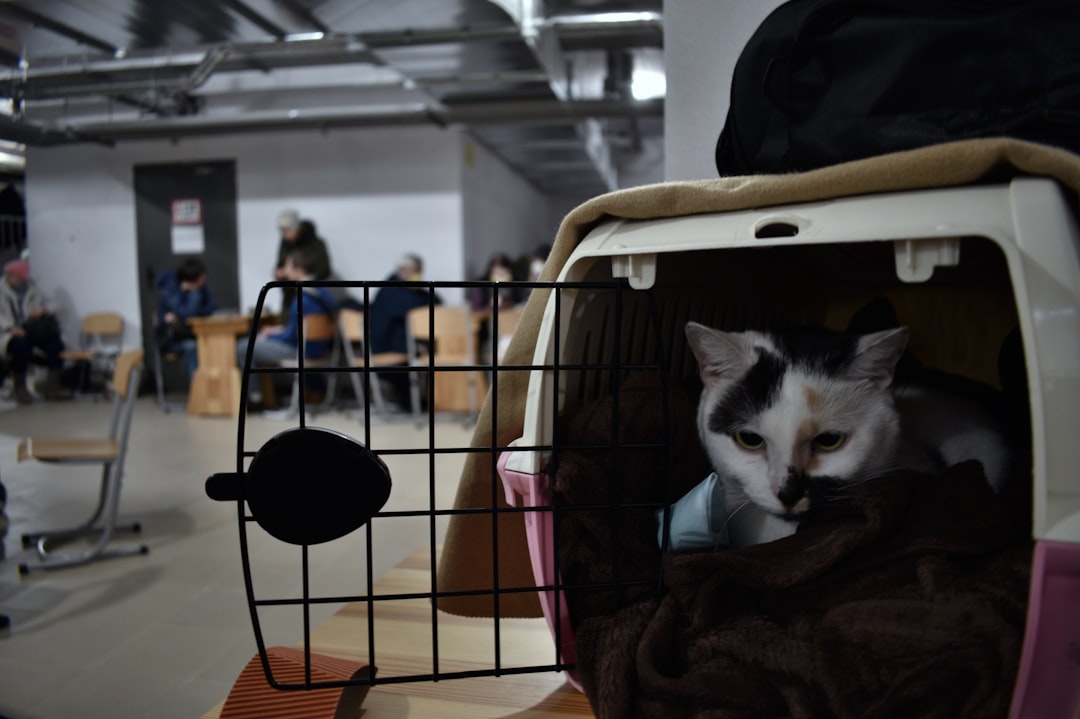
Airlines have tightened their health and safety requirements significantly. American Airlines requires that all cats have a health certificate issued by a licensed veterinarian within ten days of travel. This isn’t just a suggestion anymore – it’s becoming standard practice across the industry.
Most airlines will require a recent health certificate for travel provided by a vet. Some airlines only require paperwork for cargo travel, but more and more airlines are demanding relevant paperwork for cabin travel, too. You’ll need to plan ahead because these certificates have strict timing requirements.
Since August 2024, the CDC requires stricter dog import rules: … Delta enforces these requirements as part of its international pet documentation process. While this specifically mentions dogs, similar documentation requirements are being applied to cats for international travel.
Breed Restrictions and Size Limitations
Restricted Cat Breeds include: Burmese, Exotic Shorthair, Himalayan, and Persian on many airlines. These restrictions stem from breathing difficulties that flat-faced breeds can experience during air travel, particularly in cargo holds.
We don’t accept brachycephalic or snub-nosed dogs of any ‘mix’ as checked pets, and similar restrictions apply to cats. Airlines are prioritizing animal welfare by refusing to transport breeds that face higher risks during flights.
Weight and carrier size restrictions have also become more stringent. That´s been lowered to 8kg starting March 2025 for some international carriers, forcing you to carefully consider your cat’s size and the combined weight of your pet and carrier when booking flights.
Emotional Support Animal Policy Changes

However, with the DOT’s rules and ACAA changes, most airlines now treat ESA as pets. They charge an additional fee if you want to travel with your ESA. This represents a major shift from previous policies where emotional support animals could fly for free.
Delta strictly follows the U.S. Department of Transportation (DOT) 2020 ruling. Emotional Support Animals (ESAs): No longer considered service animals under Delta’s policy. They must travel under regular pet travel rules. This change means that travelers with ESAs will now pay pet fees and follow the same kennel and booking requirements as any other passenger.
As of 2025, only dogs trained to perform specific tasks for individuals with a disability are recognized as service animals. This clarification has eliminated the confusion that previously existed around emotional support animals versus actual service animals.
Limited Cabin Space Creates Booking Challenges
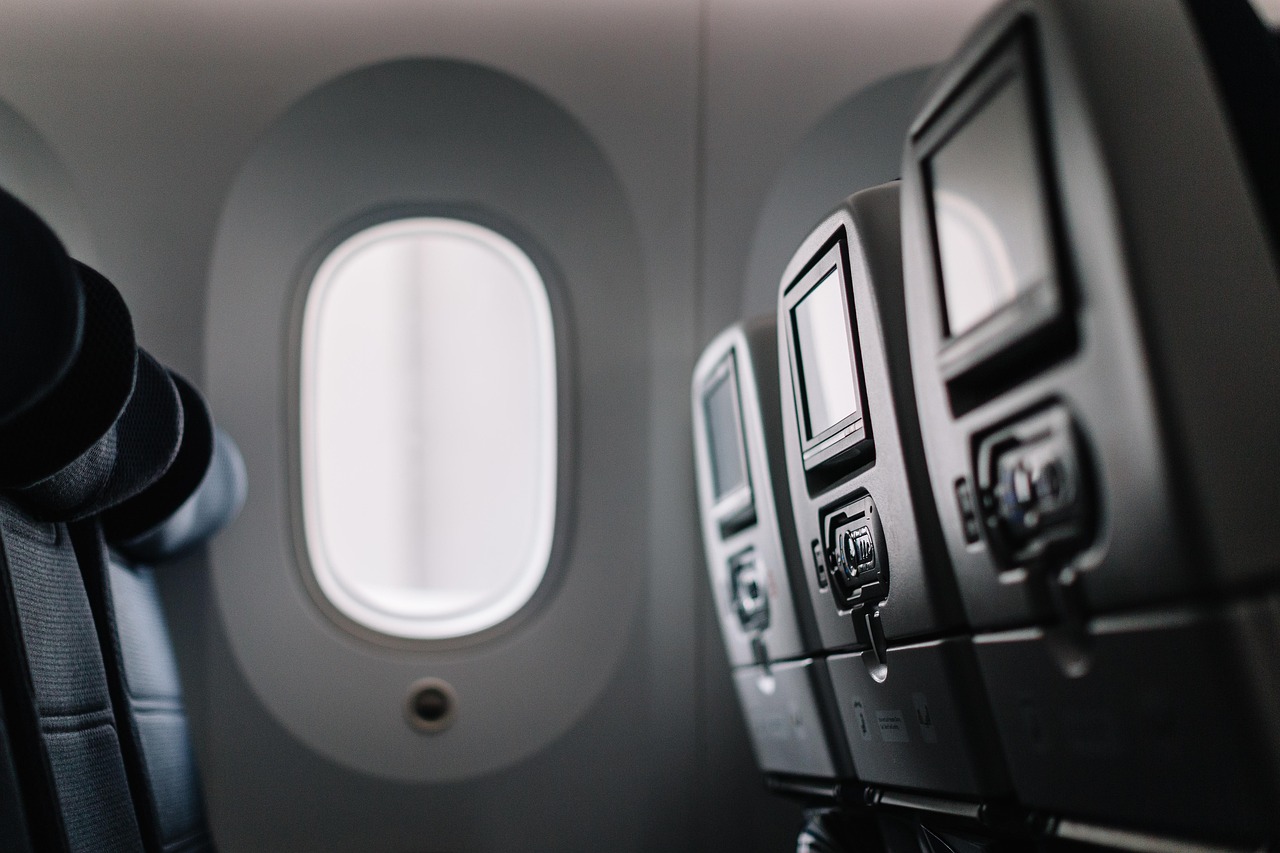
It’s important to note that some airlines restrict the number of pets allowed on a certain flight, and some work on a “first come, first serve” basis. Try to book your tickets early to ensure a spot for your cat, or make sure you check in for your flight as early as possible to ensure that your cat has a spot.
Policies vary by airlines and the number of in-cabin pets allowed per flight is often limited. Make sure to obtain the record locator number for your cat. You can’t simply assume there will be space available for your pet, even if you’ve purchased your own ticket.
Pets cannot be added online. Each cabin section has limited pet space, so it’s best to book early to secure your spot. This means you’ll need to call the airline directly after booking your own reservation to add your cat to the flight.
International Travel Complications
Apart from service animals, you can’t travel with a checked pet to the U.K. or Ireland, but you can transport dogs and cats to London (LHR) and Manchester (MAN) with American Airlines Cargo. International routes have become particularly challenging for pet owners due to varying country regulations.
You may need to obtain import permits for certain countries, and some countries will require a period of quarantine. Bear in mind that most international flights are long, and most airlines will not allow your cat to travel in the cabin for flights longer than 8 hours. But there are many ways to prepare you and your cat for international travel if you need to do so.
Different countries have varying quarantine and vaccination rules. Failure in fulfilling all delta airlines pet travel requirements can result in denied entry or mandatory quarantine. You’ll need to research destination requirements well in advance of your travel dates.
Carrier Requirements and Specifications
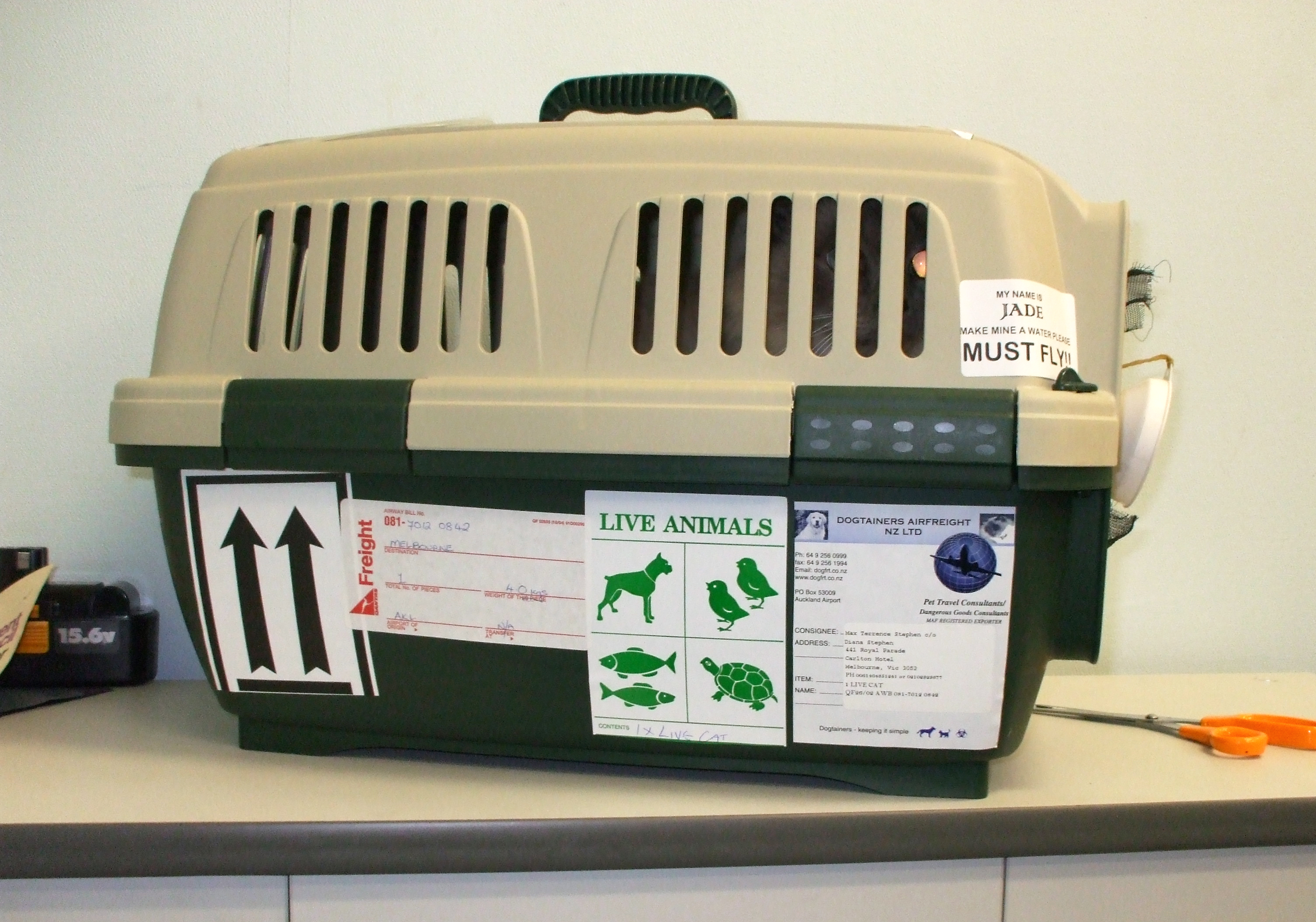
Always call the airline ahead of time and ask what type of cat carrier or crate is allowed on the plane and the airline’s standard dimensions for pet carriers. These specifications vary between airlines and can change without much notice.
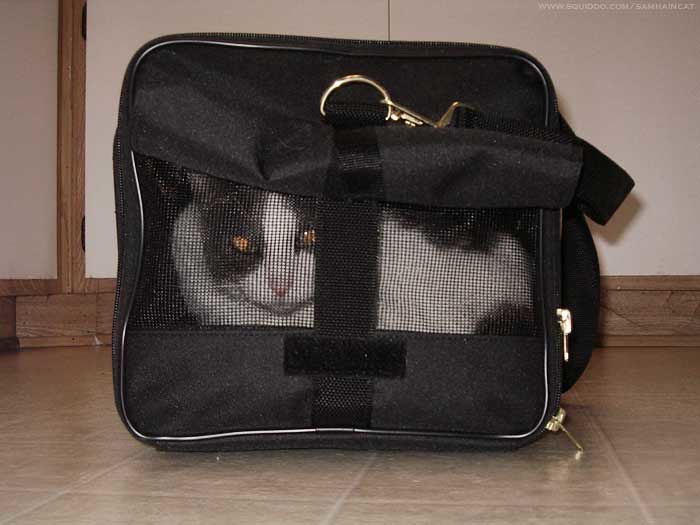
Consider a relatively soft-sided travel carrier, as it is more “forgiving” for fitting under the airline seat, but not one that will collapse on your pet and make them uncomfortable. The carrier needs to fit securely under the seat in front of you for the entire flight duration.
Max dimensions: 18x11x 11″ (soft), 19x13x 9″ (hard). Fee: $150 for in-cabin represents typical sizing requirements, though you should always verify current specifications with your specific airline before purchasing a carrier.
Preparing Your Cat for Air Travel
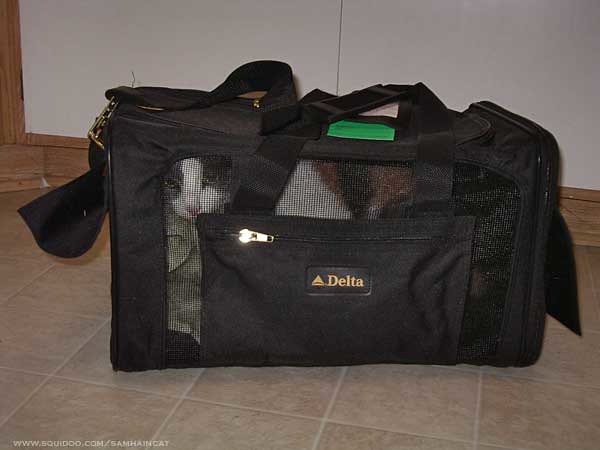
Flying with your cat is all about preparation. Creating positive associations for your cat with his cat carrier will not happen overnight. So plan several weeks in advance to start training your cat to be comfortable with the carrier. This preparation phase is crucial for reducing travel stress.
To get your cat used to traveling in the carrier, Siracusa suggests placing your cat in the carrier for progressively longer periods of time, and even taking your cat on short trips in the car to places he will enjoy or even just for a drive around the neighborhood. Gradual exposure helps minimize anxiety on travel day.
“Pheromones can be used to lower stress associated with new environments and new experiences,” says Siracusa, who recommends Feliway, a synthetic pheromone. Sprayed within the crate, pheromones may help your cat feel as though he is in an environment that is “safe and under control”. These calming aids have become essential tools for pet travel.
Traveling on an empty stomach minimizes the risk of nausea and vomiting. Line the carrier with an absorbent “puppy potty pad” in case your cat needs to urinate or defecate during travel. Practical preparation prevents messy situations during flights.
These airline policy changes reflect the industry’s attempt to balance growing pet travel demand with safety concerns, operational costs, and passenger comfort. Understanding these evolving requirements will help you navigate the increasingly complex world of flying with your feline companion. The key is staying informed, planning well in advance, and preparing your cat properly for the travel experience.
What aspects of these airline policy changes concern you most as a cat owner? Share your experiences and questions in the comments below.