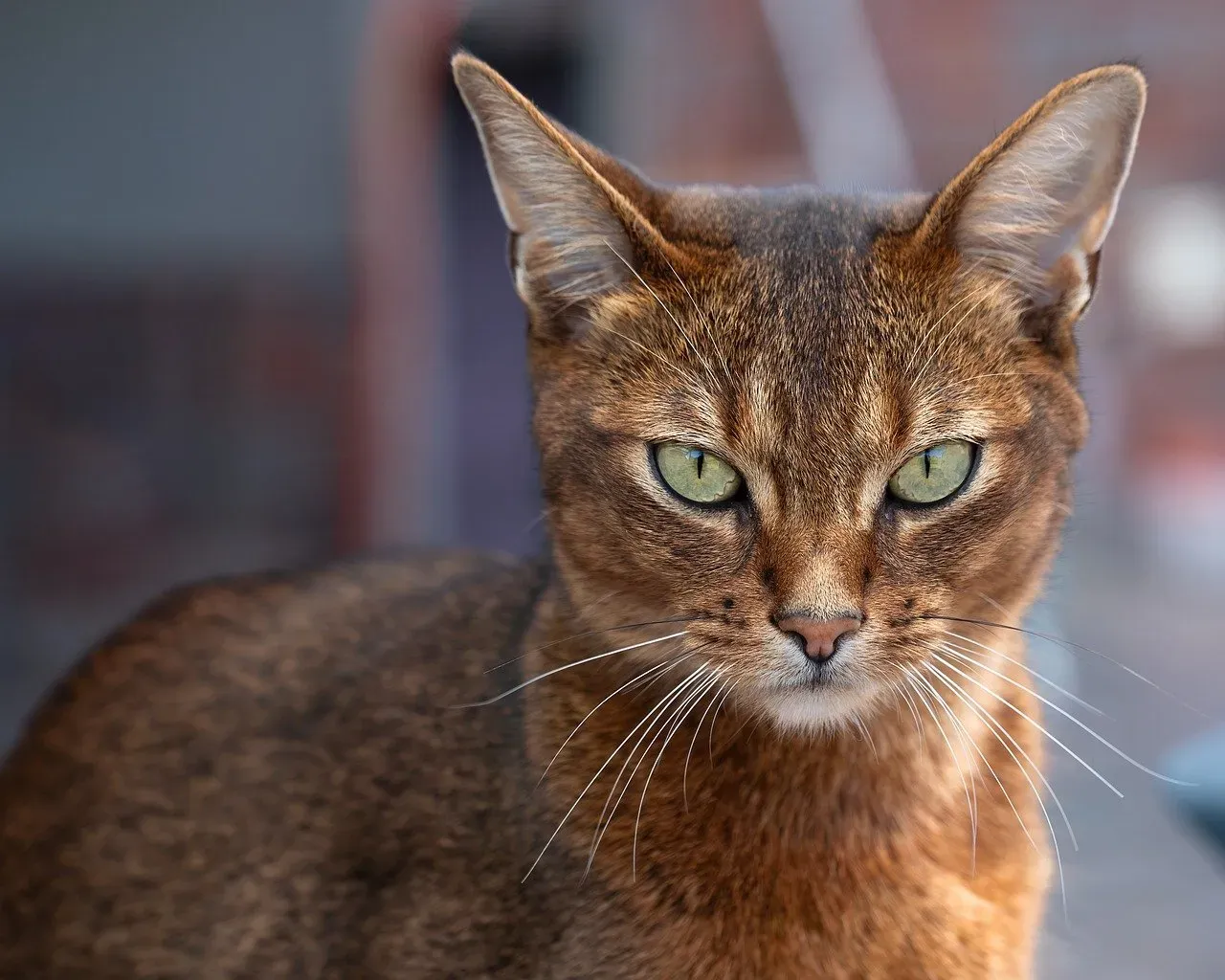
You’ve seen them. Those sleek, stunning cats with wildcat looks and ticked coats that shimmer like burnished copper. Maybe you’ve fallen in love with their almond eyes and athletic build. Perhaps you’re thinking about bringing one home because, honestly, they look like miniature cougars prowling through ancient Egyptian art.
Here’s the thing, though. Abyssinians have a “dog-like attachment to the owners” that causes “greater dependence on human contacts,” unlike the “tolerant acceptance of human company” that many other breeds display. Translation? These cats aren’t your typical independent feline. They’re demanding, energetic whirlwinds who will turn your quiet home into an adventure park. Let’s be real: if you’re imagining lazy afternoons with a purring lap cat, you need to keep scrolling.
They’re Perpetual Motion Machines That Never Stop
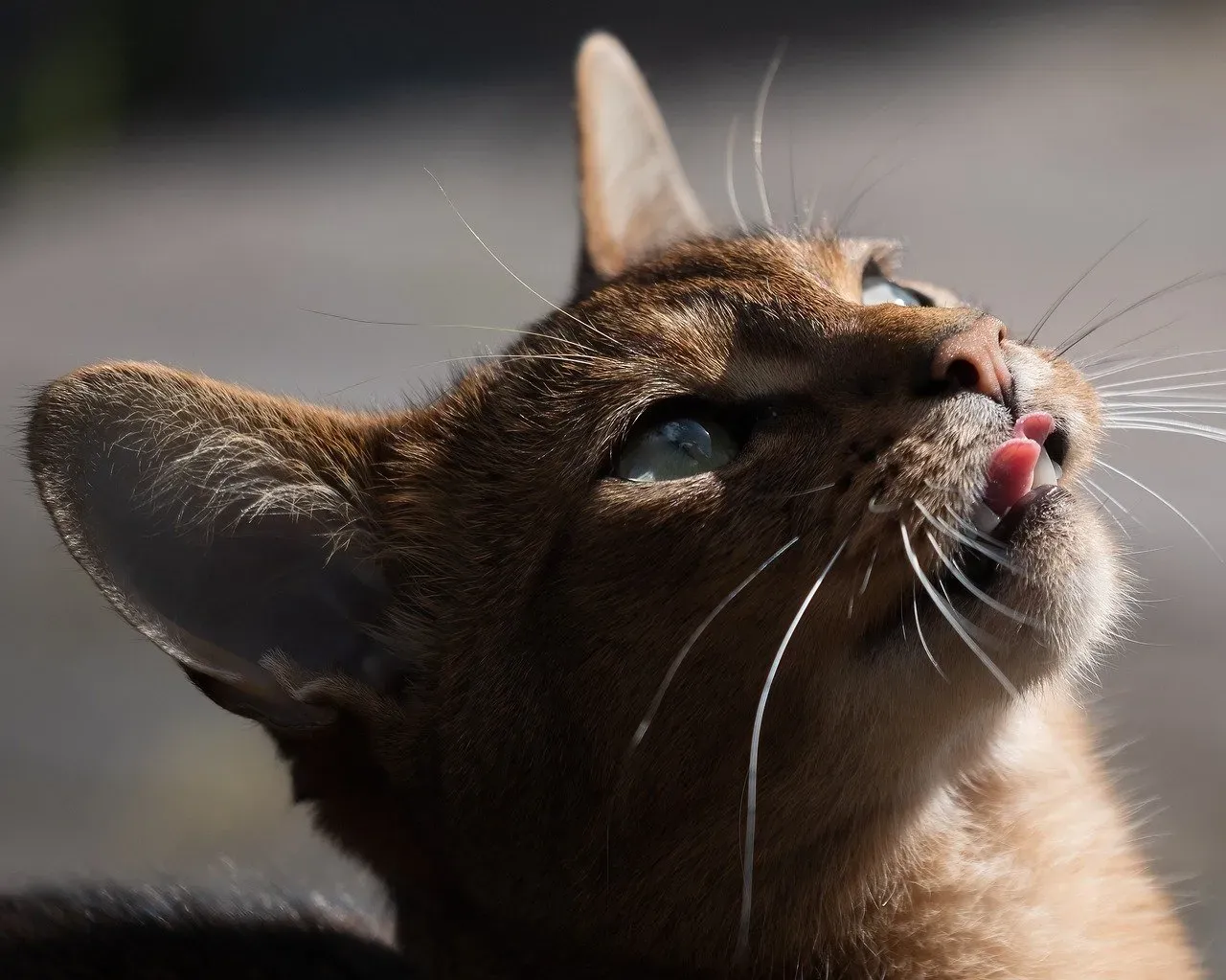
Abyssinians are in constant motion, either exploring or playing. Think about that for a second. Constant. Motion. Your Abyssinian won’t be napping peacefully on the windowsill for hours. Instead, they’ll be investigating your kitchen cabinets, scaling your bookshelves, and treating your curtains like Olympic climbing apparatus.
These cats are incredibly active and require plenty of physical and mental stimulation to keep them happy. If you work long hours, travel frequently, or prefer a calm household where things stay in place, this breed will test your patience. Leaving an Abyssinian without toys or playtime often leads to them finding their own entertainment, which usually means your belongings become casualties.
You Can’t Just Leave Them Alone All Day
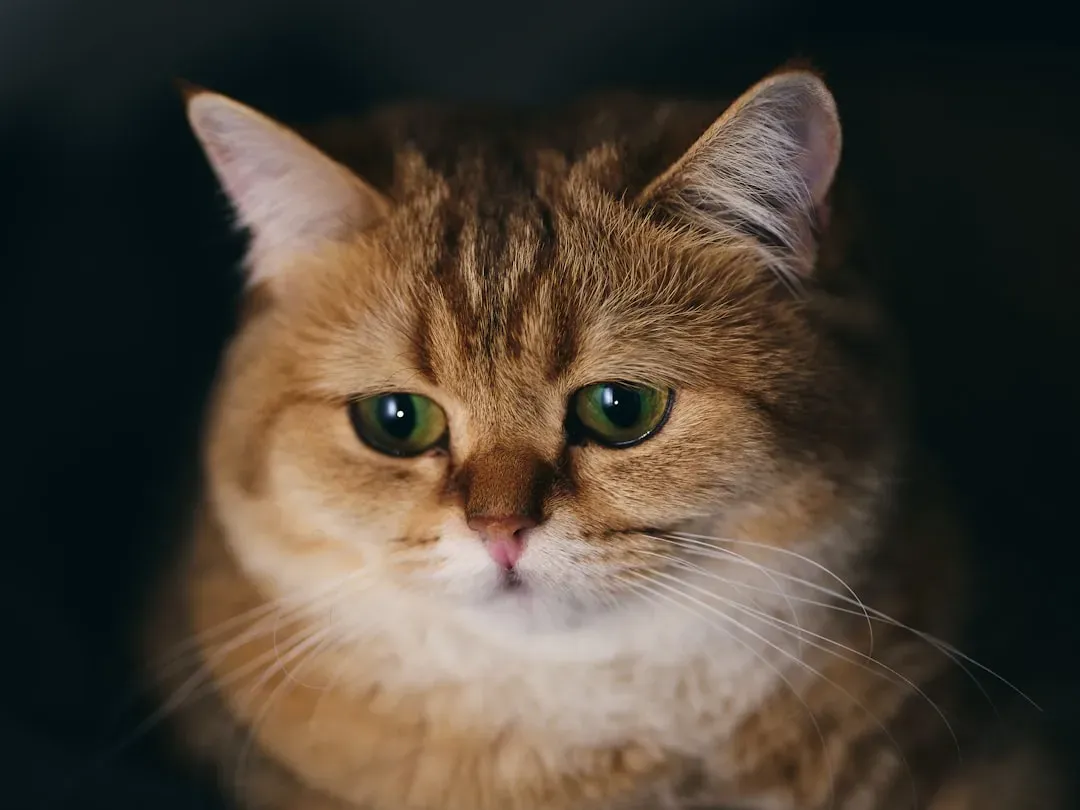
They love spending time with their human family and have been known to suffer from depression without regular attention and affection. That’s right. Depression. These aren’t cats who’ll shrug off your absence with a lazy stretch and a yawn.
People with demanding jobs or travel schedules should probably think twice before getting an Abyssinian kitten due to the breed’s need for company. If you’re rarely home, you’re essentially setting up your Abyssinian for emotional distress. They’re social cats who like to have some company, which can be provided by having another cat or pet around when human companions are not at home.
They’re Not Lap Cats (And That Disappoints Many People)
Let’s shatter a common expectation right now. They’re not typically the lap cats that will sit contentedly for hours while you watch TV; instead, they’ll come to you when they want attention, accept your affection for a bit, and then move on to their next adventure.
They are not lap cats as they don’t sit still for very long. If you’re craving that cozy, cuddly companion who’ll snooze on your chest during Netflix marathons, an Abyssinian will frustrate you. They express affection actively; they follow their humans, participate in games, and greet family members enthusiastically. Love, for them, means being involved, not being stationary.
Their Intelligence Can Become Your Problem
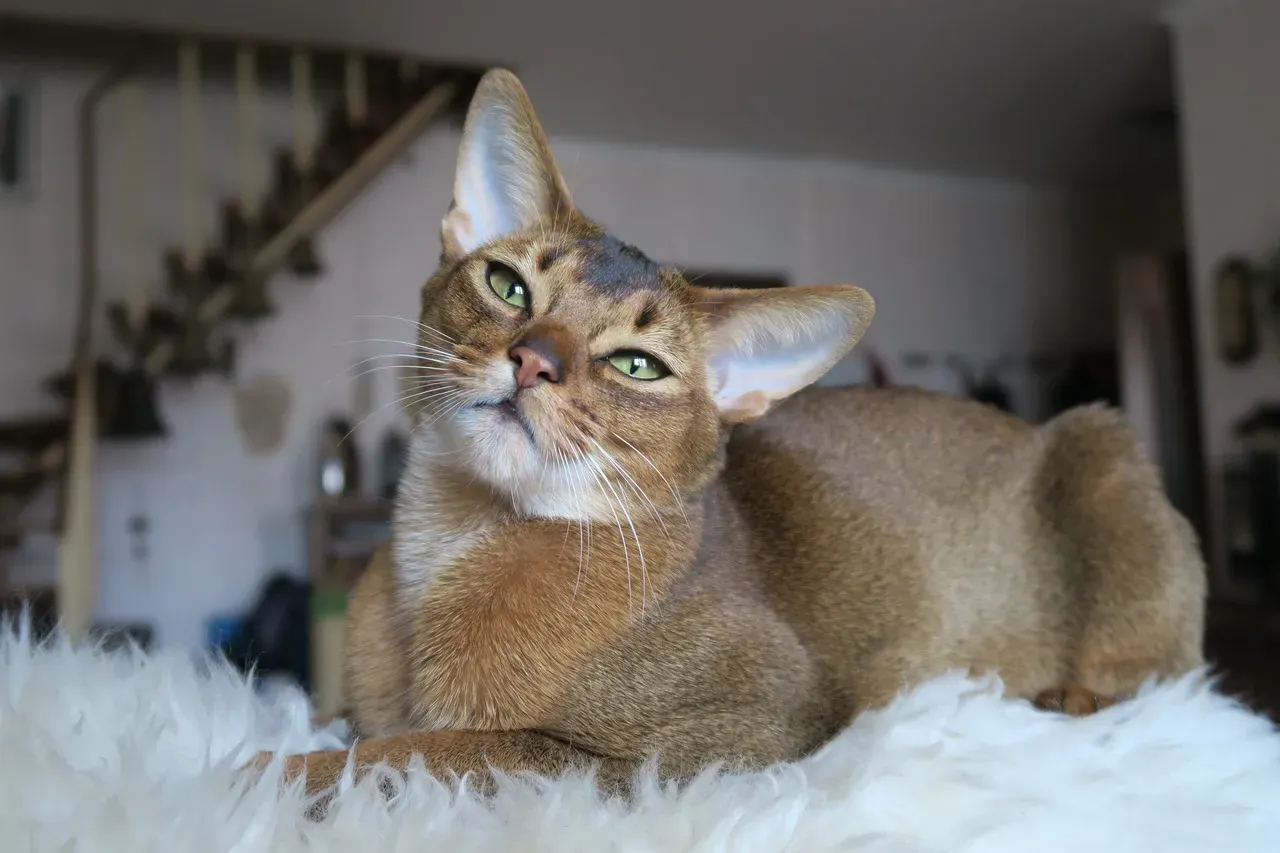
Abyssinians rank as the smartest cat breed according to an intriguing list created by CatTime. Sounds impressive, right? It’s actually a double-edged sword. Smart cats get bored easily. Bored cats become destructive.
The Abyssinian’s intelligence and boisterous nature can translate to mischief, so make sure your cupboards are secure before bringing home an Abyssinian cat. They’ll figure out how to open doors, unscrew lids, and access places you thought were cat-proof. Some people have given Abyssinians the nickname “Aby-grabbys” since they have a tendency to snatch items that catch their attention. Your jewelry, your pens, your hair ties? Fair game.
The Health Issues Are Real and Expensive
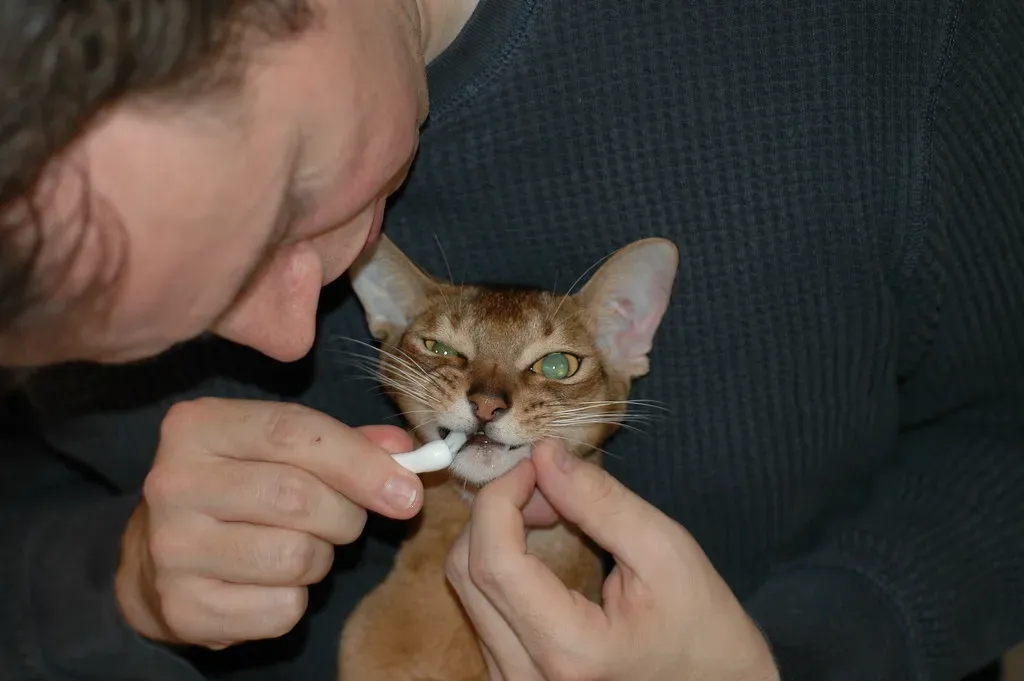
Progressive retinal atrophy affects Abyssinians, where a defective protein leads to gradual deterioration of the rods and cones of the retina, leading to progressive loss of vision and permanent blindness, with total blindness often occurring within the first one to two years. Imagine dealing with a high-energy cat going blind before they’re even two years old.
In Abyssinians, amyloids are primarily deposited in the kidneys, leading to decreased kidney function and fatal kidney failure; clinical signs include excessive drinking and urination, dehydration, poor coat quality, and weight loss, commonly developing between one and five years of age. Renal amyloidosis is a genetic condition particularly prevalent in Abyssinians, affecting the kidneys and leading to the accumulation of amyloid proteins resulting in kidney failure.
There’s also pyruvate kinase deficiency, dental disease, and patellar luxation. Pet insurance isn’t optional with this breed – it’s essential.
They Demand Your Participation Every Single Day
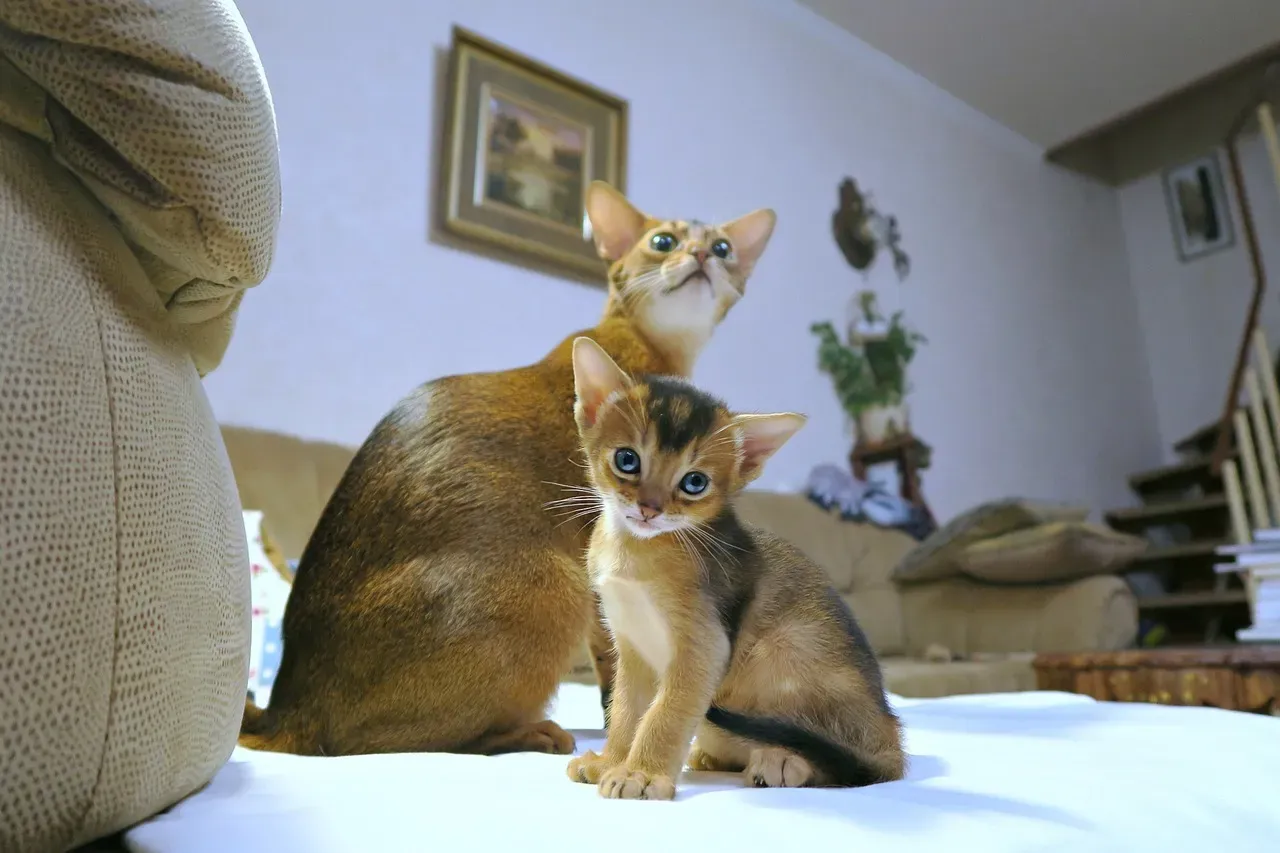
The Abyssinian cat personality is best suited for people who want an interactive companion rather than a passive pet; if you work long hours away from home, travel frequently, or prefer a calm, quiet household, an Abyssinian might not be the right fit.
The Abyssinian is quite a demanding cat to live with; consider them to be a cat-shaped dog and you have a better idea of the attention they need. Daily interactive play isn’t negotiable. Without stimulation, Abyssinians can become bored or mischievous; they flourish in homes where play and interaction are part of the daily routine. If your idea of pet ownership is filling a food bowl and providing occasional head scratches, walk away now.
Their Vocalization Style Isn’t for Everyone
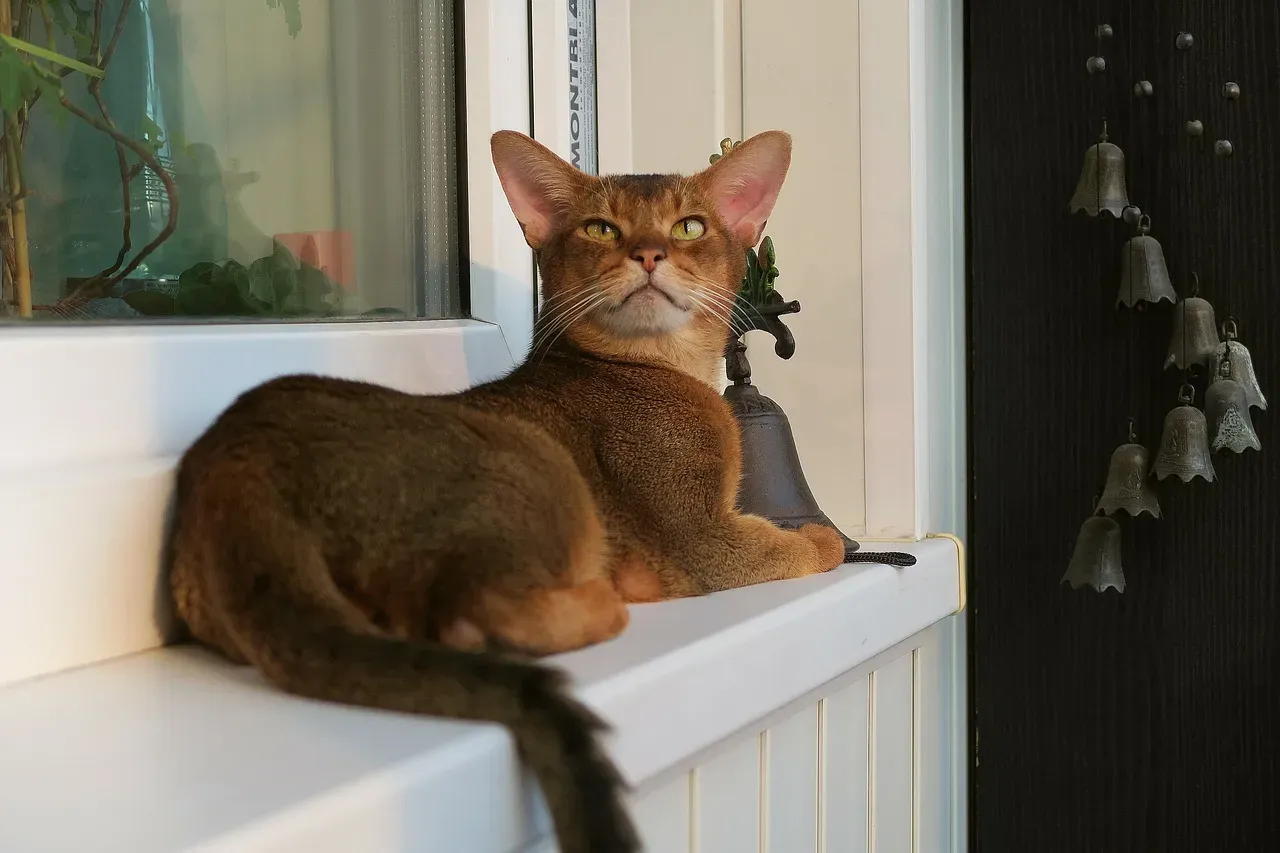
They have soft chirrup-like vocalizations which do not sound like the expected “meow.” Some people find this charming. Others find it grating. Abyssinian cats are quietly chatty with an appealing chirpy voice and won’t be shy about reminding you it’s dinner time.
Abyssinian cats are known to be quite vocal, making various sounds such as chirps, trills, and even meows. They’ll communicate constantly – when they’re hungry, bored, excited, or just wanting your attention. Their sounds range from soft chirps and trills to low meows, often as a way of letting you know they want something, whether it’s attention or food. If you value silence, this breed will drive you up the wall.
They’ll Dominate Multi-Pet Households
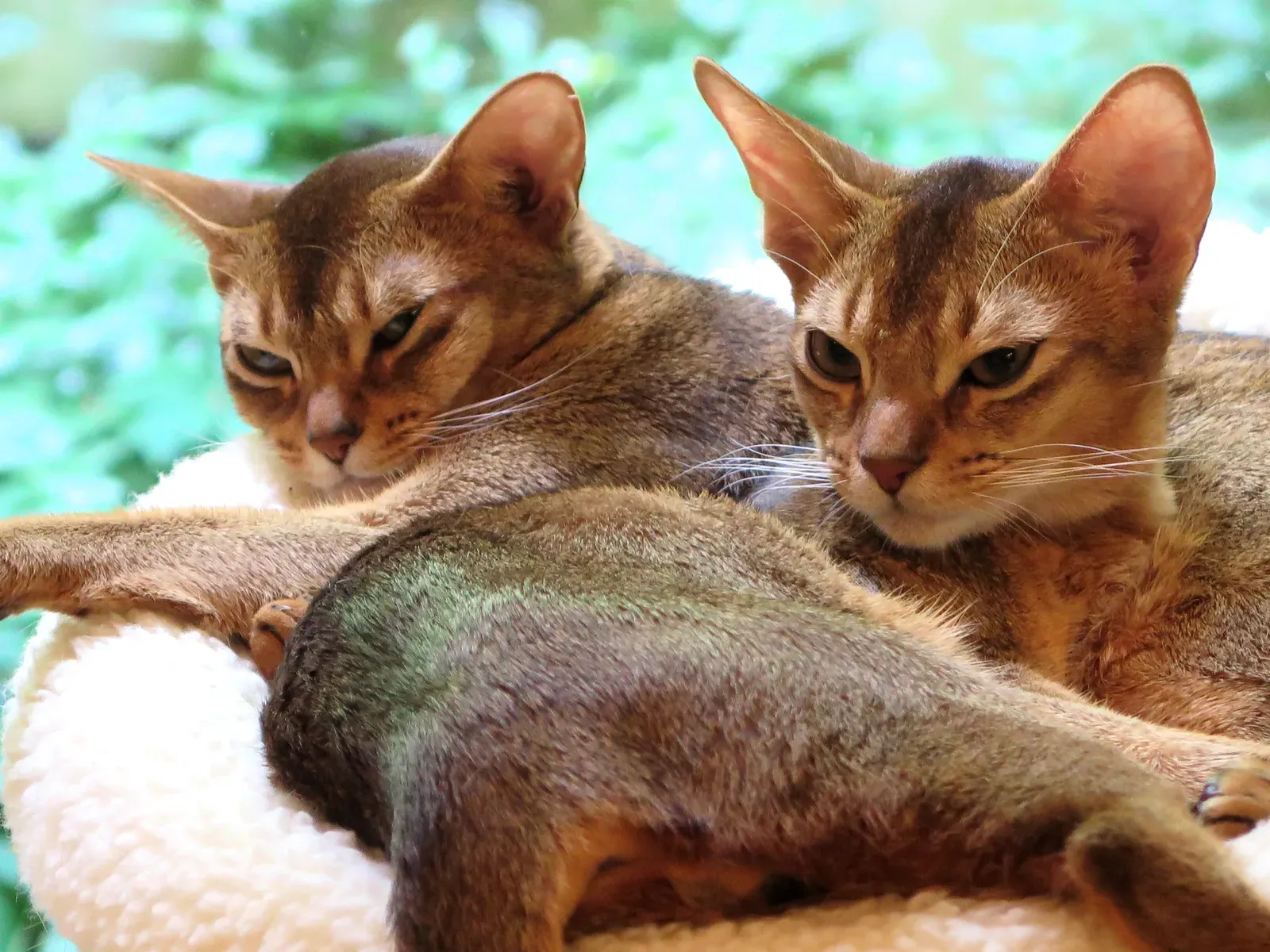
Abyssinians usually want center stage, the middle ring, the spotlight on them, and they are not always willing to give up being the focus of attention; the best companion for an Aby is either another Aby or a dog.
They are a highly social breed and can be demanding of attention, though they do well in multi-cat households due to their social nature. Here’s what that really means: your Abyssinian will likely establish themselves as the boss. Timid cats? They’ll be overwhelmed. Older cats who prefer peace? They’ll be harassed. Unless you’re prepared to carefully manage those dynamics and provide enough space and resources, you’re setting up territorial conflicts.
They Need Serious Environmental Enrichment
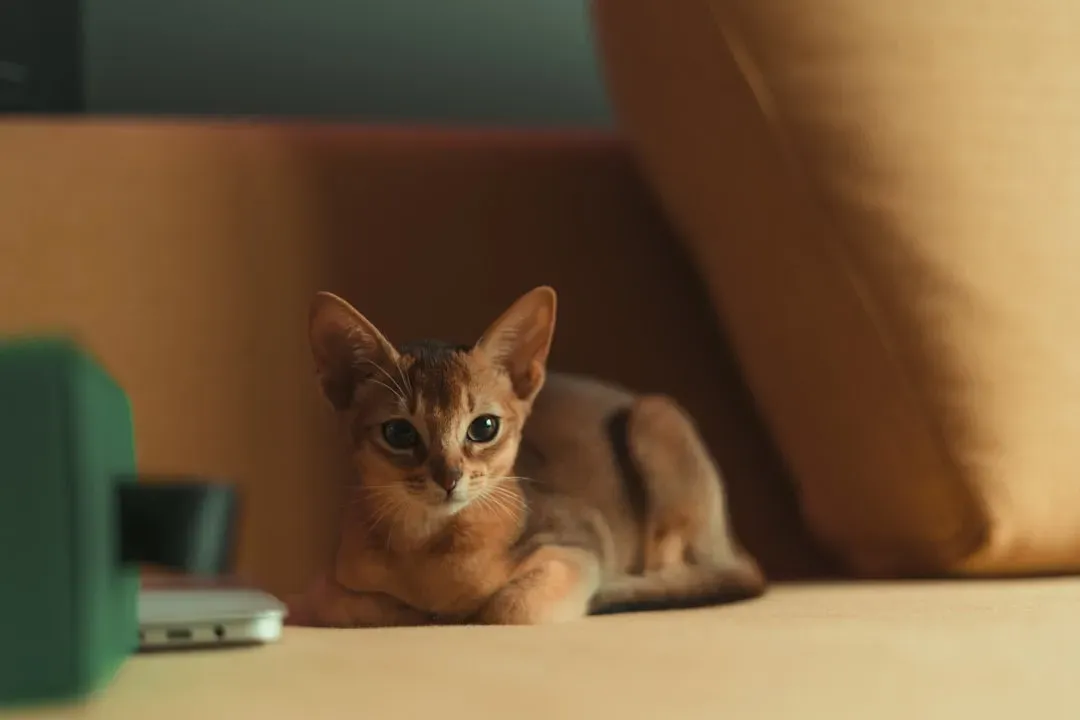
They love to leap onto high perches, survey the room from a cat tree, or dart through tunnels in search of a toy; creating a vertical playground is essential. This isn’t about buying a scratching post and calling it done.
Abyssinians are natural climbers and scratchers; providing them with sturdy scratching posts and climbing trees helps satisfy these instincts, and multi-level cat trees with platforms, tunnels, and scratching surfaces offer the perfect playground, positioned near windows. You’ll need to invest in substantial furniture, rotating toys, puzzle feeders, and interactive games. Your home will look like a cat theme park. If minimalist design is your aesthetic, prepare for compromise.
The Financial Commitment Is Substantial
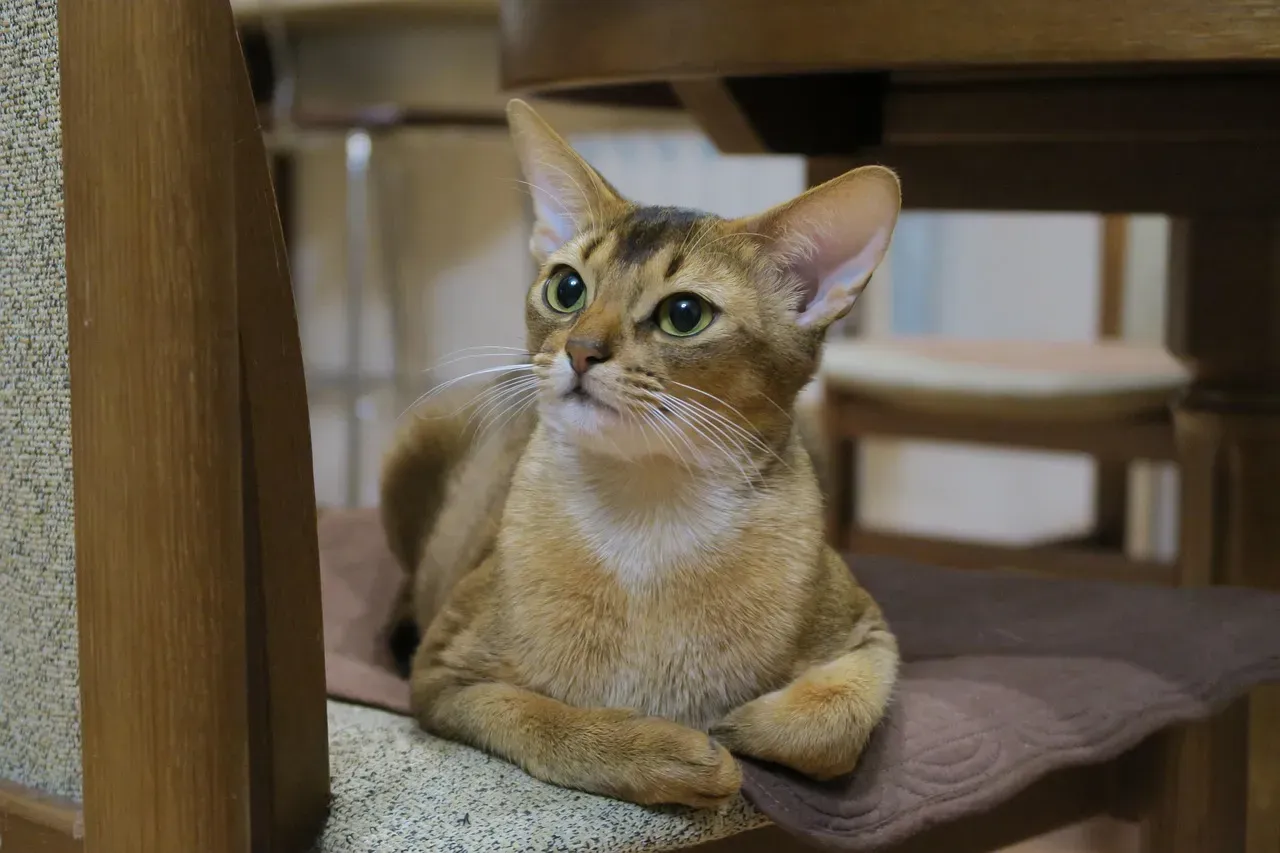
On average, an Abyssinian cat costs around five hundred dollars, though this may seem steep, it’s comparable to many other pedigree breeds. That’s just the purchase price. Factor in the genetic health testing, regular vet visits, specialized diets, environmental enrichment equipment, potential emergency care, and pet insurance.
Abyssinians have an expected lifespan of nine to thirteen years and are prone to a few health issues, so pet insurance is worth considering. You’re looking at thousands of dollars over their lifetime. This isn’t a budget-friendly breed. If you’re not prepared for that level of financial responsibility, reconsider.
So Who Actually Should Get an Abyssinian?
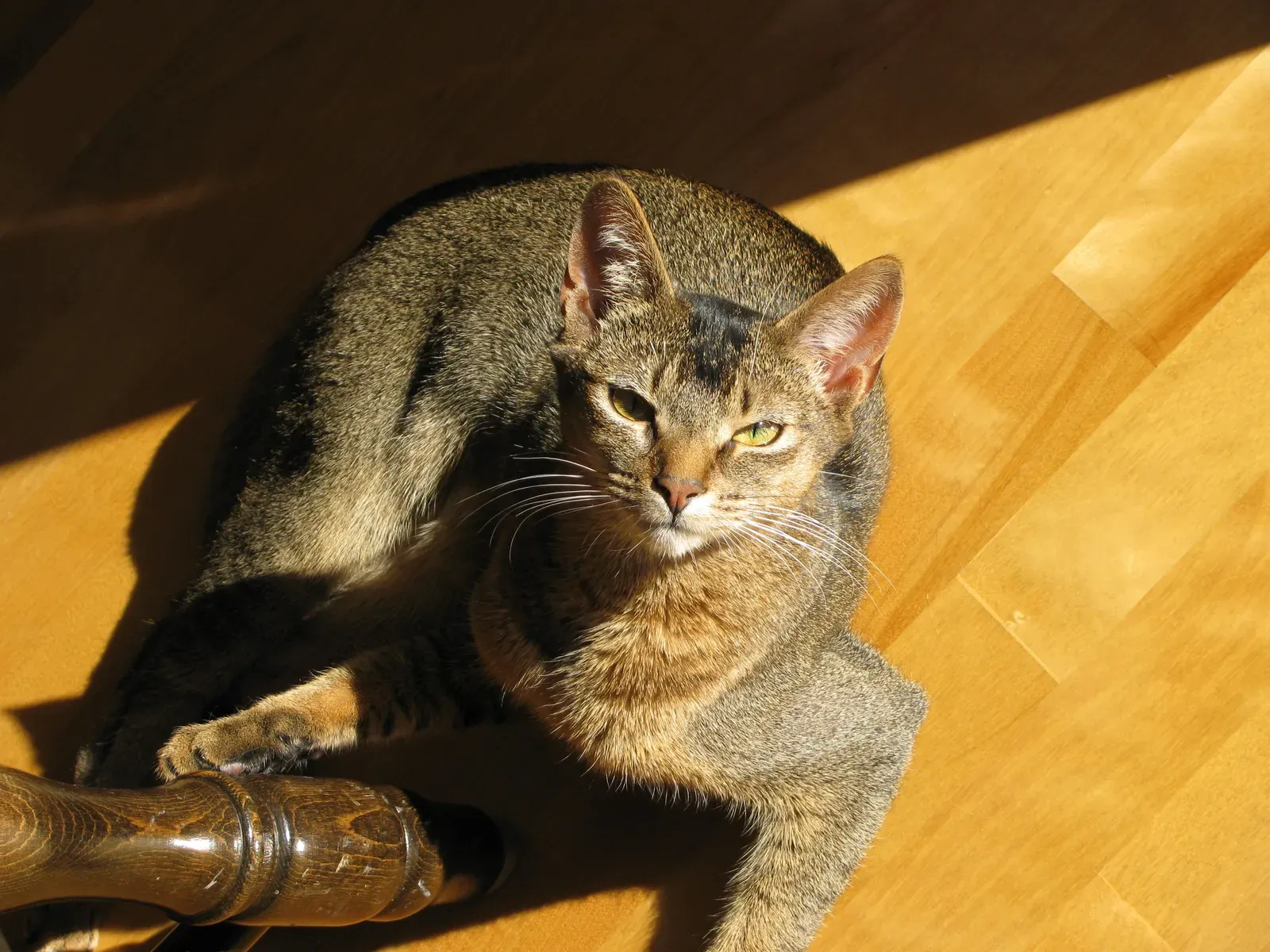
Honestly? Abyssinians do best with guardians who are present, interactive, and happy to engage in daily play. You need to genuinely enjoy an animal that follows you everywhere, investigates everything you do, and requires constant mental stimulation.
Abyssinians love toys and games, are rewarding to train, and require a lot of play and mental stimulation; this active and intelligent breed will thrive with an owner who has lots of time to play and interact with their cat. Active families, experienced cat owners who understand high-energy breeds, people who work from home, and those willing to create an enriched environment – those are the ideal candidates. Everyone else? You’ll likely find this breed exhausting rather than rewarding.
These cats aren’t bad. They’re magnificent, actually. The issue is that their needs are extreme and specific. Too many people adopt Abyssinians based on looks alone, then realize they’ve committed to a fifteen-year relationship with a furry tornado. Did you expect a graceful, low-maintenance companion? What are your thoughts – are you truly ready for the Abyssinian challenge?