You’ve probably witnessed it countless times. You bring home a package, carefully unbox your new purchase, and within minutes your cat has claimed the empty cardboard container as their new throne. It doesn’t matter if the box is tiny or spacious, pristine or battered. Your feline friend will squeeze, sit, nap, and play in it with pure contentment. This quirky behavior might seem random or even comical, but there’s actually a fascinating blend of biology, psychology, and survival instinct at work here.
Let’s be real, the box obsession goes way beyond simple curiosity. From wild relatives like lions and tigers to your pampered house cat, this attraction to enclosed spaces runs deep in feline DNA. What makes a simple cardboard box so irresistible? The answer lies in understanding how cats perceive their world and what drives their most fundamental behaviors.
Security and Protection: The Ultimate Safe Haven
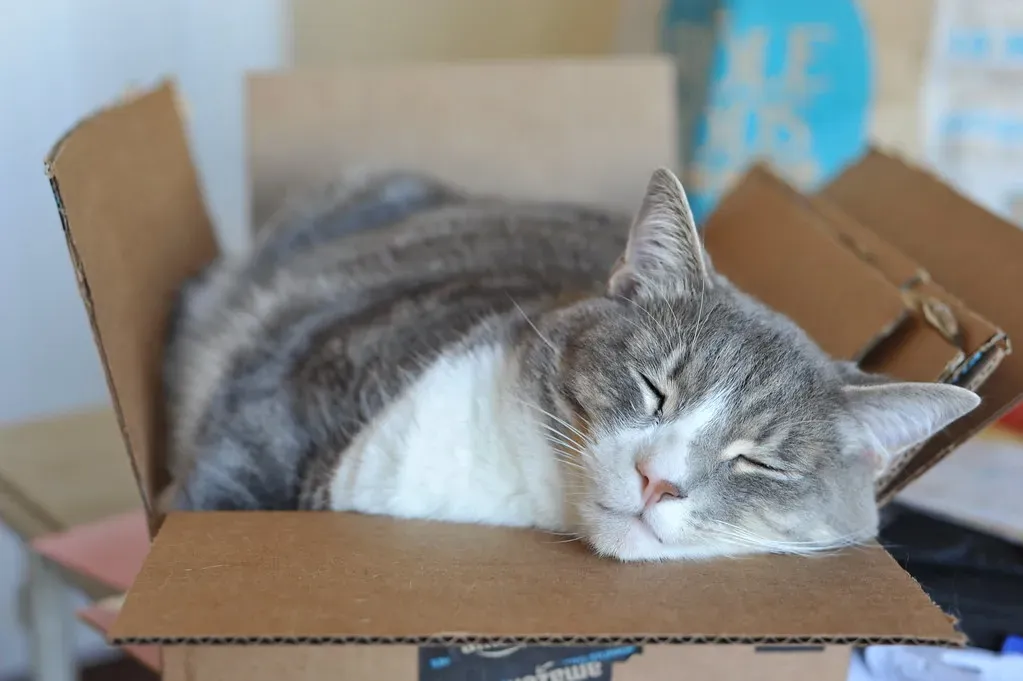
Your cat seeks out because confined spaces make them feel protected, stemming from instincts shaped in the wild where staying out of sight helps avoid predators or pounce on unsuspecting prey. Think about it from your cat’s perspective. In nature, felines occupy a precarious position as both hunters and hunted.
A box offers a perfect hideaway, allowing a cat to observe its surroundings without being easily seen. This gives them a tactical advantage, whether they’re watching for potential threats or planning their next playful ambush on your ankles. This instinct begins from the cat’s earliest moments, as a mother cat will seek out a quiet area to birth her kittens, making their first experience a safe, enclosed space.
Stress Relief That Actually Works
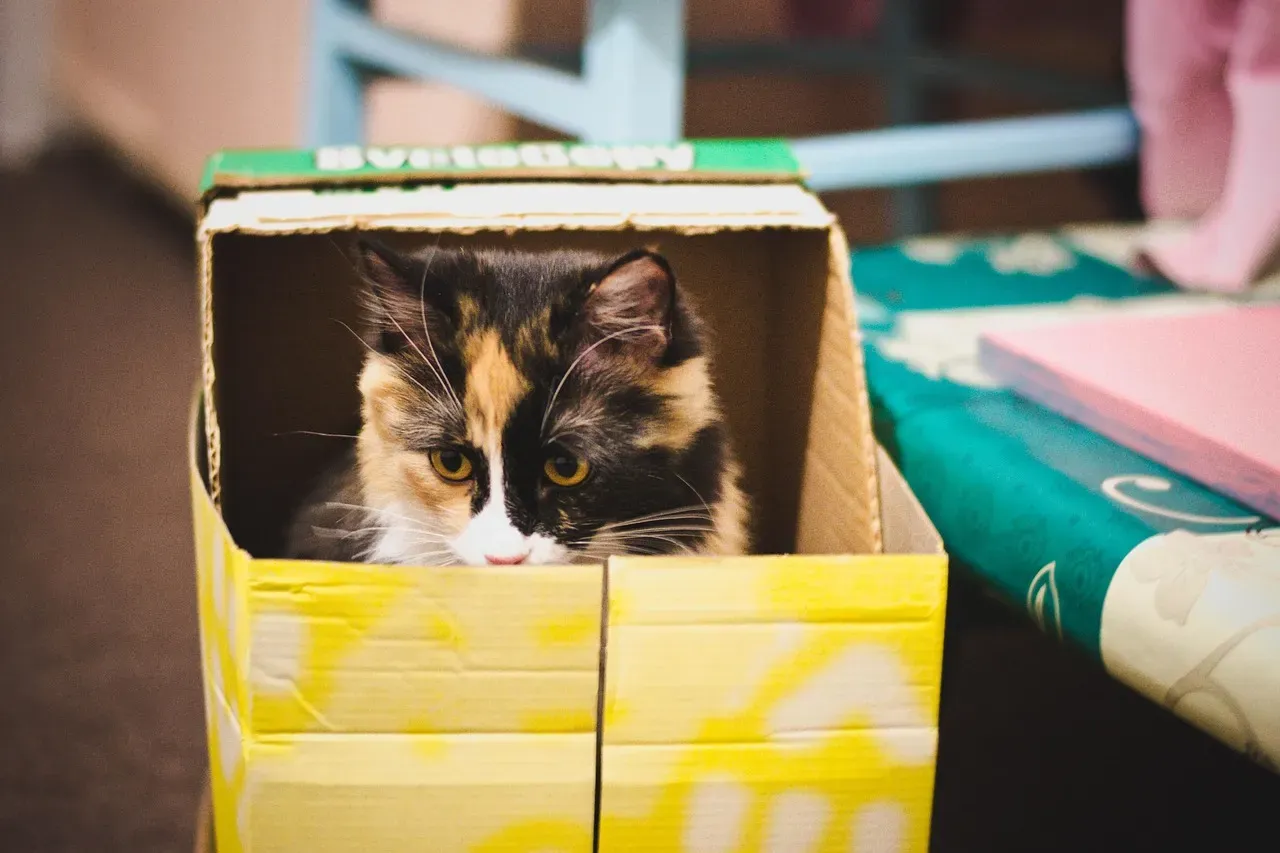
Here’s something that might surprise you. Multiple studies have shown that stress hormones like cortisol are reduced in newly rescued cats when they are given access to a box. This isn’t just a feel-good theory. A study from the University of Utrecht in the Netherlands showed that newly arrived shelter cats who had access to recovered faster and adapted quicker to their new environment compared to cats who did not have access to .
can serve as stress relievers, and when faced with unfamiliar or stressful situations, a cat may retreat into a box to regain a sense of control and to feel at ease. Your cat might hide in a box after a vet visit, during a house party, or when there are loud noises. It’s their version of a meditation room. The enclosed space helps them decompress and reset their emotional state.
The Hunting Instinct Never Sleeps
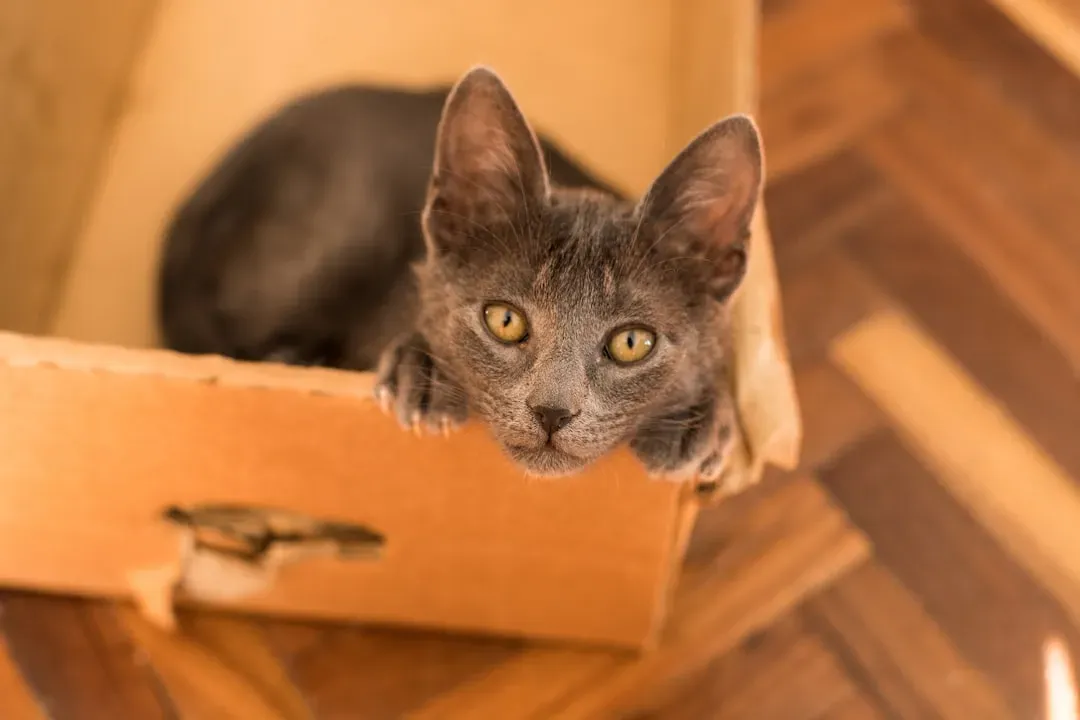
Cats that roam free outside occupy a delicate midpoint in the neighborhood food chain where they are both predator and prey, and as they hunt for birds or insects, outdoor cats look for hiding spots like bushes or nooks that can conceal them. Even your pampered indoor cat retains these powerful predatory drives.
Just because a cat is indoors doesn’t mean they lose their instincts, and offer a perfect hunting spot with walls that shield them from view and an open top they can use to pounce onto potential prey or a plush toy. Watch your cat in a box sometime. You’ll notice they’re not just relaxing. They’re surveying their territory, eyes tracking movement, body coiled and ready to spring.
Cats are ambush predators, which means they hide until their prey passes by, and even though companion cats don’t need to hunt for survival, provide a confined place where they can pretend they are in the wild. That innocent cardboard container becomes a strategic command center for stalking invisible enemies and launching surprise attacks.
Temperature Control and Cozy Comfort
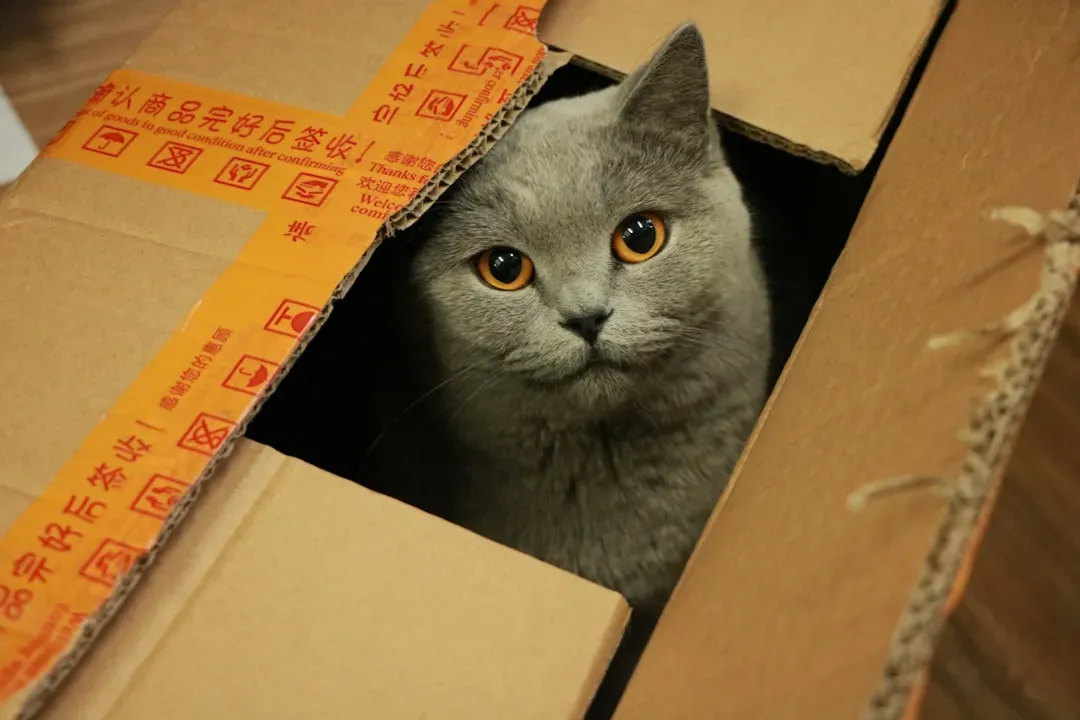
A 2006 study showed that temperatures between 86–97℉ (30–36℃) are best suited for most cats. Most of us keep our homes around 72 degrees, which means your cat is constantly seeking warmer spots. The closed space of a box, especially one made from a good insulator such as cardboard, creates a warm, cozy environment that helps to retain body heat.
The cardboard acts like a cozy blanket, trapping the cat’s body heat and acting as an insulator, while the confined space forces a cat to curl up into a ball, which also helps preserve body heat. It’s brilliant, really. Your cat has discovered a free heating system that requires zero electricity. That’s one reason you might find them box-sitting more often during winter months or in air-conditioned rooms.
Territorial Claiming and Scent Marking
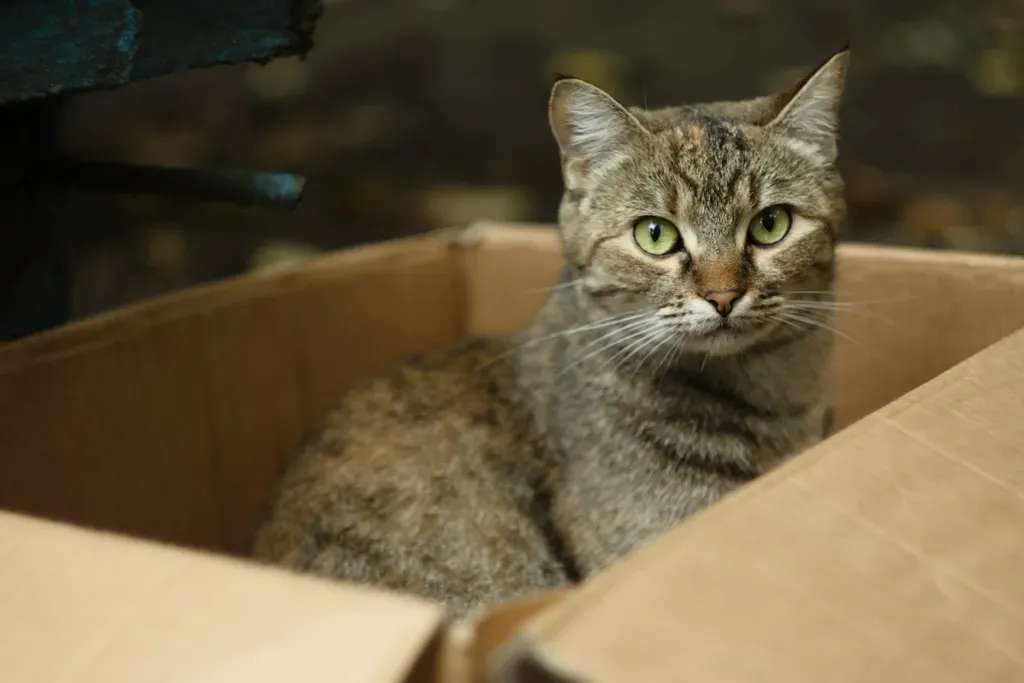
Cats have scent glands on their faces, and when they rub their faces on the sides of a box, they leave behind their scent, marking the box as their own special domain. This behavior isn’t just cute. It’s a fundamental way cats establish ownership and create familiarity in their environment.
Cats are territorial animals, and they use scent marking as a way to establish and maintain their territory. When a cat enters a box, it leaves its scent behind, effectively claiming the box as its own territory, asserting control over their environment. That random Amazon box becomes part of your cat’s personal empire. They’ve claimed it, marked it, and now it’s theirs. Try moving it, and you might get some serious side-eye.
Curiosity and Environmental Enrichment
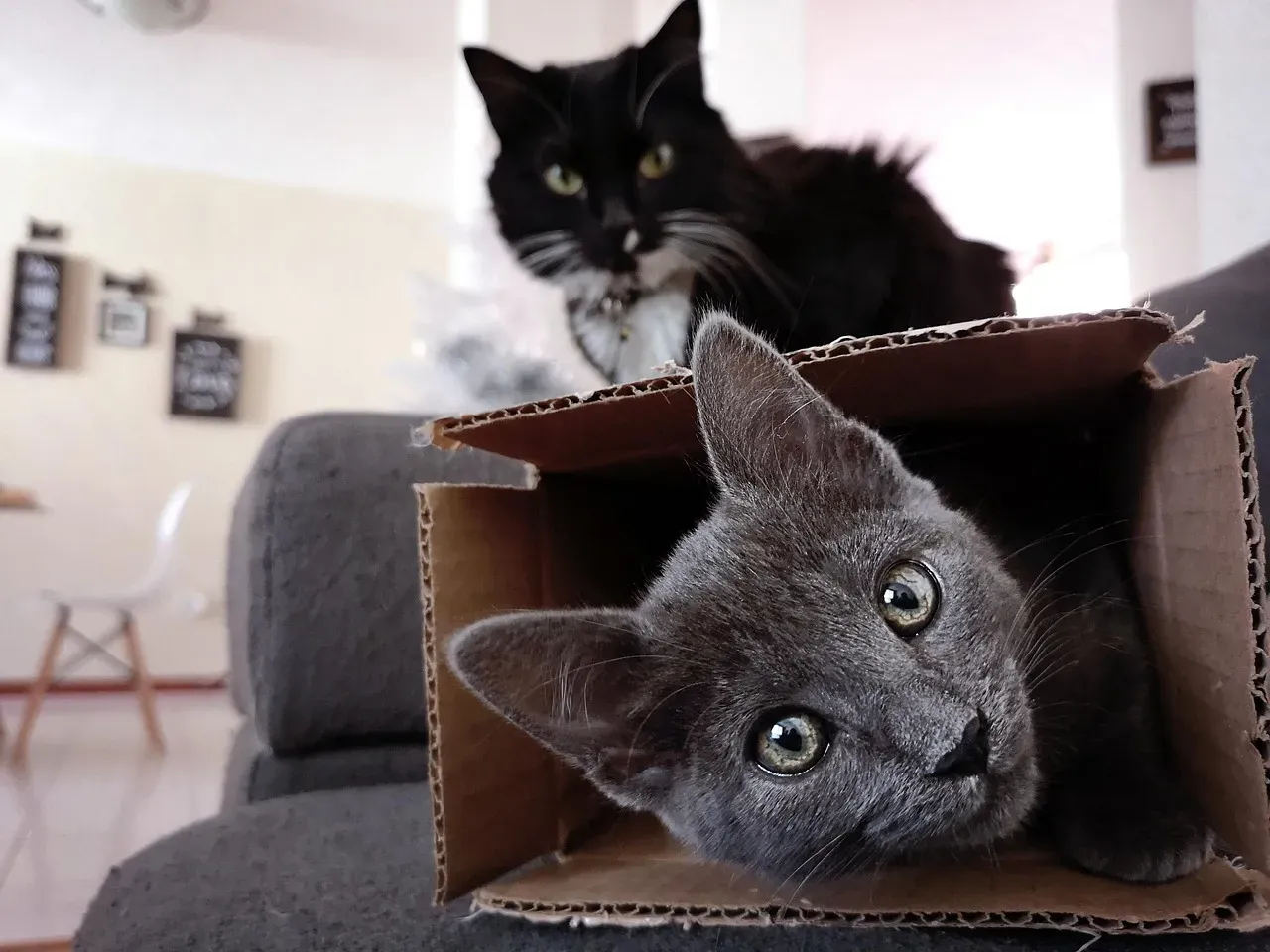
For a curious cat, the box is something fun and novel to investigate. Cats are naturally inquisitive creatures, and a new box represents an exciting mystery to explore. What’s inside? What does it smell like? Can I fit?
Cats are inquisitive creatures, and a box presents an opportunity for exploration and play. They can jump in and out of a box, hide inside, feel its texture, use it for scratching, and even ambush toys or other pets from within. This playful interaction can be both mentally and physically stimulating.
The sensory experience matters too. The crinkly texture and confined space of cardboard makes for an enriching sensory experience, and cardboard is the perfect texture for a cat to bite, scratch, and shred. It’s like an all-in-one entertainment center that costs absolutely nothing.
Conflict Avoidance and Personal Space
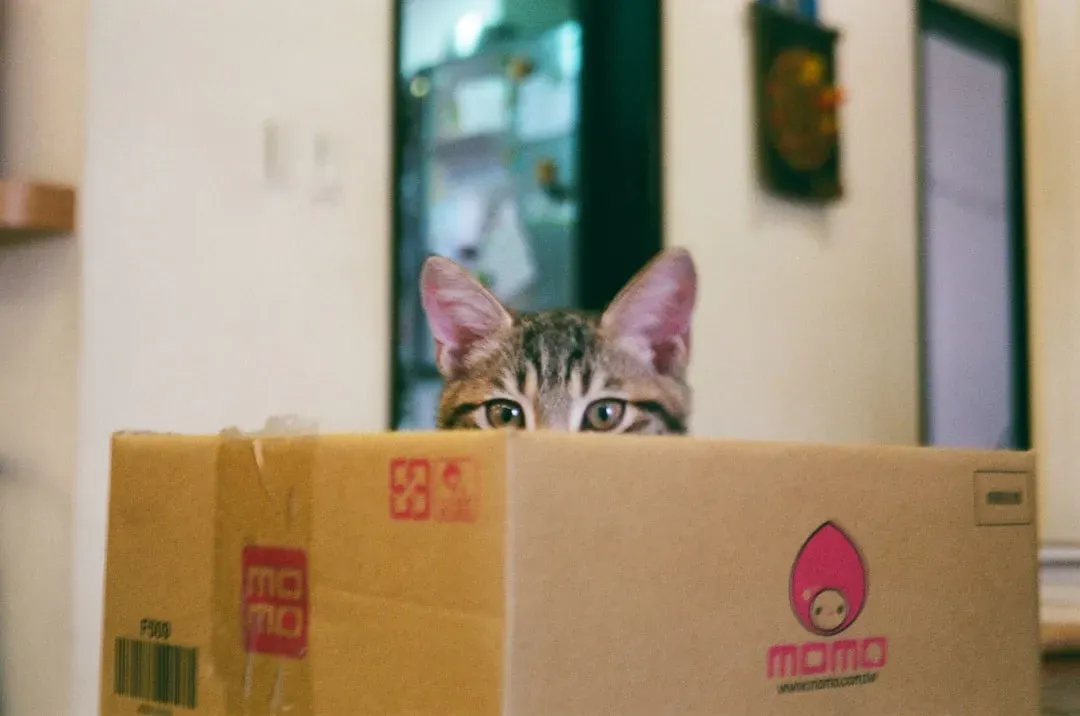
Cats lack refined conflict resolution skills, so they prefer to avoid negative interactions by avoiding others or hiding away. When tensions arise with family members, be that with humans or fellow pets, the refuge of a box offers the cat a chance to recalibrate and de-stress before resorting to confrontation.
In multi-cat households, become especially valuable real estate. They provide neutral zones where a cat can retreat without feeling cornered or threatened. What we do when we keep cats as pets is we keep them in an environment where they don’t have a lot of control. give back some of that control, offering your cat autonomy over when and where they interact with others.
Sometimes your cat just needs a break from the chaos of daily household life. Children running around, vacuum cleaners roaring, or even just too much stimulation can send them seeking solitude. The box becomes their personal “do not disturb” sign.
When Box Obsession Signals Something More
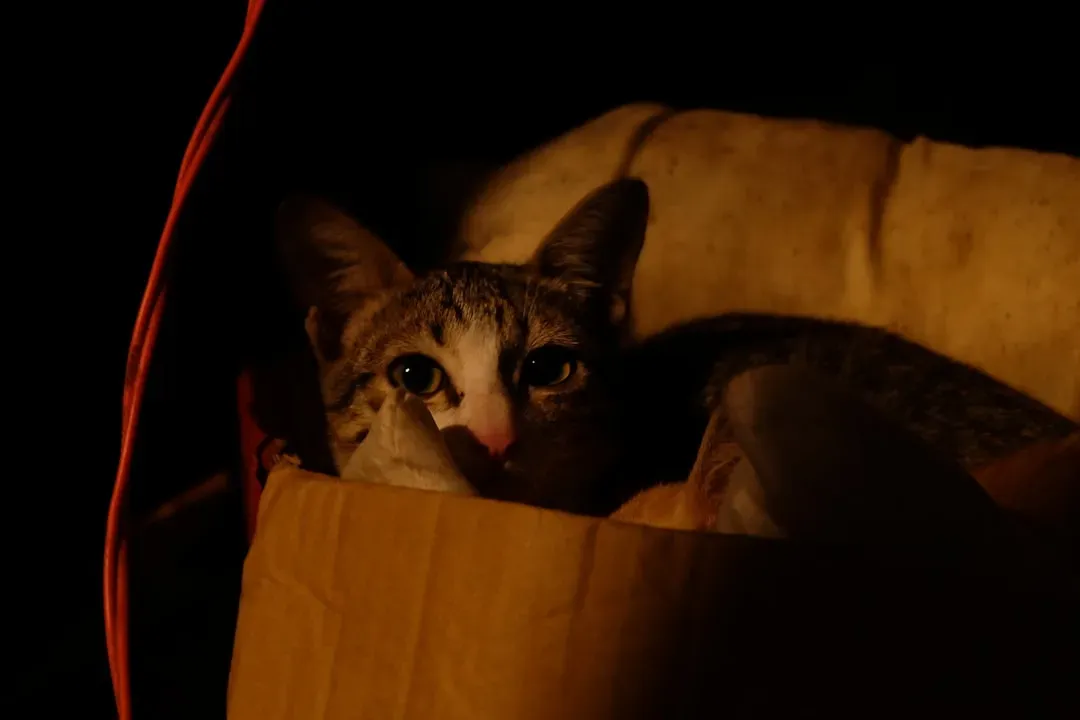
Whether spending lots of time in a box reveals anything deeper about how your cat is feeling depends on the context. A cat cowering at the back of a box with wide eyes is likely using the box in a very different way from one who is snoozing inside or repeatedly pouncing in and out of it.
Normal box behavior involves relaxed body language, periodic emergence for food and social interaction, and playful engagement. However, excessive hiding can indicate underlying problems. Hiding behavior in a box or enclosed space might just be what a cat needs to feel safe, but it can also be a sign that something is stressing them out in their home.
If your cat suddenly starts spending unusually long periods in , refuses to come out for meals, or shows signs of distress like dilated pupils and flattened ears, it’s worth investigating further. This could signal illness, pain, or environmental stressors that need addressing. Your normally social cat becoming a recluse definitely warrants a veterinary consultation.
Conclusion
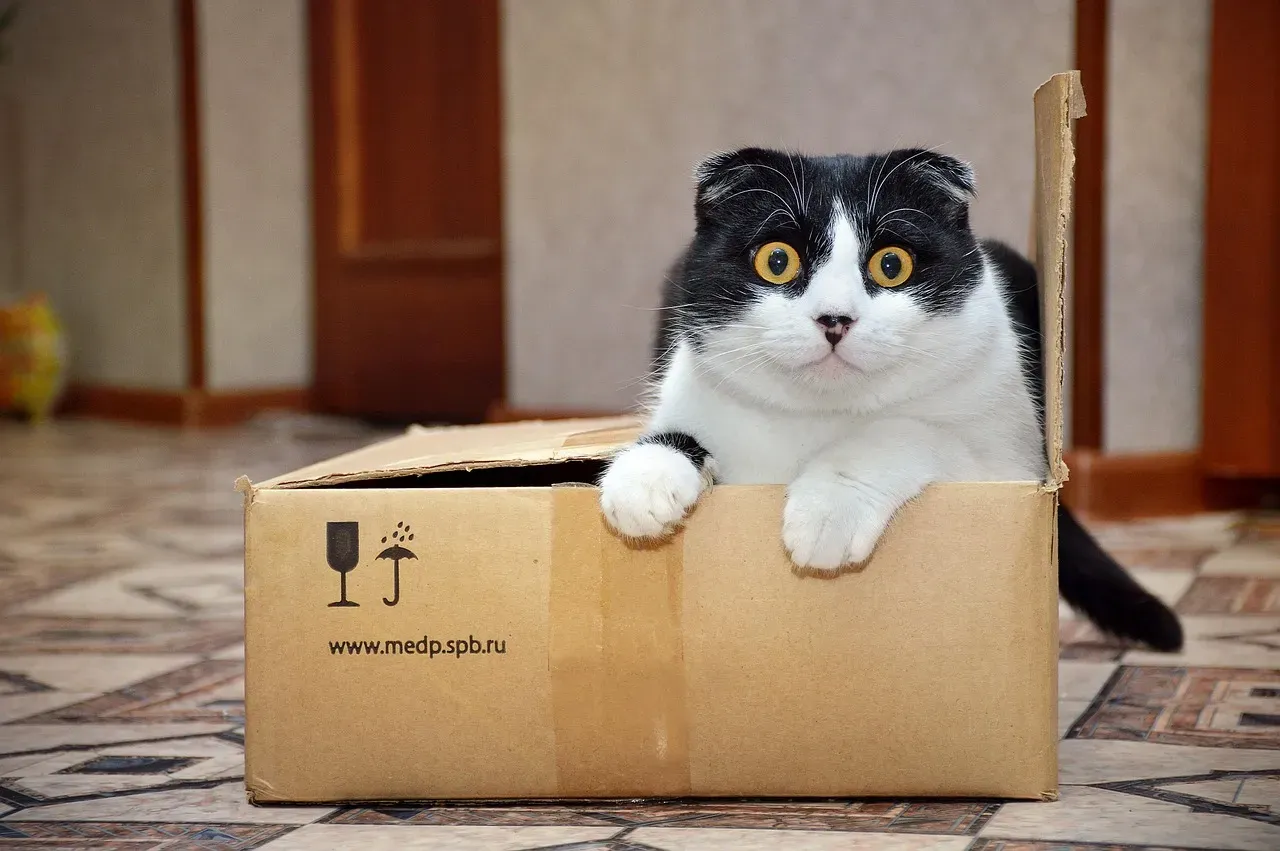
The seemingly simple act of a cat sitting in a box reveals layers of complex instinctual behavior that have evolved over thousands of years. From providing security and stress relief to satisfying hunting instincts and offering thermal comfort, meet multiple essential needs for your feline companion. They’re not being weird or difficult. They’re simply following deeply ingrained survival strategies that have served their species well throughout evolutionary history.
Understanding this behavior helps you create a more enriching environment for your cat. Instead of immediately recycling that cardboard box, consider leaving it out for a while. You’re not cluttering your home; you’re providing free environmental enrichment that supports your cat’s psychological and physical wellbeing. The next time you see your cat contently nestled in a too-small box, remember you’re witnessing millions of years of feline evolution in action.
What do you think about your cat’s box obsession now? Have you noticed particular or spots your cat gravitates toward?