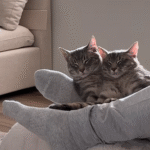
Have you ever come home after a trip, excited to see your cat, only to be greeted with a cold shoulder or a sudden burst of affection? It’s an emotional moment—sometimes confusing, often surprising. For many cat lovers, this shift in behavior can be puzzling and even a little hurtful. We like to think our feline friends will be overjoyed by our return, but cats have their own unique way of processing absence and change. Their mysterious reactions are more than simple mood swings—they reveal a fascinating world of feline emotions, instincts, and communication.
Cats and Their Deep Sense of Routine

Cats are creatures of habit. They thrive on routine, finding comfort in the predictability of daily life. When you leave, even for a short while, their carefully built routine is disrupted. This can leave your cat feeling unsettled or anxious, and upon your return, their behavior might shift as they try to reestablish normalcy. Imagine if your favorite coffee shop suddenly closed for a week—wouldn’t you feel a bit out of sorts when it reopened? For a cat, even small changes can spark big emotional responses.
The Impact of Separation Anxiety in Cats

Separation anxiety is not just a dog problem; cats experience it too, though it often goes unnoticed. When you’re gone, your cat might become stressed, vocalize more, or even act out by scratching furniture or ignoring the litter box. Upon your return, that anxiety can show up in different ways—clinginess, hiding, or even apparent indifference. These behaviors are your cat’s way of coping with the emotional rollercoaster of your absence and return, much like a child might act out or become extra affectionate after their parent comes back from a trip.
Feline Communication: Reading Your Cat’s Signals

Cats don’t use words, but their body language speaks volumes. After you’ve been away, you might notice your cat’s tail twitching, ears back, or eyes wide. These are signs of uncertainty or curiosity. Some cats will vocalize more than usual, as if explaining their feelings to you. Others may avoid eye contact or keep their distance, signaling that they need time to readjust. Learning to interpret these signals helps create a stronger bond and reassures your cat that you understand their needs.
Re-Establishing Trust and Security

Your absence can feel like a breach of trust to your cat, especially if they’re particularly attached to you. When you come back, it can take time for your cat to feel secure again. They may follow you everywhere, demand more attention, or conversely, act aloof. Building back their sense of safety involves gentle interaction, playtime, and patience. Think of it as pressing the “reset” button on your relationship, giving your cat the space to come to you on their terms.
The Role of Scent and Familiarity

Cats rely heavily on scent to recognize and feel comfortable with people and places. When you go away, your scent may fade from their environment, making your return a bit jarring for them. Some cats might sniff you more than usual or rub against you repeatedly to “claim” you again. Others may act distant until your scent feels familiar once more. This process is a natural part of how cats reconnect with their loved ones and reestablish the sense of home.
Changes in Social Dynamics

If there are multiple pets or people in your household, your absence can shift the social balance. Cats are sensitive to hierarchy and relationships, and a temporary change can lead to new alliances or minor conflicts. When you return, your cat might act out or seem more attached as they navigate these shifting dynamics. It’s similar to a family member returning after a long holiday—everyone needs a moment to adjust and find their place again.
How to Help Your Cat Adjust After Time Apart

There are gentle ways to ease your cat’s transition when you come back home. Start by allowing them to approach you at their own pace, using calm movements and a soft voice. Offer their favorite treats or toys to create positive associations. Reintroduce routines gradually, like feeding times and play sessions, to help rebuild their confidence. Remember, patience is key—your cat may need a bit of time to trust that you’re back to stay.
Cats might not show love in the same way as dogs or humans, but their behavior after you return is filled with meaning. Whether they act distant, clingy, or somewhere in between, these changes are a window into their world of emotions and instincts. Understanding these behaviors can turn confusion into empathy and help deepen the unique, silent bond you share with your feline friend.
Linnea is a born and bred Swede but spends as much time as possible in Cape Town, South Africa. This is mainly due to Cape Town’s extraordinary scenery, wildlife, and atmosphere (in other words, because Cape Town is heaven on earth.) That being said, Sweden’s majestic forests forever hold a special place in her heart. Linnea spends as much time as she can close to the ocean collecting sea shells or in the park admiring puppies.