There’s something quietly thrilling about being chosen by a cat. Unlike a dog who will happily shower affection on practically anyone who walks through the door, a cat’s devotion feels earned – almost like winning a silent, slow-burning contest you didn’t even know you were part of. If you’ve ever wondered why your cat glues itself to one specific human in a household full of perfectly good humans, you are not alone.
The science and psychology behind feline favoritism is genuinely fascinating, and honestly, a little humbling. Cats are not randomly picking their person out of a hat. There’s intention, observation, and something very close to emotional calculation going on behind those sleepy, judging eyes. So let’s dive in – you may be surprised by what you discover.
The Science of Feline Attachment: It’s More Than You Think
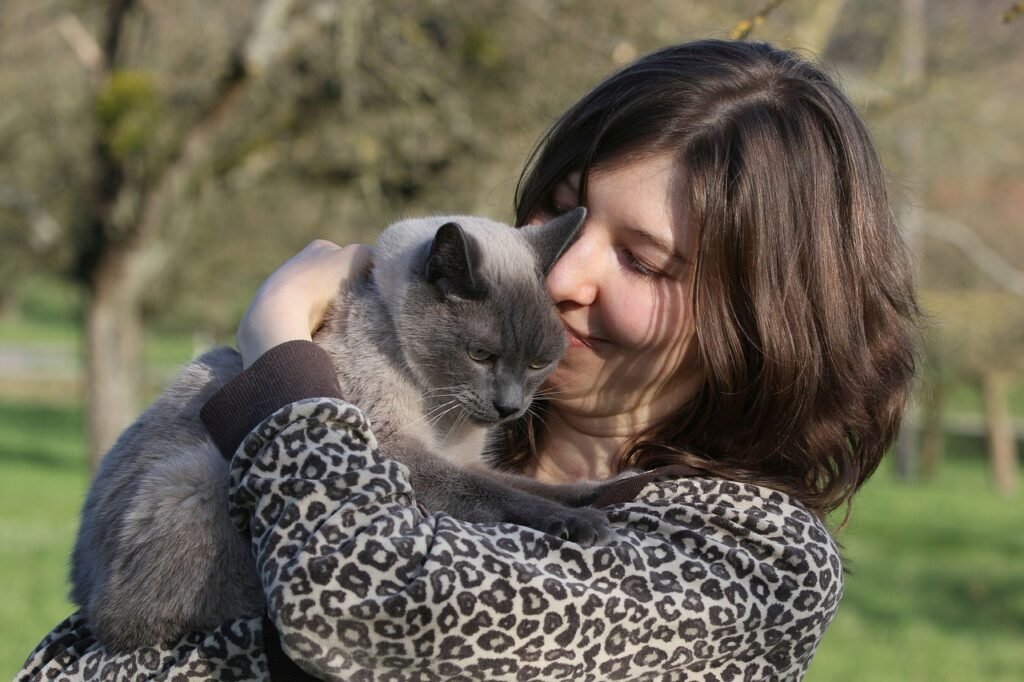
Most people still carry the old stereotype that cats are emotionally indifferent creatures who simply tolerate humans in exchange for food and a warm couch. Science, it turns out, has a very different story to tell. A growing body of research in feline behavior and human-animal bonding shows that cats are highly selective, emotionally intelligent creatures who form deep but calculated attachments.
In the words of attachment researcher Kristyn Vitale, PhD, “In both dogs and cats, attachment to humans may represent an adaptation of the offspring-caretaker bond.” Attachment is a biologically relevant behavior, and research indicates that when cats live in a state of dependency with a human, that attachment behavior is flexible and the majority of cats use humans as a source of comfort.
Distinct attachment styles were evident in adult cats, with a distribution showing roughly two thirds with secure attachment and about one third with insecure attachment. That mirrors almost exactly what researchers find in human infants. Think about that for a second. Your cat may be processing their bond with you in a way that isn’t too different from how a child bonds with a parent.
The Effort Effect: Who Works Hardest Wins the Heart
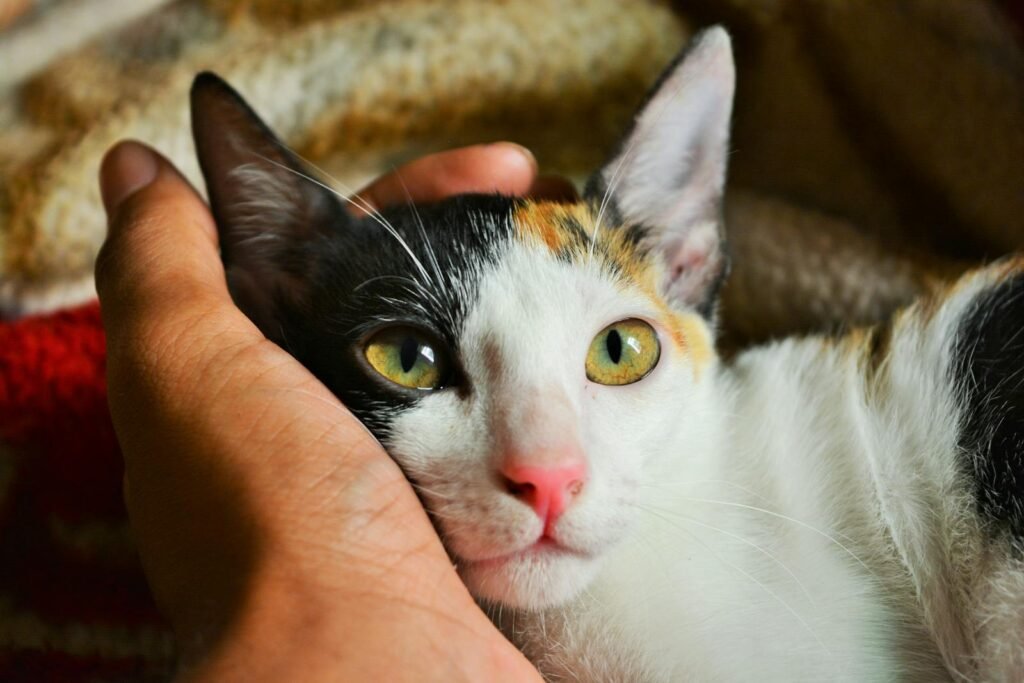
Here’s the thing that surprises most people: earning a cat’s affection isn’t just about luck or even personality. Effort genuinely matters. According to a study conducted by the nutrition company Canadae, they discovered that the person who makes the most effort is the favorite. People who communicate with their cat by getting to know their cues and motives are more attractive to their cat companions.
Cats pick their favorite people for pretty easy-to-empathize-with reasons – they prefer to be around those who understand what they’re communicating and make an effort to meet their feline needs. These are most often individuals who spend time around the cat, feeding, petting, talking to, and playing with their feline companion. Hanging out with a cat and being available for fun activities when the cat is interested in interacting are hands down the most important factors when it comes to feline favoritism.
While feeding is important, research suggests that quality attention and playtime are equally crucial. Cats often form their strongest bonds with people who provide a balance of physical care, emotional engagement, and respect for their independence. So if you’ve been wondering why you don’t rank higher in your cat’s estimation despite cleaning the litter box every single day, it might be time to invest a little more in actual interaction.
Personality Matching: Your Cat Is Looking for Their Soulmate
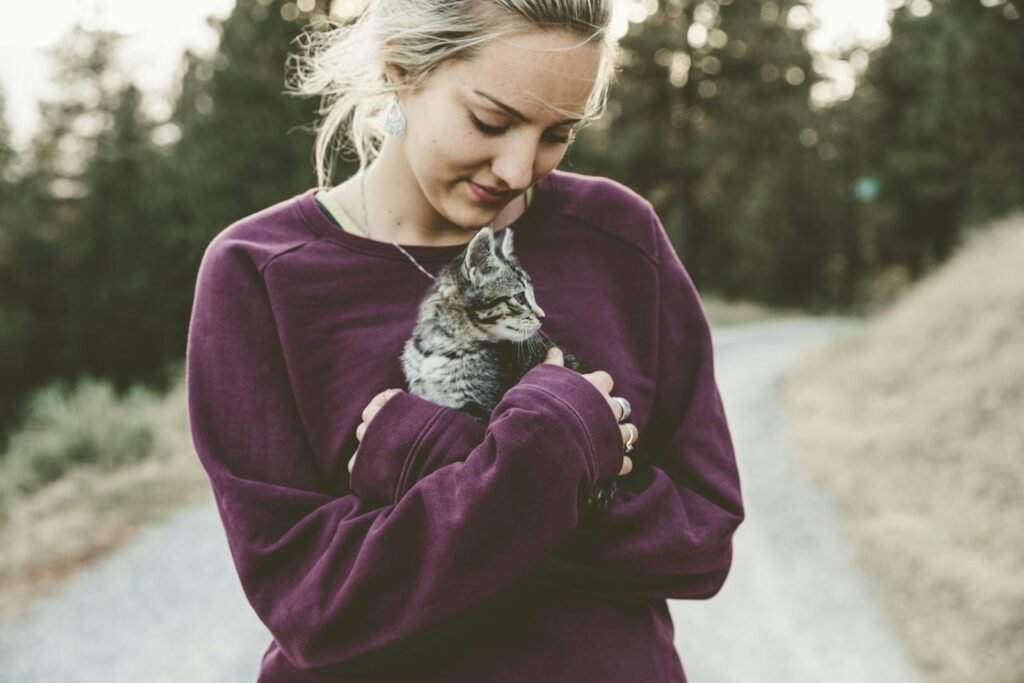
Cats are not one-size-fits-all when it comes to choosing a favorite person. They’re actually shopping for someone whose energy and temperament align with their own. It’s honestly a bit like dating. If your cat is the sort who just wants to be chill and relax, they will probably gravitate toward the family member who is calm and quiet. Playful, energetic cats who love to stay active will likely choose a friend who gives them this exercise and attention.
Cats prefer when you have a calming presence, consistent patterns, and predictable movements, and they naturally gravitate toward those who exhibit cat-friendly, welcoming body language. Think of it this way: if you were anxious and highly strung, you wouldn’t want to spend your evenings with someone chaotic and unpredictable either. Cats operate by the same logic, just with sharper instincts.
Direct eye contact, fast movements, or looming postures can make cats nervous. The favorite person is usually the human who understands when to give space and when to engage. That’s a remarkably sophisticated social read for an animal that supposedly “doesn’t care.”
The Power of Routine: Consistency Is Catnip
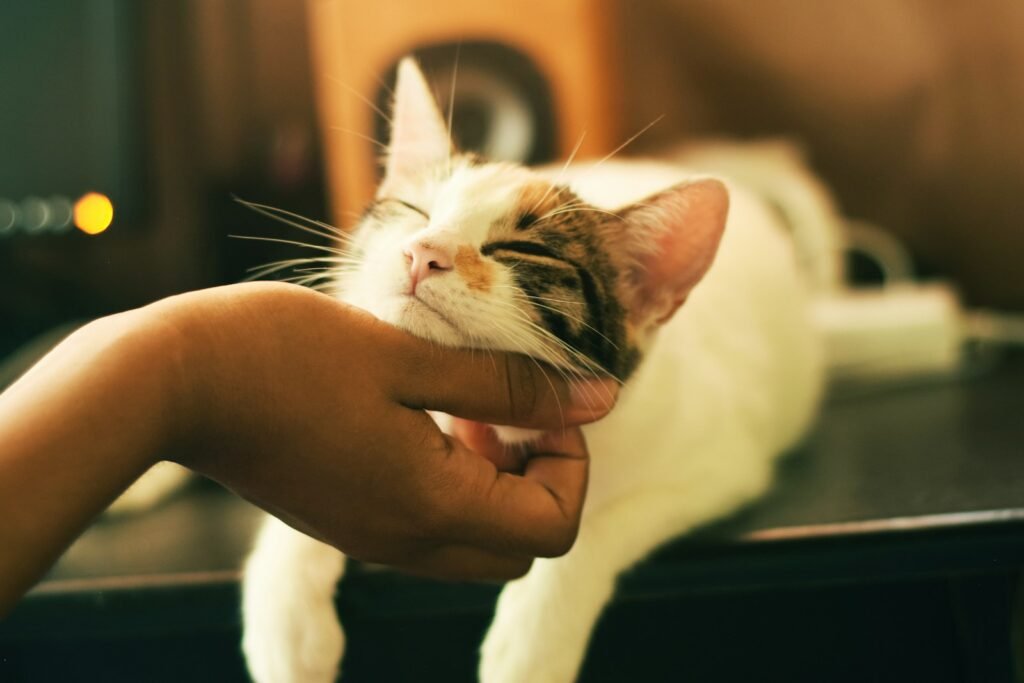
If you want to understand why certain people end up as a cat’s number one, look closely at their daily schedule. Cats thrive on predictability the way humans thrive on morning coffee – without it, everything feels slightly off. Cats are creatures of habit. Literally. Keeping a regular schedule is one of the simplest ways to help you bond with your cat and become their favorite person.
Those who wake up every day at a consistent time are anecdotally identified as favorites. The bond will probably be pretty strong if that person starts feeding the cat or regularly engaging in some kind of fun activity – a good early-morning snuggle or a daily bit of play are, along with a regular schedule, pretty much guaranteed to ensure a person first place on any cat’s list of favorites.
Cats love routine, and they love people who stick to it. If you feed, play, or cuddle them at the same times each day, you become a reliable part of their world. To a cat, reliability equals safety. Safety equals trust. Trust equals devotion. It’s a chain reaction that starts with something as simple as showing up at the same time every morning.
Early Socialization: The Window That Shapes Everything
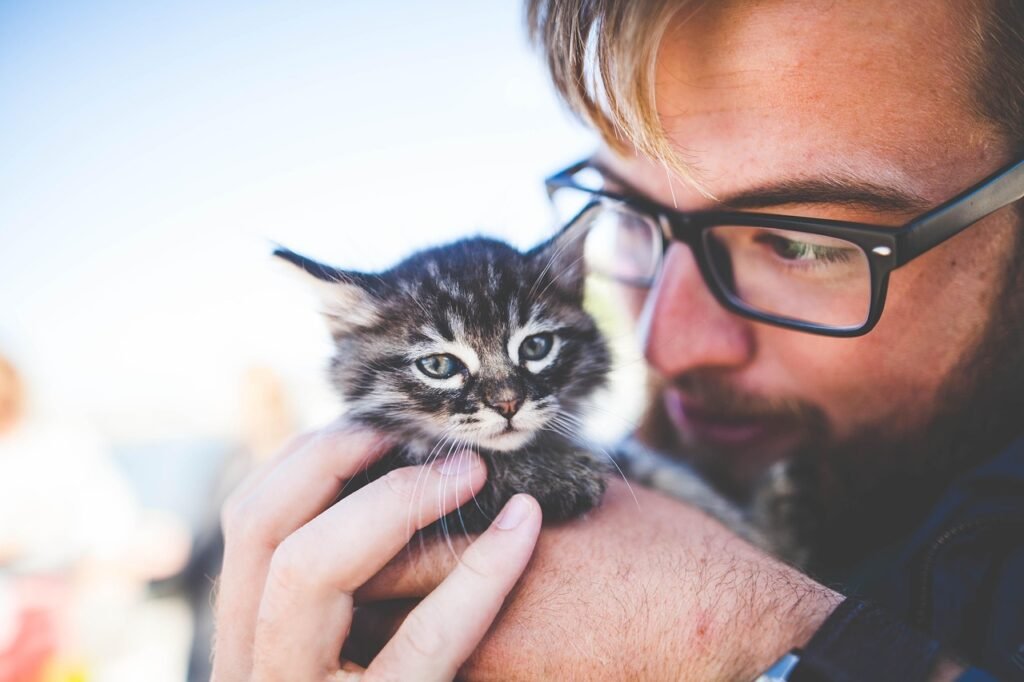
You can’t talk about why cats bond so intensely with certain people without talking about kittenhood. The early weeks of a cat’s life are like wet cement – whatever gets pressed in during that window tends to harden into a permanent shape. The most sensitive period for socialization in kittens occurs when kittens are between two and seven weeks of age. During this period, kittens form social attachments most easily.
Kittens handled frequently by humans during their second to mid-seventh week of age become friendly and trusting of people and remain so throughout their later lives, tested to at least three years of age. That’s a remarkably long-lasting effect from a relatively brief window. If a kitten missed out on that exposure, it can take much longer – and far more patience – to build real trust with humans later.
A cat that literally grew up around a particular person is likely to be deeply bonded to that individual. This most often happens when a single human adopts a kitten younger than 10 weeks old – a crucial window where cats are thought to be especially receptive to training and social interaction. If there’s tons of positive cat-human contact during this period, chances are pretty good that the person who petted, played with, offered treats, and kept them warm as a kitten is going to stay solidly atop the cat’s list of favorites.
The Scent Connection: Your Smell Tells a Story
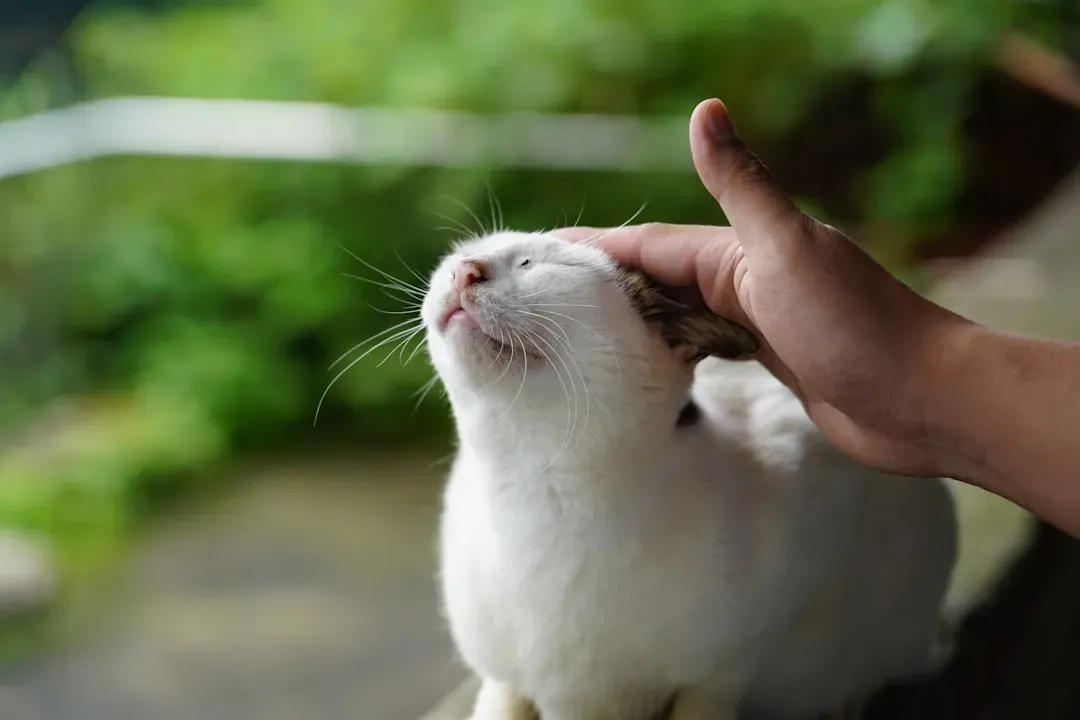
This one might feel a little strange, but hear it out. Cats live in a world dominated by smell in a way humans can barely imagine. Their sense of smell is estimated to be roughly fourteen times stronger than ours. So it follows that scent plays a major role in who they feel drawn to, comfortable with, and ultimately devoted to.
On a very basic level, if a cat seems to prefer one person over another, all things being equal, it could just be that they are gravitating toward the person whose smell they enjoy the most. It’s hard to fully control that, but it does explain some of those baffling cases where the cat ignores the most attentive person in the room and curls up next to the quiet guest in the corner.
Cats have scent glands all over their body. When they rub their cheeks, paws, or tails against you, it creates a shared scent profile, strengthening your bond. In the feline world, wearing someone’s scent is one of the highest expressions of trust and belonging. You’re not just a person to them. You’re part of their scent family.
Reading the Room: How Cats Pick Up on Your Emotional State
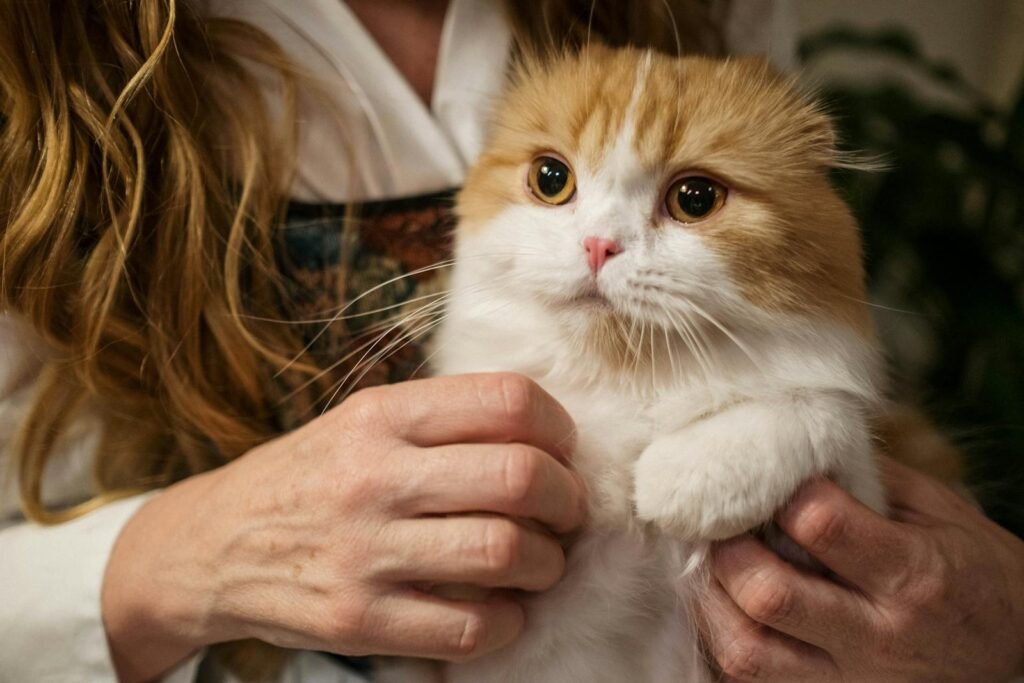
Let’s be real – cats are watching you far more carefully than you realize. They notice your moods, your energy, your stress levels. And all of that directly influences who they gravitate toward. Research has shown cats can form secure attachments to their owners like infants with caregivers, and they recognize human emotions, read tone and gesture, and exhibit behaviors linked to empathy and social awareness.
Cats – merely their presence but of course their behavior – can affect human moods, and human mood differences have been shown to affect the behavior of the cats. It’s genuinely a two-way emotional street. If you’re calm and positive around your cat, you’re more likely to become that cat’s safe harbor. If you’re frequently stressed and reactive, don’t be surprised if your cat keeps a comfortable distance.
Some cats will even react to their favorite person’s emotions, seeking them out if they are crying or stressed. That’s not random. That is a cat who has learned your emotional patterns so well that they can respond to your distress. Honestly, that’s extraordinary.
The Language of Love: How Cats Signal Their Choice
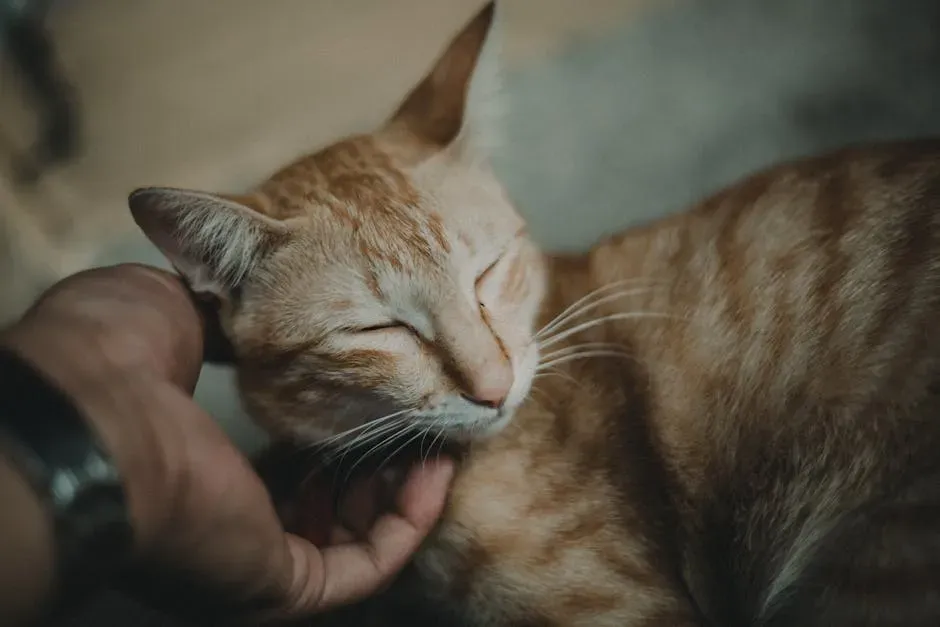
Once a cat has selected their person, they don’t exactly throw a parade. Their signals are subtle, layered, and easy to miss if you don’t know what you’re looking for. Cats will often make eye contact with lowered eyelids and steady, slow blinks. This is considered a feline version of a kiss, and you can even try slow blinking back to show love to your cat.
Cat headbutting, also called bunting, is usually a friendly behavior where cats mark you with their scent to show bonding, comfort, and familiarity. It is often a form of scent communication, where cats rub pheromones on familiar people or objects. Getting headbutted by a cat, in other words, is basically them saying: you’re mine and I’ve officially claimed you. That’s a compliment of the highest order.
When your cat tries to lick or groom your hair, it’s your cat’s way of showing they consider you part of their family. Another way you’ll know you are the chosen one is if they become the feline version of your shadow, and you can’t do anything around the house without them keeping you company. None of these are accidental. Every single gesture is intentional, even from an animal who looks like they’re half asleep.
Respecting Boundaries: The Counterintuitive Secret to Being Chosen
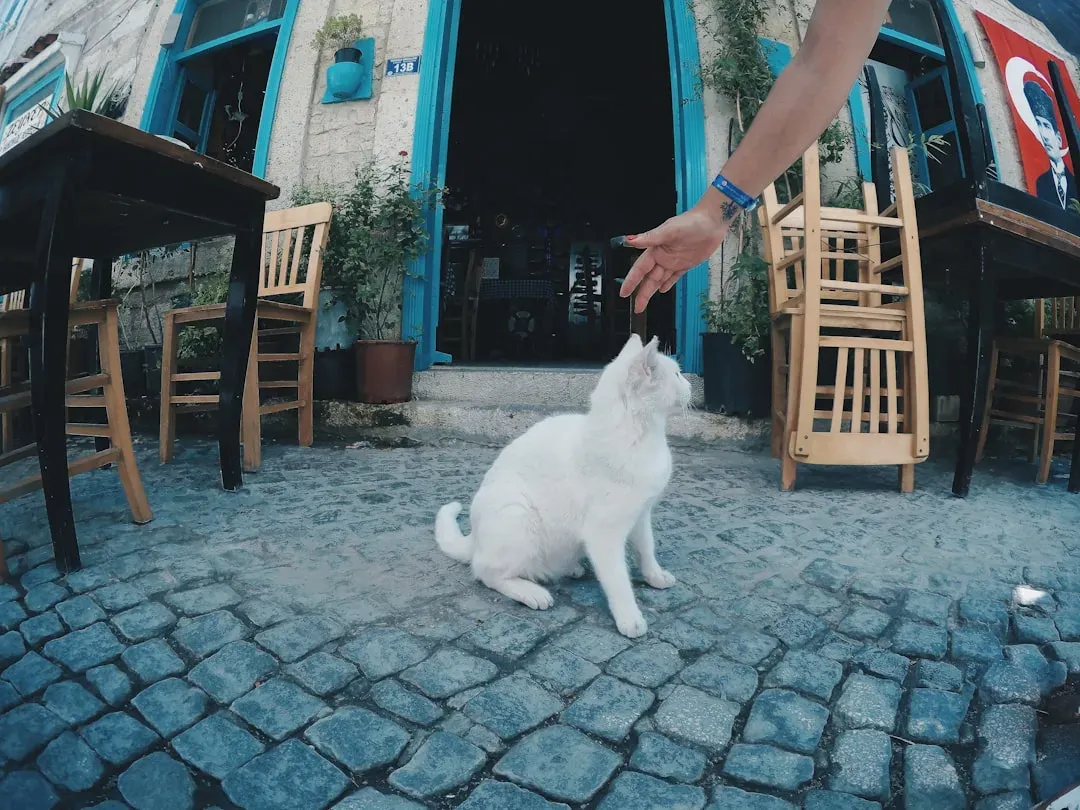
Here’s a twist that trips up so many well-meaning cat lovers: the more desperately you pursue a cat’s affection, the less likely you are to receive it. Quite often, a cat’s favorite person is someone who doesn’t like cats that much at all. In some cases, it seems like the harder you try to get your cat’s affection, the less interested they are. It’s the people who avoid them and don’t invade their space who might end up being the favorite.
Cats naturally gravitate toward the people who understand them the most. A person who is respectful of a cat’s boundaries is likely to be at the top of the favorites list. Think of it like this: imagine someone relentlessly trying to hug you every time you entered a room. You’d probably start avoiding them. Cats feel exactly the same way about forced affection.
Each time you respect your cat’s communication and acknowledge their body language, you show them that you understand them and can be trusted. Trust is the real currency in the cat world. Spend it wisely, earn it slowly, and never try to take what hasn’t been freely offered. That approach, more than almost anything else, is what makes someone worth choosing.
Breed, Genetics, and Individual Personality: Nature’s Role in Devotion
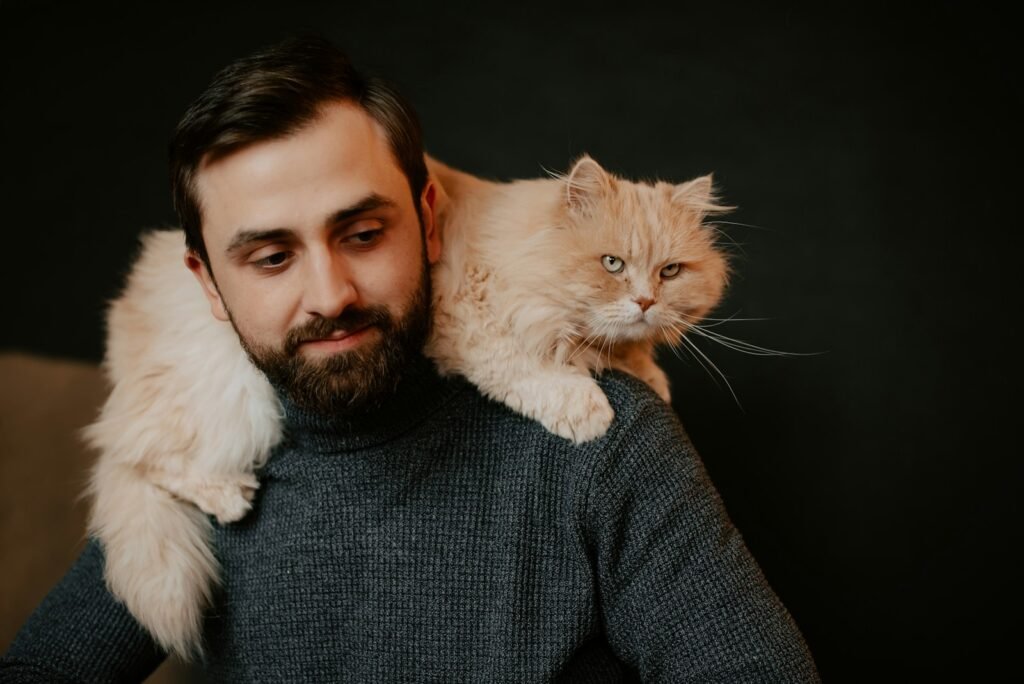
Not every cat is equally wired for deep human attachment, and that’s completely normal. Genetics and breed traits play a meaningful role in how intensely any individual cat will bond with their favorite person. Choosing a favorite human isn’t always straightforward, and the amount of affection a cat dishes out can also be based on age, breed, and personality. Breeds such as Persians and Ragdolls are known for being particularly friendly, while the Russian Blue is thought to be more independent.
Researchers have reported a father effect on the behavioral patterns of kittens associated with friendliness to humans. Since cat males have nothing to do with raising their kittens, this effect is likely genetic. So your cat’s capacity for attachment isn’t shaped entirely by your behavior – some of it was written in their DNA before they ever opened their eyes.
Cats do not spontaneously prefer one gender or age cohort of people, but the humans in those cohorts behave differently toward cats, causing the cats to react differentially. So if you’ve heard that cats prefer women, the reality is more nuanced. It’s not about gender at all – it’s about the specific behaviors different people tend to exhibit. That means anyone, with the right approach and the right patience, has a real chance at becoming the chosen one.
Conclusion: Being Chosen Is a Privilege Worth Earning
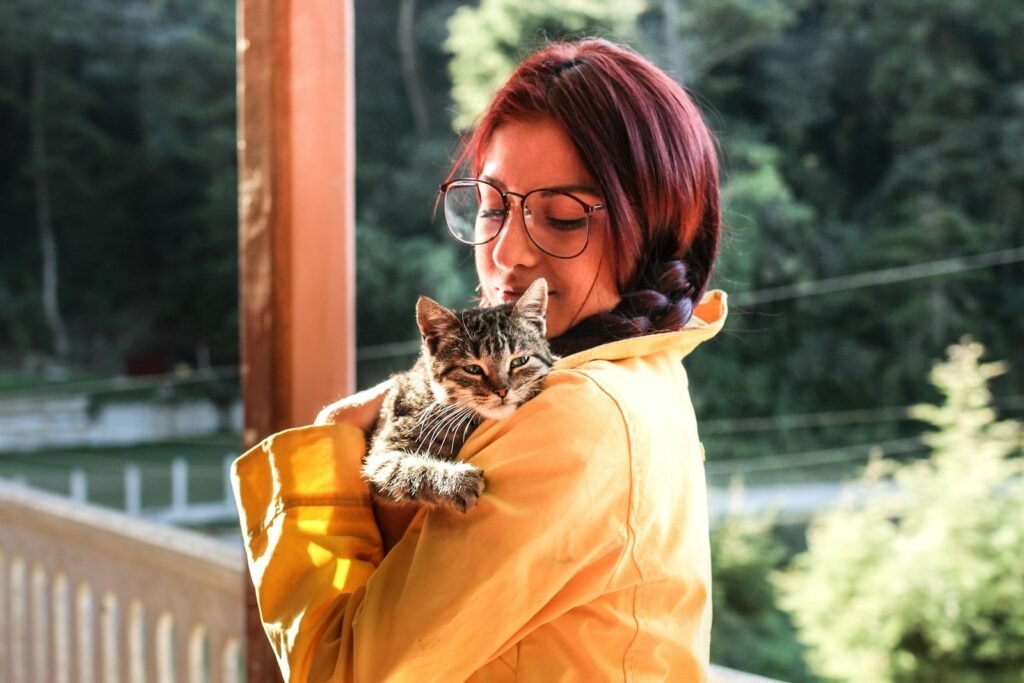
There’s something deeply moving about understanding what actually goes into a cat’s decision to give someone their whole heart. It isn’t random. It isn’t arbitrary. It’s a careful, evolving evaluation built on trust, consistency, scent, emotional attunement, and mutual respect. In many ways, being a cat’s favorite person is one of the more quietly meaningful relationships you can have.
The good news is that most of what drives feline devotion is within your control. Show up consistently. Learn their language. Respect their boundaries. Match their energy. Don’t force what needs to be earned slowly. The process of how cats choose their favorite person is a beautiful blend of instinct, experience, and trust. By understanding and respecting these factors, you can create stronger, more meaningful bonds with your feline companions. Earning a cat’s favor takes time, consistency, and genuine respect for their unique personality and preferences.
So the next time your cat slinks past three other people in the room and drapes itself across your lap, know that it wasn’t an accident. You were chosen. And that says something rather wonderful about both of you. Have you ever noticed your cat doing something that made you feel like the chosen one – and did you finally understand what it meant?