Have you ever noticed your cat gazing longingly out the window, or sprawling in the middle of the living room floor as if she owns the place? There’s something deeply fascinating about the way cats are drawn to open spaces. It’s as if wide, uncluttered areas hold the secret to their sense of safety and contentment. For millions of cat owners, understanding why felines crave these open zones can be both mysterious and surprisingly heartwarming. Let’s unravel the secrets behind why cats feel more secure with open spaces nearby—and what this means for the cats we share our homes and hearts with.
The Ancient Instincts of Feline Survival

Cats are wired by thousands of years of evolution. Their wild ancestors lived in environments where open spaces meant two things: better visibility and more options for escape. In the wild, being able to spot threats from a distance was literally a lifesaver. Even today, your domestic tabby feels those ancient instincts kick in when she curls up in the sunbeam by the open patio door. The urge to survey their surroundings is an echo of their wild past. Unlike humans, cats don’t always feel comforted by hiding; sometimes, they need space to see and react.
Open Spaces as a Stage for Play

Play is more than just fun for cats—it’s practice for survival. Open spaces provide the perfect arena for a good pounce or a spontaneous zoomie session. When your living room is clear, your cat can chase after a toy mouse or leap onto a scratching post with the speed of a jungle predator. This freedom to play without bumping into obstacles gives them a sense of control and confidence. It’s like a playground designed just for them, and in that playground, they are always the star.
The Power of Visibility
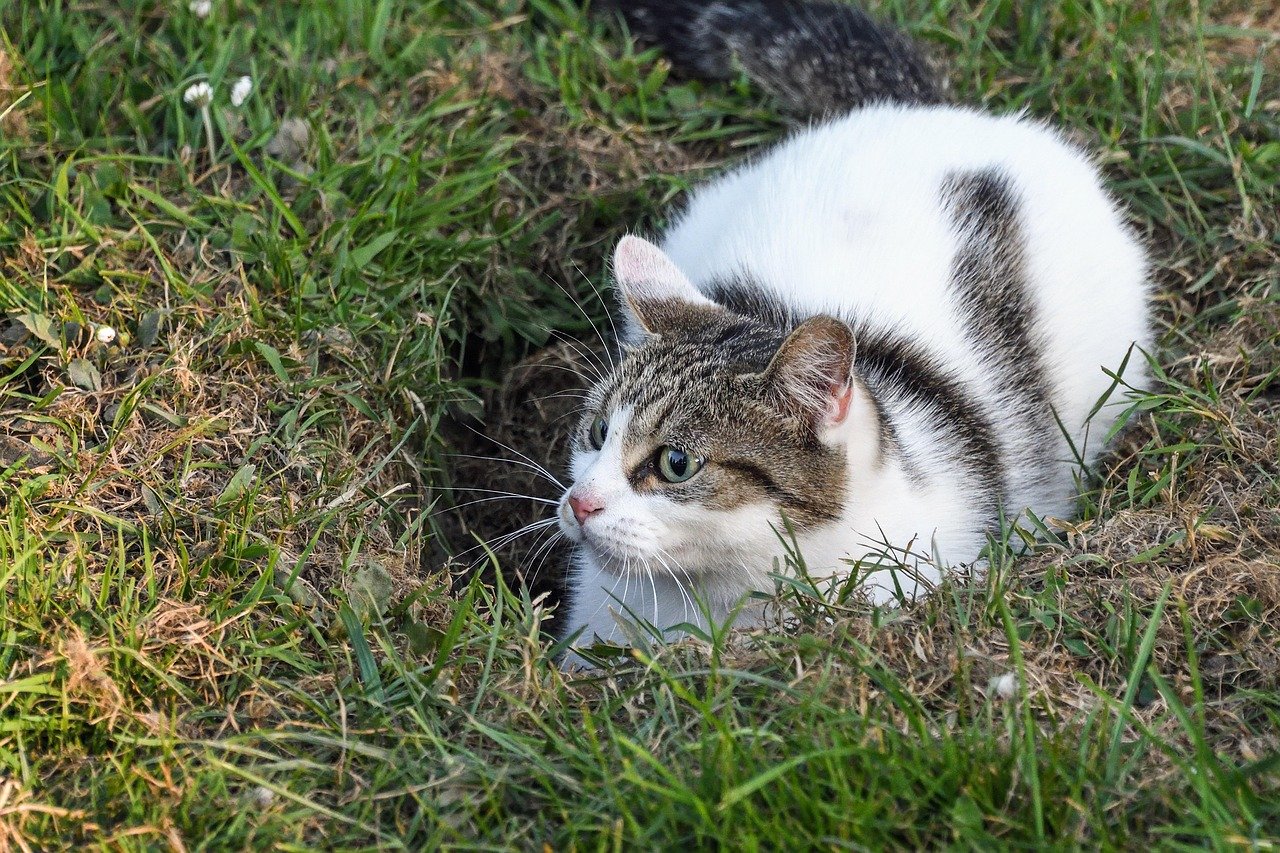
A cat in an open space is like a sentry on lookout duty. Visibility means safety. With fewer objects to block their view, cats can monitor the approach of other pets, people, or even the vacuum cleaner (their sworn enemy). This ability to see everything around them makes them feel less vulnerable. It’s like sitting in the corner of a coffee shop where you can see the door—comforting and secure. Cats thrive when they know nothing can sneak up on them.
Stress Reduction and Calm Behavior

Believe it or not, cluttered spaces can make cats anxious. When they’re surrounded by too many objects, they feel hemmed in and trapped. Open spaces, on the other hand, help lower their stress levels. You might notice your cat stretching out, belly up, in the middle of a clear hallway. That’s a sign of deep relaxation and trust. Reducing visual and physical obstacles in a cat’s territory helps them feel calm and safe, which can lead to better behavior and fewer stress-related issues.
Opportunities for Exploration

Cats are natural explorers. Open spaces make it easier for them to investigate their environment without getting stuck or startled. A wide-open room encourages your cat to roam freely, sniffing corners and checking out new scents. Every stroll is an adventure, and every empty couch cushion is a potential discovery. This exploration isn’t just about curiosity—it fills their need for mental stimulation and helps them feel in charge of their world.
Escape Routes and Safe Retreats
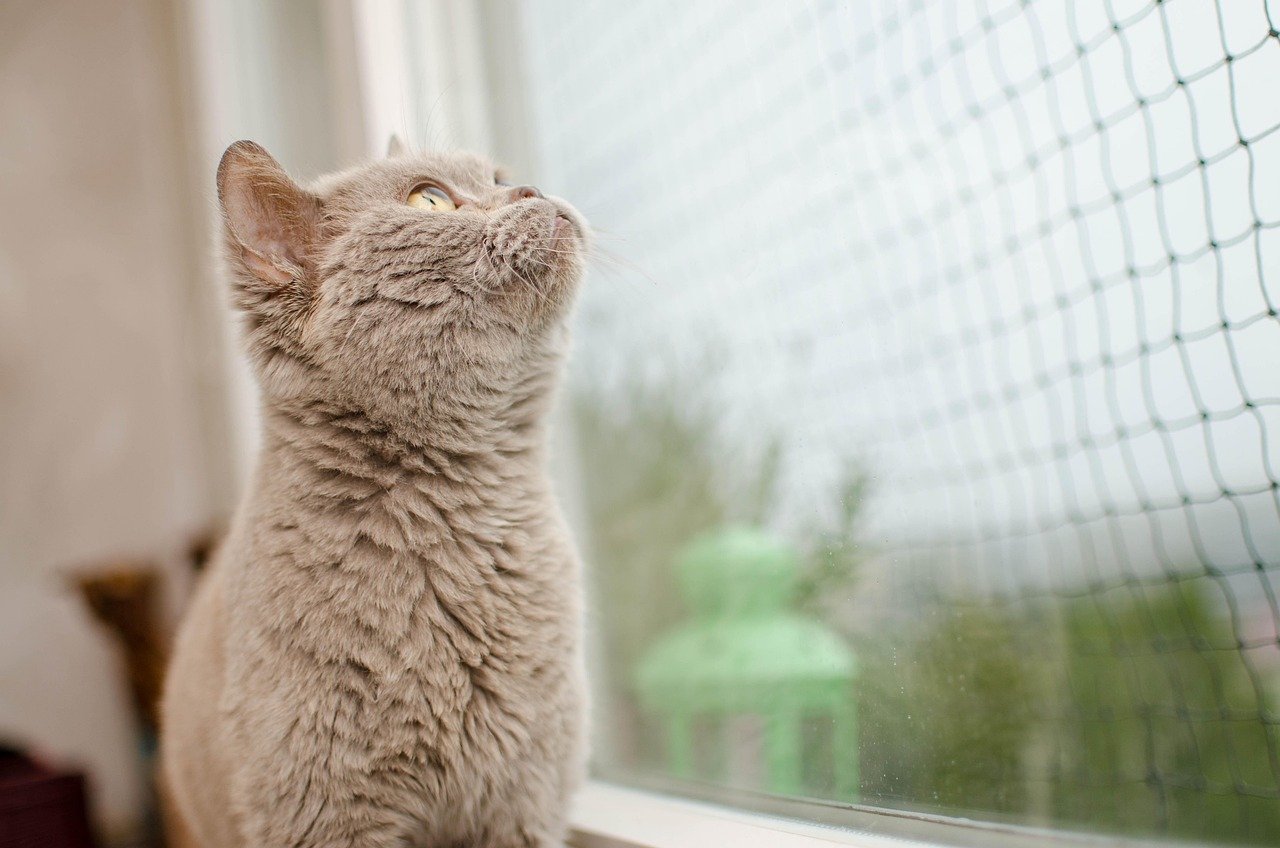
Safety is a top priority for every cat. Open spaces offer clear escape routes if they sense something is wrong. If a sudden noise startles them, they want to be able to bolt to safety without having to dodge furniture or squeeze through tight spaces. Knowing they can get away easily reduces anxiety. It’s like having an emergency exit right at hand—something that brings a huge sense of relief to our cautious feline friends.
Marking Their Territory
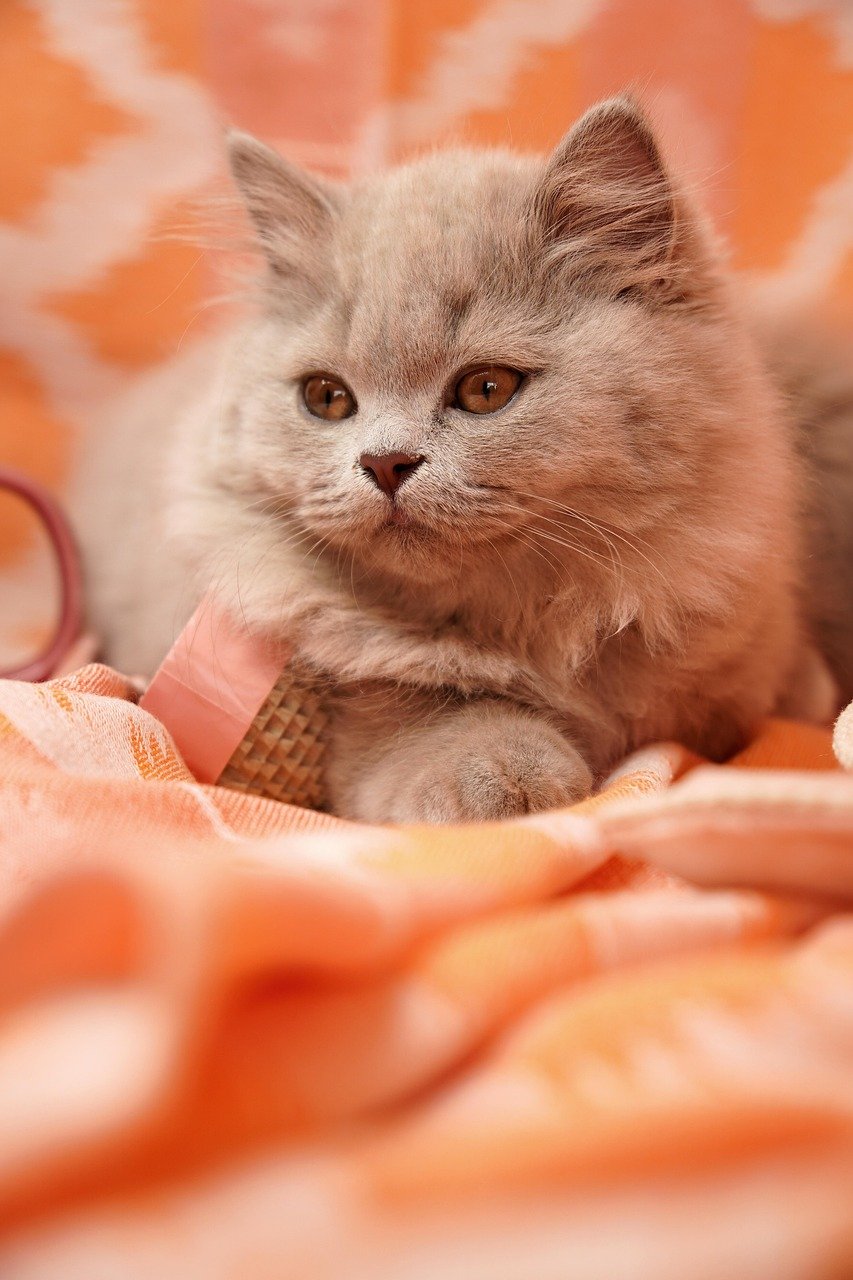
Cats use open areas to leave their scent and claim ownership. Whether it’s rubbing their cheeks on furniture or stretching out to scratch, open spaces give them ample room to mark what’s theirs. This behavior is comforting for cats because it reinforces their sense of belonging. When they see and smell their own marks, it’s a reminder that they are in familiar, safe territory. It’s a little like us hanging family photos on the wall to make a house feel like home.
Sunbathing and Temperature Control

Nothing delights a cat more than a patch of sunlight streaming onto an open floor. Open spaces allow cats to find and bask in warm spots, regulating their body temperature. On cooler days, they’ll seek out the sunniest, most open part of the room. This isn’t just about comfort; it’s essential for their well-being. Sunbathing helps their muscles relax and can even boost their mood. Open spaces mean more opportunities for these little moments of feline bliss.
Social Interaction and Bonding

Open spaces also foster better relationships—both with humans and other pets. In a clear area, cats can approach or retreat as they wish, reducing the likelihood of confrontations or misunderstandings. It’s easier for them to come over for a cuddle or simply observe the action from a safe distance. These choices give them confidence and help strengthen the bond with their family. When your cat feels free to move around, she’s more likely to come to you for affection on her own terms.
Peaceful Observation

Sometimes, cats just want to sit and watch the world go by. Open spaces give them the perfect vantage points to observe everything without feeling exposed. Whether they’re watching birds outside or keeping tabs on the household, this calm observation time is important for their mental health. It’s their version of people-watching at a busy park—relaxing, stimulating, and endlessly entertaining. The ability to observe from a safe spot is a quiet pleasure that open spaces make possible.
Reduced Conflict With Other Pets

In multi-pet households, open spaces can prevent squabbles. When there’s room to spread out, cats aren’t forced to share tight quarters or fight over resources. Clear pathways allow everyone to navigate without territorial disputes. This can lead to a more harmonious home, with less hissing and fewer swats. More space means more options for peaceful coexistence, and that’s good news for everyone—furry and human alike.
Encouraging Healthy Movement

Open spaces naturally encourage cats to move more. They’ll run, jump, and stretch, which helps keep their bodies agile and fit. Without obstacles, cats are more likely to exercise, chase after toys, or even invent their own games. This movement supports joint health and maintains a healthy weight. A cat that can sprint across the living room is a cat that’s more likely to stay active and happy well into old age.
Nighttime Security
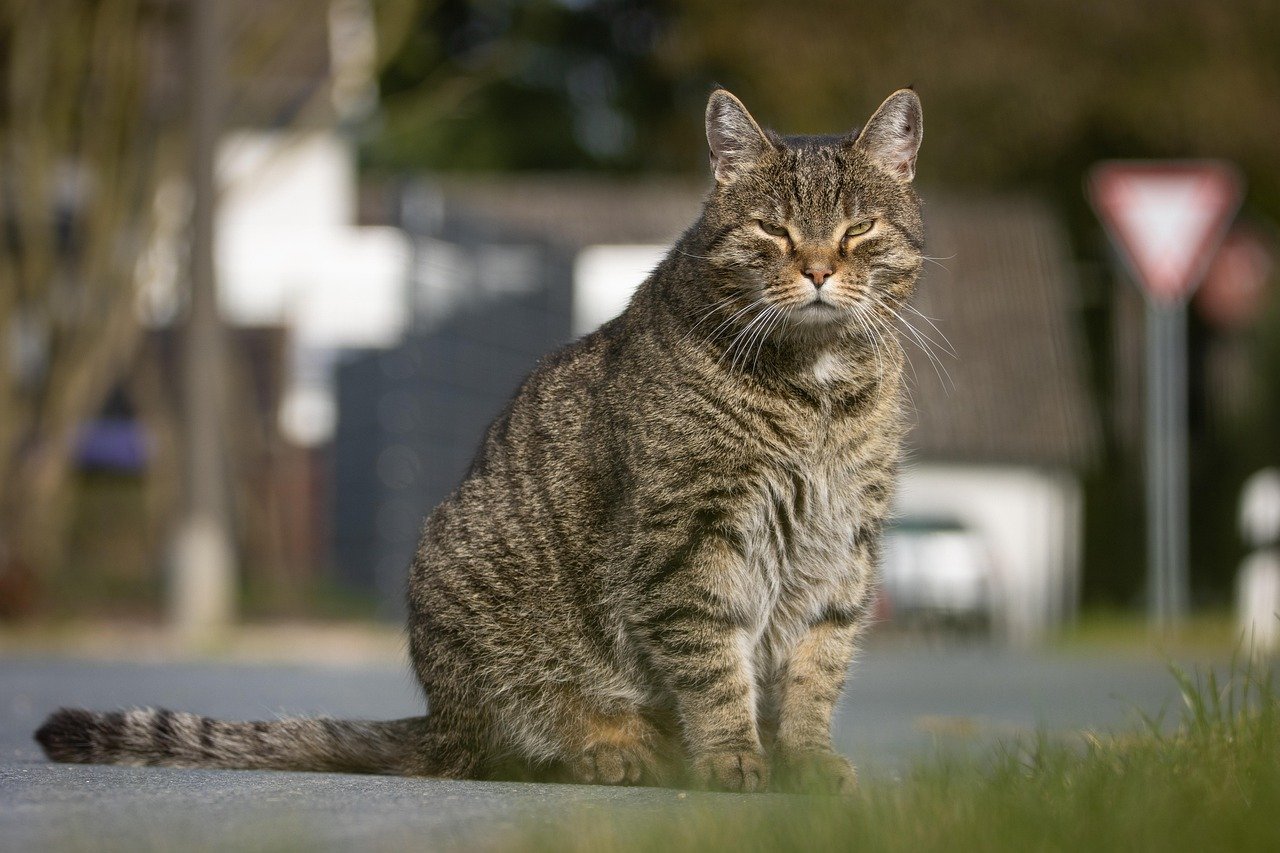
Cats are crepuscular, which means they’re most active at dawn and dusk. During these times, open spaces are especially important. In the quiet hours, your cat will patrol the house, checking that everything is as it should be. Open areas make these nighttime rounds easier and more reassuring. They can see clearly and feel secure in their ability to respond to any perceived threats, even if it’s just a shadow on the wall.
Freedom to Choose Resting Spots

Cats love variety in their resting places. Open spaces mean more options for stretching out, curling up, or sprawling however they please. Without clutter, your cat can pick the coziest or sunniest spot in the house. This freedom to choose is empowering. When cats control where they rest, they feel more in charge of their territory and more secure overall.
Reducing Startle Reflex
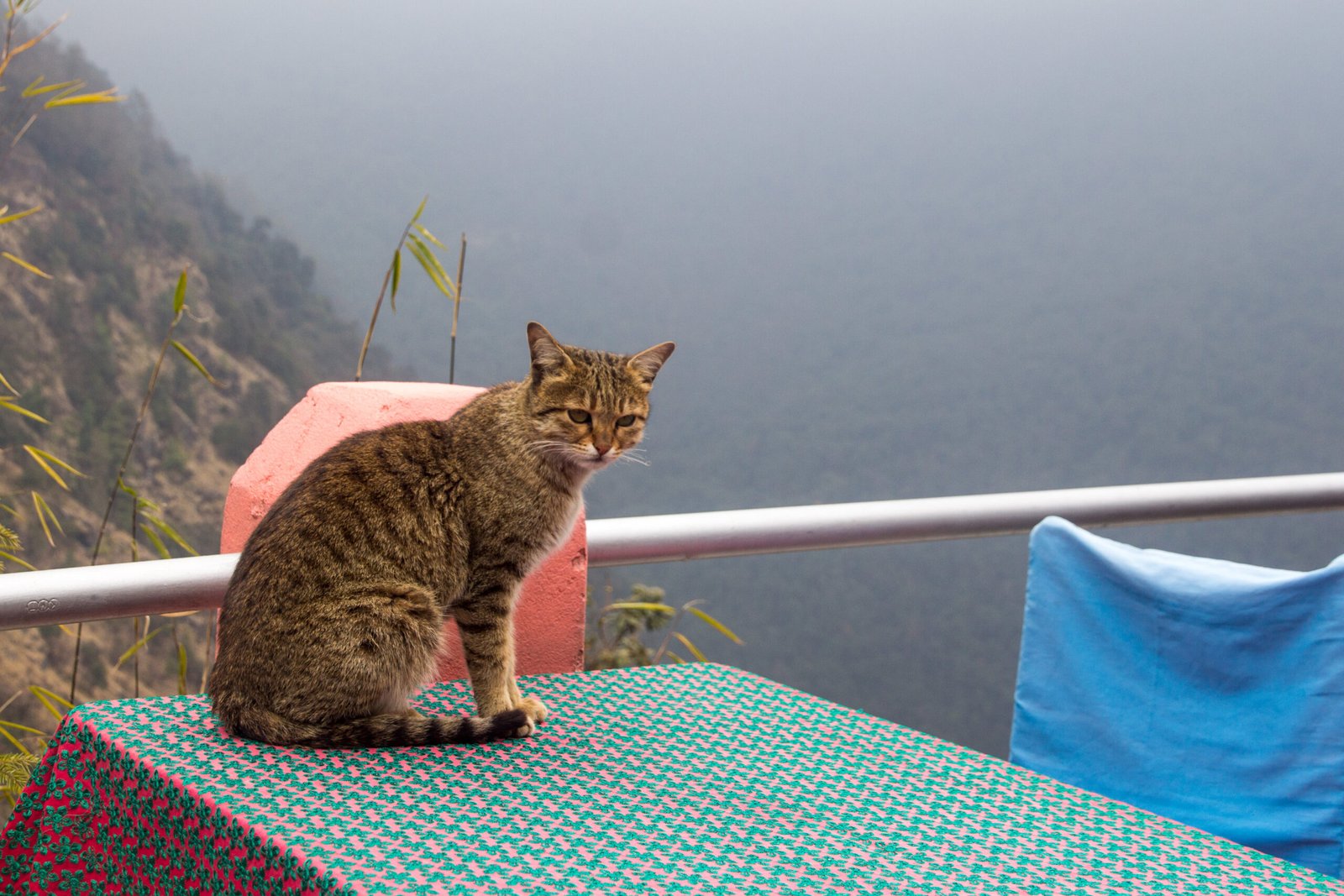
Startled cats are stressed cats. When their view is blocked by too many objects, they’re more likely to be surprised by sudden movements or noises. Open spaces allow them to anticipate what’s coming, reducing unwanted surprises. It’s a simple way to lower their startle reflex and help them feel more at ease. A cat who feels safe is a cat who’s less likely to react with fear or aggression.
Supporting Senior Cats and Kittens

Both the youngest and oldest cats benefit from open spaces. Kittens need room to play and develop their coordination, while senior cats appreciate clear paths that are easier on their joints. Cluttered spaces can be hazardous, especially for cats with mobility issues. Open areas make it safer for them to move around without risking slips or falls. It’s a small change that makes a big difference in their quality of life.
Less Competition for Resources

When space is limited, cats may feel they have to compete for food, water, or litter boxes. Open areas make it easier to place these resources in separate locations, helping each cat feel like they have their own territory. This reduces tension and helps everyone get what they need without conflict. It’s a subtle but powerful way to foster peace in a multi-cat house.
Boosting Confidence in Shy Cats

Shy or anxious cats often find comfort in open spaces. With fewer places to hide, they’re gently encouraged to explore and interact. This can help them build confidence and become more comfortable in their home. Open spaces don’t force them out of their comfort zone, but they do make positive experiences more likely. Over time, a once-timid cat might surprise you by becoming the boldest explorer in the house.
Offering Opportunities for Stimulation

Open spaces can be enriched with interactive toys, cat trees, or even simple cardboard boxes to keep things interesting. The combination of freedom and stimulation helps prevent boredom and destructive behavior. When cats can play and explore in a safe, open environment, they’re happier and more content. It’s like turning your home into a feline amusement park—one that changes and grows with their interests.
Human Companionship and Trust

Cats aren’t just seeking open spaces for themselves—they want to share those areas with their humans, too. When you sit on the floor or play in an open room, you’re joining their world. This shared experience can deepen your bond and build trust. Cats feel more secure when they know their favorite person is nearby, relaxed, and engaged. Open spaces become places for connection, not just solitude.
Reflecting Their True Nature

Ultimately, open spaces let cats be their truest selves. Whether they’re lounging, leaping, or simply watching the world go by, these areas support every part of their personality. Providing open spaces isn’t just about meeting a need—it’s about respecting who they are. When you create a home with room to roam, you’re telling your cat you understand and appreciate their unique spirit. Isn’t that what every cat lover wants?

Hi, I’m Bola, a passionate writer and creative strategist with a knack for crafting compelling content that educates, inspires, and connects. Over the years, I’ve honed my skills across various writing fields, including content creation, copywriting, online course development, and video scriptwriting.
When I’m not at my desk, you’ll find me exploring new ideas, reading books, or brainstorming creative ways to solve challenges. I believe that words have the power to transform, and I’m here to help you leverage that power for success.
Thanks for stopping by, Keep coming to this website to checkout new articles form me. You’d always love it!