Picture this: you walk through your front door after a long day, and suddenly your cat appears, gently pressing their forehead against your leg. That simple gesture carries far more meaning than most people realize. While we might interpret this as just another cute cat behavior, the truth is much more fascinating and emotionally complex.
When a cat headbutts and marks you, it means you’ve been accepted into a very special club: a cat’s inner circle. This isn’t just random affection – it’s a deliberate choice that speaks volumes about how your feline companion truly sees you. Let’s explore the remarkable science and emotion behind this intimate feline greeting.
The Science of Scent Marking
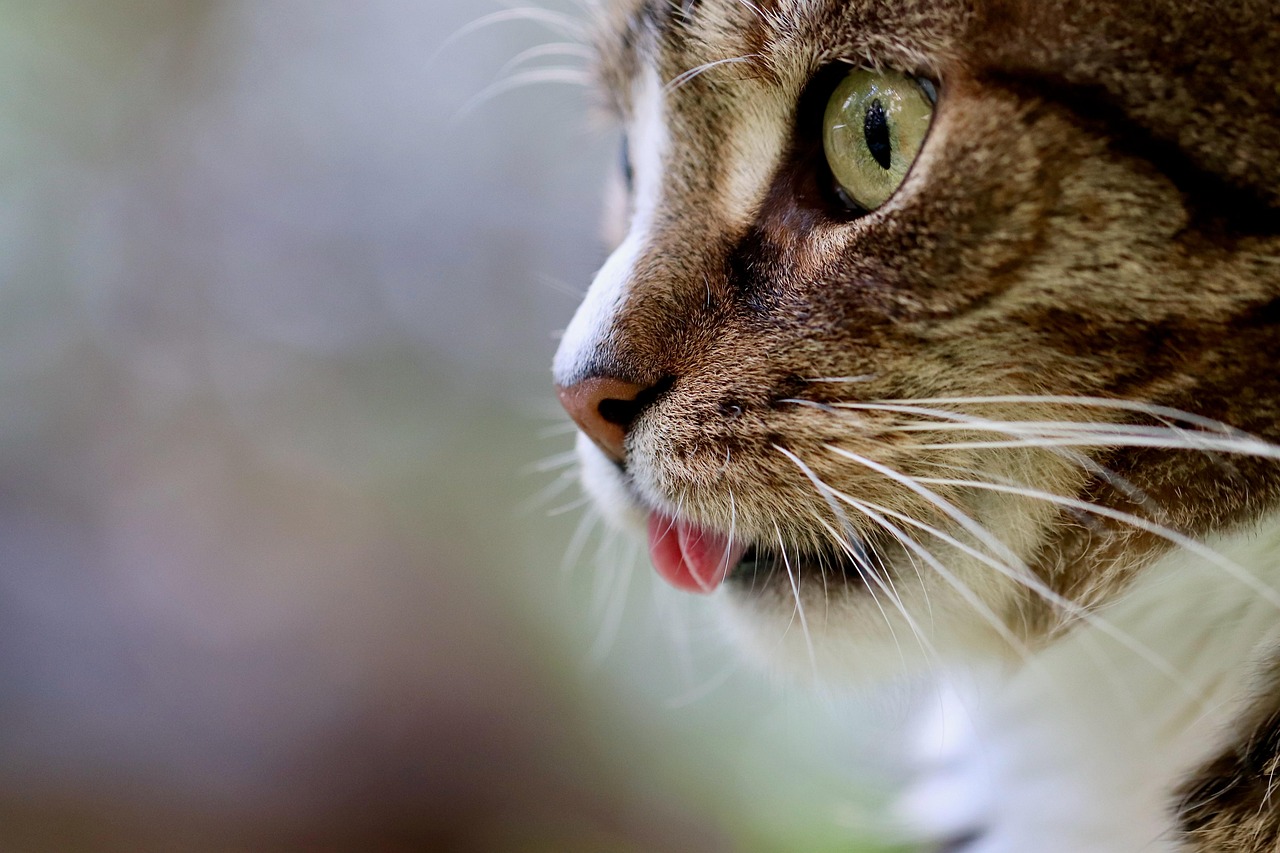
Cats have scent glands located in several structures around their chin, cheeks, and lips, making their face a veritable pheromone factory. These scent glands can be found on their outer ear flaps, temples, cheeks, corners of the mouth, and under the jaw. When your cat rubs their head against you, they’re essentially painting you with invisible chemical messages.
Think of it like an intricate perfume blend that only other cats can detect. The scent that they produce is undetectable by humans, but other cats can detect these pheromones in their environment. These pheromones contain incredibly detailed information about your cat’s identity, emotional state, and relationship status with you.
Specific cat pheromones have been chemically identified and studied by researchers, though the exact classification systems vary. Each of these serves different purposes, creating a complex communication system that we’re only beginning to understand.
Trust as the Ultimate Currency
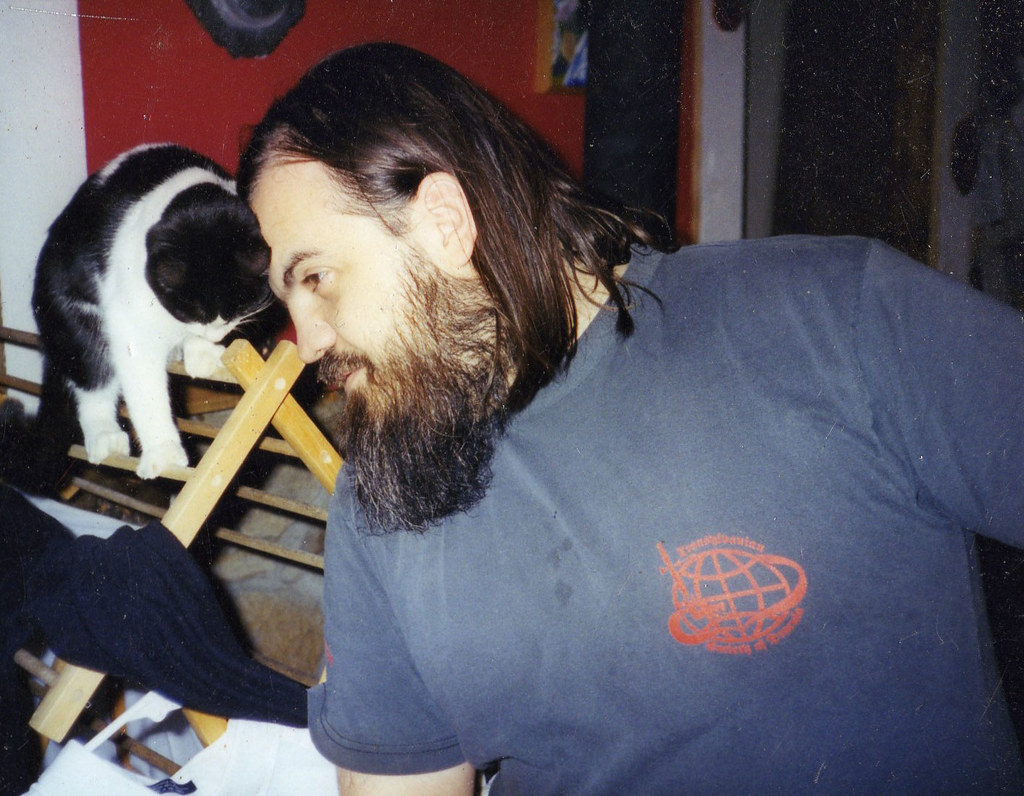
When your cat headbutts you, they’re displaying one of the highest forms of feline affection. By presenting their head – a vulnerable part of their body – they’re demonstrating complete trust in you. This vulnerability aspect cannot be overstated in the animal kingdom.
Cats don’t headbutt just anyone, and it’s only a behavior they would do when they feel safe. After all, if they feel threatened, they’re unlikely to want to turn their back on any potential predators to give you a quick kiss! Therefore, if they decide to bunt, it means they feel safe around you and are willing to be vulnerable because they trust you.
This behavior represents the highest compliment a cat can give. Cats don’t headbutt humans they don’t like or trust. When your cat chooses you for this intimate gesture, they’re making a statement about your relationship that goes far beyond simple affection.
Creating the Colony Scent
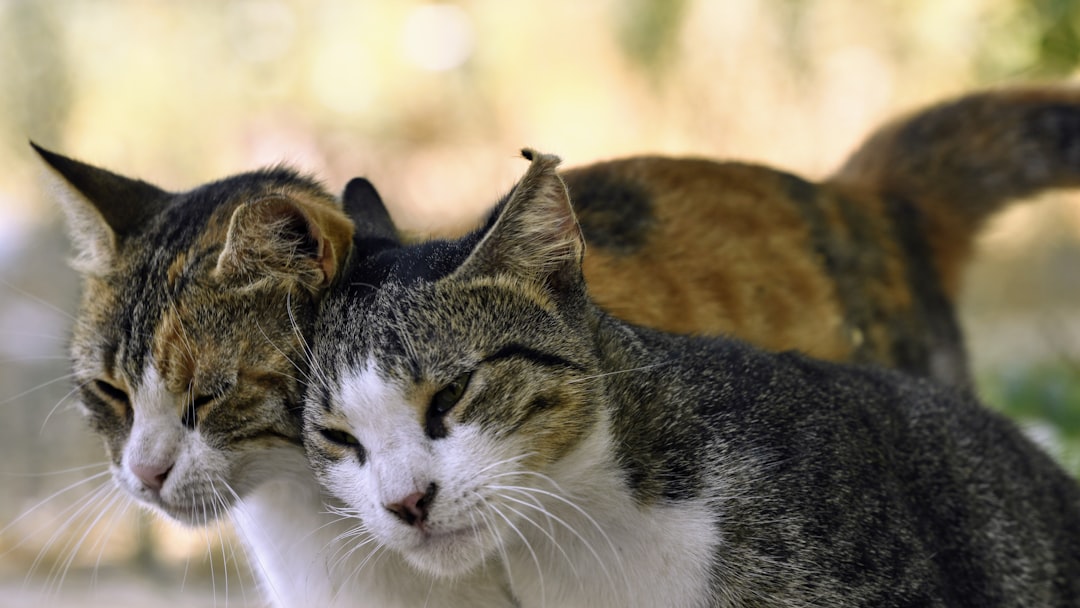
When cats within a colony headbutt each other, they are mixing their scents to create a single scent. This unique scent is then distributed to all of the cats in the colony as the colony scent. Your cat is essentially trying to make you smell like family.
If you’ve got more than one cat in your household, you may well have noticed them headbutting each other. This is about them bonding and creating a colony scent with other felines in the same household. By including you in this ritual, your cat is declaring that you belong to their social group.
Headbutting is a way for cats to establish a unified scent among the members of their social group. Evolutionarily, this shared scent helps maintain harmony within the group, reduce potential conflicts, and promote connectedness among its members.
The Emotional Regulation Connection
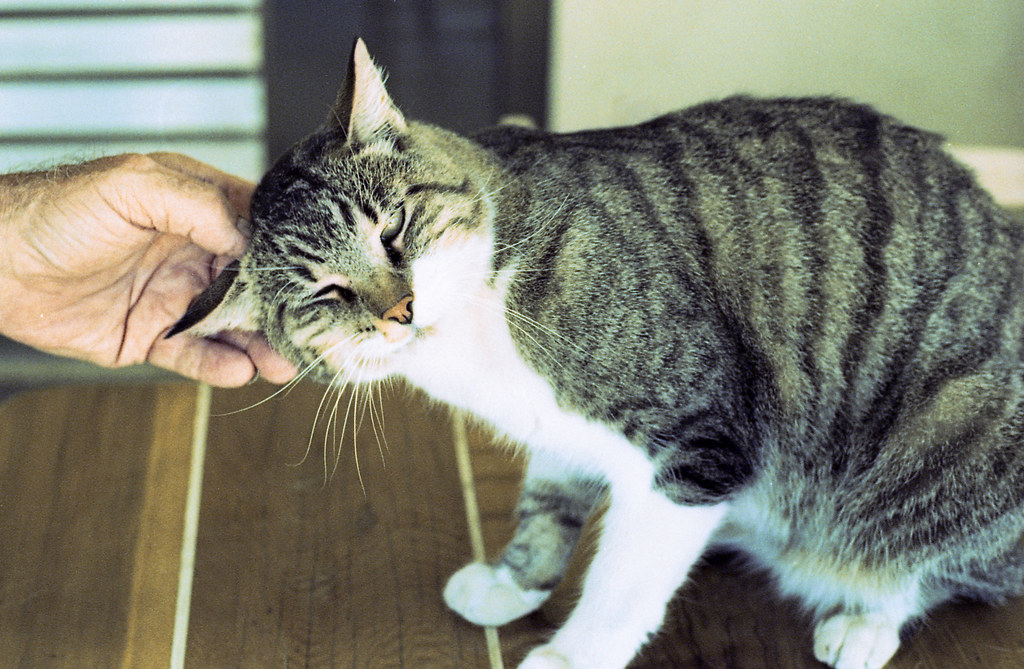
When cats rub their face on something, they are usually purring, happy, and relaxed, without anyone else having to be involved. They seem to enjoy headbutting and rubbing their face on things and the scent of their pheromones immensely. So when cats engage in solitary face rubbing, they may be self-soothing or regulating their own emotional state.
This self-soothing aspect reveals something beautiful about the headbutt behavior. Some cats may headbutt to self-soothe. When your cat headbutts you during stressful times, they’re not just seeking comfort – they’re actively using your presence to regulate their emotions.
You might also notice that your cat headbutts you in situations where they feel anxious, such as during a visit to the veterinarian. It’s their way of comforting themselves and finding solace in the familiar scents of their loved ones.
Territory Marking With Love
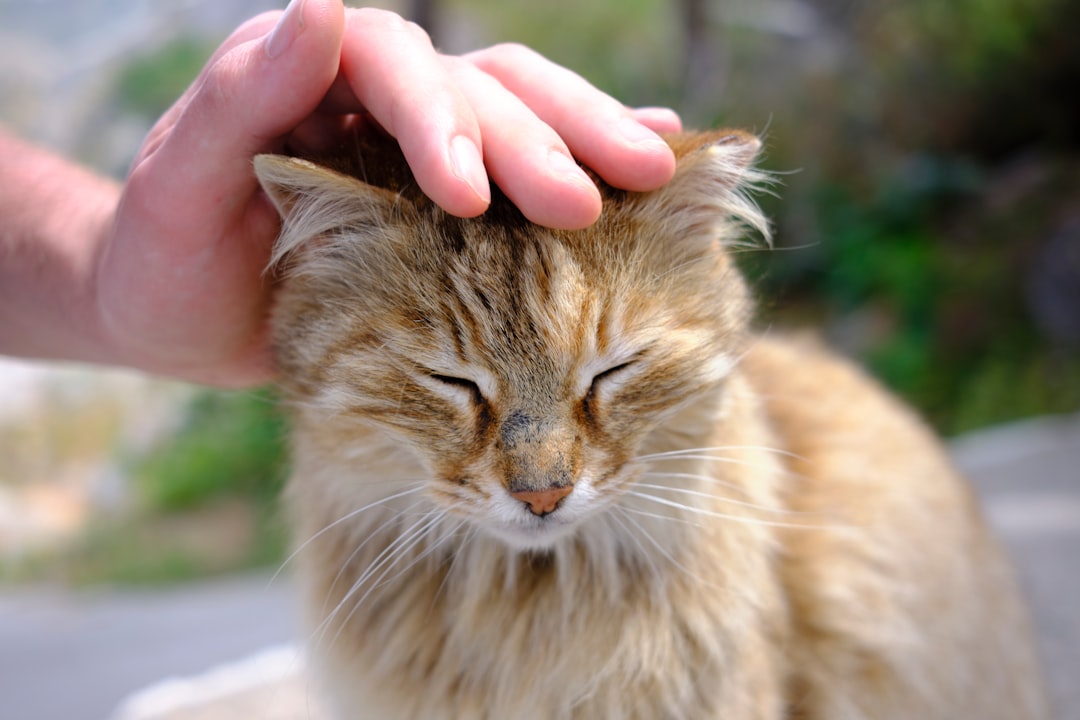
This type of marking behavior claims a territory as familiar and in a positive way. Think of it as your cat personalizing their surroundings and creating a safe space, as opposed to making a territorial challenge to other cats like they would by urine marking or spraying. This is territorial behavior, but the gentle kind.
Familiar scents create a feeling of comfort and familiarity for cats, helping them feel safe in their environment. When your cat headbutts you, they’re not just marking you as theirs – they’re creating a safe haven in their world.
Cats mark familiar people just like they mark things around the house. However, there’s something special about being chosen for this behavior. It means you’ve transcended the category of “things in the house” and become part of their inner sanctum.
The Attention-Seeking Element
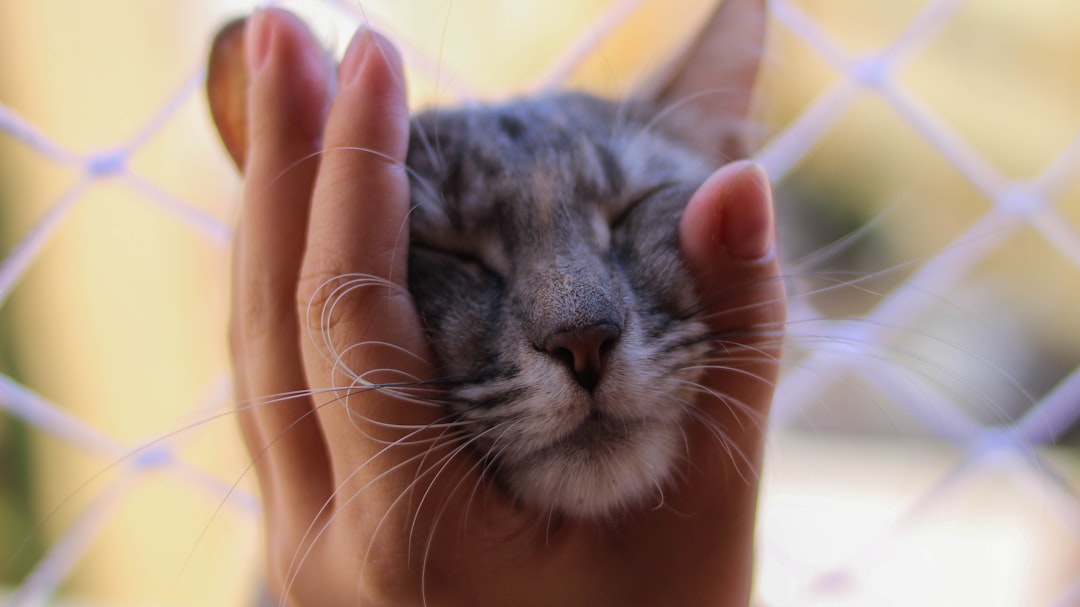
Sometimes headbutting can be a way for cats to seek attention. If your cat headbutts you and then pointedly walks to their food dish, they’re using headbutts to get something they desire. This strategic use of affection shows just how intelligent cats really are.
Bunting is sometimes an attention-seeking behavior. So, it could mean that your cat wants you to put down your laptop or the book you’re reading and focus on them for a moment. If your cat is lonely or just wants a cuddle, they might approach you and start headbutting.
Even when headbutting is about getting something they want, cats still only use this behavior with people they trust completely. It’s their polite way of asking for something, reserved exclusively for their favorite humans.
Individual Personality Differences
There is great variation among individual cats. Confident cats tend to headbutt more frequently and with more force than shy cats. Not only is the most self-assured cat more likely to headbutt, but they are also likely to be the dominant cat in a multiple-cat household.
Your cat is a unique individual and might not be a headbutter. Cats have lots of different ways of showing affection, including purring, kneading, slow blinking and just curling up right next to you. Not every cat expresses love through headbutting, and that’s perfectly normal.
If your cat does not headbutt, there’s no need to be alarmed. Headbutting is only one way that cats show affection. Some cats prefer other methods of showing their devotion, and each cat’s personality shapes how they express their feelings.
When Headbutting Changes
If your cat used to be into headbutting but doesn’t seem to be anymore, this change in behavior could mean that your cat isn’t feeling well, especially if you see other symptoms like lethargy or grumpiness. If this happens, consult with your veterinarian to see what might be going on.
If your normally affectionate cat suddenly stops headbutting altogether – or starts doing it obsessively – it could signal stress or health issues. Pay attention to changes in behavior and consult your veterinarian if something seems off.
It’s also important to distinguish between normal headbutting and head pressing. If it’s head pressing and not head butting, that’s a different story: instead of trying to rub off their scent on you, your cat might press their head against yours to indicate that they are not feeling well. If your cat also appears disoriented or in pain, go to your vet asap.
The Deep Communication Connection
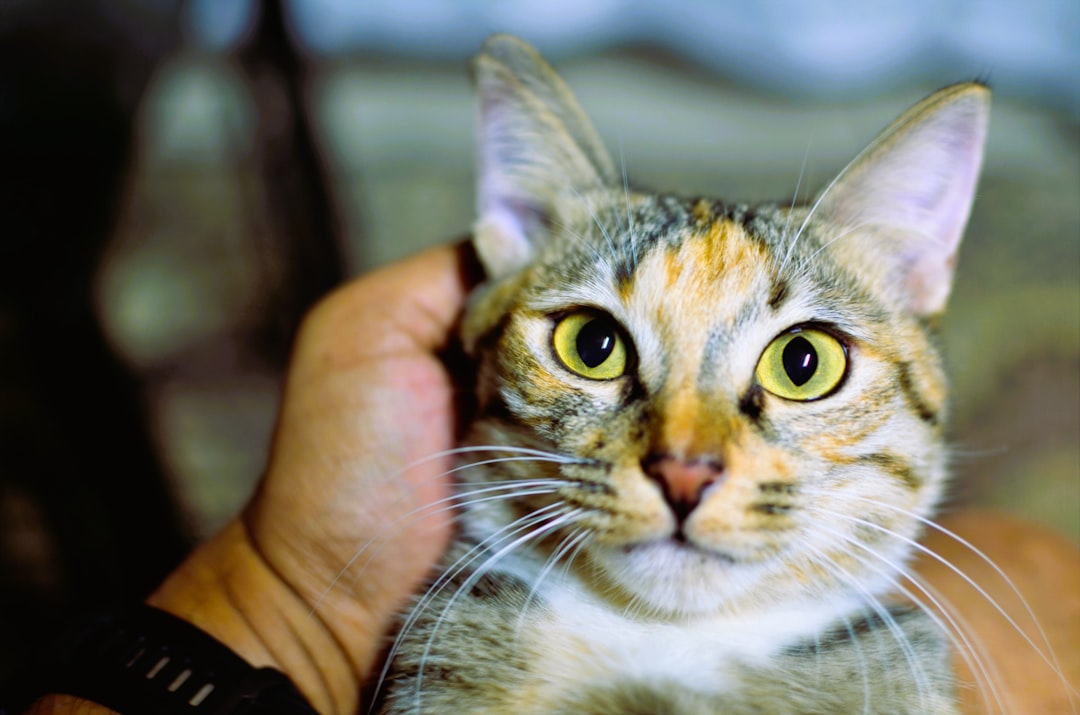
Cats are subtle communicators who rely heavily on body language and scent cues rather than vocalizations alone. Headbutting is one way they connect with their world – and with you – on a deeper level. Next time your cat gently bumps its head against you (or your favorite chair), remember: it’s not just cute – it’s meaningful communication from one species to another.
Thanks to their very keen sense of smell, much of cats’ communication is through scents in their environment. And though you cannot detect it, the fact that you smell like your cat is very reassuring to them.
This invisible language of scent creates bonds that go far deeper than simple visual or auditory communication. Through headbutting, cats are speaking directly to the emotional centers of other cats’ brains, and by extension, trying to communicate with us on the most fundamental level possible.
Conclusion: A Love Letter Written in Scent
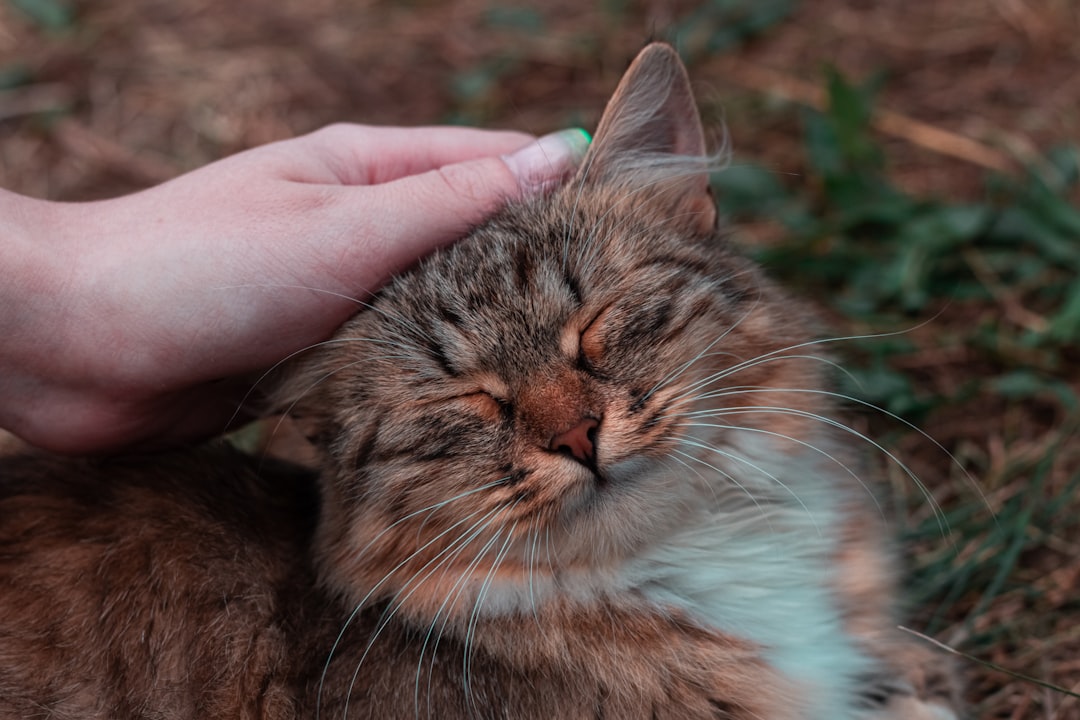
The next time your cat greets you with that gentle forehead bump, remember that you’re receiving one of the most personal and meaningful gestures in the feline world. While your cat’s headbutt might be soft and gentle or strong enough to knock your glasses off, it’s a sure sign of affection from your furry friend. This behavior represents trust, love, acceptance, and the deep desire to make you part of their family unit.
Understanding your cat’s headbutting behavior helps strengthen your bond and ensures you’re responding appropriately to their communication attempts. This special gesture is one of the many ways cats show their trust and affection, making it an important part of the human-feline relationship. So the next time you feel that familiar bump against your leg, take a moment to appreciate the complex emotional and chemical symphony your cat is sharing with you.
What do you think about this deeper understanding of your cat’s headbutt behavior? Tell us in the comments how your feline friend shows their affection.