Ever wondered why your feline friend suddenly becomes a fierce defender when another pet approaches you? That subtle positioning between you and the dog, or the way they glare at the new kitten from across the room? You’re witnessing something that reveals the complex emotional world of cats, where ancient instincts meet modern love.
Cats can be just as protective of their people as dogs are of theirs, though they express it differently. What looks like simple jealousy or territorial behavior often stems from something deeper. It’s the fascinating intersection of evolutionary survival instincts and genuine emotional attachment that makes our cats the complicated, devoted companions they are. Let’s explore what really drives this protective behavior.
The Ancient Instinct Behind Modern Protection
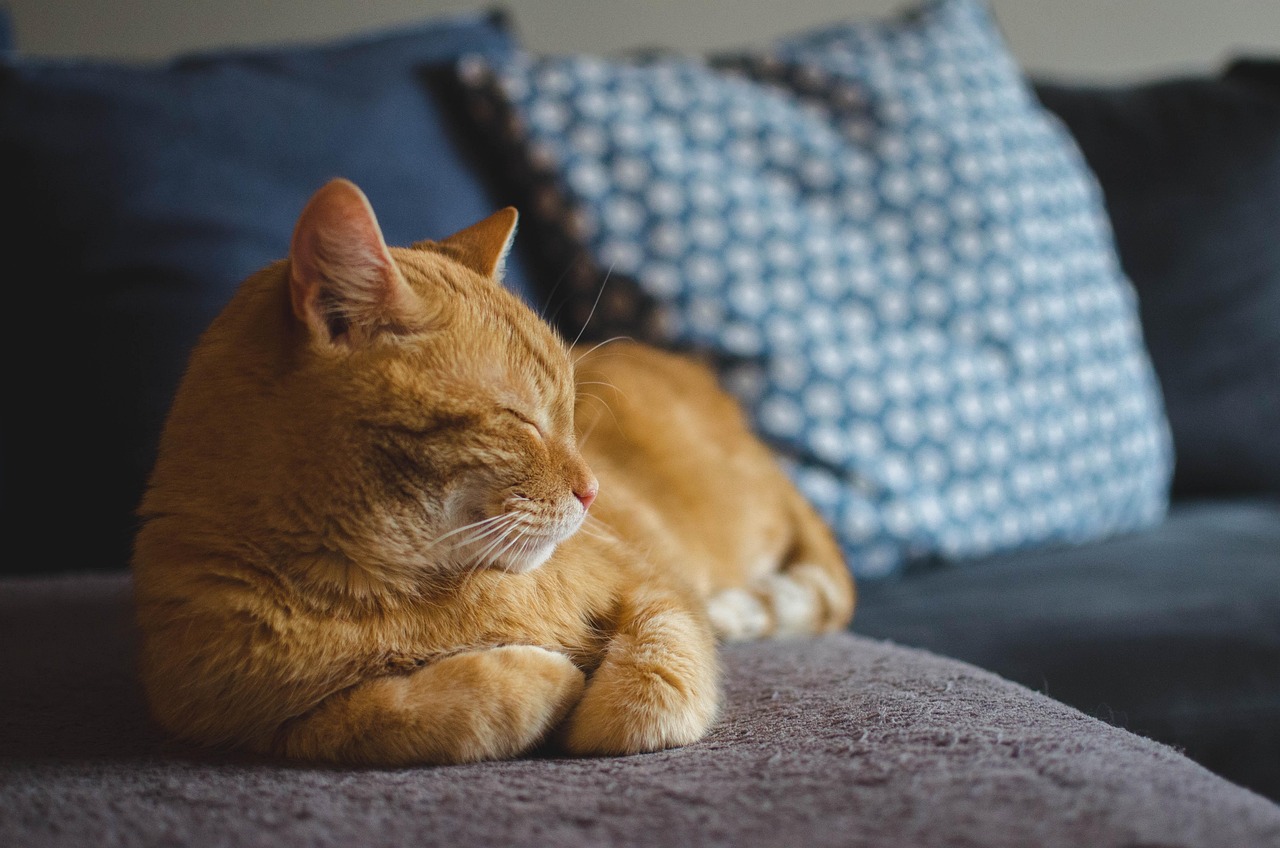
Wild cats are naturally territorial, generally picking and guarding a patch where there is plenty of prey and moving on to new hunting grounds when that prey becomes scarce. Domestic cats still share that same instinct, even though there’s usually plenty of food for them provided by their doting owners. This hardwired behavior explains why your cat might suddenly transform from a lazy lap warmer into a vigilant guardian when another pet enters the scene.
These instincts could be a fear that their access to resources might be threatened or the instinct to challenge another cat over a potential mate. Your cat doesn’t distinguish between you as a resource and food as a resource. You represent safety, comfort, and survival, making you worth defending from perceived threats.
Love Disguised as Territorial Behavior
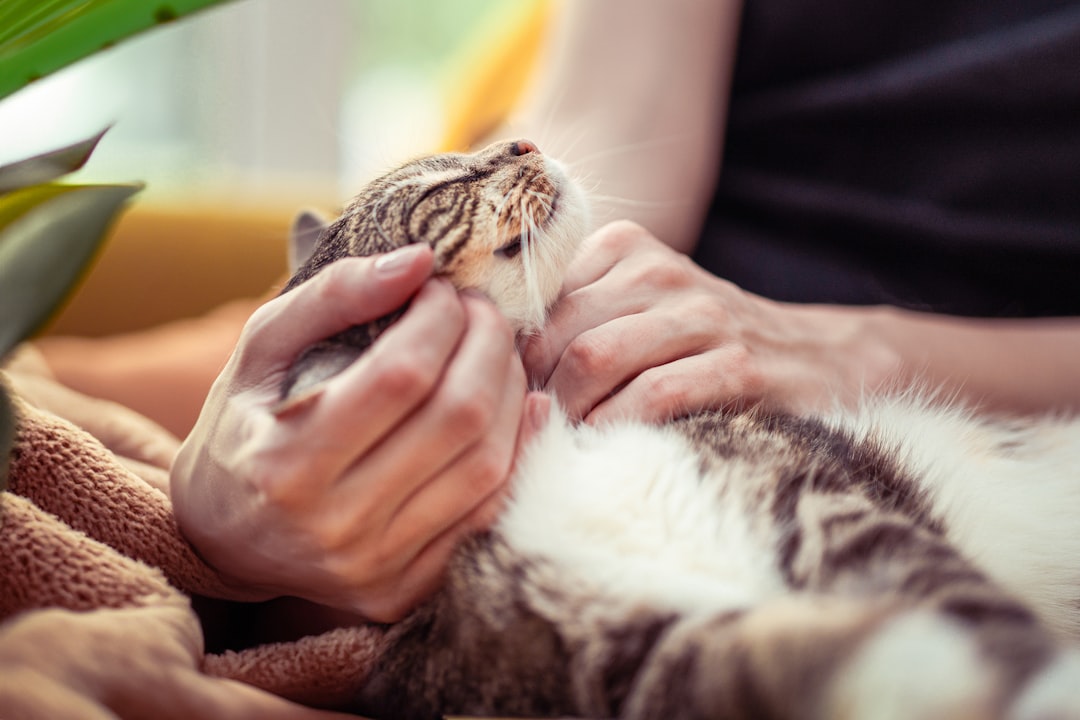
Recent scientific discoveries challenge the old stereotype of aloof, independent cats. Cats form close bonds with their owners or other chosen special people. Most cats chose interaction with humans over food, toys, or interesting scents when given the choice. This reveals something profound about feline emotional capacity.
65.8 percent of cats classified as securely attached and 34.2 percent as insecurely attached to their owners. In other words, the majority of cats view their owners as a source of comfort and security just like dogs do. When your cat guards you from other pets, they’re not just protecting territory. They’re protecting their emotional anchor, their secure base in an uncertain world.
Reading the Signs: How Cats Protect Their Humans
The most obvious cat territorial behavior is guarding. One cat may spend a lot of time around a particular location or resource. Yet cat protection often appears more subtle than dramatic confrontations. Have you ever seen your cat flop over on their side in the middle of a hallway? While they could be resting, they may also be guarding whatever’s on the other side.
If your cat suddenly turns into a “Velcro cat”, refusing to leave your side and following you wherever you go, it could be a sign of protection. They’re positioning themselves as your personal bodyguard, ready to intervene if another pet gets too close or behaves inappropriately around you.
The Science of Feline Attachment Styles
Researchers have discovered that cats develop attachment styles remarkably similar to human children and dogs. Cats show a similar capacity for the formation of secure and insecure attachments towards human caregivers previously demonstrated in children and dogs with the majority of individuals in these populations securely attached to their caregiver. This scientific backing explains the depth of protective behavior many cat owners witness.
Securely attached cats displayed a reduced stress response and curiously explored the room while checking in periodically with their owners for attention. Cats with an insecure attachment remained stressed after their owner returned to the room and displayed behaviors such as clinging to their owner. These attachment patterns directly influence how intensely a cat might guard their human from other pets.
When Protection Becomes Problematic
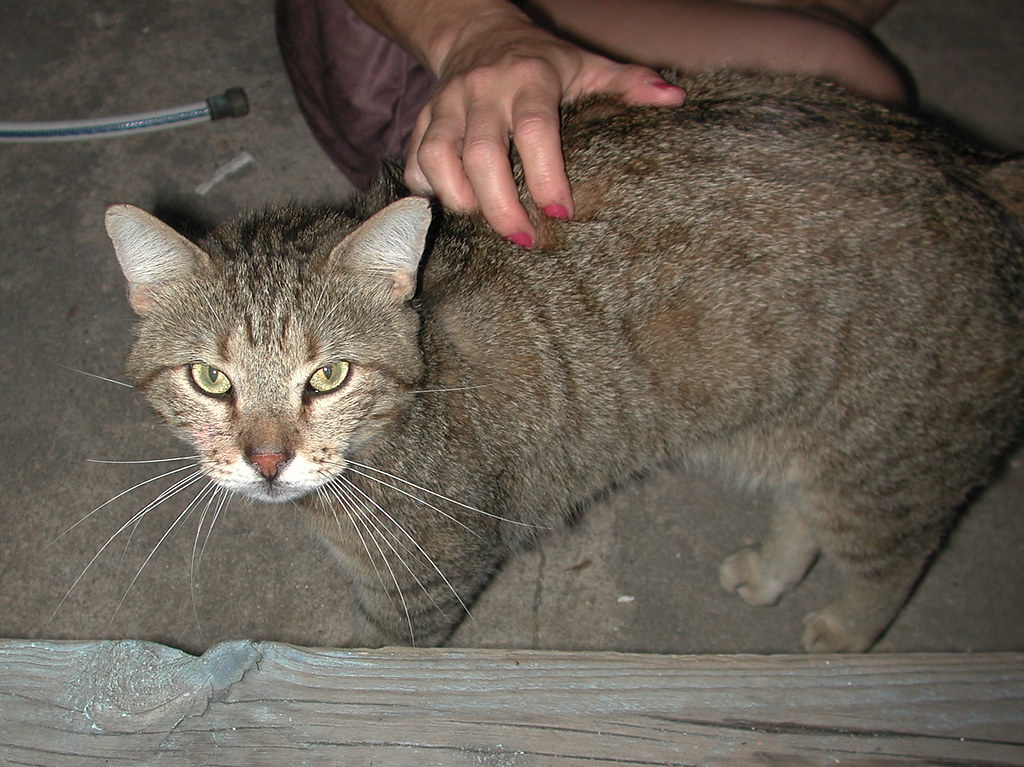
Because of their territorial nature, cats can become aggressive or protective in situations they perceive as threatening, even if you don’t. For example, your cat may view a new pet, new roommate, or even a new baby as a threat and attempt to protect you from them. This misplaced protectiveness can create household tension and stress for everyone involved.
Whenever cats or dogs become aggressive toward each other, other household pets or people, separate them from the target of their aggression. A professional needs to assess the cause and recommend an appropriate action plan. Understanding the difference between healthy protective instincts and problematic territorial aggression helps maintain harmony in multi-pet households.
Managing Multi-Pet Dynamics
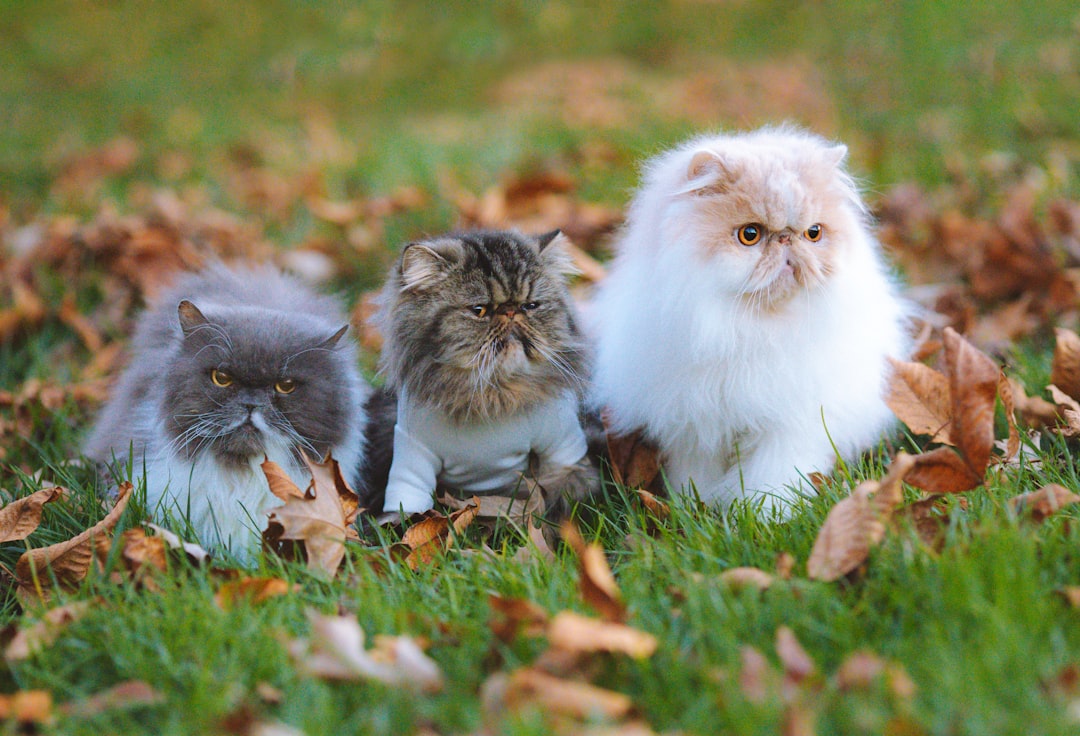
The risk of territorial aggression between two resident cats may be reduced for cats living in an enriched environment with adequate resources spread throughout the living space. Multiple litter boxes should be placed so that each cat can gain easy access. Creating separate spaces prevents your protective cat from feeling the need to guard you constantly from other pets.
Ensure that your cat has access to multiple resources such as food bowls, water bowls, litter boxes, and resting areas. This helps alleviate resource guarding and reduces the need for territorial behavior. When cats don’t feel resource-stressed, they’re less likely to view other pets as threats to their relationship with you.
The True Nature of Cat Love
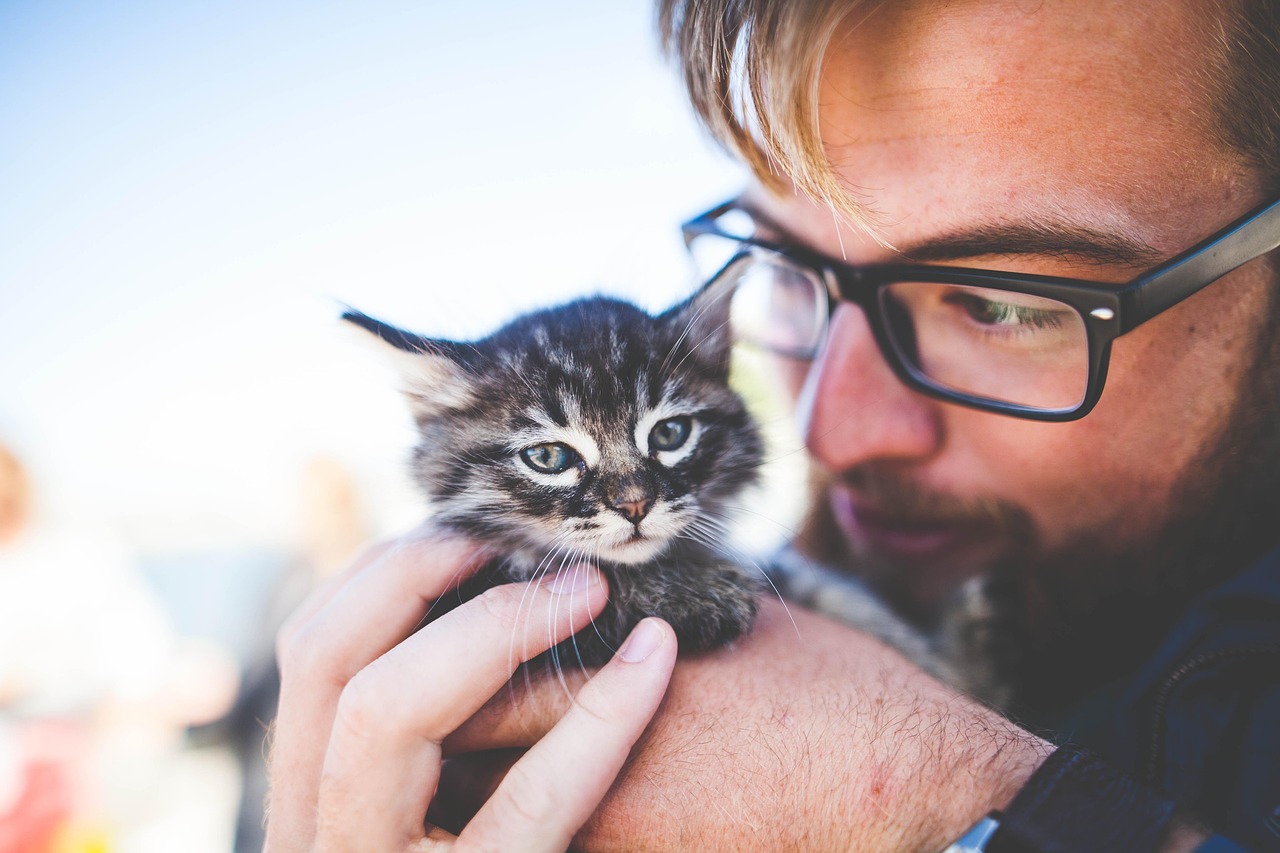
The protective behavior cats display toward their humans represents a beautiful blend of evolutionary programming and genuine emotional attachment. Studies have revealed that cats’ protective behaviors are rooted in both instinct and emotional connection. Research has shown that cats prefer social interaction with their owners over food or toys, indicating a strong social bond that goes beyond mere dependency for survival.
It’s instinctual for a cat to defend their territory and yours. They probably don’t think the same way about their actions as we do, yet the result is the same. Your cat sees you as family worth protecting, combining ancient survival instincts with modern love in ways that continue to surprise researchers and delight cat owners worldwide.
Understanding why cats guard their humans from other pets reveals the remarkable emotional complexity of our feline companions. It’s neither purely territorial nor simply love – it’s both, woven together in a tapestry of evolutionary wisdom and genuine attachment. The next time your cat interposes themselves between you and another pet, remember you’re witnessing millions of years of feline evolution expressing itself through modern devotion.
What do you think about your cat’s protective behavior now that you understand the science behind it? Tell us in the comments.