Cat owners often marvel at the paradox of their pets’ behavior, ignoring playful summons during the day yet leaping onto laps precisely when focus is needed elsewhere.
Subtle Reactions Reveal Hidden Awareness
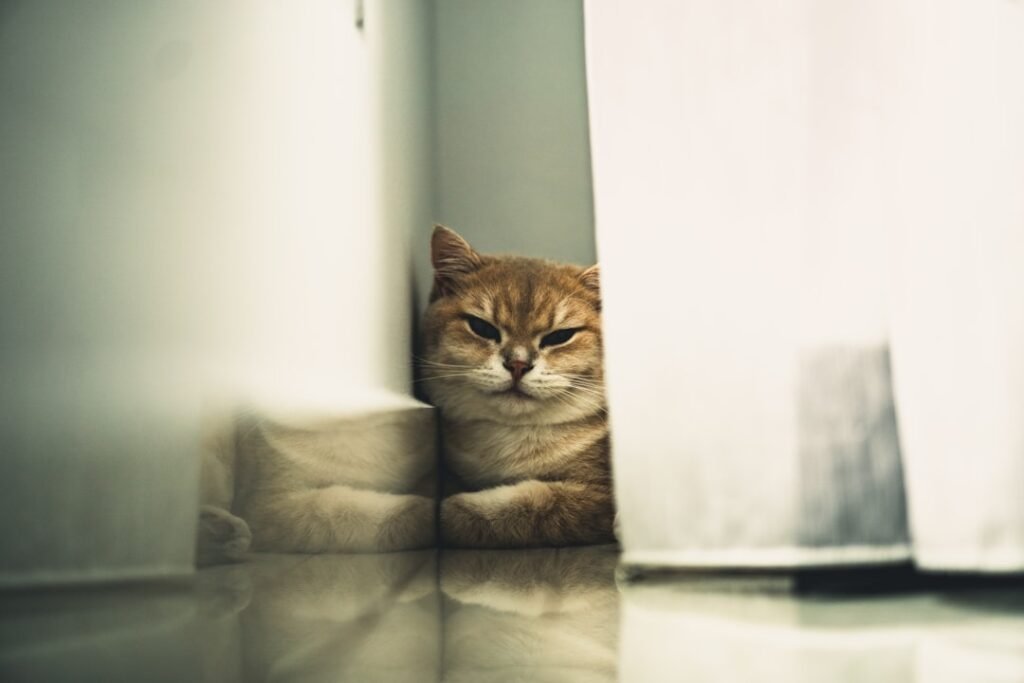
Research demonstrates that cats recognize their owners’ voices, yet they rarely offer overt responses like approaching or meowing back. Scientists observed subtle signs such as ear twitches or head turns when owners called their names, contrasting with minimal reactions to strangers. This selective subtlety underscores a feline choice rather than indifference.
Studies from institutions like the University of Tokyo and Université Paris Nanterre highlight how cats differentiate familiar voices from others, even freezing mid-activity to listen. However, active engagement occurs only when it suits them. Owners interpret this as aloofness, but experts view it as a sophisticated form of self-regulation.
Roots in Solitary Hunter Instincts
Cats evolved as independent predators, self-domesticated for access to human resources without the loyalty breeding seen in dogs. Unlike pack-oriented canines, felines prioritize personal agendas, approaching humans when benefits like food or warmth align with their needs. This heritage explains the cold shoulder during solo pursuits.
Daily rhythms amplify this trait. As crepuscular creatures, cats grow more interactive at dawn and dusk, aligning affection bursts with their peak energy periods. Owners notice demands for play or pets during these windows, while daytime naps demand solitude.
Overstimulation Drives the Sudden Exit
Felines possess highly sensitive skin packed with nerve endings, enjoying initial pets but quickly reaching a sensory threshold. What begins as purring contentment shifts to tail flicks or ear flattening, signaling overload. Walking away mid-session protects their comfort, not a rejection of the owner.
Opportunistic by nature, cats divert attention to intriguing sights or sounds, overriding cuddle sessions instantly. This pattern frustrates humans wired for consistent bonding, yet it reflects instinctual efficiency honed over millennia.
Clear Signals of Feline Affection Needs
When ready for interaction, cats deploy unmistakable cues to summon owners. Understanding these prevents misinterpretation of their independence.
Common indicators include:
- Persistent meowing or chirping, especially near feeding times or evenings.
- Rubbing against legs or furniture to deposit scent and claim territory.
- Exposing the belly, a trust gesture inviting gentle strokes.
- Following closely or perching on keyboards during work sessions.
- Bringing “gifts” like toys, mimicking hunting success shared with the “colony.”
Key Takeaways
- Cats process your voice and presence but engage selectively, rooted in evolutionary independence.
- Respect overstimulation cues to foster trust and deeper bonds.
- Align play with their active hours for more consistent companionship.
Embracing a cat’s terms transforms perceived aloofness into a rewarding partnership built on mutual respect. What patterns have you noticed in your cat’s attention shifts? Tell us in the comments.