Have you ever noticed your cat mysteriously disappearing whenever you’re feeling down? One moment they’re purring contentedly beside you, and the next they’ve vanished to some hidden corner of your home. This puzzling behavior has left countless cat owners wondering whether their feline companions are being emotionally callous or if there’s something deeper at play.
The truth might surprise you. Your cat’s tendency to retreat when you’re sad isn’t necessarily rejection or indifference. Instead, it reveals a complex interplay between ancient survival instincts, learned behaviors, and perhaps even a form of emotional intelligence that we’re only beginning to understand. So let’s dive in and uncover what really drives this fascinating feline behavior.
The Survival Instinct Behind Hiding
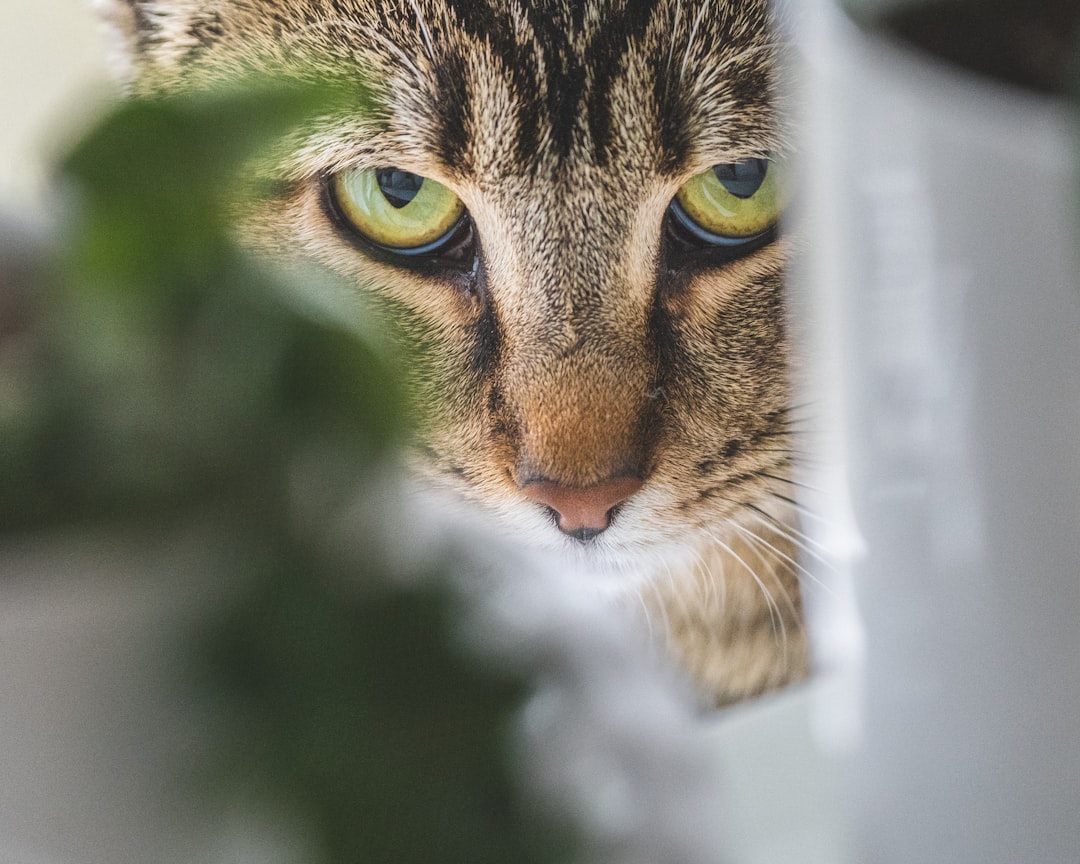
Cats are both predators and prey in the wild – they are instinctually driven to hide and conceal themselves when they are sneaking up on a prospective prey item, and avoiding being prey for other predators. This fundamental aspect of feline nature shapes much of their behavior, even in the safety of our homes.
Hiding also protects cats from predators and helps them hunt their own prey. When cats feel anxious or vulnerable, they may spend more time away from other family members. Hiding makes them feel safer in these situations. Your emotional distress might trigger this ancient protective response, causing your cat to seek security in solitude rather than risk potential danger by staying exposed.
How Cats Actually Sense Your Emotions
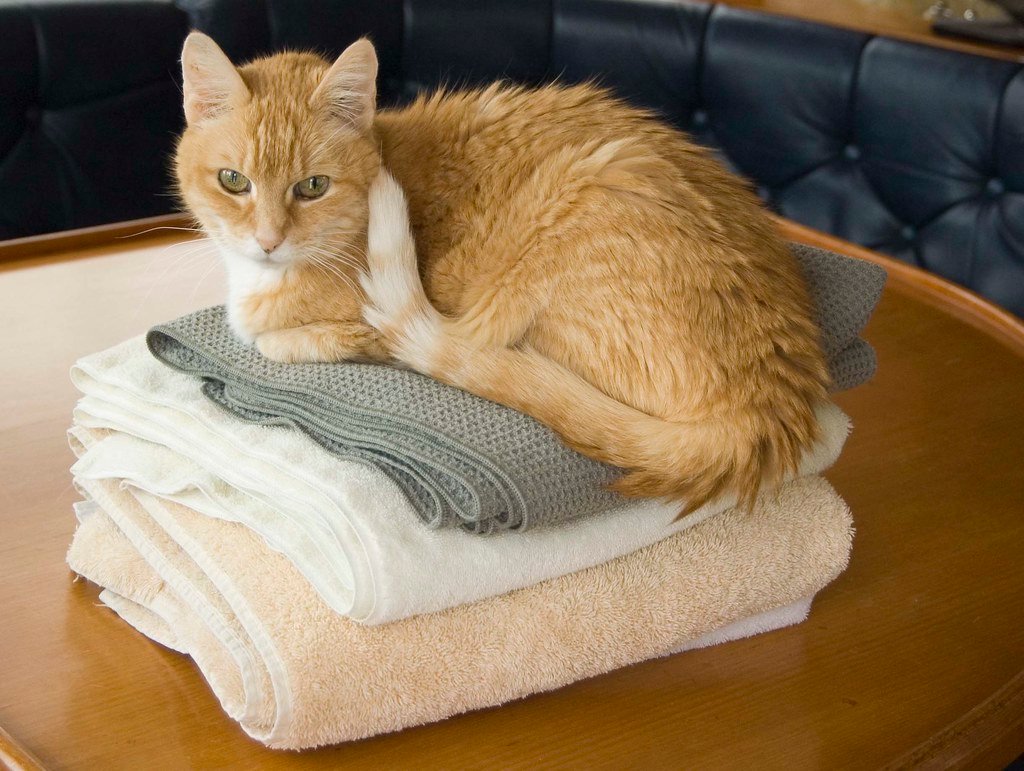
Research suggests that cats may have some ability to recognize certain human emotional states through visual and auditory cues. Furthermore, the cats studied tended to modulate their behavior as a response to the emotions of the humans. In short, the study showed that felines understand the general representation of emotions based on facial expressions and bodily actions.
Cats are likely to base on the human’s changes in facial expressions and dispositions. This means, that cats have cross-modal interpretations of their owner’s emotions and sadness. They’re remarkably observant creatures who notice subtle shifts in your voice tone, body language, and energy levels. Tonal changes in your voice are an indication of how you’re feeling. Soft tones are comforting to cats, whereas louder, sharper tones will often cause them to run and hide.
The Stress Response in Feline Behavior
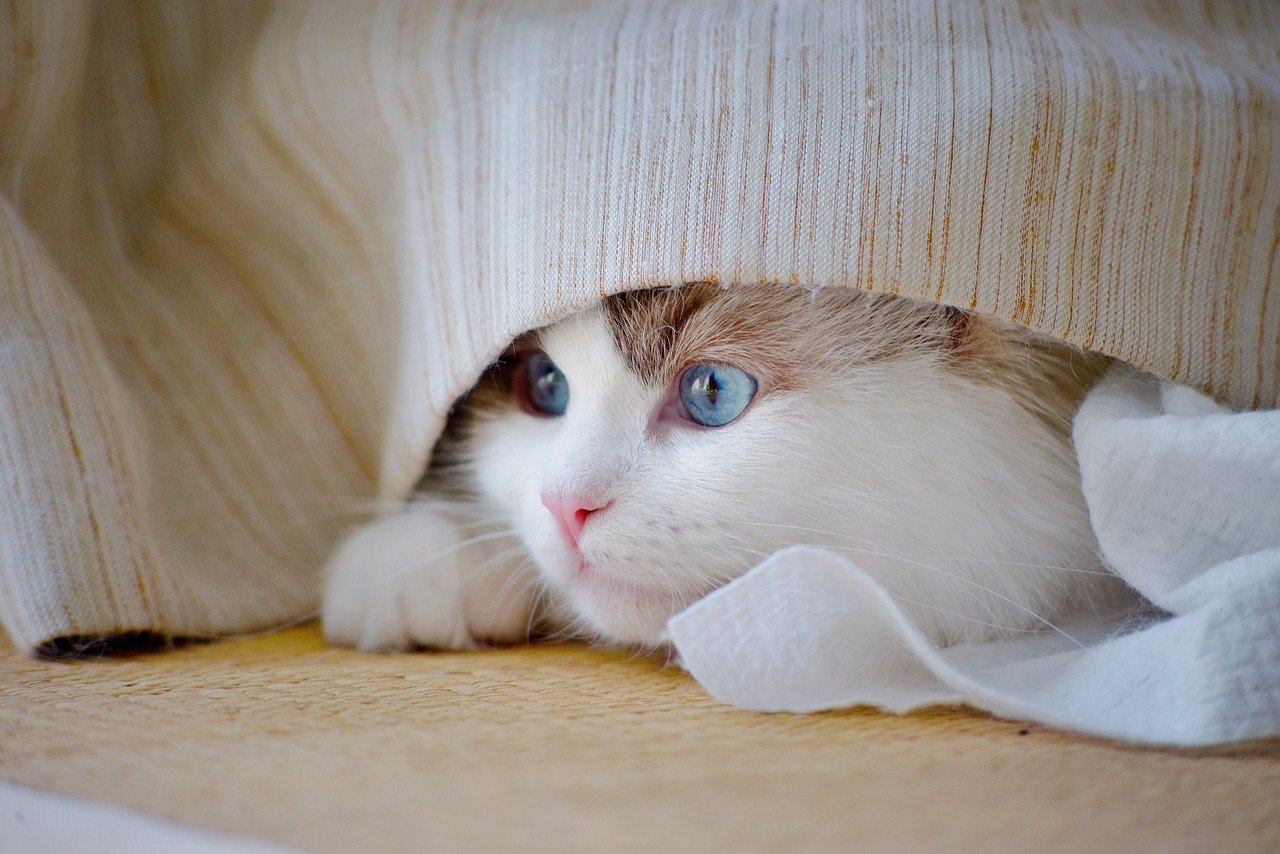
When you’re sad, your emotional state creates ripple effects that your cat can detect and respond to. A cat’s sudden hiding behavior is often symptomatic of stress, fear, a medical issue or some combination of these. Your sadness might inadvertently stress your cat, triggering their natural coping mechanism.
Having the choice to hide is valuable to cats because it’s a stress coping mechanism. It enables them to be invisible in an environment so they have the time and safety to assess what’s going on. Rather than abandoning you, your cat might be taking necessary time to process the emotional changes in their environment. If your mood is making your cat feel uncomfortable or stressed, they may stay away from you. They’re not being mean, they’re just protecting themselves.
Mirror Neurons and Emotional Contagion
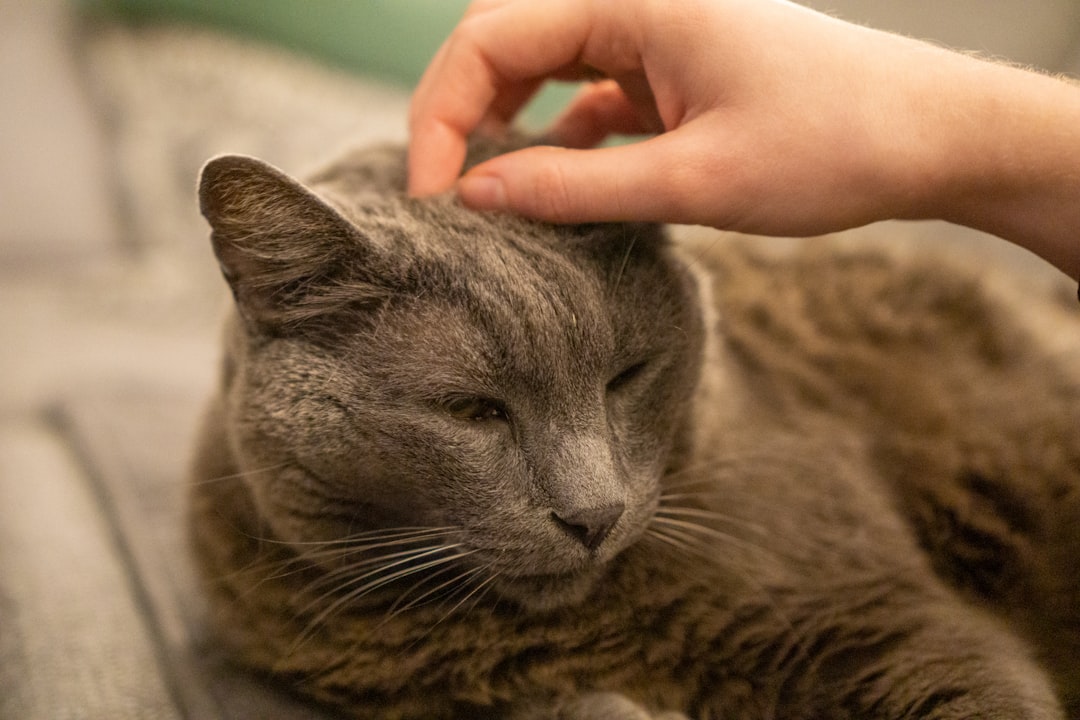
Some researchers theorize that neurological mechanisms similar to mirror neurons might play a role in how cats respond to human emotions, though this remains largely speculative. This neurological mechanism might explain why some cats seem to absorb their owner’s emotional states.
Cats are also able to reflect or mirror their emotions to those that they sense and perceive from their social connections – humans or cats alike. More than sensing it, they are also sensitive to the expressions to the extent that they also feel it to themselves. As cats absorb the energies of their closest humans, cats can also feel sad or depressed when they feel so. In this case, hiding becomes a form of self-preservation against overwhelming emotional input.
Individual Personality Differences Matter
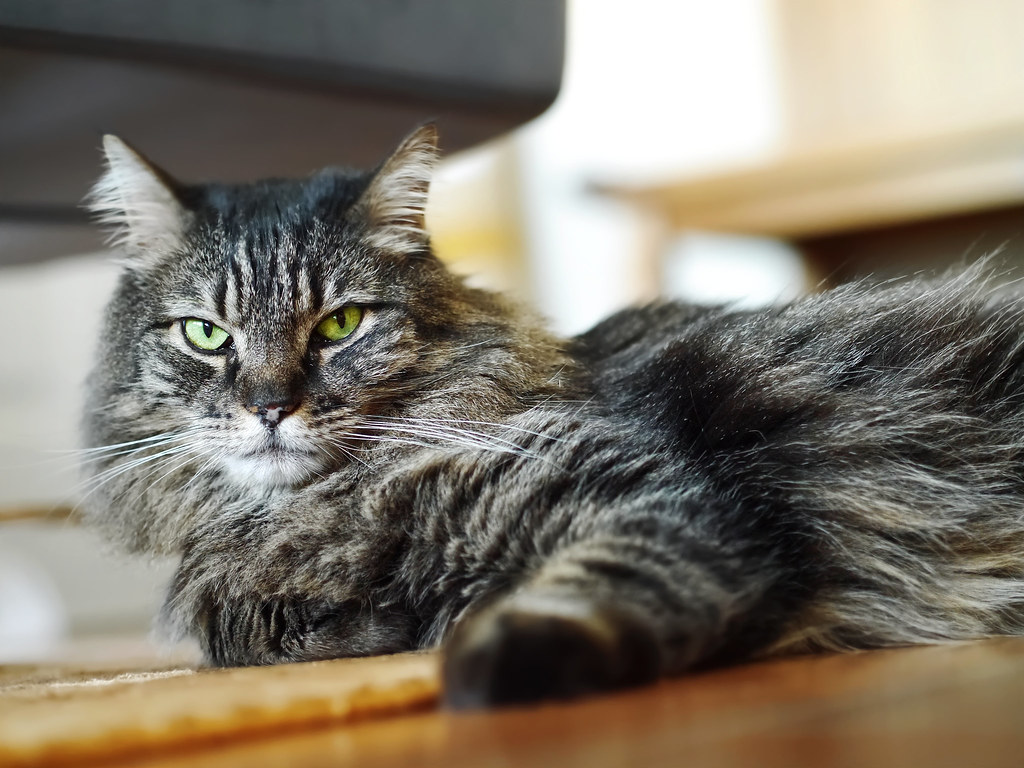
Not every cat responds to human sadness in the same way. Every cat is different, so if you’re asking yourself “Can my cat sense emotions?”, the answer is most likely yes. However, their personality may mean that they don’t want to curl on your lap when you are feeling sad. They may just pay you more attention from afar where they feel comfortable. This is still a sign of your cat sensing your emotions, but in their own way.
Some cats are naturally more social and empathetic, while others prefer maintaining emotional distance. Remember that cats are animals: They act on instinct. If you’re behaving in a way that is unsettling or makes them nervous, they’ll keep their distance. If it’s a behavior that hasn’t benefited them in the past, or maybe you pushed them away as you dealt with your sadness, they won’t necessarily have a reason to respond. It’s just their natural reaction to a new or non-beneficial experience.
The Bond Strength Factor
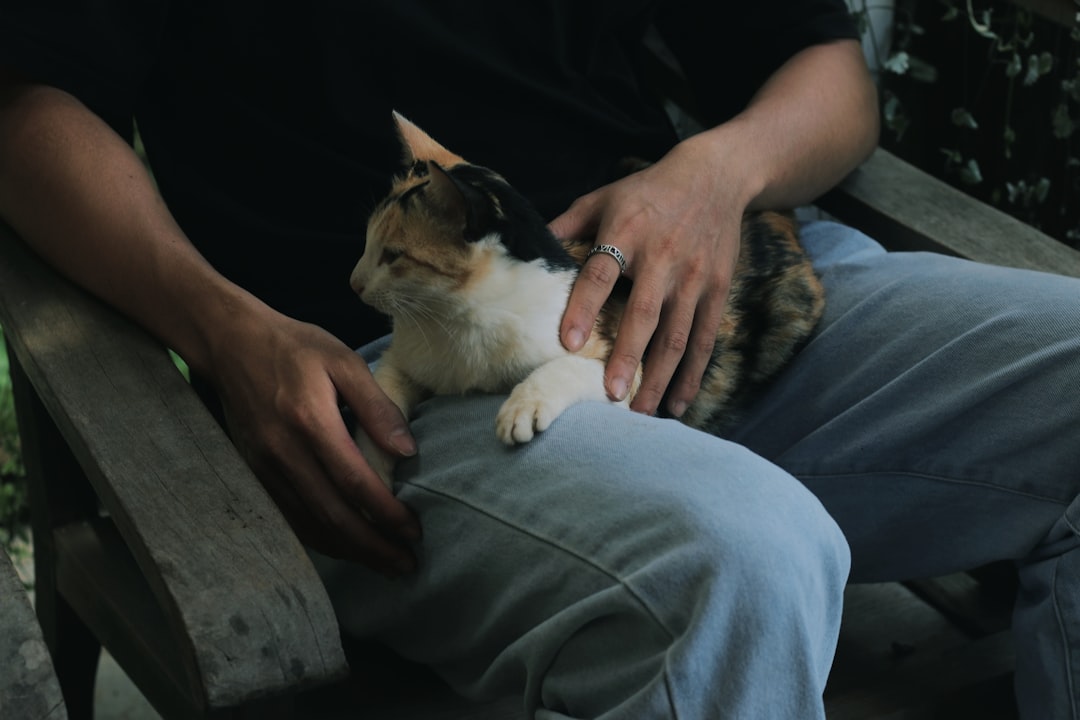
The closer your bond is with your cat, the more likely they are to be in sync with you and understand your different moods. The closer your bond is with your cat, the more likely they are to be in sync with you and understand your different moods. Cats who have developed stronger relationships with their owners often show more sophisticated emotional responses.
Research on the human-cat bond suggests that our feline companions are often keenly attuned to and influenced by our interactions. A close bond with an owner changes how a cat responds. This means that a well-bonded cat’s hiding behavior might actually indicate heightened sensitivity to your emotional state rather than indifference.
Environmental Changes and Routine Disruption
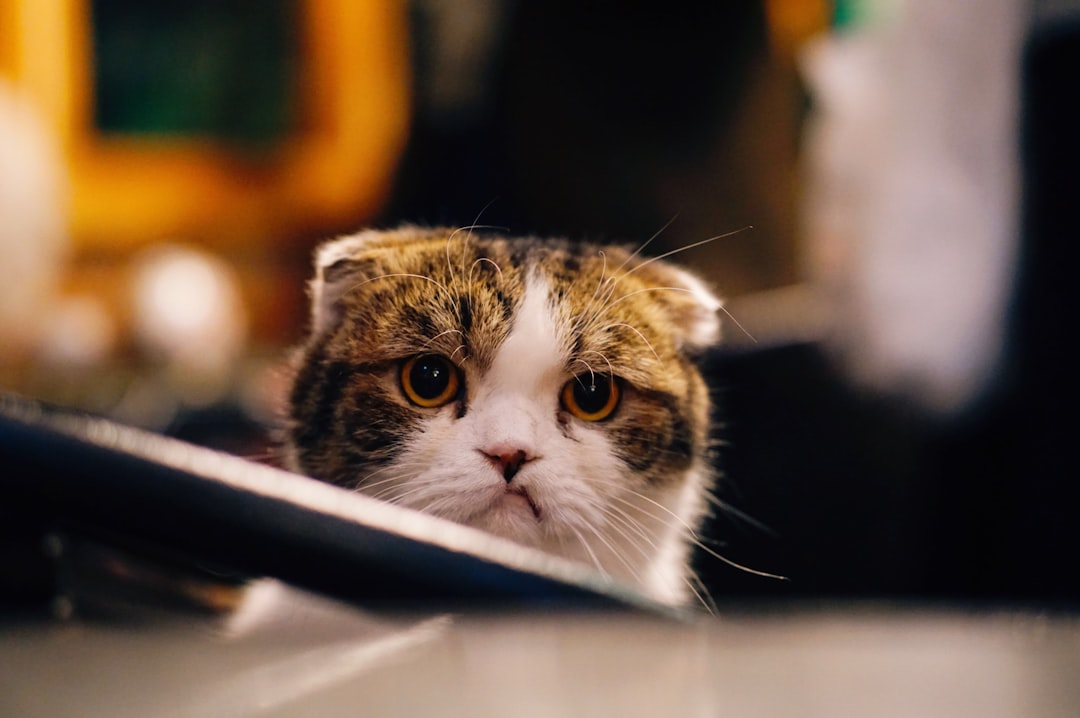
Your sadness often comes with behavioral changes that can unsettle your cat. Anxiety can come from sources like recent moves, new two-legged or four-legged additions to the family, the loss of a family member, or a change in the family’s routines. When you’re sad, you might alter your daily patterns, speak differently, or move through your home in ways that seem unfamiliar to your cat.
Even if your visitors are people your cat already knows, disruptions to her schedule, unfamiliar noises and smells, and less one-on-one time with you can all lead to behavioral issues. Cats like to be in control of their environment. Visitors can cause nuisances for cats by upsetting their normal routine. Similarly, your emotional distress can create an unpredictable environment that prompts hiding behavior.
Learned Associations and Past Experiences
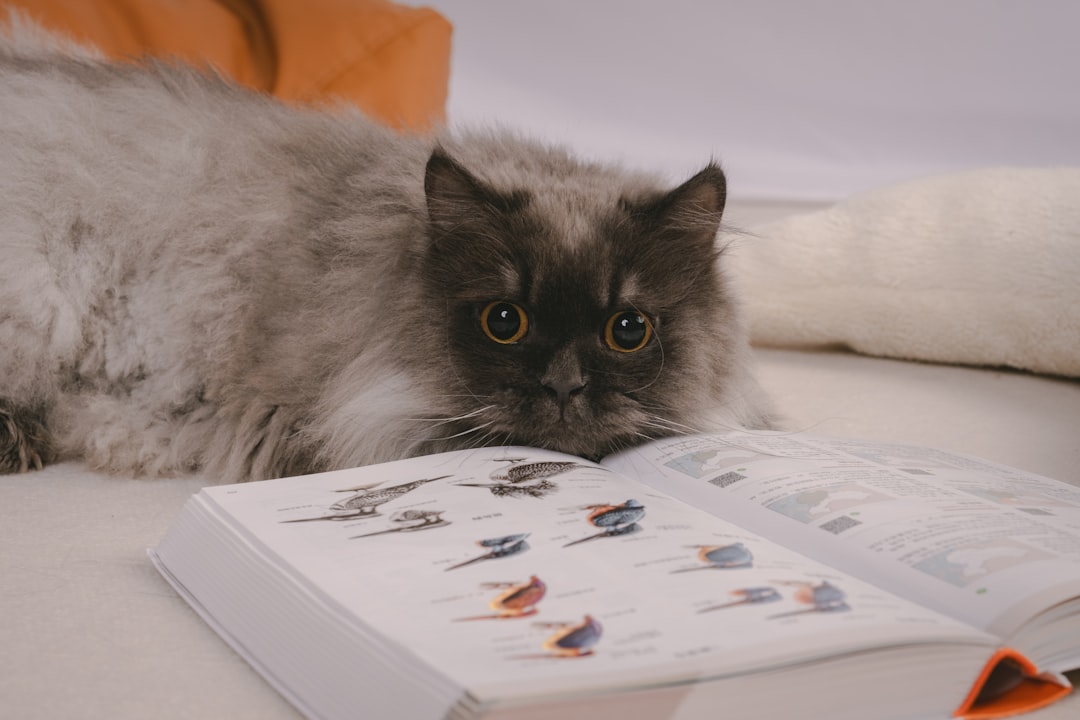
Cats are learning all the time, so yes, they may come to learn what you do when you’re feeling different emotions. For example, if you are sad and give them extra attention, they make the association between your behavior and actions with being in an emotional state, which means you give them more attention. Conversely, if past experiences taught them that human sadness means disruption or negative outcomes, they might proactively remove themselves from the situation.
However, a lot of what we see is learned behavior based on positive reinforcement and conditioning. Your cat’s hiding might reflect their accumulated experiences with human emotional states rather than any inherent empathetic response. They’ve simply learned that disappearing during certain emotional climates leads to better outcomes for them.
When Hiding Becomes Concerning
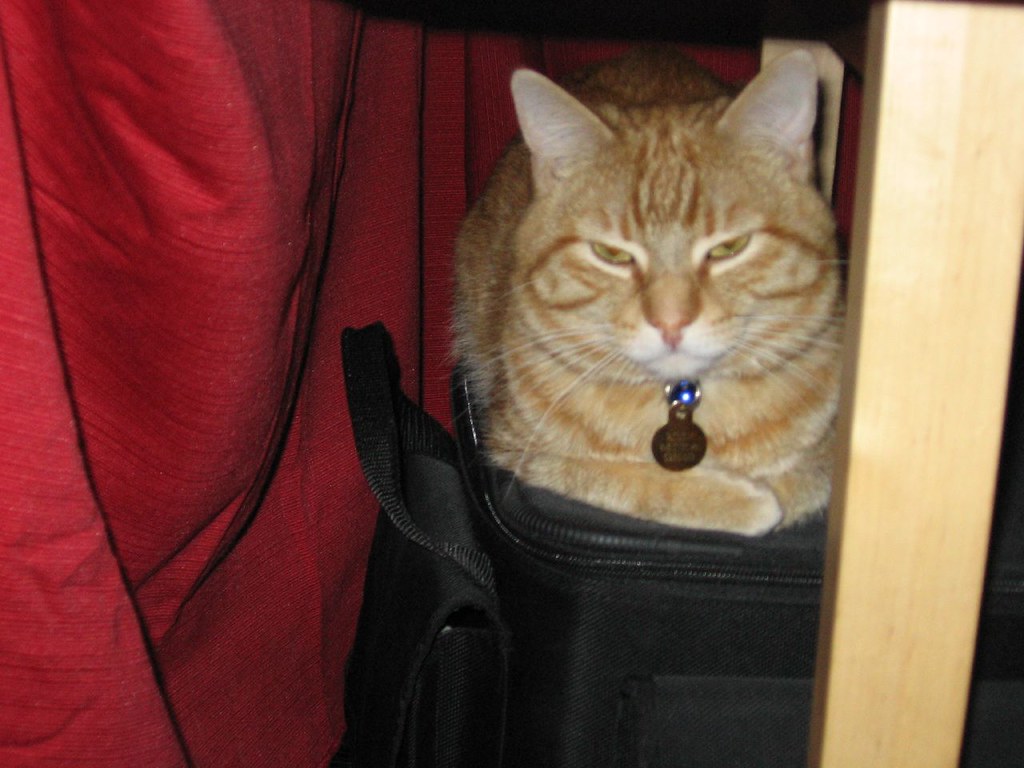
While occasional hiding during your emotional moments is normal, excessive hiding can signal problems. While periodic hiding is normal for cats, excessive hiding is not. If your cat is hiding all day, it could be a sign that they are stressed and trying to cope. You should monitor whether your cat’s hiding behavior extends beyond your sad moments.
Hiding behavior in cats could signal an illness or serious medical condition, and owners need to pay attention when this behavior emerges and is out of the ordinary. Milani says if a cat begins hiding, it’s paramount that the owner monitors the cat’s eating, drinking, urinating, and defecating. Sometimes what appears to be emotional avoidance might actually indicate underlying health issues that require veterinary attention.
The relationship between cats and human emotions remains one of the most intriguing aspects of our interspecies bond. Whether driven by ancient instincts, learned behaviors, or genuine empathy, your cat’s response to your sadness reveals the complex ways these remarkable animals navigate their emotional landscape alongside ours.
Rather than feeling rejected when your cat hides during your difficult moments, consider it a testament to their incredible sensitivity to your emotional state. They’re not abandoning you – they’re simply processing the situation in their own uniquely feline way. What do you think about your cat’s emotional intelligence? Have you noticed patterns in how they respond to your moods? Tell us in the comments.