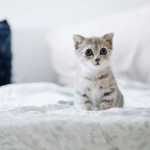
You’ve probably seen it countless times. Your cat discovers a cozy blanket and suddenly transforms into the happiest creature on Earth. The kneading starts, the purring intensifies, and before you know it, they’re completely burrowed underneath or curled up in the softest spot they can find. It’s adorable, sure. Yet it also makes you wonder what exactly is going through that fuzzy little head.
Here’s the thing: this blanket obsession isn’t random or silly behavior – it’s rooted deeply in their instincts, sensory preferences, and emotional needs. Let’s be real, cats are mysterious enough without adding their textile fixations into the mix. Still, understanding why your feline friend can’t resist a soft blanket might just help you see the world through their eyes. So let’s dive in.
The Kittenhood Connection That Never Fades
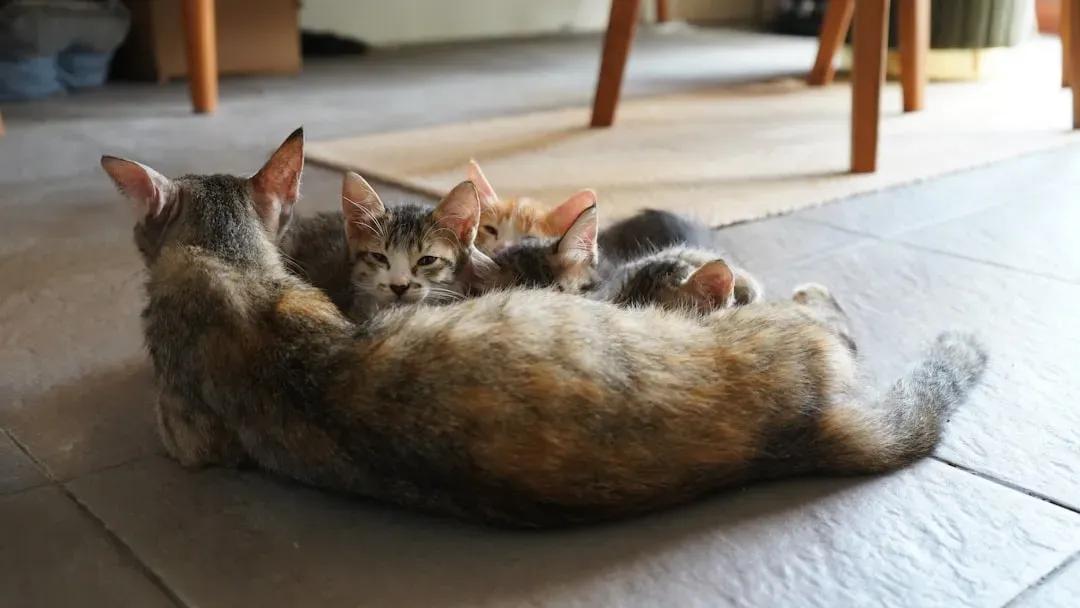
When kittens nurse, they snuggle against their mother’s soft fur for warmth and comfort, creating powerful emotional associations that persist well into adulthood. Think about it like your favorite childhood blanket, except cats actually get to relive that feeling every single day. The rhythmic kneading motion they perform on blankets mimics the action they used as babies to stimulate milk flow, and this behavior releases endorphins that create feelings of comfort and contentment.
Soft blankets trigger this instinctual behavior because they mimic the warmth and texture of their mother’s fur. It’s hard to say for sure, but your cat probably associates that plush fabric with some of their earliest, safest memories. That’s why even the toughest tomcat might turn into a puddle of purrs when they find the perfect fuzzy throw.
The Heat-Seeking Missile Phenomenon
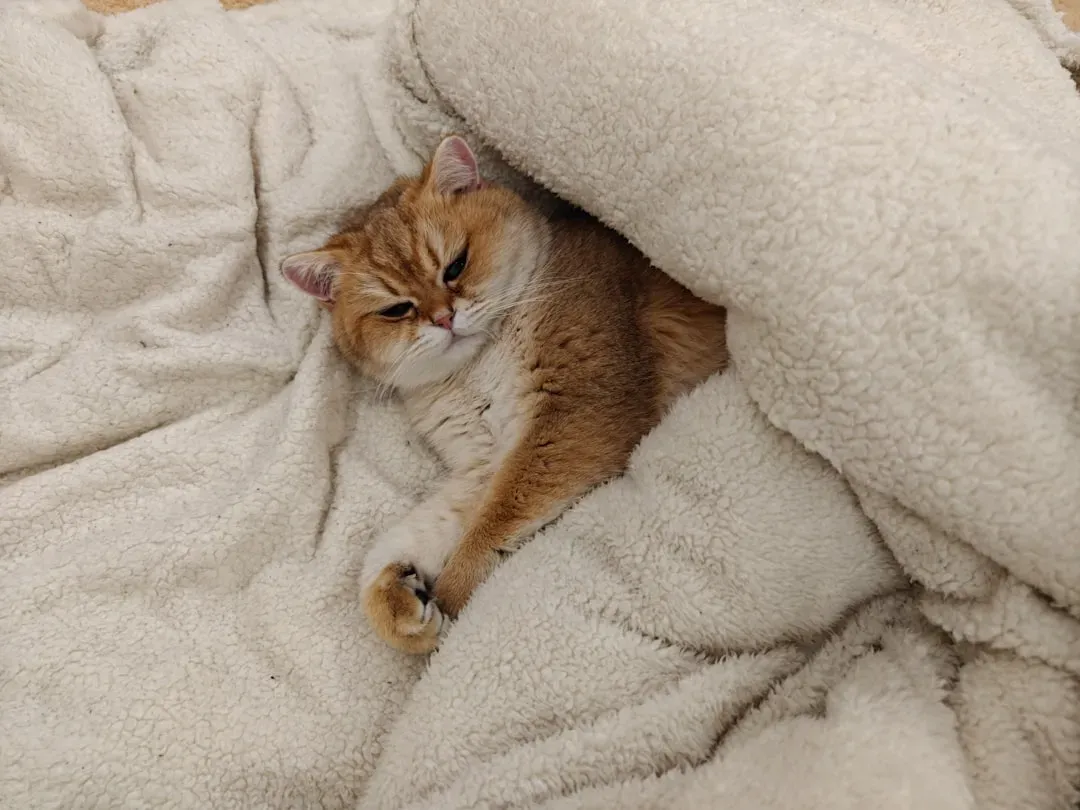
Cats naturally maintain a higher body temperature than humans – typically around 101.5 to 102.5 degrees Fahrenheit – and heated or warm blankets help them maintain this temperature with minimal energy expenditure. Your cat isn’t being dramatic when they seek out the warmest spot in the house. They’re actually conserving energy, which in the wild would’ve been essential for hunting and survival.
In their wild ancestry, cats developed as instinctual heat-seekers, an evolutionary trait that helps them conserve energy and stay agile, and domestic cats have retained this behavior. Honestly, can you blame them? During winter months especially, that fluffy blanket becomes prime real estate. You might notice your feline companion hogging your favorite throw when temperatures drop, and now you know why.
Security Blankets Aren’t Just for Kids
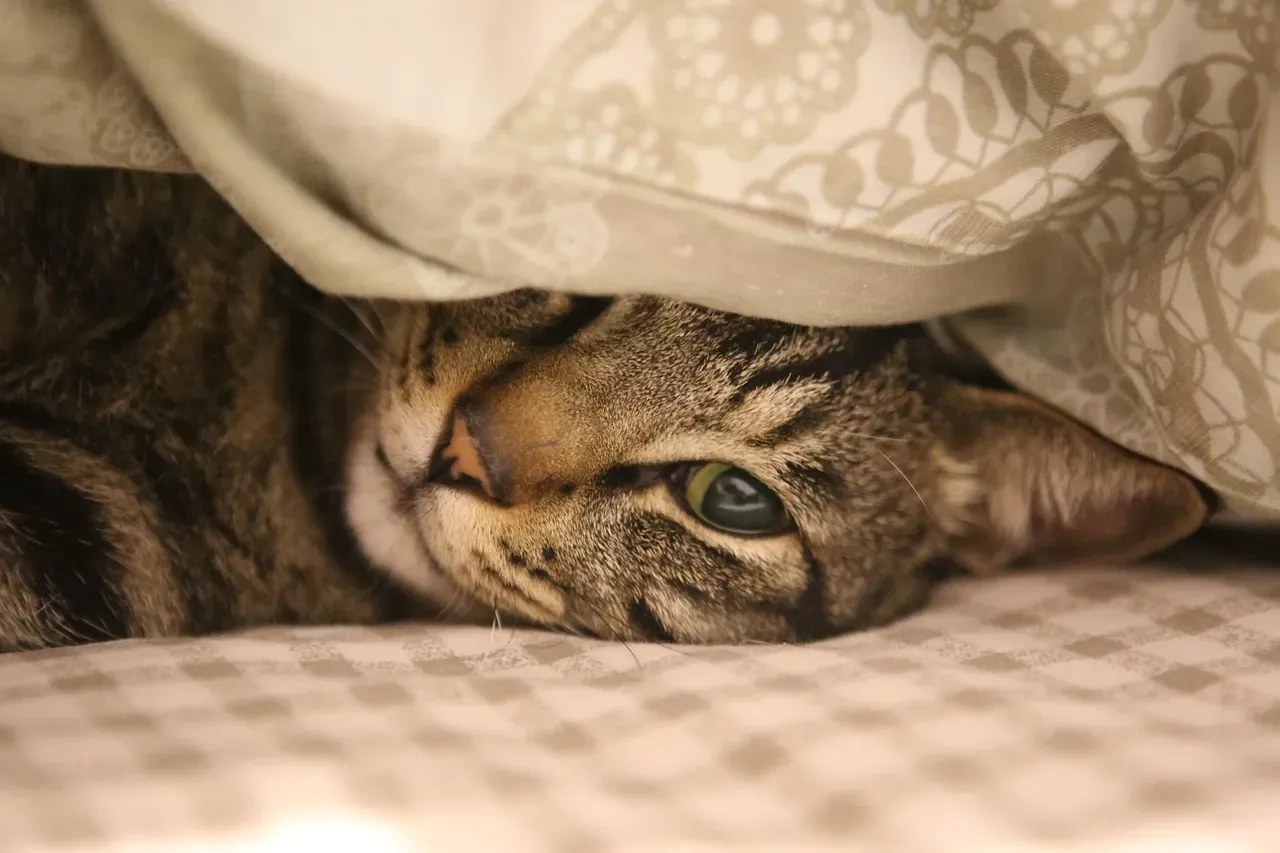
Cats enjoy being in enclosed spaces because they view covers as a safe haven from the outside world, making them feel protected and secure. Their wild ancestors sought hidden, enclosed spaces for protection from predators, and your cat’s attraction to blankets reflects this ancestral behavior. Even though your living room doesn’t exactly have prowling leopards, that instinct remains hardwired.
For cats who love to sleep under covers, this cozy hideout provides protection from external noises, sudden movements, and other potential stressors. It’s their personal fortress of solitude. When the vacuum cleaner comes out or guests arrive, don’t be surprised if your cat makes a beeline for the nearest blanket pile.
The Texture Thing Cats Can’t Resist
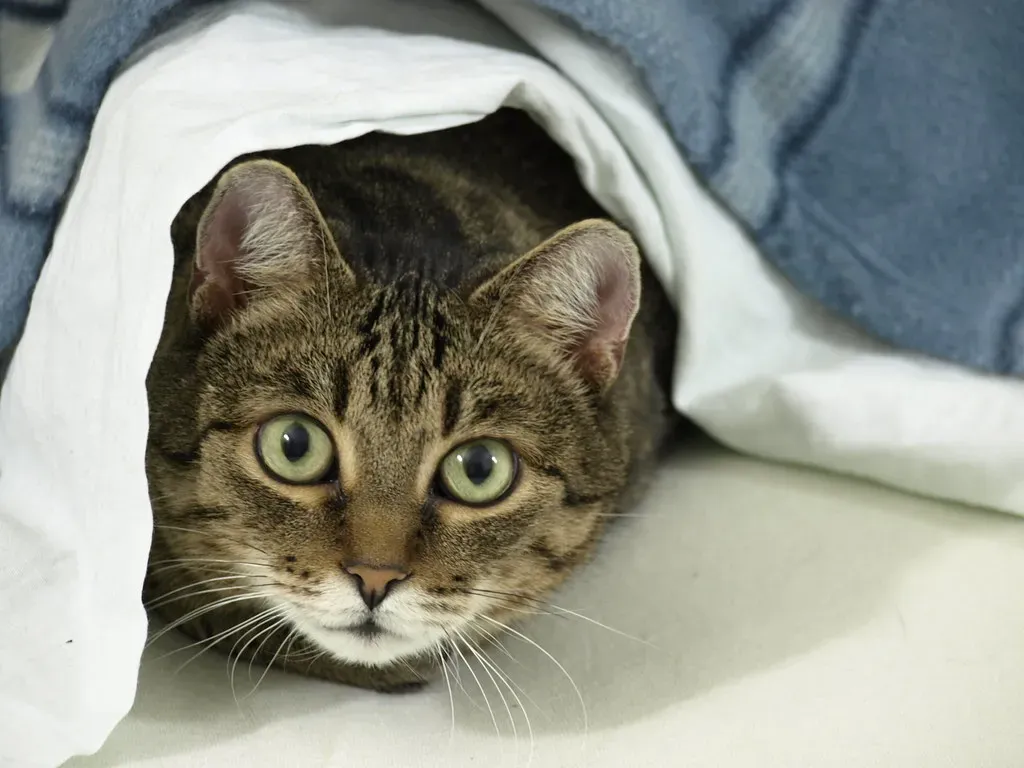
Soft, fluffy surfaces provide warmth and security, and many cats gravitate toward materials like fleece, wool, and cotton because they retain heat and feel comforting against their fur. Cats have extremely sensitive paw pads full of nerve endings, and their skin and hair are much more sensitive than ours, making certain textures highly pleasurable. That’s probably what makes being pet so enjoyable for them.
They’re drawn to fuzzy blankets because these materials mimic the feeling of fur, creating an ideal spot for napping while supplying feelings of security and comfort. Your cat isn’t being picky when they reject that scratchy wool afghan but adore your microfiber throw. They’re simply responding to what their incredibly sensitive body tells them feels best.
Making Biscuits on Their Favorite Fabric
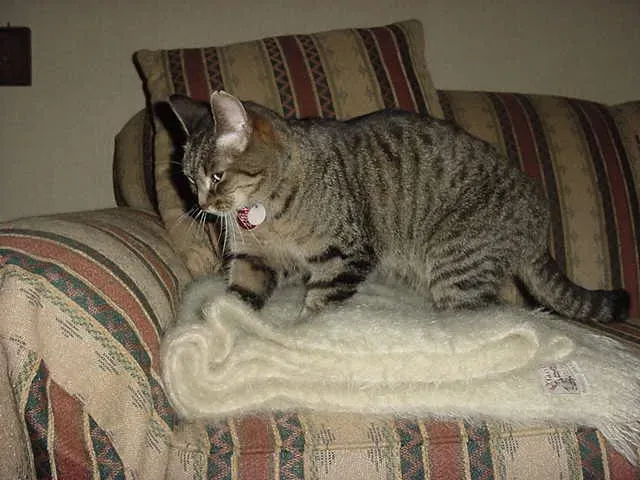
You’ve seen this behavior. Kneading, often called making biscuits, involves cats alternating pushing their paws into soft surfaces like blankets several times in a row, similar to how someone would knead dough. Another reason cats knead blankets is to mark their territory, as they release pheromones from sweat glands in their paws, helping them feel more secure in their surroundings.
Feline experts theorize that adult cats knead to recreate the feel-good hormone release that occurs during nursing, bringing them comfort and helping them release tension and relax. When your cat kneads your lap blanket at three in the morning, they’re basically telling you this spot is theirs now. The rhythmic motion, the glazed eyes, the occasional drooling – it all points to pure feline bliss.
The Bush Dweller Instinct Explained
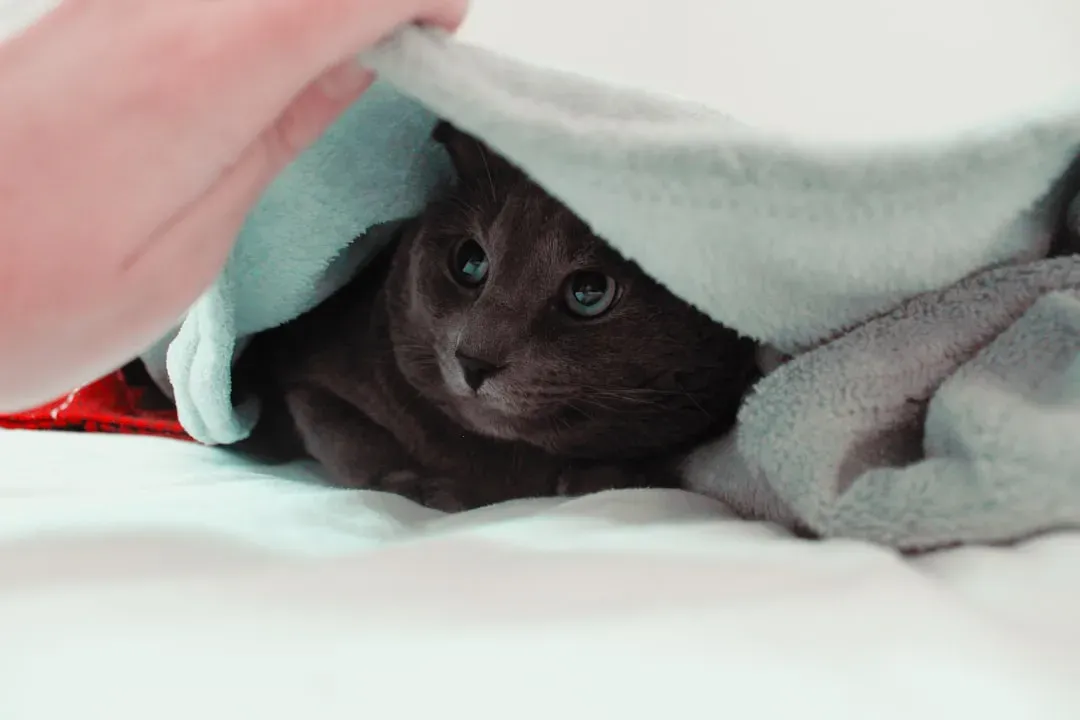
According to animal behavior experts, cats prefer types of environments such as tree or bush dweller – and cats who love burrowing under blankets are bush dweller types who prefer staying in places lower to the ground. This tendency stems from their ancestral instincts as both predator and prey, as wild cats sought hidden, enclosed spaces for protection and hunting advantages.
This instinctual behavior allowed them to blend with their surroundings and remain hidden, and while domesticated cats no longer face the same threats, their burrowing habits recreate a sense of security and familiarity. So that pile of laundry your cat keeps nesting in? That’s them channeling their inner wildcat, minus the actual wilderness.
The Sneaky Attack Strategy
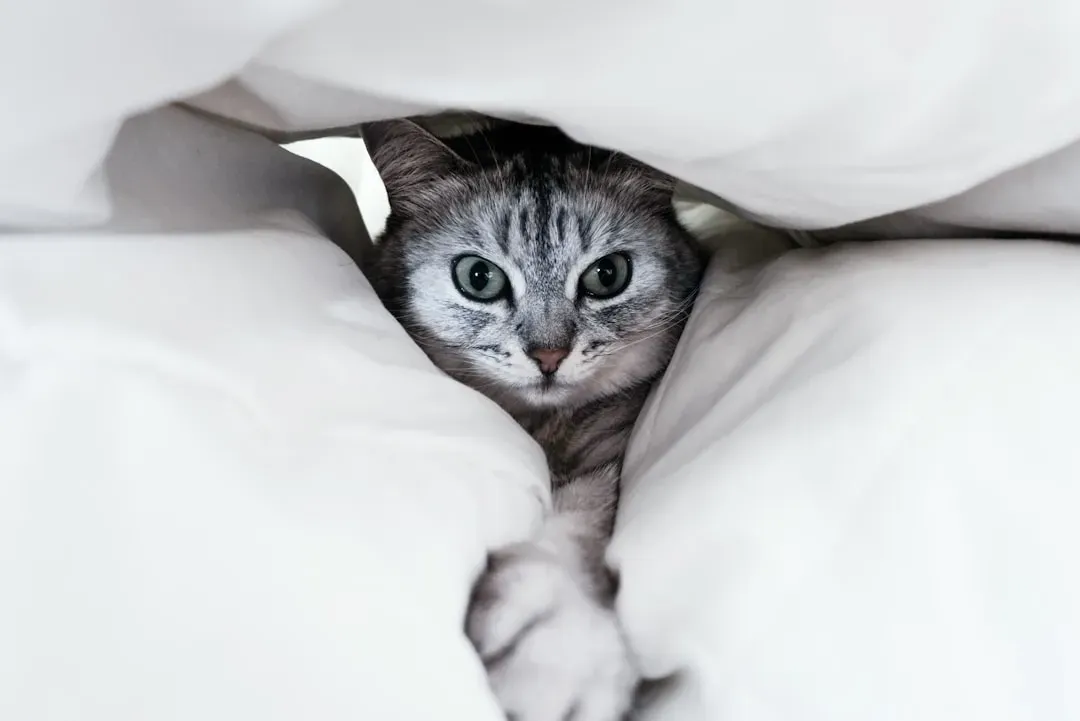
Let’s talk about ambush tactics. Some cats burrow in blankets to pop out and attack something, lunging out when they see an oncoming party. Cats are notorious ambush hunters, and sometimes burrowing lasts just moments before they pop out to startle you as you walk by or swat at your toes under the blanket.
By burrowing and hiding under covers, kitties can satisfy their natural instinct to hunt and explore while blending into their surroundings to avoid being noticed by potential prey – like your leg. If you’ve ever been “attacked” by a blanket monster while walking to the bathroom at night, now you understand. Your cat was simply practicing their hunting skills, with you as the unwitting participant.
When Blankets Become Comfort in Chaos
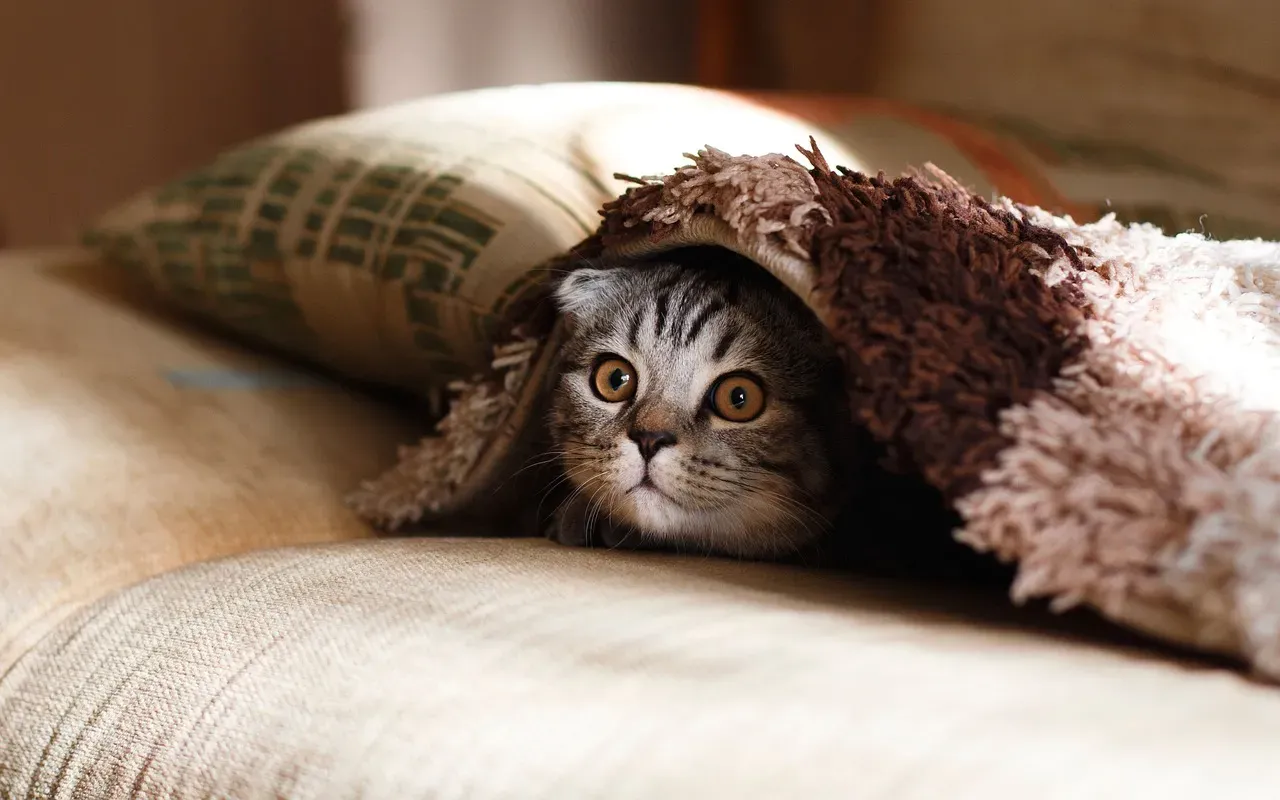
Besides offering warmth, blankets offer intimacy, and cats may seek this when they’re stressed or nervous, wanting to isolate themselves from the world and get some alone time. Changes in the household like moves, new pets, or family additions may cause stress and anxiety, and burrowing under blankets serves as comfort because the weight provides a therapeutic effect similar to weighted blankets for humans.
Cats may be afraid of storms, fireworks, or similar events, and blankets help muffle the sight, sound, or smell of inclement weather and other upsetting sensory experiences. Next time there’s a thunderstorm and your cat disappears, check under the blankets first. They’re probably riding out the scary noises in their self-made sanctuary.
The Scent of You They Adore
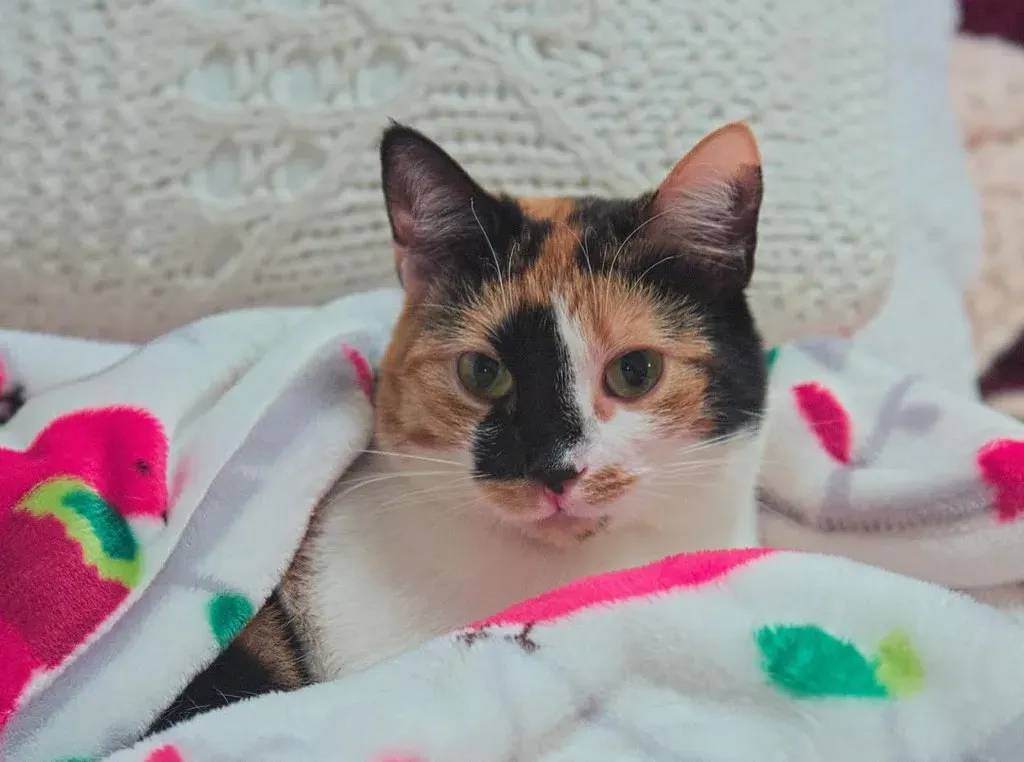
Cats are highly affectionate with their favorite humans, finding comfort in our natural scents and musks, and if they’re burrowing in your favorite blanket, it could remind them of you and mimic sleeping by your side even when you’re away. Chances are cats will like any blanket that has your familiar smell on it.
This explains why your cat always chooses the blanket you just used rather than the pristine one fresh from the closet. It’s not about cleanliness or aesthetics. It’s about connection and comfort. Your scent tells them they’re safe, loved, and exactly where they belong.
The Physical Comfort Factor
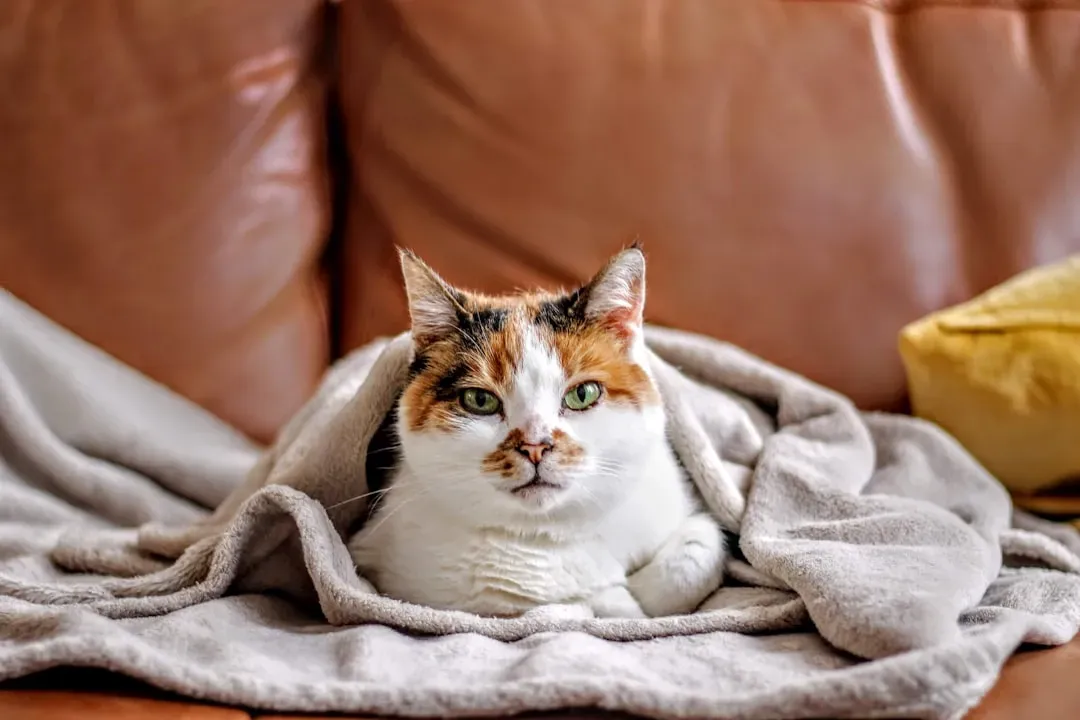
The texture of soft blankets stimulates cats’ senses while offering physical comfort by cushioning their body and reducing pressure on joints, which is especially important for senior cats or those with arthritis. For older cats or those with joint issues, the warmth from blankets can provide significant relief as heat therapy helps relax muscles, reduce stiffness, and decrease pain.
The gentle pressure of a soft blanket can also have a calming effect, similar to the feeling of being swaddled. Think of it as feline self-care. Your cat instinctively knows what makes them feel better, and soft blankets deliver comfort in ways we’re only beginning to fully understand.
When to Watch the Blanket Behavior
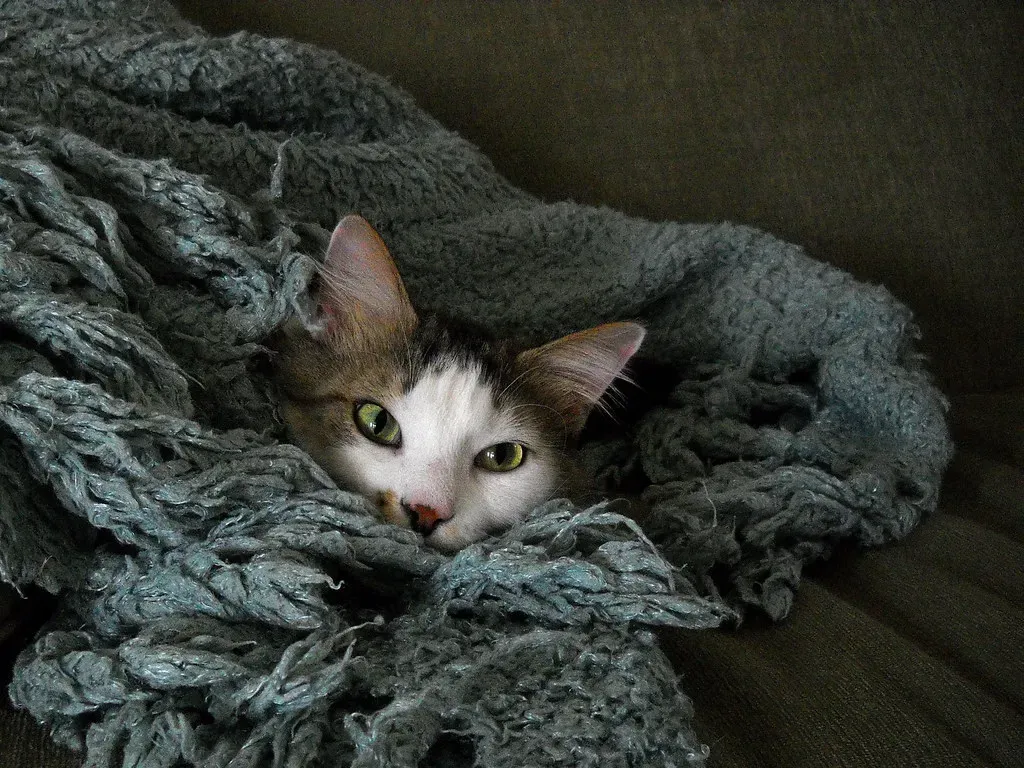
While not all cases are alarming, cats burrowing excessively or spending more time under blankets than usual may signal illness, as cats instinctively seek comfort when not feeling well, and it’s essential to consult a veterinarian if you notice sudden behavioral changes. This hiding can be a red flag that your cat isn’t feeling well, so watch for constant hiding in normally social cats, crankiness, aggression, or fatigue.
Most of the time, blanket burrowing is completely normal and healthy. Yet if your typically social cat suddenly becomes a blanket hermit or acts differently when you find them, trust your instincts. A quick vet visit can rule out any underlying health concerns and give you peace of mind.
Conclusion
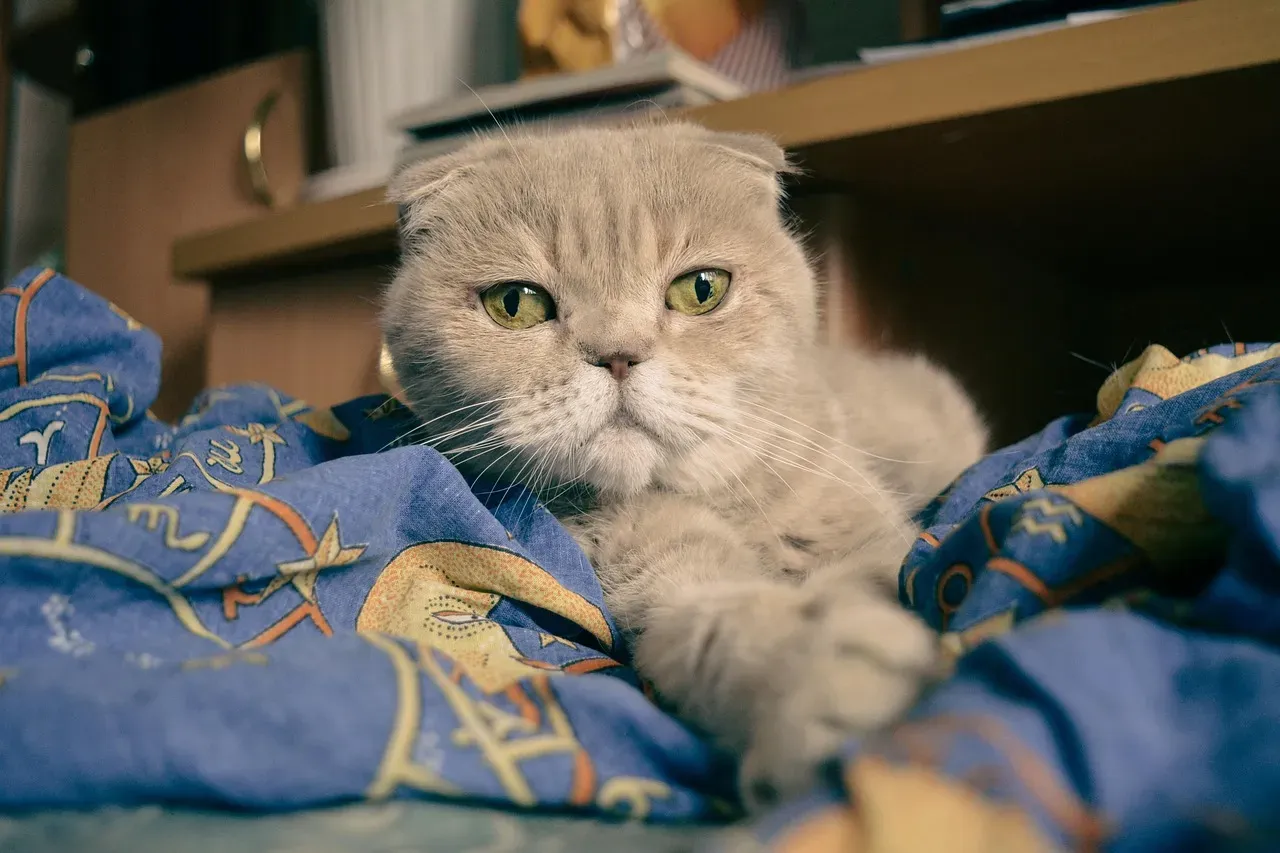
Cats’ love for soft blankets is rooted in their instincts, sensory preferences, and emotional needs, as blankets provide a sense of comfort and well-being that cats crave through kneading, burrowing, and seeking warmth and security. From kittenhood memories to temperature regulation, from security seeking to playful ambushes, blankets serve multiple purposes in your cat’s daily life.
Understanding this behavior helps us create better environments for our feline companions. Next time you find your cat completely buried under a mountain of blankets or kneading your favorite throw into oblivion, you’ll know they’re simply being their authentic cat selves. Pretty fascinating when you think about it, right? What quirky blanket habits does your cat have?