There’s something fascinating happening every time your cat walks into the room and begins that gentle rumbling against your legs. You might notice your feline friend sounds slightly different when greeting various family members, or perhaps there’s a distinct quality to their purr when they encounter strangers. This isn’t just your imagination. This variety of purring seems to be found more frequently in cats in a one-to-one relationship with a caretaker, suggesting that our beloved companions are indeed tailoring their vocalizations to their audience.
The reality is far more complex than simply expressing happiness. Your cat possesses an entire vocabulary of purrs, each serving different purposes and containing subtle variations that reflect their emotional state and relationship with the person they’re addressing. Let’s dive into the mysterious world of feline communication to understand how your furry friend modulates their most cherished sound.
The Science Behind Purr Variations
Recent scientific breakthroughs have revealed remarkable details about how cats produce their iconic sound. Cats have been shown to have different types of purrs depending on situations. For example, purring appears to be a way for cats to signal their caretakers for food. This purring has a high-frequency component not present in other purrs.
Researchers have discovered that in a study, 50 people listened to recordings of purrs recorded in solicitation and non-solicitation situations at the same amplitude. Humans regularly judged the solicitation purrs as less pleasant and more urgent than the non-solicitation purrs. This demonstrates that cats deliberately adjust their purring patterns based on their specific needs and the response they’re seeking from .
How Emotional Bonds Shape Purring Patterns
Your cat’s emotional connection with you directly influences the quality and frequency of their purrs. Purring fosters trust and strengthens the unique relationship between humans and their feline companions. The deeper your bond becomes, the more your cat may develop specialized purring patterns specifically for you.
Cats may also purr in the presence of familiar voices, like their owner or a veterinary technician they trust. This demonstrates how recognition and familiarity trigger specific purring responses. Your cat may reserve their most contented, rhythmic purrs for moments when they feel completely secure in your presence.
Solicitation Purrs vs. Content Purrs
These are called solicitation purrs (when the cat is seeking a result) and non-solicitation purrs, and the two are distinguishable to humans. When your cat wants something specific from you, they employ a strategic vocal technique that differs significantly from their relaxed purring.
Cat owners have reported that the content purrs they hear sound different than the hungry purrs. When a cat is purring due to hunger, there is a high-pitched cry amidst the normally low-vibration purr. This manipulation technique shows how your cat consciously varies their purr to achieve different results with based on what they’ve learned about each person’s responses.
Recognition and Familiarity Factors
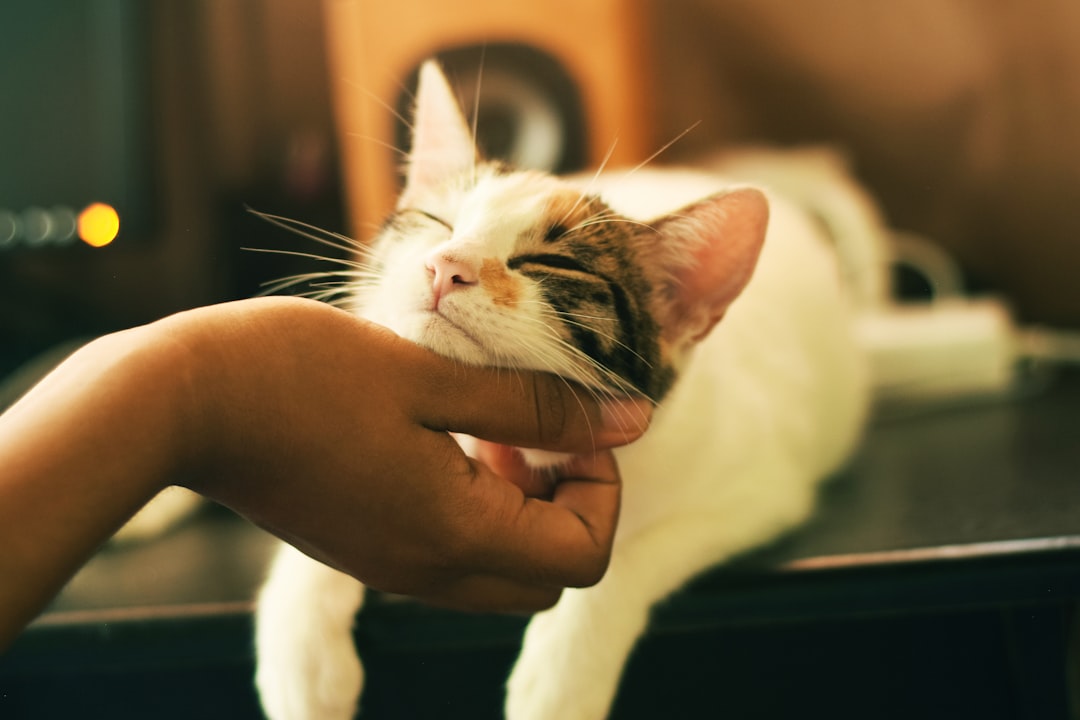
Interpreting the meaning of purrs requires observing context, accompanying body language, and familiarity with the individual cat’s behavior patterns. Your cat develops unique communication patterns with each person they encounter regularly, creating a personalized purring vocabulary that reflects the specific dynamics of each relationship.
Just like how cats purr when greeting us, they also purr when they greet another cat that they are familiar with. No one knows for sure why they do this, but it’s believed that purring around another cat is intended to project that they are friendly and non-threatening. This same principle applies to human relationships, where familiarity breeds specific purring responses.
Stress Responses and Trust Indicators
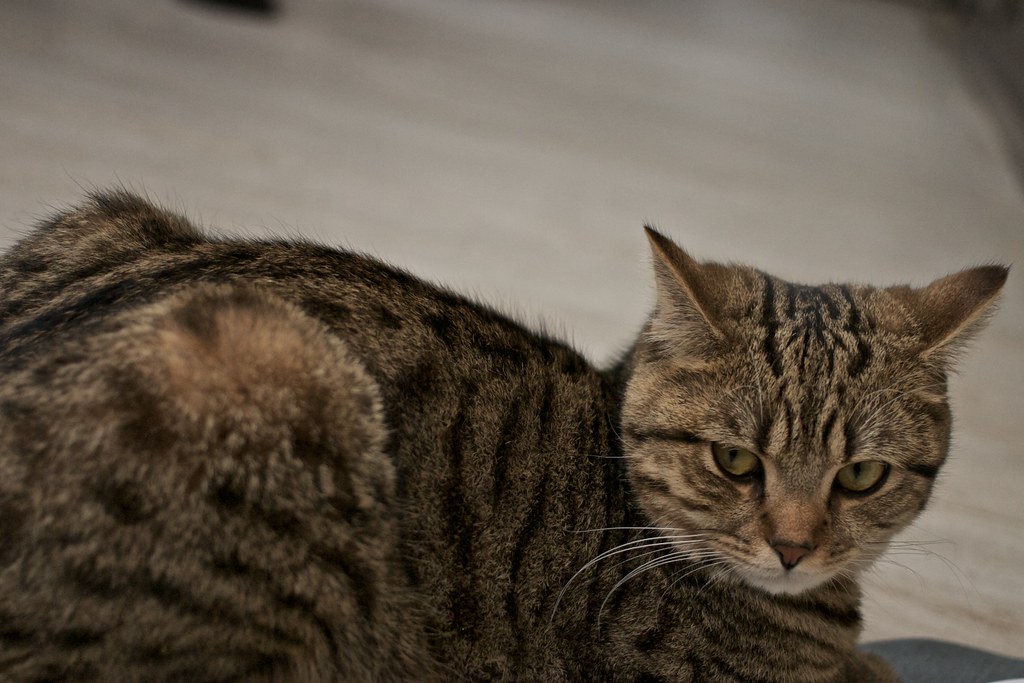
Understanding the difference between stress purrs and contentment purrs reveals how your cat’s relationship with affects their vocalizations. You can also tell the difference between an anxious purr and a happy purr by the pitch. Happy purrs tend to be low in pitch, whereas a stress purr is high pitched. The other difference with stress purring is that it is brought on intentionally and not automatically, like contented purrs.
With trusted individuals, your cat’s purrs flow naturally and effortlessly. However, around unfamiliar people or in stressful situations, the purring becomes more deliberate and higher-pitched. If your cat starts purring while being held or comforted during an exam, it may be their way of saying, “This is scary, but I trust you.”
Individual Cat Personalities and Genetic Influences
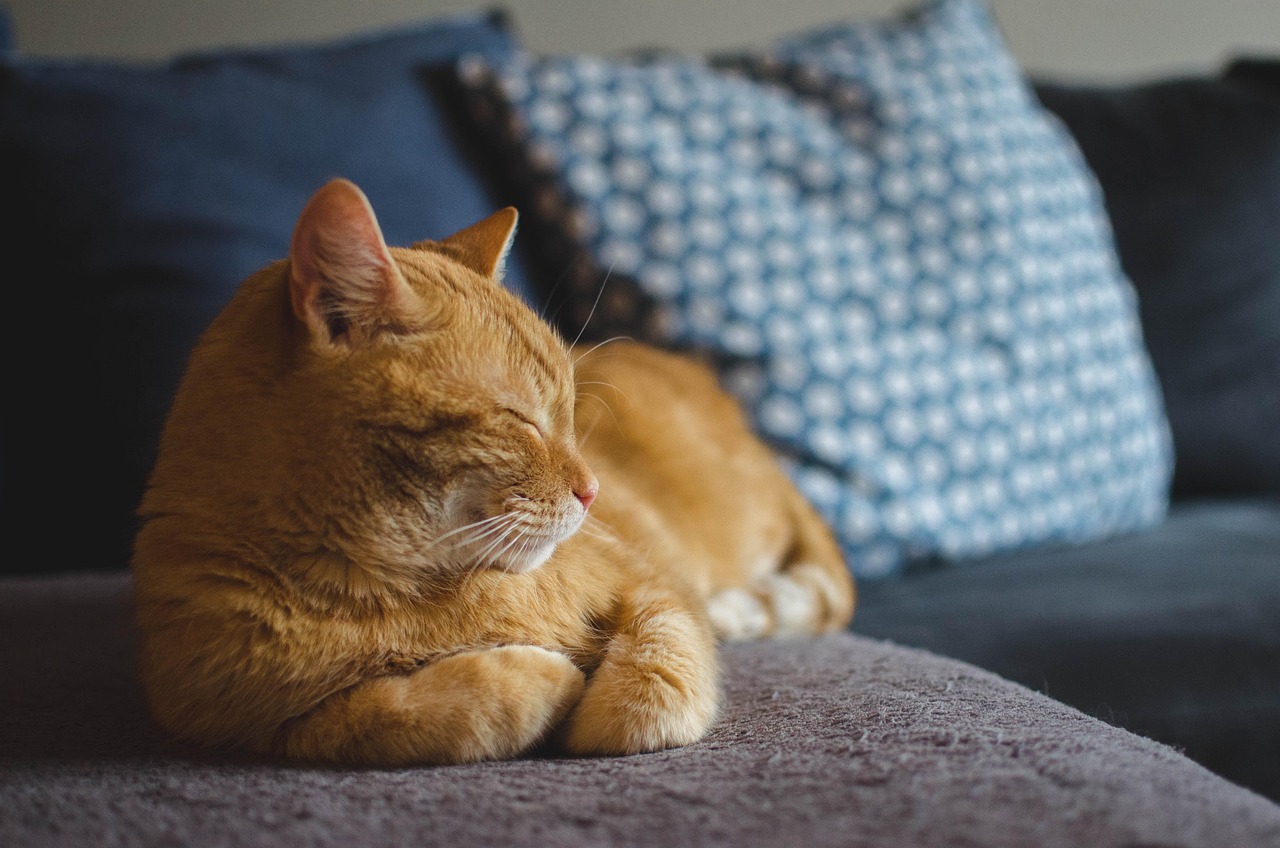
Recent genetic research has uncovered fascinating insights into why some cats purr more than others and how this affects their interactions with . Some genetic research suggests there may be connections between certain gene variants and cat vocalization patterns, though more research is needed to establish definitive links.
Research into genetic factors influencing cat communication is ongoing, with some studies suggesting potential connections between genetics and vocalization patterns. This genetic predisposition means that some cats are naturally more communicative and may develop more varied purring patterns with .
The Role of Context in Purr Modulation
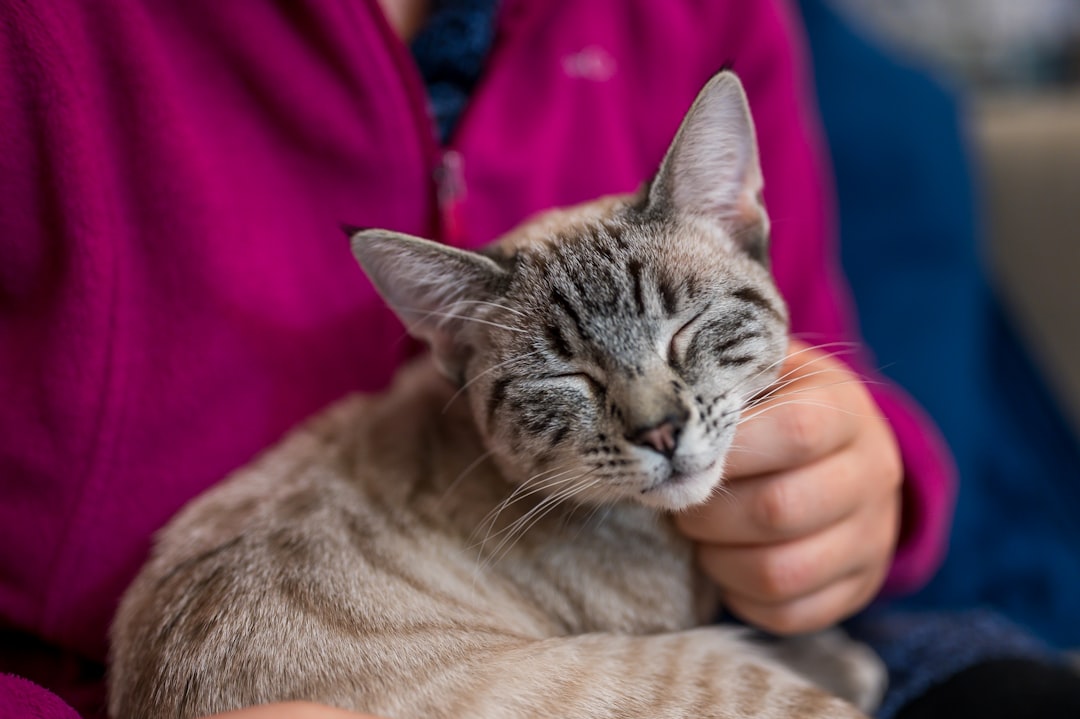
Cats may adapt their purrs’ tone, frequency, and intensity to suit different situations, such as happiness, anxiety, or social interaction. Your cat constantly evaluates the context of each interaction, adjusting their purring accordingly based on the person, environment, and their current needs.
Social engagement, such as purring when greeting or bonding with humans and other animals, demonstrates how cats use purring as a sophisticated social tool. They recognize that respond to different purring styles and adapt their approach accordingly.
Healing Frequencies and Human Connection
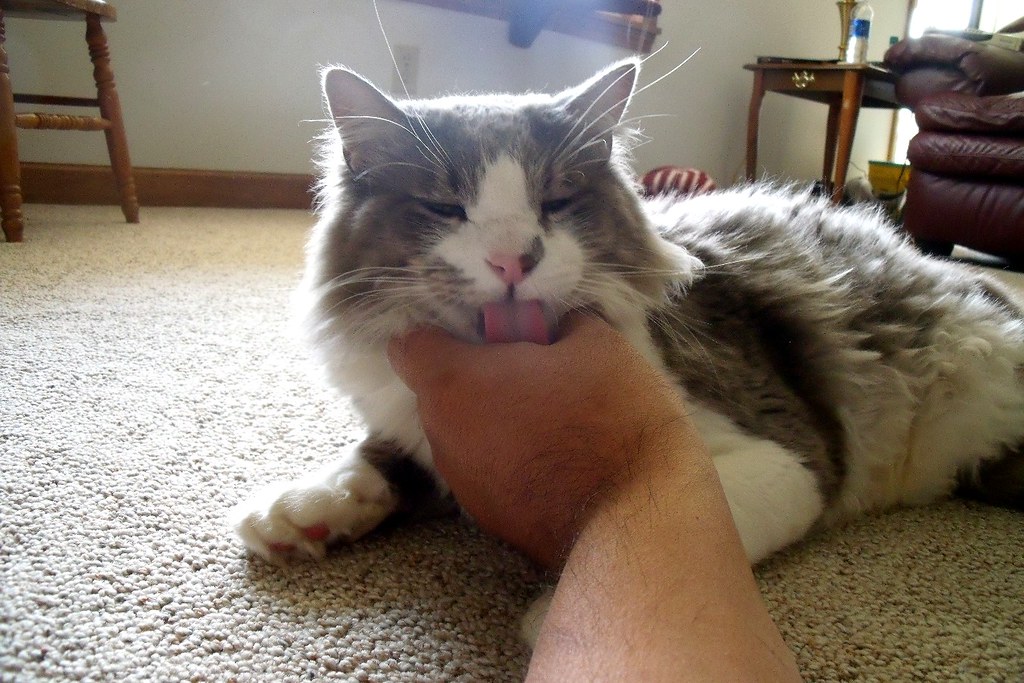
The therapeutic aspect of purring creates another layer to how cats interact differently with various people. Most cats purr at a frequency between 25 and 150 Hertz, which is interestingly the same frequency range known to promote healing and reduce pain in humans and animals. This healing quality may intensify with people your cat has strong emotional bonds with.
Studies have shown that petting a cat can boost oxytocin levels, a hormone associated with trust and emotional bonding. This creates a positive feedback loop where the cat’s purring becomes more pronounced and therapeutic with people who regularly engage in these bonding activities.
Communication Through Vocal Manipulation
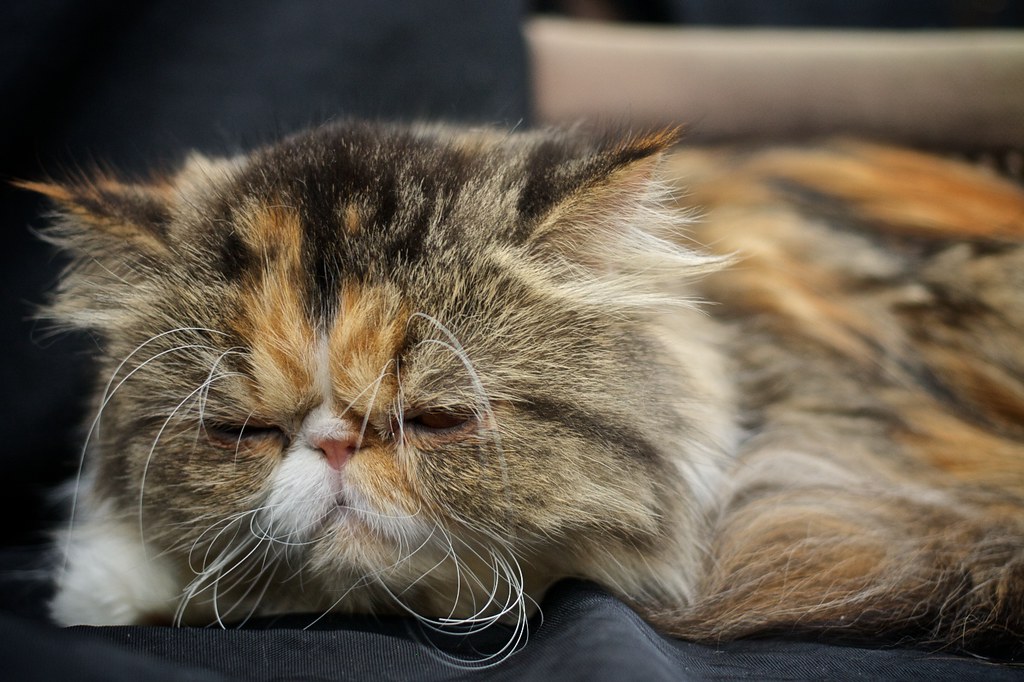
Cats may purr when they want something from their favorite people, like attention or food. Cats are masters of manipulation and may quickly learn that purring is appreciated by their favorite person, and therefore, they may purr to get something from you. This learned behavior means your cat develops specific purring strategies for each person in your household.
This research indicated a marked difference in the acoustic quality of purrs emitted by cats when attempting to solicit food from their owners, compared to when they were generally relaxed or being petted. Interestingly, these ‘food soliciting’ purrs were also perceived as more urgent and less pleasant-sounding by humans. They were also noted to include high frequency voiced components similar to those produced by human infants when crying.
Mother-Kitten Bond Patterns in Adult Relationships
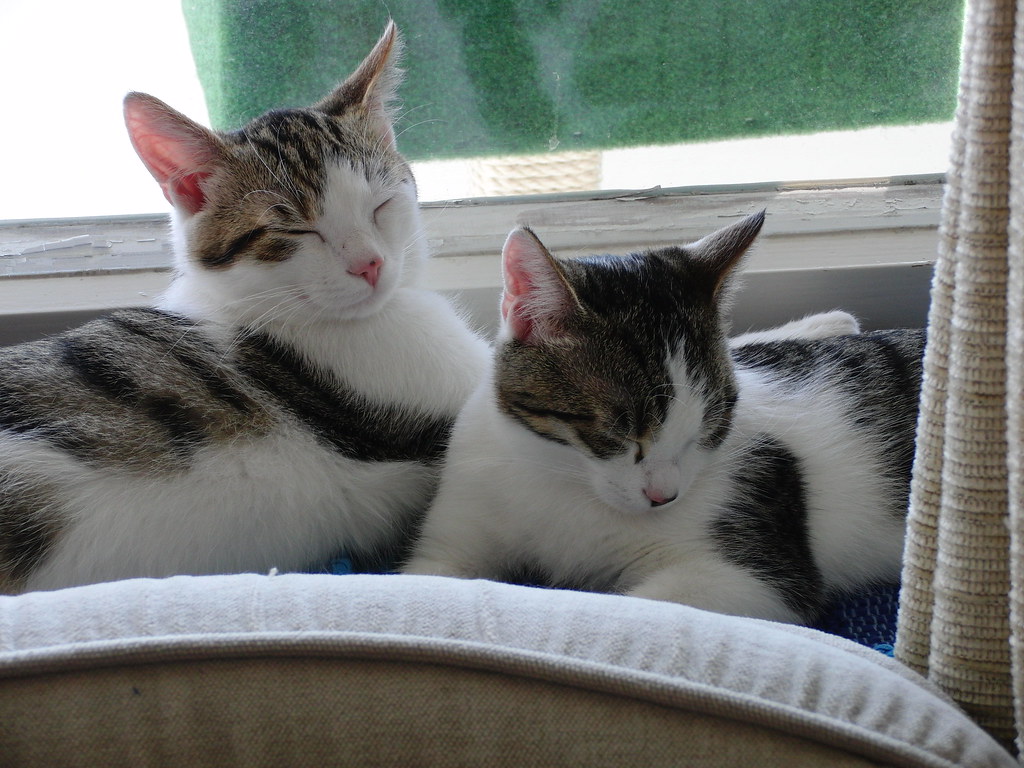
In domestic cats, many signals that occur when interacting with humans seem to originate from when the animal was dependent on the mother. Cats have been observed to purr for most of their lifespan, starting from when they were young and suckling from their mother. Purring may be a signaling mechanism of reassurance between mother cats and nursing kittens.
This early learned behavior translates into adult relationships, where cats recreate these comforting purr patterns with trusted humans. The closer your relationship mirrors that mother-kitten bond of safety and care, the more your cat may exhibit those deep, nurturing purr frequencies they first learned as infants.
Conclusion
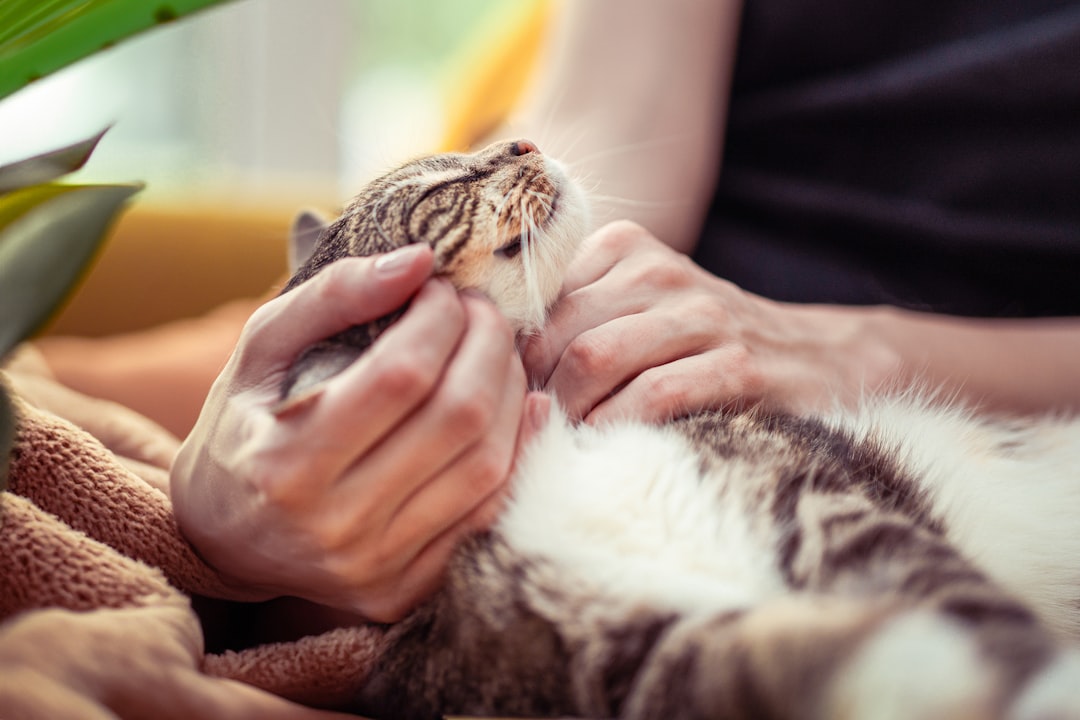
The intricate world of cat purring reveals a sophisticated communication system that goes far beyond simple contentment. Your feline companion possesses the remarkable ability to modulate their purrs based on emotional connections, familiarity levels, and specific objectives with . From the urgent solicitation purrs designed to manipulate humans into providing food, to the gentle healing frequencies reserved for trusted companions, cats demonstrate an impressive understanding of their human audience.
Understanding these purring variations helps deepen your bond with your cat while appreciating the complex emotional intelligence behind their seemingly simple vocalizations. Next time your cat greets you with their unique purr, remember that you’re experiencing a personalized communication crafted specifically for your relationship together.
What do you think about your cat’s different purring patterns? Have you noticed these variations with different family members? Tell us in the comments.