You’re sitting on the couch, minding your own business, and your cat climbs onto your lap, locks eyes with you, and starts rhythmically pushing their paws into your thighs like a tiny, furry bread baker. Cute? Absolutely. Slightly painful? Also yes. But here is the thing – what your cat is doing in that moment is far more layered and fascinating than it looks.
Most people chalk it up to a quirky feline habit and move on. Honestly, that is a shame, because kneading is one of the most emotionally rich, biologically deep, and scientifically interesting behaviors your cat displays. Stick with us, because what you are about to discover might completely change the way you see your cat. Let’s dive in.
It All Starts Before Their Eyes Even Open
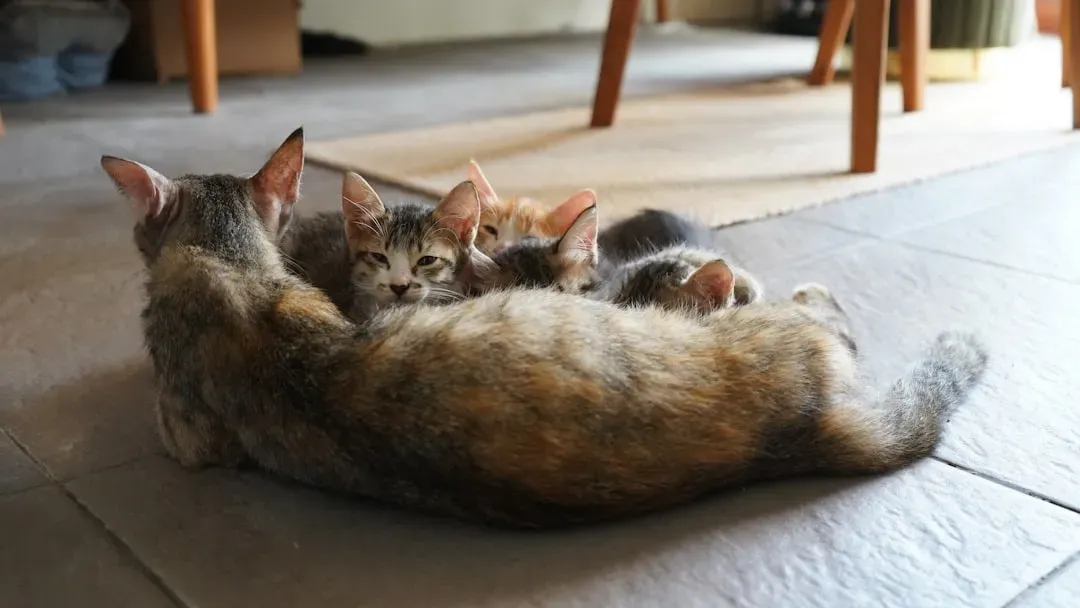
You might be surprised to learn that your adult cat’s kneading habit has roots going all the way back to their first hours of life. The kneading behavior originates during the earliest days of a cat’s life, when newborn kittens instinctively knead their mother’s mammary glands to stimulate milk flow during nursing – a rhythmic pressing motion that serves a crucial survival function. Think about that for a second. Your cat has been doing a version of this since before they could even see the world around them.
The action creates a positive feedback loop: kneading triggers milk letdown, which reinforces the behavior through immediate reward, and research on feline development indicates that kittens begin exhibiting this behavior within hours of birth. It is essentially the first skill a kitten ever masters – not walking, not playing, but kneading. That is a powerful origin story for something that looks so casual on your couch.
Your Cat’s Brain Never Really “Grows Up”
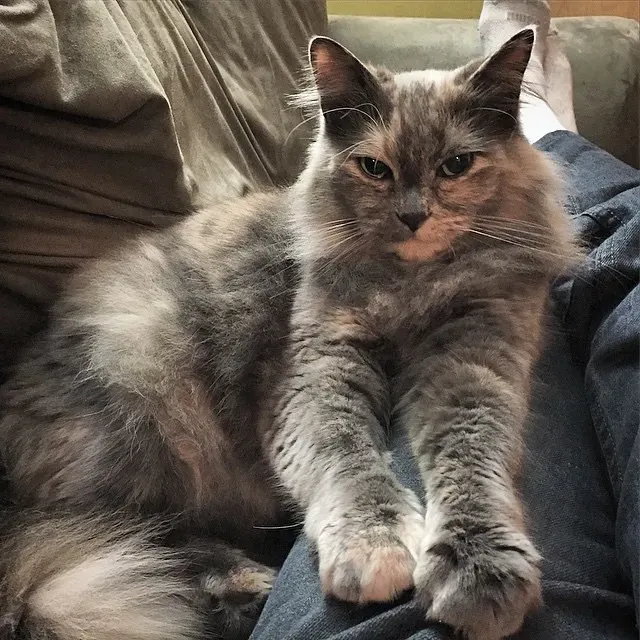
The nursing period represents a critical developmental window during which behaviors become deeply embedded in the feline brain, and neurological studies suggest that repeated actions performed during early life create lasting neural pathways. In other words, your cat is not just being cute and weird. They are literally wired to knead. The behavior is etched into their neurology from day one.
As humans, we have actually maintained these kitten-like features in our cats, and this extended kittenhood even has a name: neoteny – essentially adult animals retaining behaviors and features they had when juveniles. You have probably noticed it in dogs too, with their wide eyes and playful energy. Your cat kneading you as an adult is not a sign of immaturity. It is a beautiful side effect of thousands of years of domestic life together.
You Are Being Claimed – Whether You Know It or Not
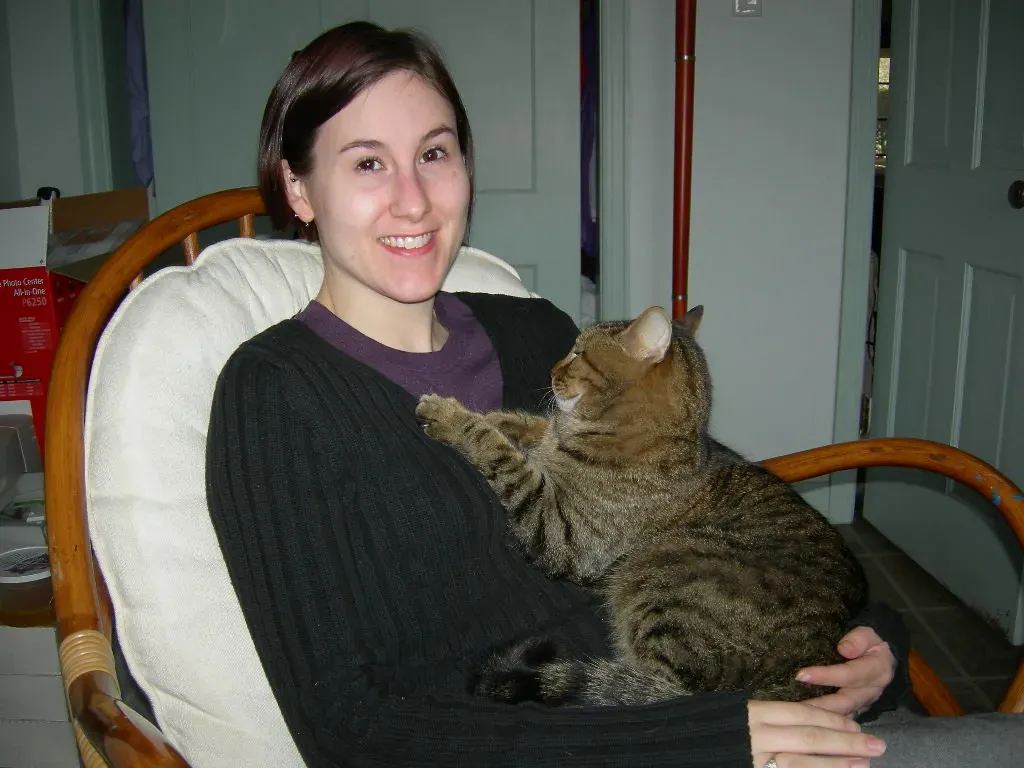
Cats use kneading to mark their territory and communicate through scent signals, as they have scent glands located in the smooth pads of their paws, and by kneading they release pheromones onto the surface they are pressing against – pheromones that function as an aroma marker, letting other cats know that the area is claimed. So when your cat kneads your lap, they are essentially signing their name on you. Ownership papers, feline style.
Kneading stretches a cat’s muscles and activates scent glands in its paws, which can be a friendly way for the animal to stake its claim on a favorite human or sleeping spot. Let’s be real – there is something oddly flattering about being marked as your cat’s territory. It means you are theirs, and in their world, that is the highest honor they can give you.
It Is Deeply Connected to Comfort and Emotional Safety
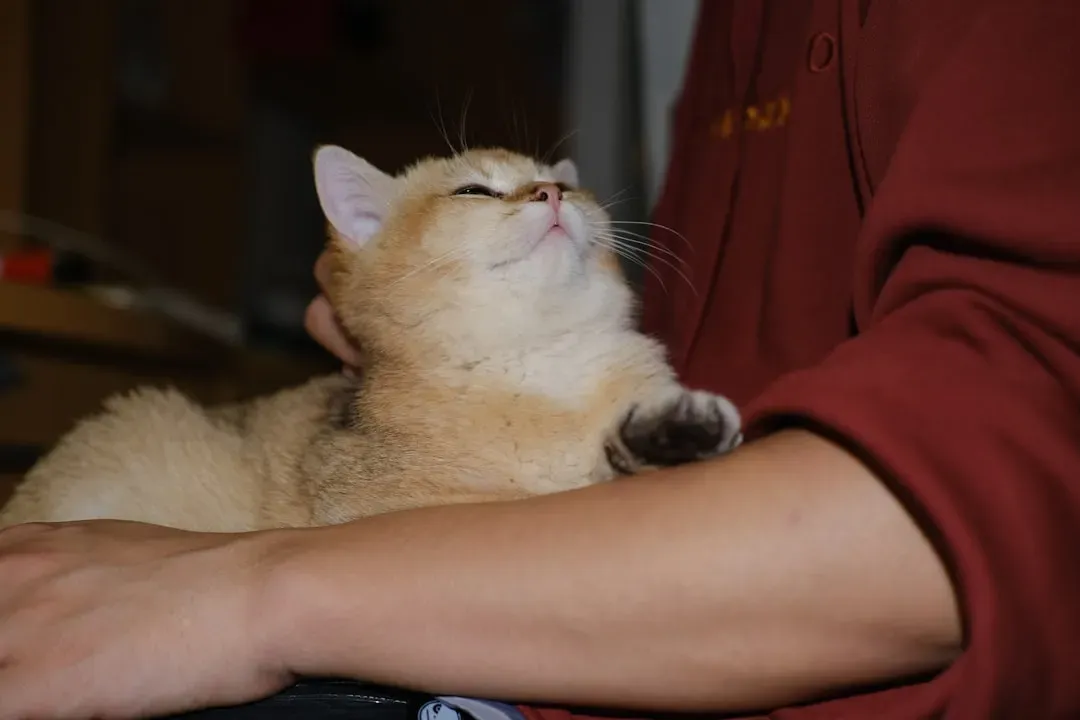
Because nursing and being around a mother cat’s calming pheromones encourages a sense of contentment in young kittens, many cats will continue to knead into adulthood to create a similar sense of calm and relaxation. So when your cat kneads you, they are basically recreating the safest, warmest, most nourishing moment of their entire early existence. That is you. You are that memory for them.
Cats will knead on preferred people in the house or their favorite person, so kneading can also be that affiliative, social behavior that can help build a bond – and it usually means the cat feels happy, friendly, and safe. I think that is genuinely moving. Your cat, an animal often wrongly labeled as cold and independent, is literally reaching into their earliest emotional memory and sharing it with you every time they knead.
Wild Ancestors Knead Too – for Very Different Reasons
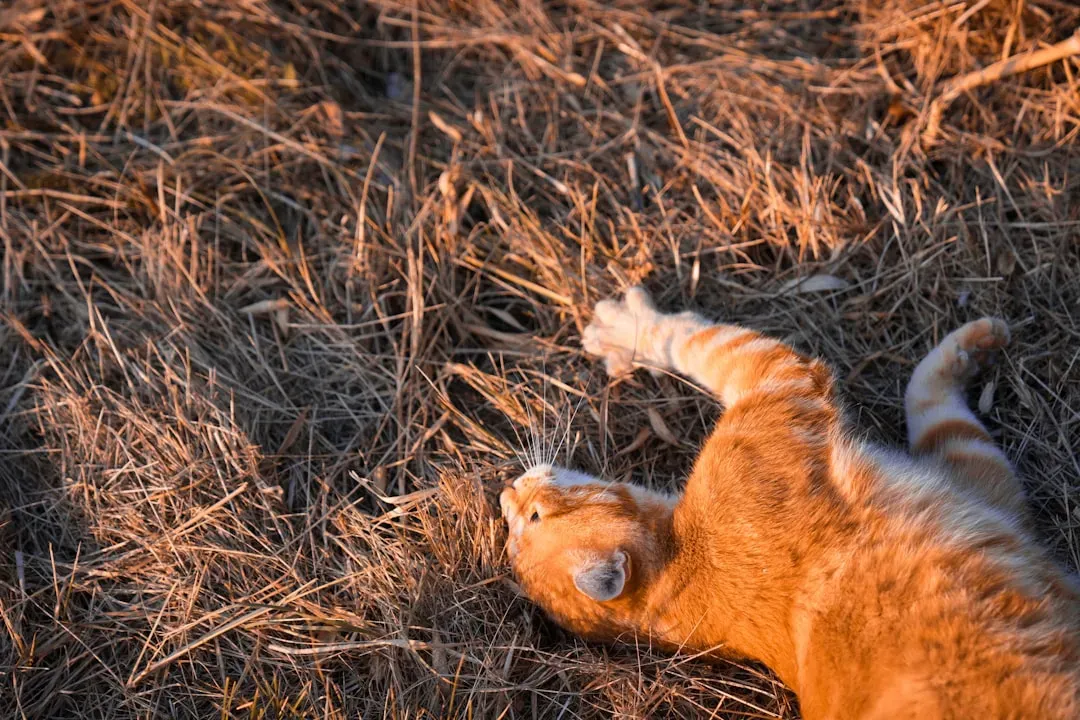
Kneading may have an origin going back to cats’ wild ancestors who had to tread down grass or foliage to make a temporary nest in which to rest. Picture a wild cat in tall grassland, pressing down a circular patch of earth and leaves before curling up – that is the ancient choreography your house cat is still performing today on your couch cushions. Evolution moves slowly, and cats clearly did not get the memo that the nest is already made.
Wild cats would paw at piles of leaves or tall grass to create a nest for themselves and their young to relax and sleep in, and by doing this to the ground they were not only creating a soft nest but also checking for predators, prey, or dangerous things hidden in the foliage. So there is an element of safety-checking built right into the motion. Your cat kneading your lap is, on some ancestral level, making sure there are no predators lurking inside your jeans. You’re welcome, by the way.
The Dopamine Hit Is Very Real
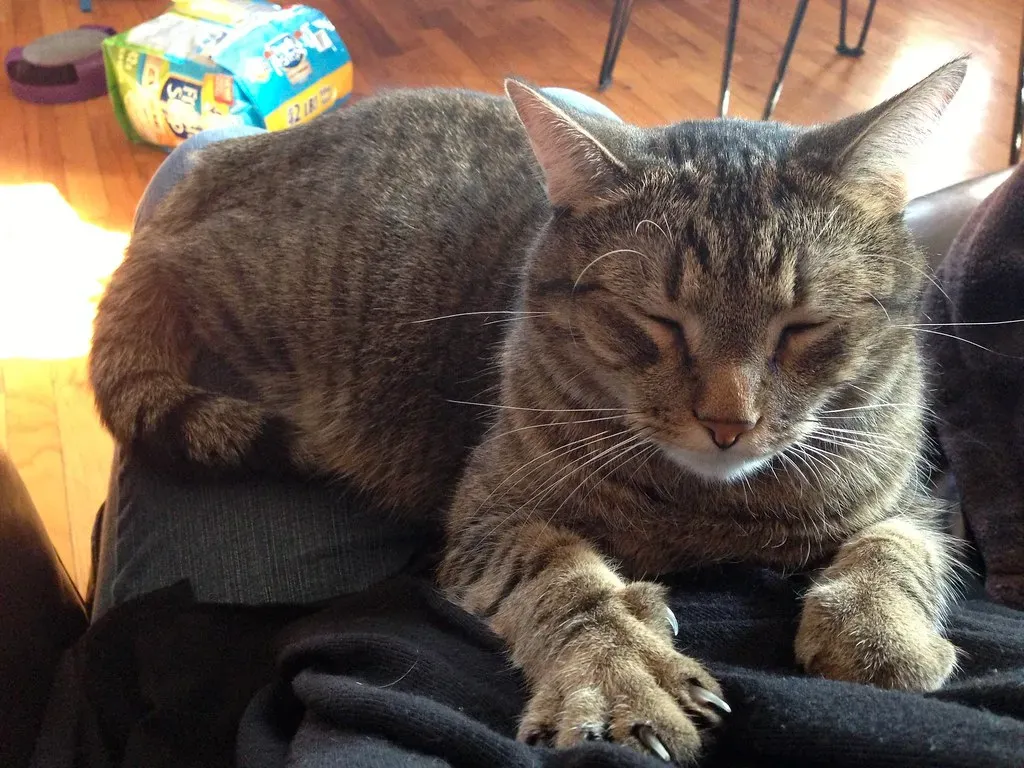
The action of kneading in cats causes the release of the pain-relieving, feel-good chemical dopamine in the brain – and increased or excessive kneading can be a sign that your cat is uncomfortable or anxious, as their kneading could be an attempt to soothe themselves. Think of it like a stress ball, except the stress ball is you. When your cat is anxious about something, kneading can be their version of deep breathing.
This behavior releases calming endorphins, so it is often seen when cats are about to nap or are enjoying a quiet moment near their favorite person. It is a built-in emotional regulation system, which honestly sounds exhausting to maintain without one. The next time your cat curls into your lap and starts up their little biscuit-making routine before dozing off, know that they are chemically winding themselves down in the most natural way possible.
Kneading Is Also a Physical Workout (Yes, Really)
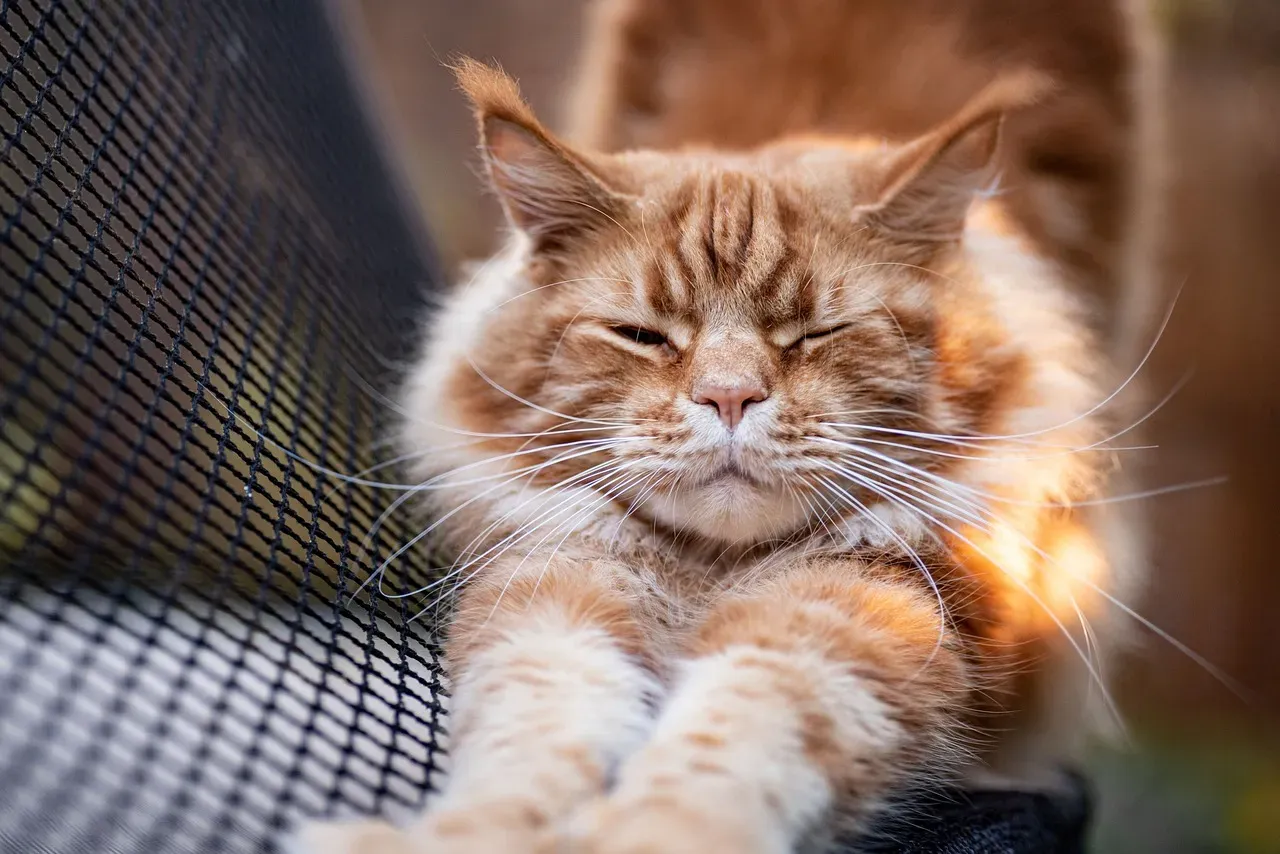
Kneading also gives cats a chance to stretch their muscles and maintain agility, as the rhythmic movement engages their shoulder, leg, and back muscles, encouraging good circulation and easing any stiffness. It’s a bit like a cat yoga session, happening right on your lap. And now that you think about it, the movements really do look like a slow, meditative stretch routine.
Kneading also provides physical benefits for adult cats, as the motion stretches the muscles, tendons, and ligaments in the front legs, shoulders, and back – and regular stretching maintains flexibility and prevents stiffness, particularly important for cats as they age. It is especially common to see kneading right after a nap, which makes total sense when you think about it. Your cat wakes up, needs to loosen those muscles, and finds the nearest soft surface – which is often you.
Drooling While Kneading? That’s Actually a Good Thing
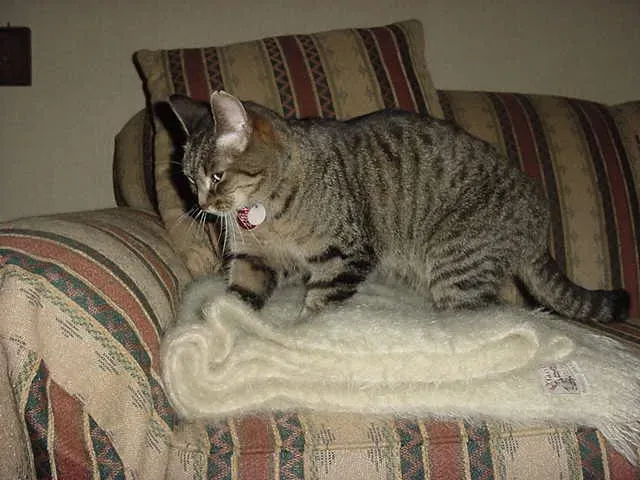
Here is something that surprises a lot of cat owners. Some cats drool while kneading because it is linked to nursing behavior. The saliva response is a holdover from kittenhood, when kneading and feeding were so tightly linked that the body would prep for both at the same time. It is basically Pavlovian. The motion triggers the memory, and the memory triggers everything that came with it.
Kneading is often paired with loud purring, drooling, or squinting – signs that the cat feels safe and content. So if your cat is drooling on you while rhythmically pressing into your thigh and purring like a small engine, do not be alarmed. That is peak feline happiness. You have done something right, and your cat is letting their whole body say so.
When Should You Actually Worry About Kneading?
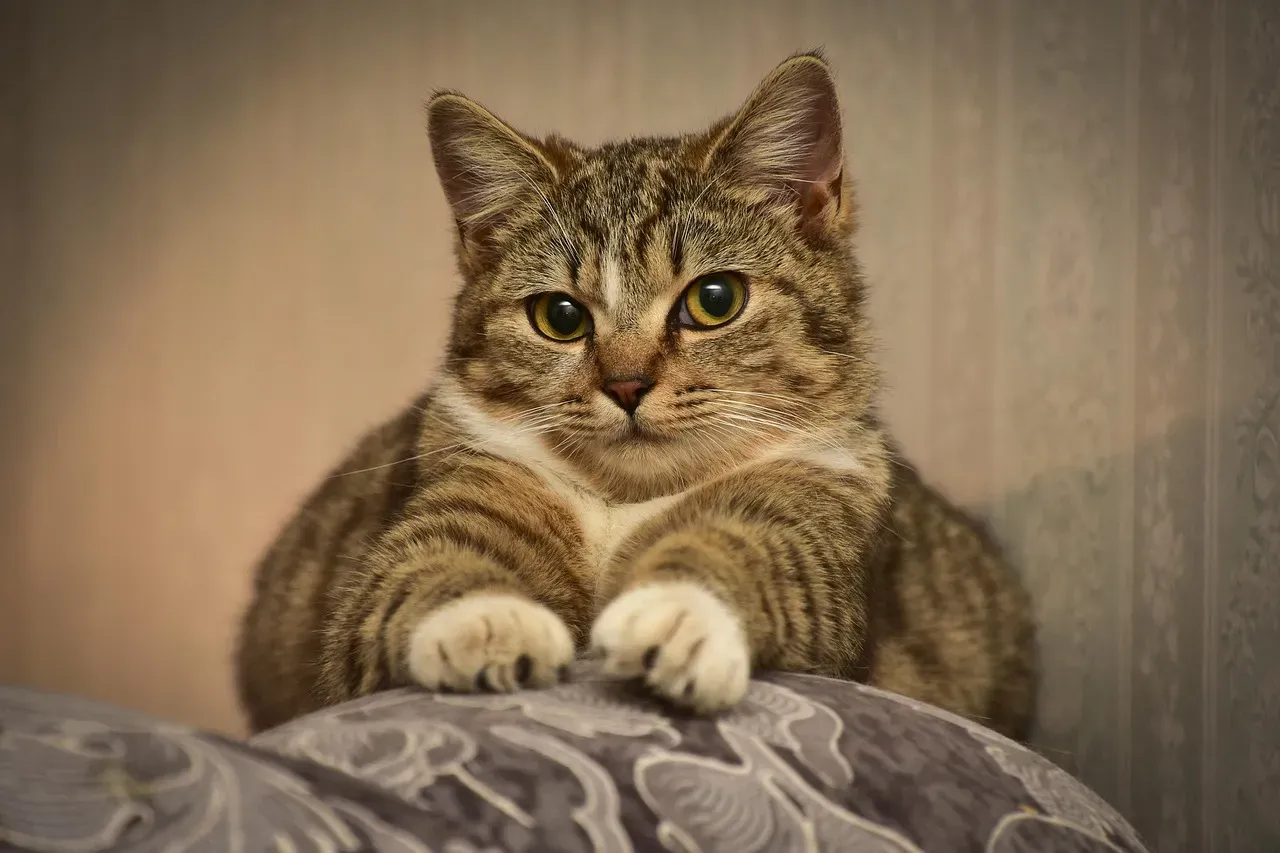
If your cat kneads excessively or suddenly kneads less than usual, it could mean that they do not feel well – because kneading is a comforting action, cats who feel stressed or are experiencing pain may knead to soothe themselves. A sudden change in frequency, in either direction, is worth paying attention to. It is not just a quirk at that point – it could be a signal.
Cats experiencing soreness from an injury or arthritis may also knead to stretch their limbs and relieve muscle tension, and if you notice your cat is kneading more often than usual, it is a good idea to consult with their primary veterinarian to address any underlying medical or behavioral concerns. The golden rule here is simple: a cat should never be punished for kneading, as it is a normal behavior and punishment could lead to a breakdown in the caregiver-cat bond, since the cat does not understand they are causing pain. Redirect, never punish. Your relationship depends on it.
Conclusion
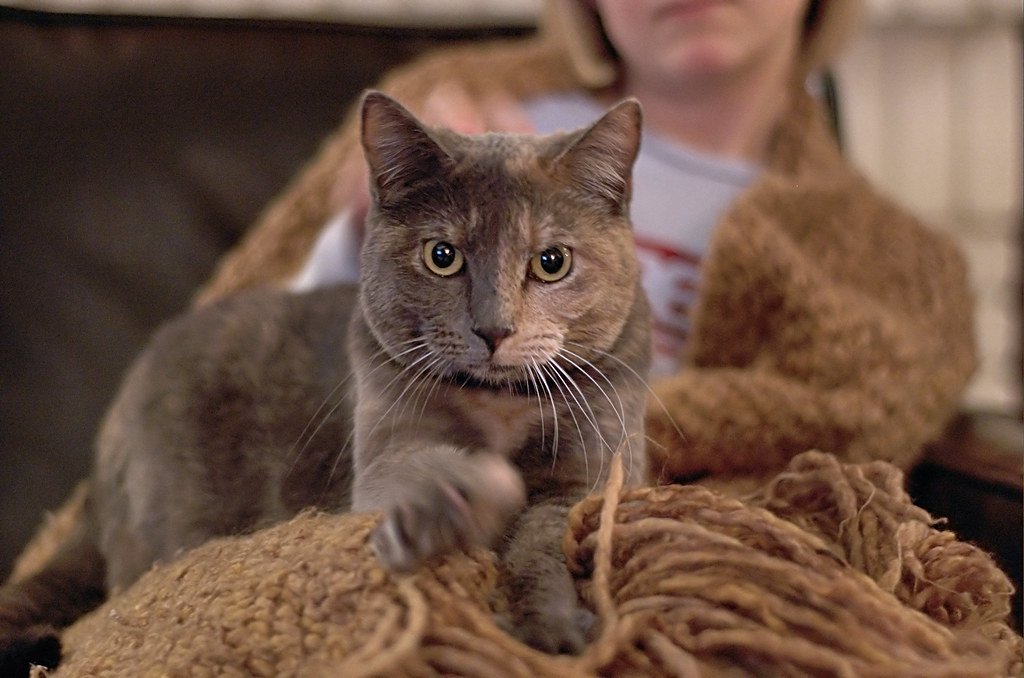
If you take one thing away from all of this, let it be this: when your cat kneads you, it is not random, not meaningless, and definitely not annoying – even when it genuinely hurts. It is a behavior born from survival, shaped by evolution, deepened by neuroscience, and delivered to you as an act of pure trust. You are their safe place. Their comfort. Their person.
The next time those little paws start working away on your lap, resist the urge to move them off. Instead, consider what an extraordinary thing it is that an animal chooses you as their source of peace and warmth. Cat kneading is a behavior that bridges the gap between the wild and the domesticated – an instinctual act rooted in the nurturing connection between a mother and her kittens, and beyond its evolutionary origins, it also serves as a profound emotional expression, reflecting trust, comfort, and pleasure. Now that you know what it really means – does it change the way you will receive it next time?