Picture this: you’ve had a long day and finally settle into your favorite spot for some well-deserved relaxation. The moment your body hits the couch or bed, your feline companion appears out of nowhere, making a beeline straight for your lap or chest. This phenomenon happens so consistently that it feels almost mystical. Yet there’s fascinating science and deeply ingrained feline psychology behind this behavior that reveals just how complex and meaningful your relationship with your cat truly is.
The truth behind this seemingly simple act involves a perfect storm of evolutionary instincts, physical needs, and emotional connections. Your cat isn’t just being clingy or demanding attention. They’re following ancient programming that has kept their species alive for thousands of years while simultaneously showing you the deepest form of feline affection possible.
The Heat-Seeking Missile Phenomenon
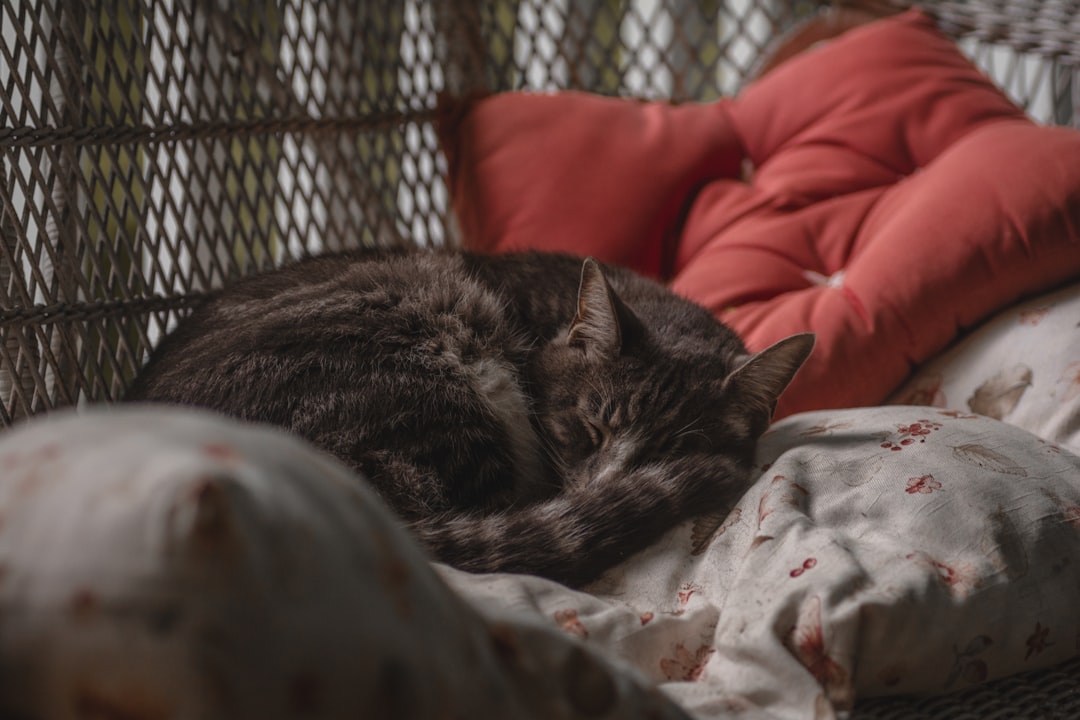
Your cat’s body temperature runs significantly higher than yours at 101-102.5 degrees Fahrenheit, compared to your average of 98.6 degrees. This might seem counterintuitive, but it actually explains their relentless pursuit of warmth. Think of cats as sophisticated heat-seeking missiles with whiskers and purr engines.
Cats evolved from ancestors in semi-arid climates and prefer ambient temperatures between 86 to 97 degrees Fahrenheit. Your living room probably doesn’t maintain this tropical paradise temperature year-round. When you lie down, your body becomes the perfect portable heating pad, offering consistent warmth that helps them maintain their optimal body temperature without expending precious energy.
You can actually read your cat’s comfort level through their body position like a furry thermometer – a sprawled-out cat is feeling warm and trying to cool down, while a tightly curled cat is seeking warmth. When they choose your horizontal form as their resting spot, they’ve found their goldilocks zone of perfect temperature regulation.
The Trust Fall That Never Fails
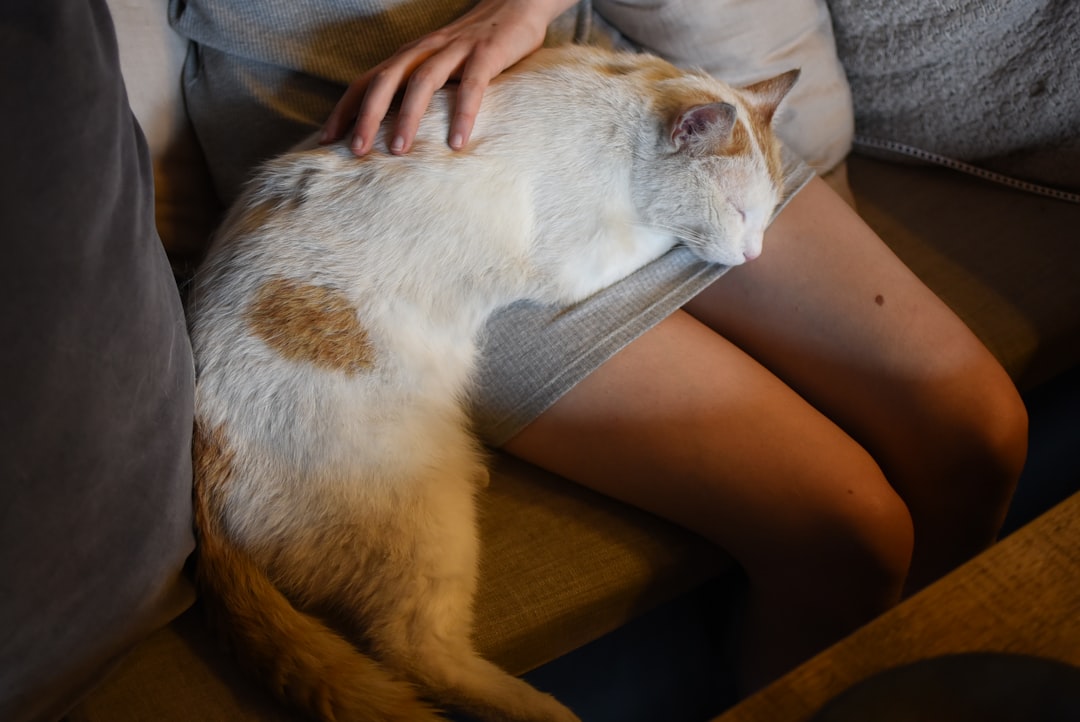
When a cat sits on you, they’re displaying profound trust because in the wild, cats only rest in locations where they feel completely safe, as this is when they’re most vulnerable – by choosing your lap, your cat is essentially saying “I trust you to protect me while I rest”. This level of vulnerability is extraordinary for a creature whose survival has depended on constant vigilance for millennia.
Cats instinctively prefer resting places where they’ll feel secure and protected from potential predators, and there is no better place to be protected than on the lap of their loving owner, though we’ll never know if they think you’ll be there to chase away any threats that come around. Your horizontal position signals safety and stability, making you the equivalent of a fortress with a built-in heating system.
The timing isn’t coincidental either. Cats are master observers who notice patterns in your behavior. They’ve learned that when you lie down, you’re likely to stay put for extended periods, creating the perfect opportunity for an uninterrupted cuddle session without the risk of sudden movements.
Scent Marking Your Territory (Or Making You Theirs)
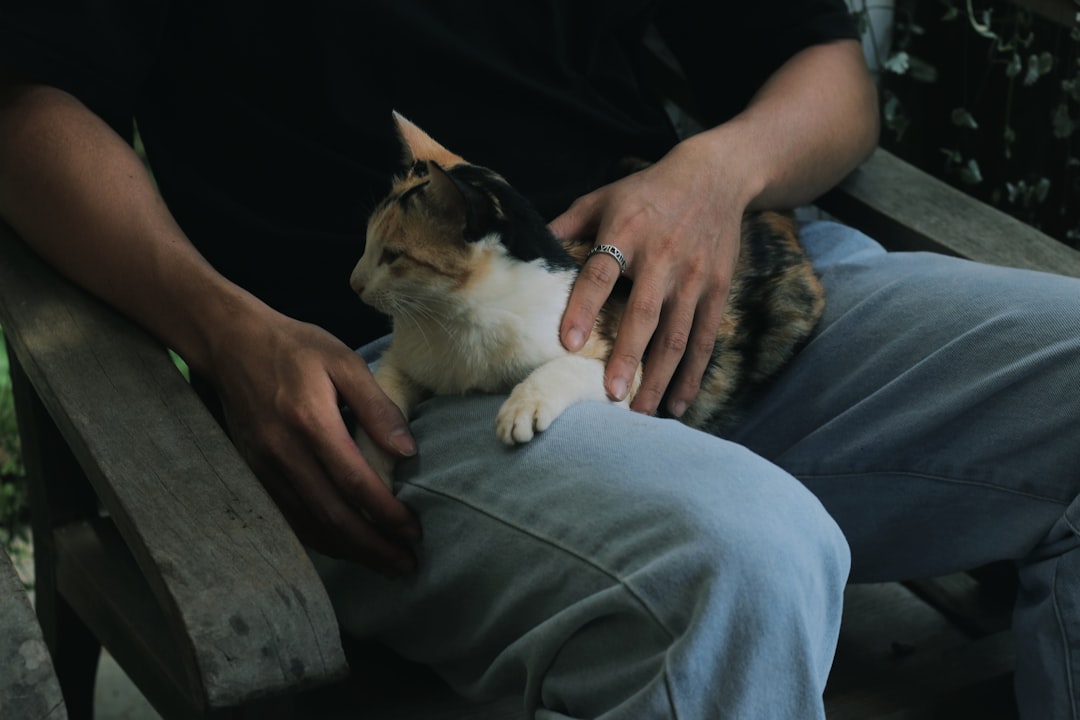
Your cat has scent glands on their face, paws, and flanks, and when they sit on you, they’re leaving their scent behind, effectively marking you as part of their territory and trusted social group. This invisible claiming process happens every time your cat makes contact with your body, creating an olfactory signature that says “mine” in the feline world.
When your cat sits on your lap, she deposits her scent-marking pheromones on you, and when other cats smell these pheromones, they will know that you’ve already been marked as somebody else’s territory. Think of it as the feline equivalent of a wedding ring, except it’s invisible and happens to smell like cat.
Cats might even target items that smell strongly of their owner, including bedding and clothing, as they mark their territory here as a way of feeling closer to their owner. When you lie down, your relaxed position makes you the perfect canvas for this scent-based artistry that strengthens your bond.
The Comfort Zone Connection

Your cat loves the natural rhythm of your heartbeat and your steady breath – the inhaling and exhaling sound you make when breathing make your cat feel relaxed and soothes them to sleep, while your chest provides warmth, comfort and security. These biological rhythms create a meditative soundtrack that many cats find irresistible.
A recent study found that cats are emotionally attached to their owners in ways that mirror how babies are attached to their parents, with kittens feeling distress when owners were gone and more security when they returned – your cat sleeps on you because he sees you as a source of security and you make him feel safe, like a parent he wants to snuggle up with. This research reveals the depth of the human-cat emotional connection that goes far beyond simple convenience.
The steady rise and fall of your breathing creates a gentle massage-like sensation that many cats find deeply comforting. It’s like being on a very slow, very warm breathing exercise machine that also happens to love them unconditionally.
Attention-Seeking Master Class
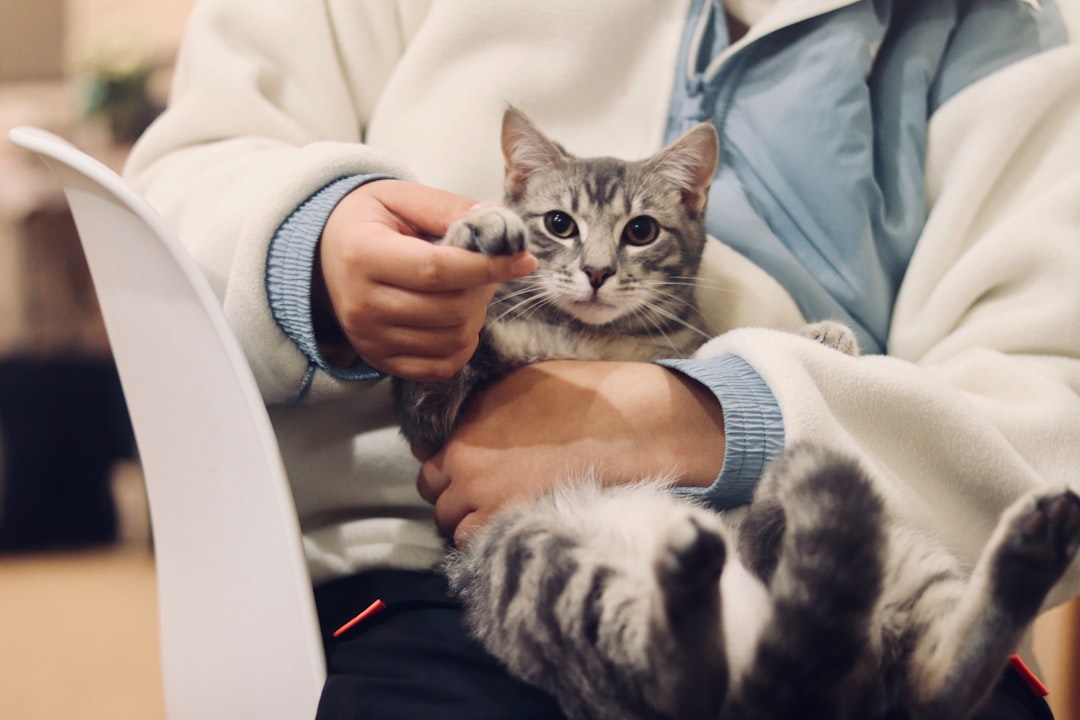
Your cat gets lonely, especially if you’ve been away for some time, and when you return, your cat will probably follow you around to climb and sit on you the very first chance she gets – after all, you can’t ignore her when she is sitting on your lap. This strategic positioning ensures maximum attention and interaction from their favorite human.
Cats are more social than many people realize, and sitting on your belongings is often a bid for attention and interaction – when you’re focused on something else, your cat may decide to insert themselves into your activity to redirect your attention their way. Your horizontal position makes you an even more appealing target for this attention-grabbing behavior.
Smart cats quickly learn that lying down humans are more likely to provide extended petting sessions, gentle conversation, and undivided attention. They’re essentially training you to be a better servant by rewarding your relaxation with their presence.
The Social Bonding Imperative
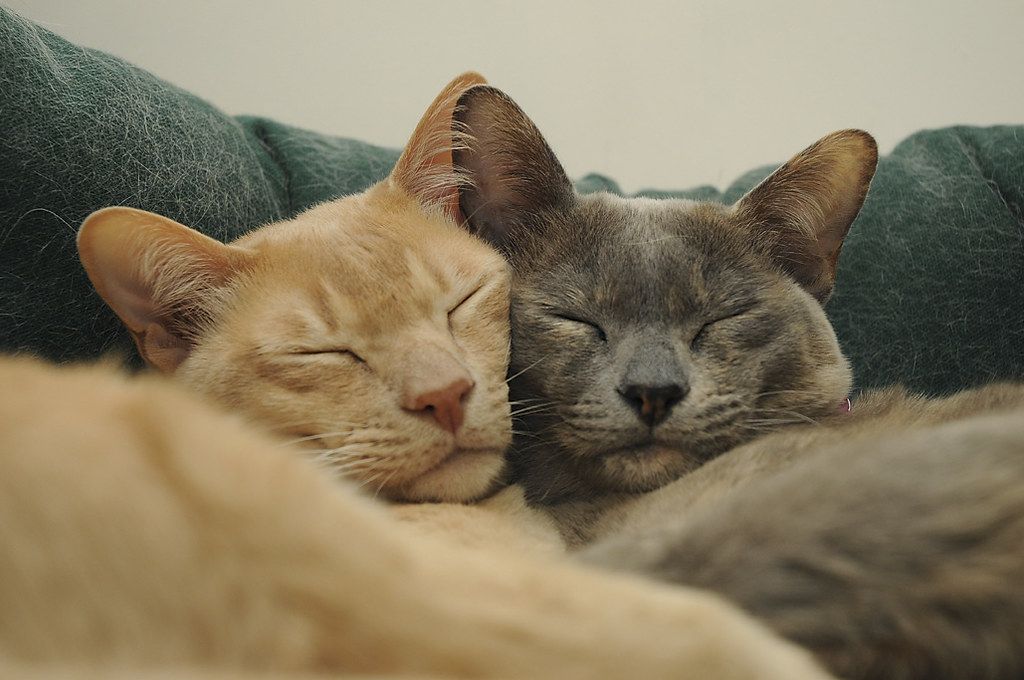
There’s a social bonding element at play as some cats yearn for snuggles and cuddles, which is why you might see two cats sleeping together or lying on each other – that same bonding translates to humans too. Your cat views you as part of their social family unit, and physical closeness strengthens these important relationships.
One study found that single cats tended to stay closer to owners for longer periods of time and have more interactions with owners than multiple cats – it is very possible that your cat is sitting on you because of this close bond and companionship. Solo cats often develop even stronger attachments to their human family members, making your horizontal invitation irresistible.
Friendly cats will often rub on and groom each other, mixing their scents – scent is primarily how cats recognize each other, and physical contact through rubbing helps to create a “group scent,” reassuring all the cats in the home that you belong together. When your cat sits on you, they’re reinforcing this family bond through scent sharing.
Evolutionary Survival Strategies
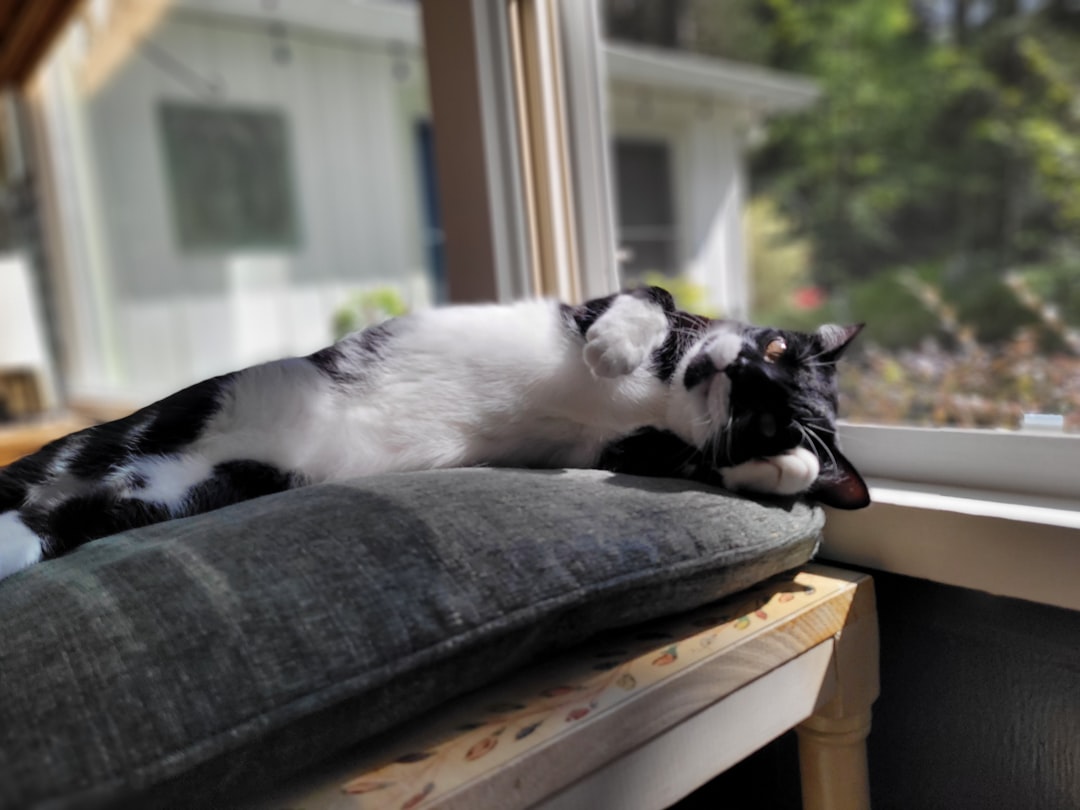
Since our feline companions originate from wild cats that thrived in hot, dry environments, some of that natural instinct may have been left behind even with our domesticated cats – this has instilled a preference for warmer temperatures and is why you will usually catch your cat sleeping in a sunny location near a window, basking in direct sunlight throughout the day. Your warm body mimics the sun-soaked rocks their ancestors would have sought out.
Cats are naturally territorial animals like their wildcat ancestors and are defensive of their territory which is the area where they sleep, eat, and hunt – cats avoid physical fights at all costs and try to avoid this by marking their territory in order to deter other cats. By claiming you as their resting spot, they’re following ancient territorial instincts in the safest way possible.
This behavior also connects to their survival strategy of conserving energy. Wild cats spent most of their time resting between short bursts of hunting activity. Your horizontal form provides the perfect opportunity to engage in this energy-saving behavior while maintaining social bonds and temperature regulation.
The Security Blanket Effect
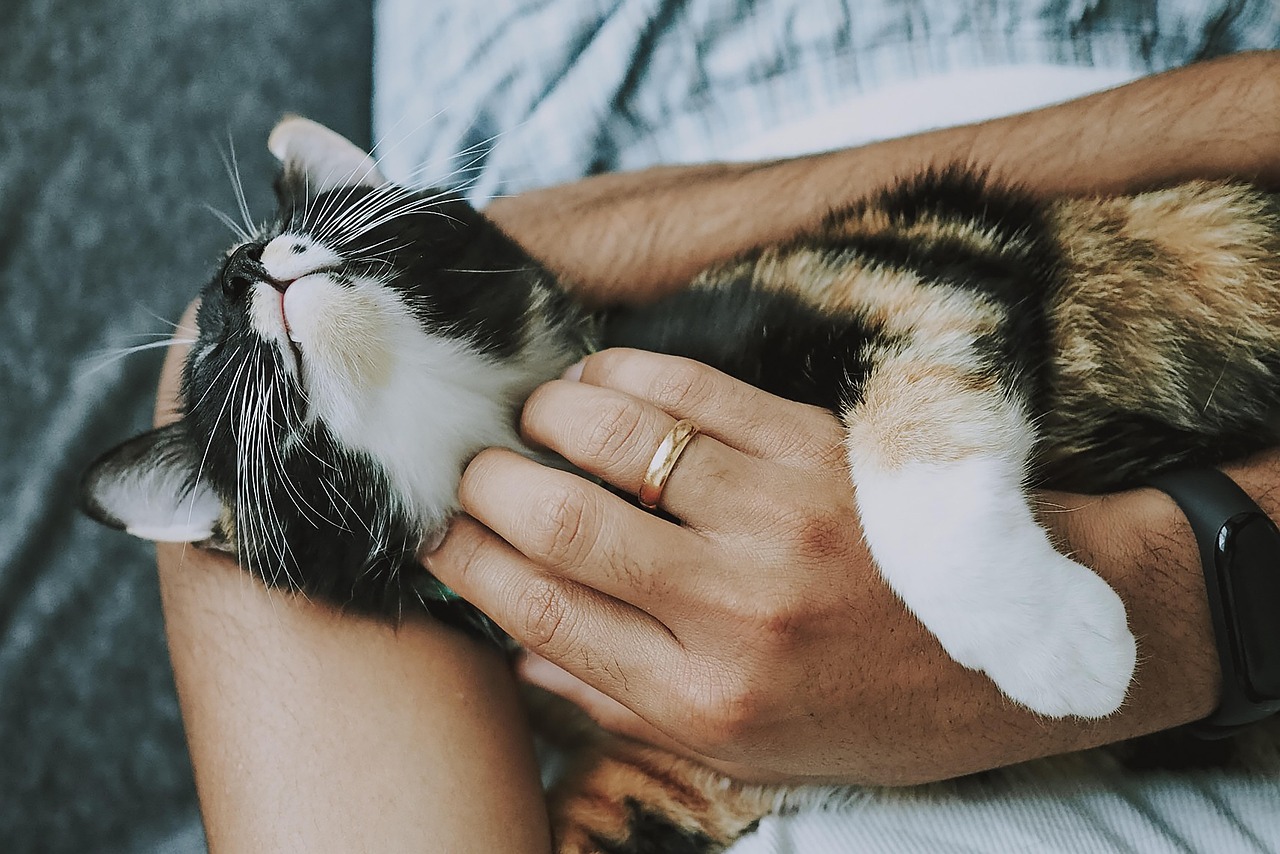
Warmth could provide cats with a sense of security, and you can frequently notice your cat lying around on a warm blanket, freshly dried laundry, heaters, or a windowsill. When you lie down, you become the ultimate security blanket that combines warmth, comfort, and protection in one convenient package.
We all need some sense of security, and your feline friend is no exception – your cat feels safer when she’s close to someone she can trust, and your furball knows that no harm will come to her when she sits on your lap, so she will peacefully enjoy a nap as she is sure you’ll protect her in case of any harm. Your relaxed position signals that the environment is safe enough for both rest and vulnerability.
This security extends beyond physical protection to emotional comfort. The familiar scent of your skin, the sound of your voice, and the gentle vibrations of your body create a cocoon of safety that allows your cat to achieve the deepest, most restorative rest possible.
Strategic Positioning and Surveillance
When you lie down quietly, your cat finds it relaxing to join you, and whilst you’re lying down, she can view the whole room and keep an eye out for any incoming danger. Your horizontal form provides an elevated observation post that combines comfort with tactical advantage.
As a method of guarding their territory, the cat will often seek an elevated position where she has a commanding view of the surrounding area – for example, one cat likes to sit on the garden shed roof from where she can see any strangers approaching from miles away. When you’re lying down, your torso becomes prime real estate for surveillance while maintaining close contact with their favorite human.
This positioning allows cats to satisfy multiple needs simultaneously: they get warmth and comfort while maintaining their role as household sentinel. It’s the feline equivalent of working from home while staying cozy under a blanket.
The Irresistible Human Scent Connection
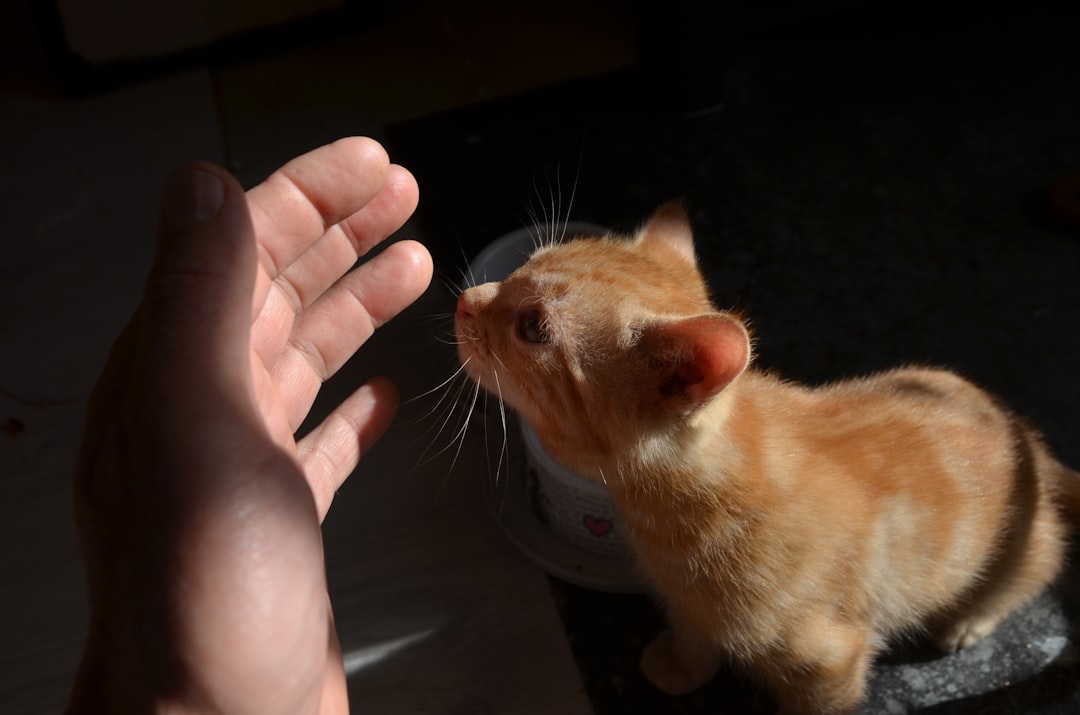
Cats have a highly developed sense of smell and are comforted by their owner’s scent – items you frequently use carry your scent, making them attractive resting spots for cats seeking comfort and connection. When you lie down, you become a concentrated source of the most comforting scent in their world.
Cats rely a lot on their sense of smell as it’s one of the main ways they communicate – your cat may rub her face on you to deposit pheromones and oils, showing comfort and marking ownership, and because your smell is familiar, it’s comforting and secure – by sleeping on you, she might be marking you as belonging to her. Your relaxed state makes this scent exchange even more appealing and accessible.
The combination of your natural body scent with the residual fragrances from your daily activities creates a unique olfactory signature that your cat associates with safety, love, and home. When you lie down, this scent becomes more concentrated and accessible, making you irresistible to your feline companion.
Conclusion
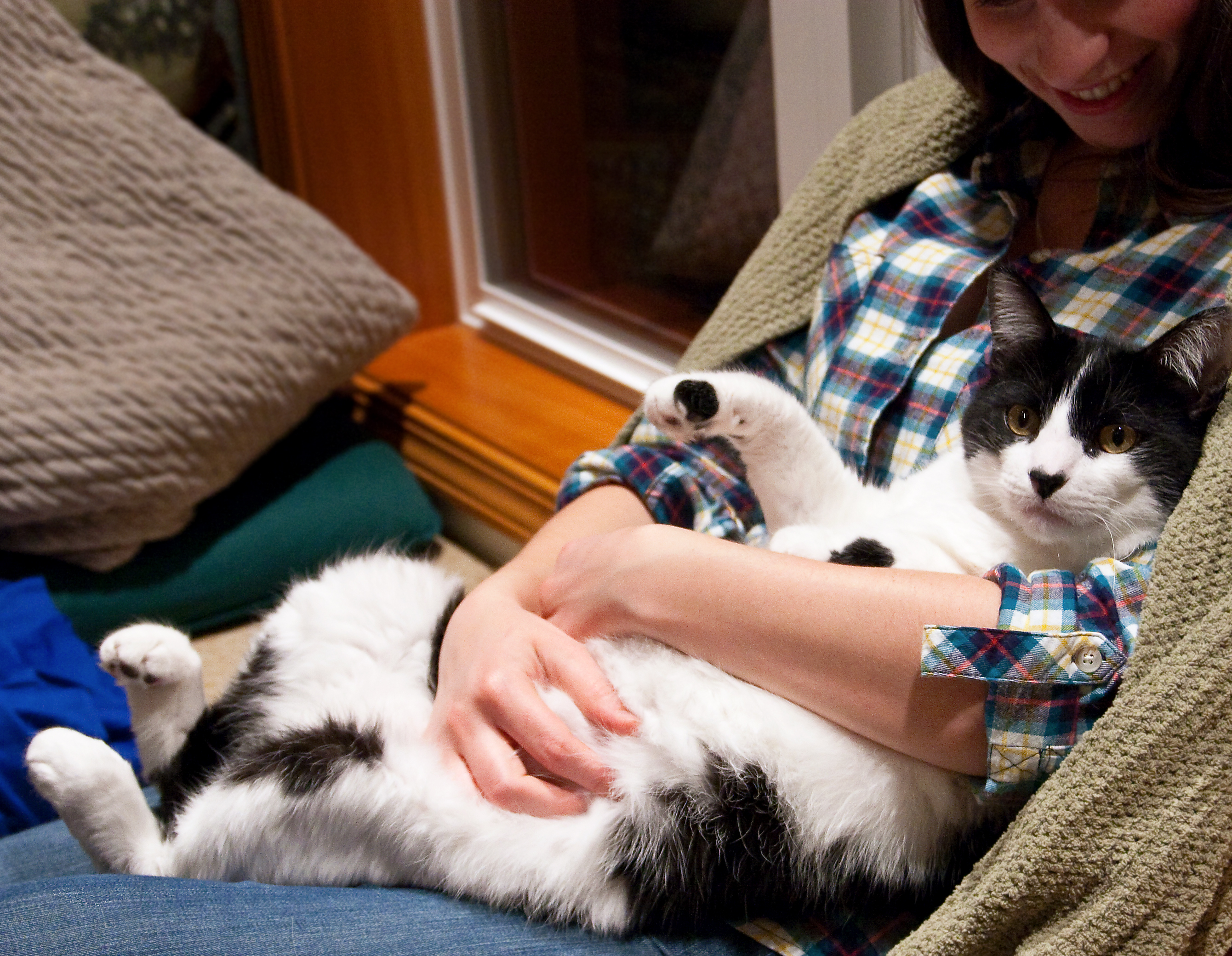
The next time your cat materializes the instant you settle down for some rest, remember that you’re witnessing thousands of years of evolutionary programming combined with genuine affection and trust. This behavior represents one of the most profound compliments a cat can give, essentially declaring that you are their chosen person, their source of warmth, security, and comfort.
Your horizontal form triggers multiple deeply ingrained responses: the pursuit of warmth for temperature regulation, the seeking of security for survival, the desire for social bonding for emotional well-being, and the strategic positioning for territorial surveillance. It’s a complex behavior that speaks to both the sophistication of feline psychology and the special bond you’ve developed with your companion.
What do you think about your cat’s lap-claiming behavior now that you understand the science behind it? Tell us in the comments about your own experiences with feline furniture syndrome.