You’ve probably woken up more than once to find your furry feline curled up at the end of the bed, right by y. It’s a curious habit, honestly. Out of all the places in your home where they could doze off, why do they gravitate to that particular spot?
The answer isn’t as straightforward as you might think. Your cat’s choice of sleeping position reveals a fascinating blend of ancient instincts, personal comfort preferences, and surprisingly, their feelings about you. Let’s dive in and uncover why your cat has claimed the foot of your bed as their favorite napping sanctuary.
The Safety Strategy Behind Foot Sleeping
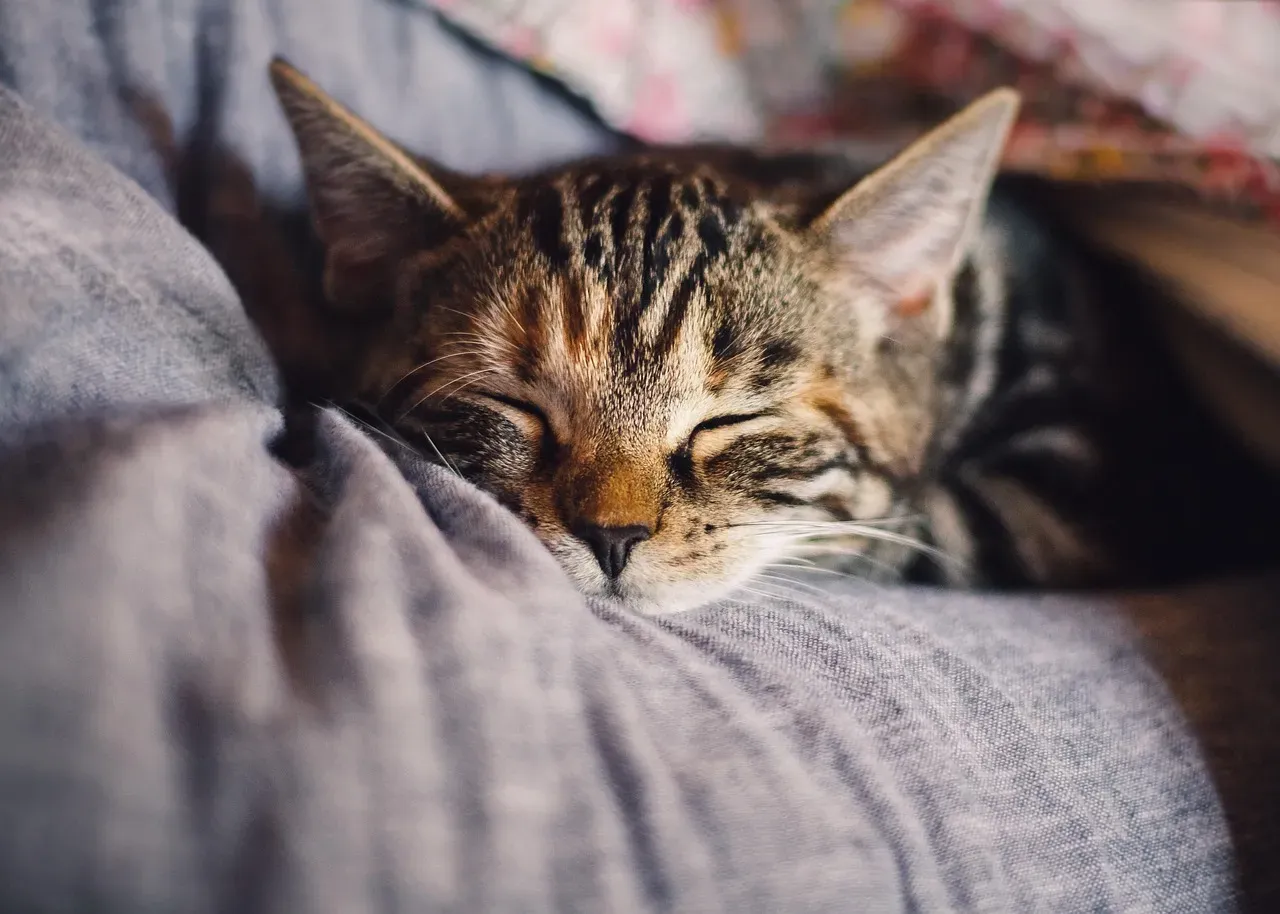
Cats are prey animals who stay aware of their surroundings even during sleep, which explains their preference for strategic sleeping locations. Sleeping at your feet allows them to stay alert while feeling protected, and positioning themselves there gives them a clear vantage point.
Think about it from their perspective. The foot of the bed offers something remarkable: proximity to you without being trapped. Sleeping near your feet gives them the security of an easy escape when positioned near the foot of the bed. This positioning allows your cat to monitor the entire room while maintaining a quick exit route if needed.
Cats intuitively understand that you’re most vulnerable when asleep, so they perch close by to keep track of things and alert you if something unexpected happens. Your feline friend isn’t just being adorable. They’re actually watching your back while you sleep.
Warmth Without Overheating
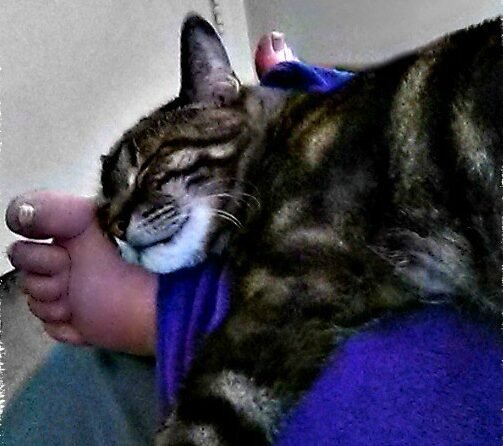
Your feet emit a steady source of warmth that mimics the soothing heat cats seek for relaxation, a preference that ties back to their behavior as kittens when they would huddle together for comfort and warmth. Let’s be real, cats are notorious heat seekers.
Cats prefer warm environments and are most comfortable in temperatures ranging from seventy-seven to eighty-six degrees Fahrenheit. Here’s the thing, though. Many cats start off sleeping on their owner’s head or chest where it’s warm, but over the course of the night, all that warmth can become too much, prompting them to move to the cooler climes around your feet.
Your feet provide the perfect temperature balance. While your chest or stomach might feel too warm under thick blankets, your feet offer a more balanced temperature that’s warm but not overwhelming. This Goldilocks zone keeps them cozy without making them uncomfortably hot.
Trust Expressed Through Distance
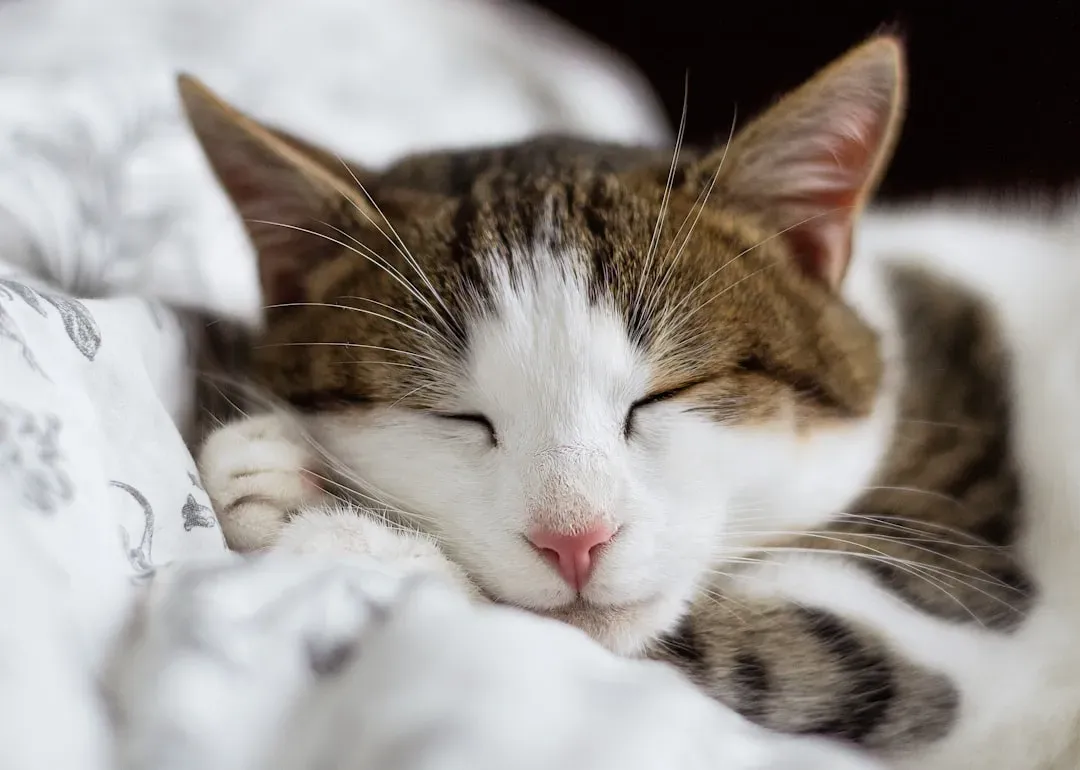
Research found that felines often select sleeping spots that allow them to feel close to their human while maintaining an easy escape route, which explains why many cats position themselves at the foot of the bed. It might seem counterintuitive, but your cat’s choice to sleep at your feet rather than on your chest is actually a compliment.
Rather than clinging to you, your cat is demonstrating a healthy level of affection while keeping its options open. This behavior reflects feline independence beautifully. Cats prefer to rest at their owner’s feet as a sign of respect for personal boundaries and as a testament to the profound bond between cats and humans.
When a cat chooses to sleep at their owner’s feet, it’s often a sign of deep trust because cats don’t sleep near people they don’t feel safe with, and by settling near your feet, your cat is showing it feels secure enough to relax. Your feline companion feels safe enough to sleep near you but confident enough not to need constant contact.
The Practical Side of Foot Positioning
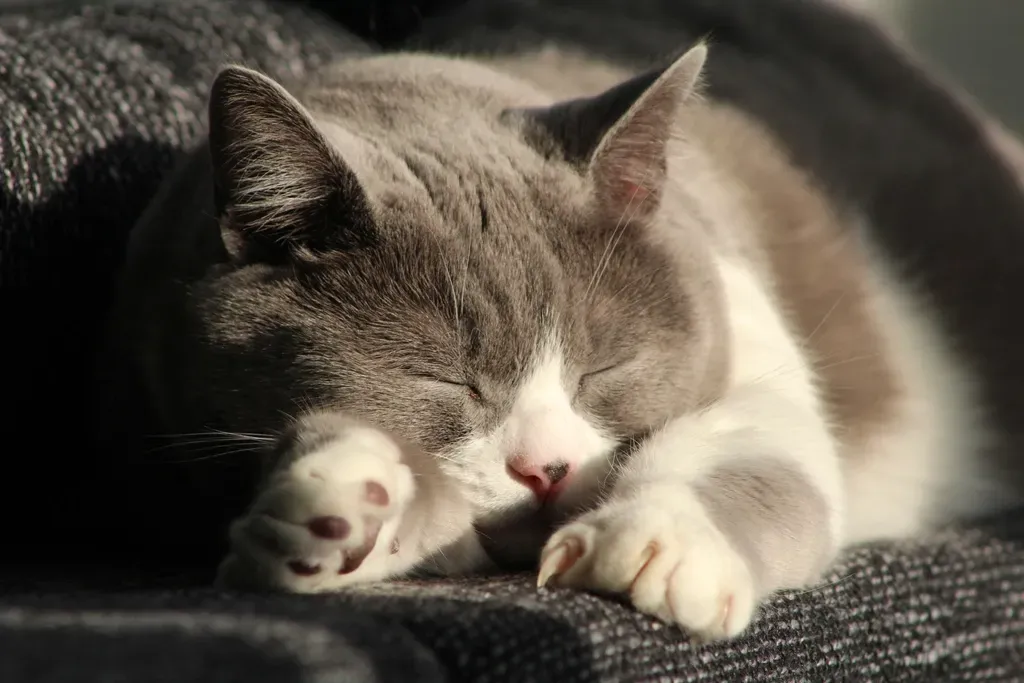
Unlike your upper body which moves more as you sleep, y provide a relatively stable area, and this positioning allows your cat to remain close without being disturbed by sudden movements. Cats are masters of efficiency and comfort optimization.
They understand that your head and chest move a lot while you sleep, so instead of being jostled around, they pick your feet, and by sleeping there, your cat stays close but doesn’t get in the way. Honestly, it’s pretty considerate when you think about it.
Hanging out closer to your feet allows your cat to take a more central position in the bed giving them a three-hundred-sixty-degree view of their surroundings, and because the sheets are usually tucked in at the foot, being near your feet keeps them from getting caught in the bedding if they need to react quickly. This position gives them both comfort and tactical advantage.
Territory Marking Through Scent
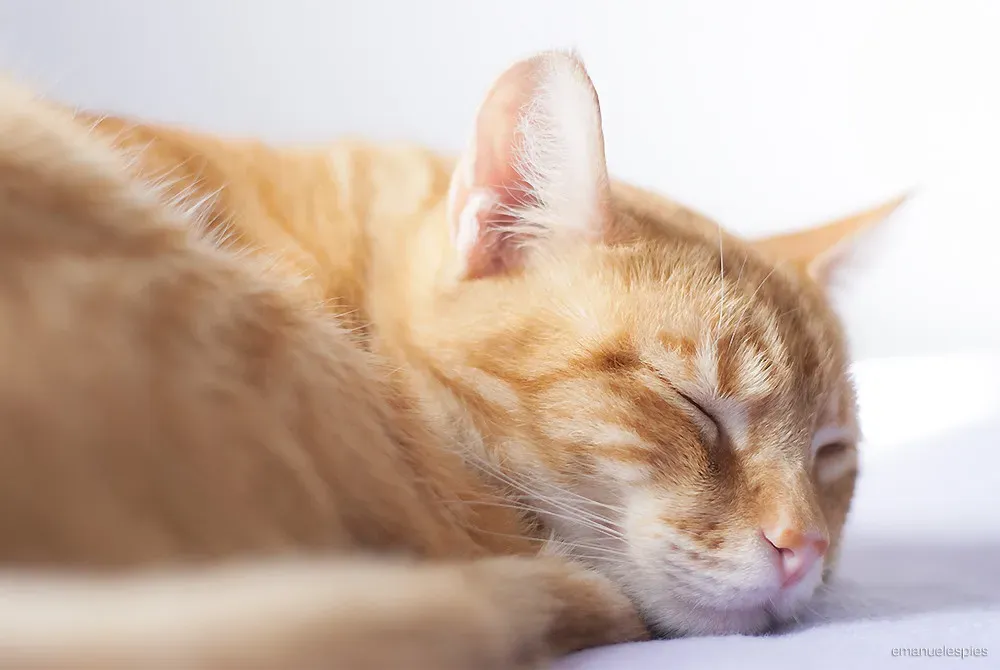
Felines use scent to feel safe and mark their territory, and since your feet carry strong recognizable smells, your cat may prefer sleeping there as a way to feel reassured while reinforcing its bond through scent association. Your feet might not seem glamorous to you, but to your cat, they’re fascinating.
Cats rely heavily on scent in their daily lives, and y carry a strong and familiar smell that is comforting and reassuring, so when your cat curls up by your feet, it surrounds itself with your unique scent, creating a safe ambiance. This behavior serves a dual purpose.
Cats are territorial and release pheromones from their scent glands to claim territory, so sleeping on you is a way for them to mark you as part of their social group by rubbing their heads or bodies when they sleep at your feet. Your cat is essentially saying you belong together.
Routine and Consistency Comfort
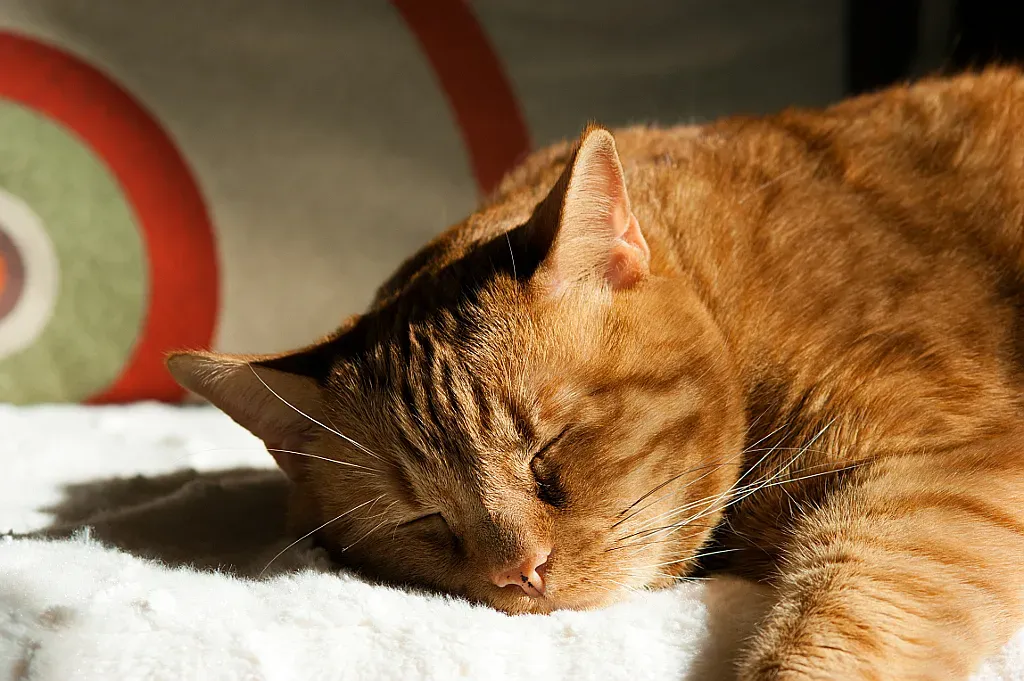
If your cat sleeps at your feet every night, you’re part of their routine because cats love consistency, and a stable sleeping arrangement helps them feel secure. Felines are creatures of habit in the truest sense.
Cats like routine a lot, with their days usually being the same pattern of eating, grooming, playing and sleeping, and once they find a spot they like, they tend to stick with it, so if your cat has tried sleeping at your feet and liked it, that place becomes their go-to spot.
Routine gives cats security, and sleeping at your feet becomes part of what makes them feel peaceful and secure. This predictable pattern helps reduce stress and anxiety in your pet. Breaking this routine by suddenly denying them access to their chosen sleeping spot could actually cause distress.
Respecting Your Sleep Quality
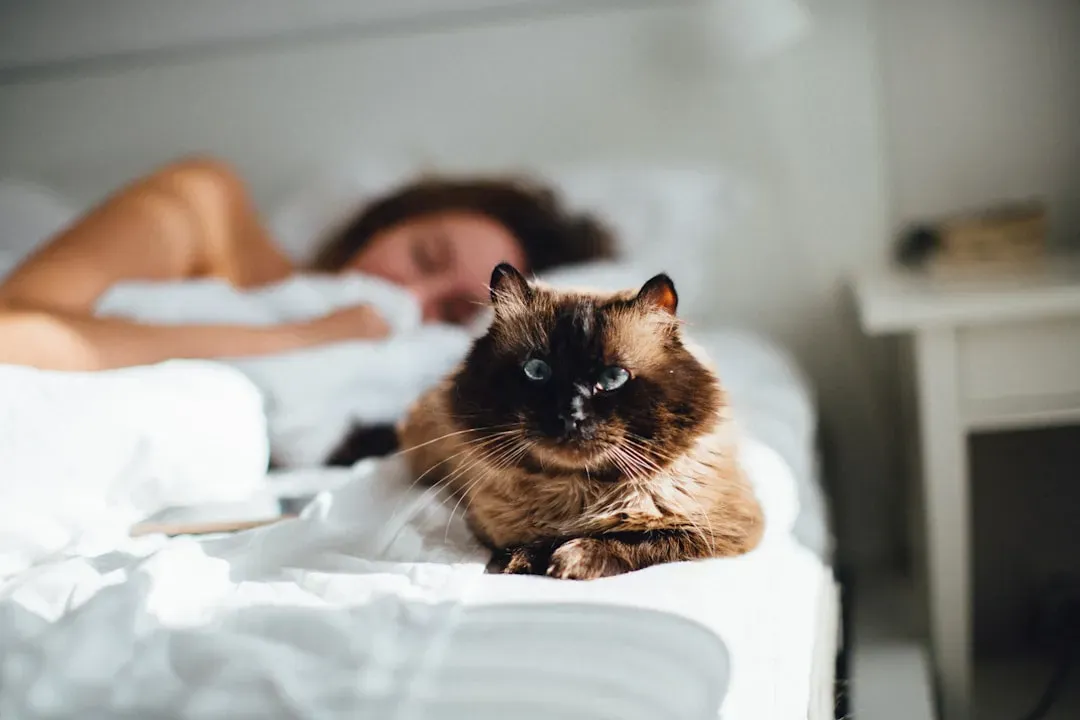
Cats are inherently in tune with their environment and seem to understand the importance of a good night’s rest for their human counterparts, so by choosing to curl up at the end of the bed, their preferred sleeping position provides them safety while exhibiting remarkable consideration for not interrupting sleep. I think this is one of the most underappreciated aspects of cat behavior.
Your cat actually seems to understand that you need uninterrupted rest. Their desire to balance their comfort with ours aligns with our pet sleeping preferences. They’ve figured out how to be near you without waking you up every time they shift position or decide to groom themselves at three in the morning.
This choice reflects an impressive level of social intelligence. Your cat has learned that sleeping at y lets them enjoy your company while allowing both of you to get quality rest.
The Protective Instinct Factor
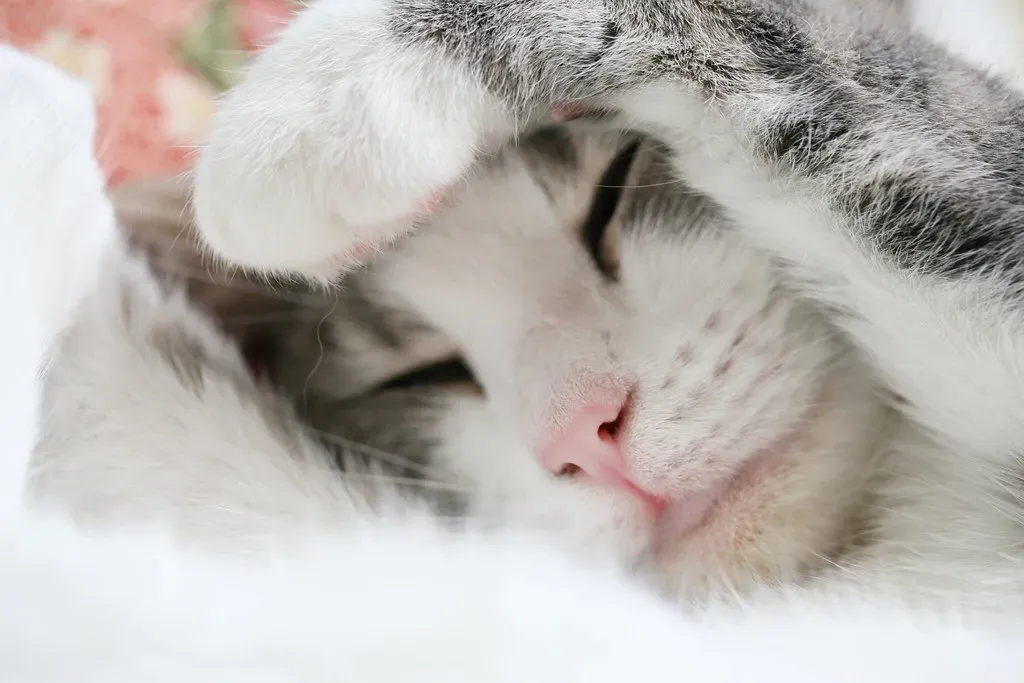
Some cats are protective of their human companions, and it’s common for cats to sleep at y because they intuitively understand that you’re most vulnerable when asleep, perching close by so they can keep track of things and alert you if something unexpected happens. This might sound crazy, but your cat may genuinely be guarding you.
Your cat may see themselves as your personal night watch. While they’re domesticated, cats still retain their predatory instincts and awareness. Cats like to sleep at their owner’s feet for protection because they are instinctively aware of their surroundings and like to be able to see what’s going on, and when they sleep at their owner’s feet, they can keep an eye on their surroundings and protect their owner if necessary.
This protective behavior stems from the bond you’ve formed. Your cat doesn’t just tolerate you. They consider you part of their family unit worthy of protection.
Temperature Regulation Throughout the Night
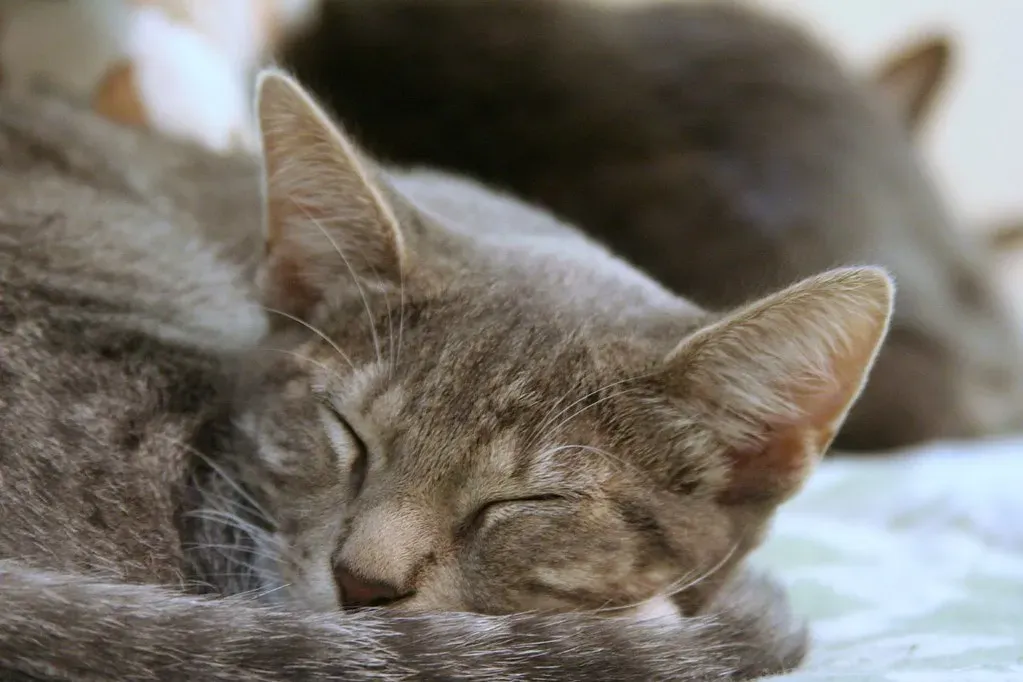
Cats possess a unique internal thermostat and frequently adjust their location to maintain optimal body temperature, switching between snuggling up close for warmth and choosing cooler areas of the bed or room. Cats are remarkably efficient at thermoregulation.
Your feet serve as a variable heat source that cats can move closer to or farther from as needed. One major reason cats love sleeping at your feet is simple: warmth. However, this isn’t a fixed preference throughout the entire night.
Cats are highly responsive to their surroundings, and key environmental factors include cool temperatures which increase curling or loafing postures, warm conditions which create preference for stretched or sprawled positions. Your cat’s position near y allows them to micromanage their body temperature by adjusting their distance and position throughout the night.
Conclusion: Understanding Your Cat’s Sleeping Choice
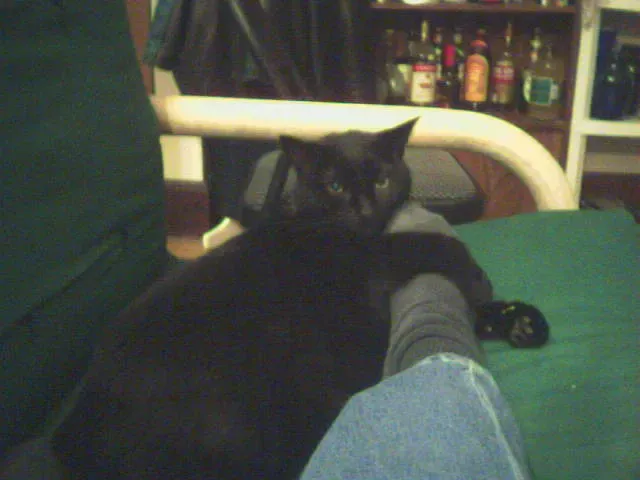
Your cat’s decision to sleep at your feet is far from random. It’s a carefully calculated choice that balances instinct, comfort, safety, and affection. Each sleeping position reveals something unique about their personality, instincts, and how they feel about you.
The fact that cats choose to sleep near you at all is a strong indicator of trust because cats are instinctively cautious sleepers, and in the wild they remain alert to potential threats even while resting, so by curling up close to you, your cat is signaling that they feel safe in your presence.
The next time you find your feline friend nestled at your feet, remember that this seemingly simple behavior reflects thousands of years of evolutionary instinct combined with the unique bond you share. They’ve chosen you as their safe space, their warmth source, and their companion. What’s your cat’s favorite sleeping spot? Does it reveal something special about your relationship?