You’ve witnessed it countless times. Your cat suddenly freezes mid-step, fixated on empty space with an intensity that makes your skin crawl. Their eyes lock onto what appears to be absolutely nothing, unblinking and eerily still. This mysterious behavior has puzzled cat owners for centuries, spawning everything from scientific theories to supernatural folklore.
What if I told you that your cat isn’t staring at nothing at all? The reality behind this enigmatic feline behavior is far more fascinating than you might imagine, blending cutting-edge sensory science with ancient cultural beliefs that span continents and millennia.
The Science Behind Superior Senses
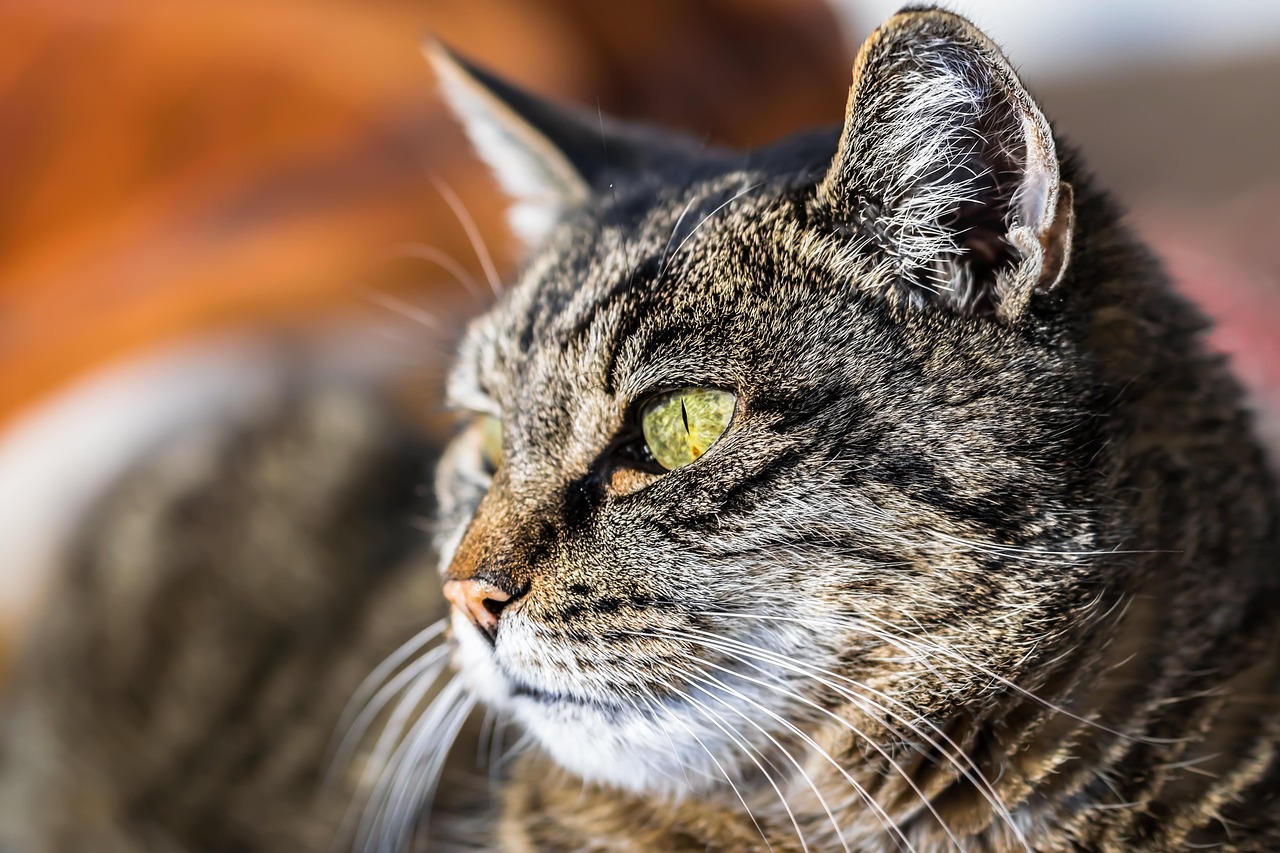
Cats possess sensory abilities that far surpass human perception. Their eyes are specially designed with a high concentration of rod cells, allowing them to detect even the slightest movements in low-light conditions. Think of it this way: while you’re admiring a seemingly empty corner, your cat might be watching a microscopic drama unfold.
Additionally, cats can see ultraviolet light, opening up a whole new spectrum of visual information that’s completely invisible to humans. Cats’ eyes have the ability to see ultraviolet (UV) light, which is invisible to the human eye. Interestingly, a 2014 study found that cats, along with dogs, are capable of detecting ultraviolet light. This means they can see not only when the light is dim but also reflections and glints of light that humans cannot see. Imagine living in a world where dust particles shimmer like tiny stars.
Cats have eyes that are designed to pick up on the slightest micro-movements, whether it’s a little wave of a curtain, a floating dust mote or a microscopic insect buzzing around. So that “nothing” they’re staring at is likely something. It’s just that, as mere humans, we don’t have the correct type of hardware to perceive it.
Extraordinary Hearing Beyond Human Range
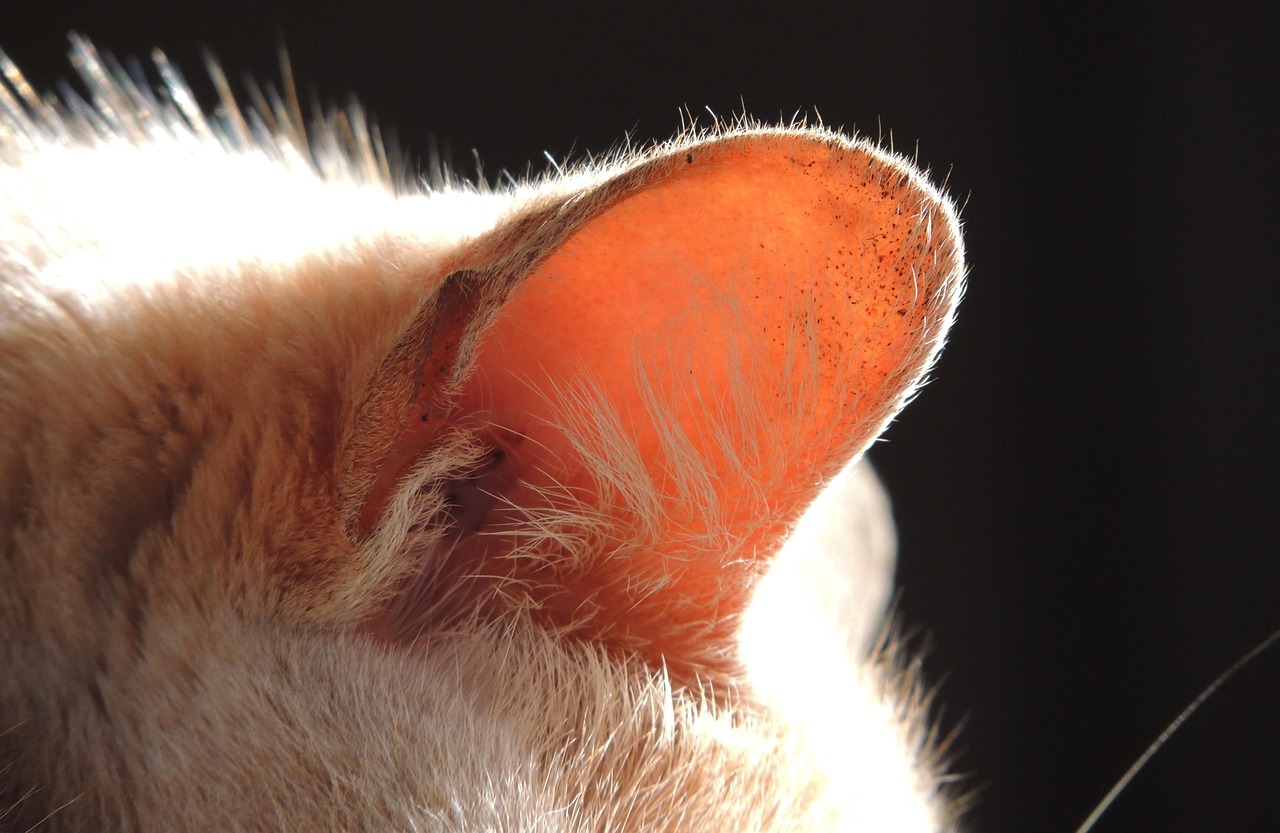
Their hearing is equally impressive, with the ability to detect frequencies up to 64,000 Hz – nearly triple what humans can hear. This means your cat might be focusing on sounds from within your walls, such as mice or insects, that are completely imperceptible to human ears. Humans can only hear as high as 20,000 hertz while cats can hear up to 64,000 Hz. Suchak also says that cats can hear at a lower volume. Where humans can hear high and low sounds if they’re loud enough, cats can pick them out at lower decibels.
They can even hear the cockroaches in your walls, Suchak says, which a.) gross and b.) likely sounds “like a scritching noise” to your cat. Picture sitting in what you consider perfect silence while your cat is experiencing a symphony of sounds you’ll never detect.
So maybe your cat is hearing something on the other side of the wall, whether it’s a clanking pipe, a mouse scampering around behind the wall, something making noise in a neighboring apartment or someone chatting outside. Their world is constantly filled with acoustic information that escapes our limited human perception.
Ancient Predatory Instincts at Work

When cats stare intently at seemingly nothing, they’re often engaging their natural predatory instincts. When cats stare intently at seemingly nothing, they’re often engaging their natural predatory instincts. This behavior hearkens back to their prey-stalking instinct. Cats are ambush predators, so they don’t immediately charge after their target. “When they detect something that might be prey, they should wait and see before chasing,” Suchak says.
Then once they do chase and it disappears, they should wait it out.” Anyone who’s seen a mouse knows how they silently flash by, so cats have evolved to register these subtle movements, and patiently track that spot when the rodent inevitably ventures out. This explains why your indoor cat might fixate on the same wall spot for extended periods.
If you’ve ever watched a cat hunt, you’ll notice that they watch their prey before getting into the tell-tale pounce pose. They do this to ensure the timing is right for success. Your cat may be watching a spider walk along a wall and is determining the best time to pounce! Every stare is a calculated surveillance mission.
The Mysterious World of Cat Vision
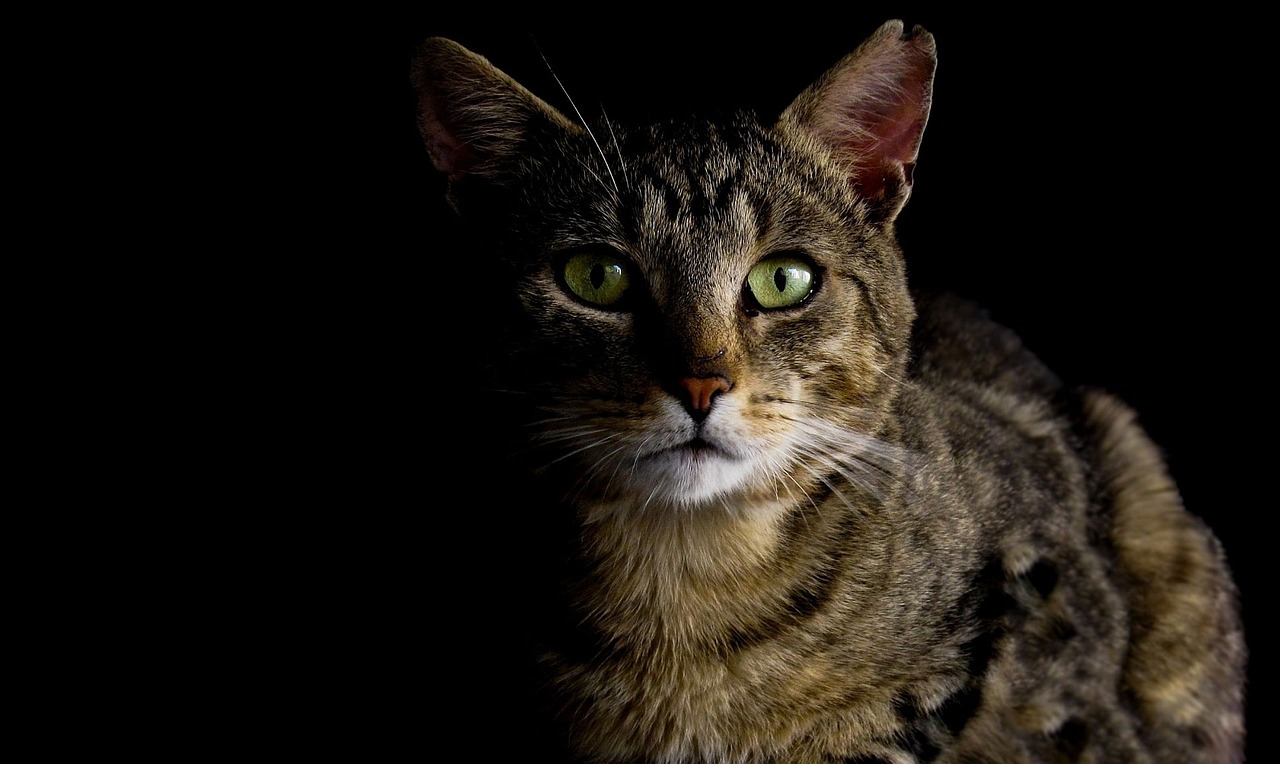
Cats see the world differently from humans. For example, have you ever noticed your cat staring at something at night when you can’t see a thing? That’s because they have excellent night vision. Regarding sight, cats’ modest color vision is “actually a trade-off with night vision,” Suchak says.
Cats have a sharp sense of sight, so they’re able to see things in clear detail at a distance and have excellent vision in low light. Such good eyesight allows your cat to see things that you may not be able to see, like a tiny spider, fly or ant. While we might think they are looking at nothing, it’s very well possible they can see something as minuscule as sunlight glinting off a fleck of dust.
For example, Suchak noticed her cat “always staring at this one spot at a certain time of night” until one day she realized it was a gap in the curtains that revealed a flash of light of a passing car. “It just looked like he was staring at the same part of the wall all the time,” Suchak says, but in his mind he was “monitoring it to see if that was gonna come back.” Your cat might be tracking patterns you never notice.
Spiritual and Supernatural Beliefs
Ancient Egypt: Cats were associated with gods and thought to have protective powers. Middle Ages: Cats were often linked to witches and thought to have magical properties. It’s reported that ancient Egyptians kept cats closeby so they could communicate with the spirit realm; they thought of cats as mediators between humans and spirits. If we take this as true, it may explain the long cat stares and unexplained sounds and activity.
In ancient Egypt, cats were worshipped as sacred beings and were believed to embody the protective spirit of the goddess Bastet. In Japanese folklore, the “Maneki-neko” or beckoning cat is a talisman believed to bring good fortune and ward off evil spirits. Similarly, in Celtic mythology, cats were seen as guardians of the Otherworld and were thought to possess the ability to see supernatural beings.
There is a belief that cats can see or sense spirits or entities that are invisible to the human eye. Their behaviour – such as staring at nothing, hissing at unseen objects, or acting startled – can sometimes lead people to think they are reacting to spiritual presences. This notion is common in various cultures that regard cats as spiritual beings capable of detecting otherworldly activity. Whether you believe in the supernatural or not, the consistency of these beliefs across cultures is remarkable.
Environmental Sensitivity and Energy Detection
Many cat owners (and even some scientists) believe cats are particularly sensitive to subtle environmental changes – including things like barometric pressure shifts before a storm or distant vibrations. Cats can sense vibrations that humans can’t. If there’s a minor tremor or movement behind walls, like a mouse, your feline friend will be the first to detect it.
Modern spiritual practitioners often speak of cats’ ability to absorb and neutralize negative energy. They point to behaviors like purring – which occurs at frequencies known to promote healing – and cats’ tendency to rest in specific locations as evidence of their energy-clearing abilities. Some believe that when cats rub against people or sleep near them, they’re actually sharing protective energy and cleansing their owner’s aura.
Cats are often seen as protectors against negative energies. Their keen senses and alert nature have led many to believe that cats can detect and ward off malevolent spirits. This perception bridges the gap between scientific observation and spiritual interpretation.
When Staring Becomes Concerning

While most staring behavior is normal, persistent staring accompanied by confusion, disorientation, or other unusual symptoms might indicate cognitive dysfunction in older cats or other health issues. Cognitive dysfunction is a common occurrence as cats age. Many cats may begin to show some signs of cognitive changes as they age, with more significant dysfunction typically becoming apparent in cats over 15 years old, with memory, awareness, learning ability, and sensory perception potentially failing gradually. As cats experience confusion that comes with mental decline, they may stare blankly at walls or off into space, often showing additional signs.
Altered mentation may happen during a focal seizure, causing cats to stare blankly at nothing. Cats may also snap their mouths in a behavior called fly-biting, with some swatting at the air or becoming aggressive. After researching feline seizures, staring at nothing is one of many signs. These neurological issues require immediate veterinary attention.
The Therapeutic Value of Feline Focus
Happy, healthy kitties receive a good dose of physical and mental stimulation every day, especially if it taps into their instincts. “I think things that stimulate their natural tendencies are often in the ‘good’ category,” Suchak says, calling it a kind of enrichment. Plus, she adds, if your cat is exercising predatory skills by homing in on a mysterious sound, then your pet isn’t using them to pounce on your unsuspecting toes.
Cats are some of the greatest Buddhist teachers around. They eat when they’re hungry and sleep when they’re tired: a radical way of life that many of us humans have yet to grasp. They can hold a single point of focus for an extended period of time, seemingly in some sort of trance. Perhaps there’s wisdom in their seemingly vacant stares.
Sometimes, a stare isn’t about what a cat sees, but what they’re thinking about. Cats love to sleep and have been known to doze in and out while resting. That faraway look could just be your cat in a calm, sleepy daydream. Not every intense gaze needs a dramatic explanation.
Understanding the Balance
But if your cat obsesses over these fixations to the point that it disrupts their typical healthy behavior, that’s a cause for concern. While some stimuli are good, too much can create unhealthy stress. “Finding that perfect sweet spot can be a little tricky,” she says. In Suchak’s case, she switched to light-blocking curtains because she didn’t want her cat to be “tortured by the light that was flickering through all night.”
Investigate the source of their staring to determine if it’s an isolated behavior, especially if your cat stares at the same place at predictable points during the day. They may notice outdoor movements, changes in light, or sharp sounds that make them anxious. Sometimes, something as easy as closing the curtains is enough to give them relief. Simple environmental adjustments can make a significant difference.
But don’t fret about whether your cat lives in a bustling city or quiet rural area because an evolutionary strategy for all animals is the ability to “filter out stimuli that are irrelevant to you,” Suchak says. A city cat should will disregard everyday noise and lights while a farm cat will deal with a bright light. Cats are remarkably adaptable to their surroundings.
Conclusion
The next time you catch your feline companion locked in one of those mysterious stares, remember that you’re witnessing millions of years of evolution at work. When your cat stares at “nothing,” they’re probably just observing something you likely can’t see, hear, or feel. If you had the ability to pickup sounds, smells or sights to the same degree a cat can, you would probably stop and stare a little more than you do now.
Whether rooted in scientific sensory superiority or steeped in ancient spiritual beliefs, these moments reveal the profound differences between our human experience and the rich, complex world our cats inhabit. Their blank stares aren’t empty at all. They’re windows into a realm of perception that we can only imagine, filled with ultraviolet rainbows, ultrasonic symphonies, and perhaps energies we’ve yet to understand.
What do you think your cat sees during those intense staring sessions? The answer might be far more extraordinary than you ever imagined.