You’ve probably seen it happen. A cat slips from a countertop, tumbles through the air, and somehow lands gracefully on all four paws like nothing ever happened. It’s almost like watching a tiny, furry superhero in action. This remarkable ability has puzzled scientists for centuries and continues to fascinate anyone who’s ever lived with a feline friend. The truth is, this isn’t just luck or some magical power.
It’s a sophisticated combination of physics, biology, and evolution working together in perfect harmony. What makes this skill even more incredible is that it develops naturally in young kittens, appearing almost as if nature programmed them with an internal gyroscope. Let’s dive into the fascinating science behind this age-old mystery.
The Righting Reflex: Nature’s Built-In Autopilot
The cat righting reflex is a cat’s innate ability to orient itself as it falls in order to land on its feet. Think of it as an automatic response that kicks in whenever your cat finds itself upside down and airborne. This isn’t something cats learn from watching YouTube tutorials or practicing in their spare time.
The righting reflex begins to appear at 3–4 weeks of age, and is perfected at 6–9 weeks. By the time kittens are roughly two months old, they’ve essentially mastered an ability that would take humans years of gymnastics training to even attempt. The innate righting reflex is an automatic response that corrects the body’s orientation when it isn’t in its normal, upright position, allowing cats to land on their feet when they fall or jump to the ground.
The Vestibular System: Your Cat’s Internal Balance Detector
Deep inside your cat’s inner ear lies a sophisticated piece of biological engineering called the vestibular system. Otoliths in a cat’s inner ear detect changes in its acceleration and position relative to the ground, prompting its muscles to move in a way that helps it land on its paws. Honestly, it’s like having a built-in level that constantly monitors which way is up and which way is down.
This system doesn’t work alone, though. The vestibular apparatus inside a cat’s ear is used for balance and orientation and this enables cats to quickly figure out which way is up, and rotate their head so the body can follow. The moment a cat starts falling, these tiny structures send urgent messages to the brain, basically screaming that something’s wrong and immediate action is needed. Even a blind cat will right itself upon experiencing a fall.
Flexible Spine and Missing Collarbone: The Perfect Design
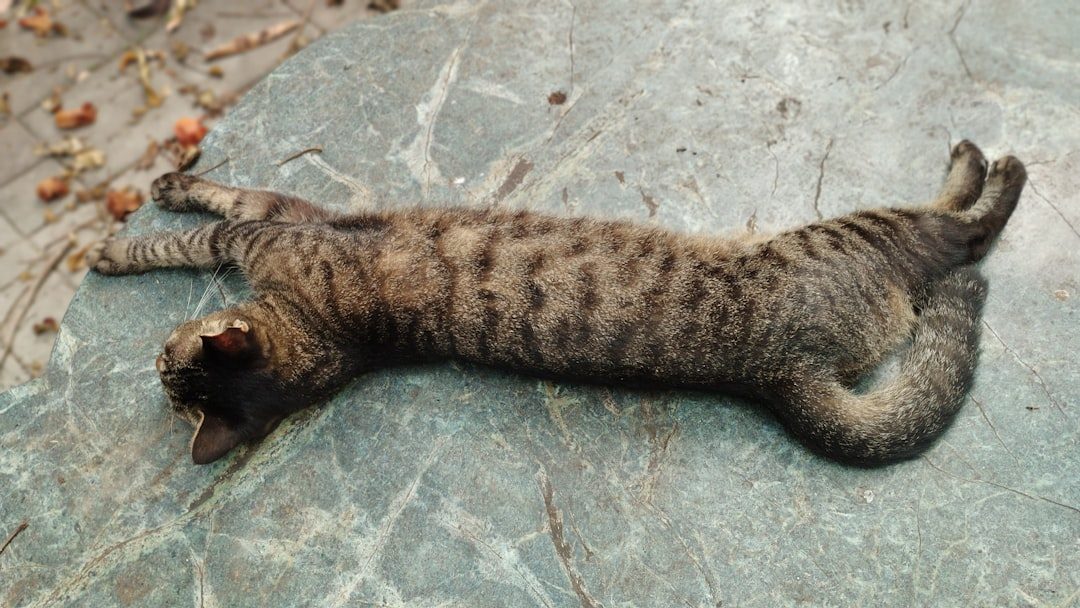
Here’s where cats really show off their evolutionary advantages. Cats are able to do this because they have an unusually flexible backbone and no functional clavicle (collarbone). Imagine trying to twist your body while falling, but without the rigid shoulder structure that limits your movement. That’s essentially what cats can do.
Cats have no functional collarbone and a very flexible backbone. This flexible spine means that they can correct themselves easily and quickly during a fall. Their skeletal structure is almost purpose-built for this maneuver. While we’re stuck with relatively stiff spines, cats can bend and twist their bodies in ways that seem almost impossible.
The Physics Behind the Flip: Conservation of Angular Momentum
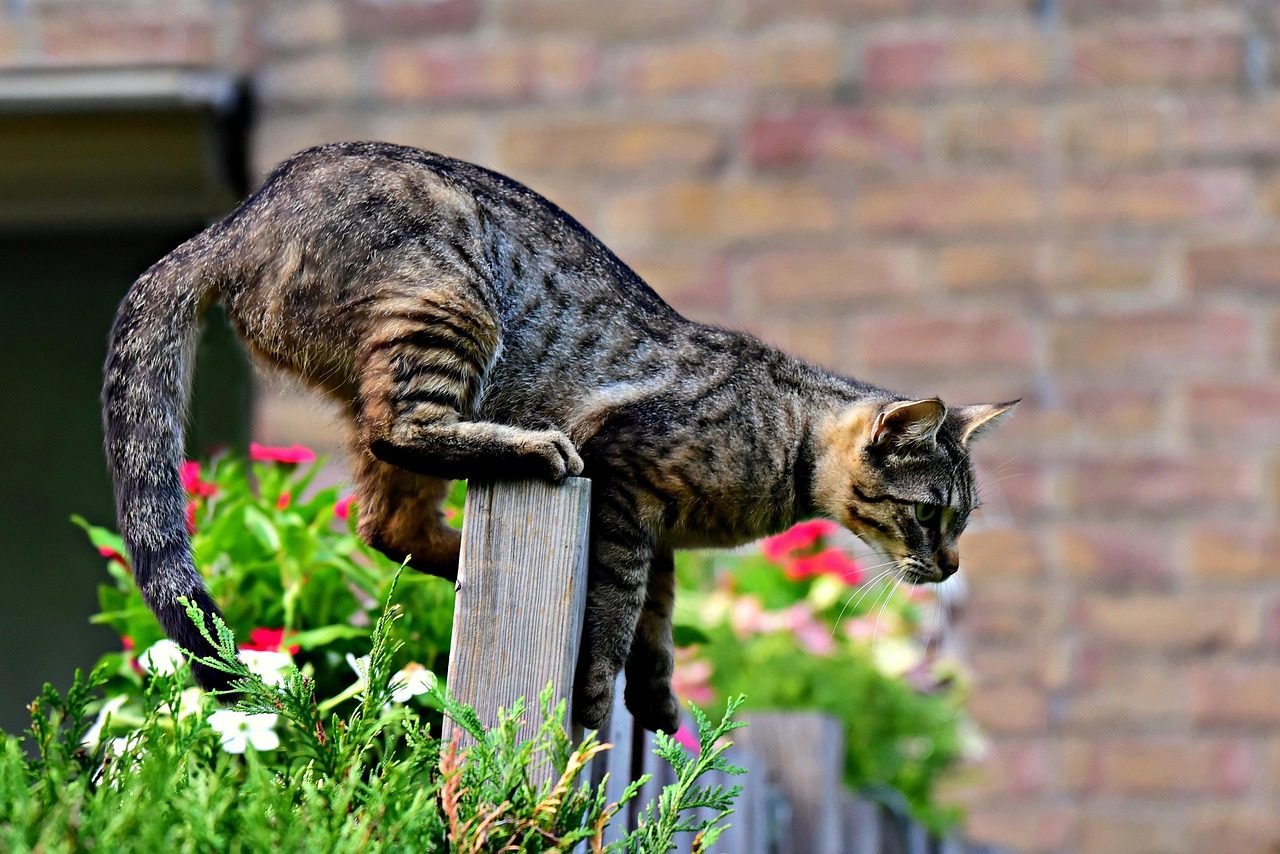
Let’s be real, this is where things get a bit mind-bending. One of the reasons that physicists were surprised that cats could rotate to always land on their feet is the conservation of angular momentum. The basic rule says that if something twists one way, something else has to twist the opposite way to balance things out.
So how do cats manage this seemingly impossible trick? Though “bend-and-twist” is the most important part of the cat’s manoeuvre, it clearly uses several different motions to turn as quickly and efficiently as possible. Cats essentially divide their bodies into two sections, rotating the front half one way while pulling their legs in, then rotating the back half while extending their legs. If there is an angle between these axes, the rotation of the cylinders creates a general compensatory rotation in the opposite direction to keep the total angular momentum at zero.
The Sequence of the Fall: A Split-Second Choreography

When you watch a cat fall in slow motion, you can see a precise sequence of movements happening incredibly fast. Cats rotate their head first to align with the ground. Then, using their front legs, they twist the upper body, followed by the lower body. This segmented motion allows them to achieve the correct landing position.
The righting reflex can take less than a second and a cat needs at least 12 inches (1 foot) to stick the landing. Think about that for a moment. In the time it takes you to blink, your cat has assessed its situation, calculated the required rotation, and executed a complex gymnastic maneuver. During the free fall, the cat’s body relaxes and spreads out, resembling a feline parachute.
The Tail Myth: Helpful But Not Essential
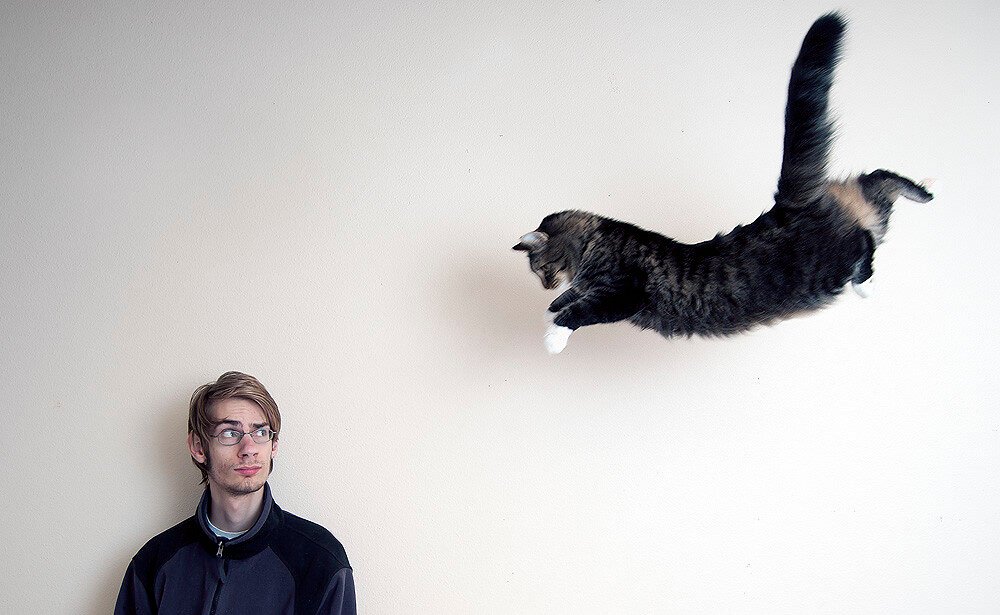
You might think the tail is the secret weapon here, swinging wildly to generate the rotation needed. The tail seems to help but cats without a tail also have this ability, since a cat mostly turns by moving its legs and twisting its spine in a certain sequence. I know it sounds crazy, but the tail is more like an optional accessory than essential equipment.
While not always necessary, a cat’s tail can act as a counterweight to fine-tune their orientation. Tailless cats manage the righting reflex just fine, though cats with tails do use them for extra stability and fine adjustments. Bending the body has the greatest impact, swinging the legs is the second most important movement, and the tail complements the overall effect.
Height Matters: The Surprising Fall Statistics
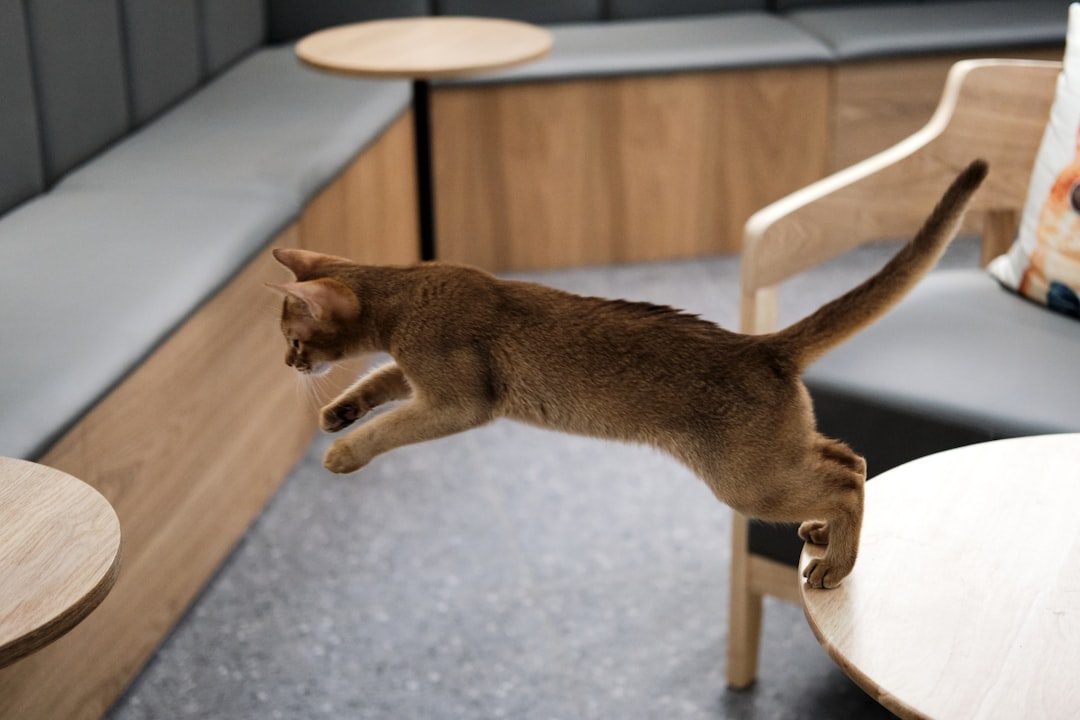
Here’s something that genuinely surprised researchers. Cats who fell from between 7 and 32 stories suffered less injuries, while those who fell between 2 and 6 stories sustained more injuries. This seems completely backwards until you understand what’s happening.
After falling five stories, the cats reached terminal velocity, at which point they relaxed and spread their bodies out to increase drag. From shorter heights, cats hit the ground before they’ve fully completed their righting reflex or spread out to slow their descent. Cats are unlikely to turn properly from less than 1 foot (0.3 meters). It’s hard to say for sure, but the sweet spot for survival seems to involve having enough time to complete the maneuver without building up too much speed.
Not Invincible: The Reality of Feline Falls
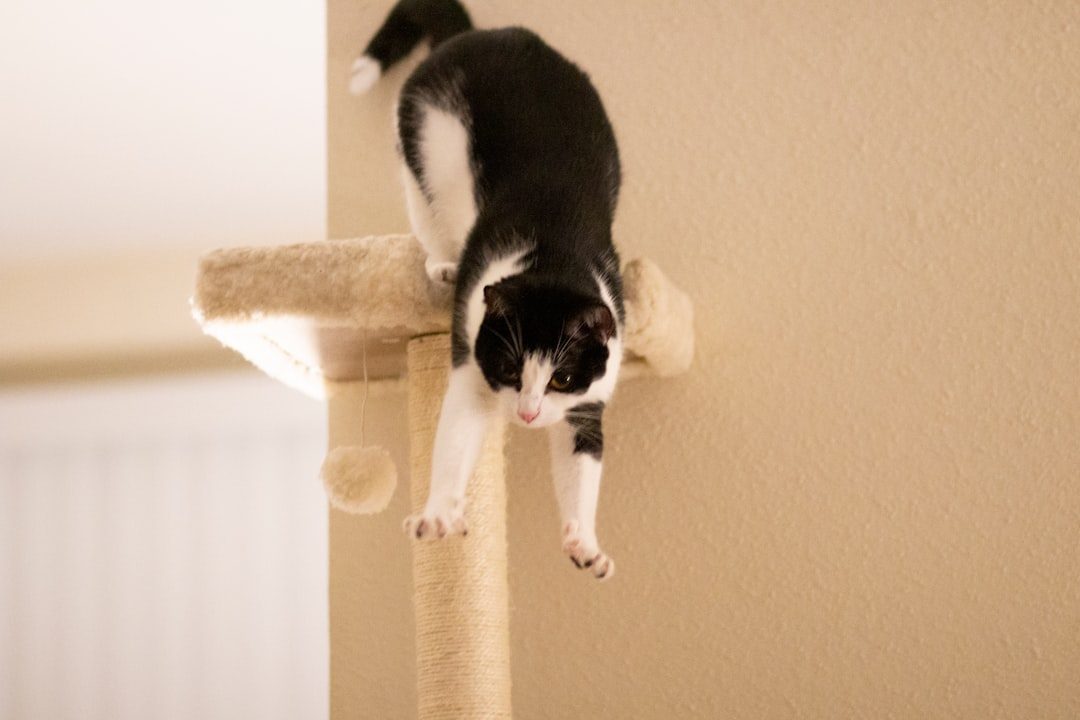
Despite their incredible abilities, cats aren’t immune to injury. With their righting reflex, cats often land uninjured. However, this is not always the case, since cats can still break bones or die from extreme falls. The righting reflex dramatically improves their chances of survival, but it’s not a guarantee of safety.
While cats often survive falls from moderate heights, they are not invincible. Severe injuries, including fractures and internal damage, can and do occur. Veterinarians even have a term for the cluster of injuries cats sustain from falls: high-rise syndrome. So while your cat might look like a superhero when sticking that landing, they’re still very much vulnerable to the laws of physics and gravity.
Conclusion
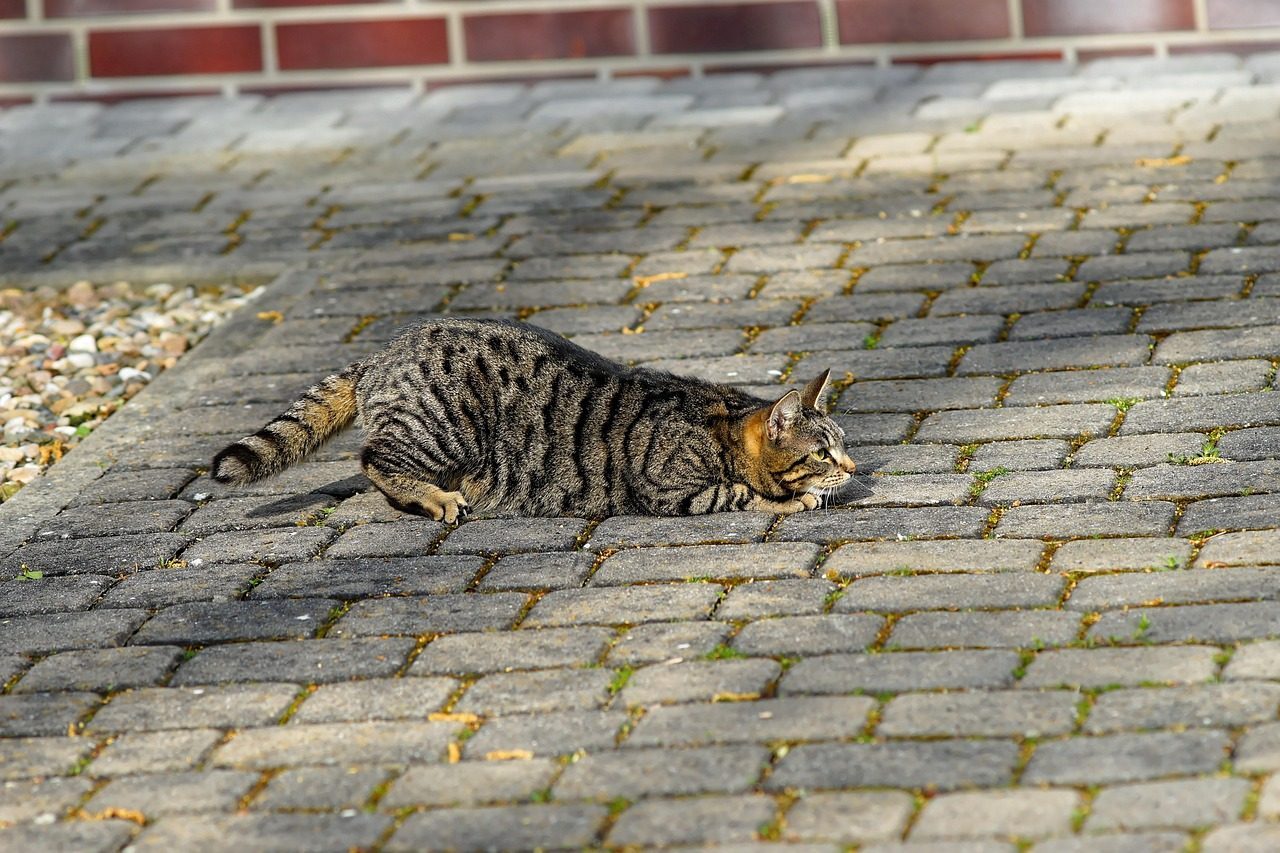
The mystery of why cats land on their feet turns out to be less about magic and more about millions of years of evolution perfecting a survival mechanism. From their flexible spines and absent collarbones to their sophisticated vestibular systems and innate reflexes, cats are essentially living proof that nature can engineer solutions more elegant than anything we could design. This remarkable ability develops naturally in kittens and stays with them throughout their lives, allowing them to navigate their climbing instincts with a built-in safety feature.
Still, it’s worth remembering that just because cats can land on their feet doesn’t mean they should be testing this ability from your apartment balcony. What do you think about this incredible feline superpower? Has watching your own cat perform this feat left you amazed?