You’ve probably experienced it. You’re having one of those heavy, quietly terrible days, slumped on the couch, not talking to anyone. Then, out of nowhere, your cat materializes. No invitation. No explanation. They curl right up next to you, or simply stare into your soul with those unblinking eyes, and somehow you feel just a little less alone. It’s not a coincidence, and it’s not magic, even if it feels that way.
For centuries, people chalked this up to mystery or lucky timing. Cats, after all, carry a reputation for being aloof and self-serving creatures that operate entirely on their own schedule. So why do they seem to show up precisely when you need them most? The answer lies somewhere in science, evolution, and the surprisingly deep emotional intelligence hidden behind those sleepy feline eyes. Let’s dive in.
Your Cat Is Reading You Like a Book
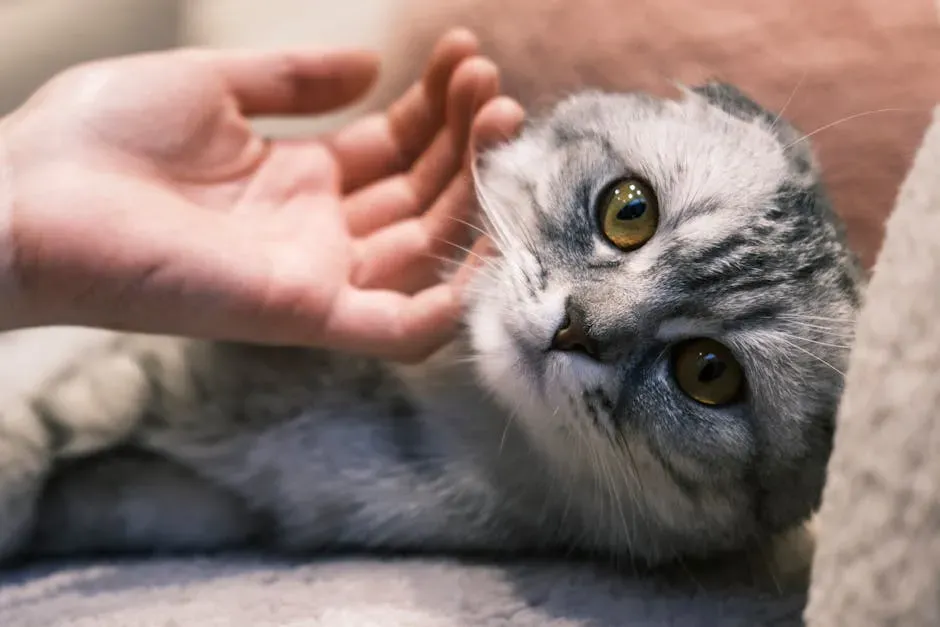
Here’s the thing: your cat watches you constantly. You might not notice, but they do. Cats are observant and intuitive, and this allows them to understand emotional cues from humans. Every time you walk through the door, every shift in your posture, every change in how you carry yourself – your cat is quietly registering all of it.
Cats are masters of observation, using a complex array of sensory inputs to understand their human companions, and researchers have discovered that cats can recognize human emotions by integrating visual and auditory signals. Think of them like tiny furry detectives that never clock out. They’re always on duty, cataloguing your habits without you ever realizing it.
Science Has Actually Proven This
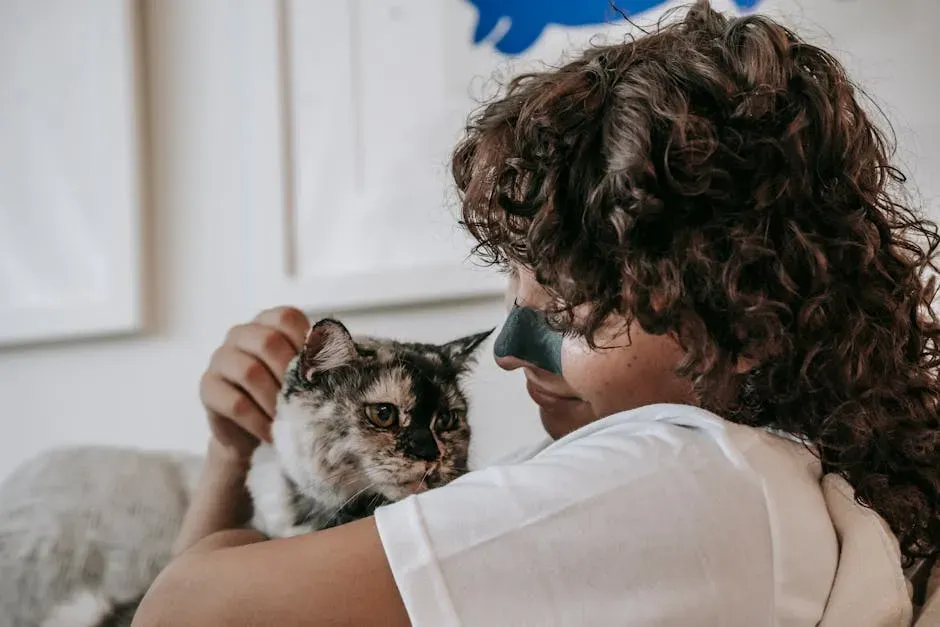
Honestly, this isn’t just the wishful thinking of devoted cat owners. Real research backs it up. Results from scientific studies demonstrate that cats integrate visual and auditory signals to recognize human and conspecific emotions, and they appear to modulate their behavior according to the valence of the emotion perceived. That’s a scientific way of saying your cat genuinely adjusts its behavior based on whether you’re happy or sad.
In a study published in 2020, it was shown that cats can integrate both visual and auditory signals to interpret human emotions, changing their behavior accordingly based on the emotions that they are detecting. This wasn’t a small sample of cats in a lab. Researchers studied 3,331 cats and their owners and found that cats mirrored their owner’s wellbeing and behavior, and vice versa. The numbers are pretty hard to argue with.
They Can Literally Smell Your Emotions
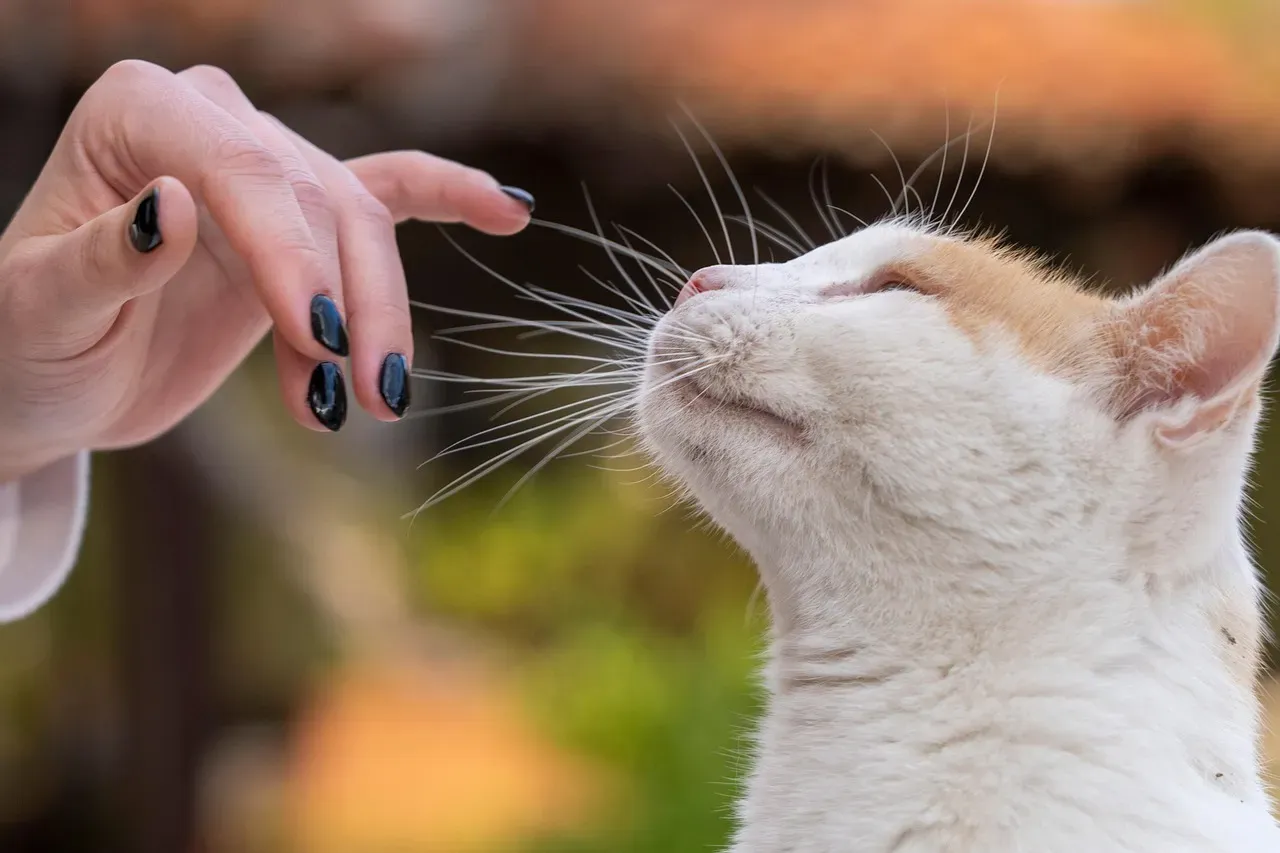
This is where things get genuinely fascinating. Beyond watching your face and listening to your voice, your cat may actually be sniffing out how you feel. A recent study shows cats can detect human emotions through scent, especially fear, suggesting our cat friends might understand us more than we realize. Your body chemistry actually changes when your emotional state shifts.
Researchers from the University of Bari Aldo Modo in Italy explored this by examining how cats react to human odors associated with different emotional states, conducting an experiment using odor samples from men exposed to different emotional states including fear, happiness, physical stress, and neutral. The study revealed that cats’ behaviors changed significantly based on the emotional odors presented, particularly fear-related scents, with cats exhibiting more severe stress-related behaviors when exposed to the “fear” odor. Your sweat, it turns out, tells a story your cat can read.
Your Voice Gives You Away Every Time
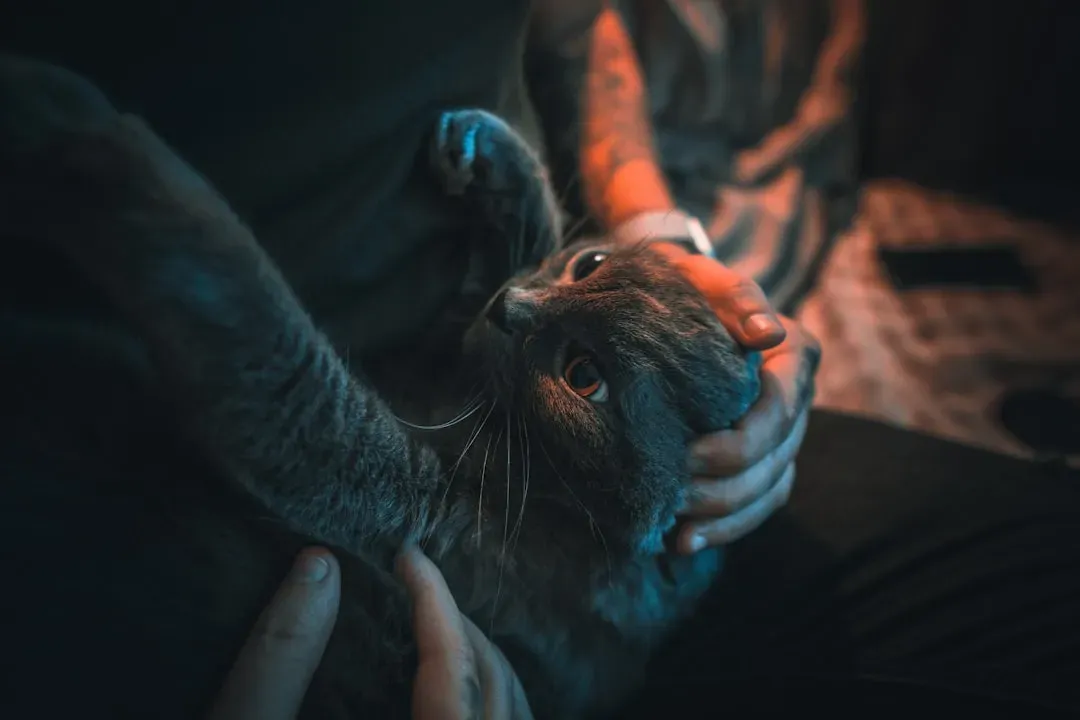
You might think you’re holding it together. But your cat knows otherwise. Tonal changes in your voice are an indication of how you’re feeling, with soft tones being comforting to cats, whereas louder, sharper tones will often cause them to run and hide. The moment your voice drops to that quiet, flat register that comes with sadness, your cat has already filed it under “something is wrong.”
If your feline friend has ever surprised you with their concern when you were feeling sad, this is because cats will often act on visual or auditory cues such as crying and will behave in reaction to this. It’s not mystical intuition. It’s your cat picking up on a specific audio signal – your crying, your quieter-than-usual voice – and responding accordingly. They’re listening even when you think nobody is.
They Know Your Routine Better Than You Do
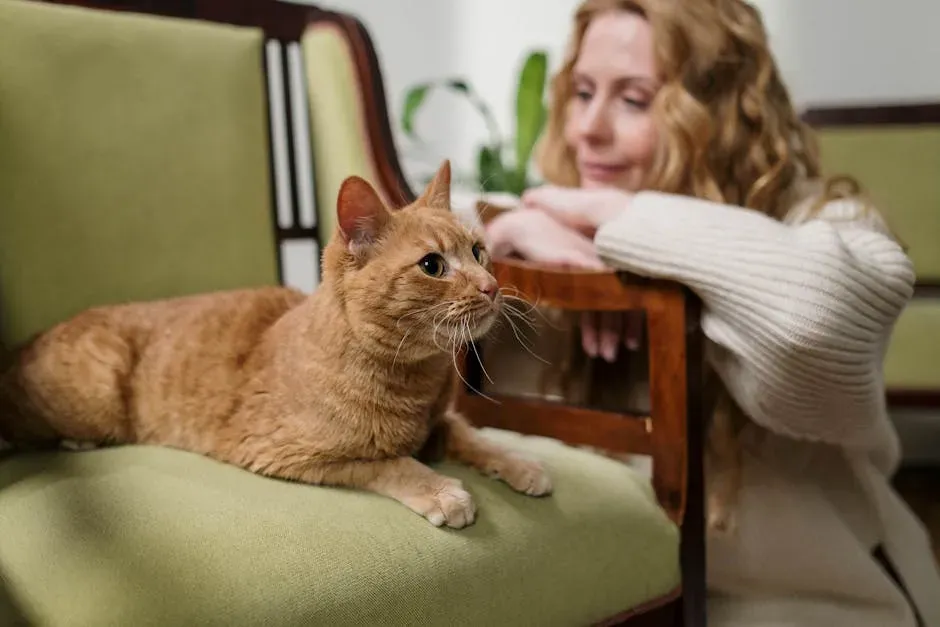
Cats are extraordinary creatures of routine and pattern recognition. They know when you wake up, when you eat, when you move, and what your normal pace of life looks like. So when everything slows down, when you stop moving around the house the usual way, they notice instantly. Cats use a multi-sensory approach, detecting sadness through facial expressions, voice tone, body language, and changes in routine or behavior, integrating these cues to understand their owner’s emotional state.
Cats learn through association. If a certain behavior, such as crying, is consistently followed by a specific outcome such as decreased attention or altered routine, the cat learns to associate the behavior with a particular emotional state. It’s almost like they’ve built a mental map of what your “normal” looks like, and the moment you deviate from it, alarms go off. I think this is one of the most underappreciated things about cats – they know your patterns better than most humans in your life do.
Social Referencing: Your Cat Uses You as a Compass
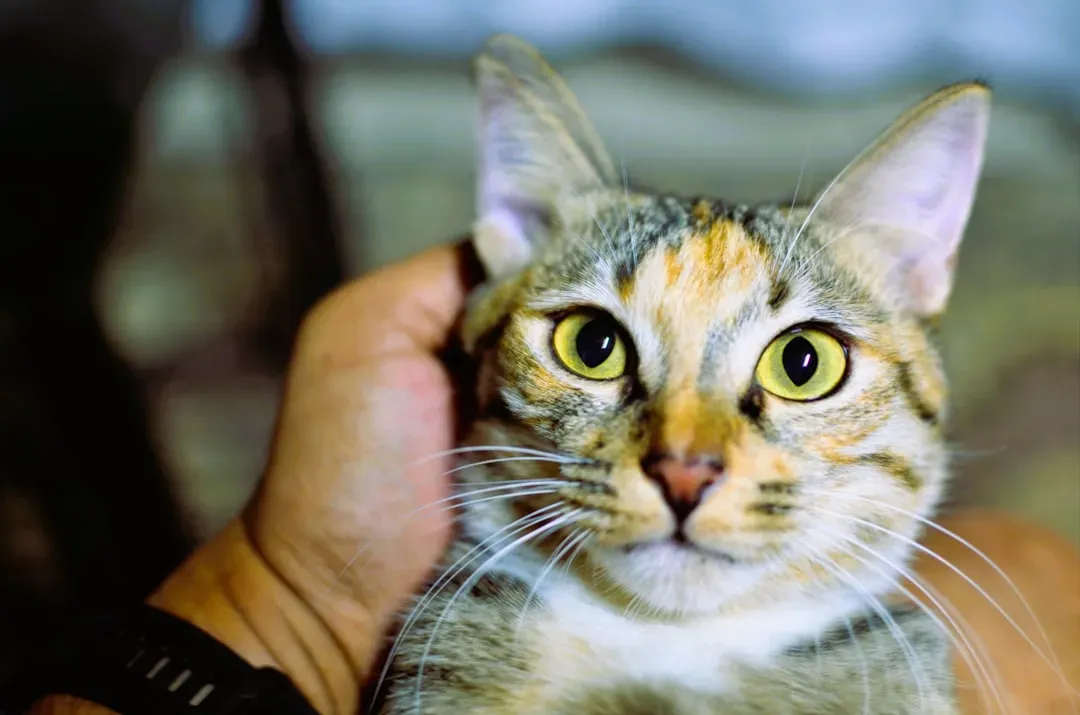
There’s a scientific concept called social referencing, and cats do it too. When it comes to cats sensing anxiety, they’re still looking at you to determine how you feel, but they’re doing it differently from how they sense depression. With emotions such as depression or happiness, your pet is picking up on what you’re saying or how you look and act. With anxiety, your pet is doing what’s known as social referencing.
Whether a happy or fearful tone was used, roughly 80 percent of cats were seen looking at their owners first before trying to determine how to act towards an uncertain situation, and many of the cats based their behavior on the disposition of their owners at that time. In other words, your cat looks to you first to figure out how to feel about the world. You are literally your cat’s emotional reference point. That’s a relationship far deeper than most people give credit for.
Your Sadness Affects Them Too
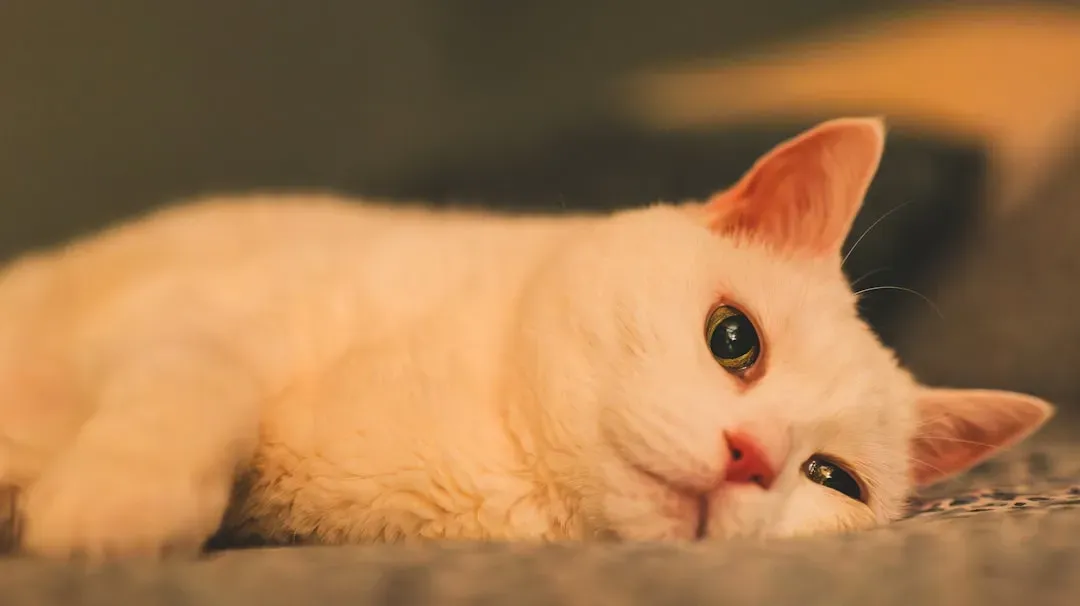
Here’s something that might actually surprise you. Your emotional state doesn’t just influence how your cat behaves toward you – it can genuinely affect your cat’s own well-being. Some cats may even mirror their owner’s sadness, exhibiting signs of low energy, decreased appetite, or withdrawn behaviour. This empathetic mirroring could be a manifestation of the strong emotional bond between cat and owner, with the cat experiencing a form of shared distress.
Owners who were generally healthy and happy were more likely to report that their cats were healthy and happy. Owners who felt stressed and anxious were more likely to report that their cats were aggressive, anxious, or fearful, and had ongoing medical conditions. So this really is a two-way street. Your mood is contagious to your cat, which means caring for your own emotional health is also an act of care for theirs. You and your cat are more interconnected than most people ever realize.
The Healing Power of That Purr Is Real
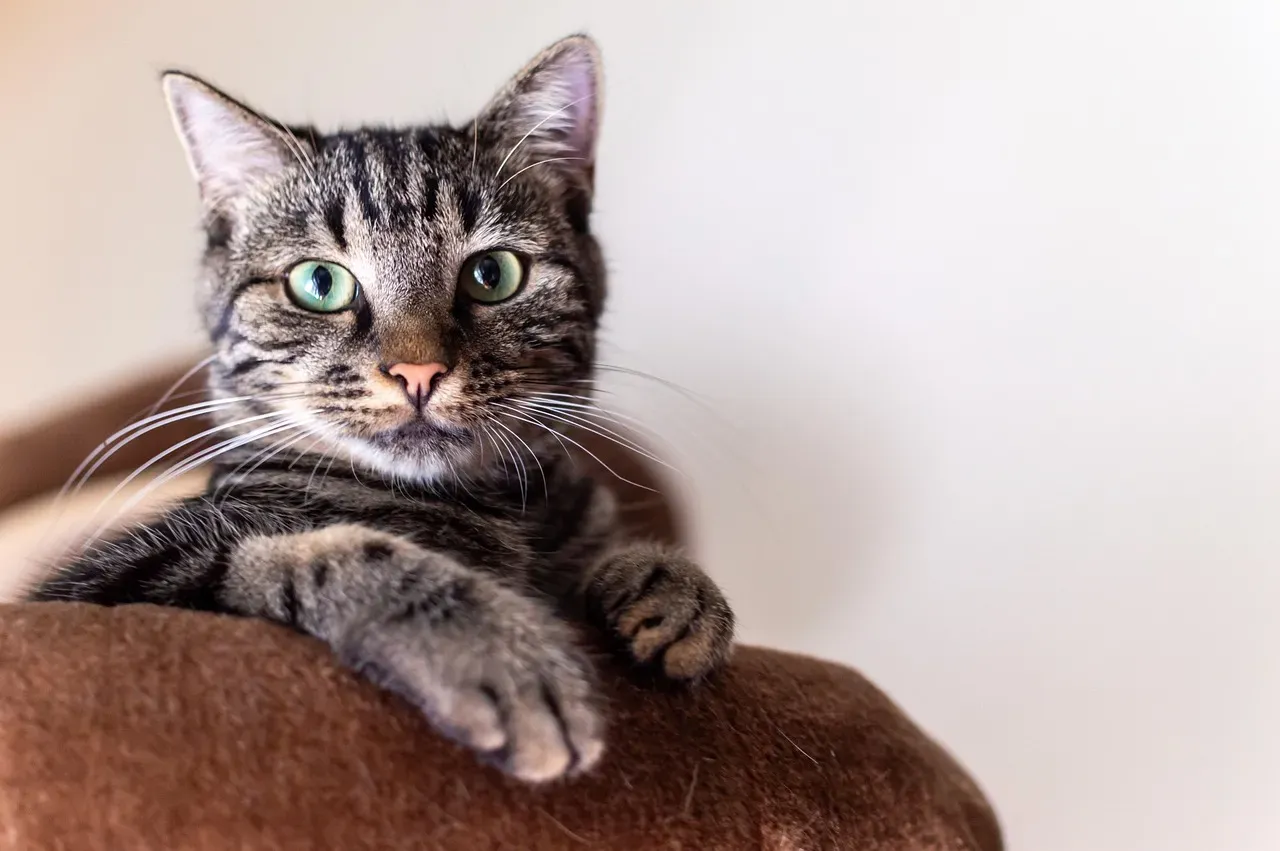
When your cat climbs onto your chest and starts purring during a hard day, there is something genuinely physical happening to you, not just emotional. Research suggests that the frequency of a cat’s purring, typically between 25 to 150 hertz, could have therapeutic effects on the body and mind. That low, rhythmic vibration is doing more than making a comfortable sound.
Petting a cat or listening to their purring triggers the release of oxytocin, a hormone that promotes happiness and reduces stress. This calming effect lowers cortisol levels – the stress hormone associated with high blood pressure – and can help alleviate pain, easing chronic discomfort. Frequencies in the 25 to 150 Hertz range are known to help promote the healing of bones, reduce inflammation, and improve joint mobility, meaning that people recovering from injuries or dealing with chronic pain conditions may benefit from spending time with a purring cat. Your cat, quite literally, is good medicine.
Cats as Emotional Support Animals: The Formal Recognition
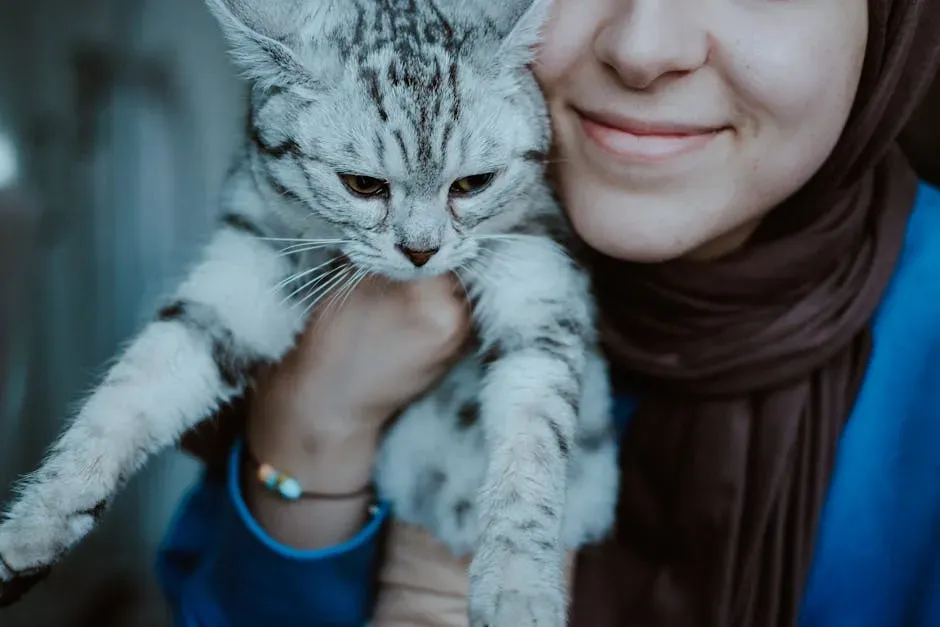
What pet owners have known instinctively for decades has now become formally recognized in the world of mental health care. Many scientific studies have proven that cat ownership has tangible health benefits. Cat ownership can help lower your blood pressure and heart rate, reduce stress all over your body, calm anxious or negative moods, and provide you with a companion that offers comfort and stability. This is not anecdote. This is documented, repeatable science.
Spending time loving on your cat or simply being in their presence may also release the hormone oxytocin, flooding your brain with improved mood and signals to relax or let go of stress. Cats make excellent emotional support animals, especially for individuals who prefer quieter, more independent companions, as their purring has been shown to lower blood pressure and reduce anxiety, while their presence provides consistent comfort without being overwhelming. In a world that can feel overwhelming, a cat’s quiet, steady presence is surprisingly powerful.
Conclusion
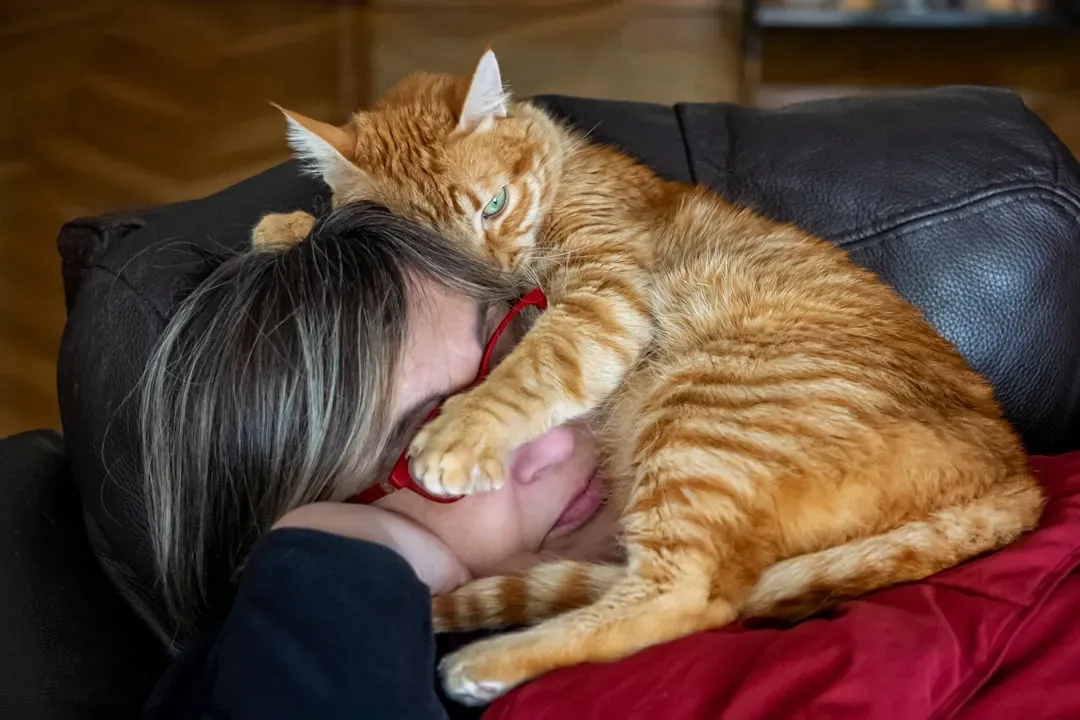
The next time your cat silently appears beside you on your worst day, know that it is not random. Your cat has been watching you, listening to you, memorizing the sound of your sadness, the chemistry of your stress, and the rhythm of your daily life. They show up because something in their extraordinary sensory world told them you needed company, even before you consciously admitted it to yourself.
The bond between you and your cat runs deeper than we once imagined. Through scientific exploration and personal experiences, it has become evident that cats possess a remarkable ability to comprehend and respond to human emotions, including sadness, and this emotional intelligence is rooted in their cognitive abilities, evolutionary adaptations, and finely tuned senses. They may not speak your language, but they understand you in ways that are hard to put into words.
There is something quietly profound about an animal choosing to sit with you in your pain. Not to fix it. Not to explain it. Just to be there. Maybe that’s enough. Has your cat ever shown up at exactly the right moment? Tell us your story in the comments – you might be surprised how many others have felt the same thing.