Have you ever locked eyes with your feline friend only to watch them slowly close their eyelids in the most deliberate, languid way? It feels oddly personal, doesn’t it? Like they’re telling you something only you can understand. That gentle, unhurried closing of their eyes isn’t just a sleepy accident or a random quirk.
There’s actually something rather profound happening in that moment. Your cat is speaking to you in one of the most tender ways they know how. This subtle gesture holds layers of meaning that go far beyond what you might guess at first glance. Let’s dive into what makes this slow blink so special and why it matters more than you think.
The Slow Blink Is Actually a Feline Love Letter
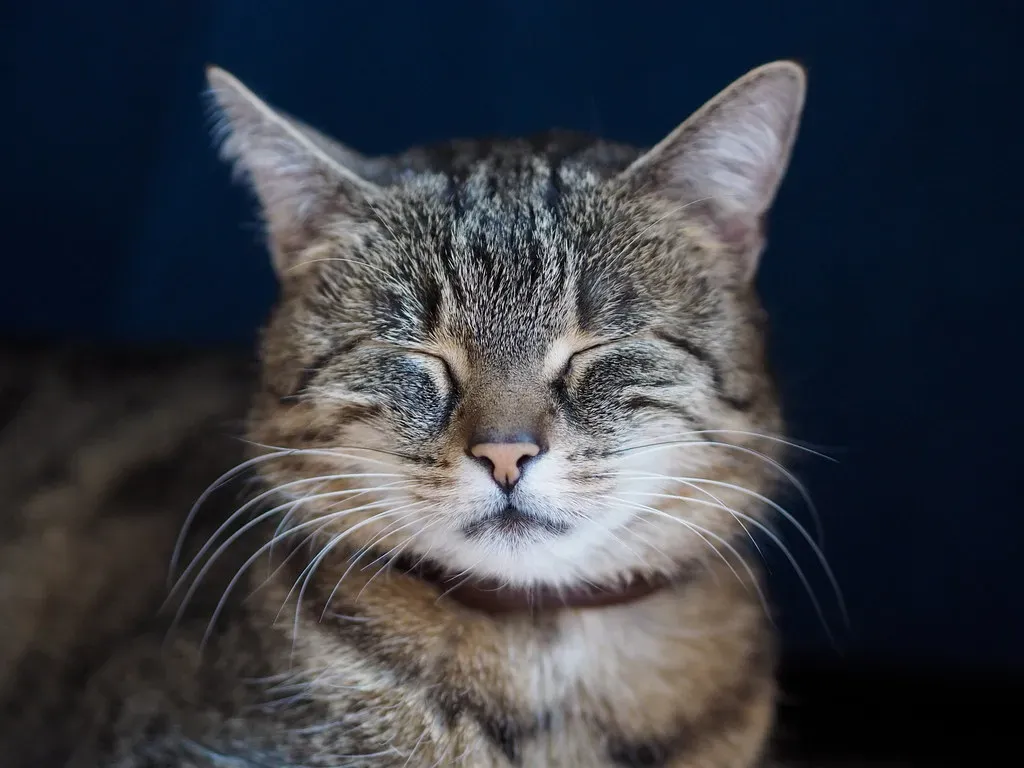
When your cat performs that languid, droopy-eyed blink, it’s as close to an “I love you” from them as you’ll ever get. Think about it from their perspective. In the animal kingdom, closing your eyes around another creature is incredibly risky. You’re essentially saying you trust them enough to let your guard down completely.
When a cat slow blinks at you, they are often expressing a sense of trust, contentment, and affection, since in the feline world, closing their eyes in the presence of another creature makes them vulnerable, as they are unable to detect potential threats. It’s honestly one of the most vulnerable positions a cat can put themselves in. So when your kitty does this, they’re showing you something pretty remarkable.
Your Cat Makes Themselves Vulnerable Just for You
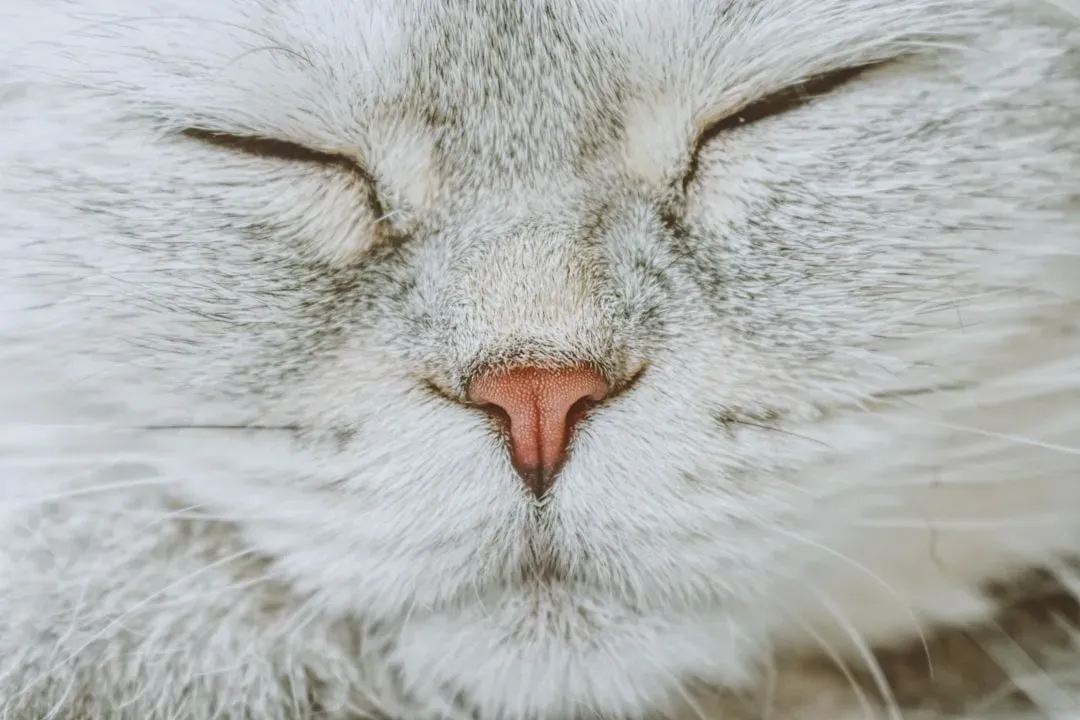
Remember that in the wild, cats are both predators and prey, and anytime the animal’s eyes are closed, it can’t spot potential threats nearby, making them at risk and vulnerable. This is huge when you really stop to consider it. Every instinct tells them to stay alert.
Yet there they are, sitting across the room, eyes slowly drifting shut while looking directly at you. When your cat looks at you and slow blinks, they are relaxing their guard; after all, a cat in the middle of a slow blink is vulnerable at that moment. They’re choosing connection over caution. That’s trust in its purest form.
Science Actually Backs Up What Cat Lovers Already Knew
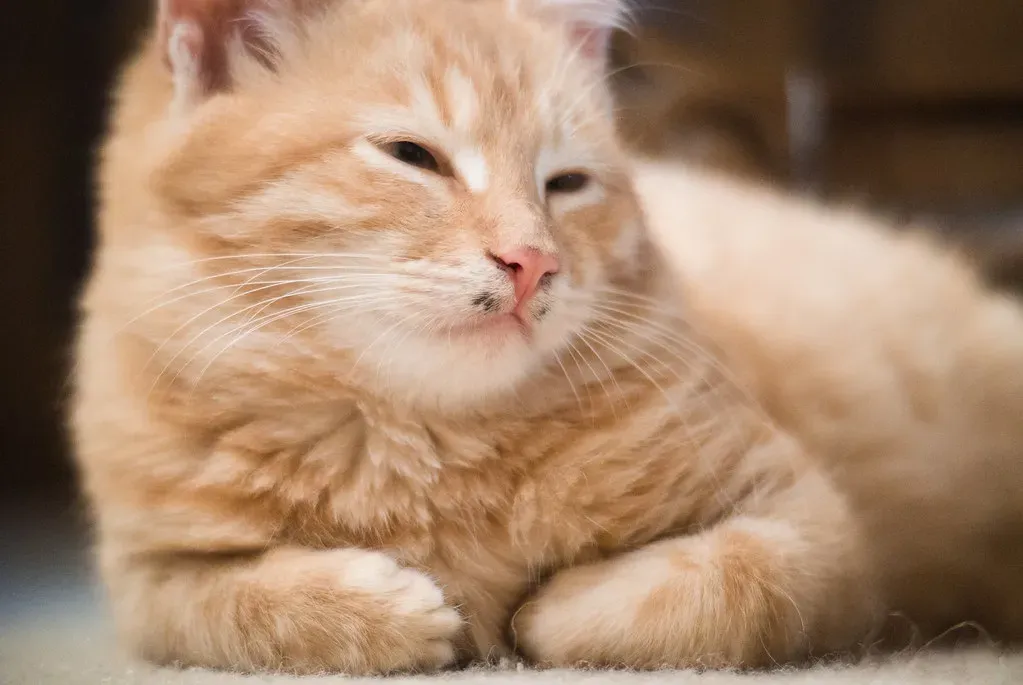
Here’s the thing: cat owners have suspected this for years. By observing cat-human interactions in 2020, scientists confirmed that this simple gesture makes cats – both familiar and strange – more likely to approach and engage with humans. Finally, researchers decided to put it to the test.
The first experiment revealed that cat half-blinks and eye narrowing occurred more frequently in response to owners’ slow blink stimuli towards their cats compared to no owner–cat interaction, and in a second experiment, cats had a higher propensity to approach the experimenter after a slow blink interaction than when they had adopted a neutral expression. The evidence is pretty clear. Slow blinking isn’t just cute folklore. It’s real communication.
It’s Not the Same as Regular Blinking
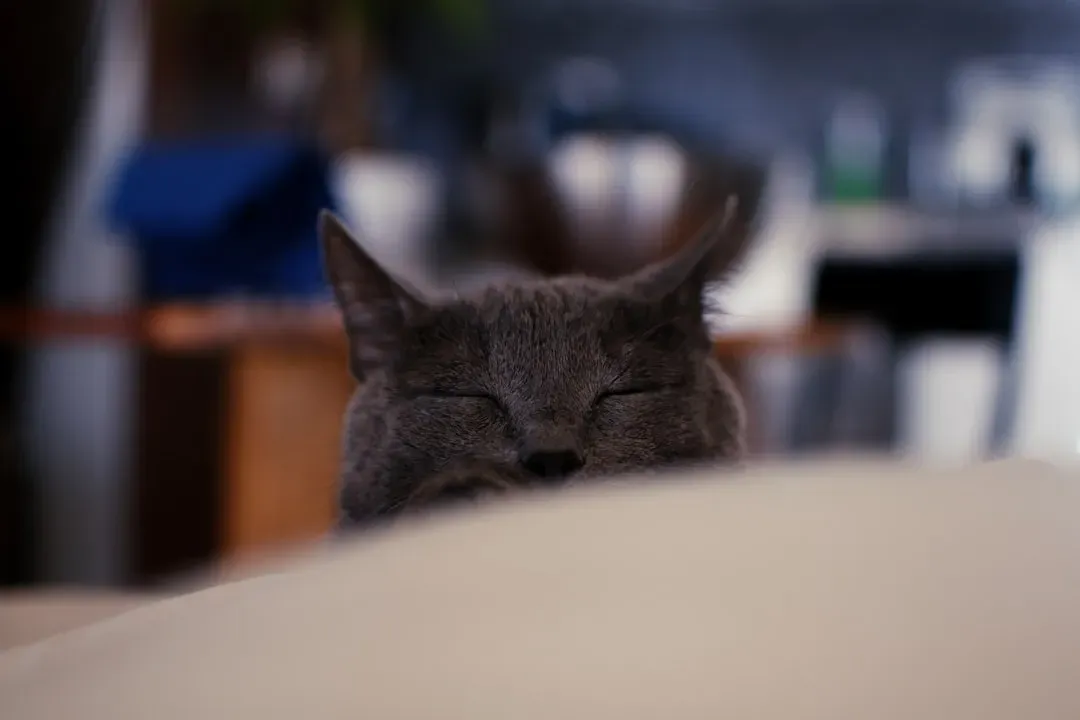
You might be wondering how this differs from their normal eye movements. A slow blink is noticeably slower and more deliberate than a regular cat blink. There’s a noticeable deliberateness to it that you can pick up on once you know what you’re looking for.
Research shows that slow blinking is a deliberate behavior distinct from more reflexive regular blinks. Your cat is choosing to do this. It’s not involuntary. They mean it.
You Can Actually Blink Back to Deepen Your Bond
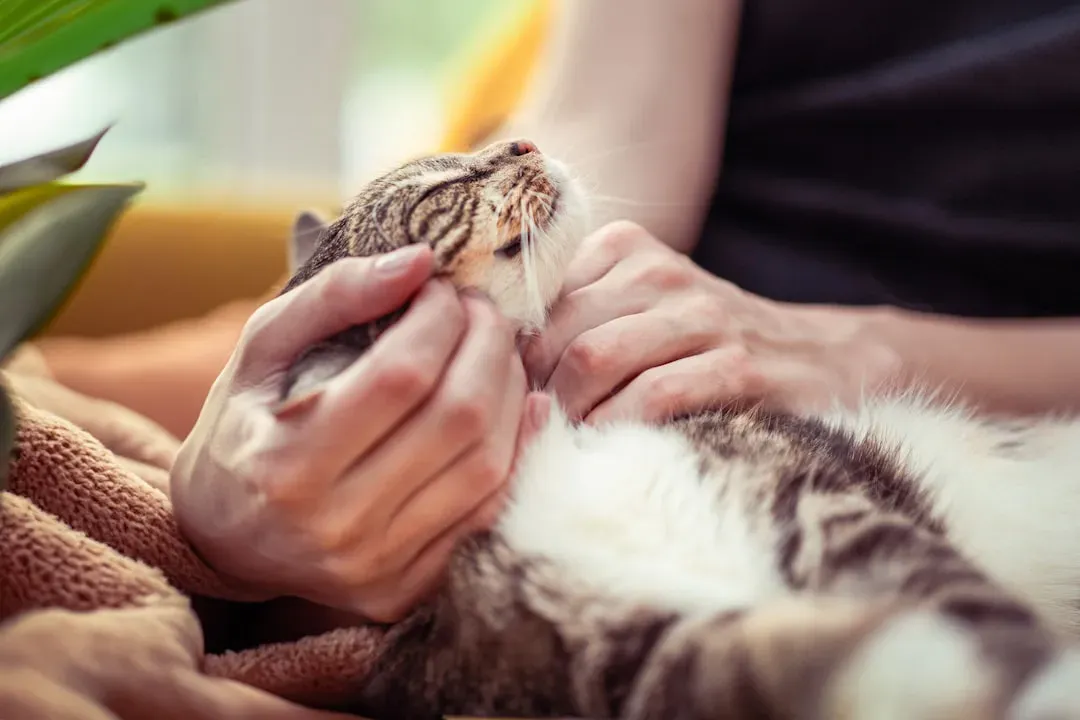
In controlled experiments, cats show unmistakable signs of emotional connection when their owners slowly blink back at them, and the animals were also more likely to slow blink at the humans if the people slow blinked at them first. This is where things get really interesting. You’re not just a passive observer in this exchange.
Try it yourself. Narrow your eyes at them as you would in a relaxed smile, followed by closing your eyes for a couple of seconds, and you’ll find they respond in the same way themselves, and you can start a sort of conversation. It’s like learning a secret language that only you and your cat share. Honestly, it’s one of the simplest yet most powerful ways to tell your feline you care.
Direct Staring Means Something Completely Different
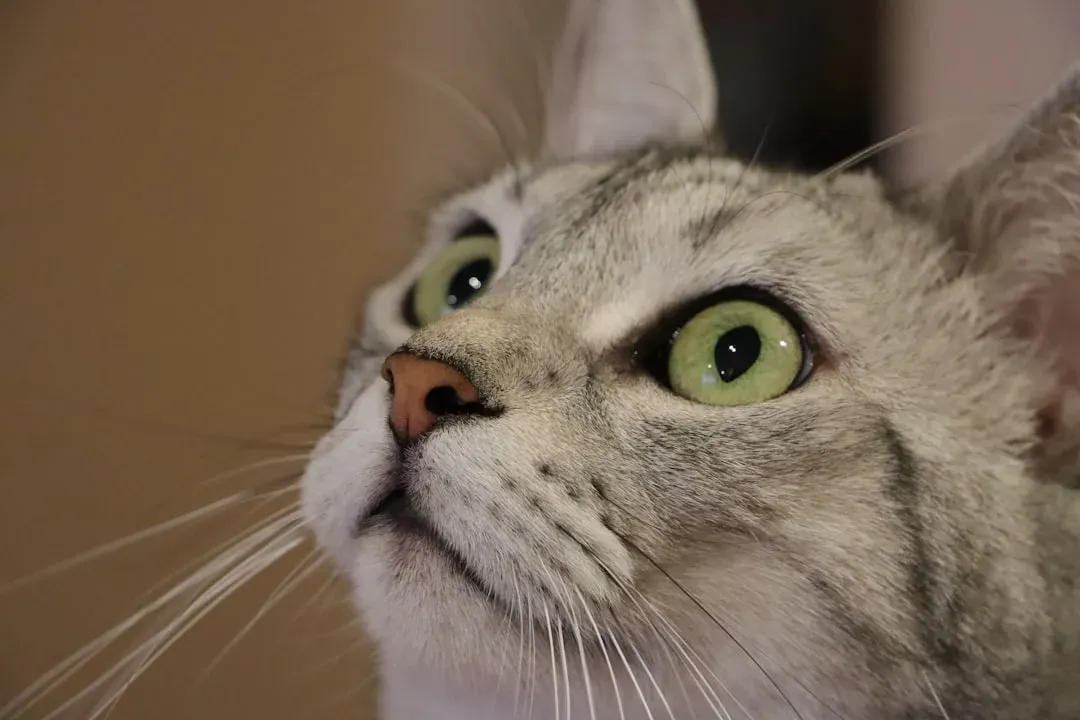
Let’s be real: cats aren’t like dogs when it comes to eye contact. An unblinking stare into their eyes is typically seen as a threat and as a challenge. If you’ve ever noticed a cat looking uncomfortable when you stare too long, now you know why.
Sustained staring can register as threatening, while soft eyes and slow blinks signal safety. It’s all about the approach. Cats interpret intense, prolonged eye contact as aggression or dominance. The slow blink, however, breaks that tension entirely. It transforms a potentially confrontational moment into one of affection.
Even Stranger Cats Respond to Your Slow Blinks
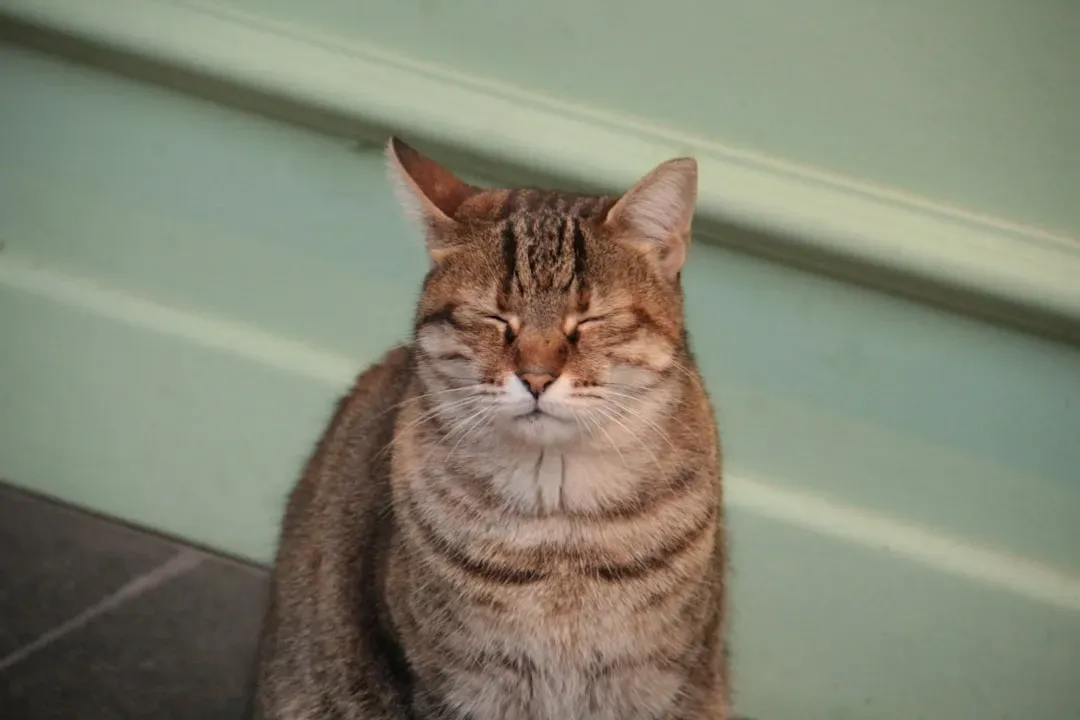
You don’t have to be a cat’s favorite human for this to work. The study observed that cats are more likely to slow blink back at their humans after their humans initiate a slow blink at them, and when cats were introduced to researchers who performed the slow-blink experiment, the cats were more likely to slow-blink back if a human had initiated the blink, and these cats were also likelier to accept when a researcher outstretched their hand. This has real-world applications.
If you’re meeting a new cat for the first time or working with rescue animals, slow blinking can be your secret weapon. It helps anxious cats feel safer and more willing to trust. I think that’s pretty remarkable, considering how cautious cats can be around strangers.
Cats Also Slow Blink at Each Other
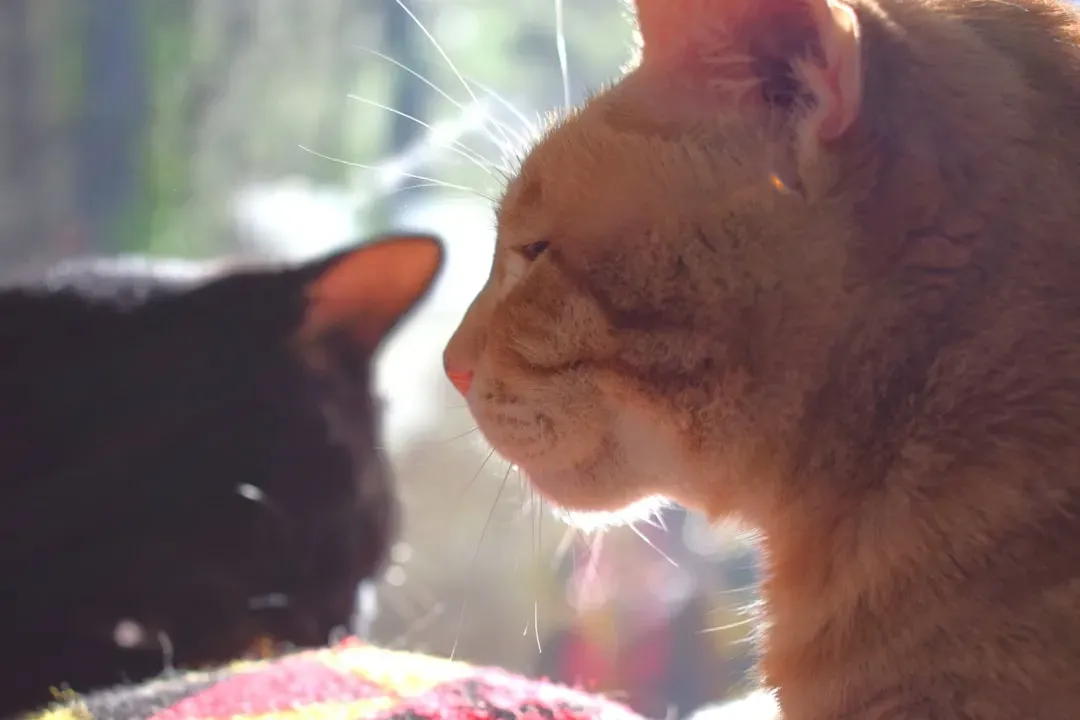
Unlike meowing, cats do slow blink at each other, and you’re more likely to see this among two cats who aren’t threatened by each other’s presence. This tells us the behavior isn’t just something they developed for humans. It’s part of their natural social toolkit.
It’s common to see cats slow blink at one another, and when you see one cat slow blinking at another cat, it means they are communicating that they are friendly and not threatening to the other cat. If you have multiple cats at home, watch for this. It’s a sign they’re getting along and respecting each other’s space. The absence of slow blinking between cats, on the other hand, might suggest tension.
Not All Cats Are Big on Slow Blinking
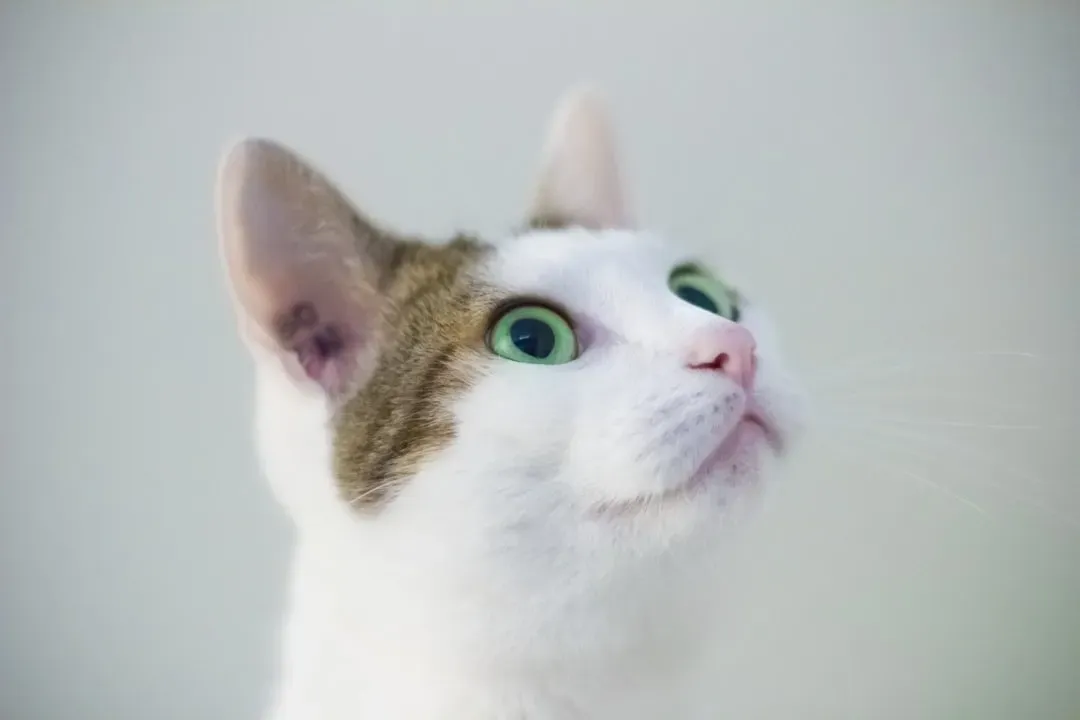
Here’s something important to remember: some cats just don’t slow blink much. Nervous cats have been observed producing slow blink sequences in response to humans, and not all cats show their affection with a slow blink. It doesn’t mean they don’t love you.
Much like humans, cats have different types of love languages – and with a little patience and consistency, you can figure out the subtle cues that yours trusts you. Maybe your cat prefers head butts, purring, or just sitting near you. All of these are valid expressions of feline affection. Don’t take it personally if your kitty isn’t a frequent blinker.
Slow Blinking Might Help Cats Get Adopted Faster
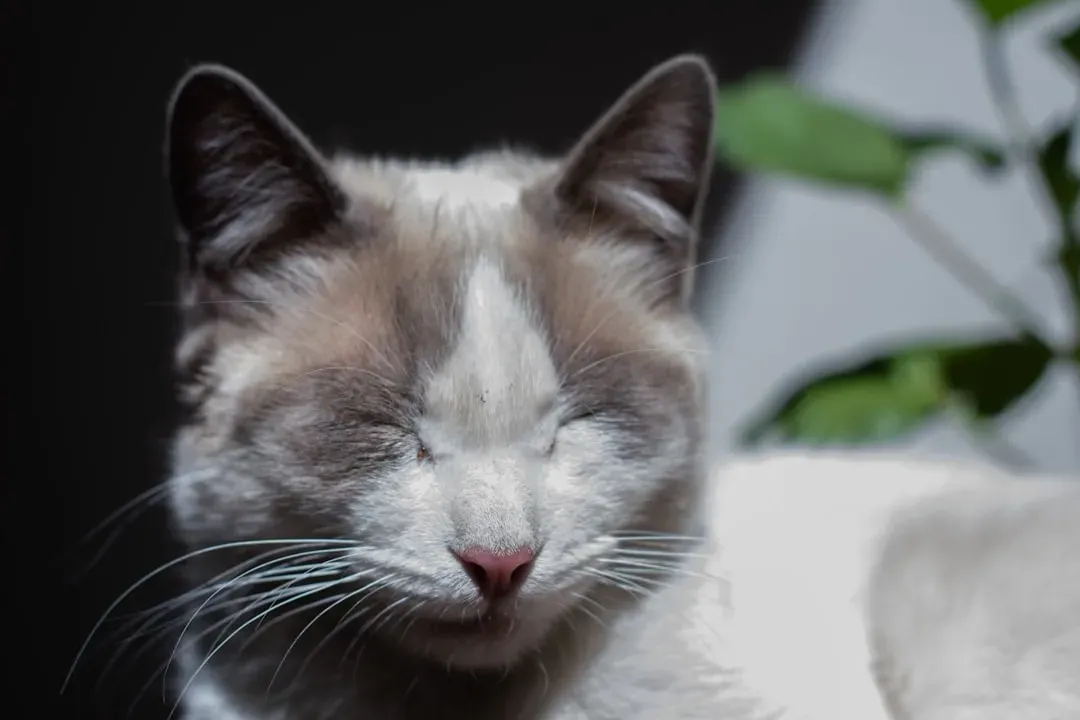
Cats that responded to human slow blinking by using eye closures themselves were rehomed quicker than cats that closed their eyes less. This finding has some fascinating implications for animal shelters and rescue organizations. Cats who engage in slow blinking naturally appear more approachable and friendly.
Since the slow blink is becoming increasingly recognised as a form of communication employed by cat owners and non-cat owners alike, these findings may have practical implications for shelters by introducing strategies to promote positive social interactions between potential adopters and shelter cats. Teaching shelter staff to slow blink at cats could genuinely improve adoption rates. It’s a small gesture with potentially life-changing consequences for animals waiting for homes.
Understanding This Behavior Deepens Your Connection
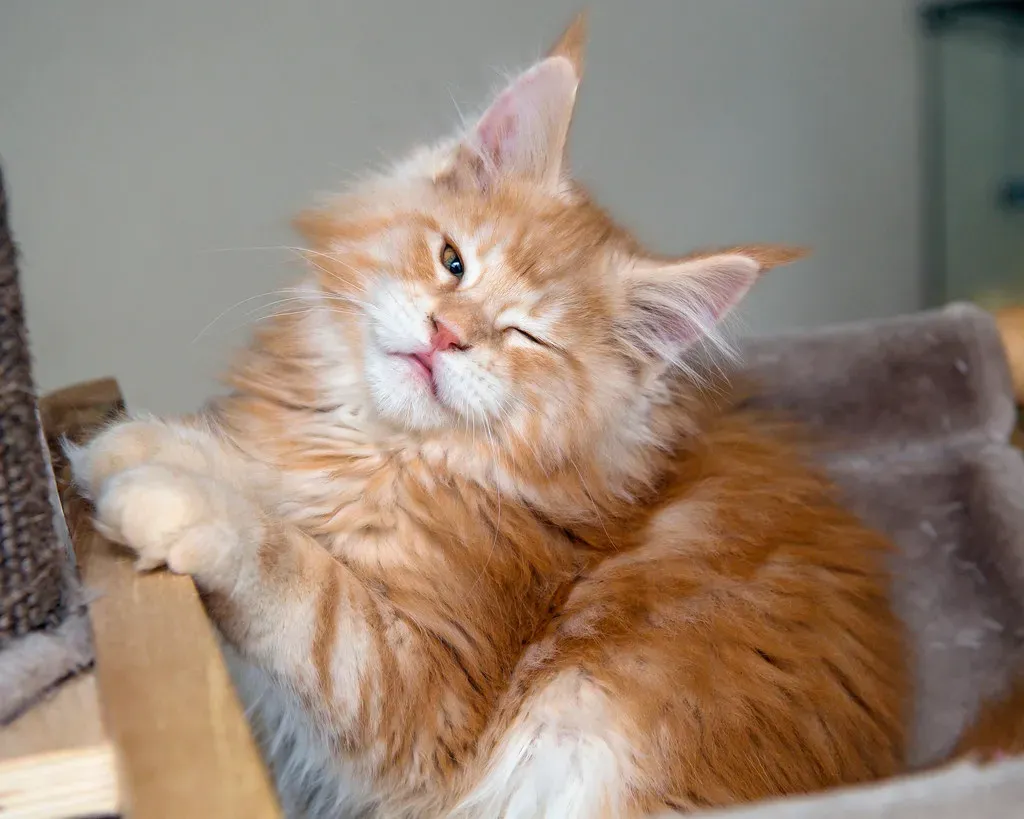
Understanding your cat’s slow blink as a form of communication can help you to better interpret their emotions and needs, allowing you to respond more effectively and compassionately. Once you recognize what your cat is telling you through their eyes, your entire relationship can shift.
You start to notice the subtle ways they communicate throughout the day. It’s not just about the blinks anymore. You become attuned to their body language, their moods, their preferences. The slow blink is a valuable communication tool, and not only does your cat use it to communicate with you, but you can also use the slow blink to communicate with your cat. It becomes a two-way conversation built on mutual respect and understanding.
The next time your cat gazes at you with those slowly closing eyes, take a moment to appreciate what they’re really saying. They’re offering you something precious and rare: their complete trust. Blink back slowly, and let them know the feeling is mutual. What do you think about it? Have you noticed your own cat doing this? Tell us in the comments.