You are sitting peacefully on the couch when your cat suddenly freezes at the window, eyes locked on a sparrow outside. Then it starts – that bizarre, rapid clicking, chattering jaw movement accompanied by a series of strange little chirps. It is one of the most fascinating, slightly hypnotic sounds a domestic cat makes, and it leaves most people genuinely puzzled.
Here is the wild thing though: scientists are not entirely sure what is going on either. Cat chattering sits right at the intersection of instinct, emotion, and evolutionary history, and it reveals just how much of a wild predator still lives inside your cozy lap cat. So let’s dive into everything we know about this extraordinary behavior.
What Exactly Is Cat Chattering?
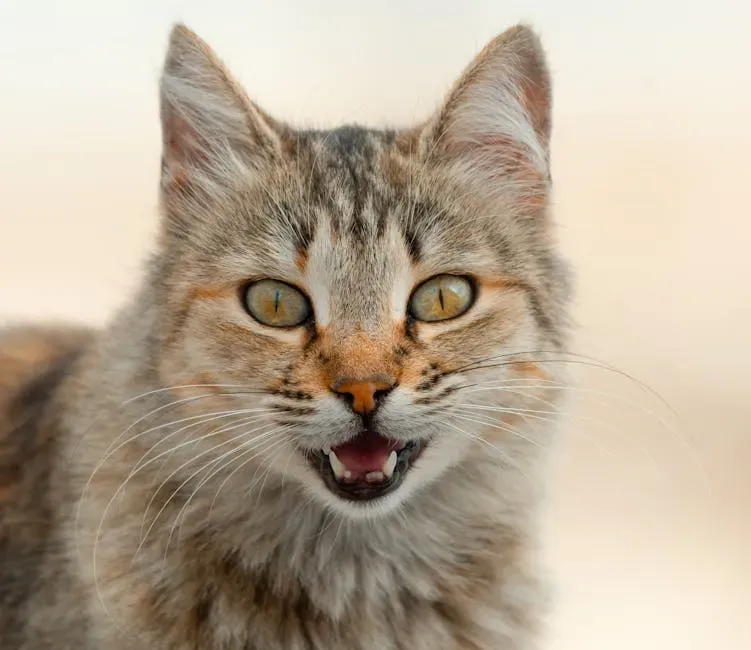
Chattering occurs when your cat clashes their jaws, creating a rhythmic clicking sound. The sound is produced by the teeth and, as a stand-alone noise, is categorized as being voiceless – it does not include vibration of the vocal cords. Think of it like the world’s tiniest percussion instrument, powered entirely by predatory instinct.
The chattering produced by striking the teeth together takes place in sequences, with the cat’s mouth typically kept tensely open. It is often accompanied by various forms of vocalizations, such as chirps, tweets, and tweedles. Chattering in cats is almost always context-specific, meaning that it takes place in specific situations. Namely: when your cat sees something it desperately wants to catch, but absolutely cannot reach.
The Moment It Happens: Reading Your Cat’s Body Language
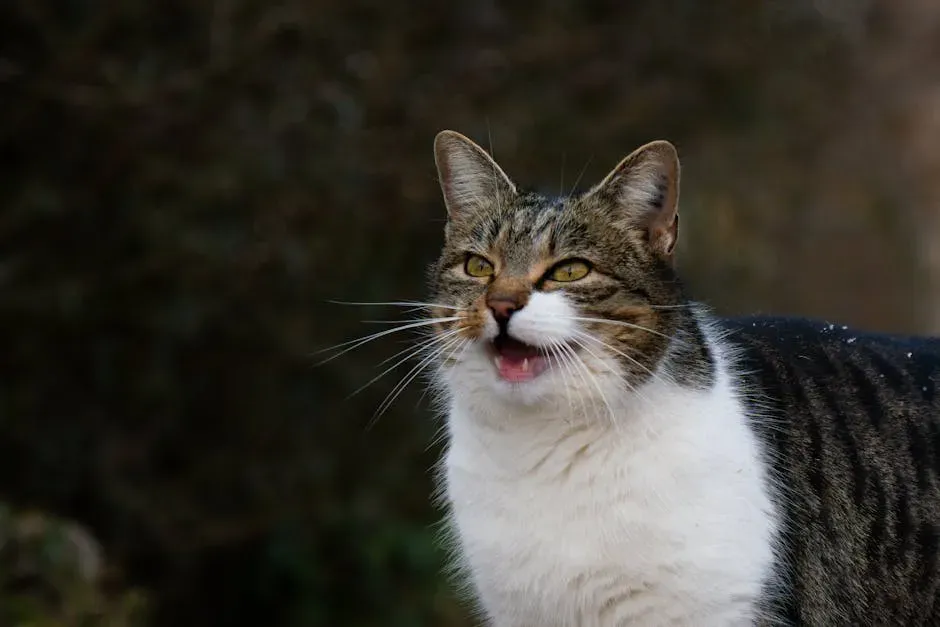
This behavior commonly occurs when your cat is looking out of a window and sees a bird, rodent, or other small animal nearby. Your cat then rapidly opens and closes their mouth, usually while making a chirping or squeaking noise. While chattering, your cat’s body language will indicate a predatory reaction too, including alert ears, a focused stare, and a wagging tail.
Just one look at your cat’s body language will confirm that your chattering cat is very excited. Their pupils will dilate, tails start to twitch, and their body posture becomes tense. Most of these changes are the same your cat would experience right before pouncing on potential prey. Honestly, it is like watching a sprinter at the starting block who is never allowed to run the race.
The Frustration Theory: Wanting What They Cannot Have
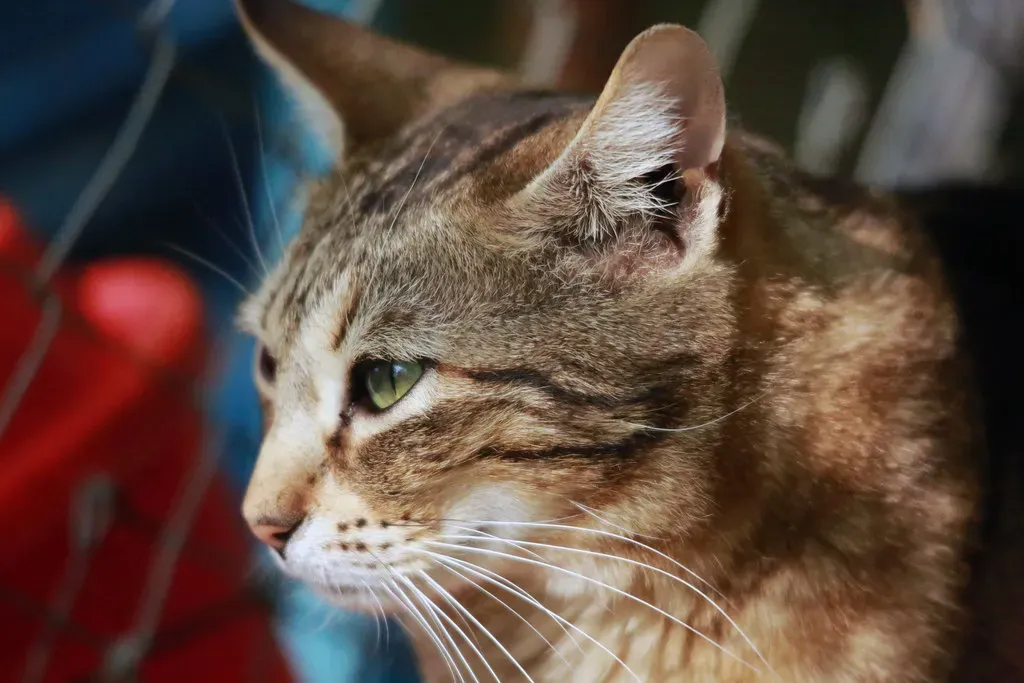
The chattering, often paired with chirping, is a physical reaction to excitement and frustration. Chattering is your cat’s way of expressing internal conflict: the desire to hunt versus the inability to act. There is something almost poetic about it – a creature so built for the chase, reduced to clicking its teeth at a pane of glass.
That window is a wall of frustration. According to Marilyn Krieger, a certified cat behaviorist in San Francisco, when cats are separated by a barrier like a window, their chattering indicates irritation at being unable to reach the prey. The question remains why cats would express themselves with a chatter only when prey is unattainable – and notably, cats do not chatter when they can hunt prey that is within reach.
The Kill Bite Theory: Rehearsing the Final Strike
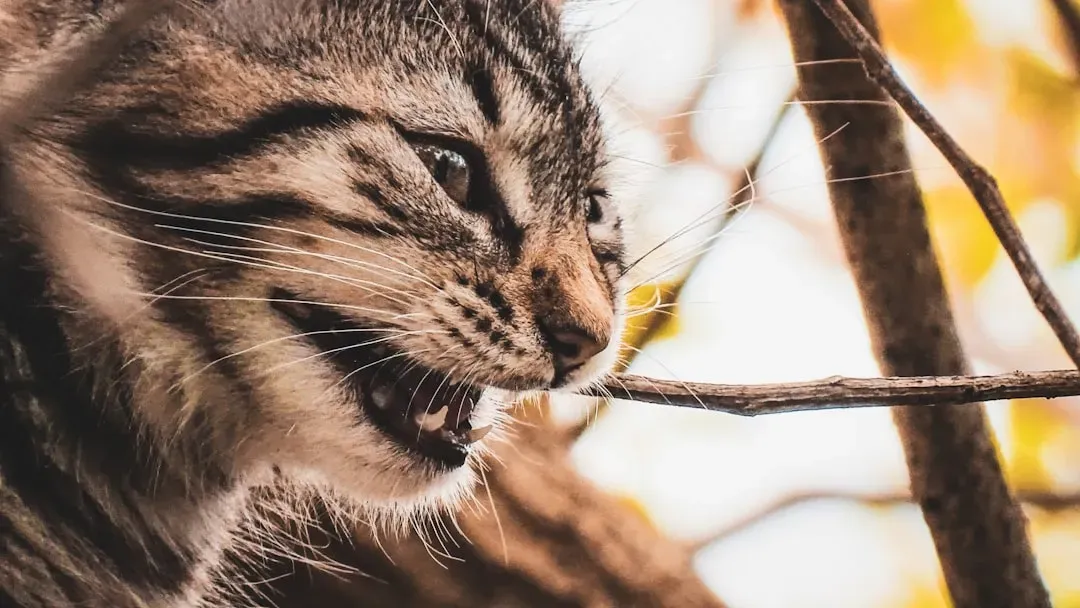
An alternative theory for cat chattering is that it simulates the “kill bite,” a predatory behavior. Cats tend to kill their prey by a bite to the scruff of the neck. They use a “chattering” movement to position their precise bite, severing the spinal cord and subsequently killing the prey. In other words, your cat’s jaw may literally be rehearsing the finishing move.
Studies suggest that the sound may mimic the quick jaw motion cats use to deliver a fatal neck bite to small prey like birds or rodents. In essence, the chattering could be a neuromuscular reflex preparing the cat for the kill, even if no actual attack takes place. Think of it like a martial artist shadow-boxing in their living room – the prey is imaginary, but the technique is very real.
The Mimicry Theory: Your Cat Is Trying to Sound Like a Bird
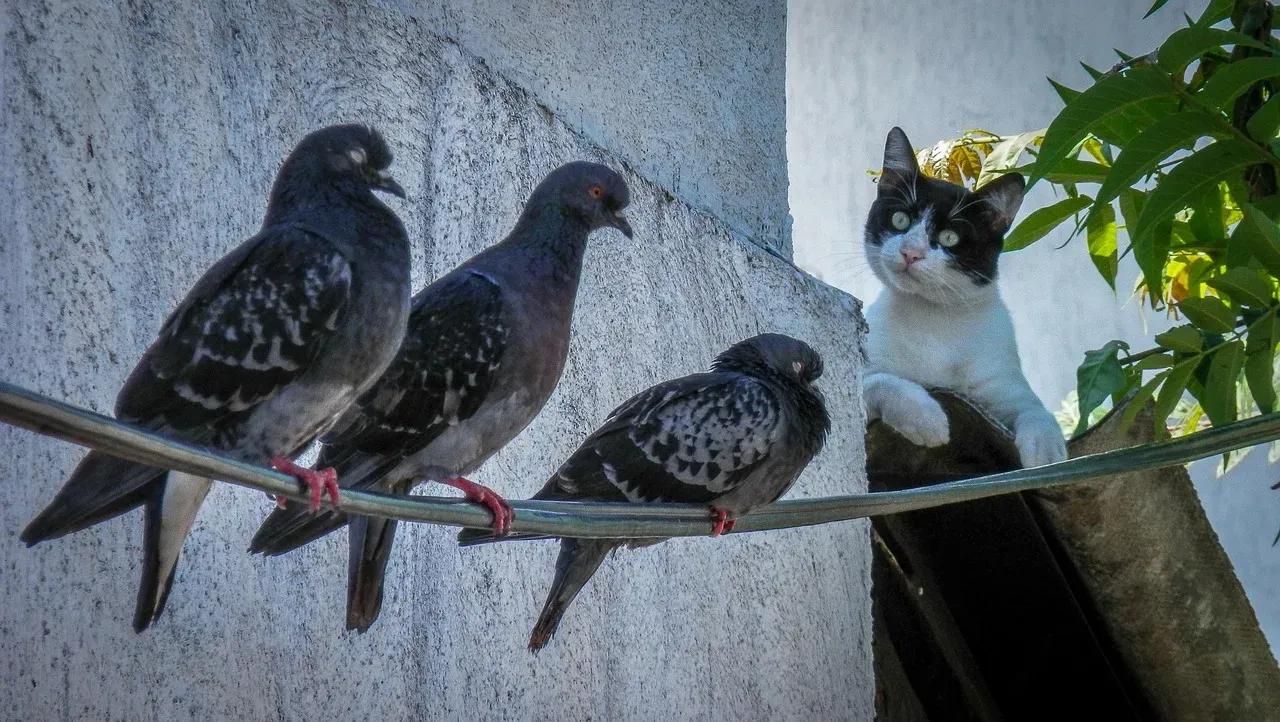
A relatively new and extraordinary theory is that cats chatter in an instinctive attempt to mimic their prey. On an expedition into the Amazon rainforests of Brazil, researchers from the Wildlife Conservation Society and the Federal University of Amazonas recorded a margay – a small wild cat – mimicking the chattering calls of its prey. The margay vocalized calls to impersonate a baby pied tamarin, which attracted the primates to investigate the area around the wild cat. As they came closer to the margay, the feline attempted to catch one of the tamarins.
Your cat’s chattering bears some similarity to the chirping of small birds – typical prey for domestic cats – so the felines could be using this noise to attract prey. Some researchers also suggest the chattering may function as a form of prey mimicry, since wild cats have been observed making similar sounds to lure curious birds or primates closer. Your living room cat may be running an ancient hunting subroutine it has never had the opportunity to complete. I think that is one of the most mind-blowing ideas in all of cat behavior, honestly.
The Adrenaline Rush: When Excitement Overflows
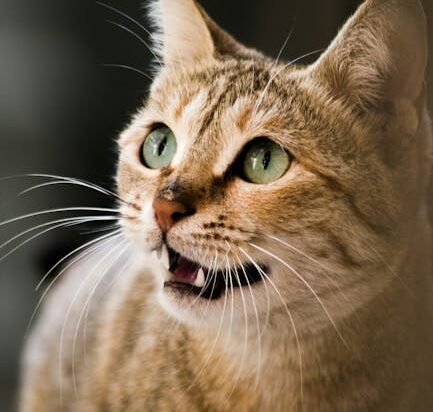
Another theory posits that cats experience a rush of adrenaline when they spot a bird and that this causes the cat to chatter and chirp. The chirp is an expression of excitement at seeing something cats want to chase. The chattering sound could be a response to adrenaline pumping when the cat sees something within range. Many humans start to shake uncontrollably when they are overly excited, and the chattering your cat makes can be something similar. Your cat might not chatter during a real hunt because they burn off the adrenaline in the pursuit as they prepare to take down their prey.
Neurologically, the sight of prey activates the amygdala and hypothalamus in the cat’s brain – regions associated with emotion, motivation, and instinctive behaviors. Dopamine release during this process reinforces the behavior, making it rewarding even without a successful capture. This explains why some cats will continue chattering for minutes after the bird has flown away. The brain is already rewarding the hunt, whether the prey escapes or not.
Displacement Behavior: The Cat Version of Nail-Biting
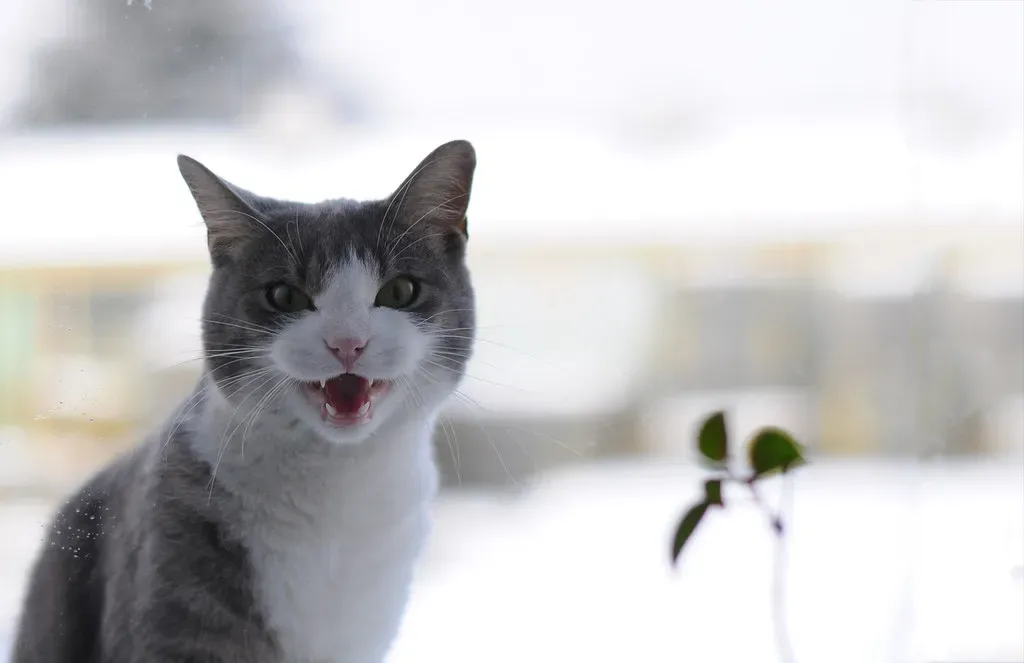
If you happen to twist your hair or bite your nails, you are exhibiting displacement behaviors, as explained by veterinary behaviorist Dr. Lisa Radosta. In this case, since your cat is unable to act on their hunting instincts, they channel their feelings of frustration into a bout of jaw-chattering. It is a fascinating parallel – humans and cats both have physical “tells” when faced with situations they cannot control.
British anthropologist Desmond Morris suggests in his book about feline behavior, Catwatching, that chattering is a “vacuum activity” – a behavior that occurs when an animal is unable to perform the actual activity. Could your cat’s chattering be similar to a human punching the air while watching a boxing match, clenching their fists as if ready to jump into the ring? The answer, most likely, is yes.
Does It Mean Your Cat Is Unhealthy or Distressed?
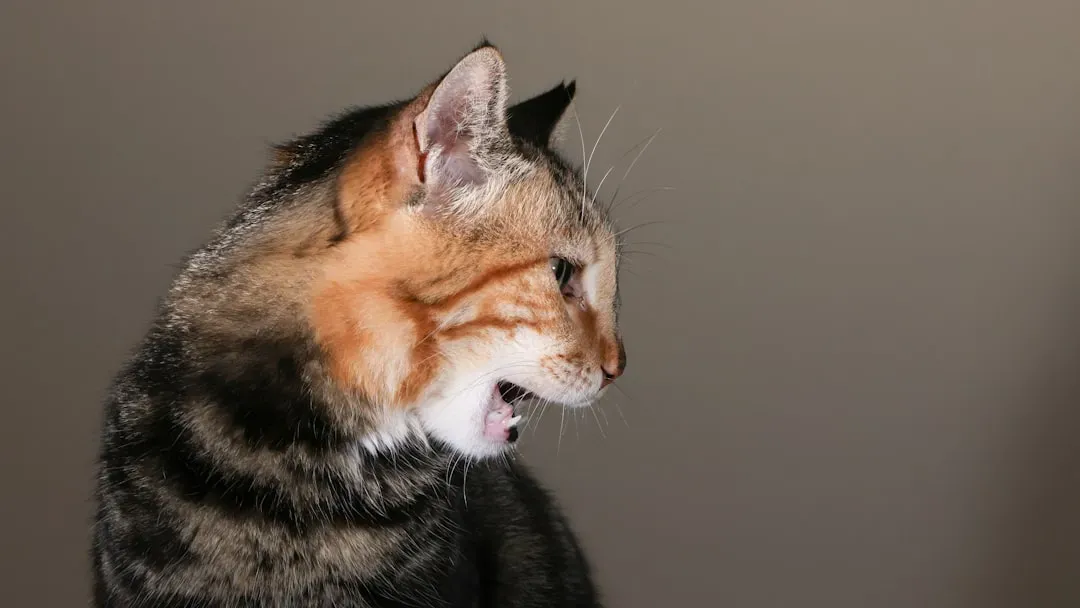
Cat chirping is a natural and complex behavior rooted in hunting instincts, emotional excitement, and sometimes frustration when prey is out of reach. This quirky vocalization – often directed at birds, bugs, or toys – is a sign of mental engagement, not distress, and reflects a cat’s primal drive in a modern setting. So you can breathe a sigh of relief.
Please note: some teeth chattering can be due to dental pain. If your cat is chattering at unusual times and you are concerned, take your furry friend to see a vet. If chattering is accompanied by pacing, loss of appetite, or aggression, consult a veterinarian or certified animal behaviorist to rule out medical or psychological causes. Context is everything. Chattering at a bird through a window? Totally normal. Chattering randomly with no stimulus and seeming distressed? Time for a vet visit.
How You Can Support Your Cat’s Inner Hunter
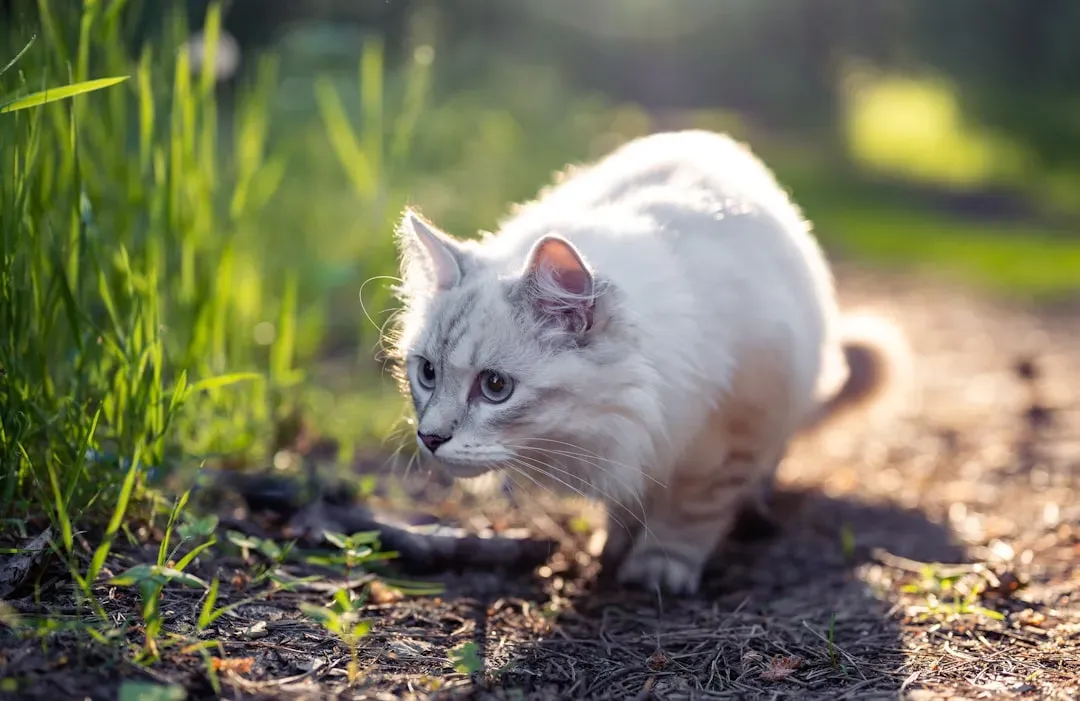
Since chattering is normal, there is no reason to stop it. In fact, it is healthy to let your cat enjoy this natural behavior. Give them a good view of the outdoors with a perch near a window. A bird feeder outside can provide great entertainment and mental stimulation.
Some recent research suggests that cats are much less likely to catch birds if they are fed a high-protein food and have regular playtime. Even when fed by their humans, cats still have that predatory instinct. That is why it is so important to make time to play with your cat using a wand toy or similar, so they still get to engage in those predatory behaviors. Window bird feeders are wonderful enrichment tools – just be sure to follow them up with a daily wand-toy play session so your cat gets to experience the full hunt cycle: stalk, chase, catch, and reward.
Conclusion
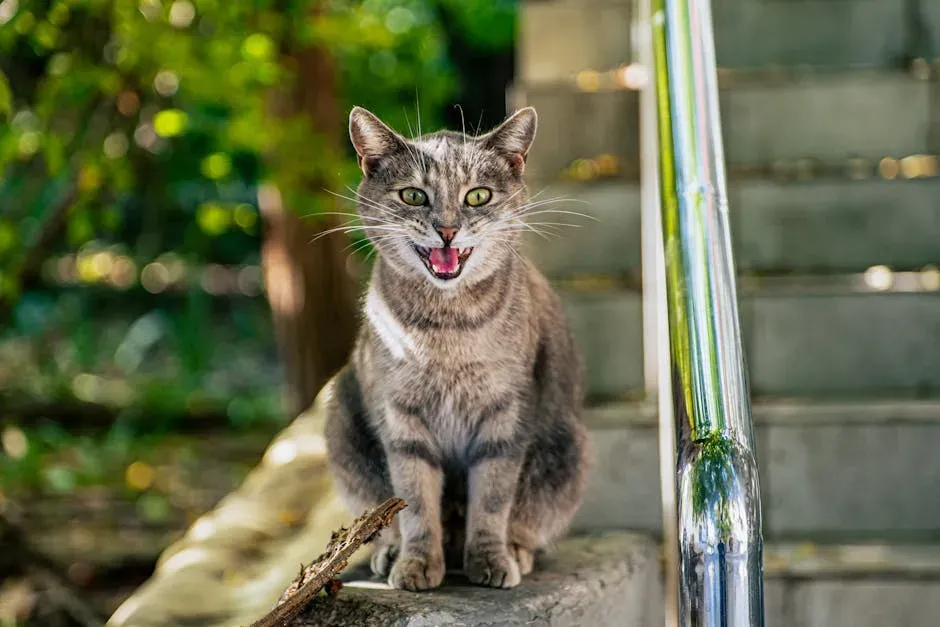
Let’s be real – cat chattering is one of those behaviors that makes you fall in love with cats all over again. It is bizarre, it is adorable, and it is a tiny window into the ancient predator quietly napping on your couch. Your cat chatters at birds because instinct, excitement, and old hunting strategies all play a role. It is one of those small reminders that, despite the cozy naps and fancy food, your cat is still a natural-born predator.
Understanding why your cat chatters when they see birds offers insight into their complex inner world. Far from being odd or problematic, chattering is a window into the predator psyche that still thrives within our beloved pets. So the next time you hear that rapid clicking from across the room, do not shush your cat. Lean in, watch closely, and appreciate that what you are witnessing is millions of years of evolution playing out in your living room. What does your cat chatter at most – birds, squirrels, or something else entirely? Tell us in the comments!