You’ve probably witnessed it yourself. That moment when your feline companion spots the bathtub filling with water and instantly transforms from a graceful, confident creature into a wild, panicked beast desperate to escape. Their eyes widen, their claws extend, and suddenly you’re reminded that beneath that soft, purring exterior lives a fierce predator with very strong opinions about getting wet. It’s one of those cat behaviors that seems almost universal, yet deeply mysterious.
Here’s the thing though: not every cat despises water. Some actually seem to enjoy it. So what’s really going on beneath the surface of this age-old question?
Ancient Desert Dwellers Never Needed to Swim
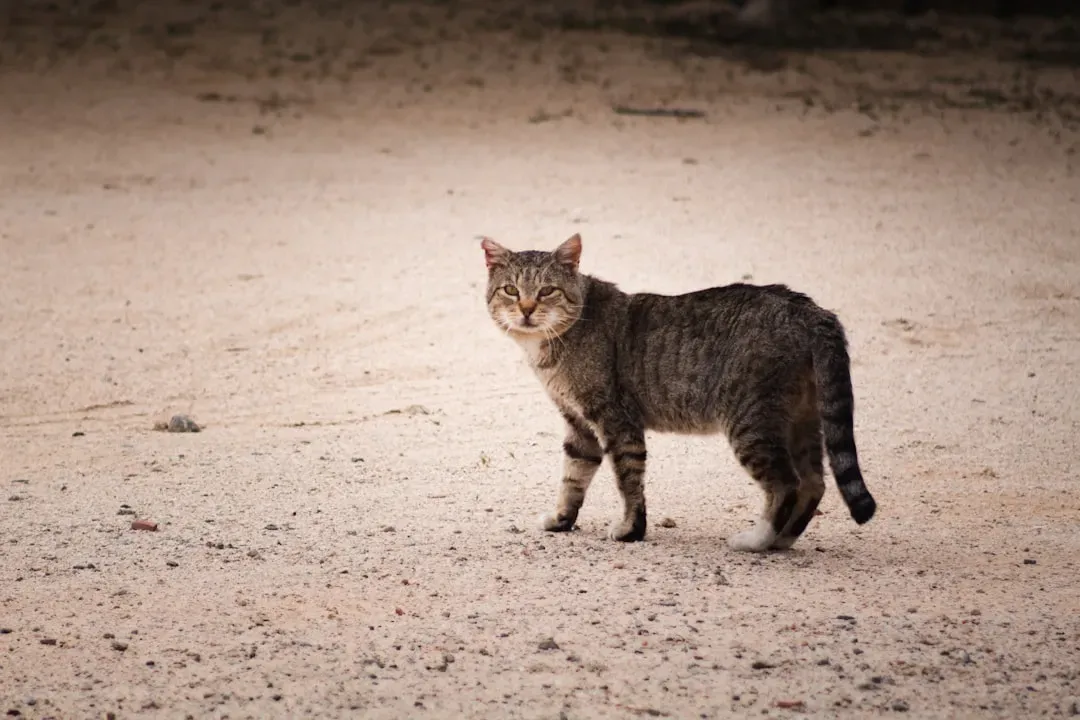
The domestic cat’s ancestors evolved in dry, arid climates where large bodies of water were scarce. Think about it: the African wildcat mostly lives in desert environments, where it rarely encounters large bodies of water or swims. Unlike tigers or jaguars who developed swimming skills to hunt and cool off, your house cat’s ancestors simply never needed that adaptation.
A large proportion of the African wildcat’s diet is made up of terrestrial animals, like rodents, so it’s not surprising that domestic cats don’t really seek out water. Evolution shaped them for hunting in dry landscapes, not aquatic adventures. This ancestral programming runs deep, even though your pampered indoor cat has never seen a desert in their life.
Wet Fur Feels Like Carrying a Soaking Blanket
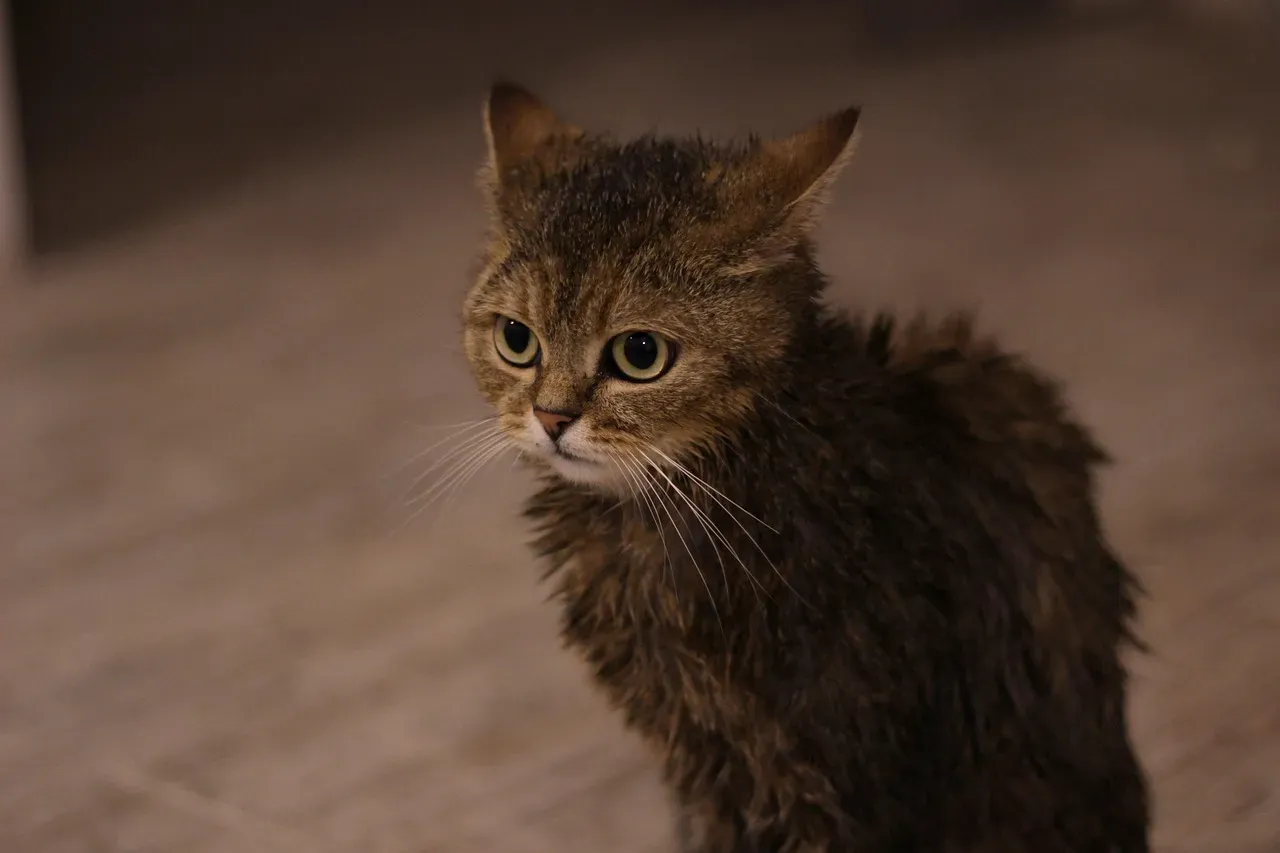
Let’s be real: imagine having to wear a heavy, waterlogged coat that takes hours to dry. That’s essentially what happens when a cat gets wet. Wet fur is extremely uncomfortable for a cat and often takes a long time to dry, plus wet fur is heavier than dry and thus makes a cat less nimble and easier for predators to catch.
Cat fur absorbs water, making the fur feel heavy and uncomfortable, and wet cat fur can also take a long time to dry because it’s so absorptive. Cats are creatures built for speed, agility, and grace. When their coat becomes saturated, they lose that natural advantage. It’s not just vanity; it’s instinct telling them that being weighed down could mean the difference between escaping danger and becoming someone else’s dinner.
Their Sensory World Gets Disrupted by Water
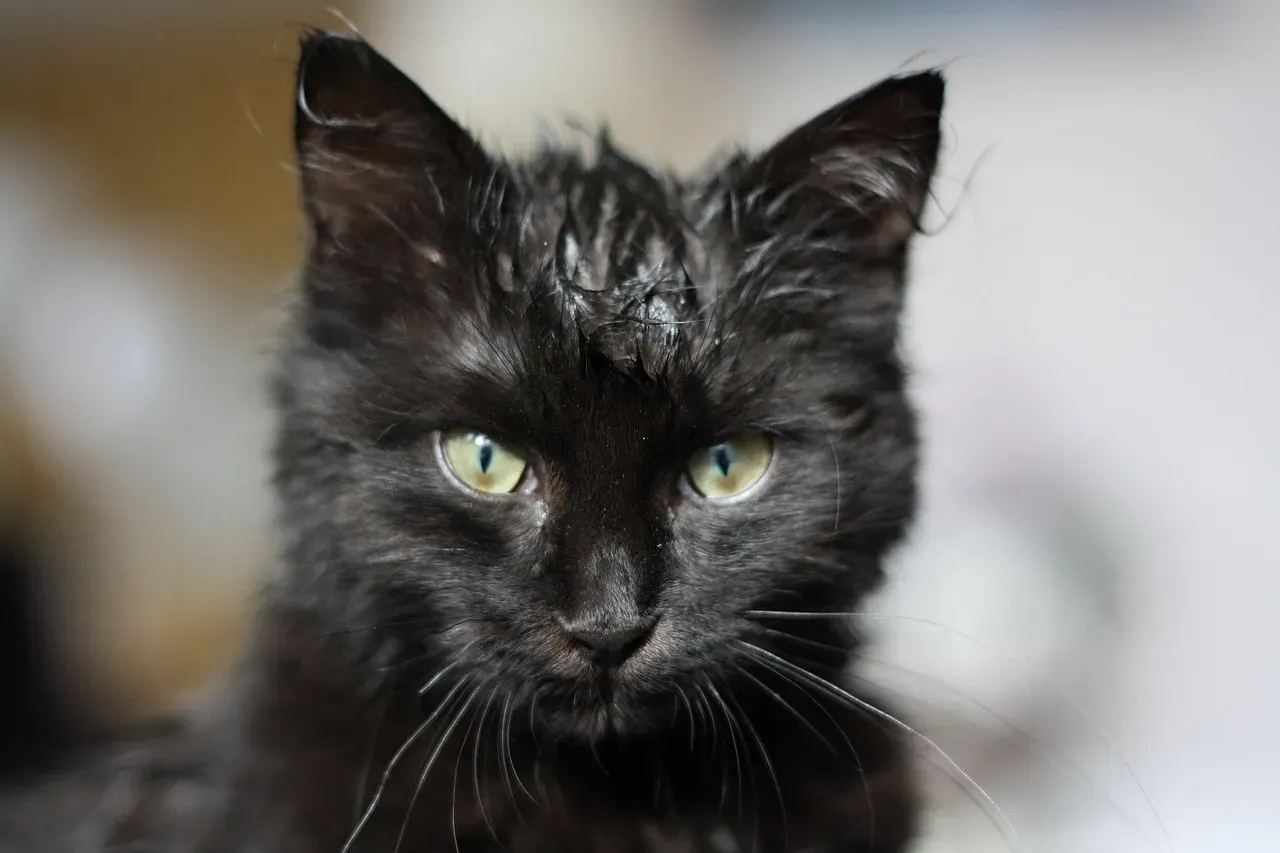
Cats experience the world differently than we do. Cats have whiskerlike hairs all over their body that help them sense the world around them, and getting these hairs wet might disrupt how they perceive their environment. These sensory hairs are essential navigation tools, helping your cat judge distances, detect air currents, and move confidently through their territory.
Water doesn’t just make them physically uncomfortable; it messes with their entire sensory system. The odor of water can be overwhelming for cats, who have a powerful sense of smell, with up to 200 million receptors in their noses compared to around 6 million in humans, plus cats have a scent-processing center in the brain that is four times the size of those in humans. The chemicals in tap water that you can’t even detect? Your cat smells them instantly and finds them deeply unsettling.
Temperature Regulation Becomes Nearly Impossible
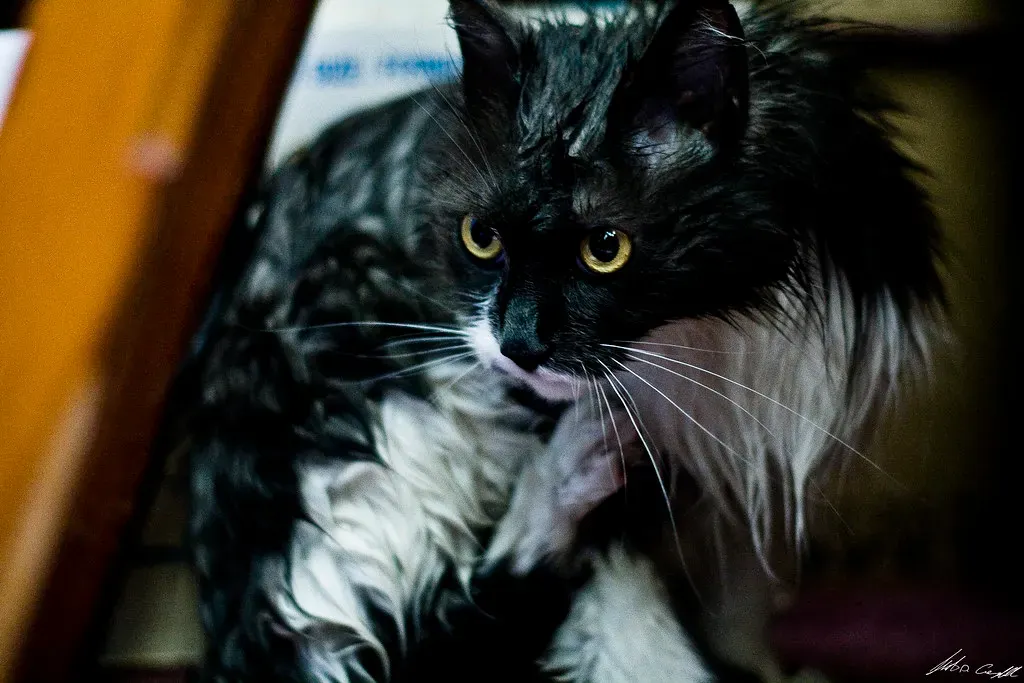
Wet fur might leave a cat vulnerable to the cold because cats use their fur to trap air as insulation. Think about your cat’s favorite activities: basking in sunny patches, curling up in warm spots, seeking out cozy corners. Cats are warm-blooded creatures who take temperature regulation seriously.
When their fur gets soaked, that carefully maintained insulation system completely fails. Wet fur can weigh a cat down, making them less nimble and making it harder to escape from predators, plus wet fur can lower your cat’s body temperature, making them colder and prone to hypothermia. Even if your indoor cat faces no real predator threat, those ancient survival instincts still fire warning signals throughout their brain.
One Bad Experience Can Last a Lifetime
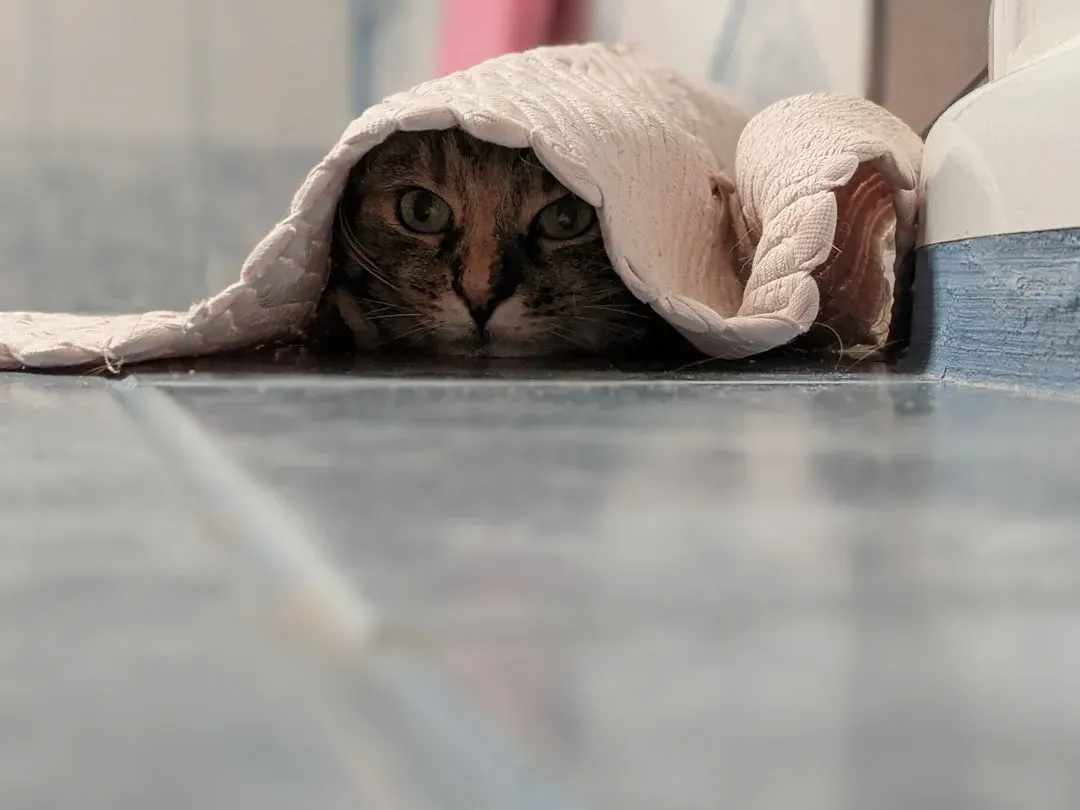
Accidentally falling into a full bathtub can be a frightening experience for a cat and can make it fearful of water for the rest of its life. Cats have excellent memories, especially when it comes to negative experiences. That single moment of panic when they slipped into the tub? They’ll remember it for years.
One of the primary reasons a cat may hate water is trauma from a negative past experience, and if your cat accidentally fell into the bathtub, he may have bad memories related to water and try to avoid it going forward. It’s similar to how humans develop phobias. One frightening encounter becomes a lasting aversion that shapes future behavior. Honestly, can you blame them?
Loss of Control Triggers Deep Anxiety
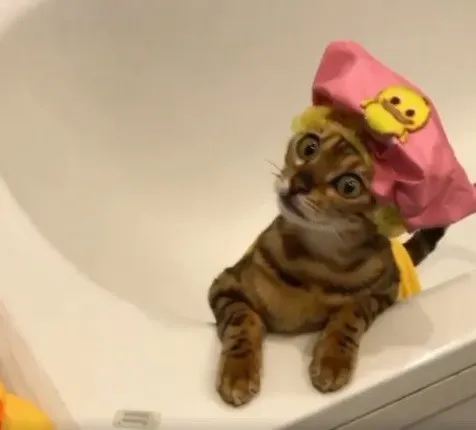
Cats are control enthusiasts. They meticulously groom themselves, patrol their territory, and maintain strict routines. Cats have in-built mechanisms to help control their environment, and the feeling of being in control is key to a confident cat; if they don’t feel in control, they become easily frightened.
When placed in water, everything changes. The slippery surface, the unpredictable movement, the inability to maintain their usual nimble footing – it all adds up to a situation where your cat feels completely helpless. When a cat becomes wet, their hair is heavier, colder and uncomfortable, it can take a long time for a cat’s hair to dry on its own, and cats are quick and nimble creatures, light on their feet and adept at jumping and balancing, but in water they may feel a loss of control as it slows them down. That loss of control? It’s terrifying for a creature whose survival has always depended on being able to escape instantly.
Bathing Ruins Their Carefully Crafted Scent
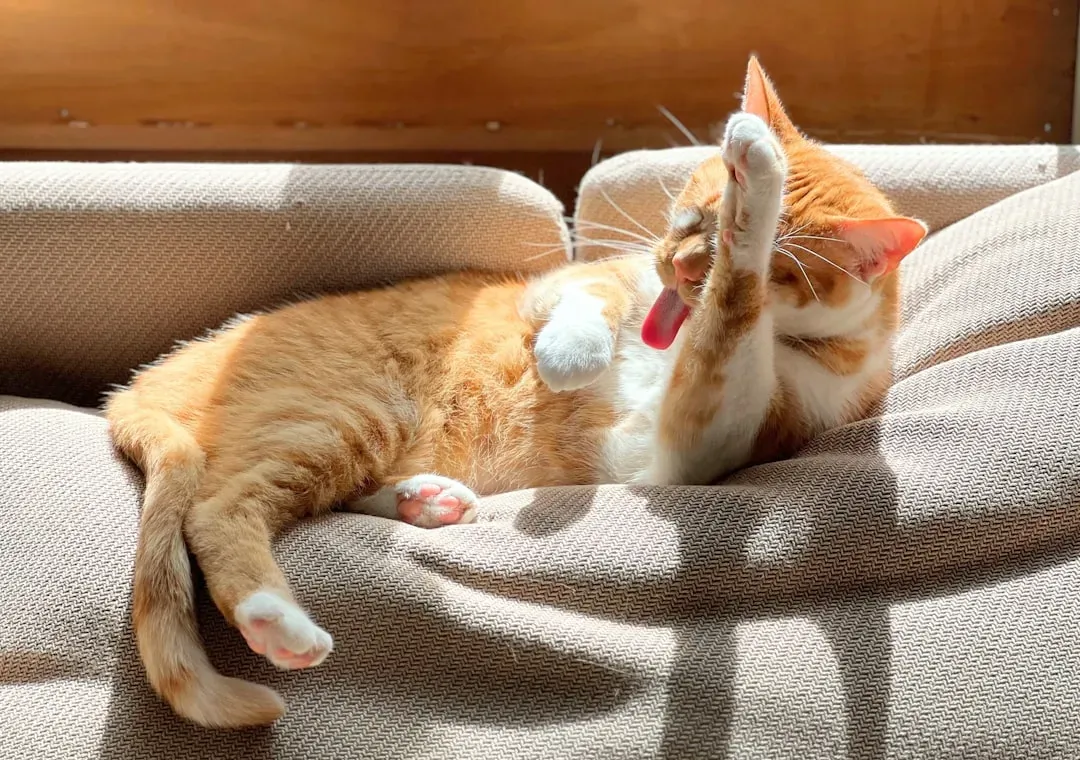
Cats are fastidious animals that spend a great deal of their day grooming themselves. They’re not just cleaning; they’re distributing their natural oils and creating their unique scent signature. Bathing them might cause issues because you’re potentially masking the cat’s scent, and cats feel safe and secure when they can smell themselves; if you’re masking their scent, that can cause stress and anxiety.
Your cat spends hours perfecting their coat, only to have you douse them in water that smells strange and strips away everything they’ve worked for. It’s not just inconvenient; it’s genuinely distressing. They rely on their scent for identity, territorial marking, and emotional security. Take that away, and you’ve left them feeling vulnerable and exposed.
Yet Some Cats Are Fascinated by Running Water
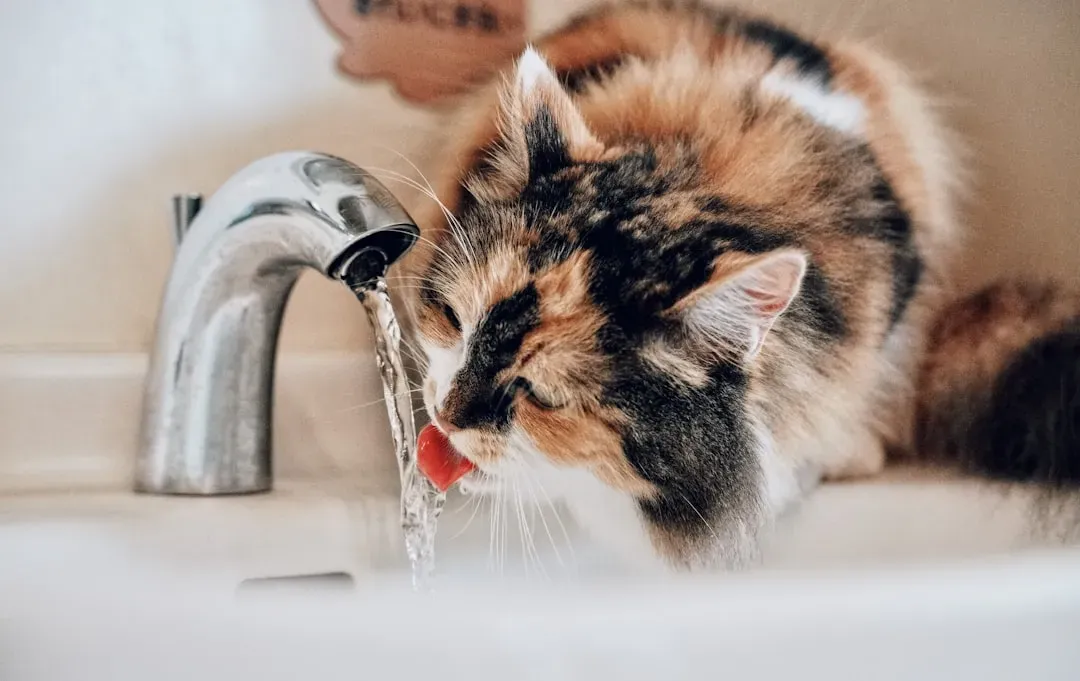
Here’s where it gets interesting. Many cats seem to enjoy playing with running or dripping water, such as out of a faucet, and behaviorists believe cats are drawn by the movements of the water and the sounds it makes, all of which can stimulate a cat’s instinctual drive to catch prey. Ever caught your cat staring intensely at a dripping faucet or pawing at their water bowl?
Such play is also acceptable to even an otherwise water-averse cat because only the cat’s paws get wet. It’s all about control again. When they’re investigating moving water on their own terms, with an easy escape route and minimal exposure, curiosity wins over caution. The flickering reflections and sounds trigger their hunting instincts without triggering their survival alarms.
Certain Breeds Actually Enjoy Getting Wet
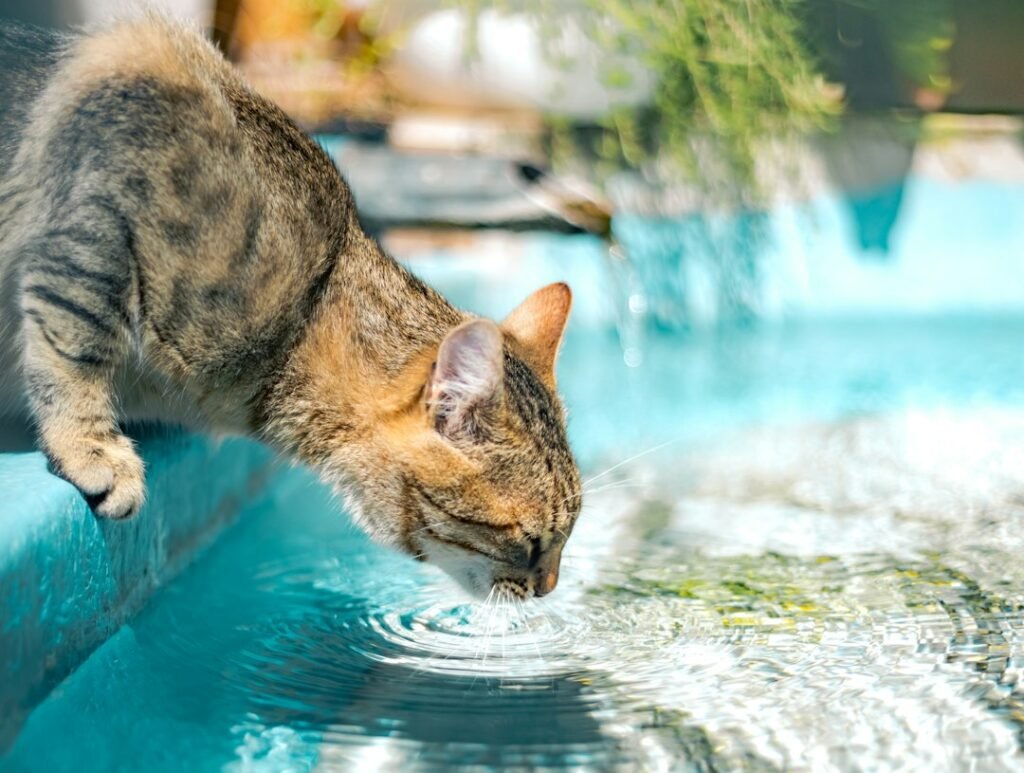
Certain breeds of domesticated cats, such as the Maine Coon, Bengal, and Turkish Van, are less fearful of water and actually enjoy the occasional swim. The Turkish Van even earned the nickname “the swimming cat” because of their genuine enthusiasm for water activities.
A Maine Coon’s water-resistant coat means that these kittens won’t hesitate to splash around every chance they get, and historically these cats have been trusted pest controllers on sailing ships, which helps explain why they’re so at ease around bodies of water. These breeds developed different coat structures and different evolutionary pressures. Some have water-resistant fur that doesn’t become waterlogged like typical cat fur does. Their experience of being wet is fundamentally different from that of most cats.
The Mystery Runs Deeper Than Simple Dislike
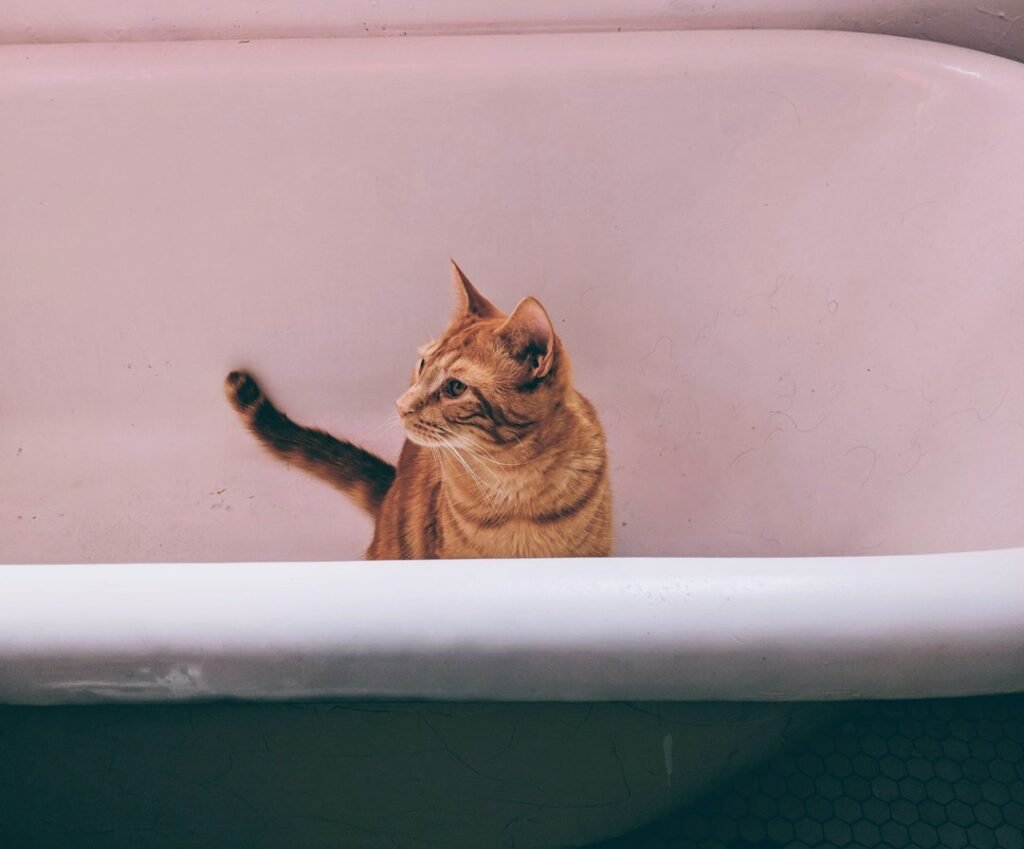
Ultimately, cats’ hatred of water may not stem from a single source; it’s probably a blend of multiple factors, and it is likely a combination of being a natural aversion and a learned behavior. Every cat is an individual with their own history, genetics, and personality.
What we do know is that this complex relationship with water reveals something profound about cats themselves. They’re not being difficult or stubborn when they resist bath time. They’re responding to deeply ingrained evolutionary programming, sensory discomfort, and survival instincts that have served them well for thousands of years. Whether your cat is a water-phobic warrior or a rare aquatic enthusiast, their behavior tells a fascinating story about who they are and where they came from.
So the next time your cat gives you that look of absolute betrayal when you approach with a damp towel, remember: you’re not dealing with a simple pet. You’re dealing with a descendant of desert hunters, a creature whose ancestors survived by staying dry, staying nimble, and staying in control. Their water aversion isn’t a quirk – it’s their heritage speaking through every fiber of their being.
What’s your cat’s relationship with water like? Does yours defy the stereotype, or do they live up to every dramatic expectation?