You’ve probably heard it before. That unmistakable sound, sharp and sudden, like air escaping from a punctured tire. Your cat, normally calm and affectionate, suddenly transforms into a hissing machine. Their ears flatten, their body tenses, and you’re left wondering what just happened. Here’s the thing: that hiss isn’t about hatred or aggression in the way we might think. It’s something far more complex and rooted in feline survival instincts.
Think of hissing as your cat’s version of putting up a stop sign. They’re telling you, or whatever has spooked them, to back off before things escalate. It’s honestly fascinating when you start to understand the layers behind this behavior. have evolved an intricate communication system, and that hiss plays a crucial role in keeping them safe.
The Mechanics Behind That Startling Sound
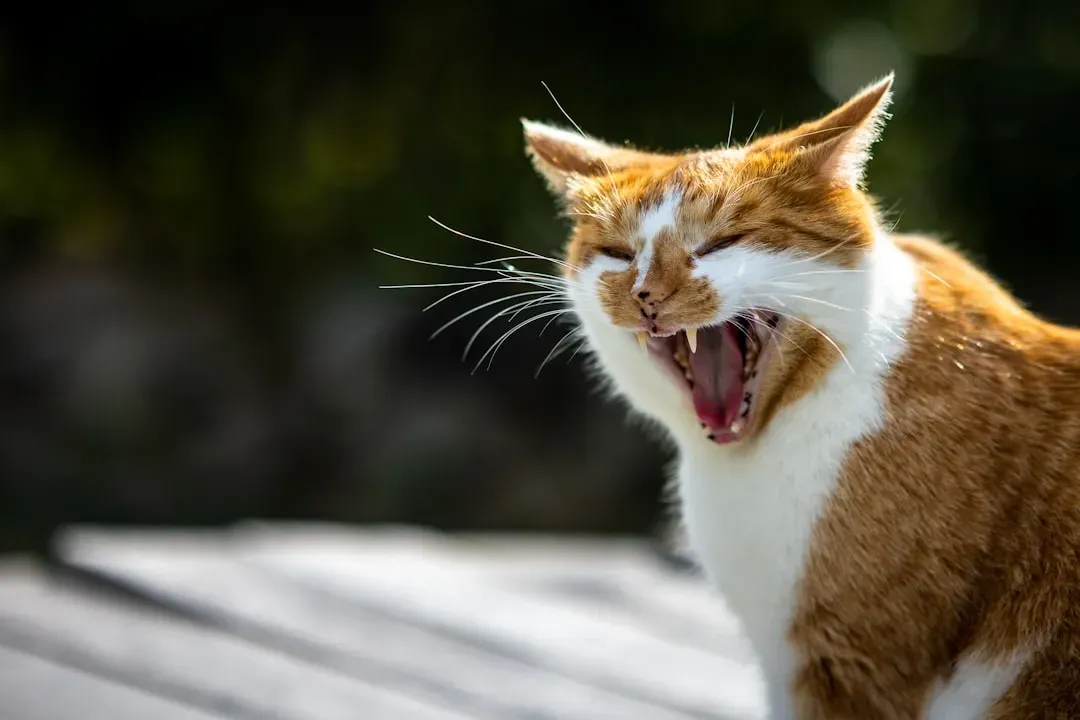
When a cat hisses, they release a sudden burst of air through their mouth, creating that distinctive snake-like noise. There’s no vocal cord involvement here, which makes it different from meowing or purring. Hissing is involuntary – a natural reaction when they’re frightened, surprised, or experiencing sudden pain or discomfort.
If you’ve ever been close enough during one of these episodes, you might have actually felt the air. You can actually feel the air coming out of their mouth when they’re hissing. The intensity can vary too. Sometimes it’s a silent, open-mouthed warning. Other times, it comes with full theatrical flair, complete with spitting and growling.
Fear: The Primary Driver
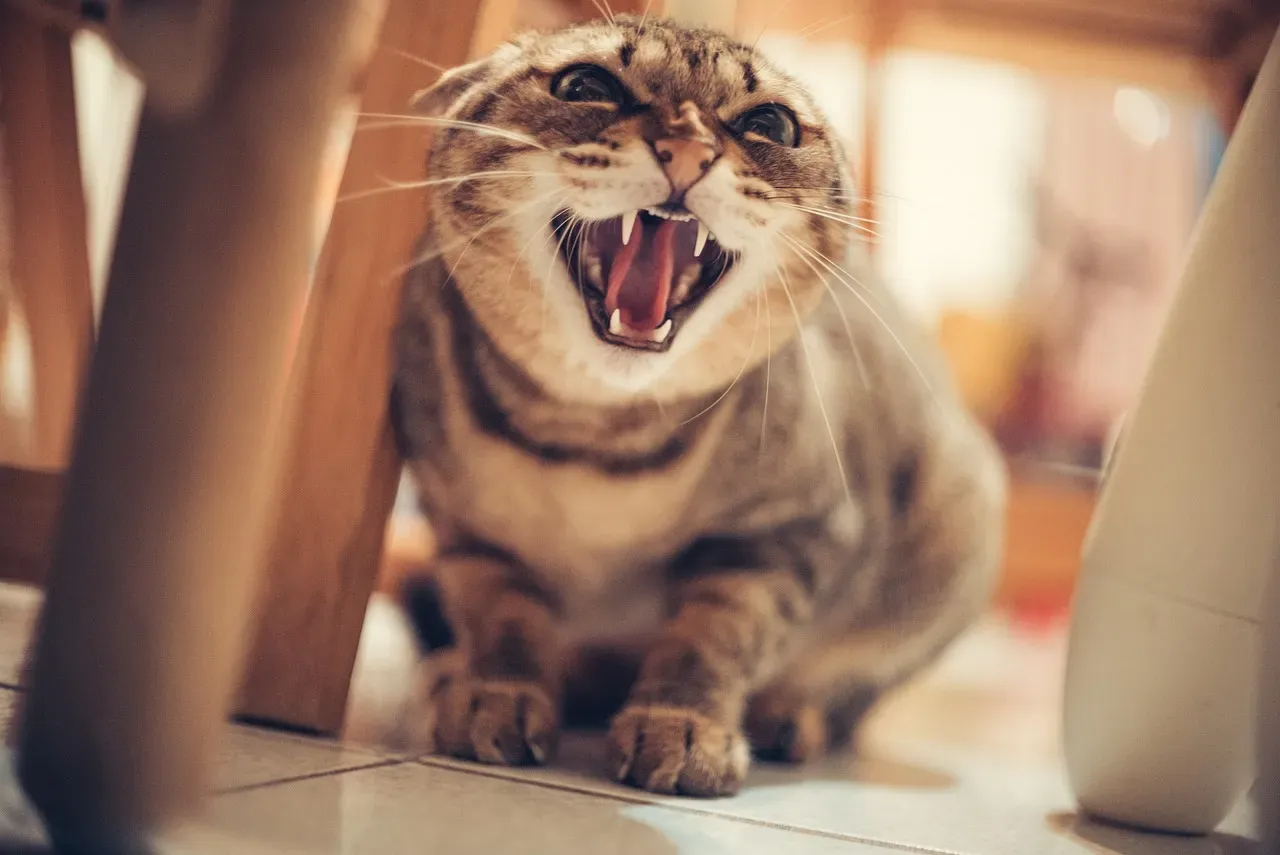
Let’s be real, fear is the number one reason cats hiss. Cats hiss at each other and at people when they feel threatened. Maybe it’s a stranger approaching too quickly, a loud noise that came out of nowhere, or even that vacuum cleaner you just turned on.
Cats who are hissing out of fear may press their ears flat back against their heads, puff up their tails, and keep their eyes extra-wide. This whole display is designed to make them look bigger and more intimidating. Think of it as their personal defense system kicking into high gear. The cat isn’t being mean; they’re genuinely scared and trying to protect themselves.
Pain Speaks Through Hissing
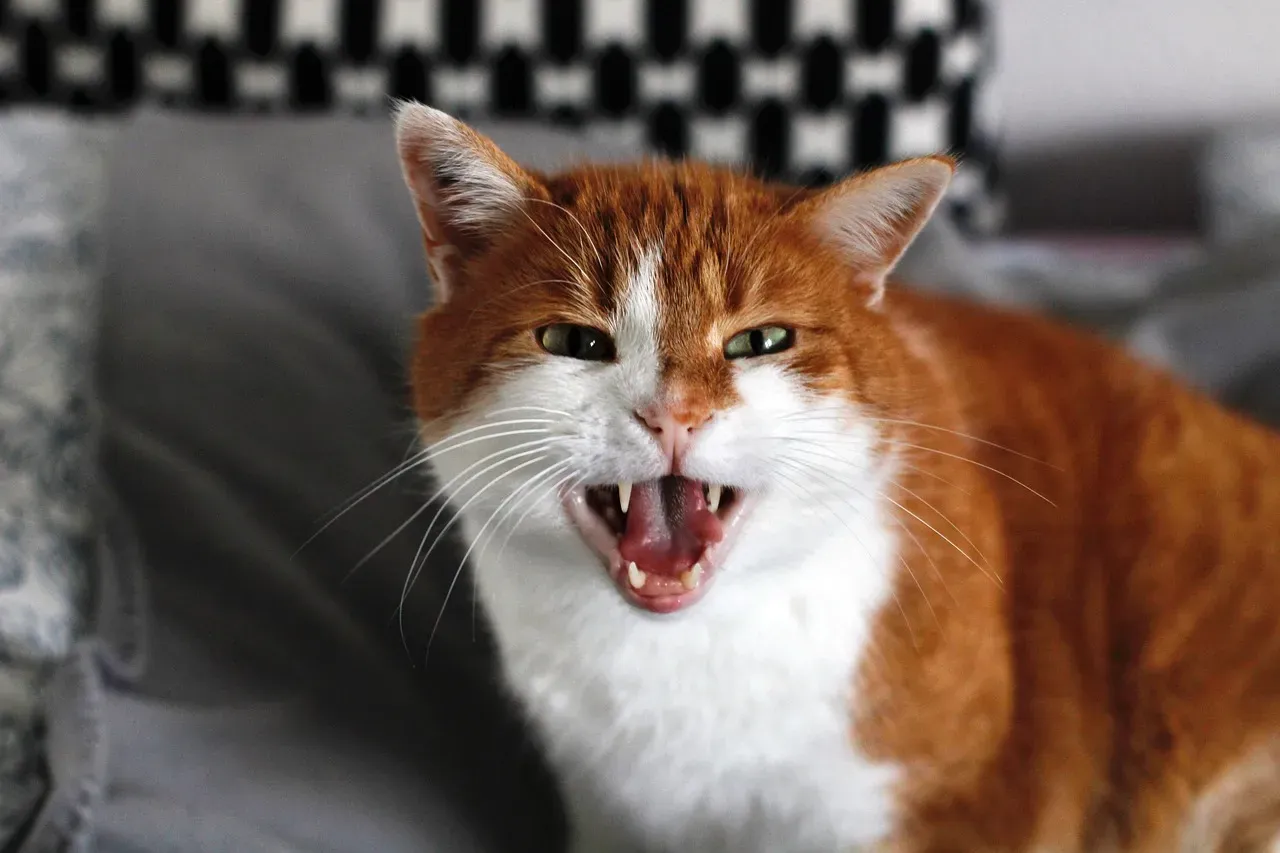
This one catches people off guard. Sometimes when a cat’s in pain they may hiss if you touch a particularly sensitive patch on their body. Alternatively, they might not even let you go near them and the cat hissing may occur every time you try to approach.
Cats are masters at hiding discomfort. It’s an evolutionary thing. In the wild, showing weakness could attract predators. So when your normally cuddly companion suddenly hisses when you pick them up, it might not be about attitude. They could be dealing with arthritis, an injury, or internal pain you can’t see. If the hissing is new and frequent, honestly, a vet visit is in order.
Territorial Disputes and Boundary Setting
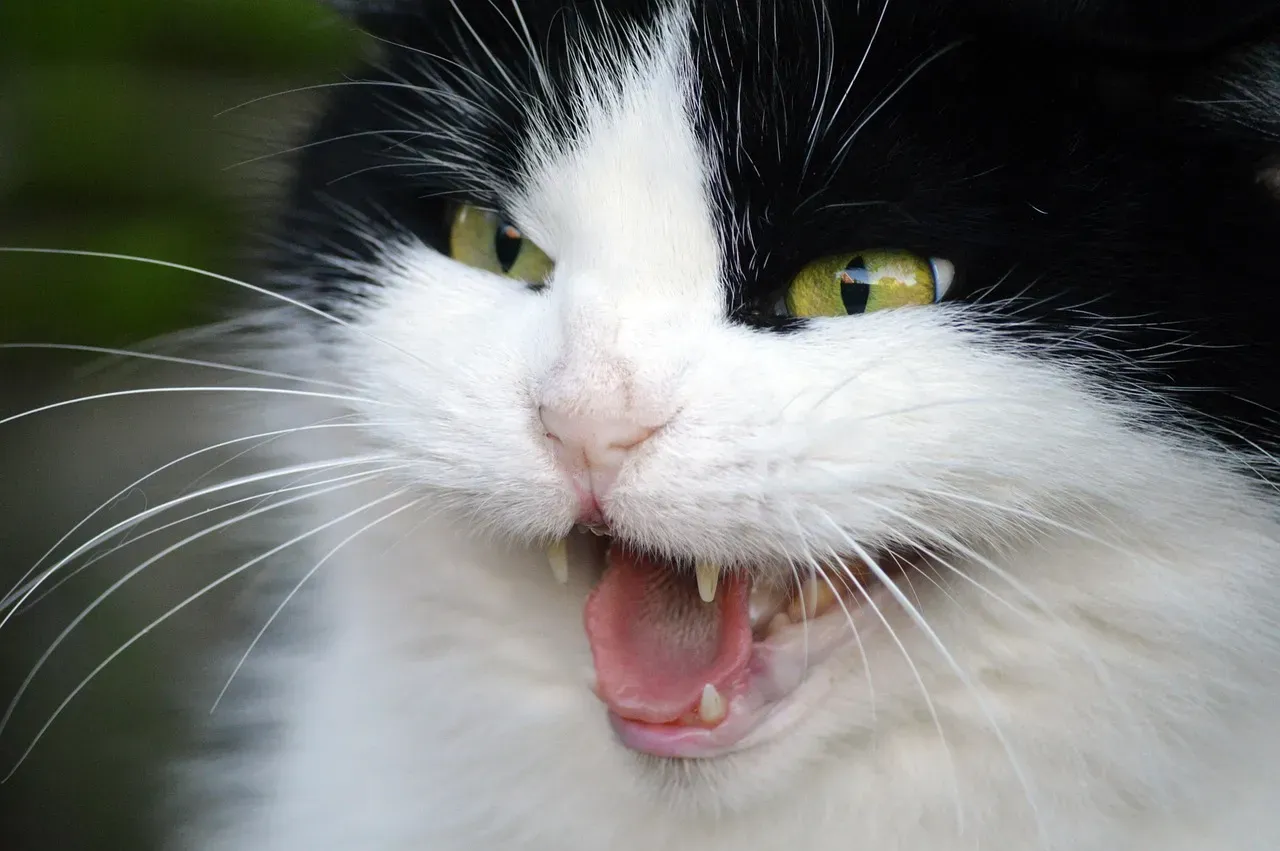
Cats may hiss to protect their territory, especially when a new cat is introduced into their environment. Territory matters immensely to cats. They’ve got favorite spots, carefully claimed spaces, and introducing a newcomer feels like an invasion.
The hissing cat isn’t necessarily being aggressive in these situations. Hissing is often a signal that the cat wants to avoid a physical confrontation. It’s actually a smart strategy. Why fight when you can issue a warning first? Mother cats also hiss to protect their kittens, even at cats they previously got along with. That maternal instinct overrides everything else.
Overstimulation and Sensory Overload
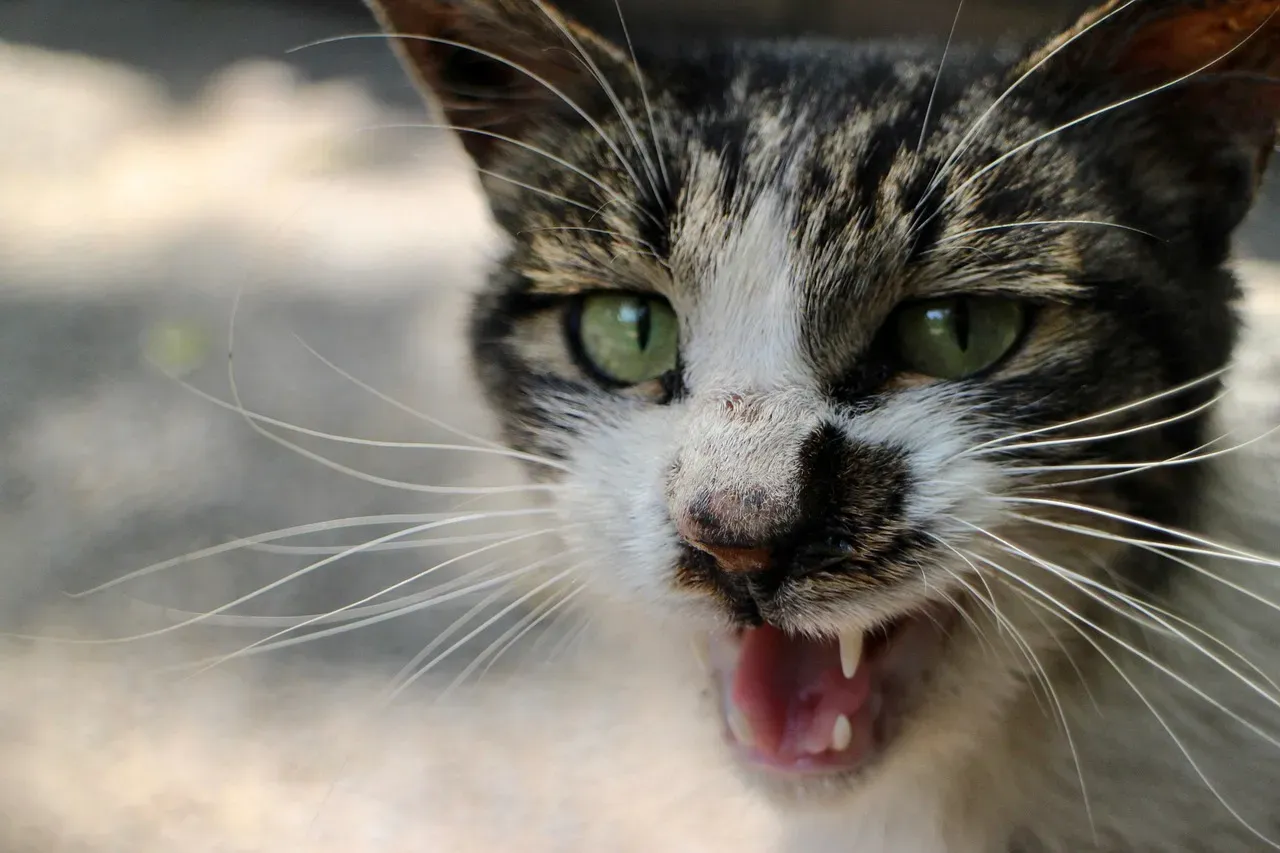
Overstimulation is the most common reason for a cat to hiss at their pet parent. Overstimulation leads to hissing, swatting, and nipping. You’re petting your cat, everything seems fine, and then suddenly… hiss. What happened?
Cats have limits to how much physical contact they can handle. Too many strokes, especially along the back, can push them over the edge. Their nervous system gets overwhelmed, and hissing becomes their way of saying “enough already.” Hissing is a way of communicating that they need a break. Keep an eye out for your cat’s body language that indicates they might have had too much play time and need a little alone time.
Stress, Anxiety, and Environmental Changes
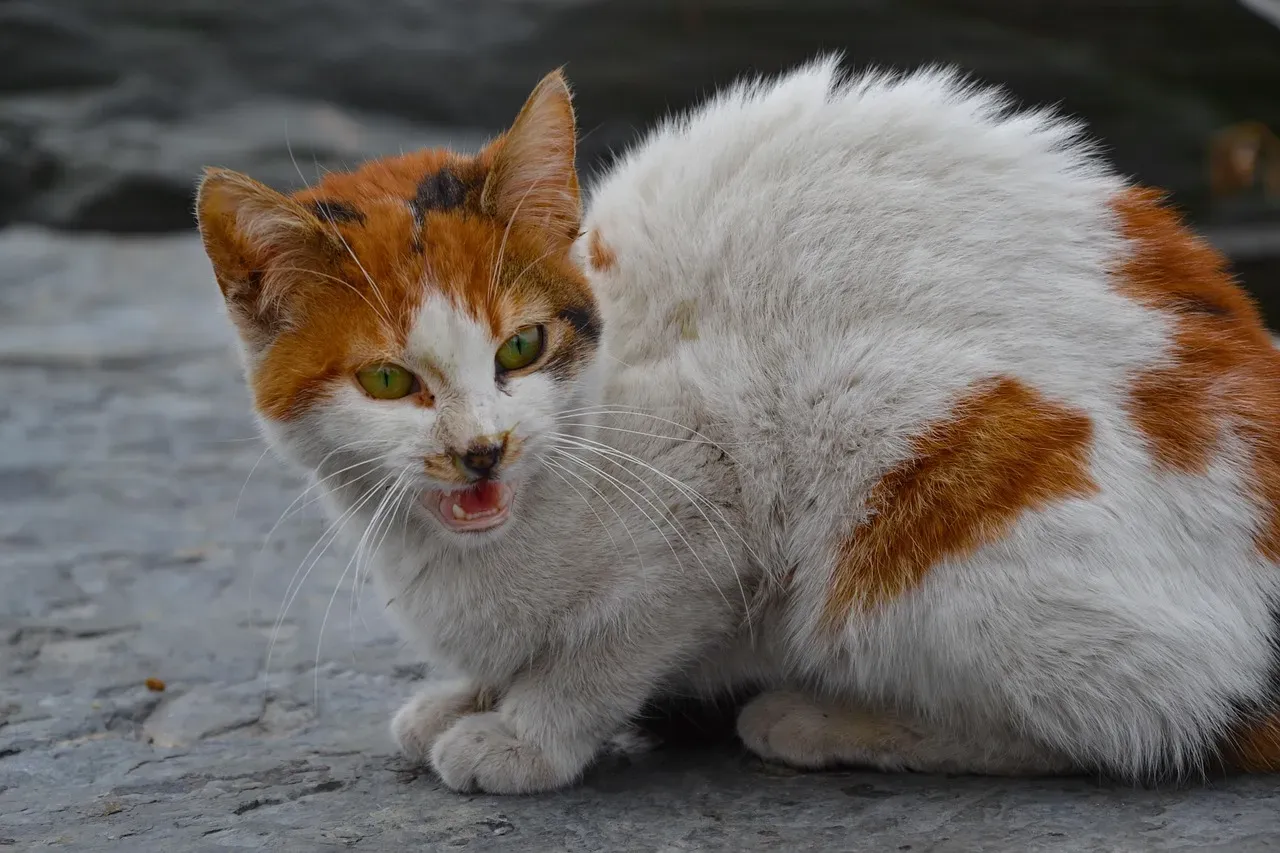
Cats are creatures of habit. They love routine, familiar scents, and predictability. Cats like familiar things which make them feel safe and at home. Because of this, sometimes your cat hissing may be caused by new objects in their environment – such as a new toy or furniture – as it can make your cat feel anxious. If this happens, you’ll need to slowly introduce new items into your home to help them get used to them.
Moving to a new house, rearranging furniture, or even bringing home a Christmas tree can trigger anxiety-driven hissing. The cat isn’t being difficult. They’re processing a world that suddenly feels unfamiliar and potentially threatening. It’s hard to say for sure, but giving them time and space to adjust usually helps.
Redirected Aggression
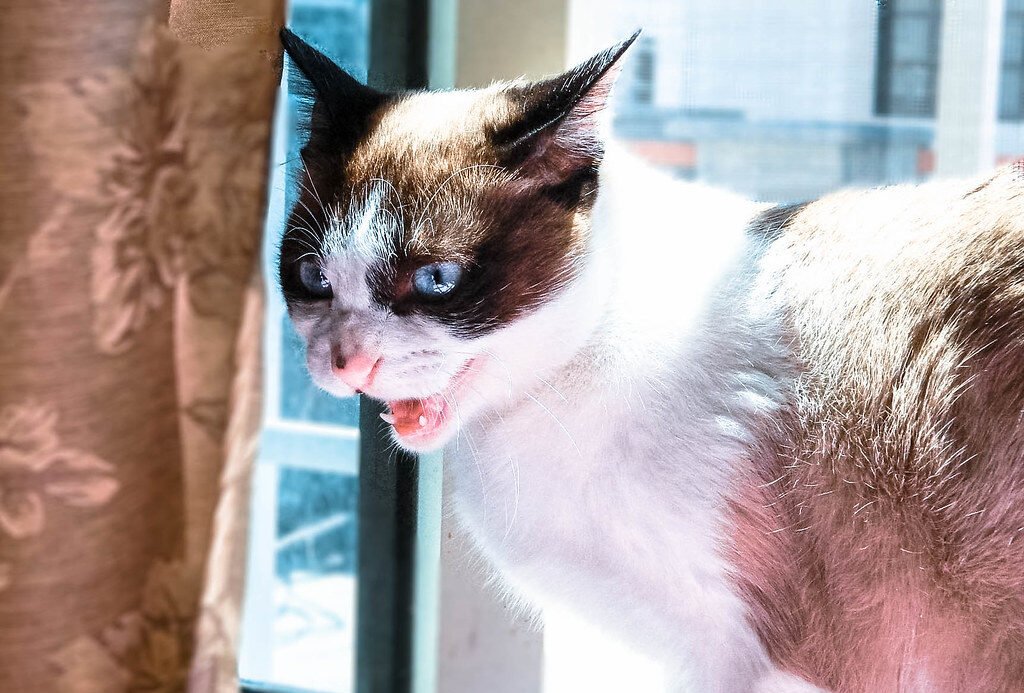
This is one of the stranger scenarios. Your cat sees something outside the window, maybe a stray cat in the yard. They get aroused and frustrated because they can’t reach the perceived threat. You walk over to comfort them, and suddenly you’re the target of that hiss.
Hissing is complex and connected to threats, stressors, dominance, and sometimes to social structure. Redirected aggression happens when the original source of stress isn’t accessible, so the cat redirects that heightened emotional state toward whatever’s nearby. Unfortunately, that’s often their beloved human.
The Communication Factor: Not Always Negative

Here’s where it gets interesting. Hissing is ultimately a way of communicating. Your cat is letting you know they’re uncomfortable and giving you, your other cat, or whatever they’re hissing at know that they should back away.
Think of it as your cat’s diplomatic approach. Rather than immediately resorting to claws and teeth, they’re issuing a verbal warning. If your cat didn’t hiss, instead they may be forced to defend themselves in an aggressive way by scratching or biting. In a way, the hiss is a gift. It’s communication before escalation, a chance to de-escalate the situation peacefully.
Why You Should Never Punish a Hissing Cat
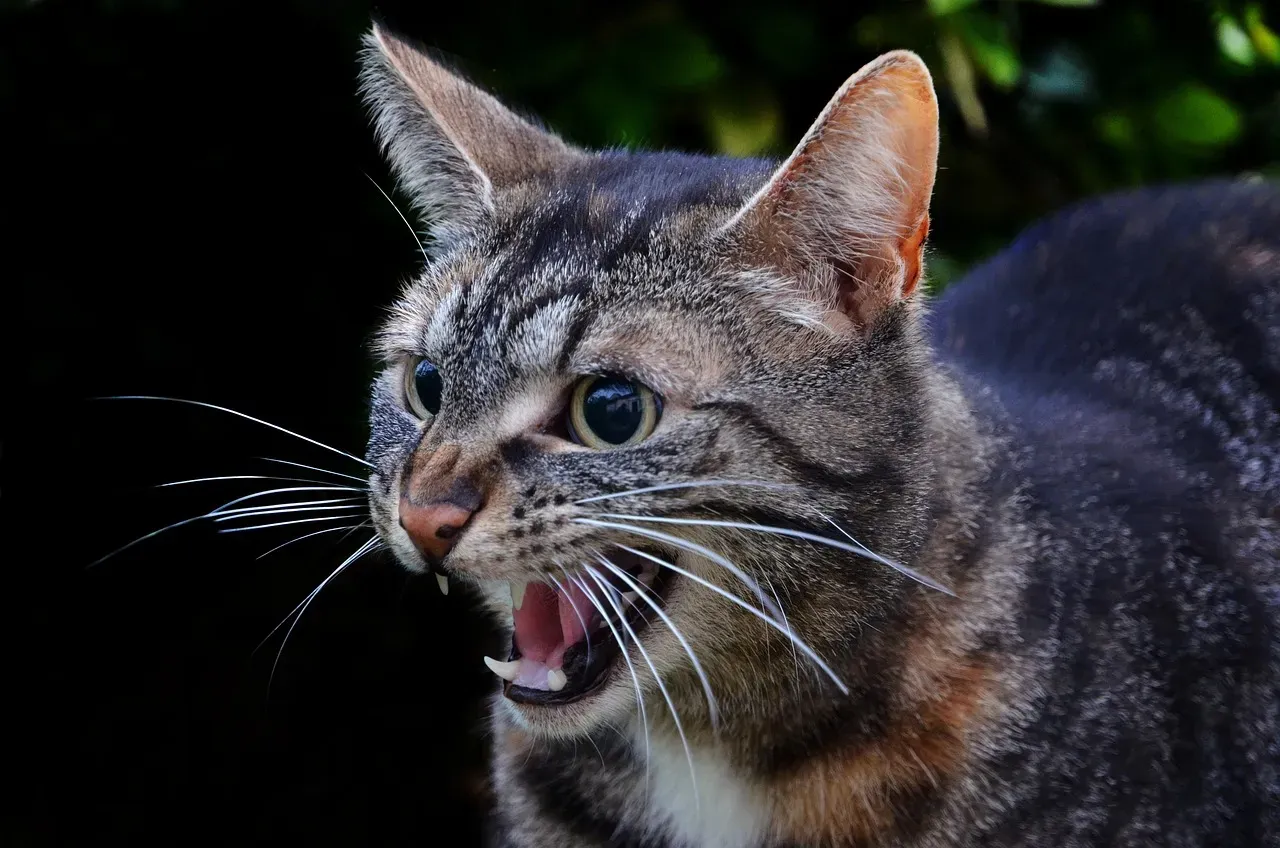
It’s very important you don’t try to punish your cat for hissing because if you do, you tell them they shouldn’t communicate. Instead, your cat will just skip right past the non-violent communication and go straight toward something high risk for all involved.
Scolding a hissing cat teaches them the wrong lesson. They learn that warnings don’t work, so next time they might skip the hiss and go straight to scratching or biting. You’re essentially removing their ability to express discomfort in a relatively harmless way. The better approach? Give them space. Let them calm down. Figure out what triggered the response and address the root cause.
Understanding Your Cat’s Complete Message
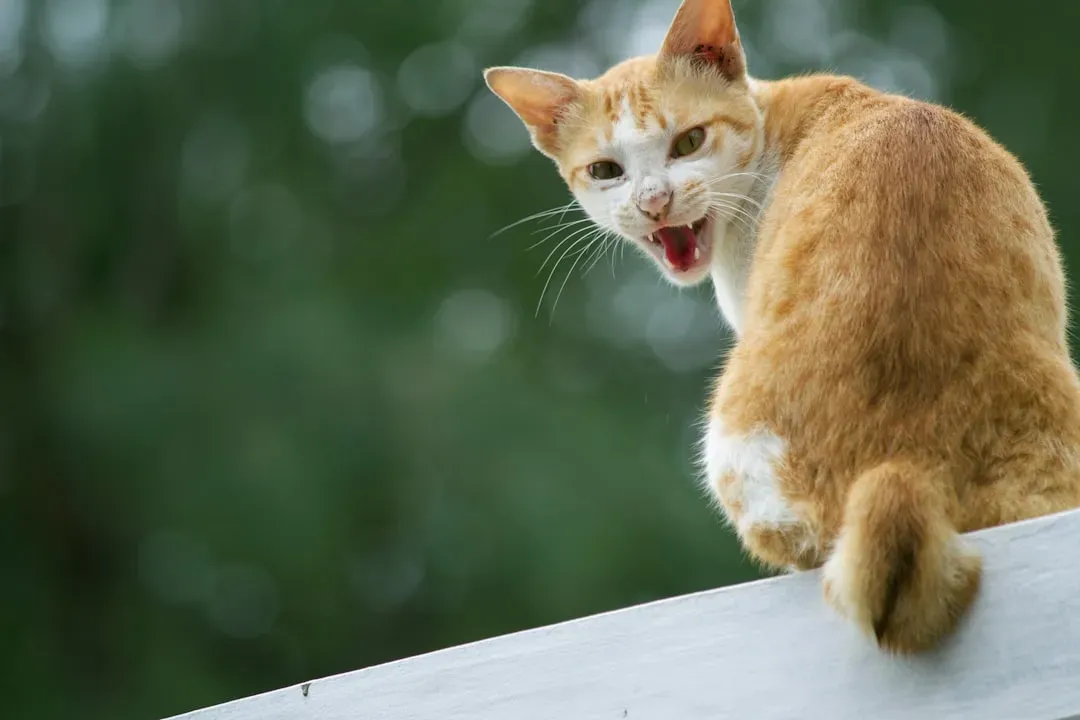
This sound will usually be paired with other cat body language signs such as bared teeth, flattened ears, an arched back and their fur will also stand on end (also known as piloerection). The hiss rarely comes alone. It’s part of a larger communication package.
Watch their tail. Is it tucked under or puffed up? Check their pupils. Dilated pupils often signal fear or heightened arousal. Notice their body posture. Are they crouched low or standing sideways to appear larger? Typical body postures associated with fearful or defensive aggression are a combination of defensive signals (such as crouching, flattening the ears, tucking the tail, leaning away or rolling onto the side, and pupil dilation) and aggressive signals (such as hissing and spitting, piloerection, growling, swatting, biting and scratching). Reading the whole picture helps you understand what your cat is really trying to tell you.
Conclusion: Decoding the Hiss
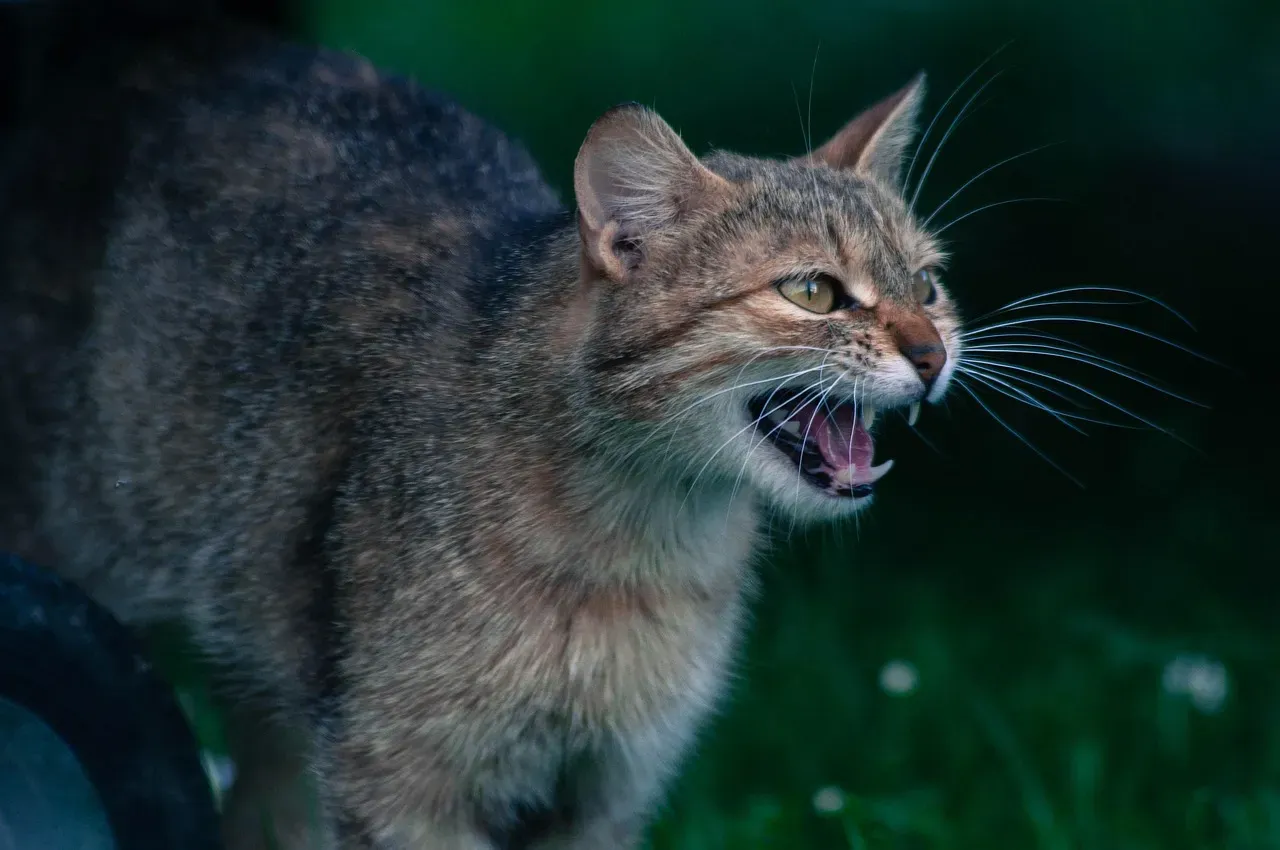
Understanding why cats hiss transforms how we interact with them. It’s not about spite or meanness. Your cat hissing is a way of communicating fear or anxiety. They want you to stop doing something or they need space. Whether it’s fear, pain, territorial concern, overstimulation, or stress, that hiss is valuable information.
The next time you hear that sharp burst of air, take a step back. Look at the situation from your cat’s perspective. What changed? What feels threatening? How can you help them feel safe again? By respecting their communication and responding appropriately, you’re building trust and creating a calmer environment for your feline friend. What do you think about your cat’s hissing now? Has your perspective changed?