There is something quietly magical about watching your cat settle into your lap, close their eyes halfway, and begin that slow, rhythmic pressing of their paws. It looks a bit like someone making bread dough in slow motion. Adorable, yes. Slightly mysterious, absolutely. Whether your cat does it on your favorite blanket, your belly, or your face at 3am, you have probably asked yourself what on earth is going on.
The truth is, cat kneading, lovingly nicknamed “making biscuits” by the internet, is one of the most fascinating windows into your cat’s inner world. It touches on instinct, emotion, evolution, and the unique bond your cat shares with you. Let’s dive in.
What Exactly Is Kneading and What Does It Look Like?
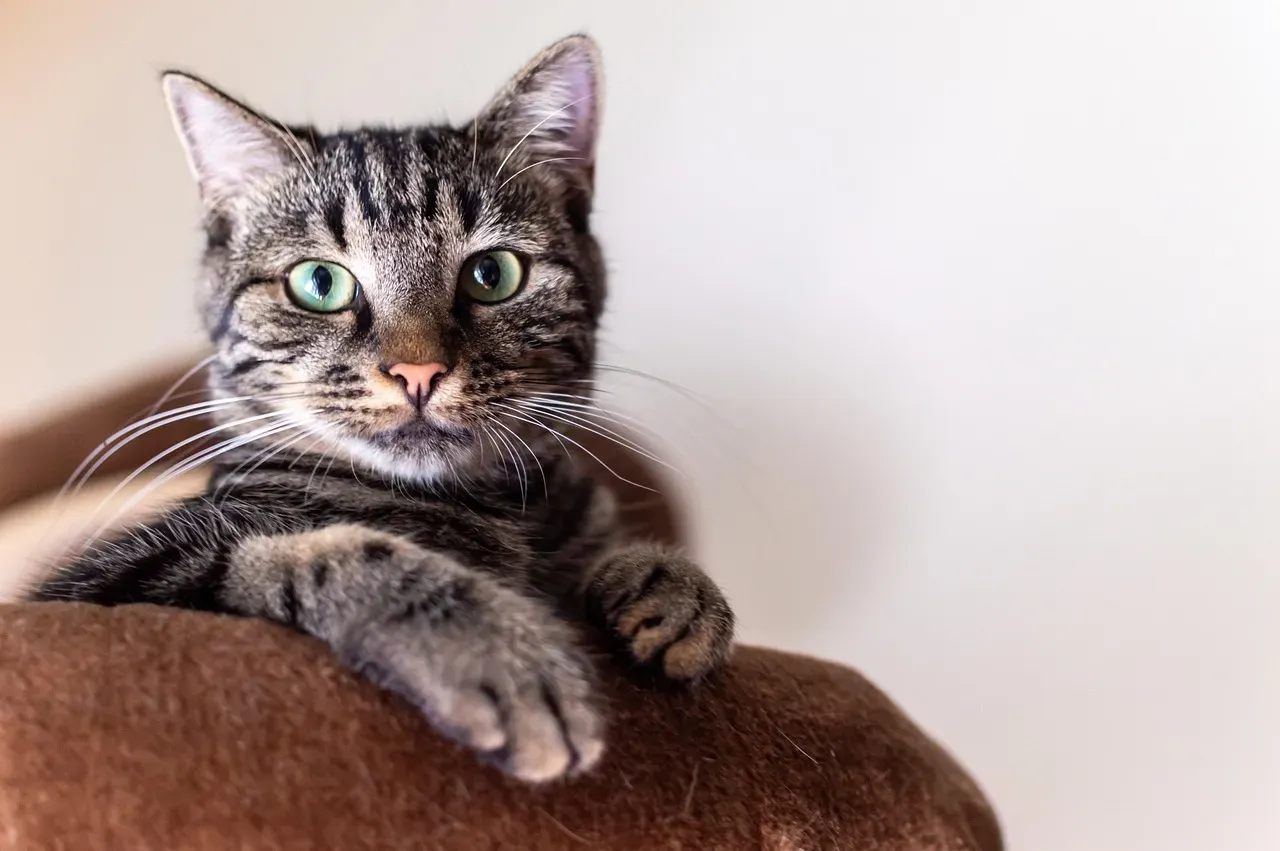
Kneading is a behavior frequently observed in domestic cats where, when a cat feels at ease, it may push out and pull in its front paws against a surface such as furniture or carpet, or against another pet or human, often alternating between right and left limbs. Think of it like a slow, rhythmic massage motion that your cat performs with an almost trance-like focus. It can honestly be one of the most calming things you will ever watch.
The cat exerts firm downward pressure with its paw, opening its toes to expose its claws, then closes its claws as it lifts its paw, with the process taking place with alternate paws at intervals of one to two seconds. Though cats will sit happily on a hard surface, they will only knead a soft or pliant surface. So if your cat chooses you as their kneading spot, consider yourself a certified soft surface – and take that as a compliment.
The Kittenhood Origins of “Making Biscuits”
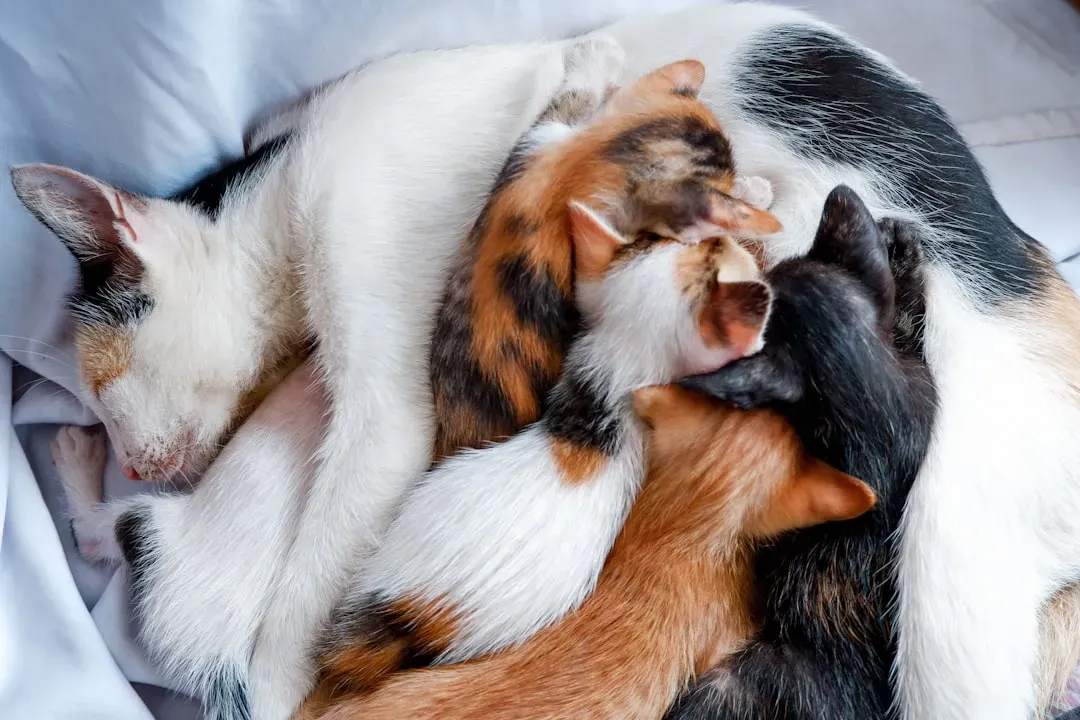
Kneading begins in kittens as an instinctual behavior that is associated with feeding – it’s not something cats ever have to learn. The way the behavior starts is: they knead the mother’s mammary glands to actually suck the milk. It is a survival reflex. Pure and simple. From the very first hours of life, your cat was already kneading as a way to stay alive.
The action creates a positive feedback loop: kneading triggers milk letdown, which reinforces the behavior through immediate reward. The nursing period represents a critical developmental window during which behaviors become deeply embedded in the feline brain. Neurological studies suggest that repeated actions performed during early life create lasting neural pathways. In other words, this behavior gets literally wired into your cat’s brain from day one.
Why Adult Cats Never Quite Grow Out of It
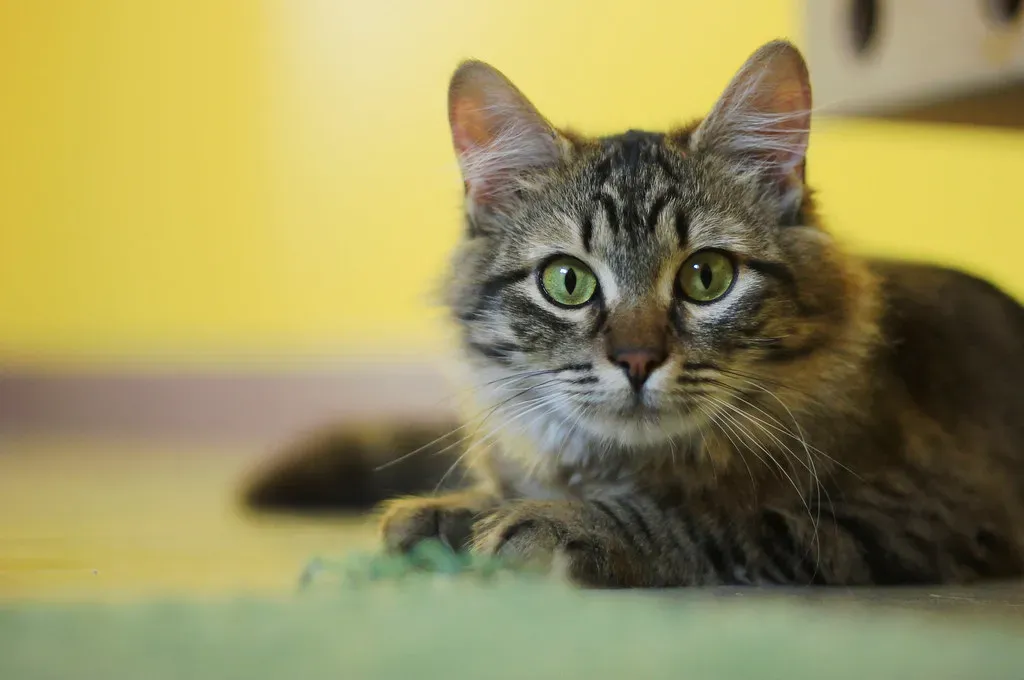
Adult cats sometimes keep the behavior long after they have fully developed. It’s not unusual for domesticated animals to retain juvenile traits into adulthood – a phenomenon called neoteny that also explains, for example, why dogs look and act more like wolf cubs than adult wolves. It is a fascinating quirk of domestication. Your cat, in many ways, is a kitten forever.
Free-living domestic cats that aren’t socialized towards humans don’t tend to perform these behaviors when they leave the nest – those behaviors are something they mostly only do when they’re around their littermates and their mother. Domestic cats, however, take these social behaviors into adulthood because they’re in very social situations throughout their whole lifetime. You, in a very real sense, are your cat’s permanent mother figure. I know it sounds a little wild, but that’s actually kind of beautiful.
Kneading as a Signal of Deep Trust and Affection
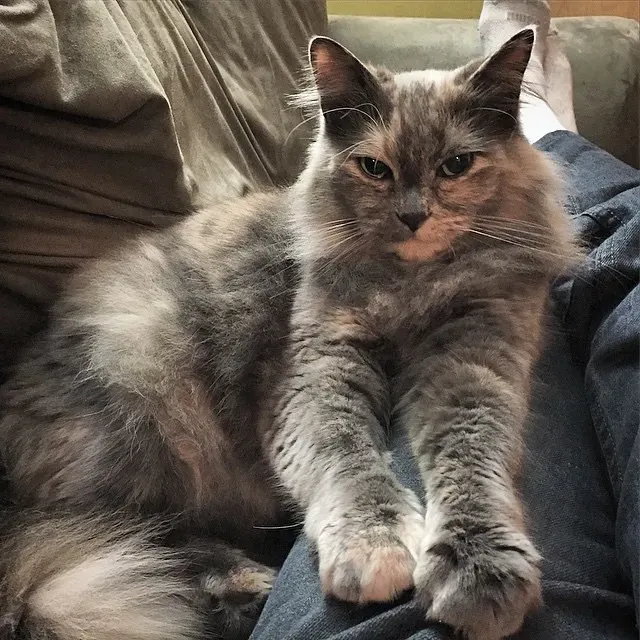
Kneading on your lap is a cat’s way of saying “we’re affiliated” or “you’re in my social group.” Or, to be very human about it, “you’re my person.” When your cat chooses to knead on you specifically, it is not random. You have been selected. You passed the test. Honestly, few things feel quite as validating as being chosen by a cat.
When a cat kneads on a person, it represents a significant display of trust and affection. The behavior indicates that the cat views the human as a source of comfort and security, similar to how they perceived their mother during kittenhood. This transference of attachment demonstrates the depth of the human-feline bond. So the next time those little paws start pressing into you, you can feel genuinely honored. Your cat is telling you something important.
The Wild Ancestor Connection: Nesting in Nature

Kneading may have an origin going back to cats’ wild ancestors who had to tread down grass or foliage to make a temporary nest in which to rest. Picture a lion settling into the African savanna, pressing down tall grass before lying down. Your house cat is doing the exact same thing on your couch cushion. Same instinct, different address.
Wild cats will paw at piles of leaves or tall grass to create a nest for themselves and their young to relax and sleep in. By doing this to the ground, they’re not only creating a soft nest – similarly to how we fluff pillows – but they’re also checking for predators, prey or dangerous things hidden in the foliage. Your cat’s pre-nap kneading routine is, in essence, an ancient security check. The threat level has changed. The behavior has not.
Scent Marking: Your Cat Is Claiming You as Their Own
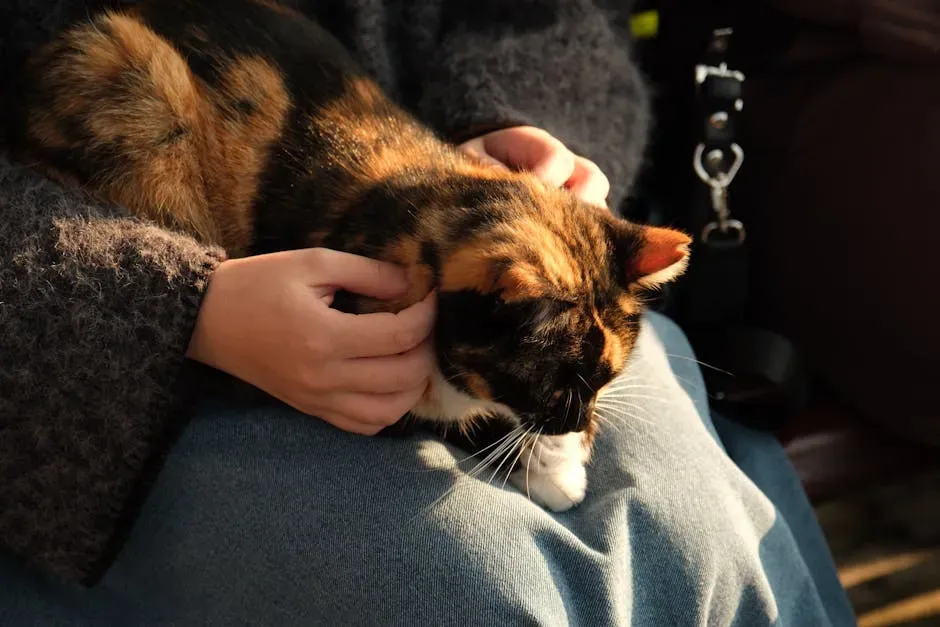
According to different hypotheses, cats use kneading to mark their territory and communicate through smell signals. Cats have scent glands located in the smooth pads of their paws, and by kneading, they release pheromones onto the surface they’re pressing against. These pheromones function as an aroma marker, letting other cats know that the area is claimed and helping create a sense of familiarity and security for the kneading cat.
A possible answer to why cats knead is that they’re trying to mark their territory, because there are scent glands that release pheromones in their paws. By pushing their paws in and out they activate these scent glands, so they could be doing this on your lap to mark you as their own and warning other cats to back off. Let’s be real – you are basically being invisible-ink stamped as someone else’s property. There are worse fates.
The Dopamine and Stress-Relief Connection
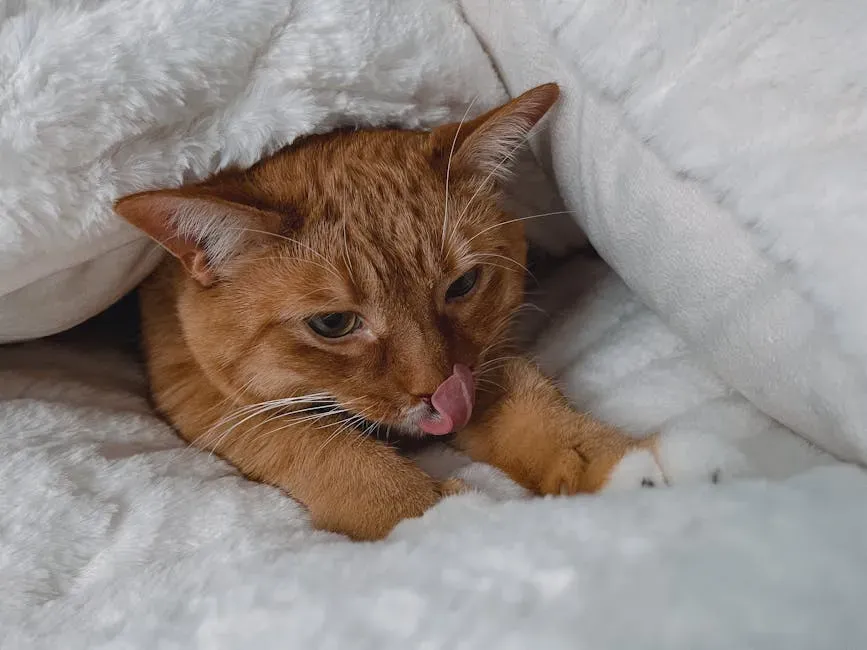
The action of kneading in cats causes the release of the pain-relieving, feel-good chemical dopamine in the brain. As such, increased or excessive kneading can be a sign that your cat is uncomfortable or anxious, and the kneading could be an attempt to soothe themselves. Think of it like humans who tap their foot when they’re nervous, or scroll their phone when they feel overwhelmed. Kneading is your cat’s built-in coping mechanism.
Some cats knead when they’re anxious or seeking comfort. It’s the same instinct that soothed them as kittens during nursing. If your cat starts kneading during stressful times, like a move or a new household pet, it might be their version of a stress-relief technique. Occasionally, injured cats will knead and purr, which experts think may be an attempt to self-soothe. The behavior is deeply therapeutic for them, even when we do not fully understand the trigger.
Physical Benefits: More Than Just Emotional
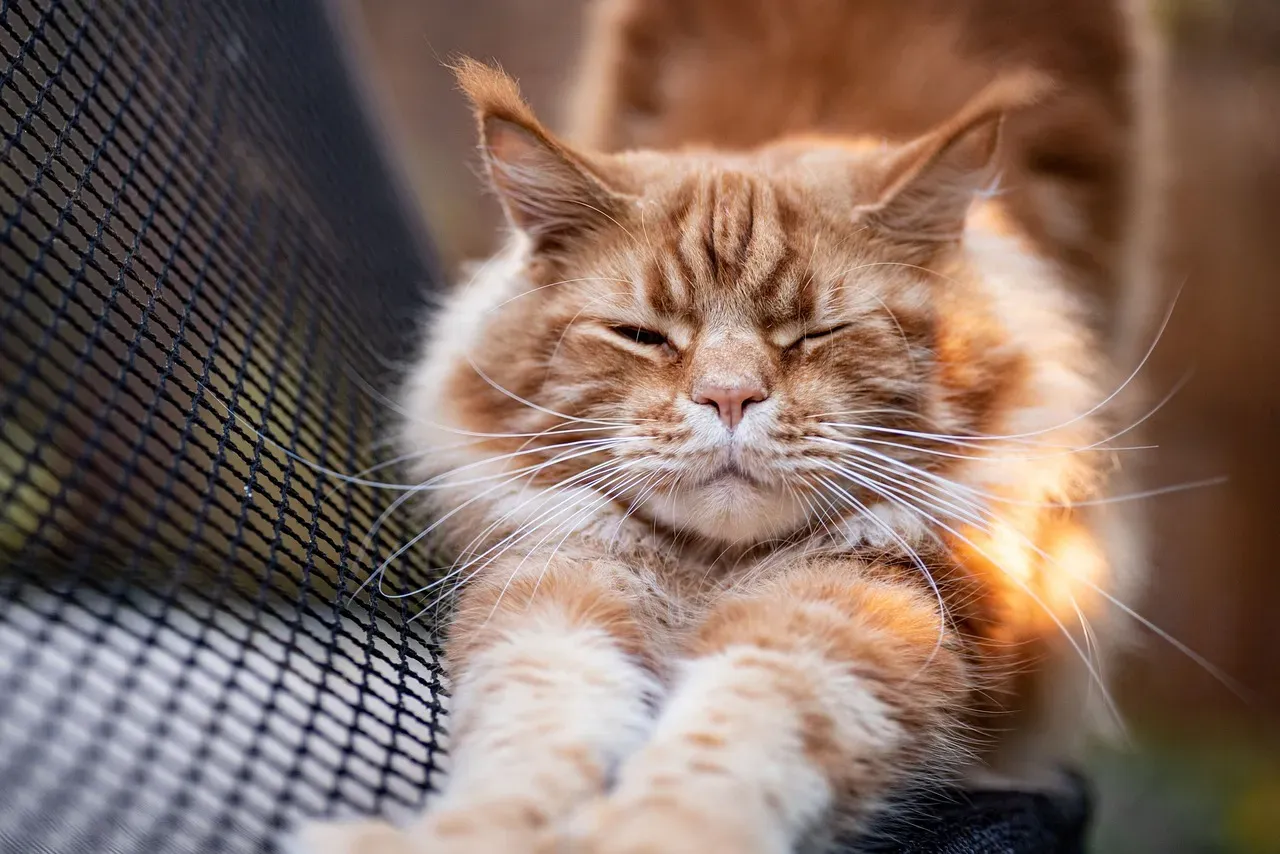
Kneading stretches a cat’s muscles and activates scent glands in its paws, which can be a friendly way for the animal to stake its claim on a favorite human or sleeping spot. So your cat is simultaneously getting a workout and leaving their invisible signature. Efficient, honestly. Kneading also gives cats a chance to stretch their muscles and maintain agility. The rhythmic movement engages their shoulder, leg, and back muscles, encouraging good circulation and easing any stiffness.
Kneading also provides physical benefits for adult cats. The motion stretches the muscles, tendons, and ligaments in the front legs, shoulders, and back. Regular stretching maintains flexibility and prevents stiffness, particularly important for cats as they age. So the next time your cat kneads away at your lap for five straight minutes, think of it as their morning yoga session. You just happen to be the mat.
When Kneading Becomes Too Much: What You Should Know
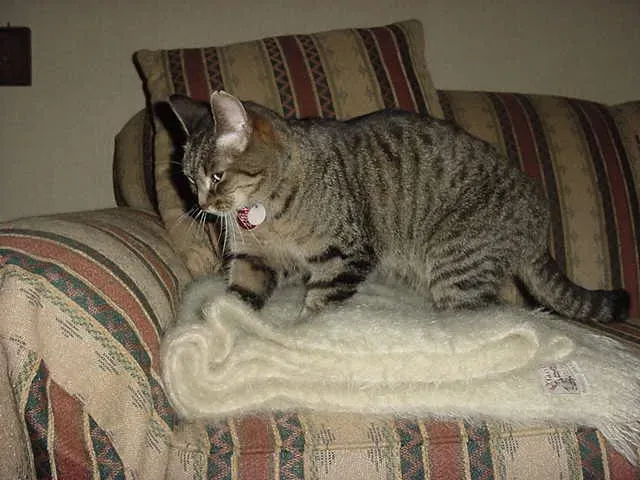
If the kneading (and especially sucking) occurs very frequently, for a long time, appears compulsive or is beginning to damage your cat’s paws, legs or mouth, it may be a sign your cat is stressed or in pain and needs to see a vet. Kneading and sucking can become compulsive, a particular problem in Siamese and Birman cats. It is hard to say for sure in every individual case, but knowing your cat’s baseline behavior is the best way to recognize when something has shifted.
A cat should never be punished for kneading. It is a normal behavior, and punishment could lead to a breakdown in the caregiver-cat bond, as the cat doesn’t understand they are causing pain. Instead, try redirecting. If your cat kneads on you, consider placing a soft blanket on your lap to make it more comfortable for both of you, especially if their claws are extended. A little thick fleece between you and those claws goes a long way.
Conclusion: Your Cat’s Kneading Is a Love Letter in Motion
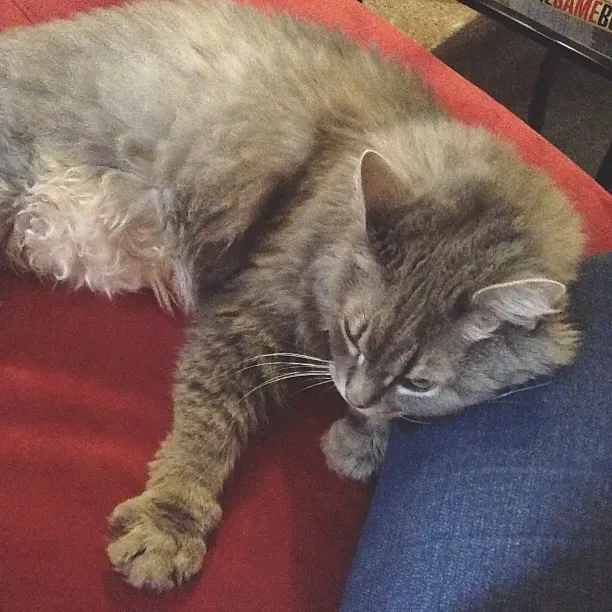
Here’s the thing about cat kneading – it is not just a quirky habit or a random reflex. It is a layered, multi-purpose behavior rooted in survival, emotion, evolution, and genuine affection. Every time your cat “makes biscuits” on you, they are drawing on millions of years of instinct and pointing it all directly at you.
Cat kneading is a behavior that bridges the gap between the wild and the domesticated, an instinctual act rooted in the nurturing connection between a mother and her kittens. Beyond its evolutionary origins, it also serves as a profound emotional expression, reflecting trust, comfort, and pleasure. Your cat chose you as their safe space. That is not nothing.
So the next time those paws start working away at your lap, maybe skip the wincing and just let yourself feel it for what it is – your cat’s most honest, heartfelt way of saying, “I’m home.” Does knowing all of this change how you’ll feel the next time your cat kneads you? Tell us in the comments.