You’ve probably seen your cat staring intently out the window, tail twitching with barely contained excitement as a sparrow lands on the feeder outside. Maybe you’ve even found feathers scattered across your back porch, wondering why your well-fed companion feels compelled to chase down these feathered creatures. The truth behind this behavior is far more complex and fascinating than you might imagine, rooted in ancient instincts that no amount of kibble can suppress.
Understanding why your furry friend transforms from couch potato to fierce predator isn’t just about satisfying curiosity. It’s about caring for your cat’s wellbeing while being a responsible pet owner. Let’s dive into the wild side of your domestic companion.
1. It’s Hardwired Into Their DNA

Hunting behavior is genuinely hardwired into your cat’s DNA. Think about it this way: your cat’s ancestors survived for millions of years by perfecting the art of stalking and catching prey. Your cat’s wild ancestors developed their hunting skills over millions of years of stalking and chasing prey to feed themselves and their young.
Unlike dogs, which have been selectively bred for generations to perform specific tasks, cats haven’t undergone nearly as much genetic modification. Hunting is an instinctual behaviour for cats, and we have not done a huge amount of selective breeding to reduce this trait. Until a very short time ago, cats were mostly kept to control household pests so if anything, their powerful hunting abilities were desirable! So what you’re seeing when your cat crouches in hunting position isn’t learned behavior – it’s encoded in their very being. Your sweet tabby shares the same predatory blueprint as their wild cousins, making every bird that flutters by an irresistible trigger for deeply ingrained instincts.
2. Birds Trigger Powerful Visual and Auditory Responses
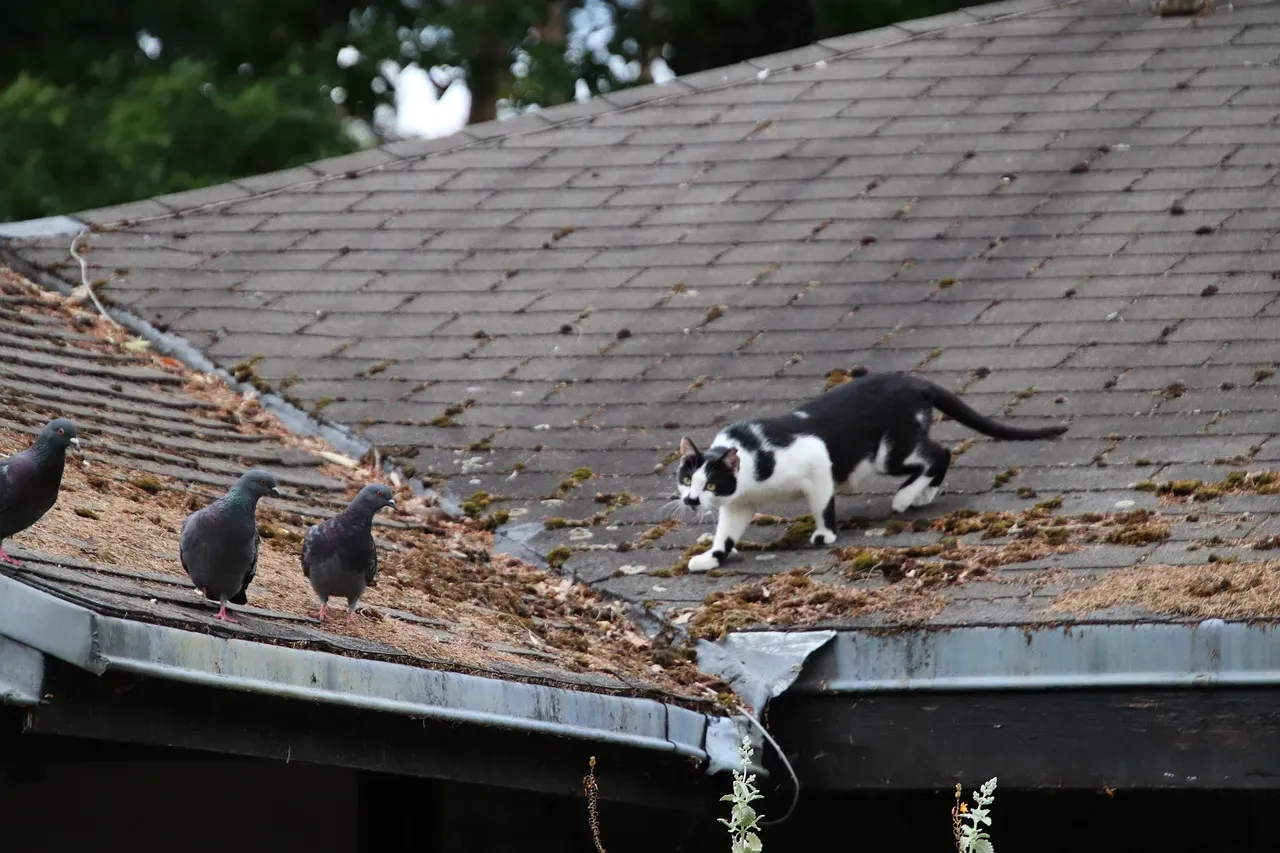
The mere sight and sound of prey triggers your cats hunting instinct which is hardwired into their brains. Quite simply, your cat is powerless to resist the flapping wings of a bird or the scuttling feet of a small mouse. Watch your cat’s pupils dilate when a bird flies overhead. That’s not a choice they’re making – it’s an automatic physiological reaction.
Birds possess exactly the kind of stimuli that evolution programmed cats to respond to: erratic movement, fluttering wings, high-pitched chirping sounds. The sight or sound of prey triggers your cat’s hunting instinct, making it near-impossible for them to resist the sound of a bird’s wings flapping or the sight of a darting mouse. It’s the feline equivalent of a flashing neon sign screaming “hunt me!” Even the quietest indoor cat can become mesmerized by avian activity outside a window. Their whiskers point forward, ears perk up, and they might even make that peculiar chattering sound that cat owners know so well.
3. Hunger Has Nothing to Do With It
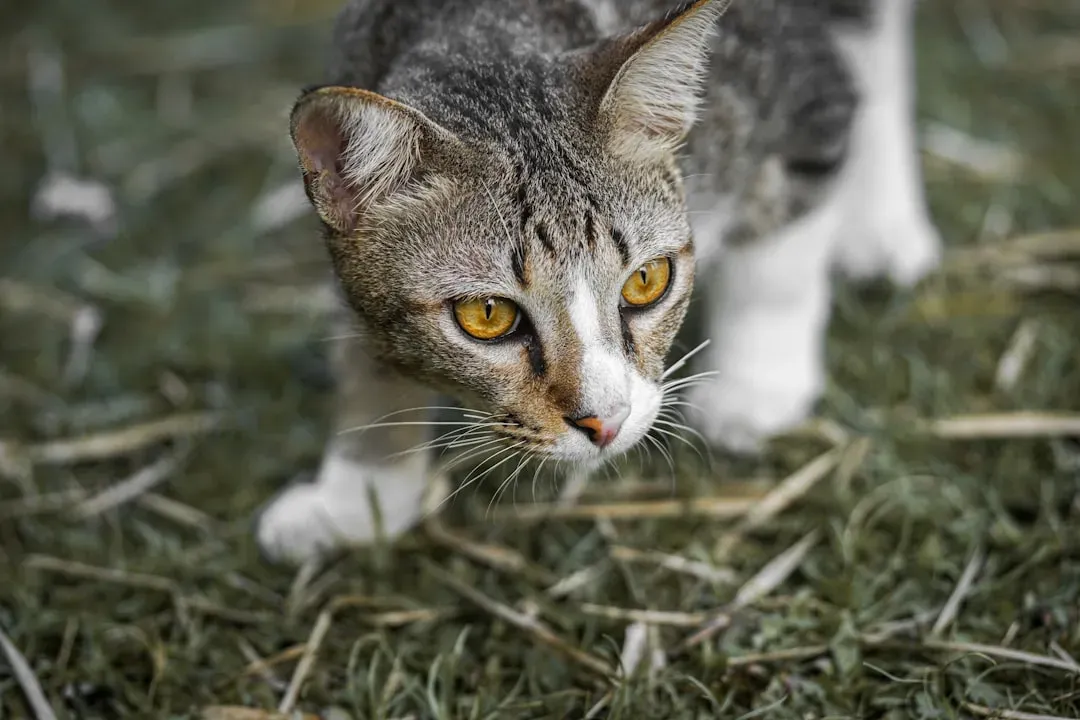
Here’s something that might surprise you: your cat doesn’t hunt birds because they’re hungry. I know it sounds counterintuitive, especially when you’ve just filled their bowl with premium cat food. Because hunting behavior in cats is driven by instinct and not by hunger, feeding cats (as in TNR colonies) does nothing to stop them from hunting, even if the cats are overfed.
If cats were to rely only on their own catches to sustain them they’d need to catch around 10 – 20 critters a day which is a huge amount, especially considering on average each hunting attempt has less than a 50% chance of success. Due to this high amount, cats have evolved to try and hunt whenever they can, regardless of whether or not they are hungry, so they’ll try and catch prey whenever the opportunity presents itself. Wild cats can’t afford to wait until starvation sets in before pursuing prey – by then, they’d lack the energy to succeed. So your pampered house cat retains this opportunistic approach, hunting not from necessity but from evolutionary programming. It’s actually a testament to how well you’re caring for them when they bring home prey but don’t eat it!
4. Cats Are Highly Skilled Ambush Predators
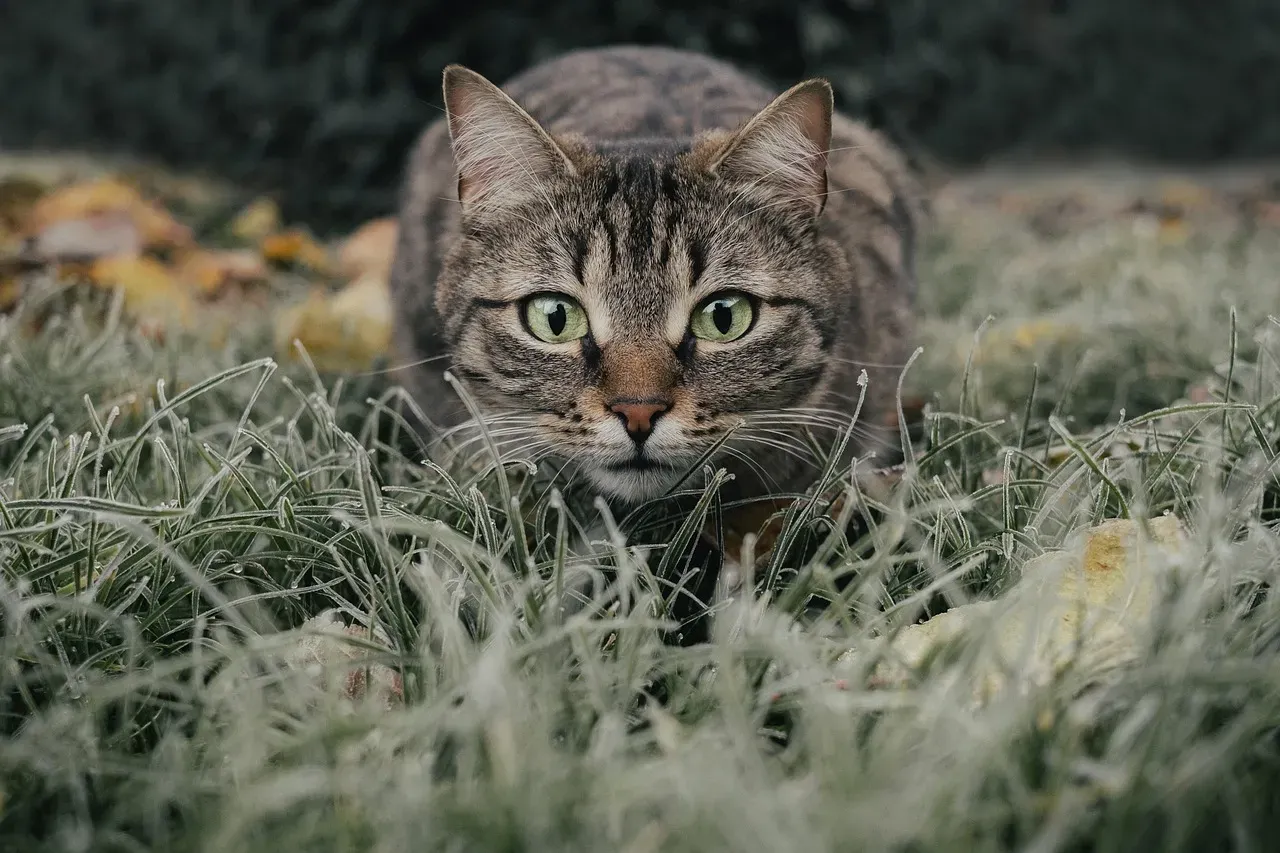
Cats are technically ambush hunters, which means they can hide with their prey completely unaware while they plan their attack. Birds make particularly enticing targets because of how cats hunt. Your feline companion doesn’t chase prey across vast distances like wolves or wild dogs do. Instead, they excel at patience, stealth, and explosive bursts of speed.
Cats can climb extremely fast, very quickly, in combination with their efficient claws and muscle strength. Cats can promptly get to tree limbs and bird feeders to catch prey. They have mighty jaws and sharp teeth that can quickly kill a bird with the first chomp. Birds, being relatively fragile creatures, unfortunately don’t stand much of a chance once caught. The combination of sharp retractable claws, powerful leg muscles for pouncing, and precise bite placement makes cats devastatingly effective hunters. Many felines use the stalk and pounce technique to hunt their prey. These cats locate their prey, then crouch low to the ground and slowly creep toward their prey. When the cat is within striking distance, they’ll spring forward onto the prey.
5. Hunting Provides Mental and Physical Enrichment
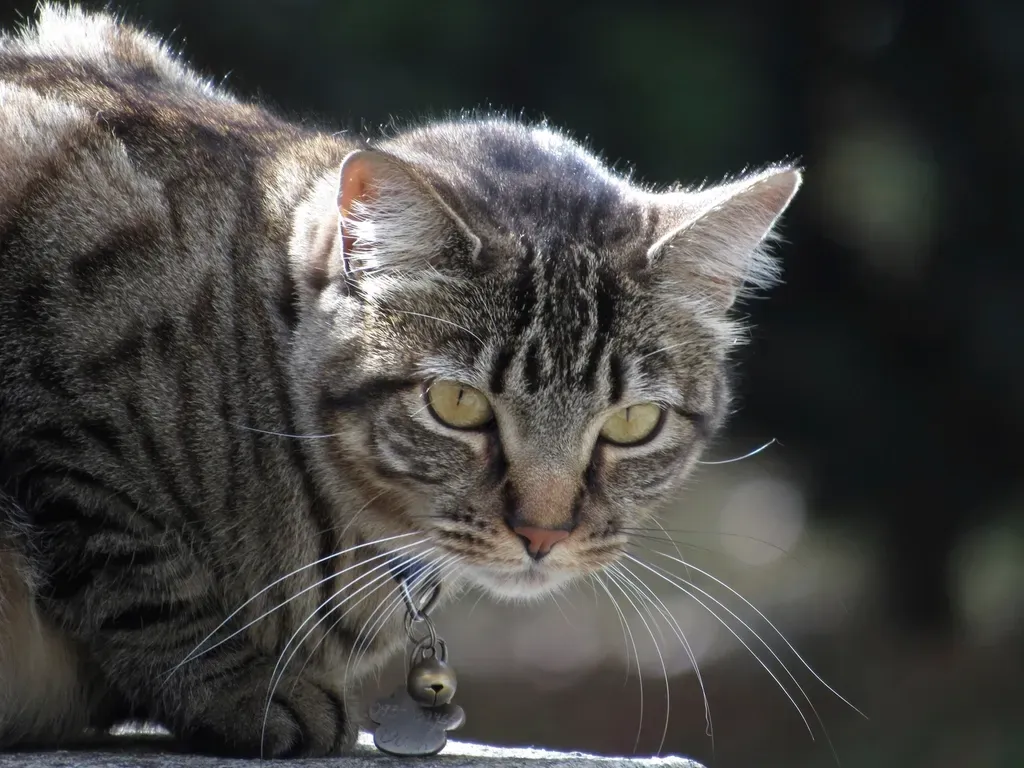
Cats are natural predators, and their hunting behavior is deeply ingrained in their DNA. Even well-fed domestic cats maintain this instinct, as hunting isn’t solely driven by hunger. Instead, it’s connected to their need for mental stimulation, exercise, and the satisfaction of their predatory drive. Think of hunting as your cat’s version of going to the gym and solving puzzles simultaneously.
Hunting is a very stimulating and enriching behaviour for your cat. To help reduce the chances of this, give your cat PLENTY of other enrichment opportunities so that they’re occupied and less likely to need to hunt to fulfil that need. Without outlets for these natural behaviors, indoor cats can develop behavioral problems like destructive scratching, aggression toward humans, or excessive vocalization. The thrill of stalking, the focus required to remain motionless, the explosive energy of the pounce – all these elements fulfill deep-seated needs in your cat’s psyche. When they successfully catch a bird, it delivers a dopamine rush that reinforces the behavior, creating a self-rewarding cycle.
6. Mother Cats Teach Hunting Skills to Kittens

Cats often learn to hunt the same way most mammals learn how to do things – from their mothers. In many instances, hunting is a learned behavior first taught by their mother and then reinforced and honed by playing with their littermates. If you’ve ever wondered why your cat brings you dead or half-dead prey, this maternal teaching instinct might explain it.
The mother cat teaches her kittens to kill to eat. Her first lesson consists of bringing home dead prey and consuming it in front of the kittens. Soon they learn to join in. At the end of this stage, she brings the dead prey home and leaves it for the kittens to eat on their own. Your cat may view you as a rather incompetent member of their family who desperately needs hunting lessons. Studies have shown that kittens who had the opportunity to observe their mothers hunt become better hunters than kittens who didn’t. Even so, most kittens who never see their moms hunt can still instinctually figure it out on their own. That mix of learned and instinctual knowledge makes cat hunting incredibly resilient to attempts at suppression.
7. The Environmental Impact Is Substantial

This one’s tough to discuss, but it’s important for responsible cat ownership. A 2013 systematic review in Nature Communications of data from 17 studies found that feral and domestic cats are estimated to kill billions of birds in the United States every year. These aren’t just numbers on a page – they represent real impacts on ecosystems and bird populations.
In a global 2023 assessment, cats were found to prey on 2,084 different species, of which 347 (or 16.5%) were of conservation concern. Birds, reptiles, and small mammals accounted for 90% of killed species. In Australia, hunting by feral cats helped to drive at least 20 native mammals to extinction, and continues to threaten at least 124 more. Their introduction into island ecosystems has caused the extinction of at least 33 endemic species on islands throughout the world. Understanding this reality doesn’t mean you’re a bad cat owner – it means you’re an informed one who can take steps to minimize your pet’s impact on local wildlife while still ensuring they live a fulfilling life.
8. You Can Help Reduce Bird Hunting Without Sacrificing Your Cat’s Happiness
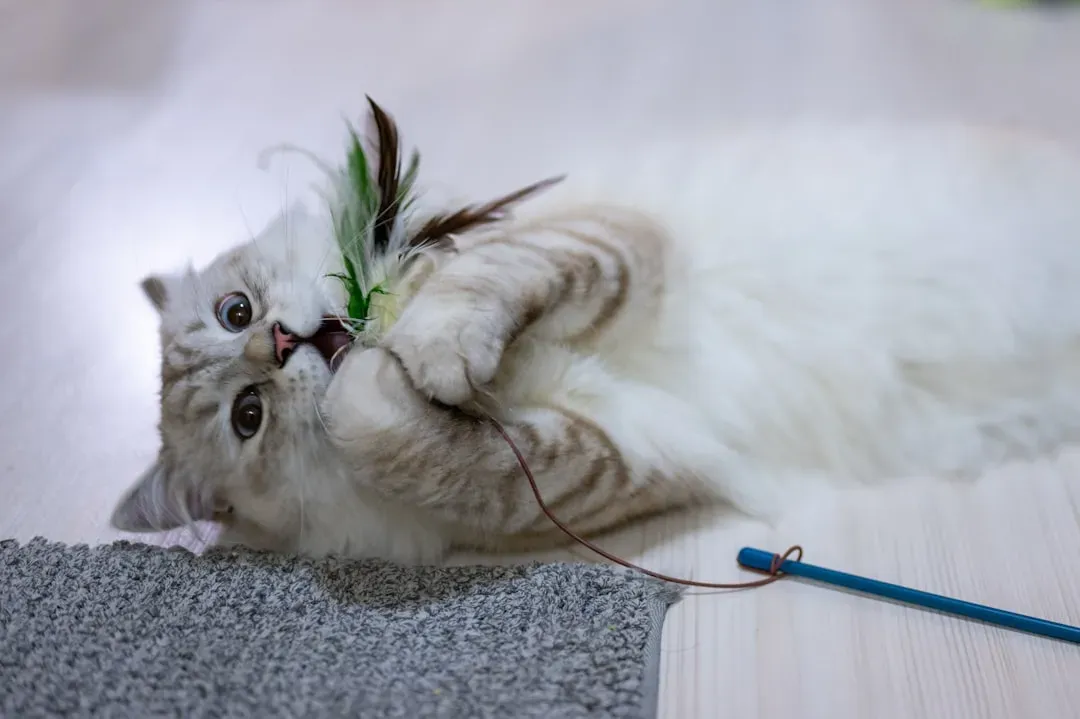
Let’s be real: you can’t completely eliminate your cat’s hunting drive, nor should you try to punish them for natural behavior. However, you absolutely can redirect it in healthier directions. A study found that providing domestic cats with high meat content diets and engaging them in object play significantly reduced their predation on wildlife. Cats fed a meat-rich diet reduced their hunting activity by 36%, while daily play sessions decreased prey capture by 25%. These findings suggest that improving cats’ diets and offering alternative outlets for their hunting instincts can effectively mitigate their impact on wildlife.
Redirecting your cat’s hunting instincts through frequent play is one of the most effective methods. Play provides mental stimulation for your cat and helps to satisfy their hunting desires. Use feather wands, toy mice, and anything that mimics prey movement. For this to be most effective, it is crucial to play with your cat as often as possible, 5-10 minutes of daily play can reduce hunting by up to 25%. Consider keeping your cat indoors during dawn and dusk when birds are most active and vulnerable. It’s worth knowing that cat’s hunting efforts are likely to be more effective around dawn and dusk, as these are the times small mammals and birds are around, as well as after a spell of bad weather when they’ll probably come out to feed. If you want to limit the number of successful hunts, it’s a good idea to keep your cat in during these times. If you must let them out, specialized collar covers in bright colors can alert birds to your cat’s presence, giving them precious seconds to escape.
Conclusion

Your cat’s fascination with isn’t a character flaw or sign of cruelty – it’s simply who they are at their most fundamental level. These behaviors developed over countless generations to ensure survival, and they’re as natural to your cat as purring or grooming. The key to responsible cat ownership lies in understanding these instincts rather than fighting against them.
By providing proper enrichment, considering dietary improvements, and implementing thoughtful management strategies, you can honor your cat’s predatory nature while protecting vulnerable bird populations. It’s not about choosing between loving cats and caring about wildlife – it’s about finding that balance where both can thrive. What steps will you take today to keep both your cat and local birds safe? The choice, as always, rests with you.