You’ve probably caught your cat perched atop the fridge more times than you can count. Maybe they’re lounging on a bookshelf, surveying the room like they own it. Spoiler alert: they probably think they do. This whole climbing thing might seem like your cat showing off their acrobatic skills or just being difficult. Here’s the thing, though. When your cat scales that cabinet or claims the highest point in your home, they’re not just being quirky. They’re answering a call that’s been echoing through their DNA for thousands of years. Let’s dive in and find out what really drives this vertical obsession.
It’s All About Survival Instincts
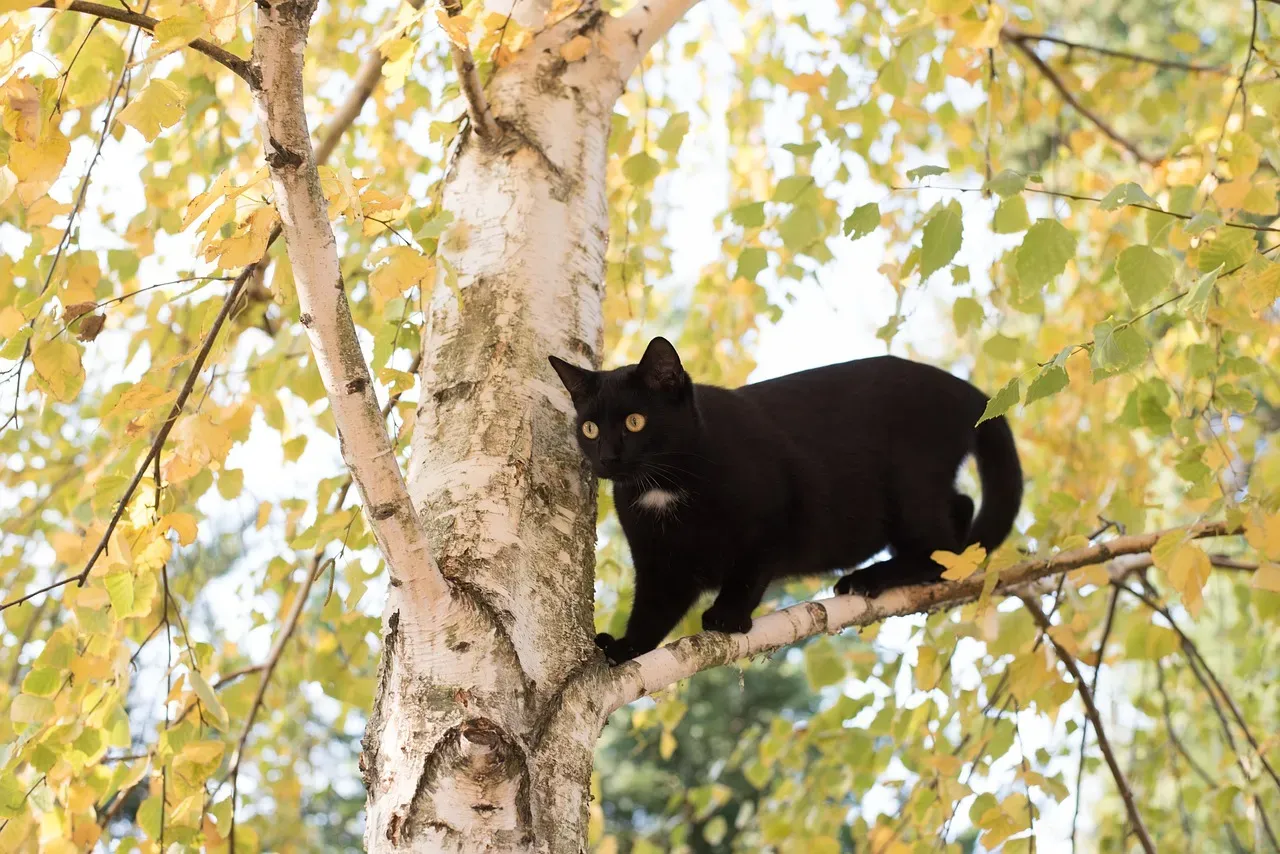
Cats are both prey and predators, and before they graced our homes, they were potential meals for wild animals while also seeking out small rodents and birds. Their claws enabled them to climb skillfully, escaping into trees for safety or climbing up high to lie in wait for prey, and this climbing behavior became hard-wired as a way of life for cats.
Your fluffy companion sitting on your refrigerator is basically channeling their inner wildcat. Cats are tree-climbing mammals that descended from early hunters like the African wildcat who lived in savannas, using their climbing skills to escape danger or wait for prey. Those ancient instincts don’t just disappear because there’s a food bowl on the floor. Even though your home is significantly safer than the wild, cats still carry that blueprint for survival within them.
The Perfect Vantage Point for Hunting
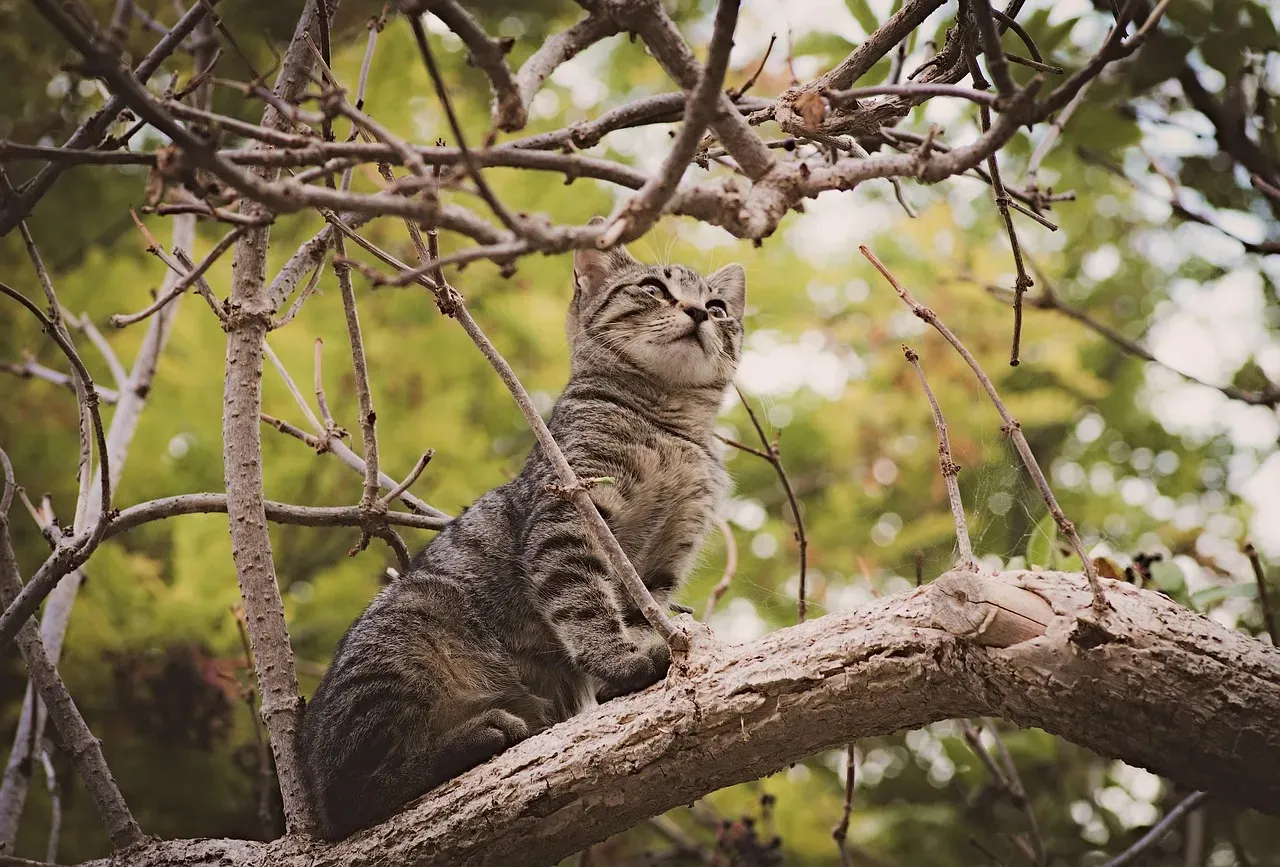
Think about it from your cat’s perspective for a moment. offered a safe vantage point to watch for predators and prey, allowing cats to spot movement below without being easily seen themselves. This elevated position gives them a tactical advantage.
Early cats were natural hunters with sharp claws that allowed them to climb skillfully into trees, where they would wait for prey from this great vantage point and pounce at just the right moment. Your modern housecat might be stalking a toy mouse instead of actual prey, but that doesn’t change the hardwired desire to scout from above. Honestly, watching a cat calculate a pounce from their perch is like witnessing a tiny, furry military strategist at work.
Safety from Threats Below
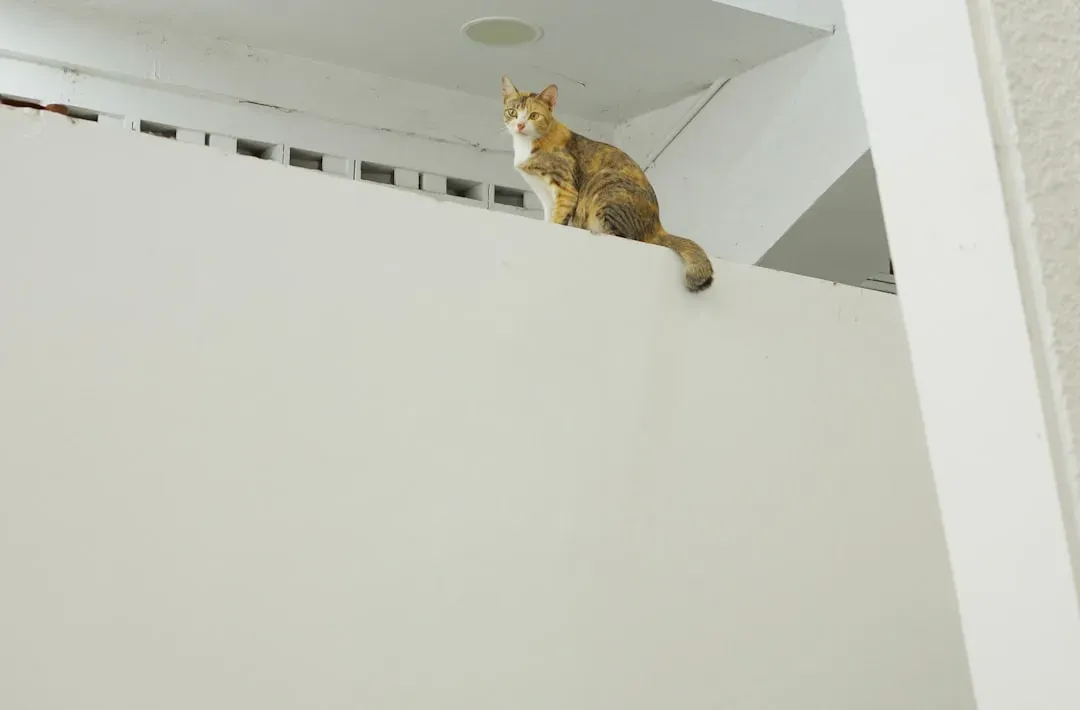
Since cats are on the smaller side, getting up to a high vantage point helps them feel a sense of security from things they perceive as dangerous, and this instinct to reach for stems from the fact that vertical spaces make them feel safe from danger.
Cats are expert hunters, but that doesn’t mean they can’t be preyed upon themselves, as their ancestors learned how to avoid larger predators by climbing up into trees. When your cat scrambles up to the top of a wardrobe because the vacuum cleaner came out, they’re reacting exactly as nature intended. Height equals protection. It’s their escape route, their fortress, their safe zone where nothing can sneak up on them unexpectedly.
Territory and Status Markers
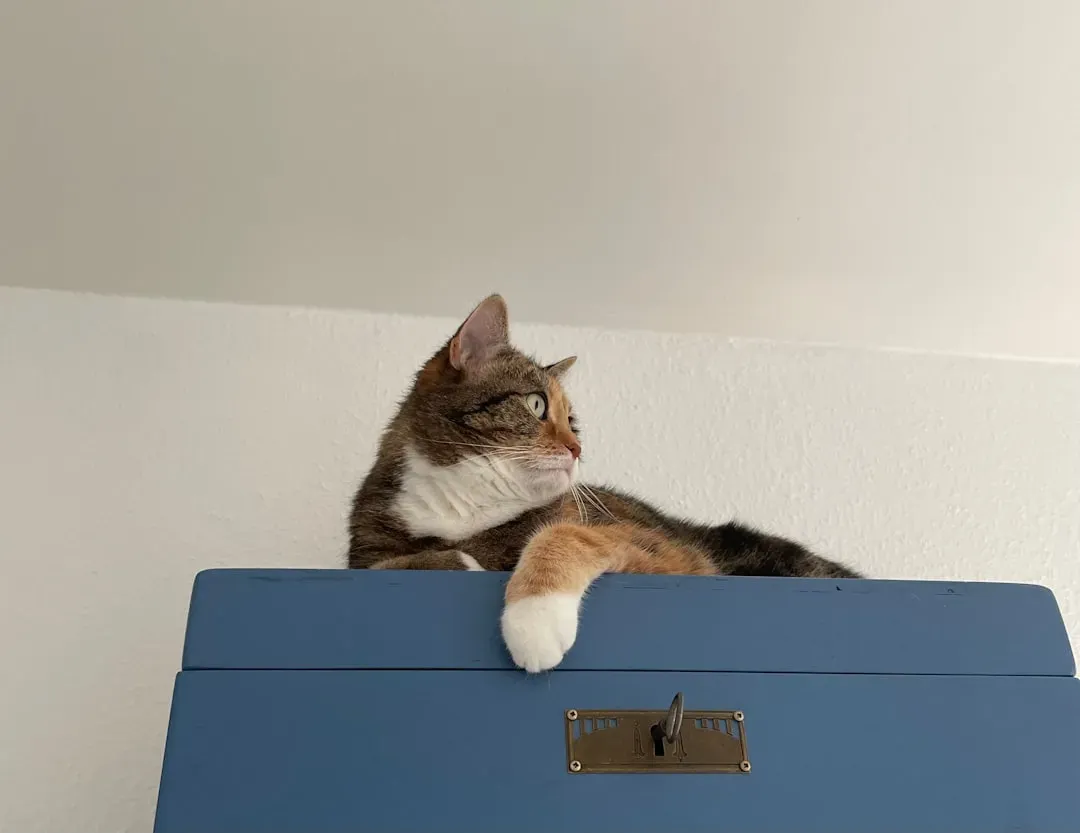
Cats aren’t just climbing for fun or safety. The higher up a cat is, the more visual advantage and warning time they have, and a more assertive cat can claim the highest spot as a show of status. Let’s be real: cats are territorial little creatures.
Being elevated allows cats to assert their dominance and mark their territory, and by claiming high vantage points, they can visually and olfactorily mark their territory, sending a clear message to other animals. If you have multiple cats, you’ve probably noticed one always takes the highest perch while others settle for mid-level spots. That’s not random. That’s social hierarchy playing out in real time, with height serving as a status symbol in the feline world.
Warmth and Comfort Up High
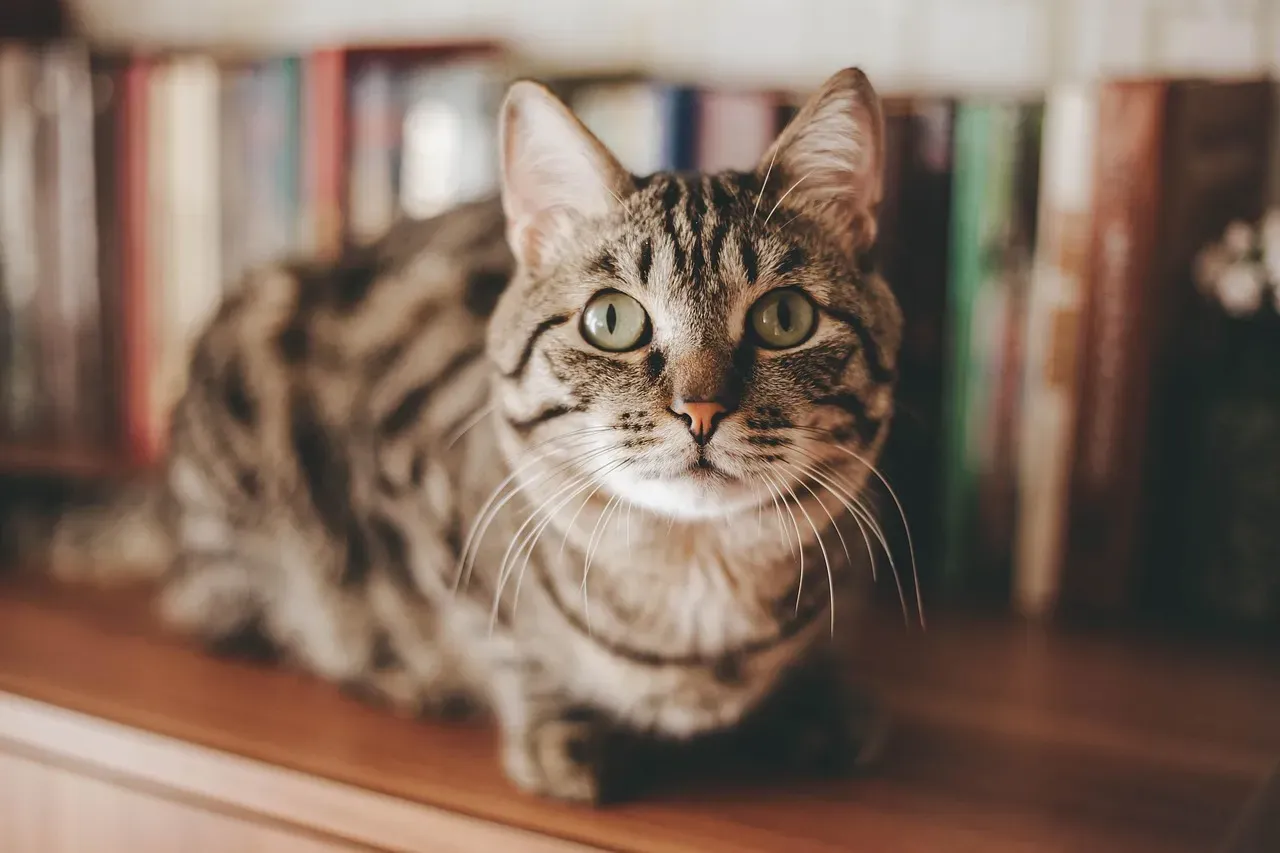
There’s a surprisingly practical reason your cat loves that spot on top of the bookshelf. provide a warm location for cats to rest because warmer air rises, making cats prefer the tops of appliances, cat trees, and bookshelves over cold floors.
Your cat isn’t being difficult by claiming your kitchen cabinets. They’re just smart enough to know where the warmth accumulates. This behavior can be especially true during winter when it’s colder in many places. Next time you find your cat curled up in what seems like the most inconvenient spot possible, remember they’ve probably found the coziest microclimate in your entire home.
Mental Stimulation and Exercise
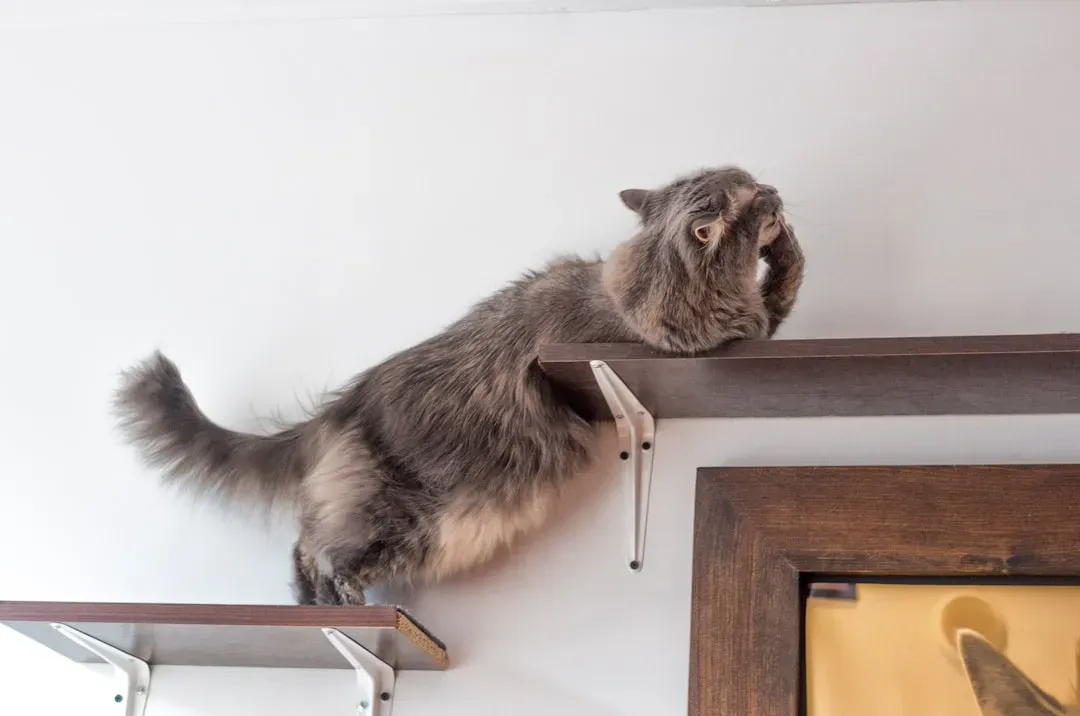
Climbing up tall locations provides cats with the physical and mental exercise they need to stay stimulated, and the act of balancing on a window perch or leaping from the top of the refrigerator helps cats strengthen muscles and improve movement skills. It’s hard to say for sure, but I think many indoor cats would go stir-crazy without these climbing opportunities.
Vertical spaces enhance a cat’s overall mental and physical health, as climbing and perching are excellent forms of exercise that help prevent obesity and keep muscles toned, while also providing enrichment through variety of viewpoints and sensory experiences. Your cat’s daily parkour routine from floor to counter to fridge isn’t chaos. It’s their version of a gym membership, keeping them mentally sharp and physically fit.
Stress Relief and Emotional Security
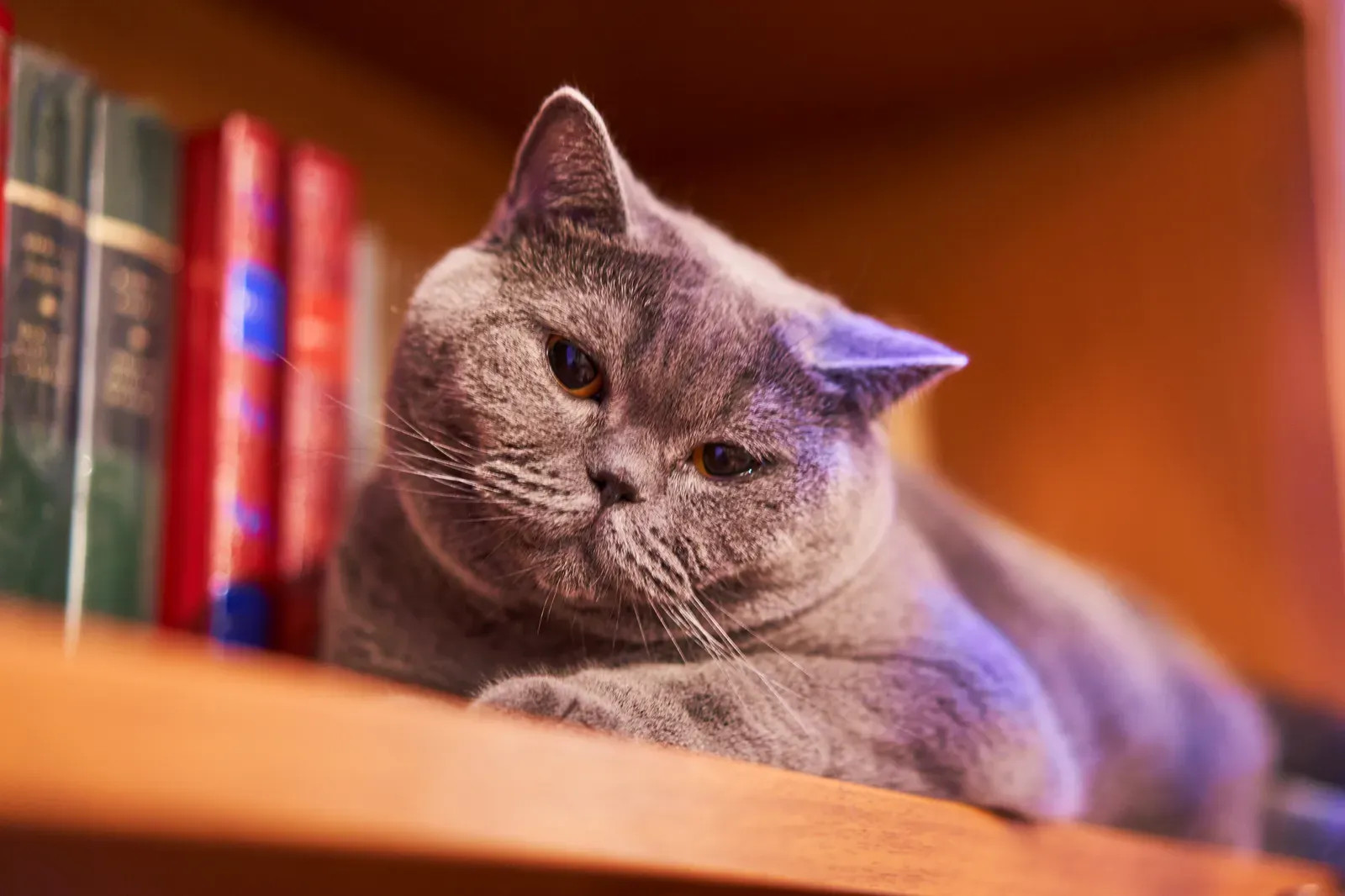
Cats are sensitive to changes in their environment, especially new family members and visitors, which can be a real source of stress and anxiety, and having a high perch gives them that sense of safety while allowing them to be part of the action.
During stressful situations such as thunderstorms, construction noise, or household celebrations, cats often retreat to as a coping mechanism, and these elevated safe zones help reduce anxiety and provide a peaceful retreat when things get overwhelming. When life gets loud or unpredictable, your cat needs an escape hatch. Those high perches aren’t just observation decks. They’re emotional refuge zones where your cat can decompress and feel in control again.
Creating Safe Vertical Spaces at Home
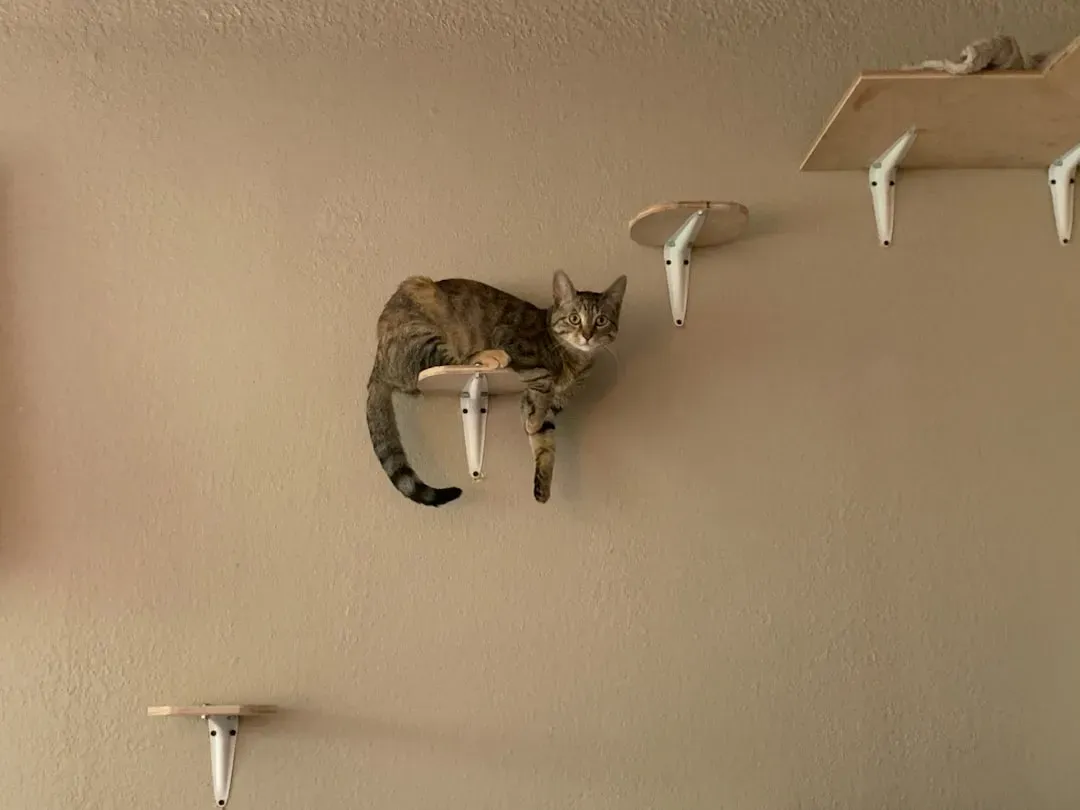
Now that you understand why your cat is constantly defying gravity, you can work with their instincts instead of against them. Plenty of vertical space throughout your home satisfies your cat’s instinctive need to be up high, providing warmth and comfort while enriching their environment and helping them thrive.
Consider investing in cat trees, wall-mounted shelves, or window perches. Creating vertical spaces can be as easy as clearing off the top of your refrigerator, bookshelves, and cabinets, which offers your cat a larger surface area to perch on and removes any potential dangers. You’re not spoiling your cat by giving them these options. You’re meeting a fundamental need that’s as natural to them as breathing. Your cat will thank you by spending less time knocking things off inappropriate surfaces and more time lounging contentedly in their designated high spots.
Conclusion

So there you have it. Your cat’s obsession with isn’t about being difficult or showing off. It’s about survival, security, comfort, and staying true to instincts that have been refined over millennia. Every time your cat climbs to that impossibly high shelf, they’re honoring an ancient legacy written into their very being. Understanding this behavior helps you create a home environment where your cat feels safe, stimulated, and truly at ease.
What do you think about your cat’s climbing habits now? Have you noticed them favoring any particular high spot in your home?