You’ve probably noticed your feline friend has a lot to say. Maybe they greet you at the or with a chirpy hello, demand breakfast at the crack of dawn with persistent cries, or simply meow for seemingly no reason at all. It’s endearing, sometimes puzzling, and occasionally wnright exhausting. Here’s the thing though: your cat isn’t just making ranm sounds to annoy you.
The cat’s meow is her way of communicating with people. Meowing is an interesting vocalization in that adult cats n’t actually meow at each other, just at people. That’s right. This entire vocal repertoire has been developed specifically for you. So let’s dive into the fascinating world of cat communication and discover how your actions can either strengthen or damage this unique language you share with your pet.
It’s a Language Made Just for You
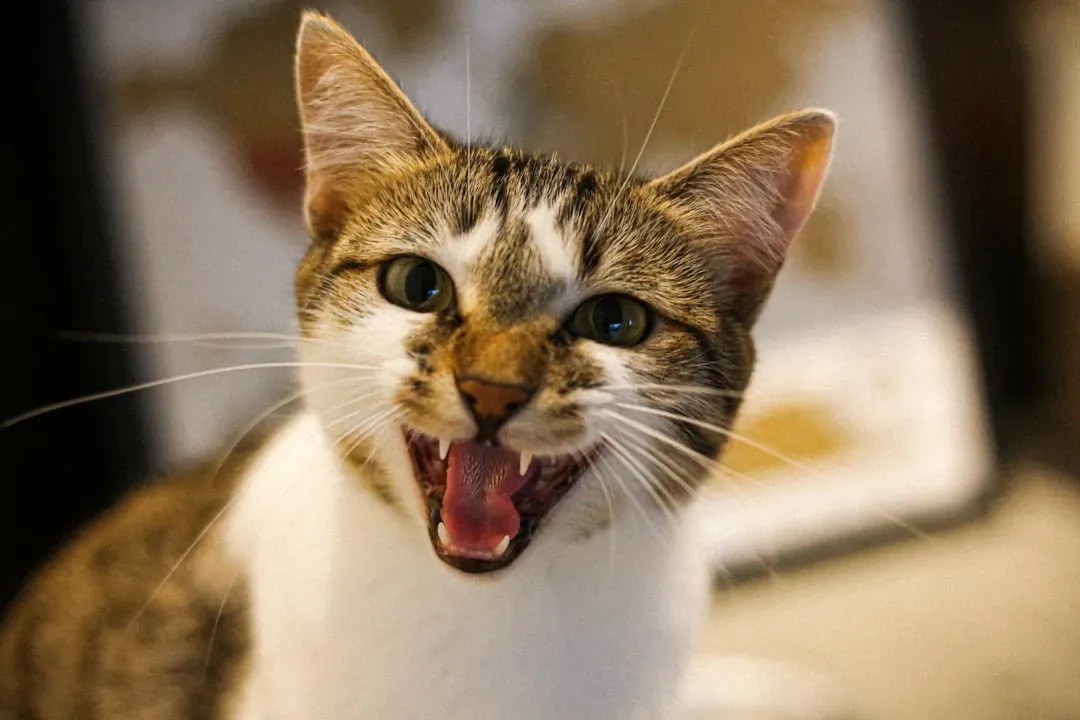
Let’s be real: your cat has basically trained you. Cats continue to meow to people throughout their lives, probably because meowing gets people to do what they want. Think about it. When was the last time you heard two adult cats having a meowing conversation? Probably never.
Kittens meow to let their mother know they’re cold or hungry, but once they get a bit older, cats no longer meow to other cats. Yet they kept this kitten behavior when living with you. Why? Because it works. Cats communicate with their humans in the way that is most likely to get them what they want: by meowing. You’re not imagining it when you think your cat sees you as a giant, somewhat clumsy caretaker who needs constant vocal reminders about their needs. In many ways, when your cat meows at you, they’re treating you like their mother.
Understanding What Triggers Your Cat’s Vocalizations
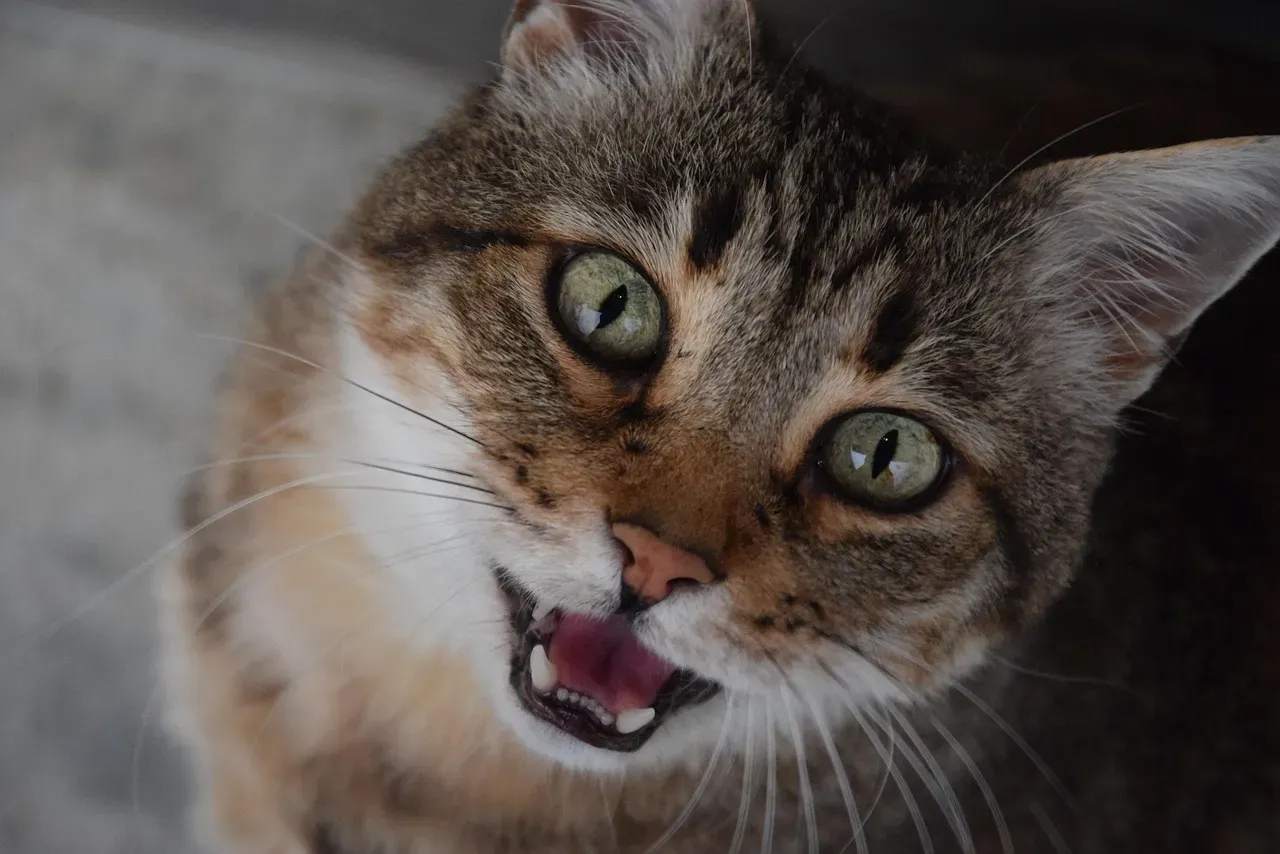
Cats meow for many reasons – to say hello, to ask for things, and to tell us when something’s wrong. But figuring out which is which requires you to actually pay attention. Context is everything.
Is your cat circling their empty food bowl while meowing? Pretty obvious. Are they sitting by the door? They probably want out. Many cats even develop a repertoire of meows to express different needs and feelings or elicit different responses. For example, your cat might trill at you in greeting, squeak a friendly request to go outside or demand food with a loud meow. The pitch, duration, and intensity all carry meaning. A short, bright meow is typically a greeting. A long, drawn-out, insistent That’s a demand. You’ve heard the difference, trust me.
When You Ignore Legitimate Needs
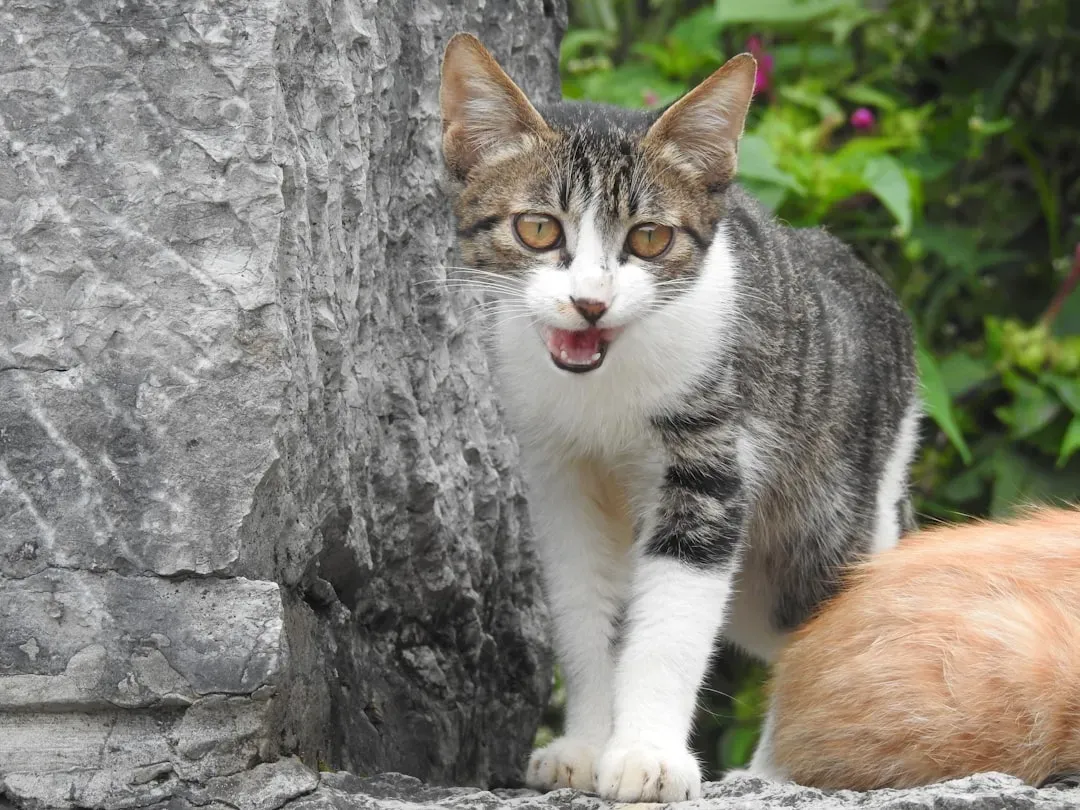
Do not ignore your cat when she meows. The one exception is if you know for certain that she’s meowing to get you to do something she wants. In every other instance, it’s safest to assume that something’s wrong – she may not have access to her litter box, or her water bowl may be empty, or she may be locked in a closet. Always make sure that her needs are met before assuming that she’s just being demanding by meowing at you.
This is critical. Your cat can’t send you a text message. Ignoring their attempts to communicate when they genuinely need something creates frustration and stress. Check the basics first. Is there fresh water? Is the litter box clean? Did you accidentally close them in a room? Your cat is counting on you to respond appropriately to their calls for help.
Rewarding Attention-Seeking Behavior
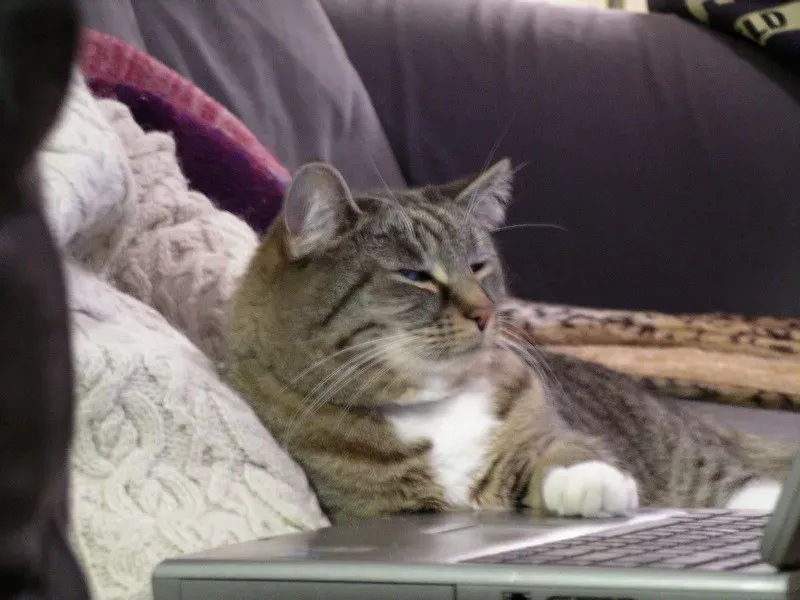
Here’s where things get tricky. If your cat is meowing for attention, teach her that you’ll only pay attention to her when she’s quiet. Resist the urge to shout at her or give her any form of attention, even angry attention. Instead, be patient and wait for a brief moment of silence. Immediately give her the attention she craves.
I know it sounds crazy, but yelling at your cat to be quiet is still attention. You responded. Your cat got what they wanted. You’ve just reinforced the very behavior you’re trying to stop. Honestly, this takes patience. Waiting out a determined, vocal cat isn’t easy, especially at three in the morning. Yet consistency pays off. Only reward quiet behavior with the attention, treats, or play your cat is seeking.
Missing Health-Related Warning Signs
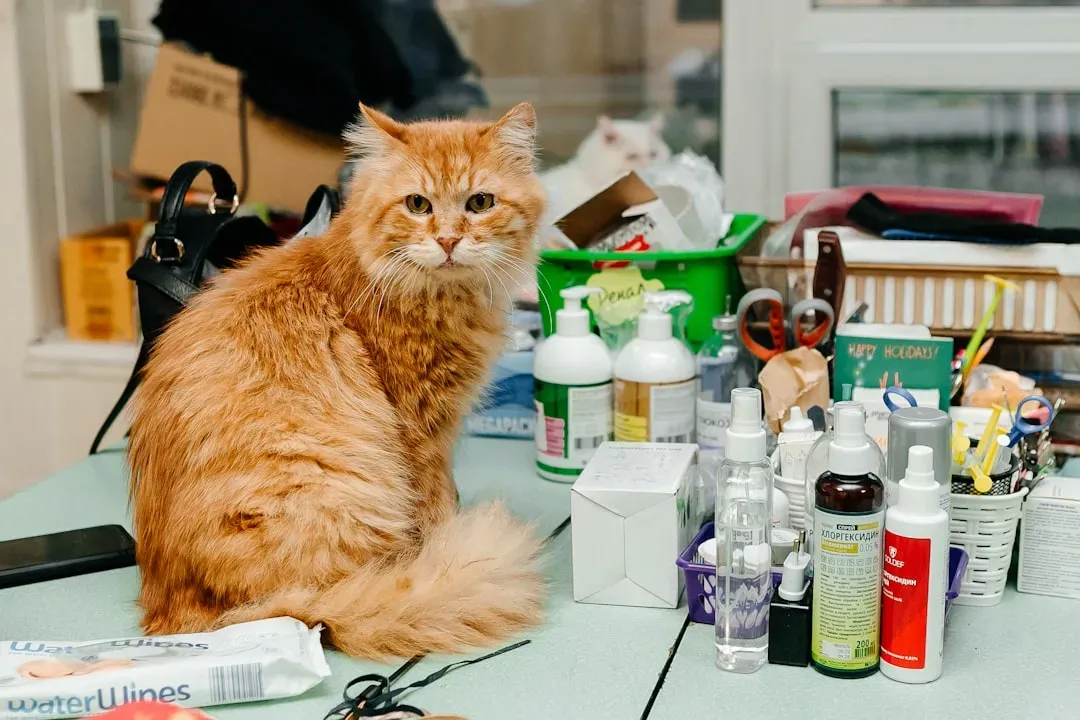
A cat who meows a lot should be checked thoroughly by a veterinarian to ensure a medical condition is not the cause of the cat’s distress. Numerous diseases can cause cats to feel unusually hungry, thirsty, restless or irritable – any of which is likely to prompt meowing. Even if your cat has a history of meowing for food, you should still have her checked by your veterinarian. As cats age, they’re prone to developing an overactive thyroid and kidney disease, and either one may result in excessive meowing.
Sudden changes in vocalization patterns are red flags. If your normally quiet cat becomes chatty, or your talkative cat falls silent, something might be wrong. Elderly cats suffering from mental confusion, or cognitive dysfunction, may meow if they become disoriented – a frequent symptom of this feline version of Alzheimer’s Disease. Pain, illness, sensory decline, cognitive issues – all can manifest as changes in meowing behavior. Don’t dismiss it as just your cat being dramatic.
Punishing Natural Communication
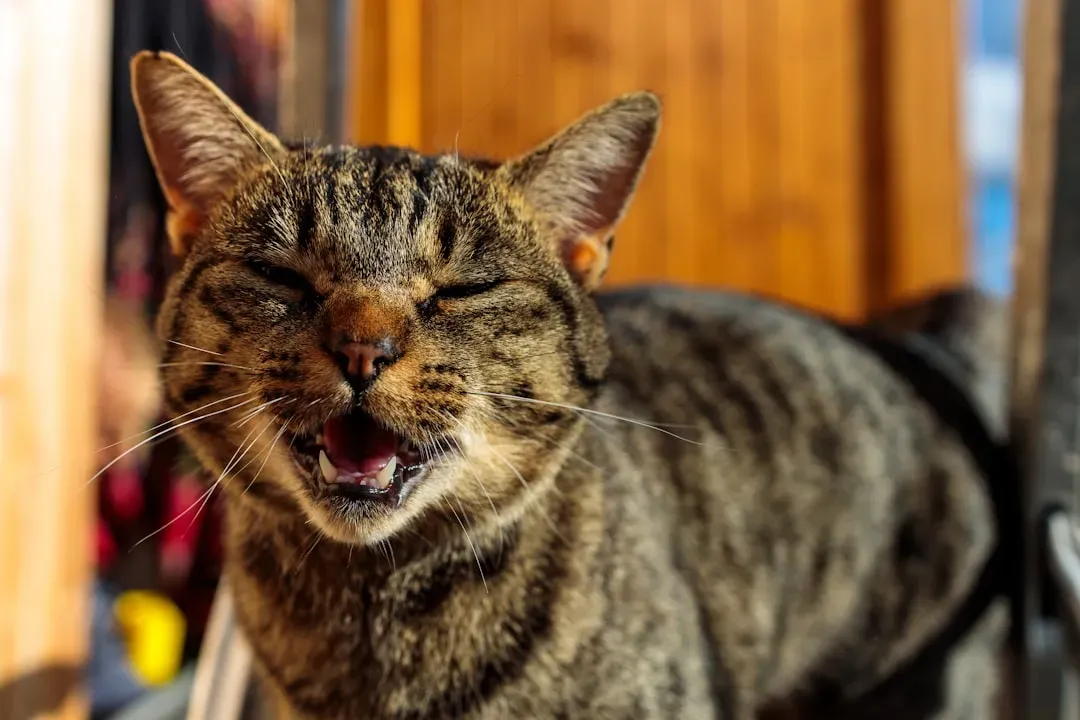
Do not scold or hit your cat for meowing too much. While these punishments may send her scurring at first, they are unlikely to have a lasting effect on her meowing behavior. Physical punishment or harsh scolding damages trust and creates fear without addressing the underlying cause of the vocalization.
Your cat isn’t meowing to spite you. They’re trying to communicate something. Punishment only teaches your cat that you’re unpredictable and scary, not that meowing is unwanted. This breaks down the communication bridge you’ve built together. Instead of punishment, figure out what’s driving the behavior and address that root cause.
Responding to Conversational Cats
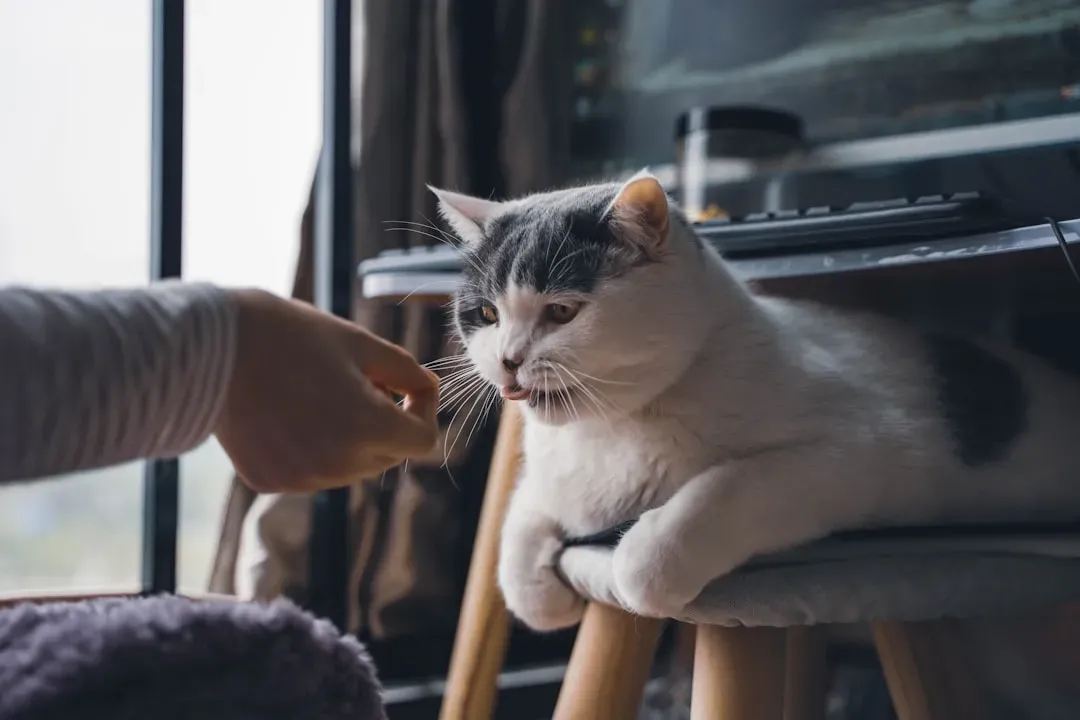
If you’re curious what your cat has to say, it’s possible to encourage communication. If humans respond with words and attention to their cats’ chirps and meows, they can create a back-and-forth – almost like a conversation. “If you make your responses positive enough and predictive enough that she can listen to your vocalization, then she [the cat] can try and communicate with you.”
Some cats are naturally chatty, and that’s okay. Certain breeds like Siamese are famously talkative. If you engage with these vocalizations positively and consistently, you’re building a unique dialogue with your pet. Talk back to them. Many cats enjoy this interaction and will respond with their own sounds. It strengthens your bond and gives your cat the social engagement they crave.
Recognizing Breed and Individual Differences
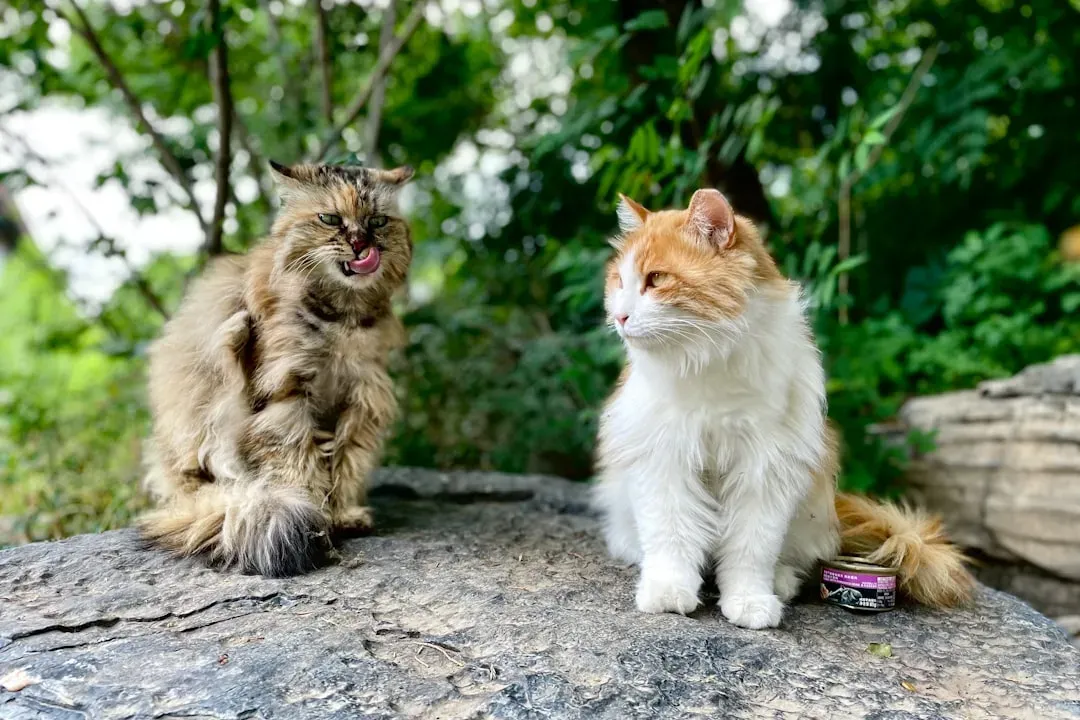
Not all cats meow equally. Some cat breeds, particularly Siamese, Oriental Shorthair, and Burmese cats, are naturally more vocal than others. These breeds are known for their chatty personalities and tendency to engage in “conversations” with their human families. If you adopted a vocal breed, frequent meowing is part of the package.
Individual personality matters too. Some cats are simply more talkative regardless of breed, while others prefer the strong, silent type approach. Getting to know your specific cat’s normal vocal patterns helps you spot when something changes. What’s excessive for one cat might be standard operating procedure for another. Adjust your expectations accordingly.
Creating Stress Through Environmental Changes
Cats are creatures of habit, and disruptions stress them out. Moving to a new home, changing your work schedule, adding a new pet, or even rearranging furniture can trigger increased vocalization. Your cat is expressing their anxiety and discomfort through meowing.
During transitions, provide extra reassurance and maintain as much routine as possible. Give your cat safe spaces to retreat to, keep feeding times consistent, and offer interactive play to relieve stress. Recognize that increased meowing during change is your cat’s way of saying they’re struggling to adjust. Patience and stability help them settle down again.
Engaging Versus Enabling
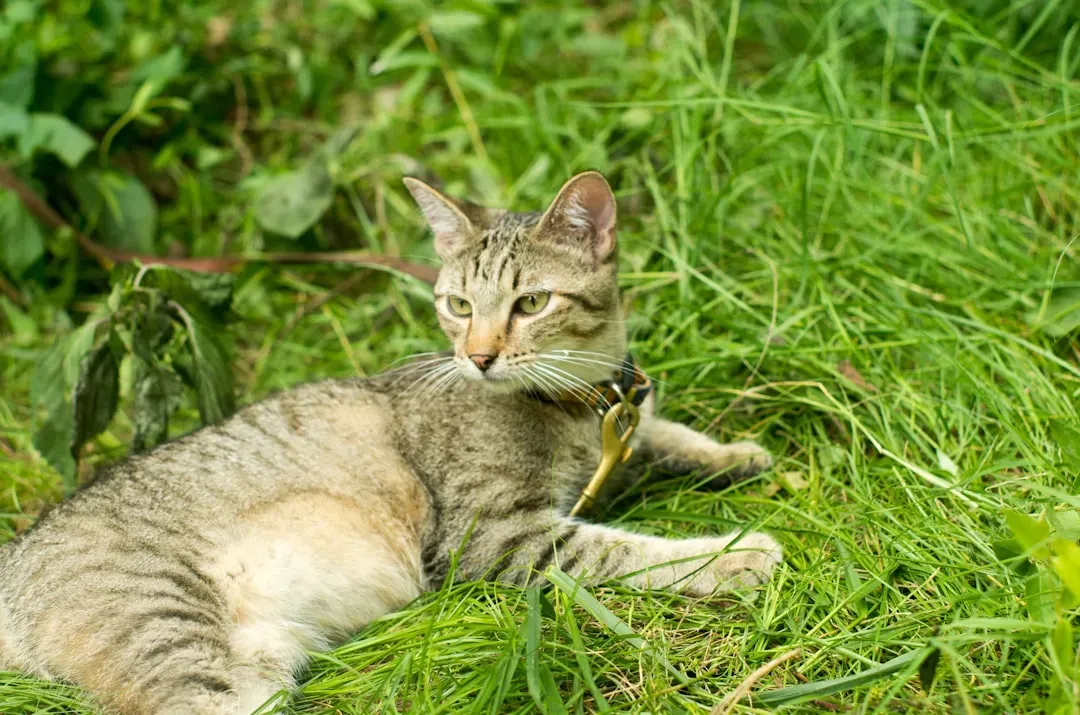
There’s a fine line between being responsive to your cat’s needs and becoming their servant. Cats continue to meow to people throughout their lives, probably because meowing gets people to do what they want. They’re smart. They’ve figured out the system.
Establish boundaries. If your cat demands food but was just fed, don’t cave immediately. If they want to play but you’re in the middle of something, make them wait a few minutes. Teaching your cat that meowing doesn’t equal instant gratification prevents demanding, excessive vocalization. You can still be a loving, responsive pet parent while setting reasonable limits. In fact, doing so creates a calmer, less anxious cat who trusts that their needs will be met on a predictable schedule.
Conclusion: Building a Better Dialogue
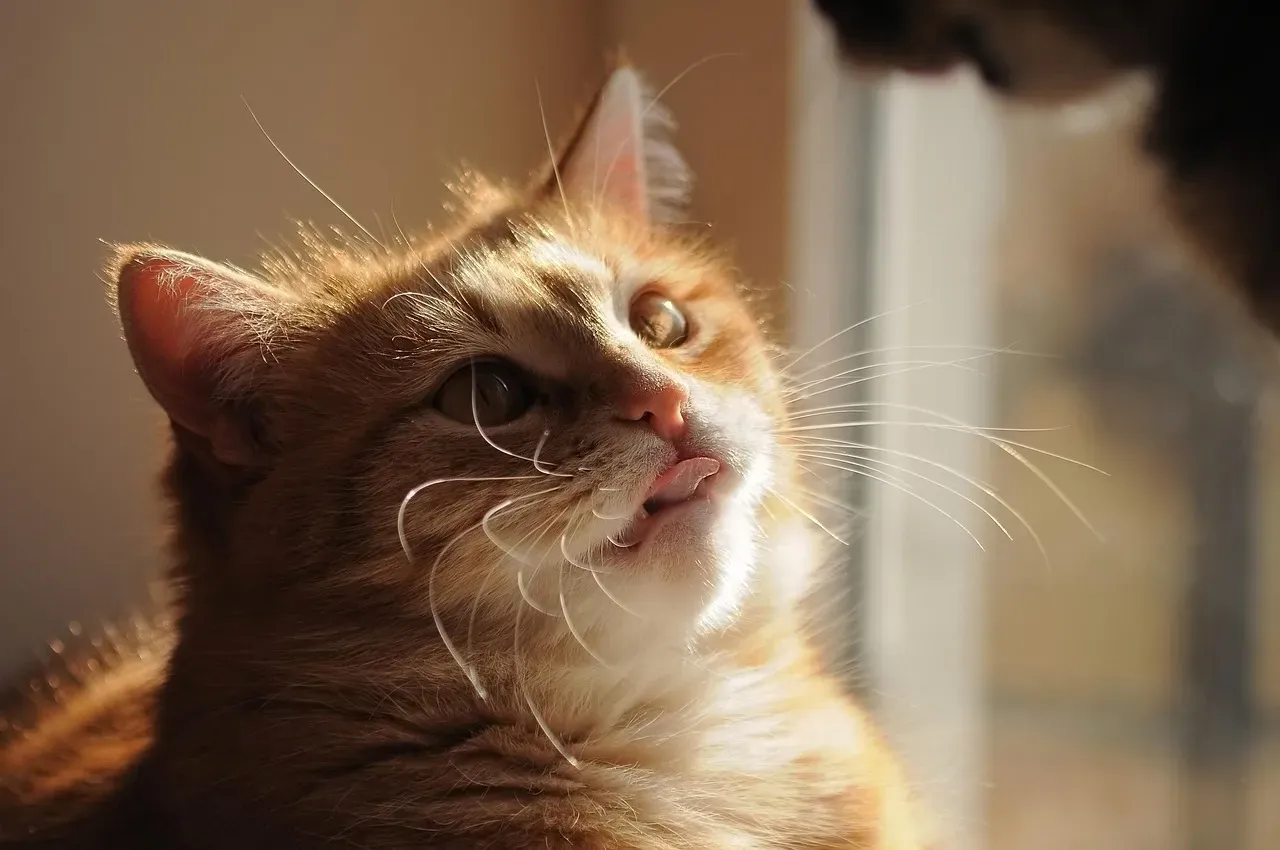
Your cat’s meow is a gift, really. It’s a specialized form of communication they developed exclusively for interacting with humans. When cats communicate with humans, they do so to get what they need or want, such as food, water, attention, or play. As such, cat communication methods have been significantly altered by domestication. Your responses shape this dialogue for better or worse.
Pay attention to context, meet legitimate needs promptly, avoid rewarding attention-seeking behavior, never punish vocalization, and watch for health-related changes. Understand your individual cat’s personality and breed tendencies. By being a thoughtful, consistent communicator, you strengthen your bond and create a harmonious household where both you and your cat feel understood. What changes will you make to improve your conversations with your feline friend?