You’ve probably had this conversation with your cat at some point. You walk through the door after a long day, and before you can even kick off your shoes, there’s that familiar sound. A short, crisp meow. Maybe it’s followed by another, and then another, each one seemingly saying something completely different. Have you ever stopped to wonder what’s actually going on in that furry little head? What is your cat really trying to tell you with all that meowing?
The truth is more fascinating than you might expect. Cats have developed this whole vocal language specifically for us humans. They don’t really do this with each other once they’re adults, which is honestly pretty wild when you think about it. Let’s dive into why your feline friend has so much to say to you.
1. They Want Your Attention Right Now
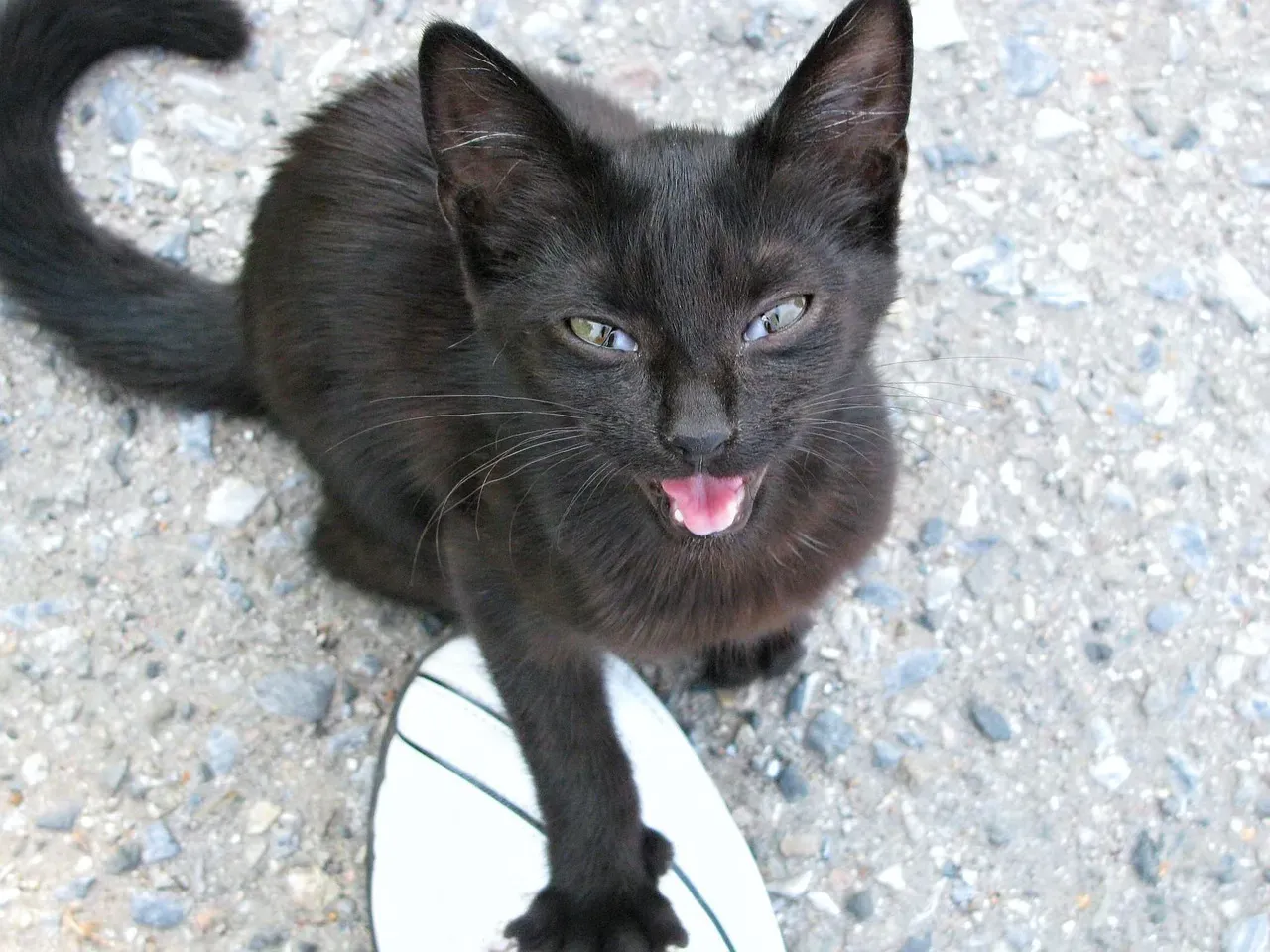
Cats enjoy social contact with people, and some will be quite vocal in their requests for attention. The cat may want to be stroked, played with or simply talked to. Despite what popular culture tells us about cats being aloof and independent, many of them actually crave interaction with their favorite humans. Your cat might meow simply because they’re bored, lonely, or just want you to acknowledge their existence.
Cats who are left alone for long periods of time each day may be more likely to meow for attention. Think about it like this: if you were stuck inside all day with nothing to do, you’d probably want someone to talk to as well. The meow is their way of saying “Hey, I’m here, look at me, let’s do something together.”
2. It’s Dinnertime and They’re Not Letting You Forget It
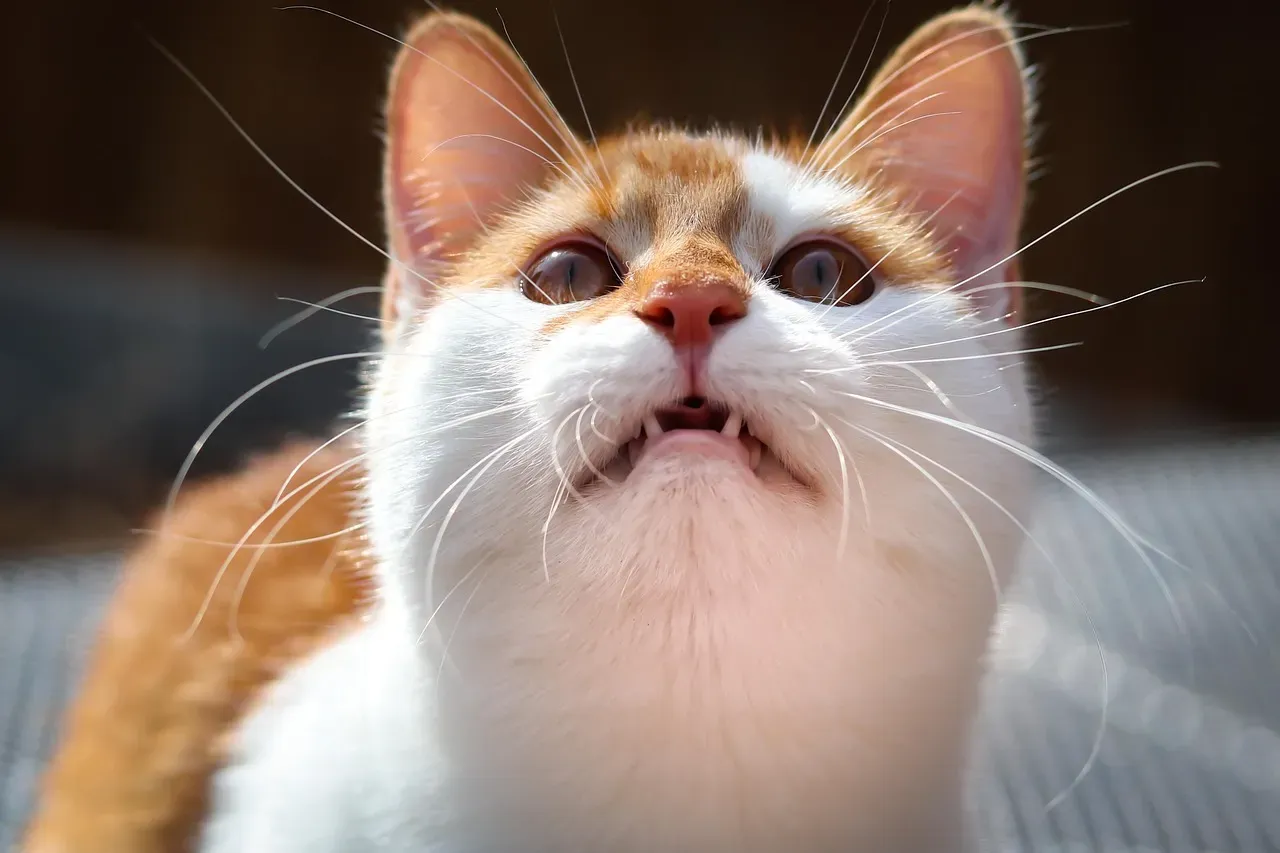
Let’s be real, most of us have been woken up by a persistent meowing cat who has decided that 5 AM is the perfect breakfast time. Most cats like to eat, and they can be quite demanding around mealtimes. Some cats learn to meow whenever anyone enters the kitchen, just in case food might be forthcoming. They’re not being rude exactly; they’ve just figured out that meowing works.
Others meow to wake you up to serve them breakfast. Cats also learn to beg for human food by meowing. Some cats even develop what researchers call a solicitation purr, which is essentially a manipulative combination of purring and a high-pitched cry that’s hard for humans to ignore. Research shows we’re actually wired to respond to these sounds because they tap into our natural response to infant cries.
3. They’re Saying Hello to You
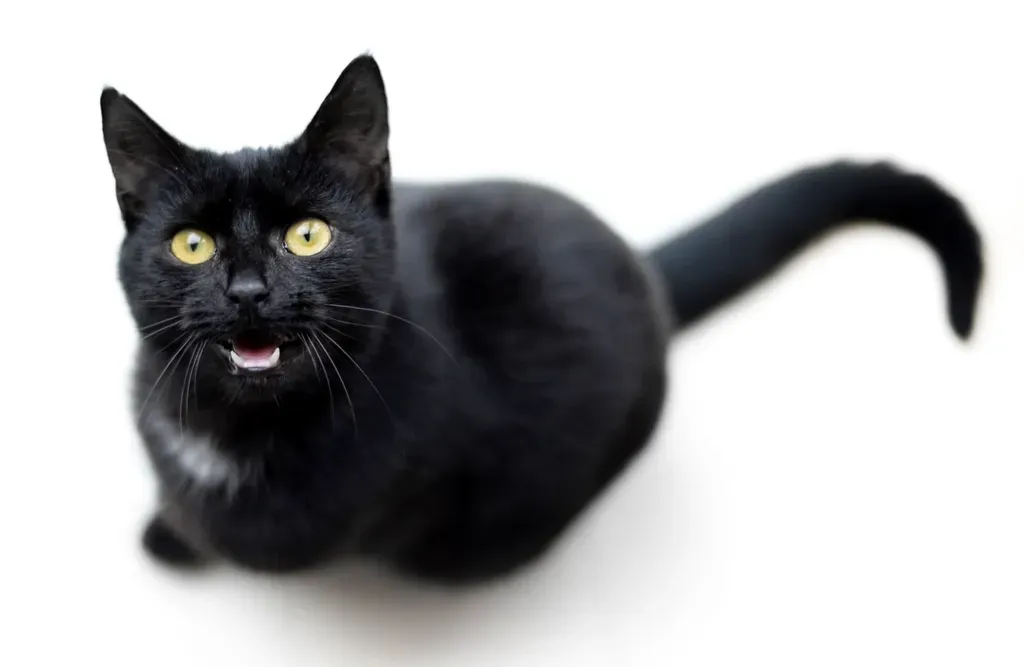
Cats meow for many reasons – to say hello, to ask for things, and to tell us when something’s wrong. Sometimes a meow is just a friendly greeting, nothing more complicated than that. You come home from work, and your cat meets you at the door with a cheerful chirp or meow. That’s their version of “Welcome back, I missed you.”
This greeting behavior is pretty sweet when you think about it. Adult cats don’t actually meow at each other, just at people. Kittens meow to let their mother know they’re cold or hungry, but once they get a bit older, cats no longer meow to other cats. So when your cat greets you with a meow, they’re basically treating you like family.
4. They Need to Go In or Out
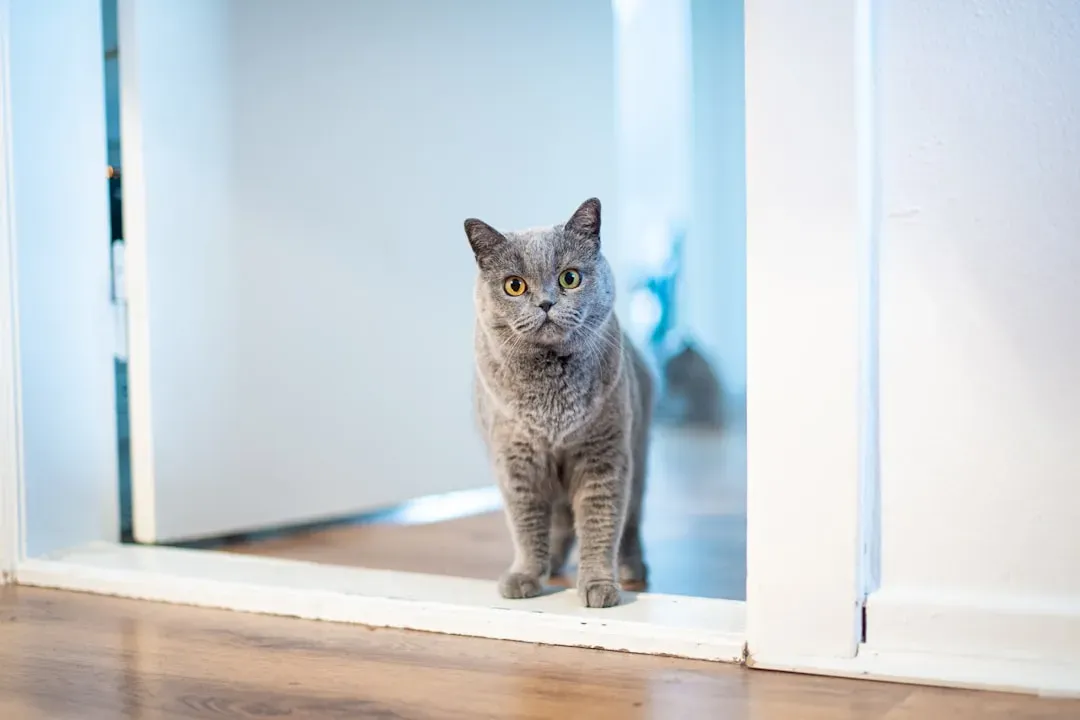
Meowing is the cat’s primary way to let you know what she wants. If she wants to go outside, she’ll likely learn to meow at the door. This is particularly common if you have an indoor-outdoor cat who’s accustomed to having access to both spaces. They’ll station themselves by the door and vocalize until someone opens it for them.
Likewise, if she’s outdoors and wants in, she’ll meow to get you to let her back inside. Some cats develop incredibly specific door meows that sound different from their other vocalizations. It’s their way of saying “I’m on the wrong side of this barrier, and you have opposable thumbs to fix that problem.”
5. Something Is Wrong or They’re in Distress
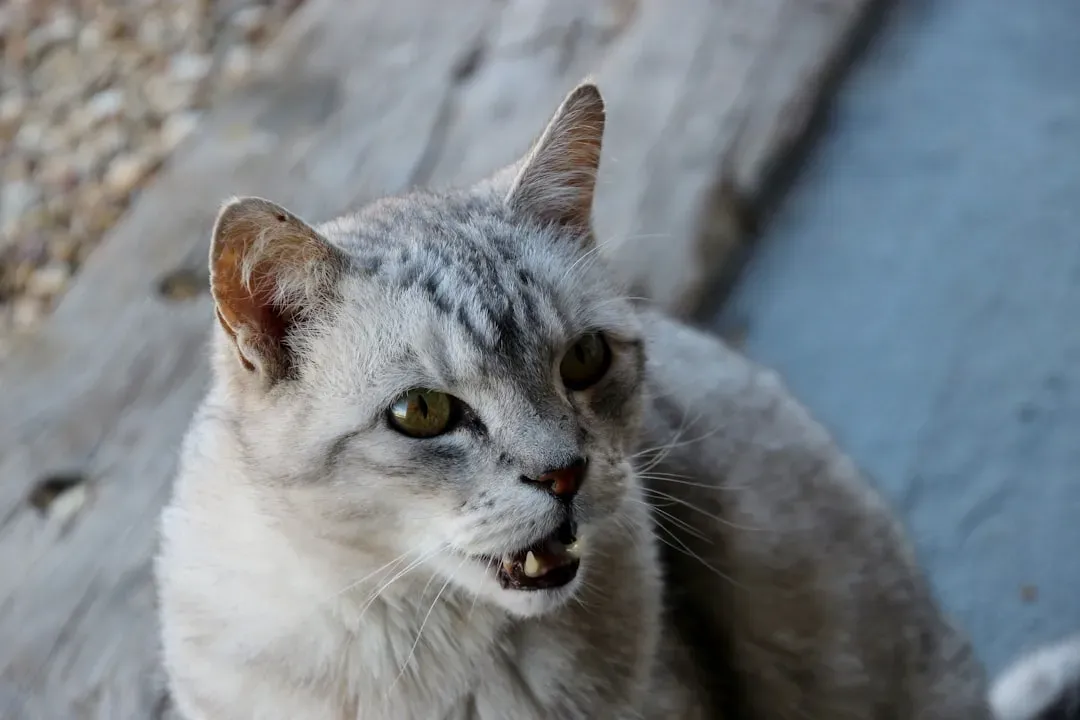
Here’s where things get more serious. A cat who meows a lot should be checked thoroughly by a veterinarian to ensure a medical condition is not the cause of the cat’s distress. Numerous diseases can cause cats to feel unusually hungry, thirsty, restless or irritable – any of which is likely to prompt meowing. If your normally quiet cat suddenly becomes vocal, or your chatty cat starts sounding different, pay attention.
As cats age, they’re prone to developing an overactive thyroid and kidney disease, and either one may result in excessive meowing. Older cats may also experience cognitive dysfunction, similar to dementia in humans, which can cause confusion and increased vocalization. The meow might sound more plaintive, urgent, or distressed. Never ignore a sudden change in your cat’s vocal patterns.
6. They’ve Learned That Meowing Gets Results
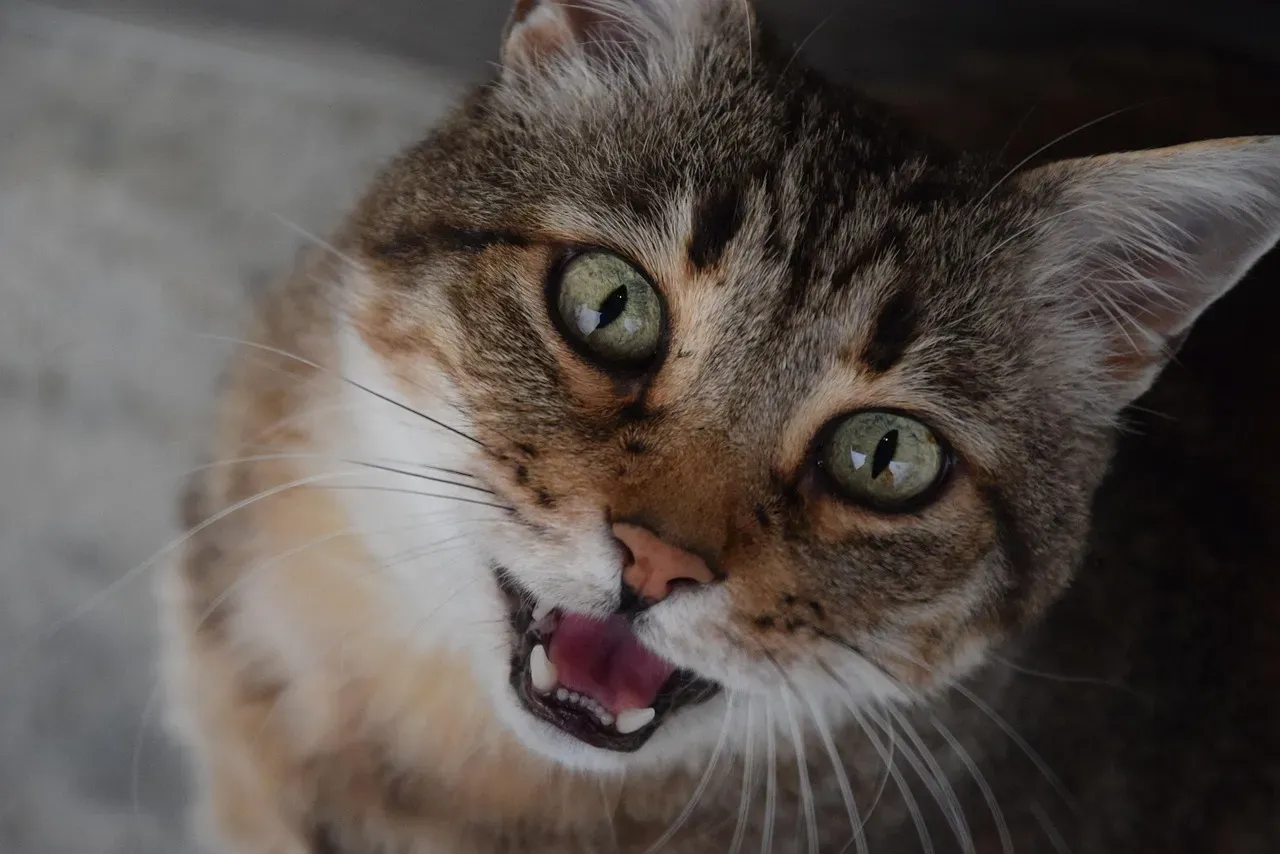
They continue to meow to people throughout their lives, probably because meowing gets people to do what they want. This is honestly the most fascinating reason of all. Research suggests cats have refined their meows specifically to manipulate people – and it works! Cats have refined their meows specifically to manipulate people.
The vocalizations of the domestic cat have changed to become more pleasant to the human ear. This is likely why felines have evolved to meow almost exclusively to humans. They’ve essentially trained us over thousands of years of domestication. When a particular meow gets them food, attention, or access to the outdoors, they remember that and use it again. We think we’re in charge, but really, they’ve got us figured out pretty well.
Understanding Your Cat’s Unique Language
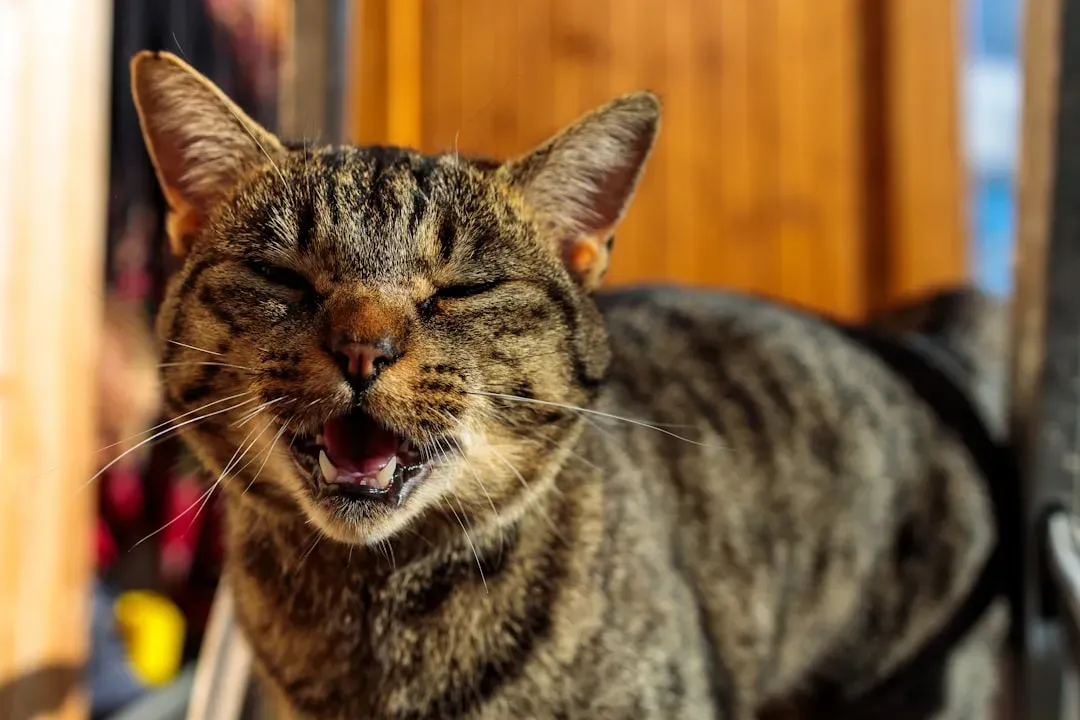
Cats can learn to modify the characteristics of their meows, such as their tone or duration, to let people know what they want, particularly when it comes to food. Cat owners are significantly better at understanding their cat’s vocalizations than non cat-owners. This means the more time you spend with your cat, the better you’ll become at interpreting what they’re trying to communicate.
Every cat develops their own unique vocal style. Some cats are naturally chattier than others, and certain breeds like Siamese are famously vocal. The key is learning your specific cat’s patterns and paying attention when those patterns change. What does their hungry meow sound like compared to their lonely meow? Over time, you’ll start to notice the subtle differences, and your bond will grow stronger because of it.
What’s remarkable is that this entire communication system exists primarily because of the relationship between cats and humans. Adult meowing to human beings is likely to be a post-domestication extension of mewing by kittens. They’ve adapted their kitten sounds into an elaborate language designed just for us. Pretty clever, right? So the next time your cat starts up a conversation, remember that they’re using a form of communication they developed specifically to talk to you. What do you think your cat is trying to tell you right now?