You call your cat’s name. Maybe once. Then twice. Then a third time, with growing annoyance as you watch those furry little ears twitch ever so slightly. You know they heard you. They just don’t care.
If you’ve ever felt like your cat is deliberately giving you the silent treatment, you’re not imagining things. This frustrating yet strangely endearing behavior is actually backed by science, rooted in evolutionary history, and surprisingly complex. Let’s dive into the mysterious world of feline selective hearing.
It’s Not a Bug, It’s a Feature: The Evolutionary Independence of Cats
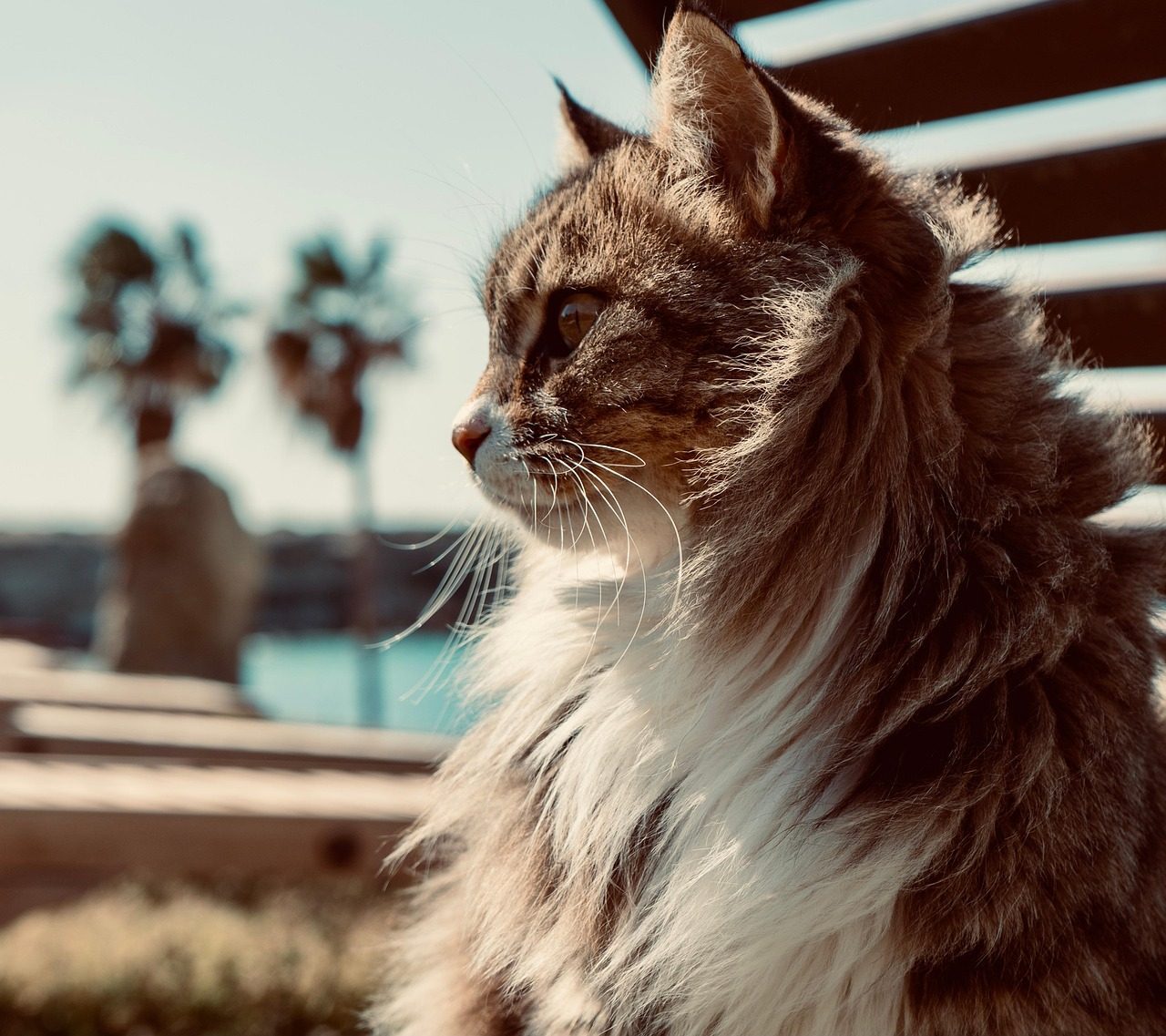
Unlike dogs, who were domesticated and bred over thousands of years to be loyal companions, cats essentially domesticated themselves by moving into cities and hunting rodents around grain stores by their own choice. This fundamental difference in how cats came to live alongside humans explains so much about their behavior today.
Cats evolved as solitary hunters rather than pack animals, which shaped their social behavior, making them naturally more independent and selective about their interactions. Think about it: while dogs developed an instinct to please their pack leader (that’s you), cats never needed that same social structure to survive. They’re basically tiny, adorable loners who decided human homes weren’t so bad after all.
Yes, They Hear You Perfectly Well
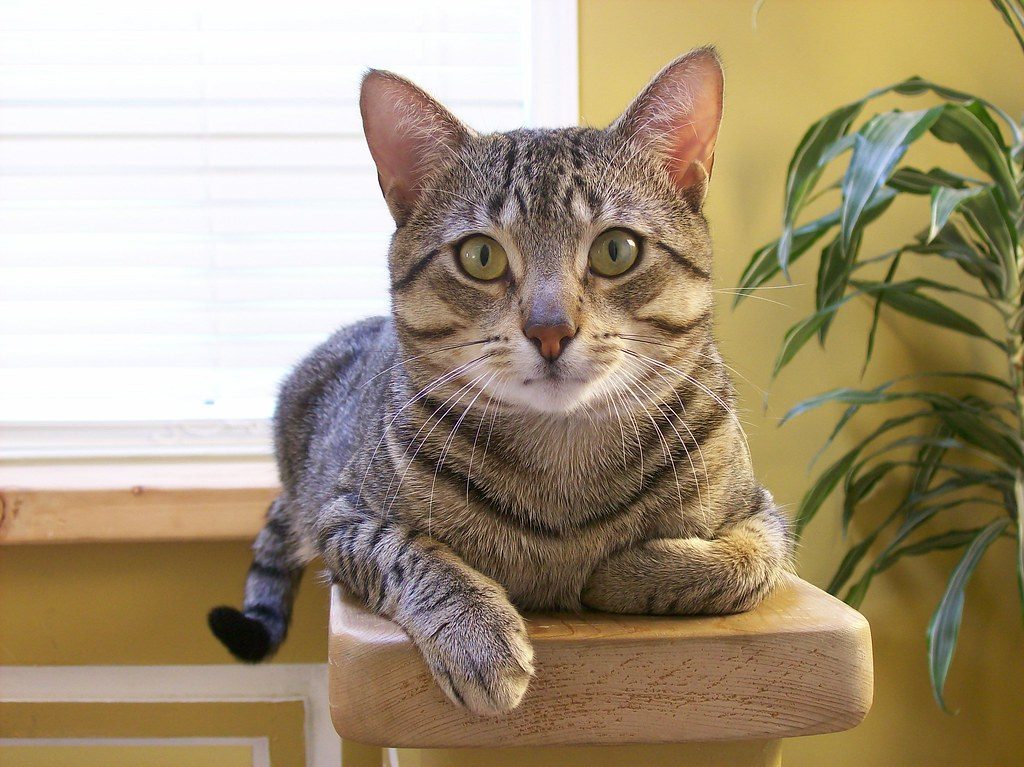
Here’s the thing that makes this behavior even more infuriating: your cat absolutely knows you’re calling them. Research has shown that cats know their own name and can distinguish it from similar-sounding words and even the names of other cats in the household, meaning your cat certainly understands when you call them – they are simply choosing not to respond.
Cats showed signs of listening behavior – such as twitching their ears, head and tail movements, along with a few meows – and despite showing clear signs that they recognized their names being called out, they did not move or come over to where the name was being called from. Honestly, it’s almost impressive how deliberate this snubbing is. Your cat is basically the master of the read receipt left on seen.
They’re Not Being Rude, They’re Being Cats
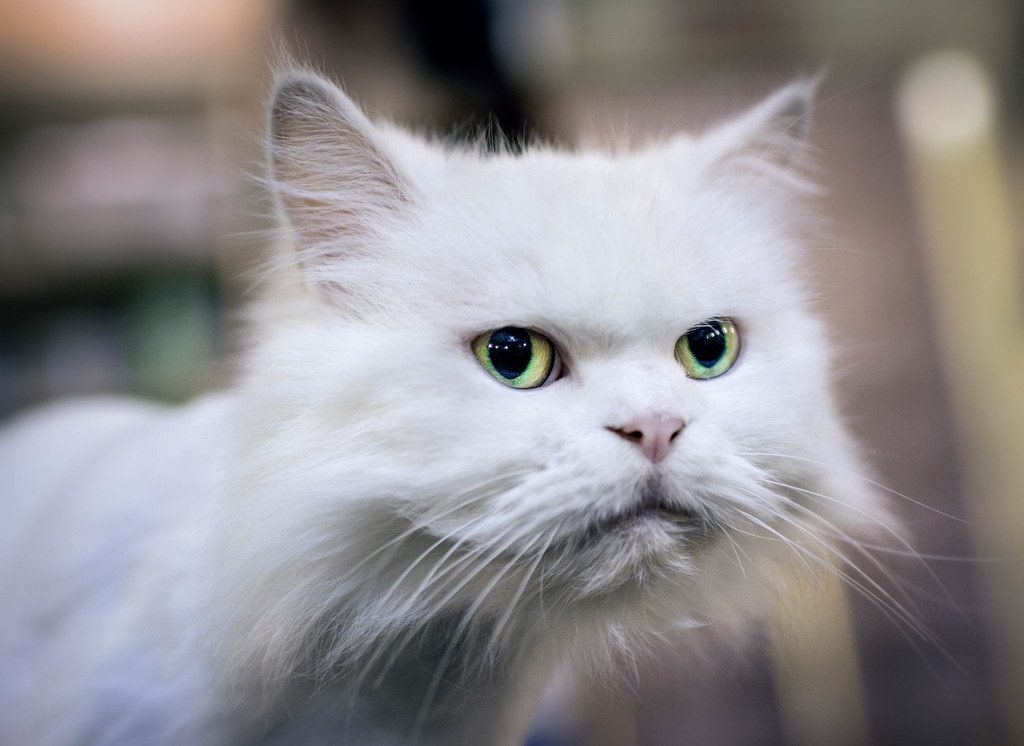
Cats aren’t obligate social animals the way dogs are, meaning they don’t need social contact as much as dogs do, and much like introverts, cats thrive on socializing occasionally on their own terms and with their favorite people, but they also enjoy alone time too. So when your cat ignores you, they might just be expressing their need for personal space.
Cats are territorial creatures who value their personal space, and when they appear to ignore you, they might be establishing boundaries or communicating their need for alone time, which is particularly common during activities like grooming, hunting, or observing their environment. It’s not personal. Well, maybe sometimes it is, but usually it’s just cat nature asserting itself.
Mood and Energy Levels Play a Huge Role
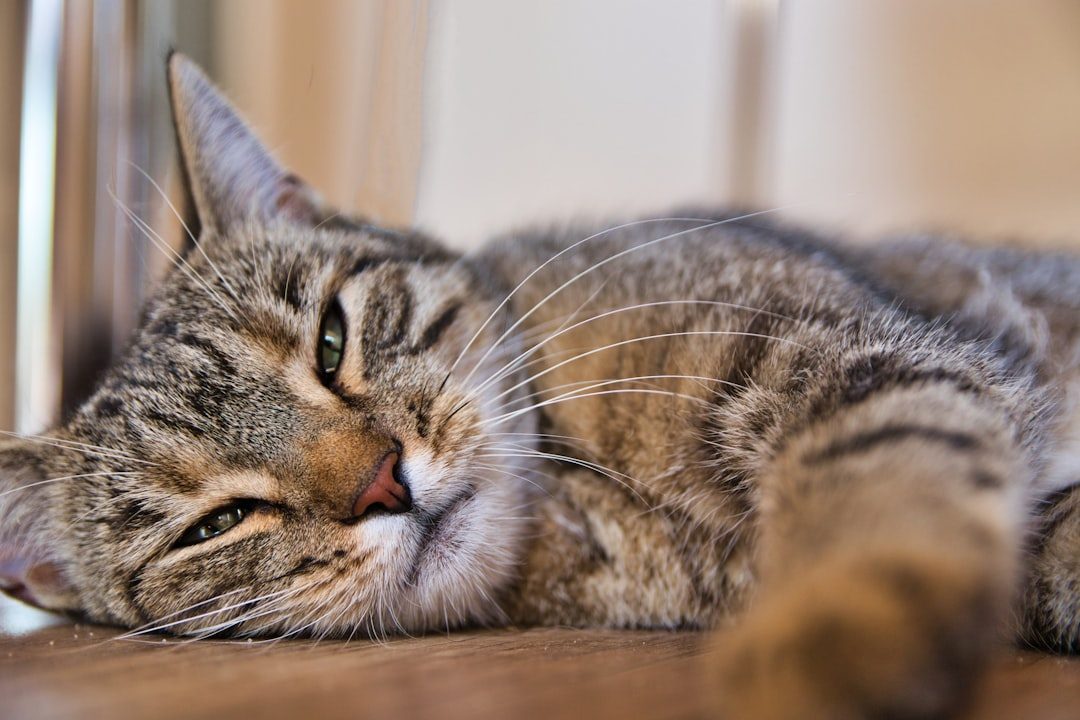
Let’s be real: you don’t always want to chat when someone calls your name either, right? Cats are the same way. Like humans, cats experience varying energy levels throughout the day, and they might ignore you simply because they’re tired, relaxed, or not in a social mood, especially during their natural rest periods, which can occupy up to 16 hours of their day.
Sometimes your cat is just busy doing absolutely nothing, and that nothing is very important to them. They may be focused on bird watching, contemplating the universe from their favorite sunny spot, or simply not in the mood for your particular brand of neediness at that moment. The audacity, I know.
Environmental Stress Can Make Them Withdraw
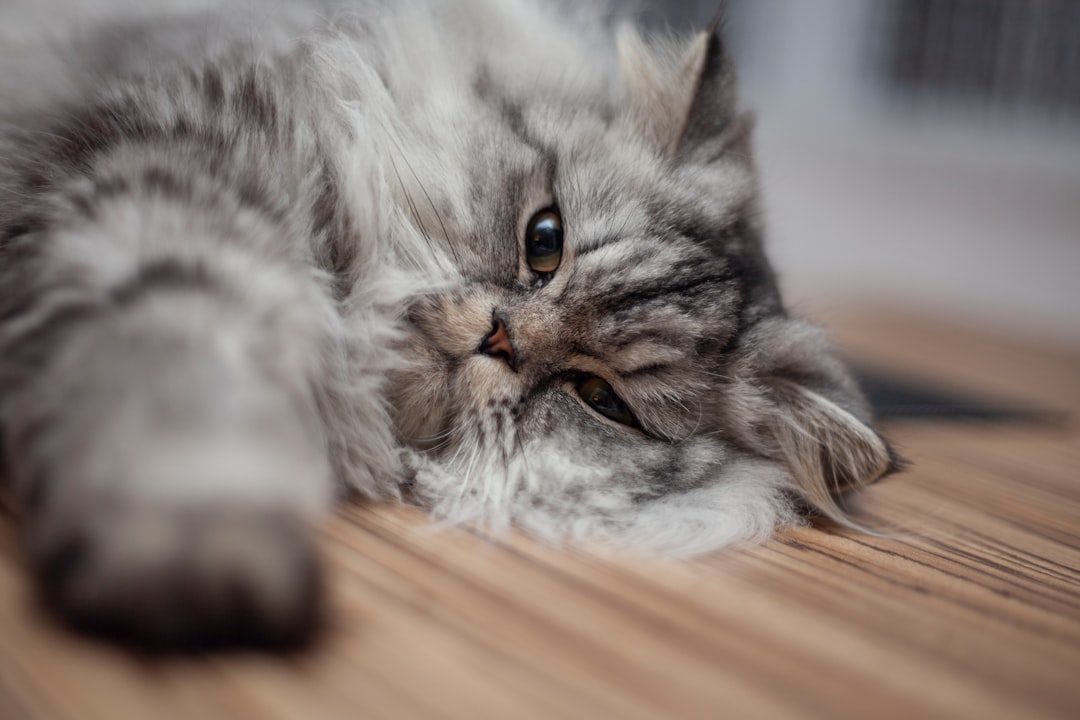
If your cat is usually social but has suddenly begun to avoid you, they might be feeling stressed, as stress can change their behavior. Changes you might not even notice can be huge deals to your cat.
Cats are sensitive to changes in their environment, and moving furniture, introducing new pets, or altering their daily routine can cause stress, leading them to withdraw or ignore their humans, though this behavior usually subsides once they adjust to the changes. Even something as simple as rearranging the living room furniture or having visitors over can throw off their entire vibe. Cats like predictability, and when their world feels uncertain, ignoring you might be their way of coping.
When Ignoring You Could Signal Health Issues
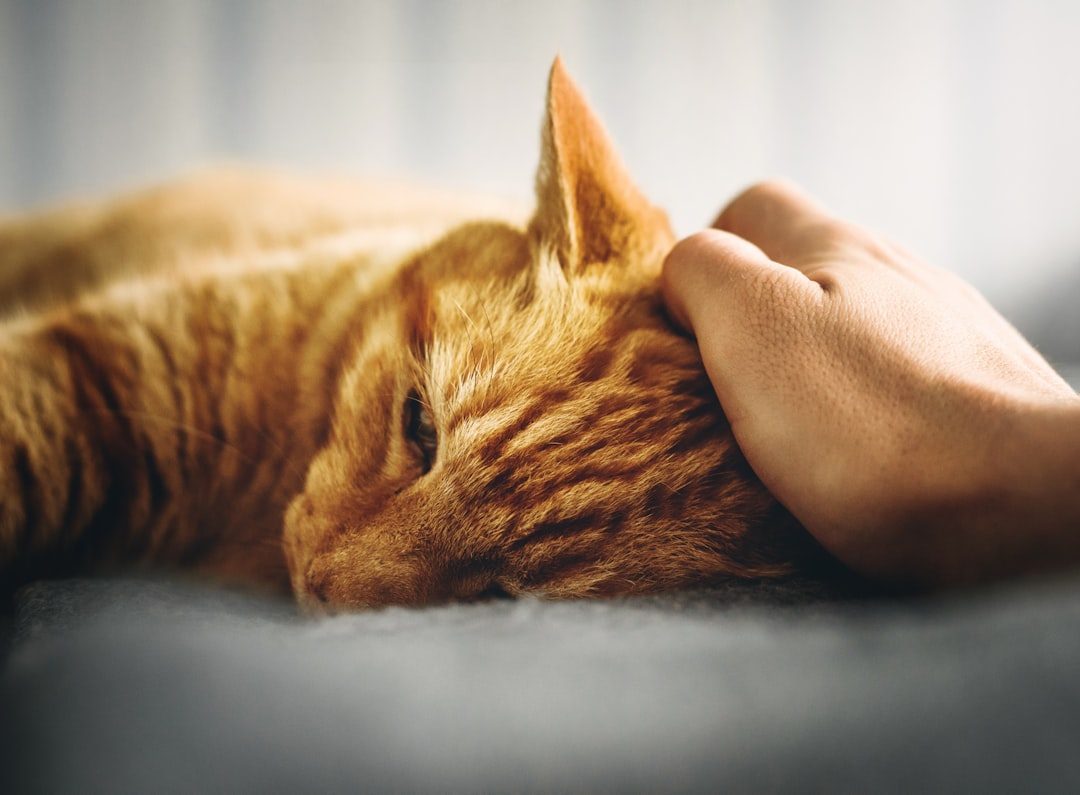
Now, this is where we need to get serious for a moment. While most ignoring behavior is perfectly normal, sometimes it can indicate something’s wrong. Sick cats often act detached and withdrawn, behaviors that might seem like they are ignoring you, and if your cat is ignoring you, illness is a possible reason, especially if they’ve started ignoring you all of a sudden and they weren’t always like this.
If your cat is getting older or has poor eyesight or hearing, it’s possible that they don’t know you’re looking for attention, as they may not be ignoring you at all but rather not realize you’re calling or beckoning to them. Additionally, conditions like arthritis, dental pain, or cognitive decline can make cats less responsive. If the ignoring behavior is new, sudden, or accompanied by other changes like appetite loss or litter box issues, a vet visit is definitely in order.
Understanding Feline Body Language Helps
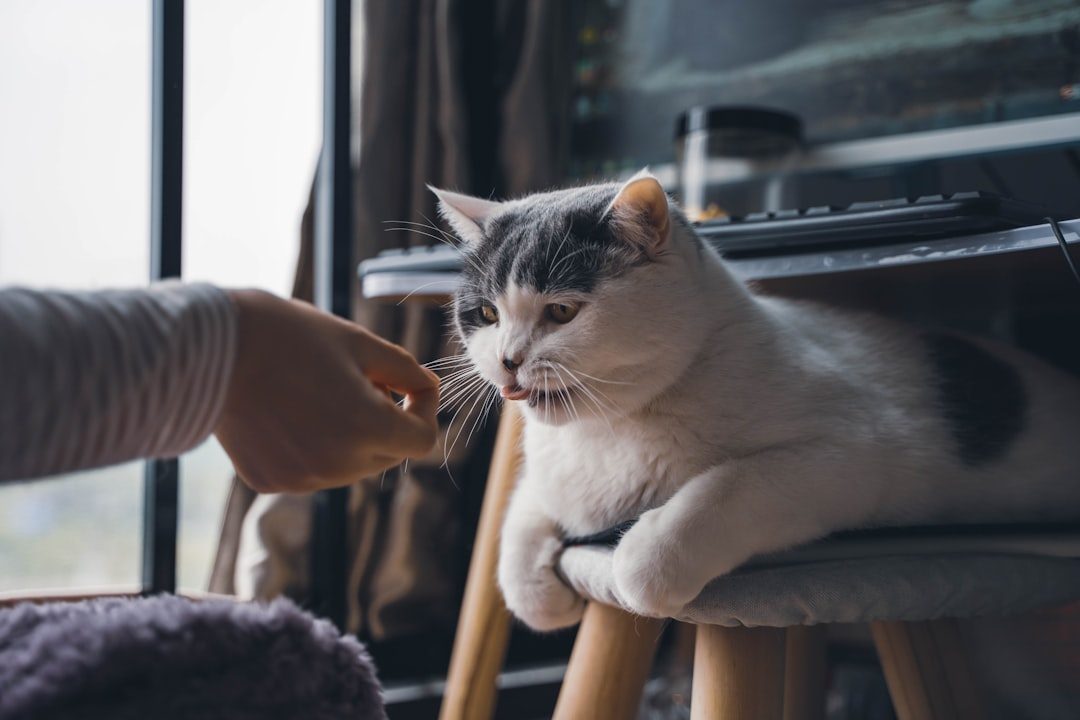
Unlike dogs, cats haven’t evolved to have lots of facial muscles, which means their faces aren’t as expressive as dogs, which is why it’s important to recognise even the smallest signs and changes in their body language because although they seem small, they say an awful lot. Your cat might not be ignoring you at all; they might be communicating in ways you’re not picking up on.
Pay attention to their ears, tail position, and overall posture. With their posture, tails, ears, eyes, whiskers, and vocalizations, cats tell you whether they’re comfortable or not, and a cat’s body language and behaviors should be looked at as part of a single big picture, by using the context of the entire situation and looking for subtle cues. That slow blink? It’s a cat kiss. Tail held high? They’re happy to see you. Twitching tail? Maybe give them some space right now.
Building a Better Bond Through Respect
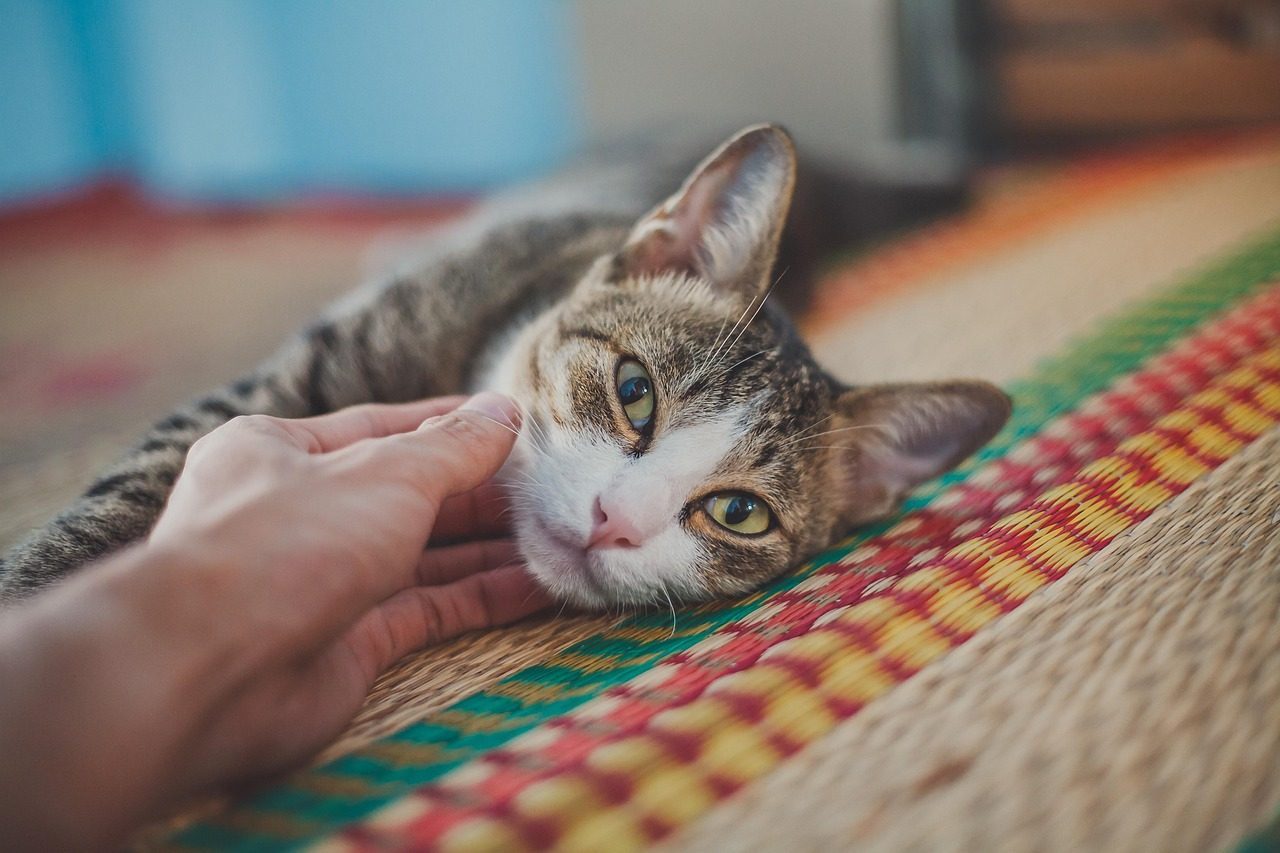
The key to having a great relationship with your cat is accepting them for who they are. The key to improving your relationship with your cat lies in understanding and respecting their communication style, as positive reinforcement, consistent routines, and allowing them to initiate interaction can help strengthen your bond over time.
Rather than getting frustrated when your cat ignores you, try respecting their boundaries. Let them come to you when they’re ready. Create predictable routines around feeding and playtime. Use treats strategically (not manipulatively, of course). Cats like brief, low intensity but frequent interactions, and when cats that get along greet each other, it tends to be a brief head rub, while humans prefer less frequent but high intensity and prolonged interactions, which can sometimes be a source of confusion between cats and their owners.
Conclusion: Embrace the Feline Mystique
A cat’s apparent indifference is usually just their way of maintaining healthy boundaries and expressing their natural independence. Your cat isn’t being cruel or spiteful when they ignore you. They’re simply being themselves – independent, selective, and operating on their own timeline.
The sooner you accept that your cat has their own agenda, the happier you’ll both be. They might not come running every time you call, but when they do choose to grace you with their attention, it means something. It’s earned, not given freely, and maybe that’s what makes those purring cuddle sessions feel so special.
So what do you think? Does your cat practice selective hearing too, or are you one of the lucky few with an unusually responsive feline? Either way, those little furballs have us wrapped around their paws, and honestly, we wouldn’t have it any other way.