Have you ever noticed your cat suddenly appearing beside you on a rough day? Or perhaps you’ve caught your feline friend staring intently at you when you’re upset, as if they somehow sense that something’s off. It’s not your imagination playing tricks. Cats possess an uncanny ability to tune into our emotional states, picking up signals we barely realize we’re sending.
Scientists have spent years trying to decode this mysterious connection between humans and their feline companions. Unlike dogs, who wear their emotions rather openly, cats operate on a subtler frequency. Yet this doesn’t mean they’re any less perceptive. Research now shows that our furry housemates are far more emotionally intelligent than we ever gave them credit for. Let’s dive into the fascinating world of feline emotional awareness.
They Read Your Face Like a Book
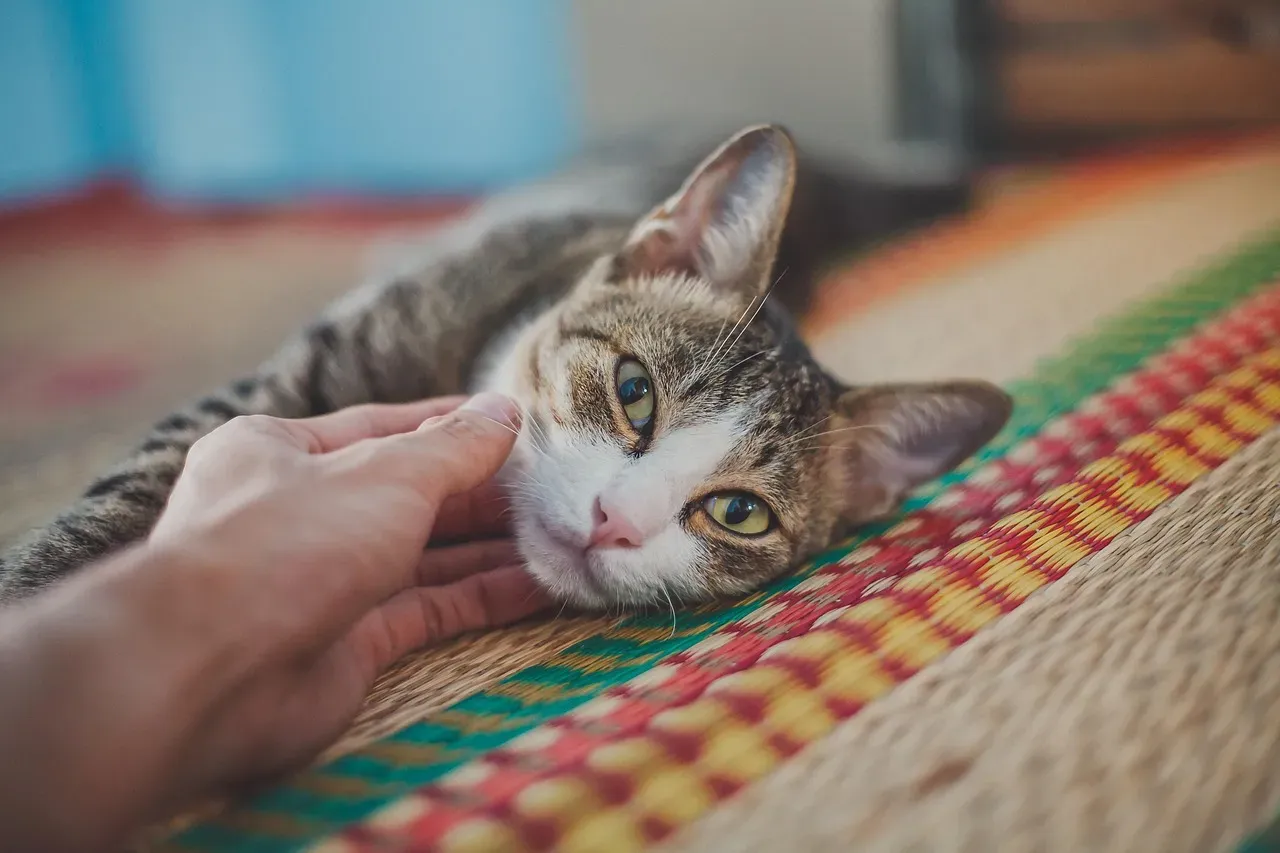
Your cat can detect changes in your facial expressions, tone of voice, and movements. Think about that for a moment. While you might assume your feline friend is completely indifferent to your presence, they’re actually conducting a detailed scan of your emotional landscape every time they look at you.
Cats who spend time with their humans displayed more positive behaviors when their humans were happy compared to when they were angry. This isn’t random chance or coincidence. Your cat has learned to associate your smile with good things and your frown with situations best avoided. They’ve become students of human emotion, even if they don’t always show it in obvious ways.
The Scent of Your Emotions
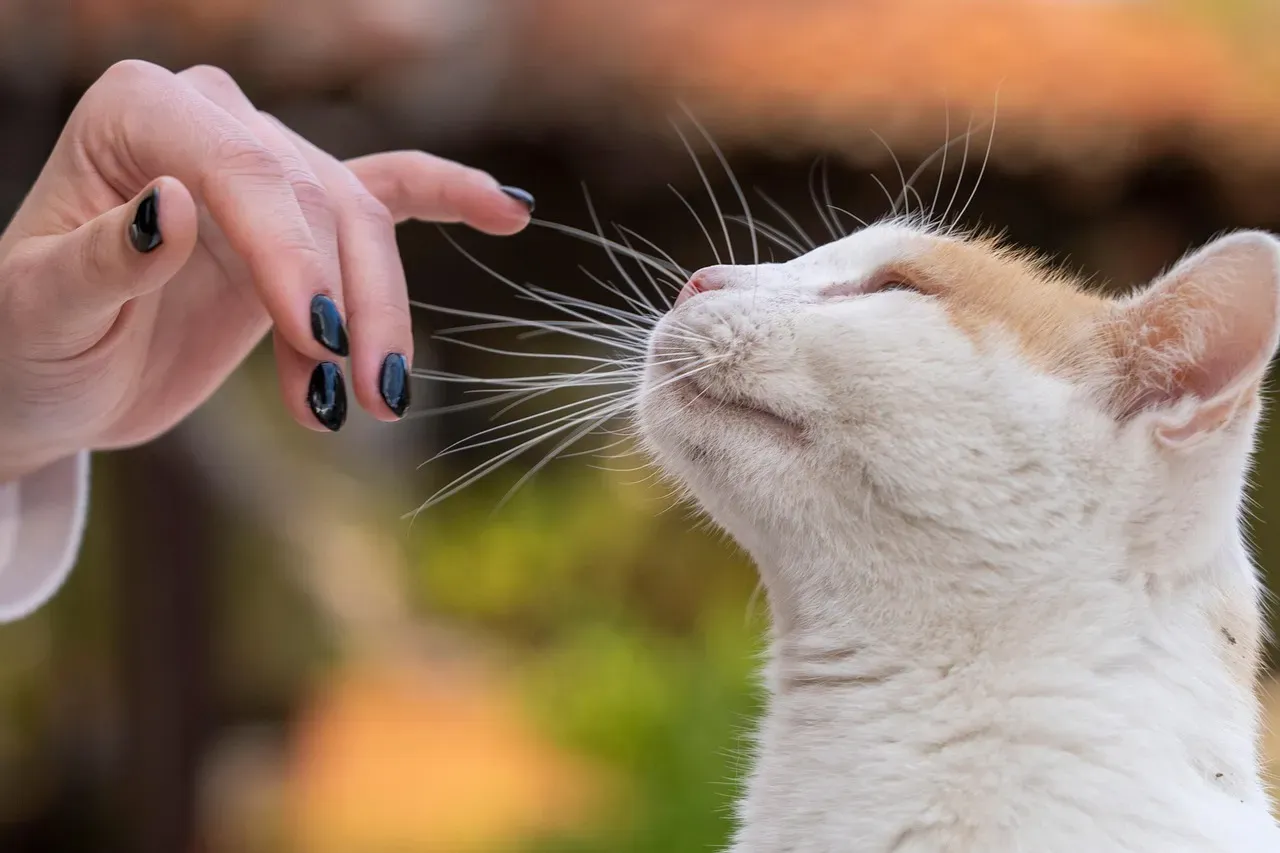
Here’s something that might surprise you. Cats are able to distinguish a human’s fear odor, and they don’t just detect it passively. When smelling this fear scent, cats were recorded to exhibit a stress response to it. Your body chemistry literally changes based on your emotional state, releasing different chemical signatures that your cat’s sensitive nose picks up effortlessly.
It’s honestly a bit mind-blowing when you think about it. While we’re focused on visible cues, cats are operating on an entirely different sensory level. They’re reading the invisible emotional broadcasts we send out through our skin, picking up on stress hormones and fear pheromones that we can’t even perceive ourselves.
Matching Sounds to Feelings
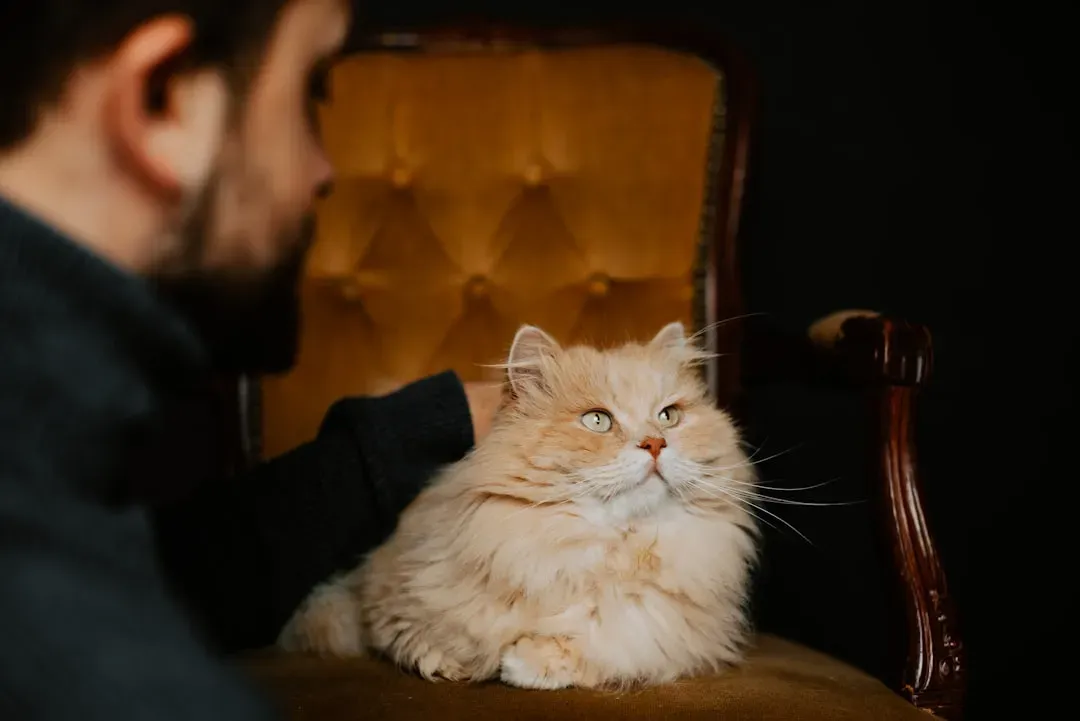
Cats integrate visual and auditory signals to recognize human and conspecific emotions and they appear to modulate their behavior according to the valence of the emotion perceived. This means your cat doesn’t just listen to what you say but how you say it. The tone, pitch, and intensity of your voice all contribute to their understanding of your current emotional state.
Cats displayed significantly higher stress levels when attending to human anger emotional signals, suggesting that cats perceived the negative valence of the human anger emotion and responded in a functionally relevant way. So when you’re having an argument or feeling frustrated, your cat isn’t just avoiding you because they’re antisocial. They’re actively recognizing your anger and making the sensible choice to give you space.
The Bond Makes All the Difference
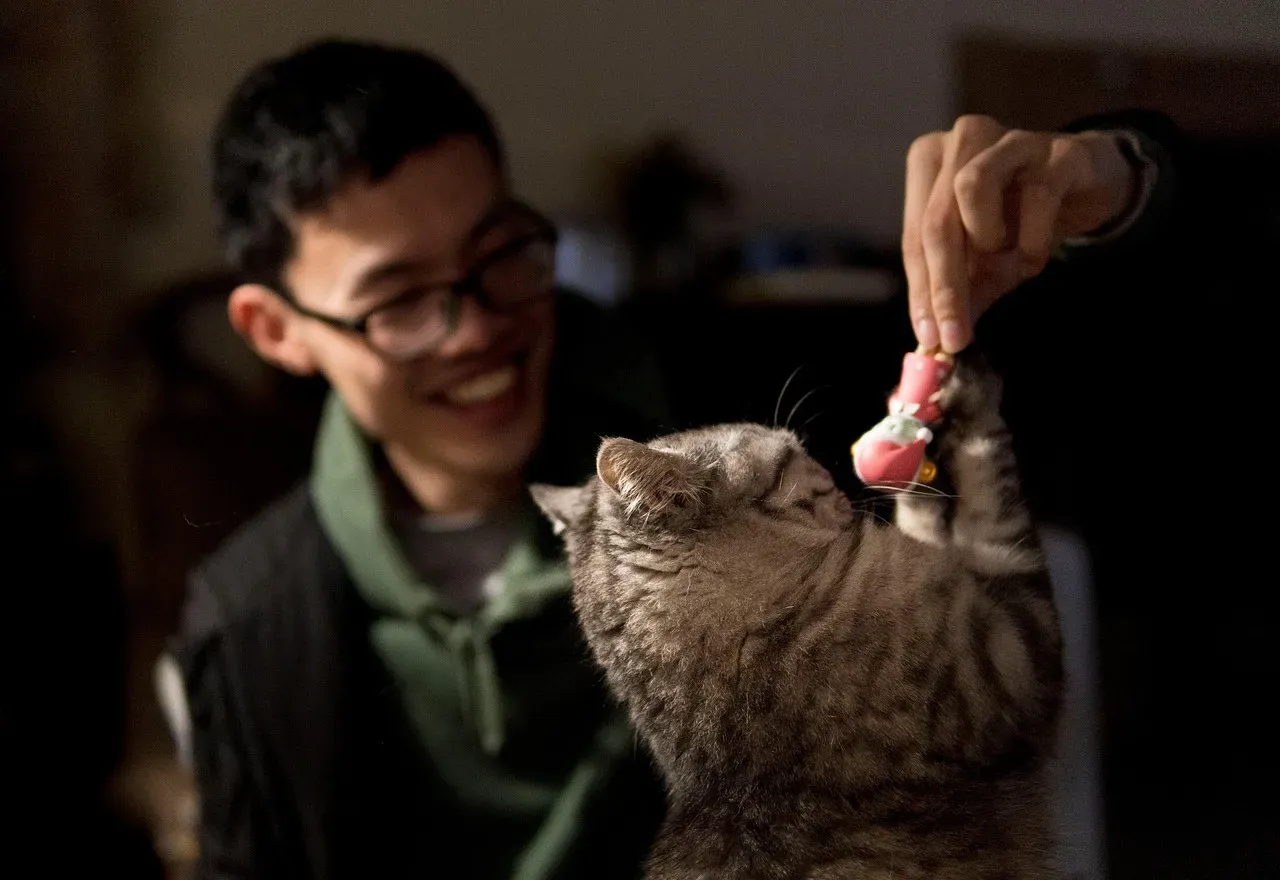
This difference did not occur when interacting with a person they weren’t familiar with. Your cat’s emotional radar works best with you specifically. The stronger your relationship, the better they become at reading your moods. It’s almost like they’ve developed a personalized decoder ring just for your emotional signals.
By creating a bond and spending more time with your cat, it will allow them to become more in tune to your behaviors and feelings. Time invested with your feline companion isn’t just pleasant – it’s educational for them. Every interaction teaches them more about your unique emotional patterns, building a communication system that’s remarkably sophisticated despite the language barrier.
Domestication Created Emotional Experts
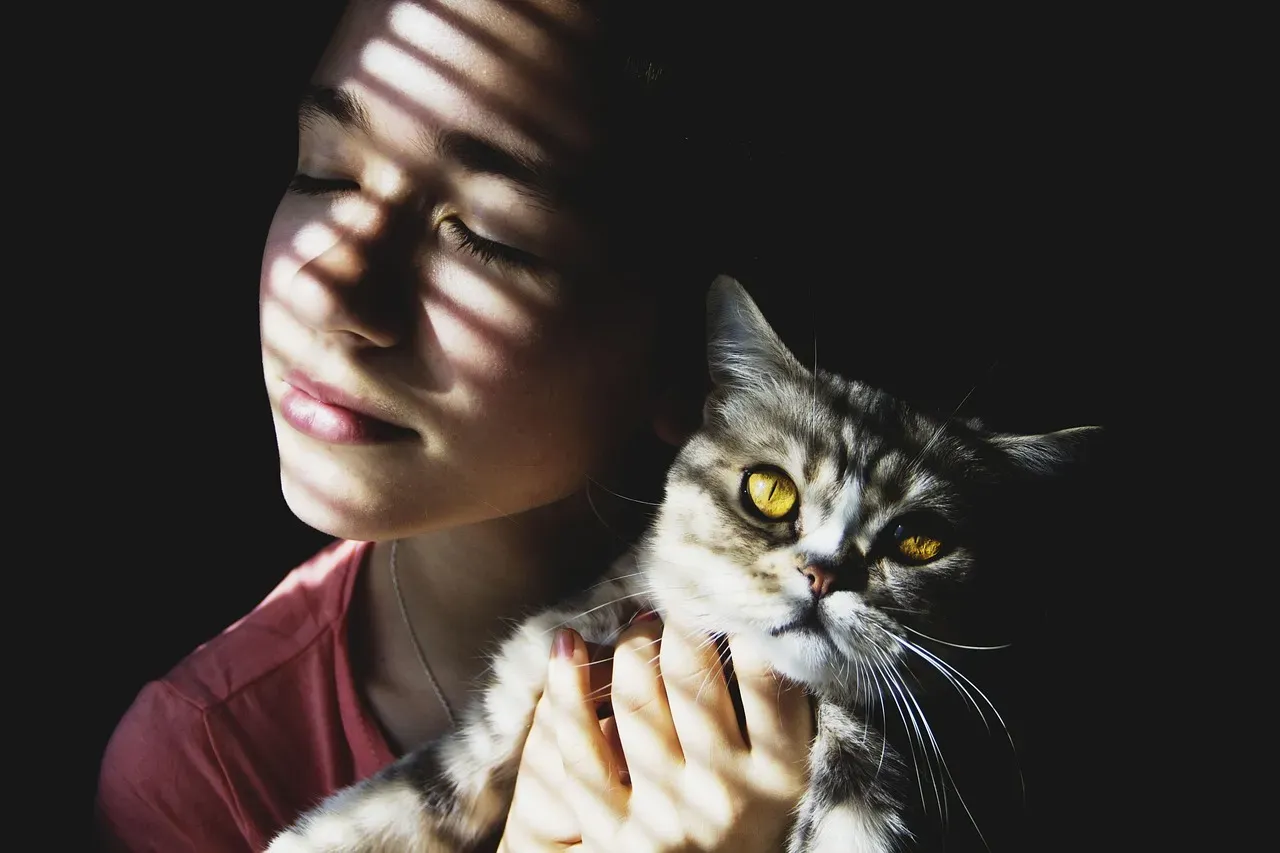
It is possible that during domestication, cats developed socio-cognitive abilities for understanding human emotions in order to respond appropriately to their communicative signals. This wasn’t accidental. Over thousands of years living alongside humans, cats who could better read human emotions likely had advantages – more food, better shelter, increased survival rates.
Cats have now developed the high-level cognitive abilities needed to recognize the emotions of both their owners and strangers. Evolution shaped them into creatures capable of navigating the complex emotional landscape of human households. That aloof exterior? It’s hiding a surprisingly sophisticated emotional intelligence system.
Learning Through Association
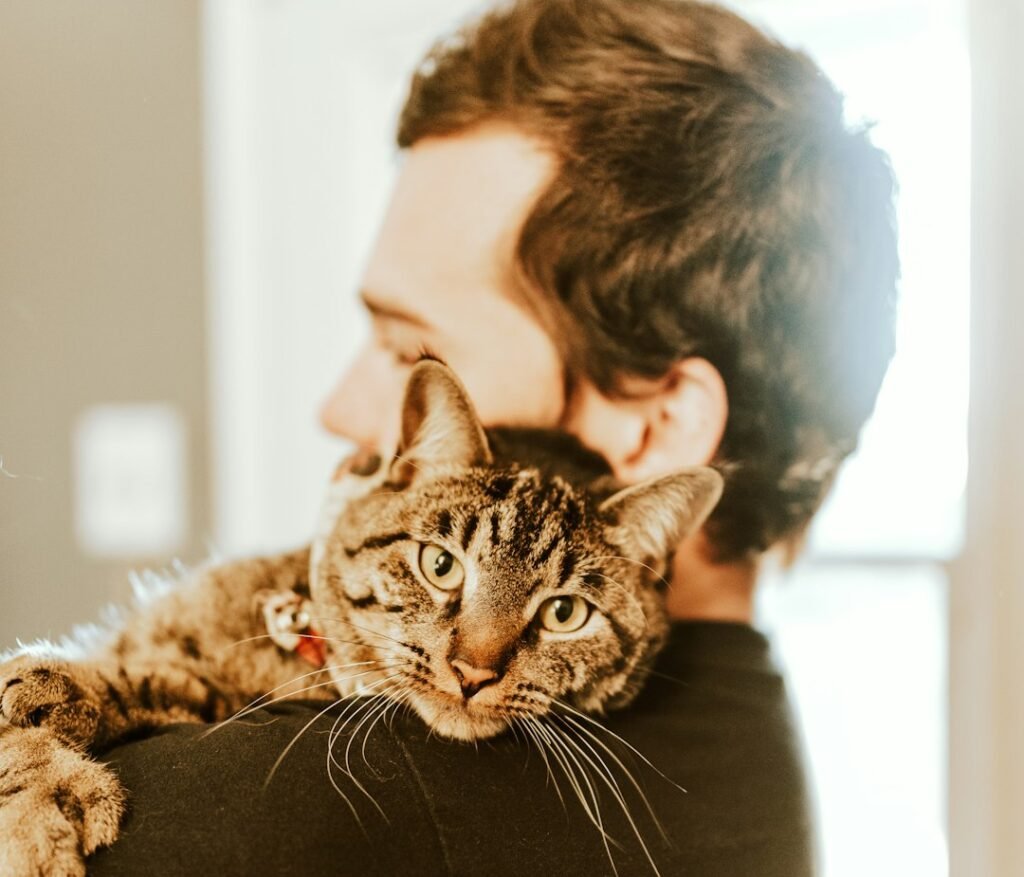
If you are sad and give them extra attention, they make the association between your behavior and actions with being in an emotional state, which means you give them more attention. Let’s be real – cats are pragmatic creatures. They’ve figured out that your emotional states correlate with specific outcomes. Sadness might mean extra cuddles. Happiness could lead to playtime or treats.
This doesn’t diminish their emotional connection to you, though. Cats are observant and intuitive, and this allows them to understand emotional cues from humans, so when you are depressed, they can sense that too. Whether motivated by affection or advantage, the result is the same – a cat who shows up exactly when you need them most.
Body Language Speaks Volumes
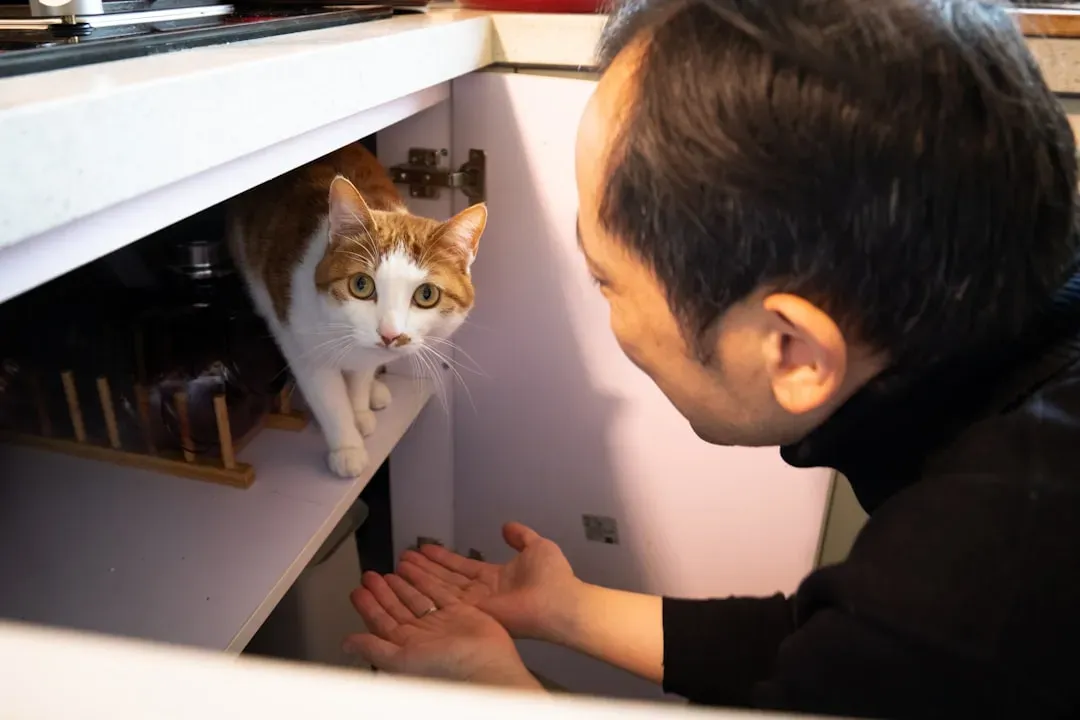
Cats can recognize the body language and movement changes that happen when humans become sad. Your posture shifts when you’re down. You move differently when you’re anxious. These subtle physical changes don’t escape feline notice. Cats are masters at detecting the tiniest variations in how you carry yourself.
Your cat watches you more carefully than you probably realize. The way you walk across the room, how you sit on the couch, the speed of your movements – all these details paint an emotional picture for your observant companion. They’ve become fluent in the silent language of human body mechanics.
They Adjust Their Behavior Accordingly
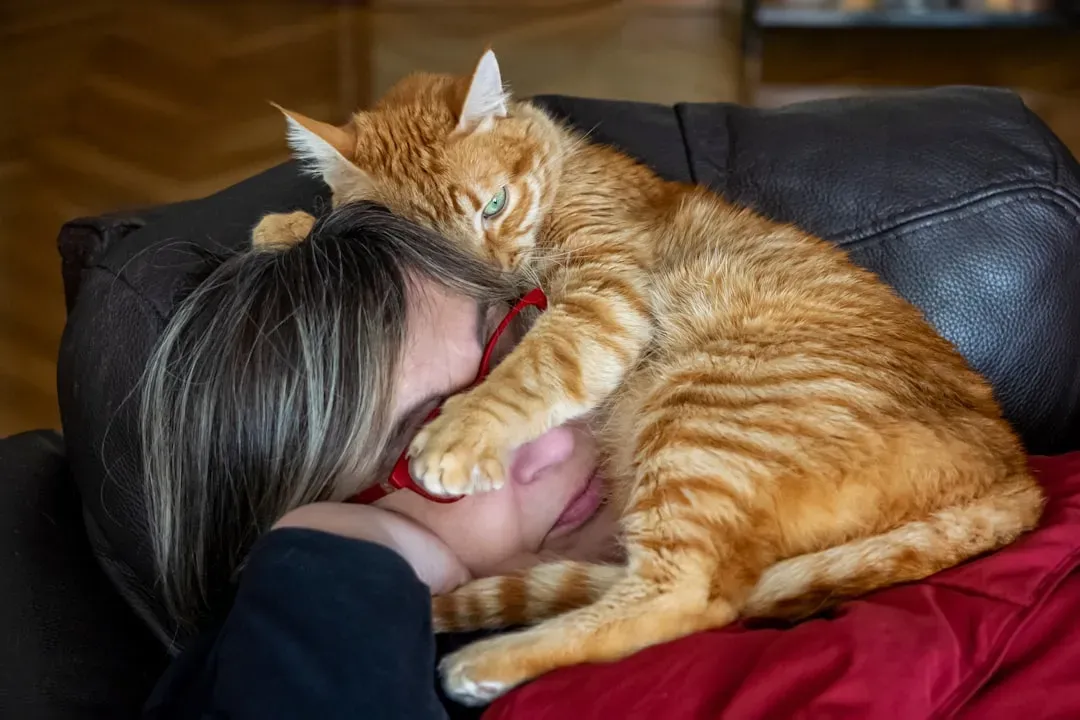
Cats engage with their humans more often when they are sad or depressed, and they approach them more frequently when their humans are anxious or agitated. This adaptive response shows genuine sensitivity to human emotional states. Your cat isn’t just passively observing – they’re actively changing their behavior based on what they perceive.
Cats observe facial expressions, tone of voice, and body language to gauge mood, and our furry friends are equipped to detect shifts in our emotional states. Whether they curl up beside you during sadness or maintain a respectful distance during anger, these responses demonstrate an impressive level of emotional awareness that rivals many other companion animals.
The Mystery Continues to Unfold
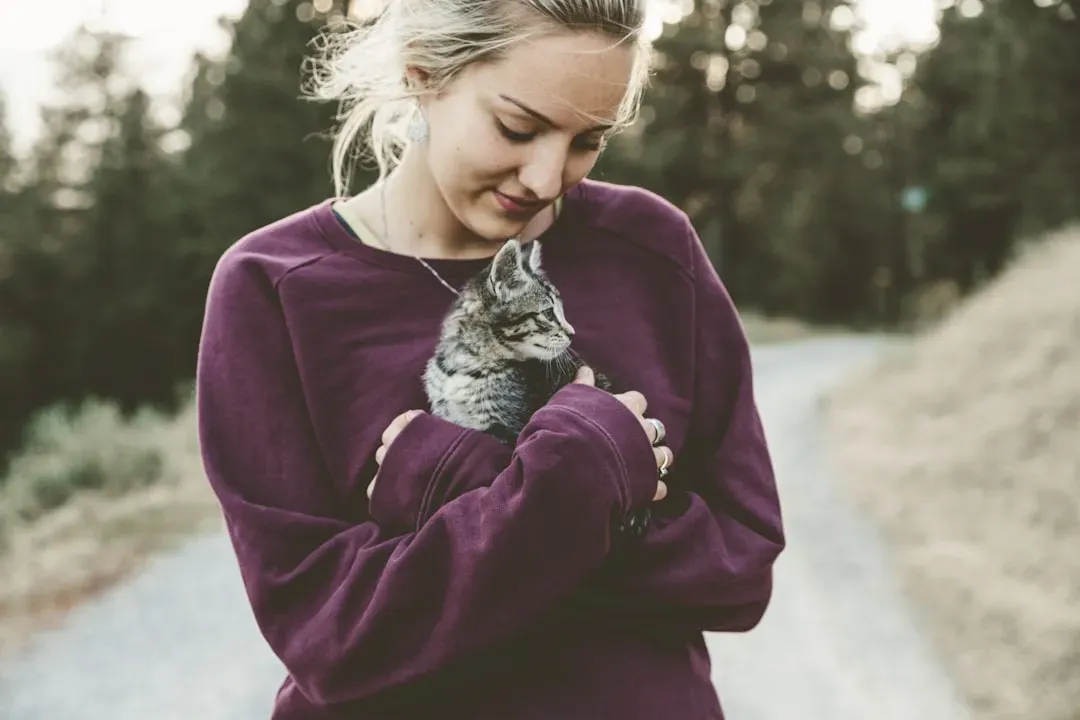
Despite all we’ve learned, scientists are still uncovering new layers to feline emotional intelligence. Evidence shows that cats recognize feelings such as joy, sorrow, anger, and stress, and will often modify their behavior accordingly. Each study reveals another facet of this complex relationship between humans and cats.
The bond you share with your cat operates on multiple levels simultaneously – visual, auditory, olfactory, and emotional. Cats’ responses to our moods are nuanced and deeply rooted in observational intelligence and emotional bonding. That mysterious connection you feel with your feline friend? It’s grounded in sophisticated biological and behavioral mechanisms that have evolved over millennia. What started as a practical arrangement has become something far more profound – a genuine interspecies friendship built on mutual understanding.
So the next time your cat appears beside you on a difficult day, recognize it for what it truly is: evidence of an emotional connection that transcends the need for words. Your cat understands more than you think, communicating in a language that predates human speech and speaking directly to something primal within us all.
What do you think about your cat’s emotional awareness now? Have you noticed these behaviors in your own feline companion?