You’ve probably been there. The clock glows in the darkness showing some ungodly hour like 3 AM, and suddenly you hear it: the unmistakable sound of your cat announcing their presence to the world. Maybe they’re yowling at your bedroom door, maybe they’re racing through the hallway like a furry tornado, or perhaps they’ve decided your face makes an excellent landing pad. Whatever their method, one thing is clear: your cat is wide awake while you desperately want to be asleep.
Here’s the thing though. Before you start thinking your feline friend has developed some sort of vendetta against your rest, it’s worth understanding that this behavior isn’t random chaos or spite. Your cat is actually trying to tell you something. They’re communicating in the only way they know how, and honestly, th wake-up call is less about ruining your sleep and more about expressing a genuine need.
Let’s dive into what your cat is really trying to say when they turn into a midnight maniac.
Your Cat Isn’t Actually Nocturnal

One of the biggest misconceptions about cats is that they’re nocturnal creatures who naturally prowl all night long. That’s not quite accurate. Cats are crepuscular, most active at dusk and dawn rather than throughout the entire night. Think about it from an evolutionary perspective.
When do birds and mice and other little critters start scurrying around? Sunup and sundown. Even if your cat is strictly indoors, they’re still programmed to perk up and get active when their prey is active. This means your cat’s internal clock is literally hardwired for activity during those twilight hours when you’re either trying to fall asleep or desperately clinging to your last few minutes of rest.
The reality is that cats have adapted to human lifestyles, and domestic cats tend to be most active early in the morning and at dusk, not in the middle of the night. They also change their activity cycles to fit in with their human housemates. So while your cat might be waking you now, this isn’t necessarily their preferred schedule either.
They’re Genuinely Hungry

Let’s be real: hunger is one of the most common reasons your cat transforms into an alarm clock before dawn. Cats have very small stomachs, only about the size of a ping pong ball. Your cat will start to get hungry about five hours after eating. If you’re feeding your cat dinner at 6 PM and going to bed at 10 PM, do the math. By 3 AM, your cat’s stomach is genuinely empty and they’re feeling it.
Your cat is likely waking you up early in the morning because they woke you up once before and you either fed them or gave them attention. So they continue to wake you up to keep getting that food or attention. It becomes a learned pattern, basically. Your cat has trained you, not the other way around.
This doesn’t mean your cat is manipulative or mean. They’re just operating on survival instincts. Wild cats eat multiple small meals throughout the day by catching prey, so frequent feeding aligns more naturally with their biology than our typical twice-a-day schedule.
Boredom Is Driving Them Crazy
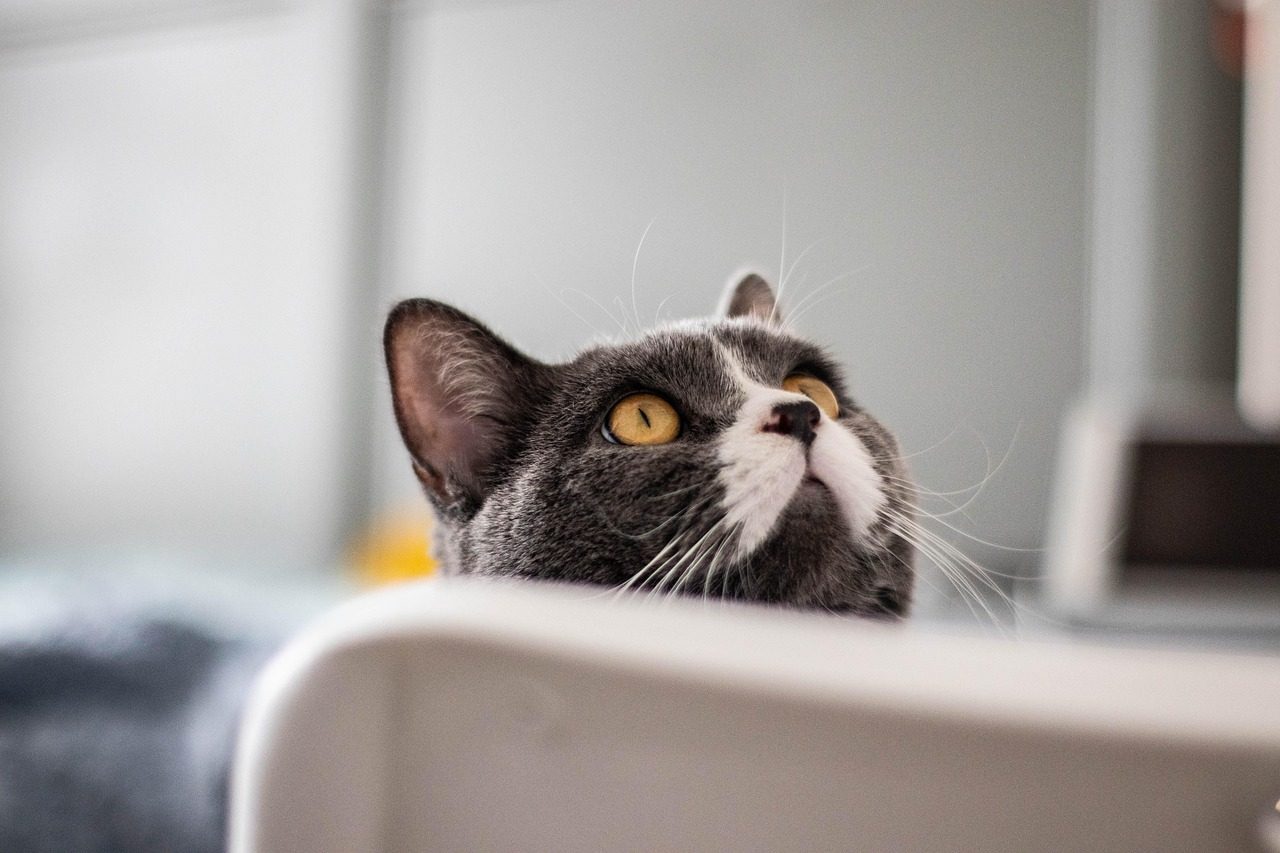
Picture this: you leave for work in the morning. Your cat spends the entire day napping in sunny spots, maybe batting around a toy for five minutes, then going back to sleep. By the time you come home, have dinner, and wind down for bed, your cat has been essentially resting for hours on end. They’re ready for action precisely when you’re not.
There are many reasons that your cat may be expressing themselves vocally at night, but it’s typically one of two reasons: boredom or hunger. Indoor cats especially can suffer from a lack of mental and physical stimulation. Without adequate enrichment during the day, all that pent-up energy has to go somewhere, and unfortunately, it often explodes right around the time you’re in your deepest sleep cycle.
An indoor lifestyle of confinement and dullness with no environmental enrichment can predispose cats to sleep all day and seek their owner’s attention at night. It’s not your cat’s fault. They’re wired to hunt, explore, and engage with their environment. When those needs aren’t met during the day, nighttime becomes their outlet.
They Want Your Attention and Companionship
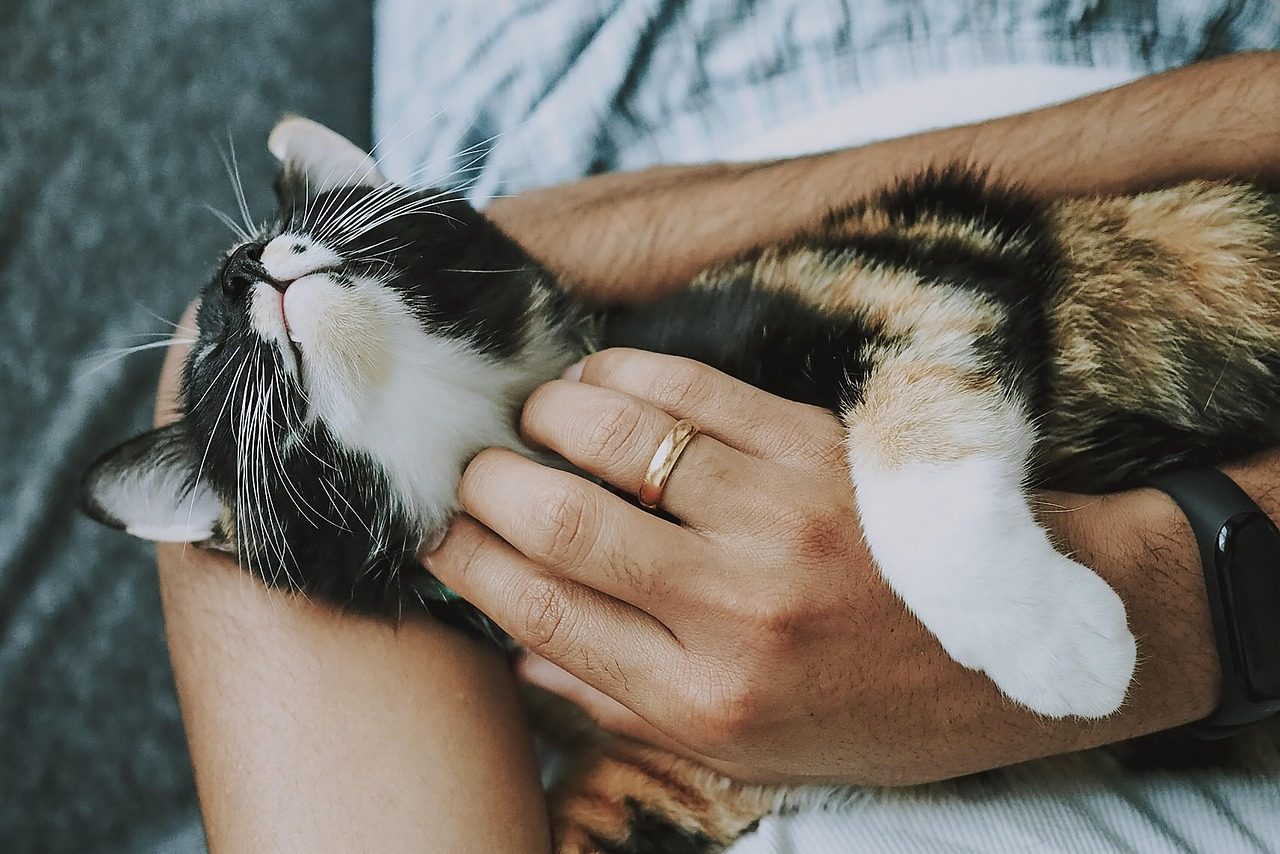
Sometimes the answer is simpler and more heartwarming than we think. Cats are naturally social creatures and want to spend time with you. Cats actually see their humans as other cats in their colony, so when they wake you up at night it could just mean they want some cuddles. Your cat doesn’t understand that you need uninterrupted sleep. They just know they miss you.
This is especially true if you’ve been away all day at work. From your cat’s perspective, they’ve barely seen you, and now you’re unconscious for another eight hours. That’s a long time to go without interaction with their favorite person. Your cat might wake you up to alert you or seek reassurance if they feel scared or anxious about something as well.
Honestly, when you look at it from their viewpoint, it makes sense. They’re not trying to be annoying. They’re trying to connect with you in the only way they know how, even if the timing is terrible for your sleep schedule.
Something in Their Environment Changed

If something changes in their environment – you go on holiday, move furniture or have a new house guest or pet – your cat may return to early morning wake up calls. This is typical for cats. Keep the routine as consistent as you can and eventually your cat will settle in to the new normal. Cats are creatures of habit, and disruptions to their routine can manifest as nighttime restlessness.
Even minor changes can throw them off. Did you rearrange the living room? Is there a new scent in the house? Did you switch their litter or food brand? These might seem insignificant to us, but to a cat with heightened senses and a strong attachment to routine, these changes can be genuinely unsettling.
External factors matter too. Maybe there’s a neighborhood cat prowling outside that your cat can sense. Perhaps there are unusual sounds or smells filtering in from outside. Your cat’s acute hearing picks up things you sleep right through, and those stimuli can trigger their alert response, prompting them to wake you.
Medical Issues Could Be the Culprit
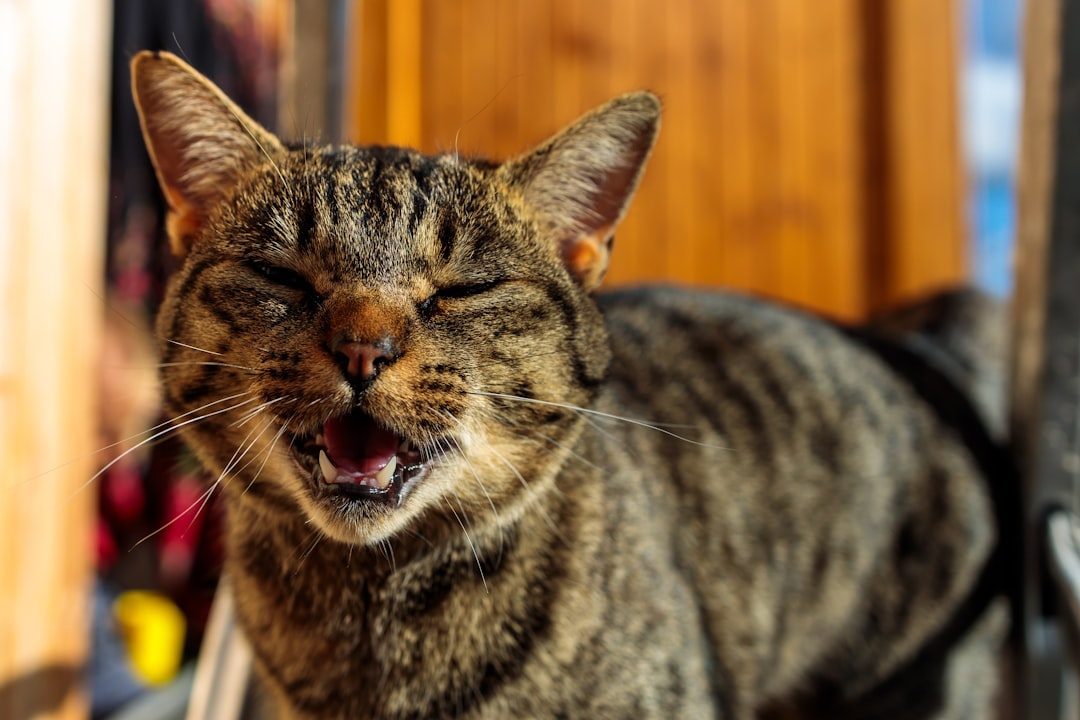
Before you assume your cat is just being difficult, it’s important to rule out health problems. There may be a medical reason why your cat is meowing and waking you up in the morning – like an overactive thyroid, high blood pressure, or even diabetes. These conditions can cause increased appetite, restlessness, and changes in sleep patterns.
Yowling in older cats might be due to Feline Cognitive Dysfunction Syndrome, which is essentially feline dementia. Senior cats can become confused, disoriented, or anxious at night, leading to vocalization and disruptive behavior. If your previously well-behaved cat suddenly starts waking you up consistently, especially if they’re older, a vet visit should be your first step.
Pain is another factor. Dental issues, arthritis, or other painful conditions can make it difficult for cats to settle comfortably, leading to nighttime restlessness. It’s hard to say for sure without professional evaluation, but physical discomfort could absolutely be behind those 3 AM wake-up calls.
How to Help Your Cat Sleep Through the Night
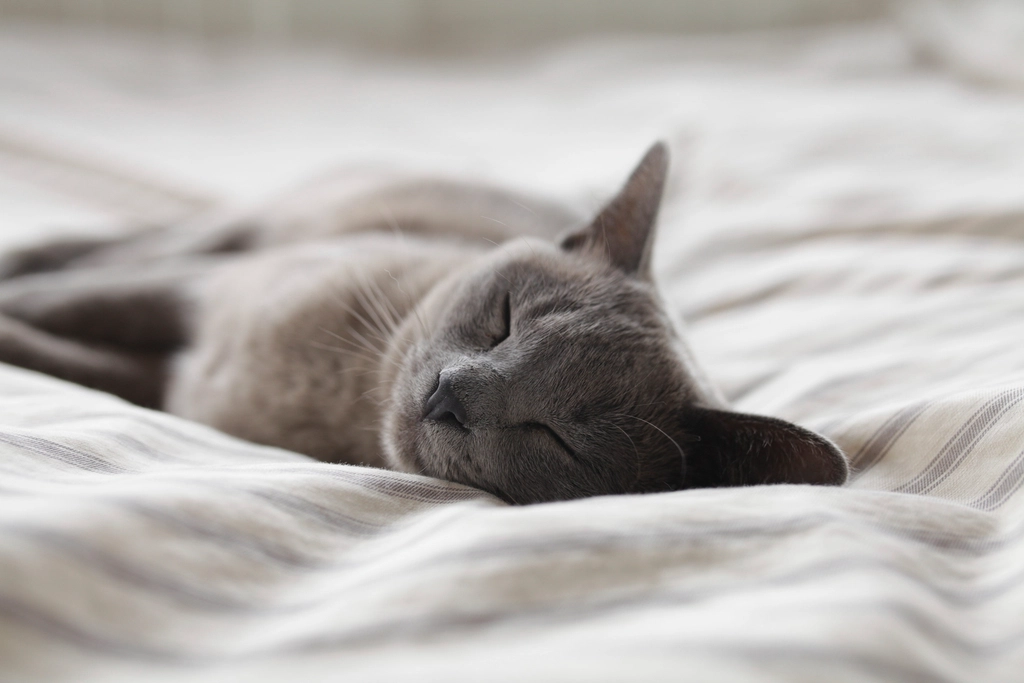
The good news is you don’t have to resign yourself to interrupted sleep forever. You’ve got to offer play and other enrichment throughout the day. Otherwise, it’s just not fair to expect your cat to stop asking for attention at night. Meet that need for attention at more appropriate times. Schedule dedicated play sessions in the evening, ideally right before bed, to tire your cat out.
Ideally, you want to feed your cat three meals a day, with no longer than six to eight hours between meals. Within a week or two, your cat will learn to expect food at specific times. Their energy levels will be more regulated, making them less likely to bother you at night. If your bedtime is 11 PM, the final feeding should be around 9:30 PM. Consider using automatic feeders if you can’t be home for mid-day meals.
Interactive toys, puzzle feeders, and environmental enrichment during the day are essential. Give your cat climbing structures, window perches with views of bird feeders, and rotating toy selections to keep them mentally stimulated when you’re not around.
The Tough Love Approach That Actually Works
As hard as it is, ignoring this behavior is key. And I mean completely ignore. Don’t look at your cat. Don’t have a conversation with them about how crazy they’re driving you. The slightest indication that they got your attention with their vocalizing, scratching, or whatever else they’re doing will give them a reason to keep trying. This is arguably the hardest part.
It will get worse before it gets better. This is called an extinction burst, where the behavior temporarily intensifies because what used to work suddenly isn’t working anymore. Your cat will try harder, get louder, and be more persistent. This is the moment most people give in, but if you can power through this phase, the behavior will eventually stop.
If you must remove your cat from the bedroom, do it as neutrally as possible without speaking or making eye contact. The goal is to make nighttime interaction completely unrewarding for them. Meanwhile, make sure to provide plenty of positive attention during appropriate waking hours so they don’t feel neglected.
Finding Peace for Both of You
Understanding why your cat wakes you is the first step toward solving the problem. Your cat isn’t being malicious or trying to ruin your sleep. They’re communicating needs, following instincts, or responding to something in their environment. Whether it’s hunger, boredom, loneliness, routine disruption, or a health issue, there’s always a reason behind the behavior.
With patience, consistency, and the right approach, you can help your cat adjust to a schedule that works for both of you. It might take a few weeks of dedication, but the payoff of uninterrupted sleep is absolutely worth it. Remember that your cat’s nighttime activity is natural behavior, not defiance. Work with their instincts rather than against them, and you’ll both be happier for it.
What strategies have worked for you in managing your cat’s nighttime antics? Sometimes the best solutions come from fellow cat parents who’ve been in the trenches. Sweet dreams ahead!