You’ve seen it countless times. Your cat crouches low, eyes locked on a toy mouse across the room. Then it happens. That adorable little shimmy, that irresistible butt wiggle that makes you grab your phone to capture the moment. Before you know it, your feline friend launches through the air with precision that would make an Olympic athlete jealous.
It’s one of the most endearing things cats do, and honestly, it never gets old. Yet this curious behavior has puzzled cat lovers for years. Is your kitty just warming up? Checking their balance? Or maybe they’re just having too much fun to hold still? Let’s be real, there’s something mesmerizing about watching that little rear end sway back and forth before the big attack. So what’s really going on behind those focused eyes and wiggling hips?
The Muscle Warm-Up Theory
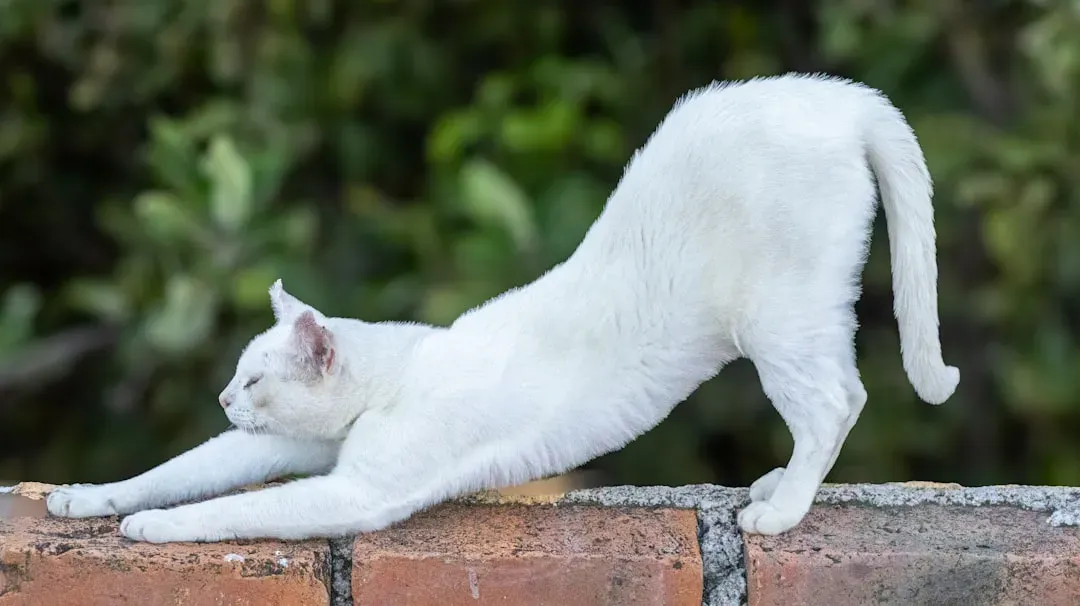
Think about athletes before a big game. They stretch, they bounce, they shake out their limbs. Your cat might be doing something remarkably similar. The wiggle could provide cats time to plan their attack while preparing their muscles for a big, powerful movement, giving them a short aerobic workout and stretching their muscles to allow for better pouncing.
One of the primary reasons cats wiggle their butt before pouncing is to prepare their muscles for the upcoming leap, as this motion helps engage their hind leg muscles, stretching and contracting them in anticipation of the powerful burst of energy required to pounce. It’s like your cat’s version of doing jumping jacks before a sprint. Pretty smart, right?
Testing Ground Stability and Traction

Here’s something you might not have considered. The ground beneath the cat must be sturdy enough to support forceful movement of the hind limbs, so this theory suggests that a cat wiggles to test the solidness of the ground before making the leap. Imagine trying to jump on ice versus concrete. The difference matters.
One theory is that it presses the hindlimbs into the ground, giving the cat more traction to propel it forwards when it pounces. Your cat’s wiggle might be their way of digging in, establishing grip, and making sure they won’t slip during that crucial launch moment. In the wild, missing a pounce could mean missing a meal.
The Balance Check Before Takeoff
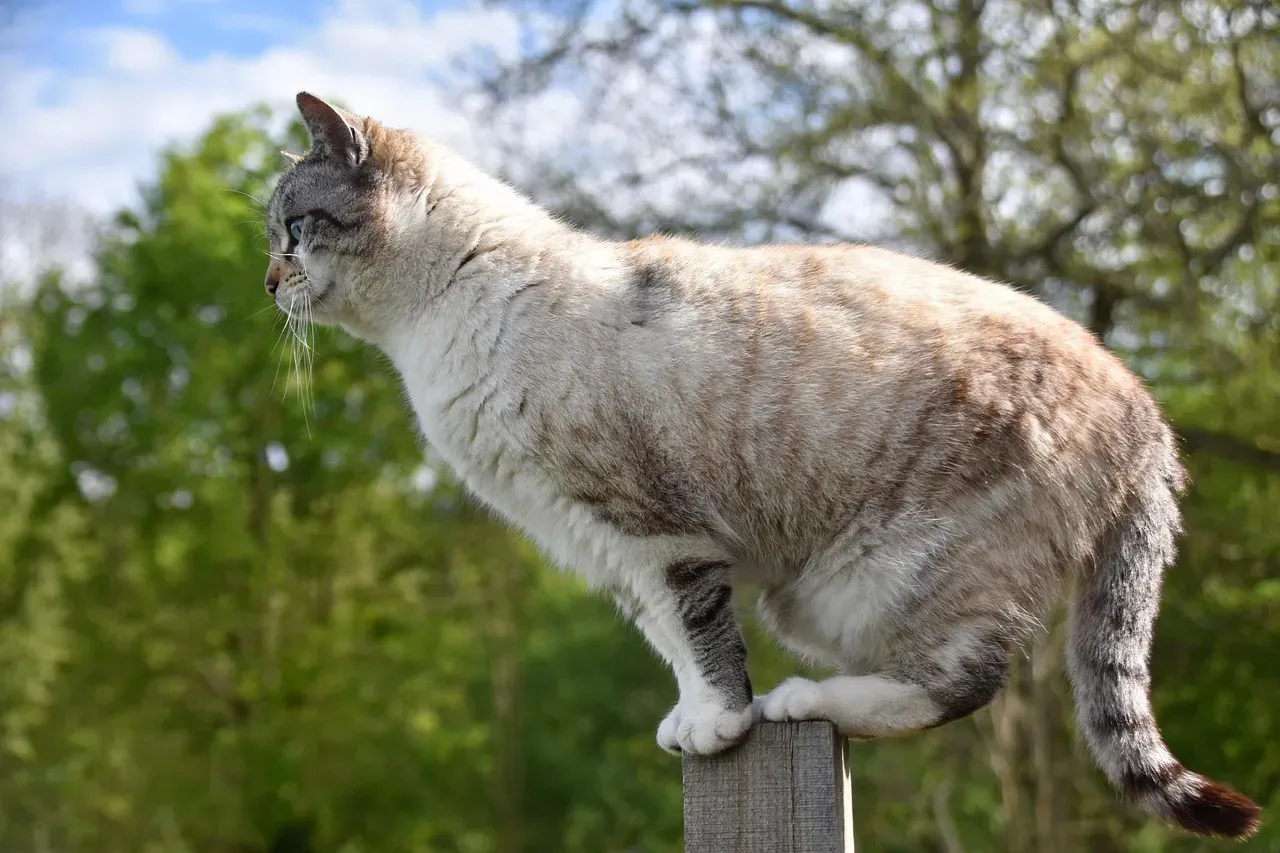
Balance is everything when you’re about to become airborne. The wiggling motion helps cats build tension in their muscles and establish a stable balance before leaping, as they shift their weight from one side to the other to fine-tune their balance and center of gravity.
Picture a tightrope walker making tiny adjustments before taking a step. That’s your cat, making micro-adjustments to ensure their pounce lands exactly where they want it to. Wiggling their butts may give them a chance to check their balance, helping them make sure their pounce will be accurate and effective since they may only have one chance to catch their prey. Precision matters in the hunting game.
The Excitement Factor
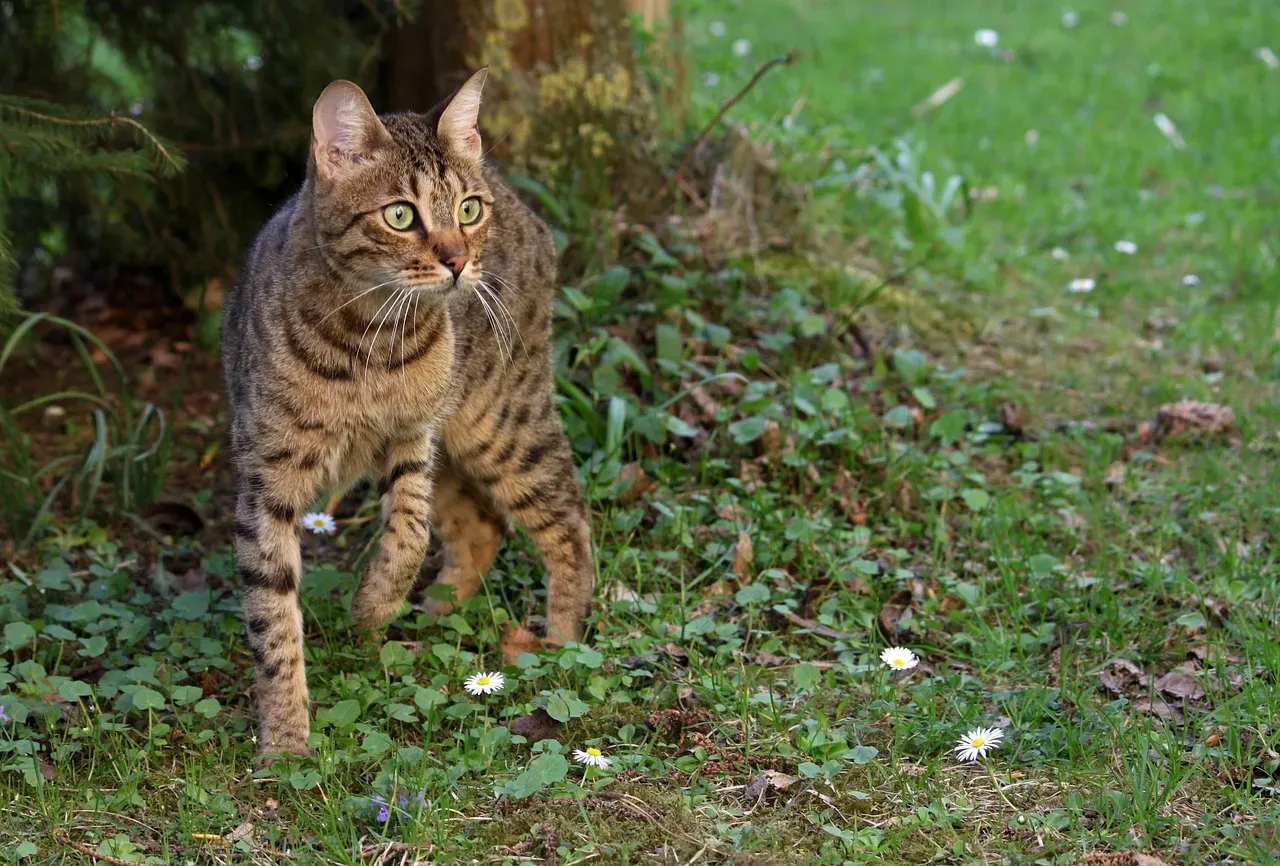
Sometimes the simplest explanation is the right one. Your cat might just be too excited to hold still. When cats engage in hunting and play, their brain releases dopamine, a neurotransmitter responsible for feelings of excitement, motivation, and pleasure, and the butt-wiggling behavior may be something that cats do because it’s fun for them or helps them release excess energy created by the surge of dopamine.
It’s hard to say for sure, but watching your cat’s body language tells you everything. Those dilated pupils, that intense focus, the tail twitching with anticipation. Your cat is experiencing pure joy in that moment, and the wiggle might be their body’s way of saying, “I can barely contain myself!” Honestly, who hasn’t done a little happy dance when excited?
Proprioception and Body Awareness
Proprioception is considered the “sixth sense,” and it’s the brain’s sense of the body’s position and movement, which allows us to touch our noses with our fingertips even if our eyes are closed. Your cat has this sense too, and it’s incredibly refined.
The wiggle could reestablish that connection between the brain and the hind legs in preparation for the rapid-fire communication between these body parts that happens in a pounce. Think of it as your cat’s internal GPS recalibrating before making that critical leap. This neurological fine-tuning ensures every muscle fires at exactly the right moment.
Inherited From Wild Ancestors
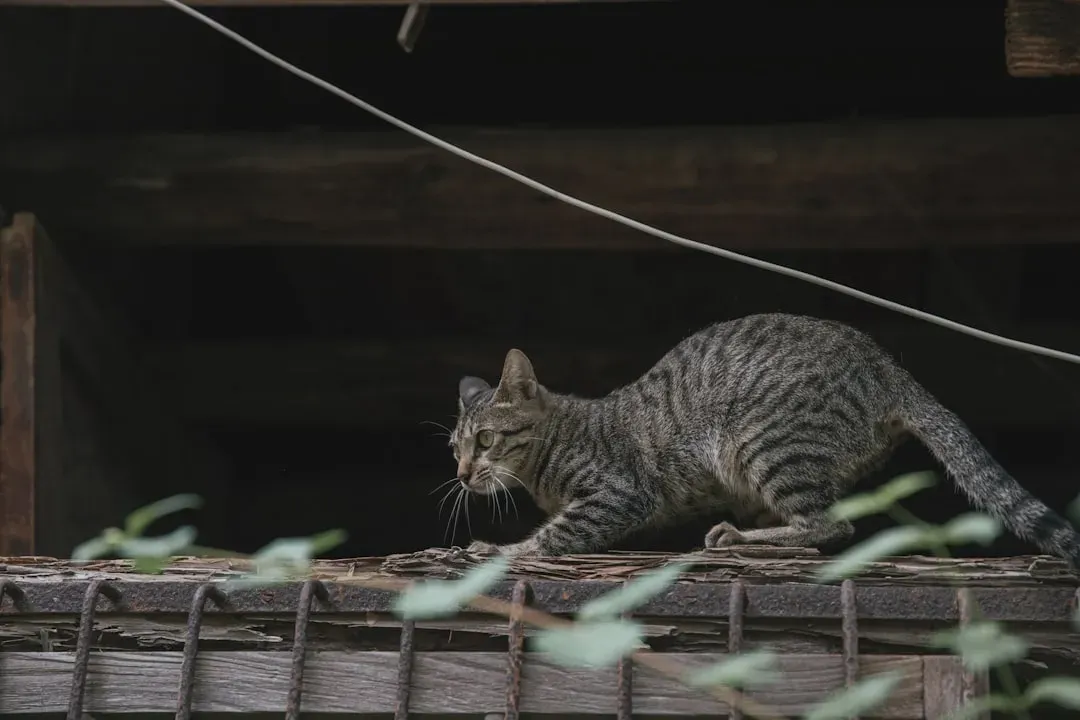
Your couch potato might seem far removed from their wild cousins, but the wiggle tells a different story. The butt-wiggle behavior has been observed in big cats who are also ambush hunters, including mountain lions, tigers, jaguars, and leopards. That means this behavior has been passed down through generations.
The predominant idea behind cat butt wiggling is that it’s a little bit of both instinct and learning, as kittens begin to practice hunting behaviors when they’re as young as six to seven weeks old. It’s in your cat’s DNA, a connection to their wild heritage that survives even in domesticated life.
Other Body Language Signals to Watch
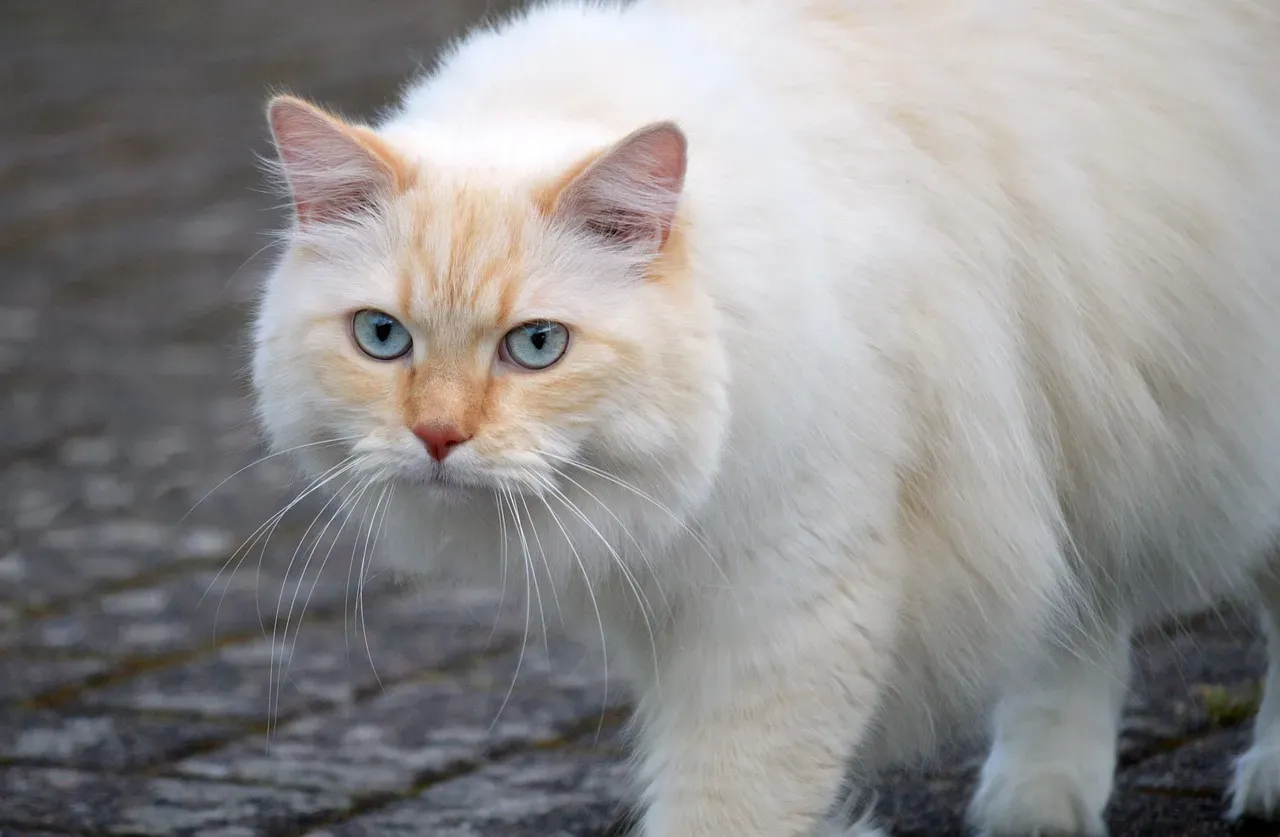
The wiggle doesn’t happen in isolation. Pay attention to the complete picture. When cats are excited or nervous while hunting, their pupils may dilate from a rush of adrenaline, and they may also stare wide-eyed and unblinking at their target.
The cat’s ears and whiskers are often pointed forward, demonstrating alertness and interest, and they may creep in short, slow bursts with their body low to the ground and their hind legs tucked toward the prey or a toy before they pounce. Your cat’s entire body becomes a hunting machine, and the wiggle is just one component of this fascinating sequence.
Why Some Cats Don’t Wiggle
Not every cat does the wiggle, and that’s perfectly normal. Not necessarily every cat will wiggle their butt when playing and before pouncing, as even though this behavior is extremely common in cats, some cats just won’t do it, likely just a personality difference.
Just like people have different habits and quirks, cats do too. Some might prefer a more direct approach, skipping the preliminaries and going straight for the attack. Others might wiggle every single time. Both are natural expressions of feline hunting behavior.
The Science Still Doesn’t Have All Answers
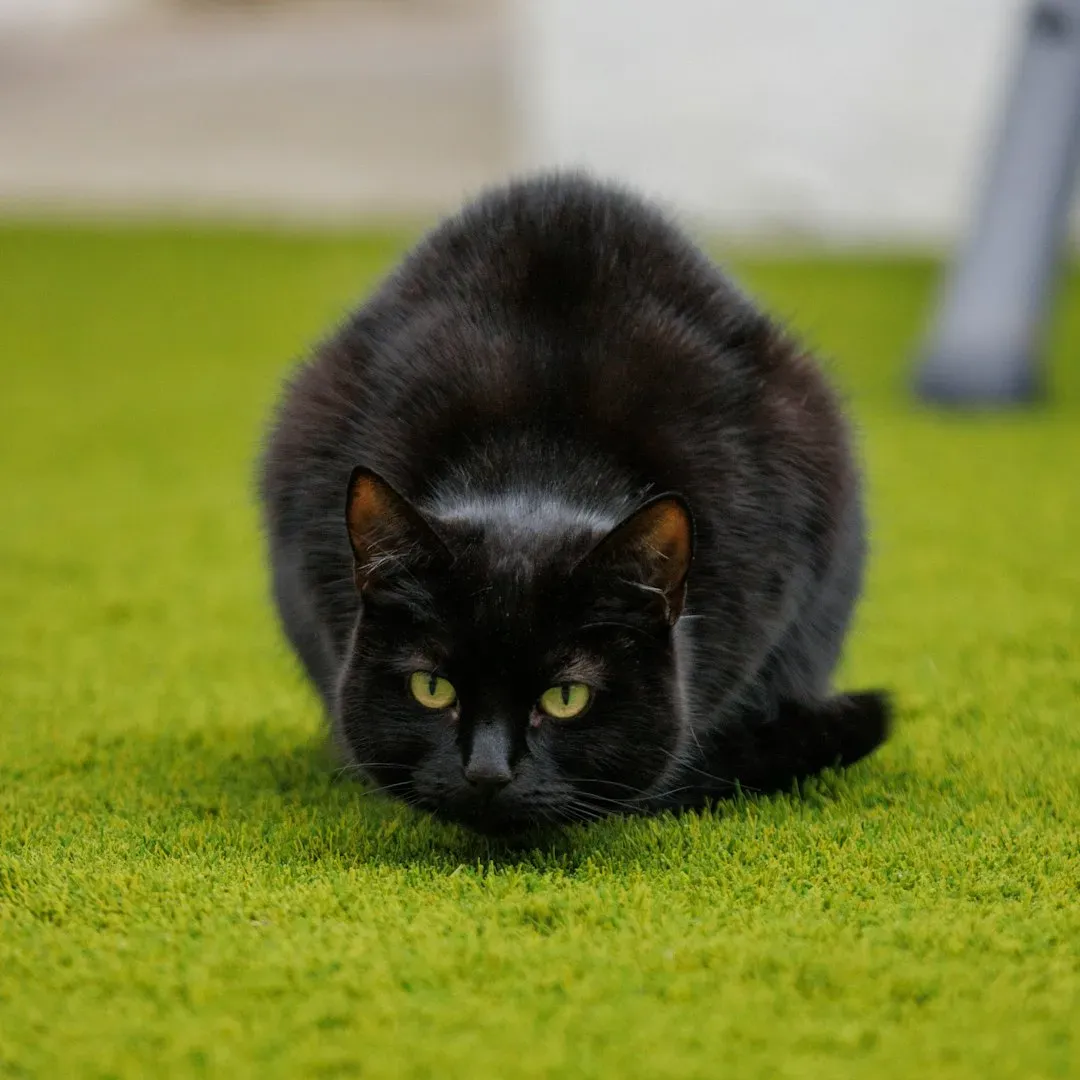
Let’s be honest, scientists haven’t formally studied the butt wiggle extensively. According to one professor of evolutionary biomechanics, the short answer is science does not know, as the butt-wiggling has not been studied in an experimental context. We’re working mostly with theories and observations.
The pre-pounce butt wiggle is predictably repeated time and time again across the feline kingdom, so much so it must serve a purpose, and although behaviorists are uncertain as to its primary function, it likely serves to improve traction as well as muscle and nerve function readiness ahead of the pounce. The mystery makes it even more fascinating.
Encouraging Healthy Play at Home
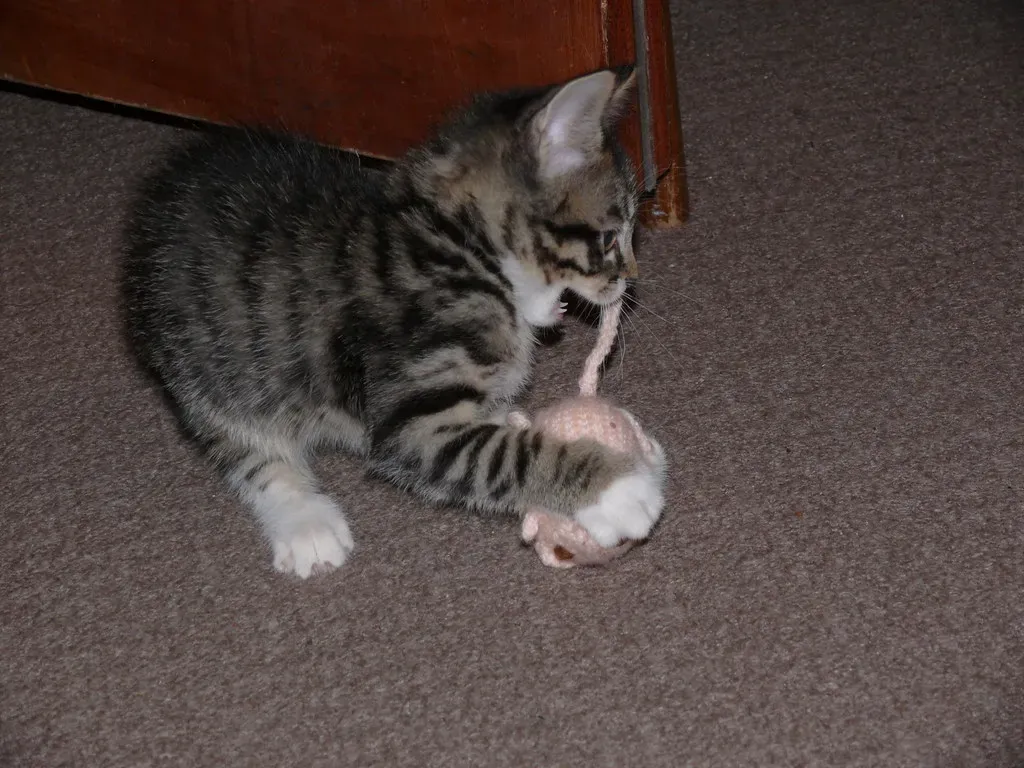
Understanding the wiggle helps you become a better cat parent. Having an outlet for their natural hunting behavior is an important part of keeping indoor cats happy. Your cat needs opportunities to stalk, wiggle, and pounce throughout the day.
Interactive toys that mimic prey movements work best. Feather wands, toy mice, and anything that scurries across the floor will trigger that hunting instinct. Schedule regular play sessions, and you’ll likely see that adorable wiggle more often. Your cat will be happier, healthier, and more mentally stimulated when they can express these natural behaviors safely indoors.
Conclusion
The cat wiggle remains one of those delightful mysteries that makes living with felines so rewarding. Whether your cat is warming up muscles, checking balance, testing traction, experiencing pure excitement, or doing all of the above, one thing is certain. This behavior connects your pampered pet to millions of years of evolutionary hunting prowess.
Next time you see that little rear end start to sway, you’ll appreciate the complex mix of instinct, preparation, and joy happening in that moment. It’s a reminder that even the most domesticated house cat carries the spirit of a wild hunter within. What does your cat do right Does yours do the classic wiggle, or have they developed their own unique pre-attack ritual?