You’ve probably been startled awake at least once by those eerie, haunting sounds coming from your feline friend in the wee hours. It’s hard to believe such a small creature can produce such dramatic vocalizations. The mid serenades your cat performs aren’t just random noise, though. There’s actually a whole lot going on behind those mysterious yowls, and understanding the reasons can help both you and your furry companion get better rest.
Cats aren’t nocturnal but rather crepuscular, meaning they’re most active at dawn and dusk. This natural rhythm is hardwired into their biology from their wild ancestors who hunted during twilight hours. When the lights go out and you’re ready for sleep, your cat might just be gearing up for what feels like the perfect time to hunt, play, or communicate. Let’s explore the fascinating reasons behind this behavior and celebrate the unique characteristics that make different cat breeds so wonderfully individual.
The Hunting Instinct Never Sleeps
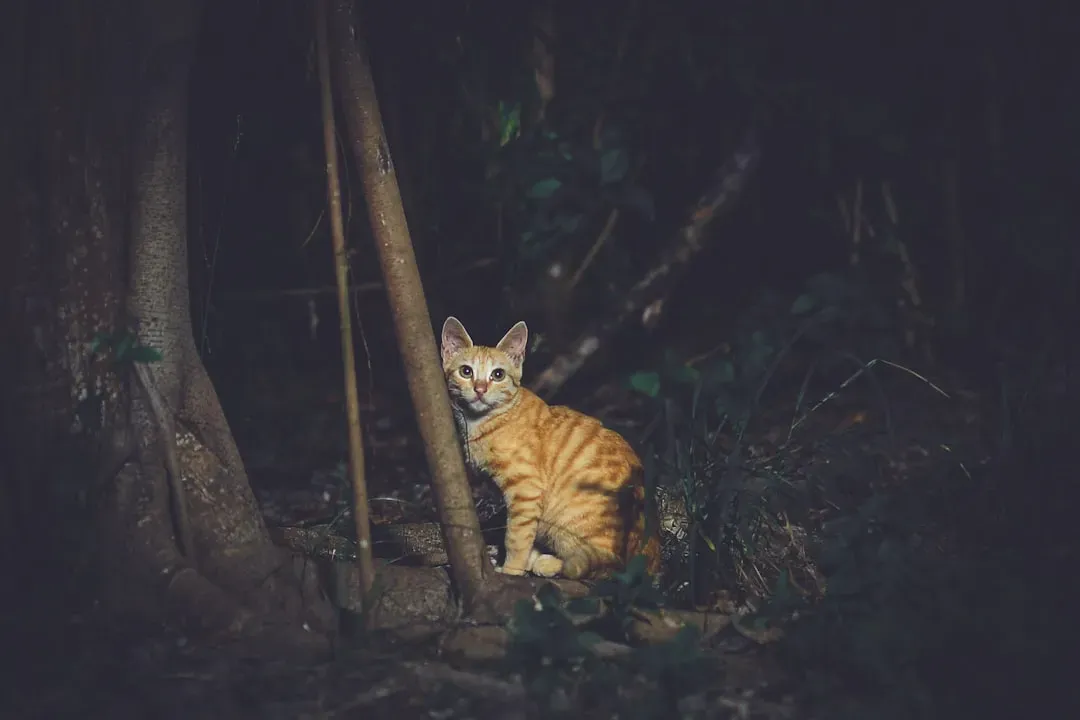
Your cat’s ancestors were skilled hunters who prowled at dawn and dusk when prey was most active. Even though your pampered house cat has never had to catch dinner, their body clock is geared for hunting in the morning, leading to heightened energy levels between 3 and 5 a.m., with nighttime meows reflecting their natural urge for play and sustenance during quiet hours. This isn’t something you can simply train out of them because it’s deeply embedded in their DNA.
Think about it from your cat’s perspective. The house is quiet, everyone’s asleep, and suddenly those ancient instincts kick in. Your Bengal might be particularly vocal during these hours because this breed retains strong hunting drives. Bengals are curious, energetic, athletic cats that require plenty of stimulation both mentally and physically. When that energy has nowhere to go , it often comes out as yowling.
They’re Feeling Lonely or Bored
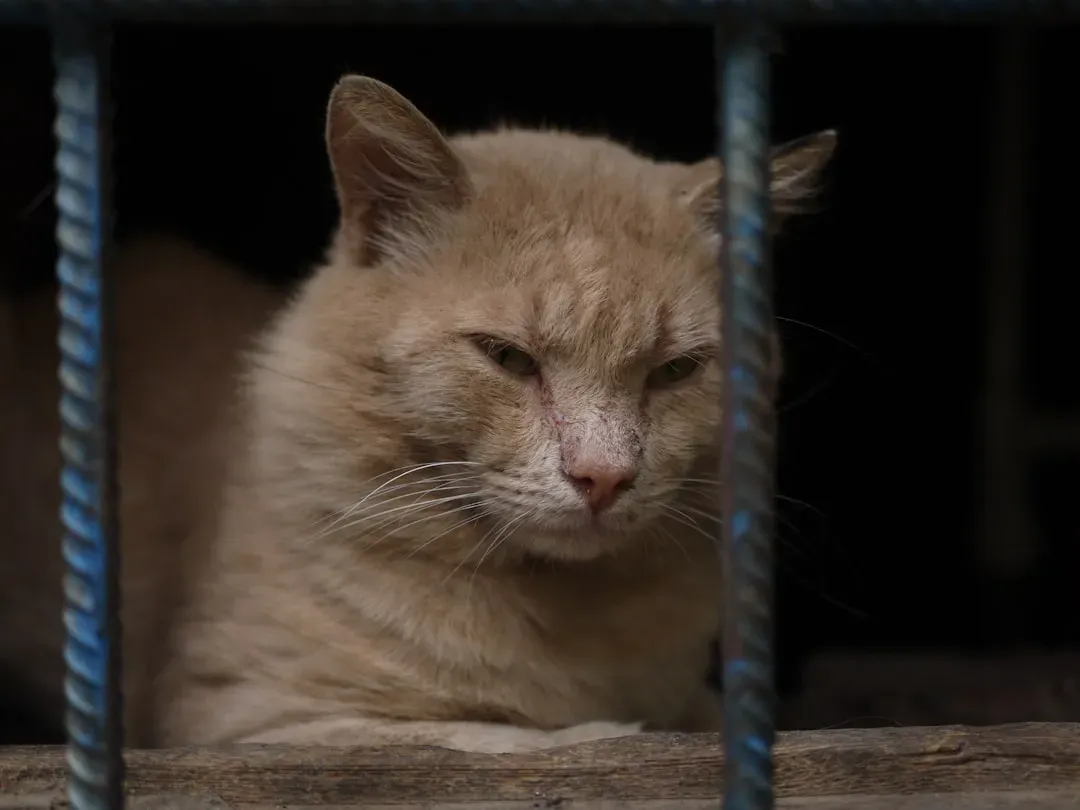
A cat’s nighttime meowing is their way of signaling a need such as hunger, thirst, or loneliness. Honestly, I think we underestimate how social our cats actually are. Sure, they have a reputation for being aloof, yet many cats crave interaction and companionship more than we realize.
If you have an indoor cat without access to outdoor space, you’ll need to make even more time for play and enhanced enrichment throughout the day, otherwise they may find themselves a touch hard done by when you go off to bed, leading to your cat yowling . Siamese cats, for instance, are notorious for their vocal nature and deep attachment to their humans. These cats are determined, vocal, active, and affectionate but they don’t like being left alone. A Siamese left alone all day might save up all that chatter for when you’re trying to sleep.
Medical Issues Could Be the Culprit
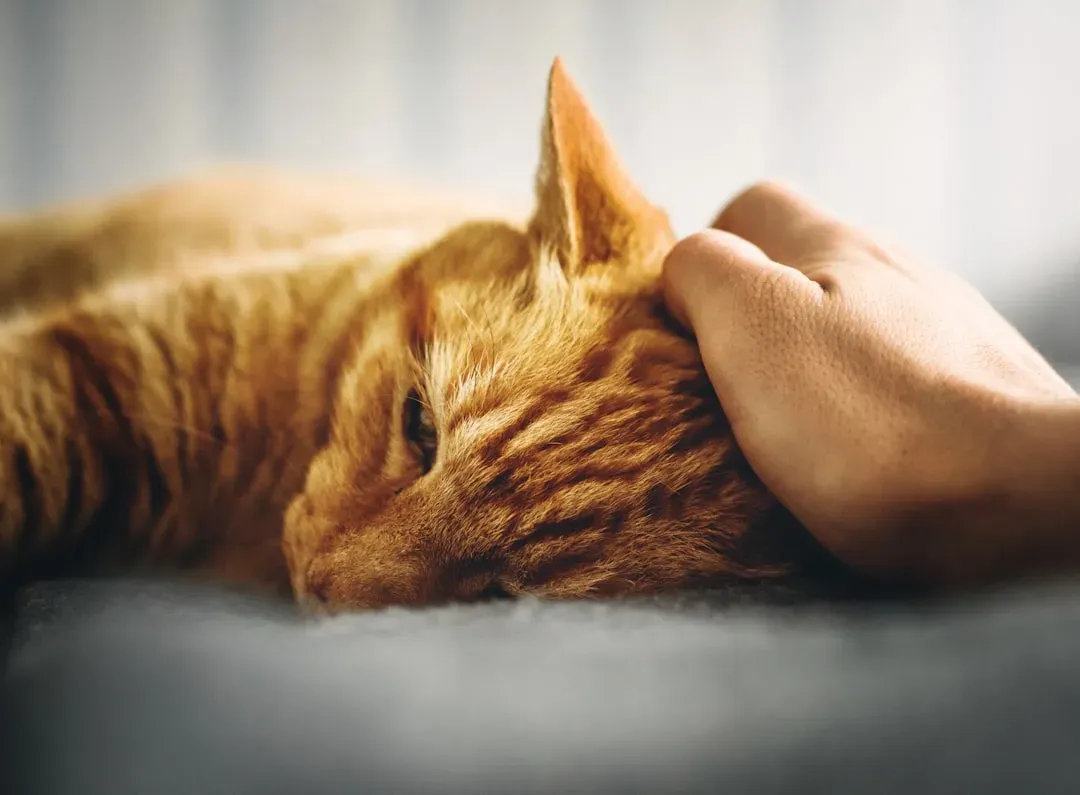
Here’s where things get serious. Hypertension, hyperthyroidism, and cystitis can all cause cats to meow due to distress or pain. If your previously quiet cat suddenly starts yowling , this shouldn’t be ignored. Pain doesn’t take a break just because it’s bedtime.
As cats age, the effects of aging on the brain can leave your cat disoriented, with Cognitive Dysfunction Syndrome directly related to the effect of aging on a cat’s brain, having symptoms including meowing . Senior cats might yowl because they’re confused, can’t see well in the dark, or don’t remember where they are. Persian cats, known for their calm demeanors, might become unexpectedly vocal if they’re experiencing discomfort. Persians are shy, sweet cats with loving personalities who enjoy quiet homes and regular routines. When that routine is disrupted by pain or confusion, vocalizations increase dramatically.
Mating Calls Echo Through the Night
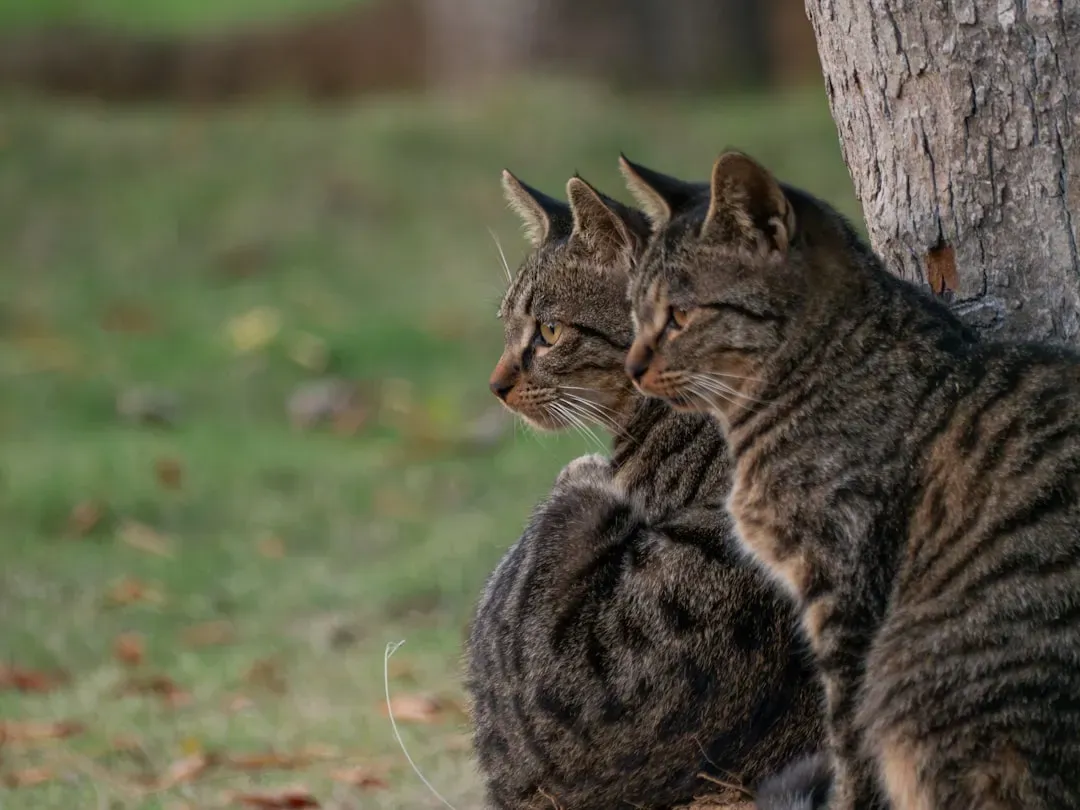
Extremely loud screeching and cats’ yowling can be the sound of mating. Let’s be real, if your cat isn’t spayed or neutered, those nighttime concerts might have a very specific purpose. Female cats in heat can be particularly vocal, and their calls can sound downright alarming if you’re not expecting them.
Hormonal changes occur seasonally between February and October, with this period called coming into oestrus or “calling,” which tends to cycle every 2-3 weeks within these months, with the typical female call being a loud, prolonged vocalization usually . Male cats also respond to these calls and will yowl in search of a mate. Getting your cat fixed resolves this issue and comes with numerous health benefits too.
Certain Breeds Are Simply More Talkative
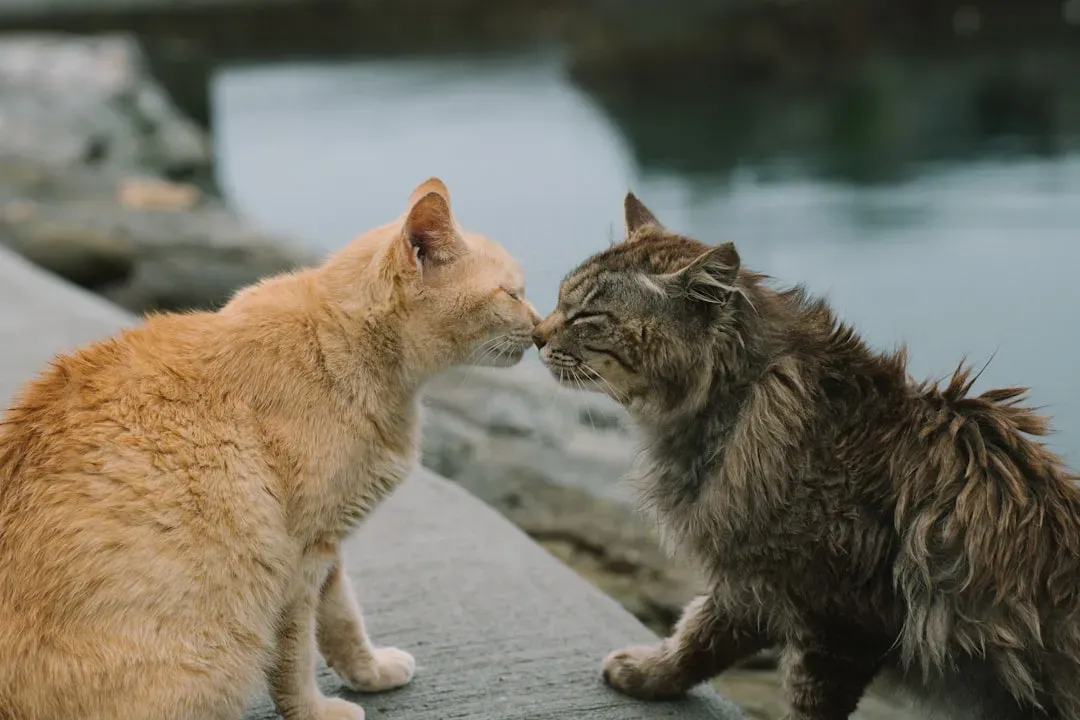
Not all cats are created equal when it comes to vocalizations. Certain breeds are inherently chatty by nature such as Bengals, Siamese, or Burmese. If you have one of these breeds, nighttime yowling might just be part of the package.
Abyssinians are busy, active, purposeful and affectionate cats with lots of energy, and these kitties are intelligent and talkative. Meanwhile, Ragdolls typically take a different approach. Ragdoll cats are large, affectionate, and very docile and sweet-tempered, with blue eyes and fluffy fur, and are extremely devoted, following you around the house much like a puppy would. However, even laid-back Ragdolls will vocalize if something’s bothering them. Understanding your breed’s typical personality traits helps set realistic expectations.
Territorial Announcements at Twilight
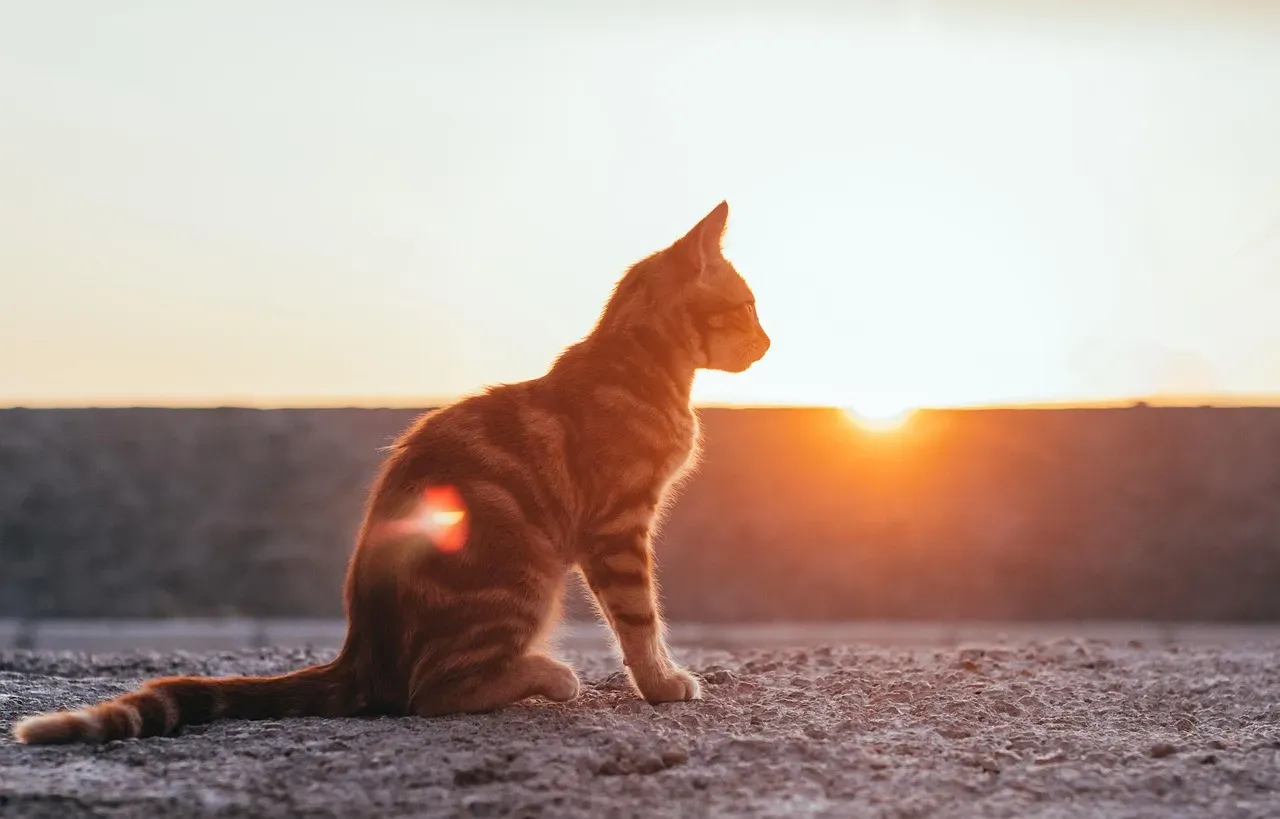
Cats use nighttime as a watchful period to alert against intruders including other cats, creatures, or new human members, with this behavior termed caterwauling, which entails intense yowls indicating a cat’s claim over its territory. Your cat might be responding to outdoor cats passing through your yard or even to wildlife making noise outside.
Maine Coons, despite being known as gentle giants, still have territorial instincts. Maine Coons are the ultimate gentle giants of the cat world, built with a reputation for being charming and easygoing cats who also like to stay on the move, and they love water and are easily trainable. Even these friendly cats will announce their presence if they sense an intruder. The yowling serves as both a warning and a declaration of ownership over their domain.
Attention-Seeking Behavior That Works Too Well
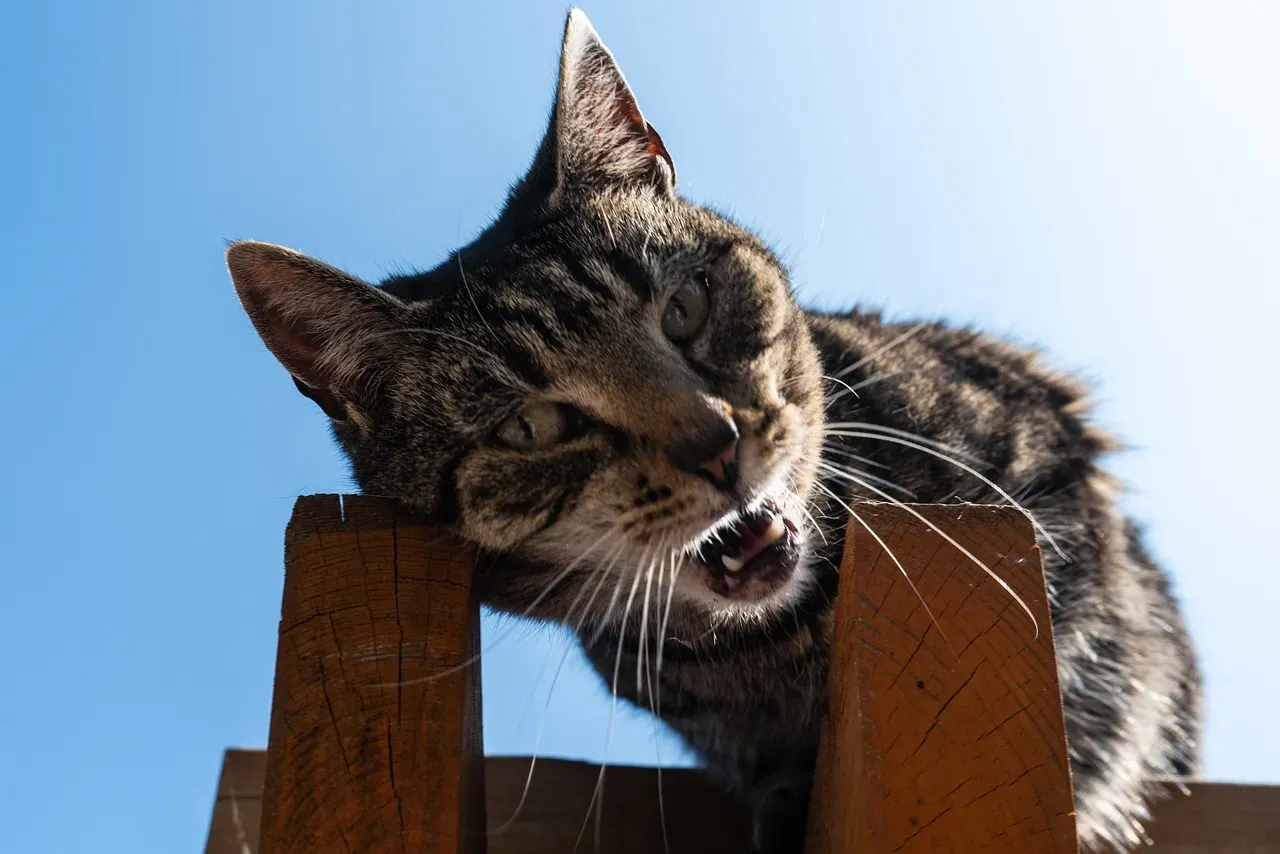
Cat meowing can essentially be an attention-seeking behavior, and although it is important to attend to your cat’s needs, constantly complying with their asking for attention may lead to them asking for it more frequently. I know it sounds crazy, but your cat has basically trained you. Every time you respond to that yowl, you’re reinforcing the behavior.
It’s hard to say for sure, but cats seem to understand exactly which sounds get the fastest response from their humans. Devon Rex cats, with their pixie-like personalities, can be particularly persistent. British Shorthairs, on the other hand, tend to be more laid-back. The British Shorthair is a mix of a few breeds and one of the friendliest felines around, getting along well with both people and other animals, though they enjoy playing but aren’t a hyperactive breed. Still, any cat can develop attention-seeking vocalizations if they learn it gets results.
Hunger Pangs Strike at Inconvenient Times
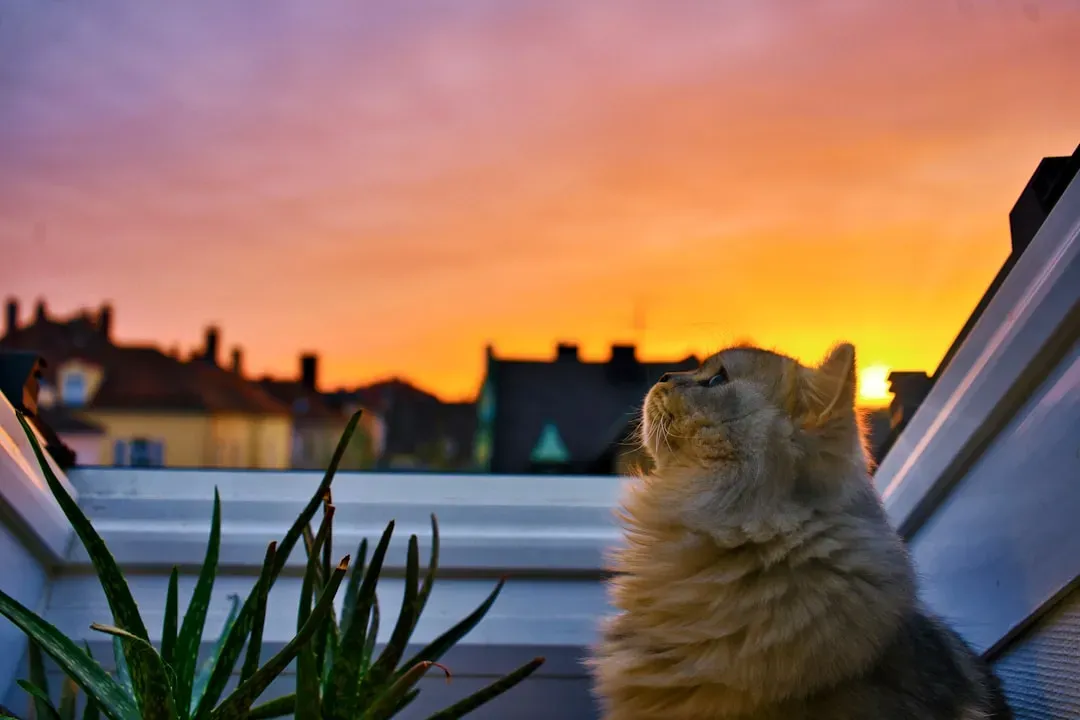
Your cat’s feeding schedule might not align with their natural activity patterns. During the wee hours of the night and morning, your crepuscular hunter might yowl for extra playtime or food. Cats in the wild would eat multiple small meals throughout the day as they caught prey.
Norwegian Forest Cats are active hunters by nature. The Norwegian Forest Cat is an active breed that loves hunting and climbing. When these cats get hungry at dawn, they’re not shy about letting you know. Switching to smaller, more frequent meals or using an automatic feeder for an early morning meal can help reduce hunger-related yowling. Some cats just have faster metabolisms and genuinely need that pre-dawn snack.
Changes in Environment Cause Anxiety
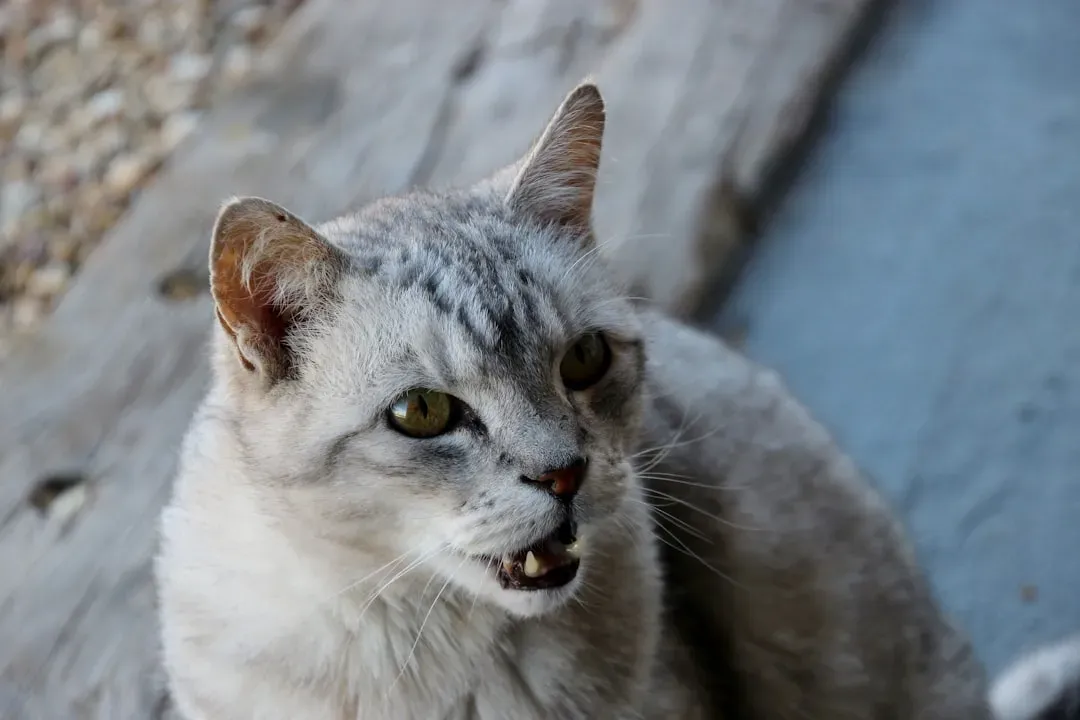
Overstimulation in cats could be caused by rough play, major household changes, or during or after active times. Moving to a new home, bringing home a baby, or even rearranging furniture can trigger nighttime vocalizations. Cats are creatures of habit who find comfort in predictability.
American Shorthairs typically adapt well to changes, but they still need time to adjust. American Shorthairs are purebred cats who trace their roots to hardworking mousers, are quiet, affectionate and good-natured, getting along with all members of the family including other cats and dogs. Even these easygoing cats might become vocal when stressed. Creating a stable environment with consistent routines helps reduce anxiety-driven yowling .
Senior Cats Need Extra Understanding
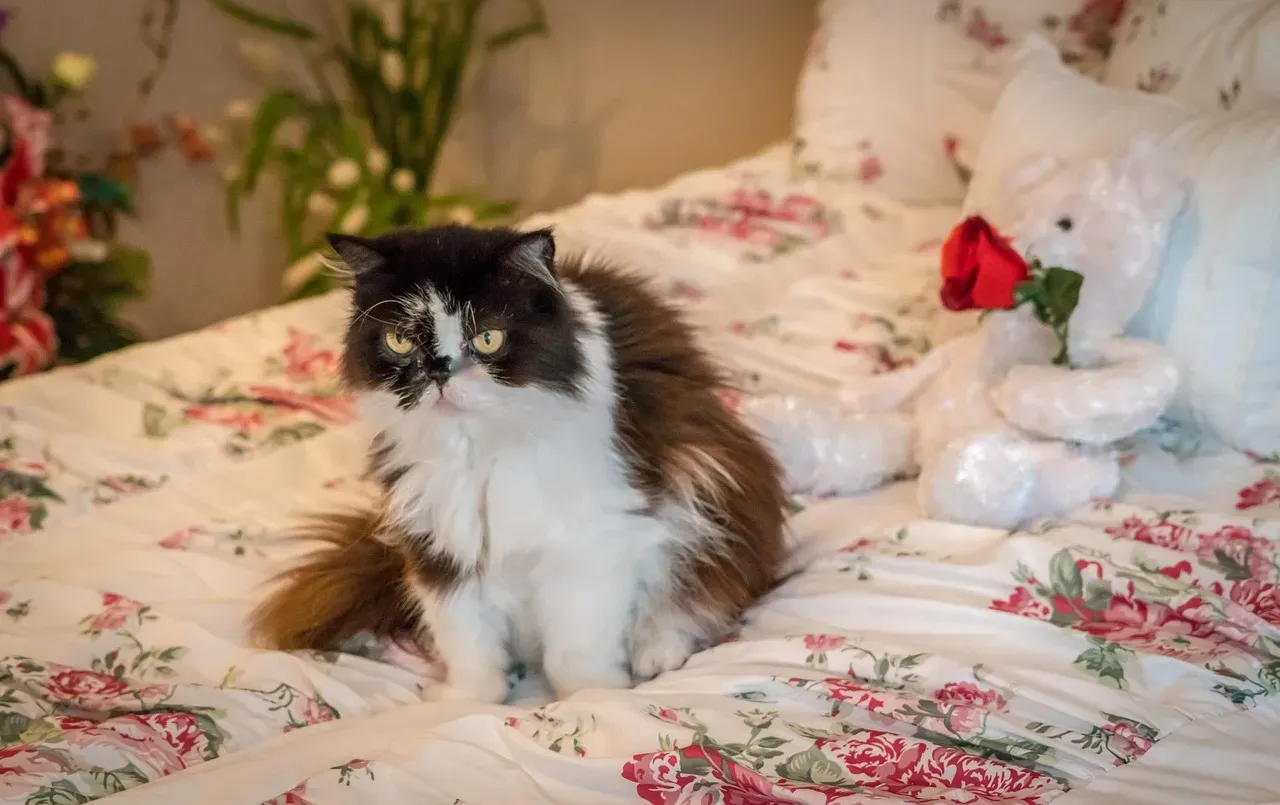
Some age-related issues like diminishing hearing and vision can cause increased anxiety and yowl-inducing frustration, with your kitty’s sleep cycle also being affected by neurological conditions like cognitive dysfunction, which can occur in cats older than 10 years old. Watching your cat age is tough, and nighttime vocalizations are often one of the first signs something’s changing.
Senior cats often experience vision loss or cognitive decline, with feline dementia often showing up in a lack of grooming, forgetting learned behaviors, and excessive yowling. Exotic Shorthairs and Persians, already known for being less active breeds, might become more vocal as they age simply because they’re confused or disoriented. Nightlights placed around the house and keeping furniture in consistent locations can provide comfort. Your senior cat isn’t trying to annoy you; they’re genuinely distressed and need your patience and support.
Finding Peace for You and Your Cat
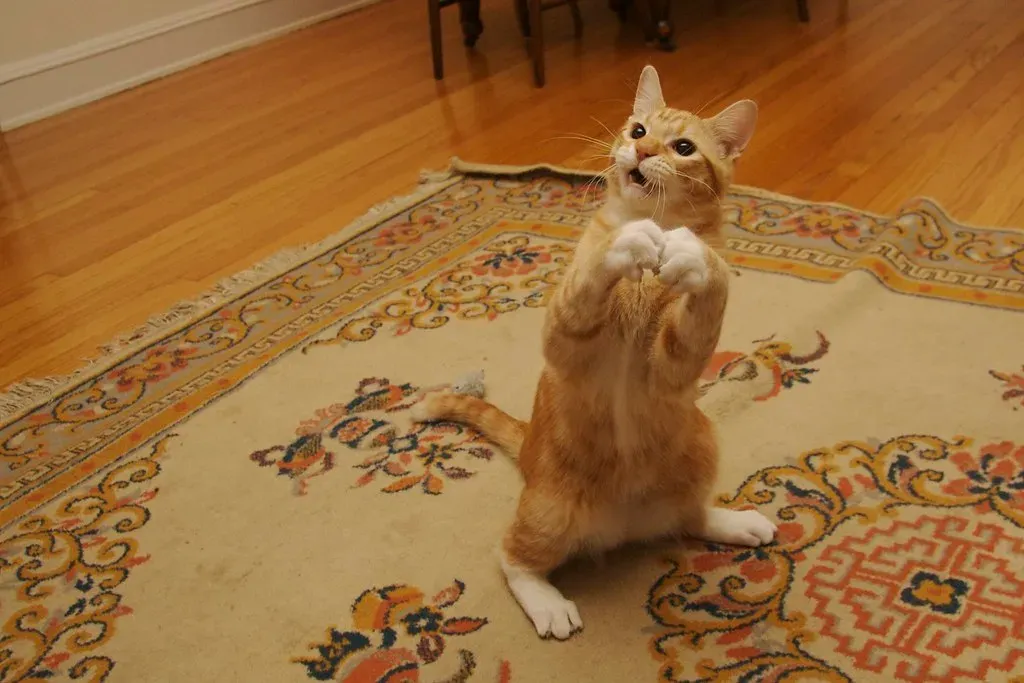
Understanding why your cat yowls is the first step toward finding solutions that work for both of you. To stop early-morning yowling, engaging in playtime before bed is recommended, being sure to complete the predatory sequence by playing a game that allows her to stalk, catch, “kill,” and eat her “prey,” with experts recommending an exercise session with a feather wand in the evening followed by a meal or treat. This mimics the natural hunt-eat-groom-sleep cycle.
The key is consistency and patience. Whether you have a chatty Oriental breed or a typically quiet Scottish Fold, every cat deserves to have their needs met without disrupting the household. Rule out medical issues first with a vet visit, then address behavioral and environmental factors. Providing enrichment during the day, maintaining feeding routines, and resisting the urge to reward nighttime vocalizations will gradually reduce the problem. Your cat’s unique personality and breed characteristics play a role in how they express themselves, and learning to work with those traits rather than against them creates harmony for everyone.
What strategies have worked best for your nighttime yowler? Have you discovered any breed-specific solutions that made a difference?