You walk into the kitchen on a quiet Tuesday morning, still half asleep, and there it is – a very dead mouse placed ceremoniously on your welcome mat like a trophy from a tiny warrior. Your cat sits nearby, watching you with unmistakable pride. Meanwhile, your friend’s cat goes outside every day, catches things, and simply… moves on. No gifts. No fanfare. Just business.
So what exactly is going on? Why do some cats feel the urge to share their conquests while others treat prey as a private matter? The answer digs deep into feline instinct, early development, personality, and some surprisingly complex social behavior. Let’s dive in.
The Ancient Hunter Living in Your Living Room
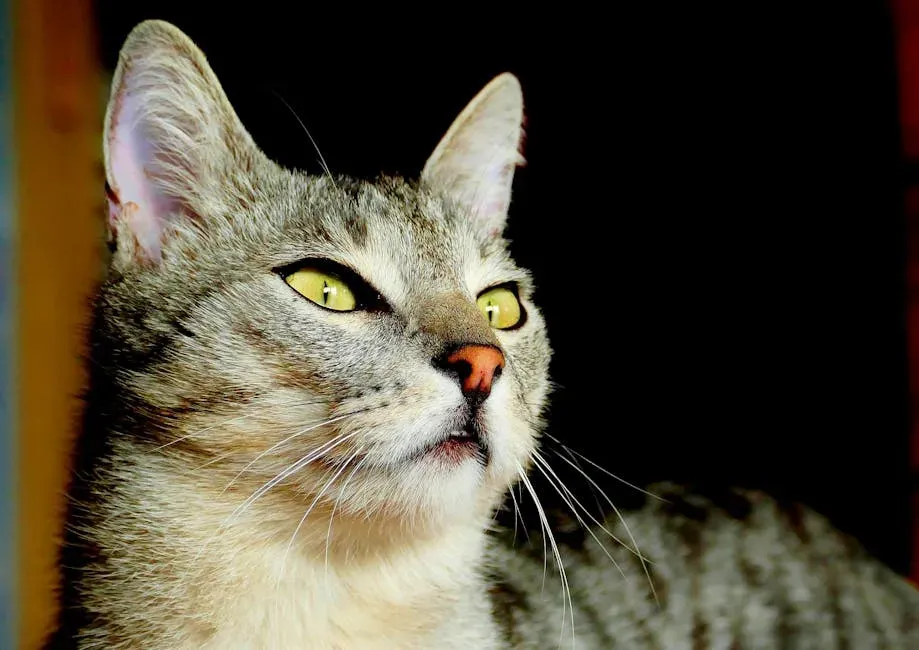
Here’s the thing – no matter how cute and cuddly your cat appears while napping on the sofa, there is a serious predator underneath all that fluff. The domestic cat is a predatory species, and much like its wild ancestors, it is a solitary hunter by nature. That wiring goes back thousands of years, and it doesn’t just disappear because you keep a full bowl of kibble on the floor.
Until quite recently, cats were mainly kept to control rodent populations rather than as pets, and during this time, only the best hunters survived and reproduced. There has been very little selective breeding of cats, so their instinctive need to hunt remains extremely strong. Think of it like this: you can take the cat out of the wild, but you absolutely cannot take the wild out of the cat.
Hunting Has Nothing to Do With Hunger
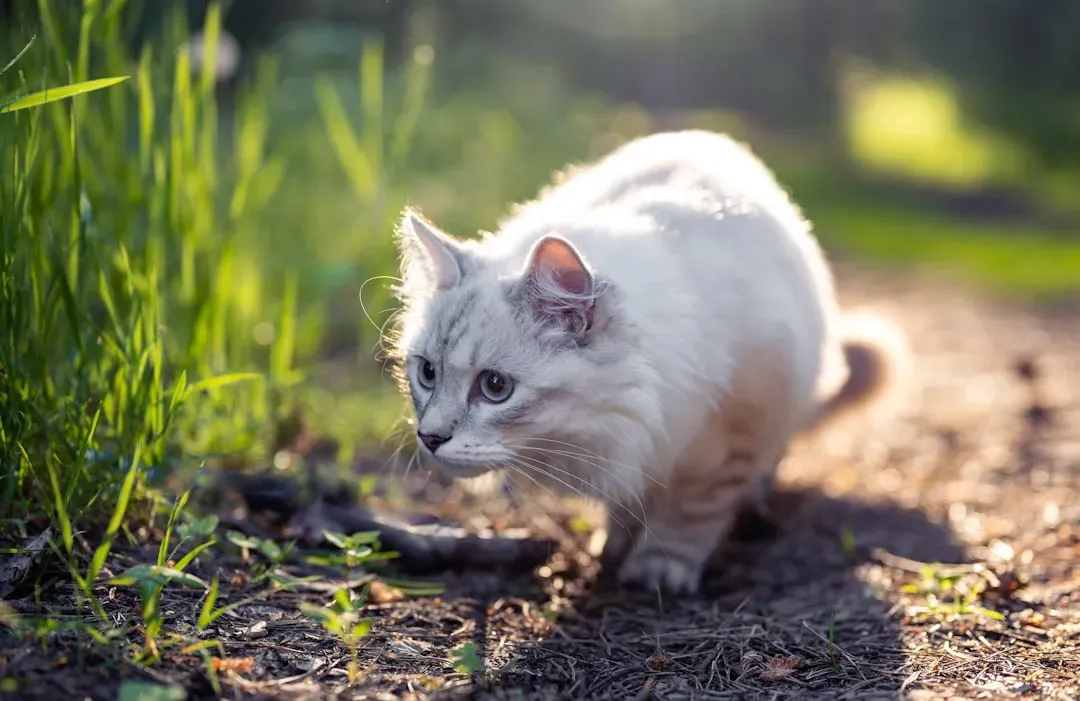
One of the biggest misconceptions people have is assuming their cat hunts because it is hungry or underfed. That is almost never the case. For cats, hunting and eating are not necessarily related. Many cats have an urge to carry out hunting behaviors even when they have just eaten, especially if a small prey animal scuttles past them and triggers that instinct.
The one area of hunting behavior that is linked to hunger is whether a cat kills the prey it has caught. A cat is far more likely to kill and eat its prey if it is hungry at the point of hunting. If the cat has eaten well, it may hunt but not necessarily kill or eat what it caught, instead bringing it home and leaving it. Honestly, that detail alone explains so much of the strange, half-hearted gift-giving behavior that confuses cat owners daily.
Your Cat Thinks You Are Family
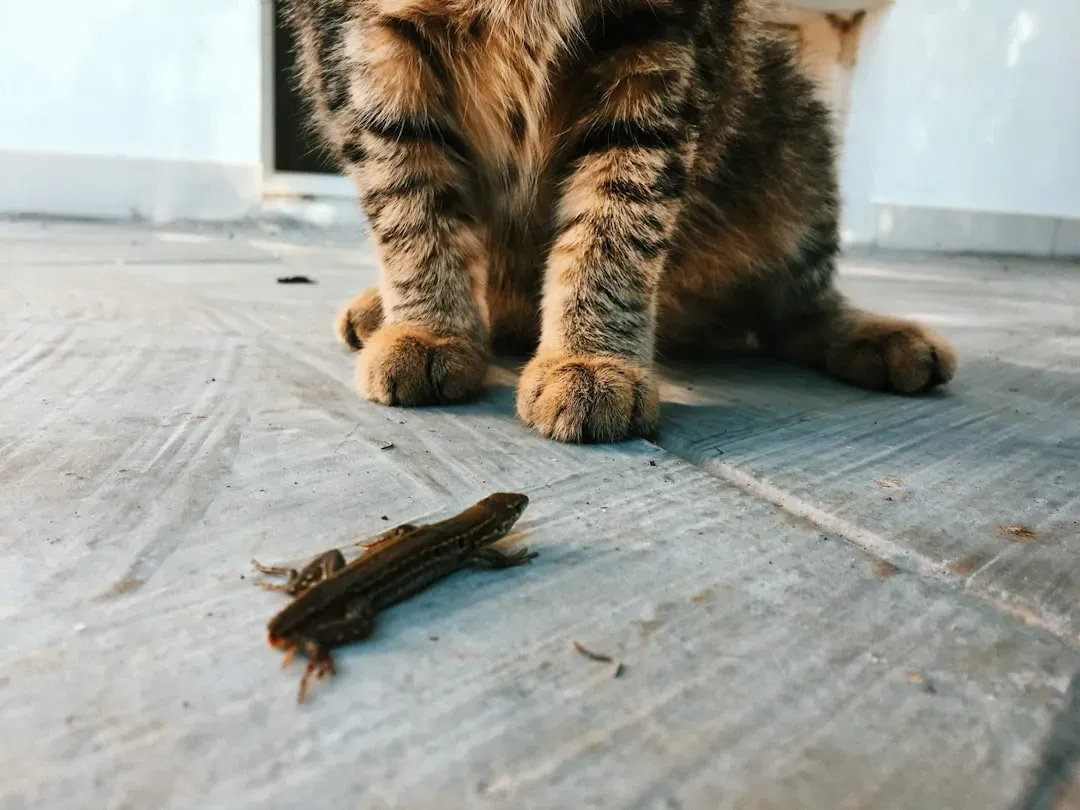
The most fundamental reason that cats bring dead animals to you is because they are treating you as family, presenting the catch to their clan, and attempting to teach you to do likewise. This is a deeply rooted social instinct, and it is actually a compliment – however unpleasant the delivery method may be.
Feral cats often live together in groups called colonies. In these groups, female cats often care for kittens that do not belong to them, and kittens usually eat first in the social group. By gifting you a dead animal, your cat might be trying to signal that you are part of their group – essentially viewing you as part of their clowder. So the next time that little furry face looks up at you with a dead bird in its mouth, try – just try – to remember that it means you are loved.
The ‘Teaching You to Survive’ Theory
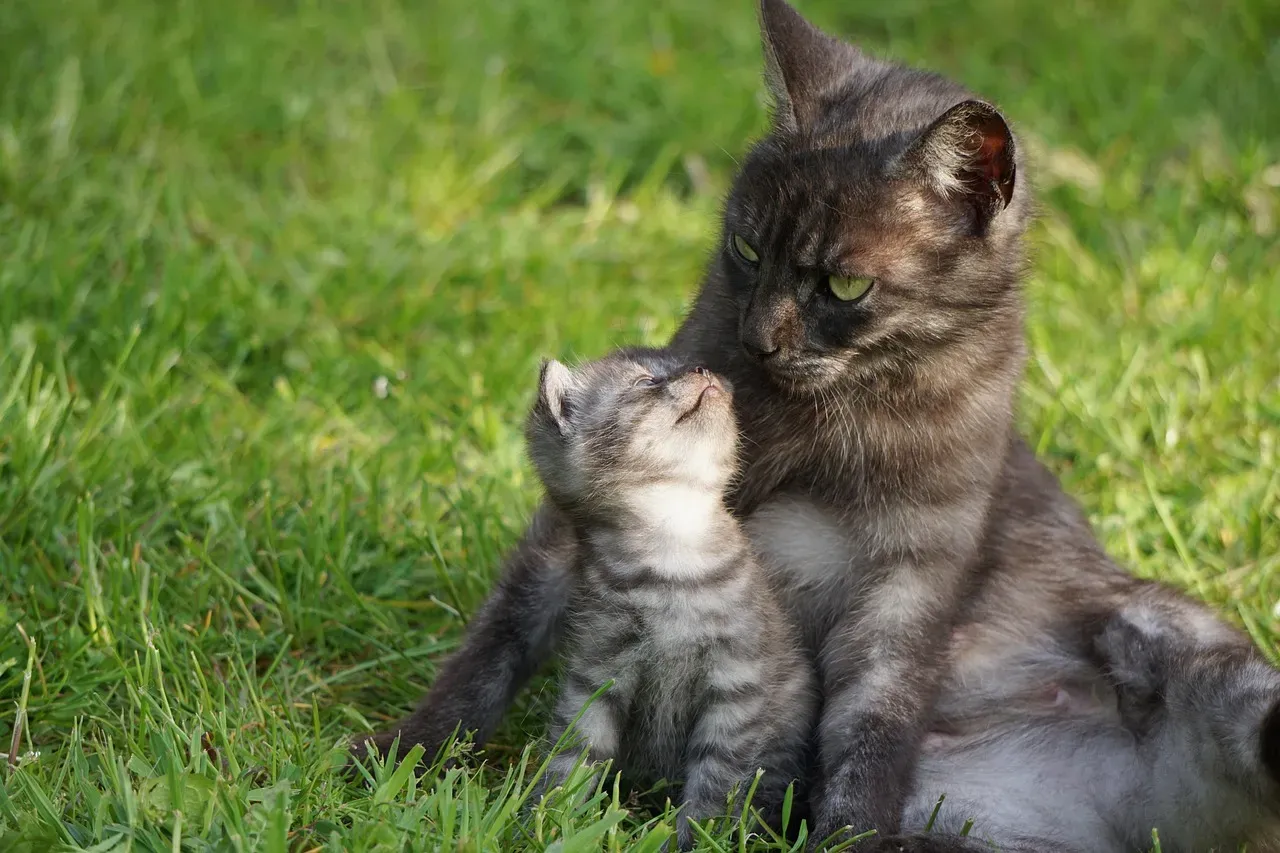
One prominent theory among feline experts is that cats view their human owners somewhat like inept kittens. This perception is not a judgment on human capabilities but rather a reflection of how cats see the relationship within their social structure. In other words, your cat may genuinely believe you need help figuring out this whole survival thing.
In the wild, mother cats are diligent educators. They teach their kittens crucial survival skills, such as hunting, grooming, and finding shelter. These teaching moments are often seen when a mother brings back live prey for her kittens, allowing them to practice their hunting skills. When your house cat brings you a dead bird or mouse, it is quite possible she is not just gifting you a trophy but actually attempting to teach you how to hunt. It sounds absurd, but in the feline world, it is actually a deeply caring gesture.
Why Some Cats Bring Prey Home and Others Simply Don’t
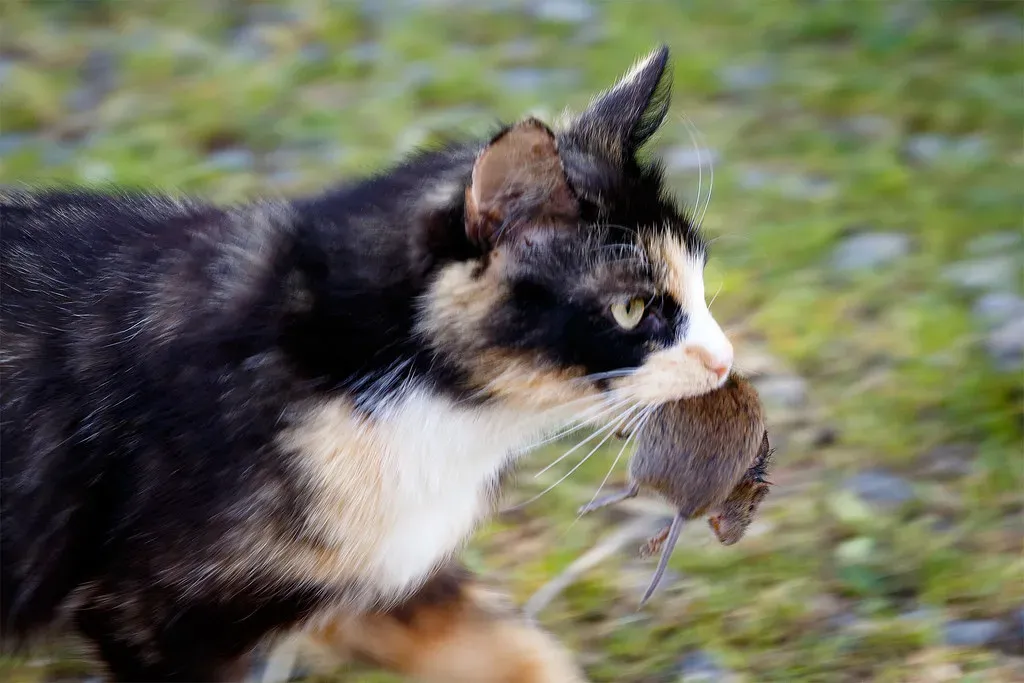
This is the big question, isn’t it? Hunting is a normal cat behavior, but whether a cat chooses to hunt or not will vary individually. Some cats may not be interested, some may physically be unable to hunt, while others may simply not have the opportunity. Personality plays a massive role here, and just like people, every cat is genuinely different.
Cats often learn to hunt the same way most mammals learn how to do things – from their mothers. In many instances, hunting is a learned behavior first taught by the mother and then reinforced by playing with littermates. Studies have shown that kittens who had the opportunity to observe their mothers hunt become better hunters than kittens who did not. Even so, most kittens who never see their mothers hunt can still instinctually figure it out on their own. Whether a cat brings prey home, though, seems tied to personality, confidence, and that deeper social bonding instinct.
The Role of Safety and Territory
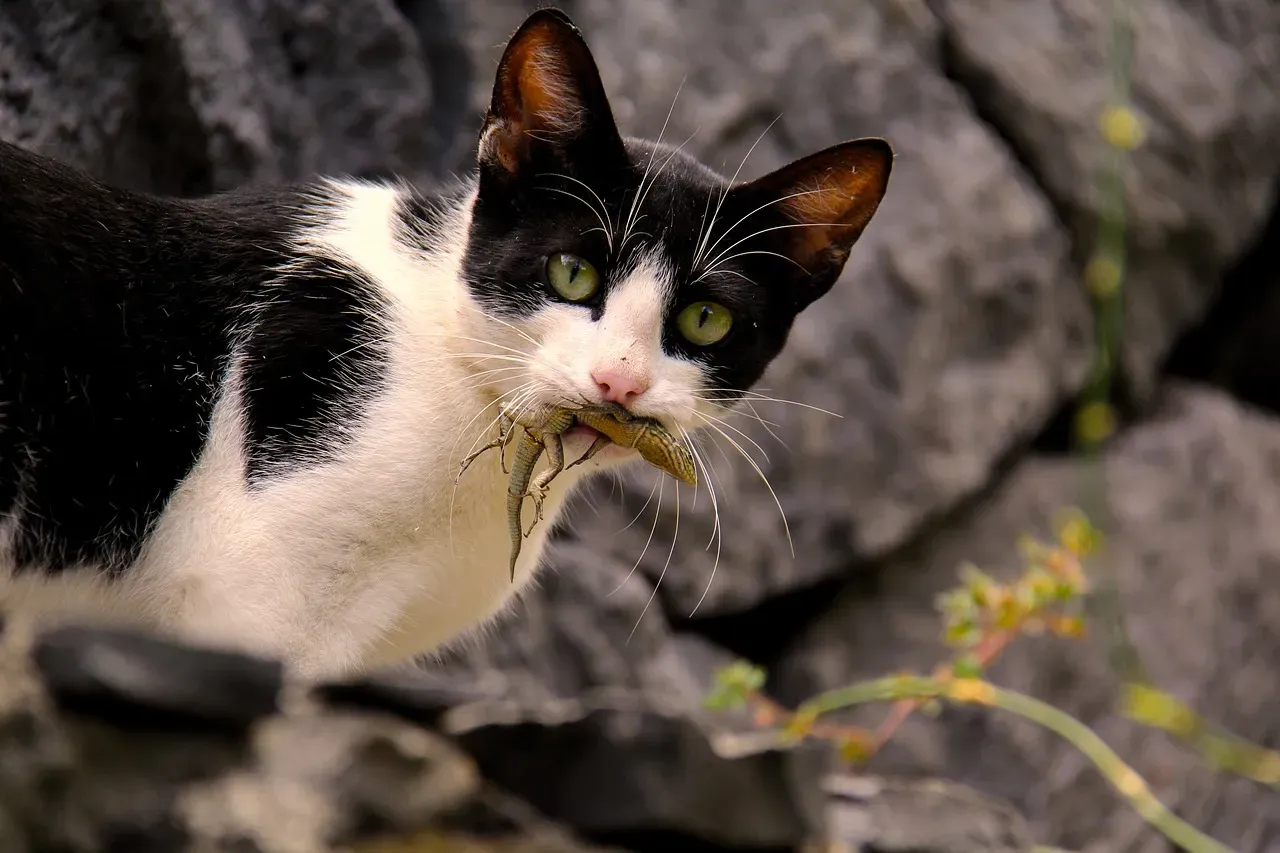
There is another fascinating reason cats bring things indoors, and it has less to do with you and more to do with the home itself. The real reason why cats bring these gifts home is because their home is where they feel safe and secure. When cats catch prey, they may not want to eat it immediately or leave it where other animals could steal it from them. Your home is basically a heavily guarded vault in your cat’s eyes.
Alternatively, cats may be bringing their spoils home to eat later. If they do this, it demonstrates that your cat feels happy and safe in your home – secure enough to even leave you with their potential meal to look after. It is a little bit like how you might leave your wallet on your kitchen counter at home because you trust that space completely. Your cat trusts your home the same way.
Cats That Hunt but Never Bring Anything Home
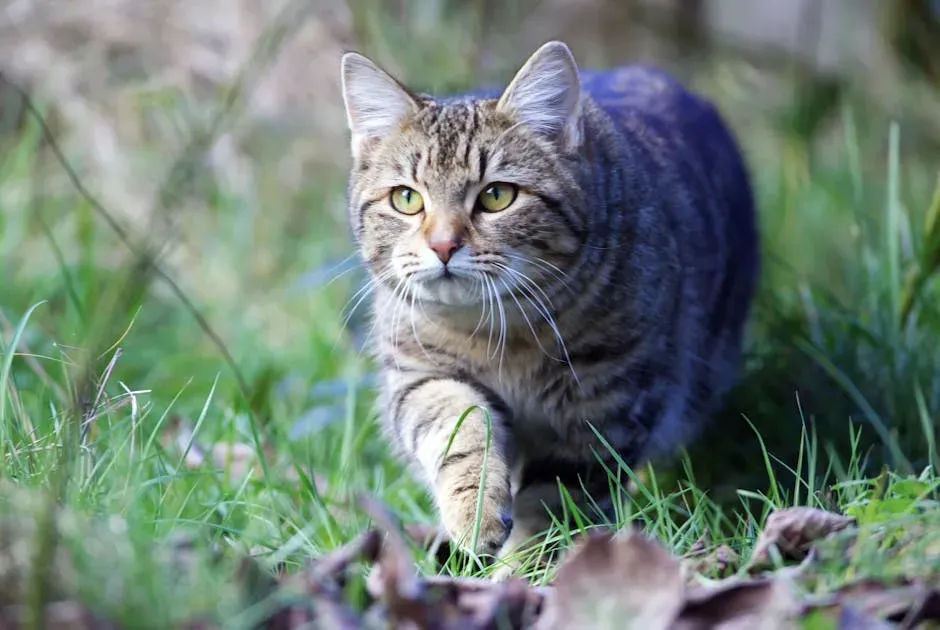
Let’s be real – many cat owners have cats that clearly hunt outdoors but never bring a single thing through the door. All cats love to hunt, but they do not all kill, and even fewer actually eat their prey. That is because they are not born with the instinct to kill for food or eat their catch. Much like all mammals, eating habits are typically learned behaviors.
If a cat’s nutritional needs are fully met, it might hunt purely for stimulation and leave the prey alive because it prefers its regular food or dislikes eating certain prey due to digestive sensitivity. Some cats are also simply more independent by nature and don’t feel that social pull to share with their humans. Think of the cat version of someone who cooks a magnificent meal and then eats alone by choice – no judgment, just different wiring.
The Attention-Seeking Side of Gift-Giving
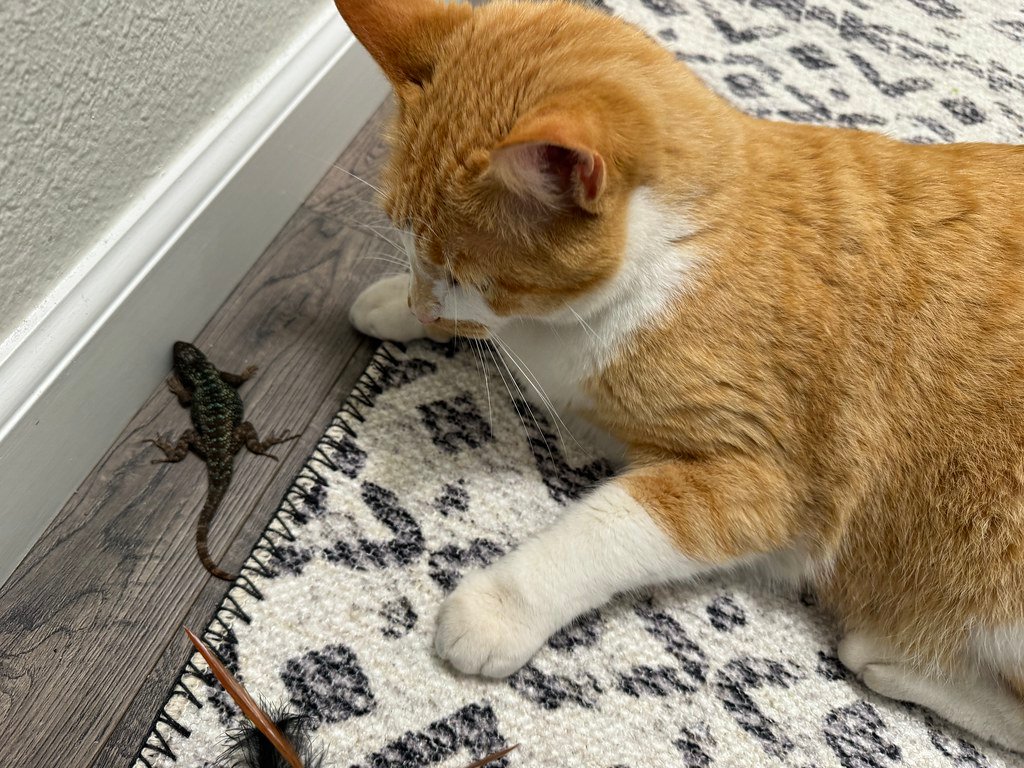
Here’s something many people don’t consider: some cats may have learned to bring gifts specifically because of how you react. Your cat might have learned that bringing back a gift gets them attention, even if it is not the kind they expected. Animals, like people, can quickly learn what actions lead to specific reactions. If you ever screamed, jumped, or rushed over to your cat when it brought something in, congratulations – you may have accidentally trained it to do it more.
Many owners inadvertently reward and encourage this behavior by grabbing a treat or toy when they see their cat holding a dead animal in its mouth to get them to drop it. This trains the cat to bring even more prey items home to keep being rewarded with treats and playtime. It is honestly a little funny when you think about it. Your cat played you, and it did not even need to try that hard.
What You Can Do to Redirect This Behavior
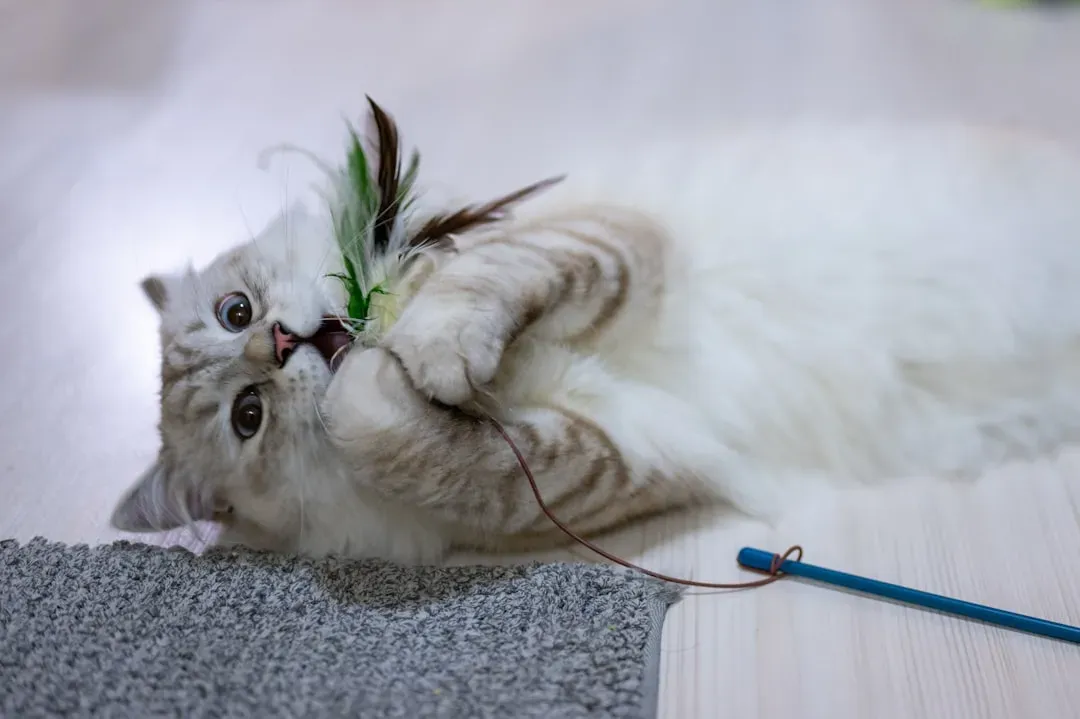
You cannot fully stop a cat from hunting. That instinct is too deep. As this behavior is part of what makes a cat a cat, it is impossible to train the behavior out of them entirely, but there are some simple steps you can take to protect the wildlife in your area and prevent most of those unwanted presents.
There are ways to channel your cat’s hunting instincts into play rather than prey. A recent study showed that daily playtime with owners actually reduced the amount of prey that cats brought home. Preventing your cat from going outside at dawn and dusk, when prey animals are foraging, makes a real difference. If they crave outside time, consider a secure catio. Putting a bell on your cat’s collar so that potential prey animals hear them coming will also reduce their hunting success significantly. Small changes, genuinely big impact.
Conclusion
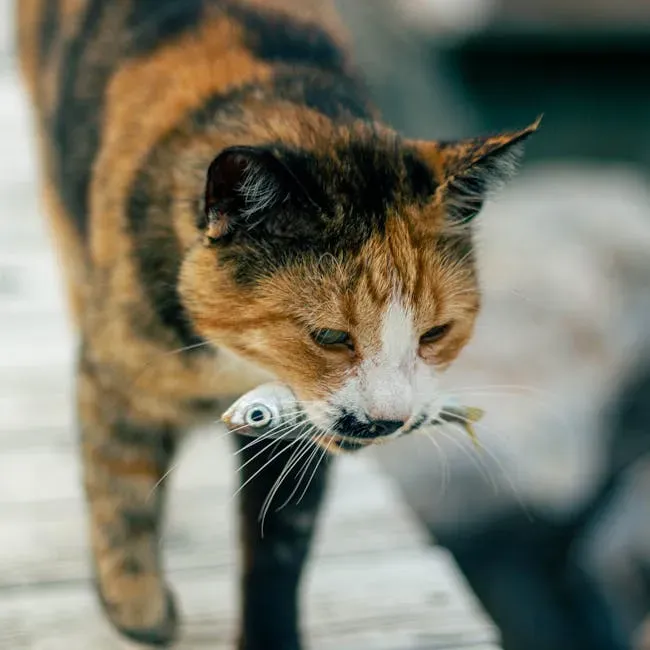
Whether your cat drops a half-eaten sparrow at your feet every morning or has never once brought anything home in its entire life, both behaviors make complete sense when you understand the feline mind. Gift-giving cats are not strange or morbid – they are affectionate, socially bonded, and instinctively generous. Cats that keep their hunting private are not cold or detached – they are simply wired differently.
The truth is that every cat expresses its instincts in its own way, shaped by personality, upbringing, social bonds, and the unique relationship it has built with you. What remains constant across all cats is that powerful, ancient drive to hunt – whether they share the results or not. The next time your cat brings you something unspeakable, maybe just take a breath and remember: in their mind, it is the highest form of love they know how to give. What does your cat do – gifts or no gifts? Drop your stories in the comments.