You’ve probably spent good money on a plush cat bed, only to watch your feline friend ignore it completely and curl up in a discarded Amazon box instead. It’s hard to say for sure, but honestly, this might be one of the most universally frustrating yet amusing experiences of cat ownership. That cardboard box looks uncomfortable, cramped, and utterly uninviting to human eyes. Yet your cat acts like it’s the Ritz Carlton of resting spots.
This quirky behavior isn’t random or spiteful. There’s actual science behind why your furry companion chooses corrugated cardboard over memory foam. Let’s dive in and explore what makes boxes so irresistible to cats.
The Primal Need for Security and Safety
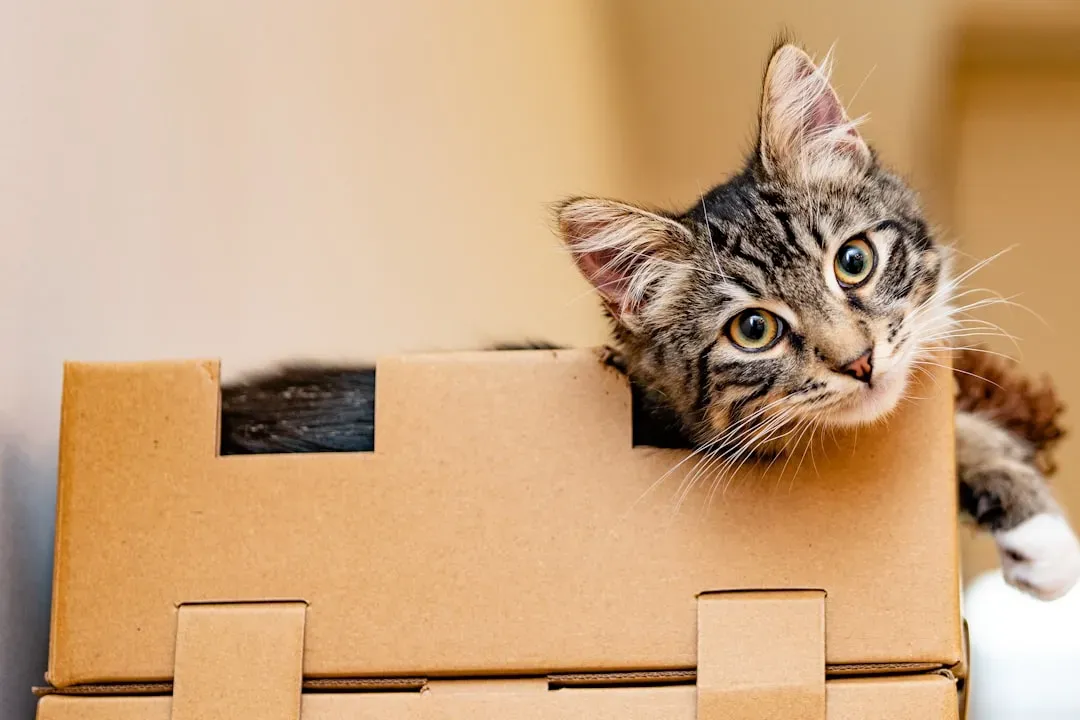
Enclosed spaces give cats a sense of security and a place to find refuge, especially when they feel vulnerable or overwhelmed. Think about it from a survival perspective. Your cat’s wild ancestors needed hiding spots to avoid becoming someone else’s dinner. Even though your pampered house cat faces zero threat from predators, that instinct remains hardwired into their brain.
A box provides exactly what a cat craves: the confined space makes them feel protected and sheltered from potential threats. When they’re tucked inside those cardboard walls, they can observe everything happening around them without being fully exposed. It’s like having a front-row seat to the world while remaining backstage. Cats are both predators and prey in nature, so this dual perspective matters deeply to them.
Stress Relief in a Cardboard Package
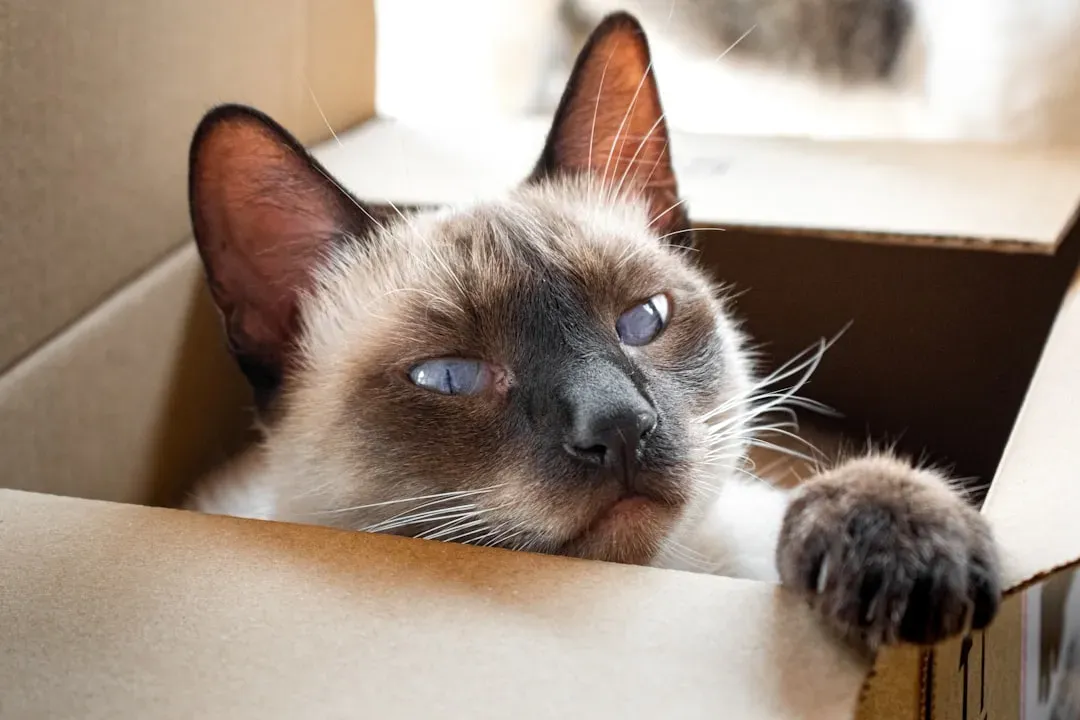
Here’s the thing about cats: they’re sensitive creatures who don’t always show when they’re stressed. A study on Dutch shelter cats found that when cats are given boxes, their stress levels decrease significantly faster than cats not given boxes. That’s pretty remarkable when you consider we’re talking about a simple piece of folded cardboard.
Researchers found a significant difference between the two groups on observation days 3 and 4, with cats with the hiding box able to recover faster in their new environment. Your home might feel chaotic with visitors, loud noises, or even just the vacuum cleaner making its rounds. A box becomes your cat’s personal sanctuary, a place where they can decompress and regulate their emotions. I think we all need our own version of a cardboard box sometimes.
The Temperature Factor You Might Not Expect
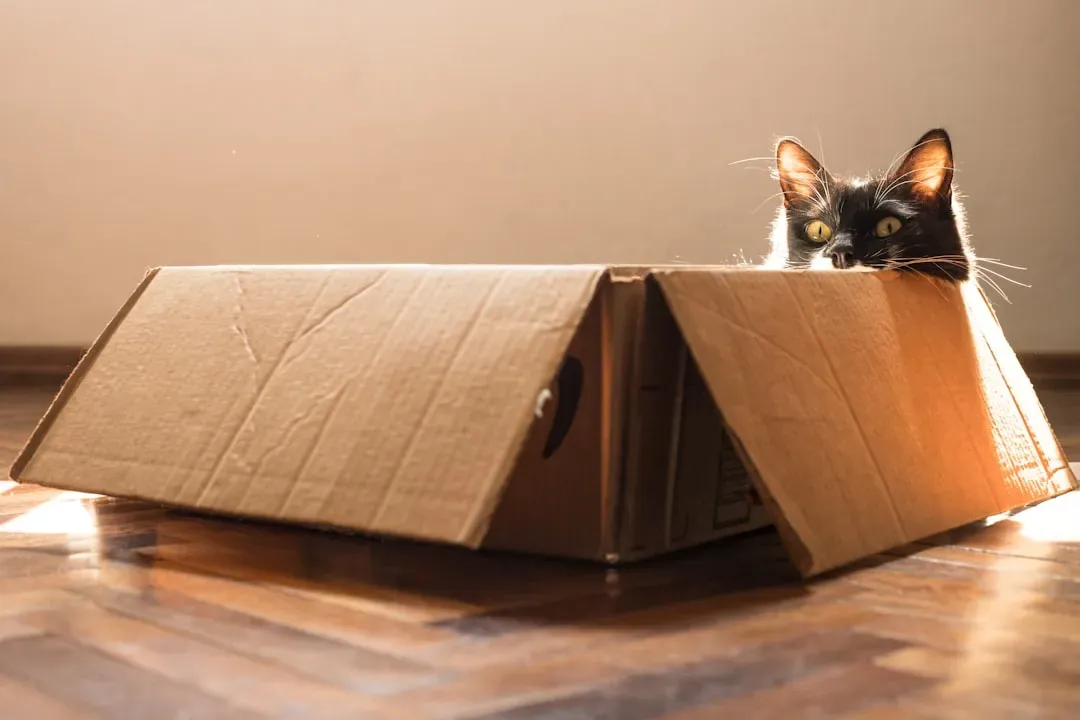
This one surprised me when I first learned about it. Cats are most comfortable in temperatures between 86 and 97 F, but most homes are kept at around 72 degrees. That’s a significant temperature gap. Your cat isn’t being dramatic when they seek out warm spots throughout your house.
Boxes act as insulators and trap body heat so cats can enjoy tropical temperatures without you cranking up the thermostat. Corrugated cardboard is a good insulator, and if the box is a tight squeeze so much the better, as it may force the cat to ball up, which helps preserve body heat. Those seemingly uncomfortable tight squeezes? They’re actually creating a cozy microclimate that feels just right to your feline friend.
Hunting Instincts Never Really Disappear
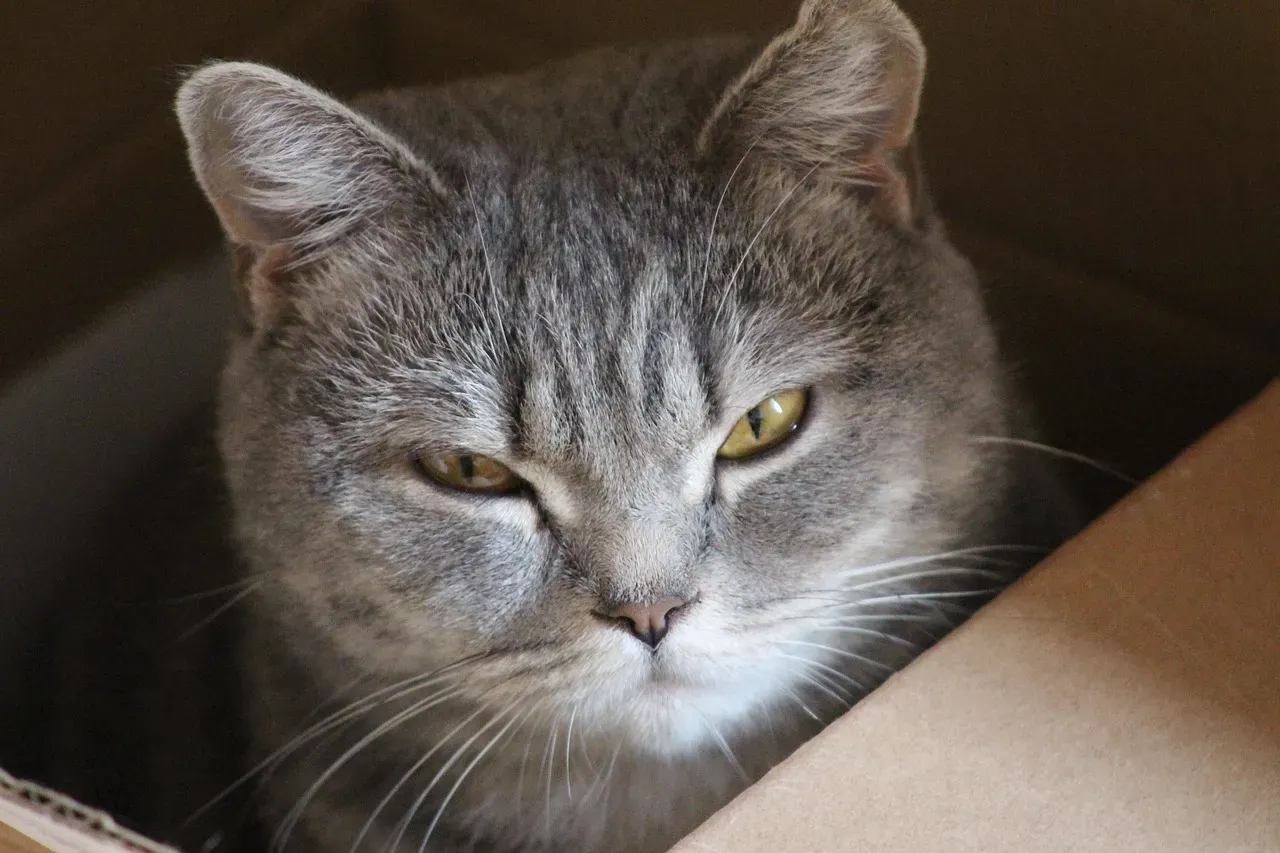
Your domesticated fluffball still carries the DNA of a skilled ambush predator. Cats are predators in the wild, and they have to be stealthy to catch their next meal, which often involves hiding in small spaces where they can’t be seen. That box in your living room? It’s basically a hunting blind.
Cats are pouncers and will hide in a box to stalk their prey, whether that prey is a toy mouse or your unsuspecting ankles walking by. This behavior provides mental enrichment and allows them to practice instinctual behaviors that would be essential for survival in the wild. Even though your cat’s biggest challenge is deciding between wet food flavors, those predatory instincts demand an outlet.
The Sensory Appeal of Cardboard
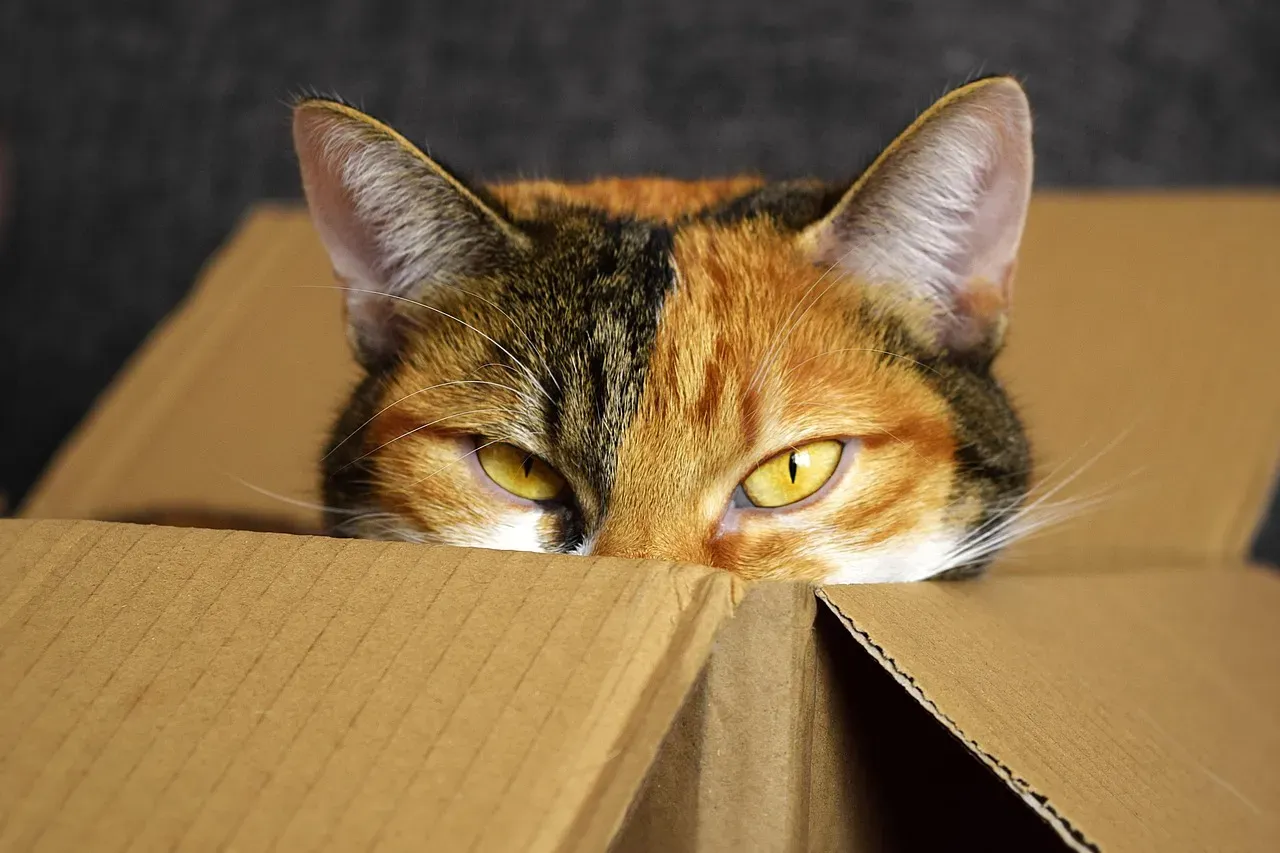
Let’s be real, cardboard has a unique appeal that goes beyond its structure. Cats have an acute sense of smell, and cardboard boxes are porous materials that can retain scents, enveloping cats in a medley of intriguing smells when they enter. Every box that arrives at your door carries traces of its journey, creating an olfactory adventure.
The texture matters too. Cardboard is the perfect texture for your cat to bite and scratch, providing both entertainment and a satisfying tactile experience. Many cat owners notice their felines scratching, kneading, and even nibbling on boxes. Boxes offer an acoustic sanctuary as well, with the confined space able to muffle sounds from the environment for cats who are sensitive to noise.
Territorial Marking and Ownership
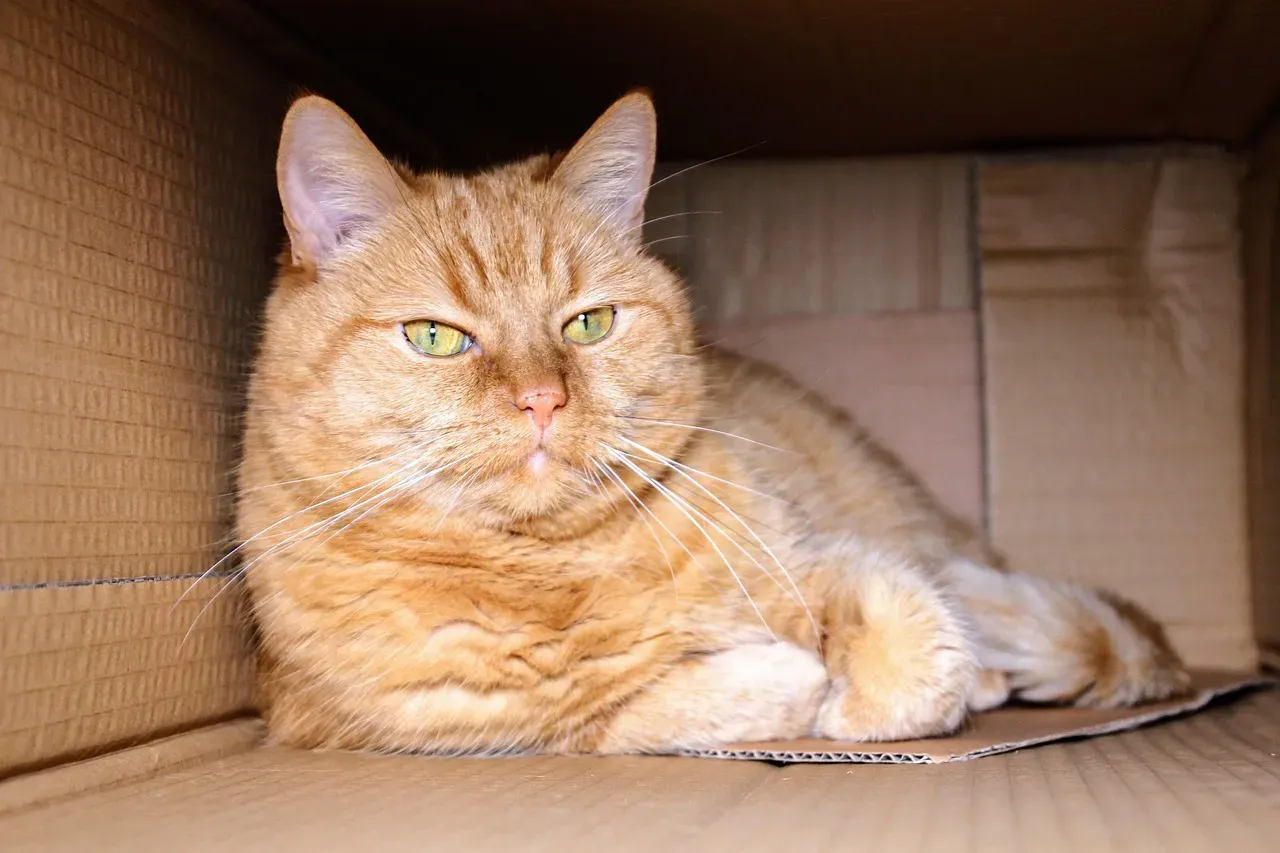
Cats are territorial animals who use scent marking to establish and maintain their territory, and when a cat enters a box, it leaves its scent behind, effectively claiming the box as its own. Those scent glands on their cheeks, paws, and body transfer their unique signature onto the cardboard surface.
This behavior gives cats a sense of control over their environment. Unlike that fancy bed you purchased, which might smell like the store or chemical treatments, a box quickly becomes saturated with your cat’s own scent. It transforms from a generic object into a personalized space that belongs exclusively to them. That sense of ownership might explain why cats often prefer boxes to beds that never quite smell right.
Curiosity and Mental Stimulation
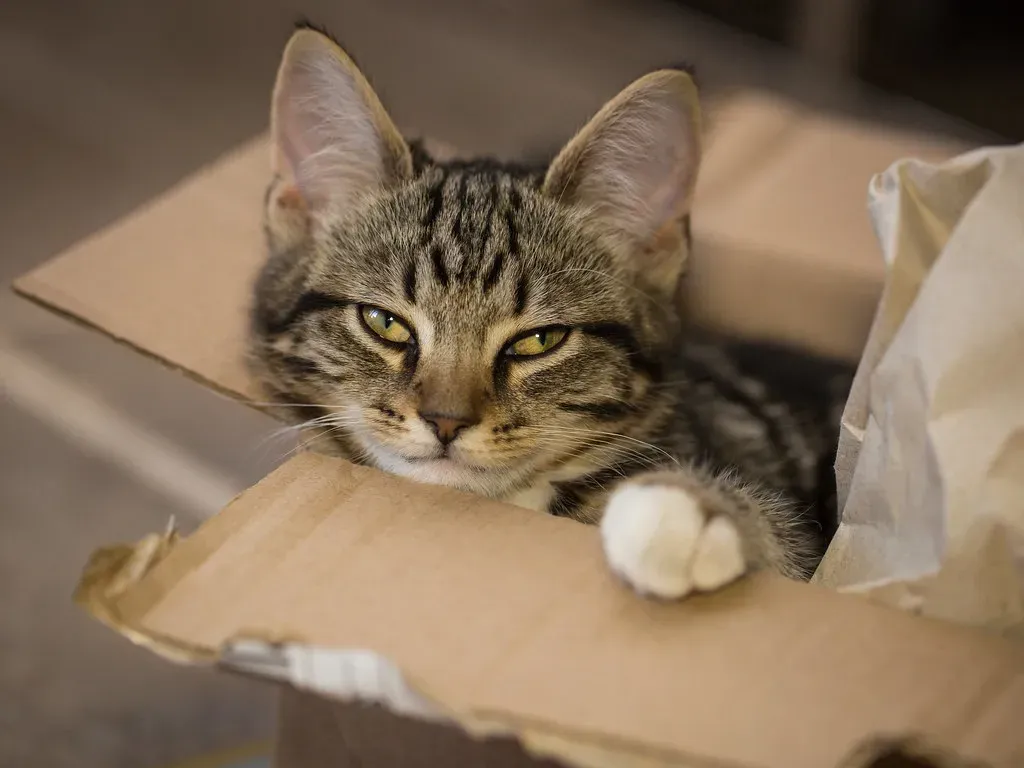
Cats are notoriously curious creatures, and a new box represents an irresistible mystery. A newly arrived box is a change to a cat’s environment, and cats that live indoors know every inch of their kingdom and immediately notice any changes. The appearance of a box demands investigation.
Boxes provide cats with a form of environmental enrichment, offering them a novel and stimulating environment to explore and interact with, which is essential for a cat’s mental and emotional well-being. Think of it as a puzzle they can enter and claim. The mental stimulation from exploring, scratching, and playing with boxes helps prevent boredom, which can lead to destructive behaviors in indoor cats.
Why Expensive Beds Often Fall Short
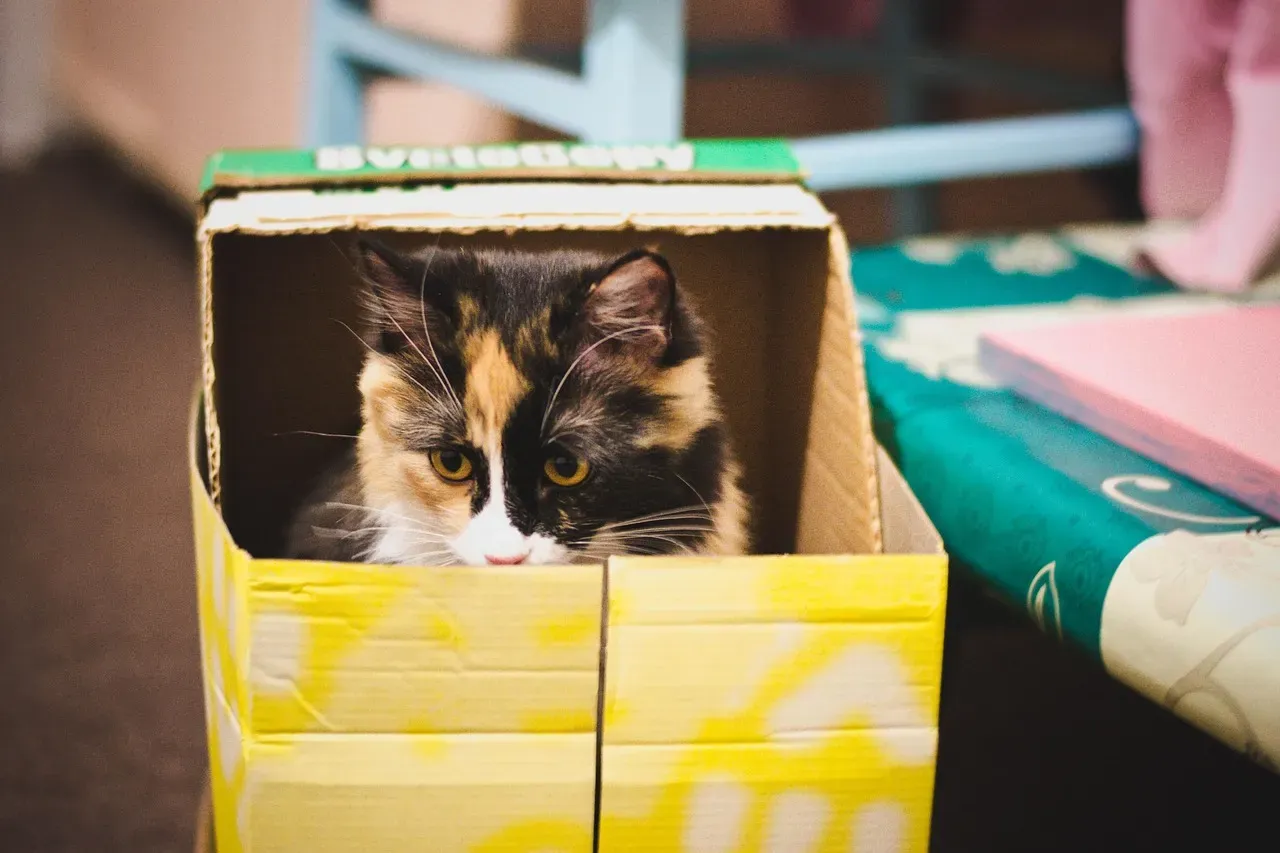
Here’s where the frustration kicks in for cat owners. You carefully select a bed with orthopedic foam, plush fabric, and perfect size specifications. Yet it sits unused while your cat occupies a beat-up cardboard box. The problem isn’t the bed’s quality; it’s that beds don’t fulfill the same psychological needs.
Most cat beds are open, exposed structures that leave your cat visible from all angles. They might be comfortable, but they don’t provide that critical sense of enclosure and security. While pet stores offer countless options, cats are known to prefer simple solutions, and when you see the results of how much they love a basic box, you might wonder why you ever bought that expensive cat bed. Fancy doesn’t equal functional in the feline world.
What This Means for Your Cat’s Wellbeing
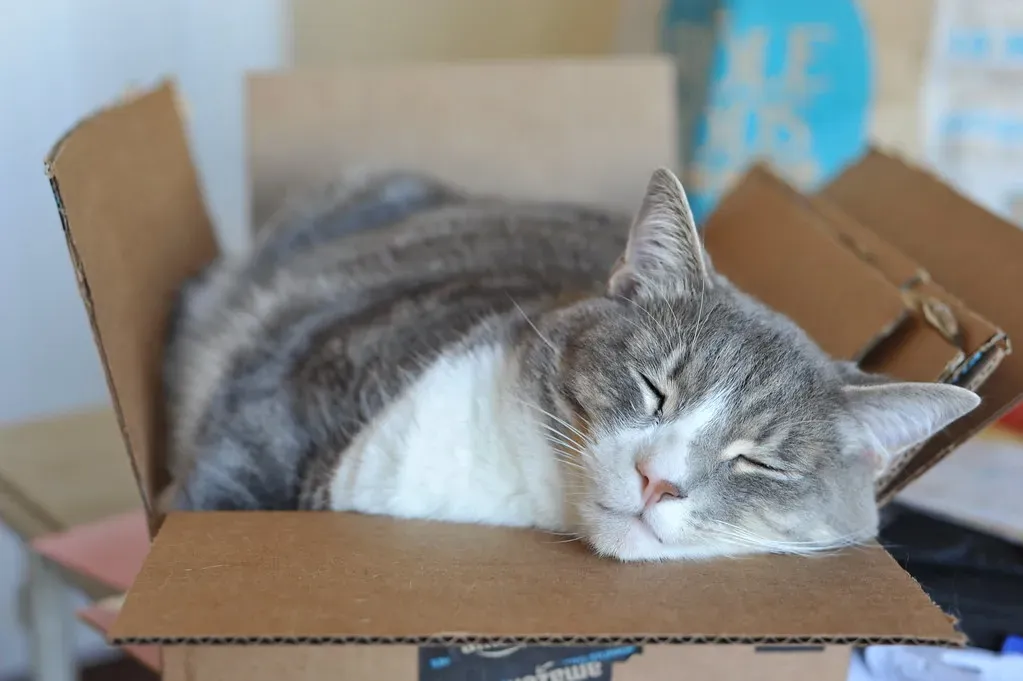
Understanding your cat’s box obsession isn’t just about satisfying curiosity. The hiding box appears to be important enrichment for cats to cope effectively with stressors in a new shelter environment the first weeks after arrival, and this is great news knowing that a seemingly simple cardboard box can offer so much relief. This knowledge has practical applications.
If you’re bringing home a new cat, moving to a new house, or introducing changes to your household, providing boxes becomes a simple yet effective way to support your cat’s emotional health. Providing boxes for cats is about acknowledging their natural behaviors and creating an environment that supports their psychological and physical needs as simple, cost-effective, and versatile tools. Sometimes the best pet care solutions are the ones that cost nothing at all.
Conclusion: Embracing Your Cat’s Cardboard Obsession
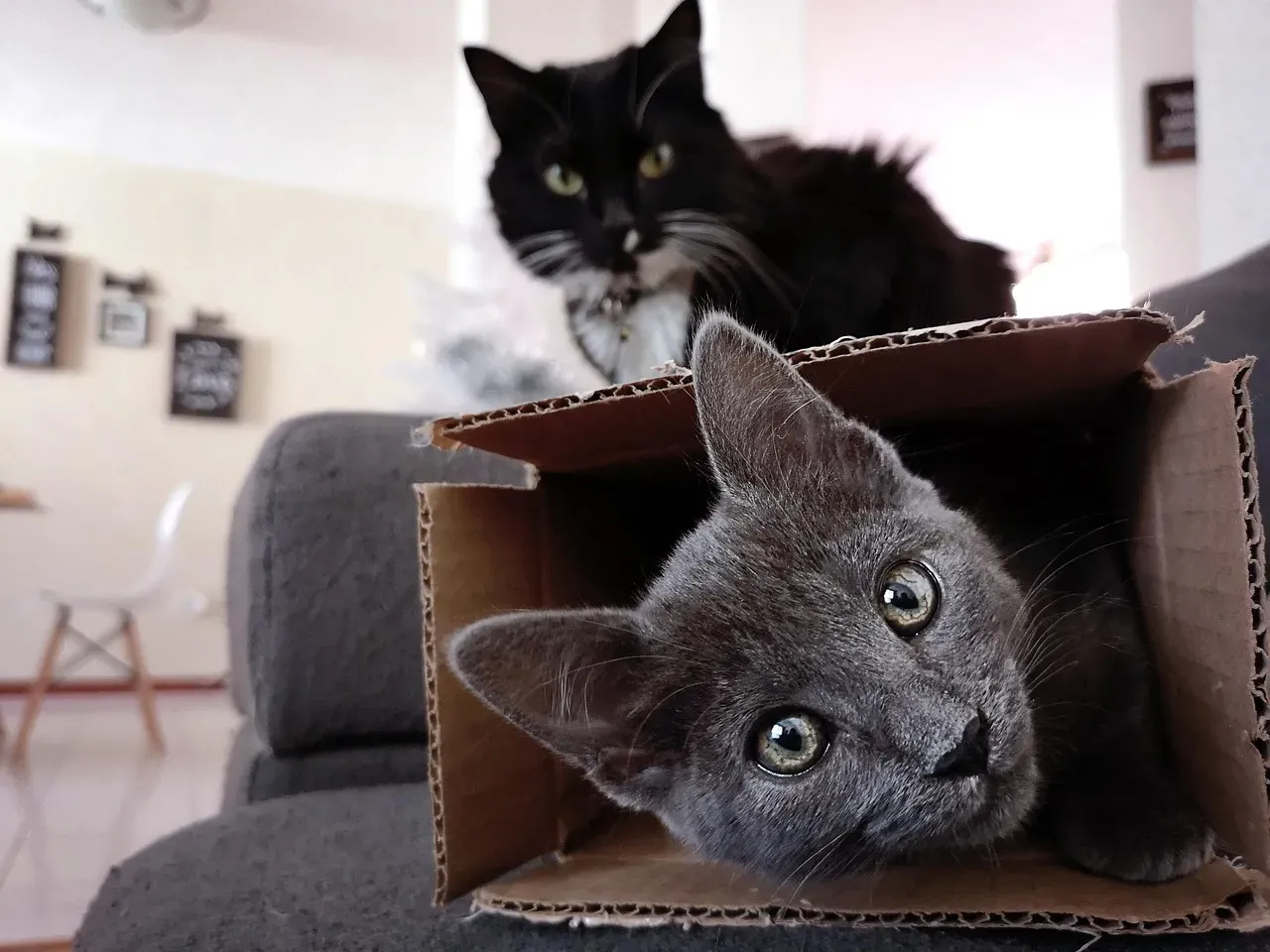
The next time you feel guilty about that unused cat bed gathering dust in the corner, remember that your cat’s preference for boxes isn’t about being difficult or unappreciative. It’s about fulfilling deeply ingrained instincts for safety, warmth, territorial control, and mental stimulation. That humble cardboard box checks boxes (pun intended) that even the most luxurious bed simply cannot.
Instead of fighting your cat’s natural preferences, lean into them. Keep a few clean boxes around your home, rotate them occasionally for novelty, and watch your cat’s stress levels decrease. Your cat knows what it needs better than any product description ever could. So what do you think – are you ready to stop recycling those Amazon boxes and start viewing them as free cat furniture? Your feline friend will certainly thank you for it.