You set out a clean, fresh bowl of water for your cat every single morning. You rinse it, fill it to the brim, place it in a good spot – and your cat completely ignores it. Then, the moment you turn on the kitchen faucet, your feline is suddenly right there, eyes wide, eagerly lapping up every drop. Sound familiar? Honestly, you are not alone. Millions of cat owners worldwide deal with this exact puzzling scenario on a daily basis.
The truth is, your cat’s obsession with the tap is not random, and it is certainly not just about being dramatic (though, let’s be real, cats have that covered too). There is a fascinating combination of instinct, biology, sensory perception, and environmental preference driving your cat straight to that dripping faucet every time. Get ready to see your cat’s quirky hydration habits in a whole new light.
It Goes All the Way Back to the Wild
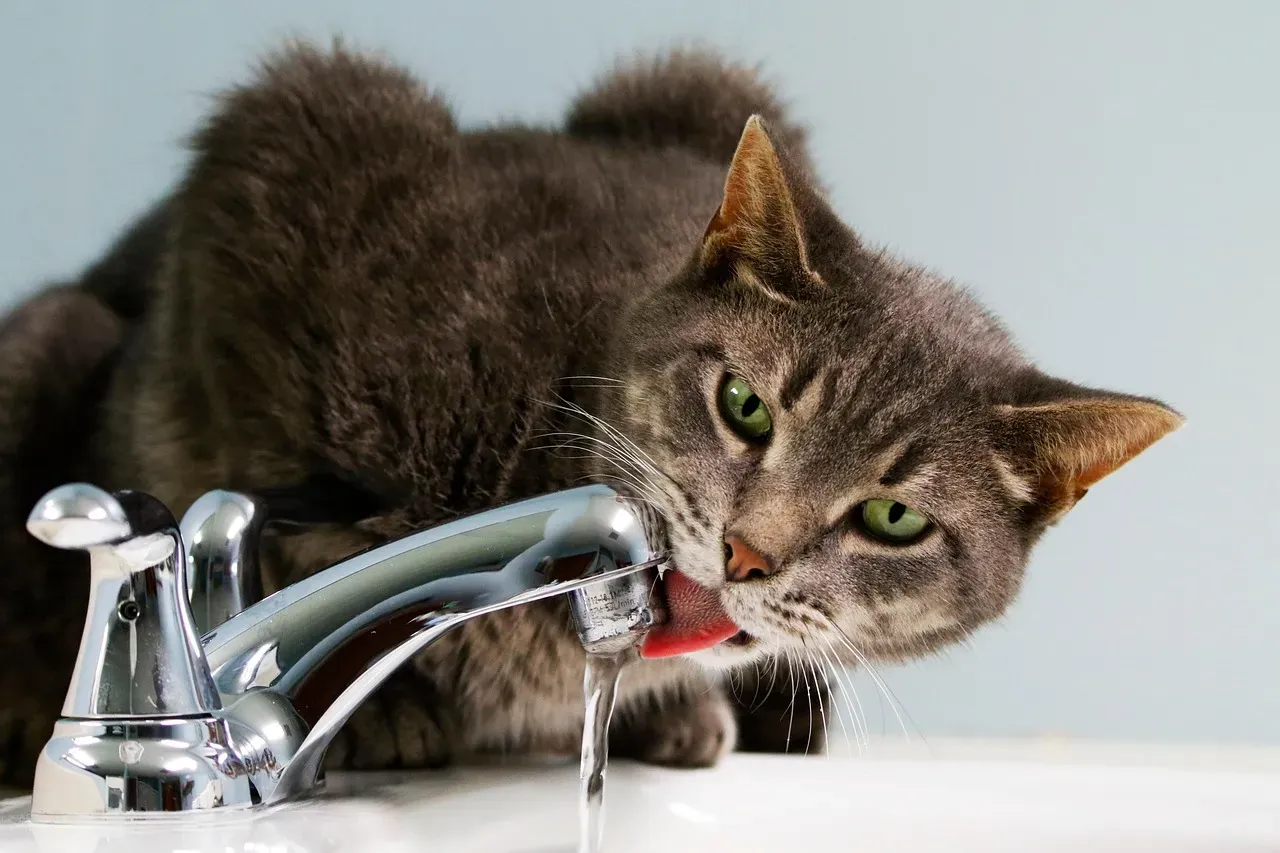
In the wild, cats evolved as desert hunters, obtaining most of their moisture from prey rather than standing water sources. This instinctual wariness of stagnant water remains encoded in domestic cats today. Think of it this way – if your ancestors spent thousands of years learning that still puddles could make them deathly ill, you would probably develop a deep distrust of standing water too.
Domestic cats have evolved from African wildcats, which live in the African Savannah, and they naturally look for fresh, flowing streams to drink from. Running water is generally cleaner and safer than stagnant pools, which could be contaminated or harbor disease. Your cat, sprawled on your couch and perfectly safe, is still carrying millions of years of that same wild wisdom in its DNA.
Standing Water Looks Dangerous to Your Cat’s Eyes
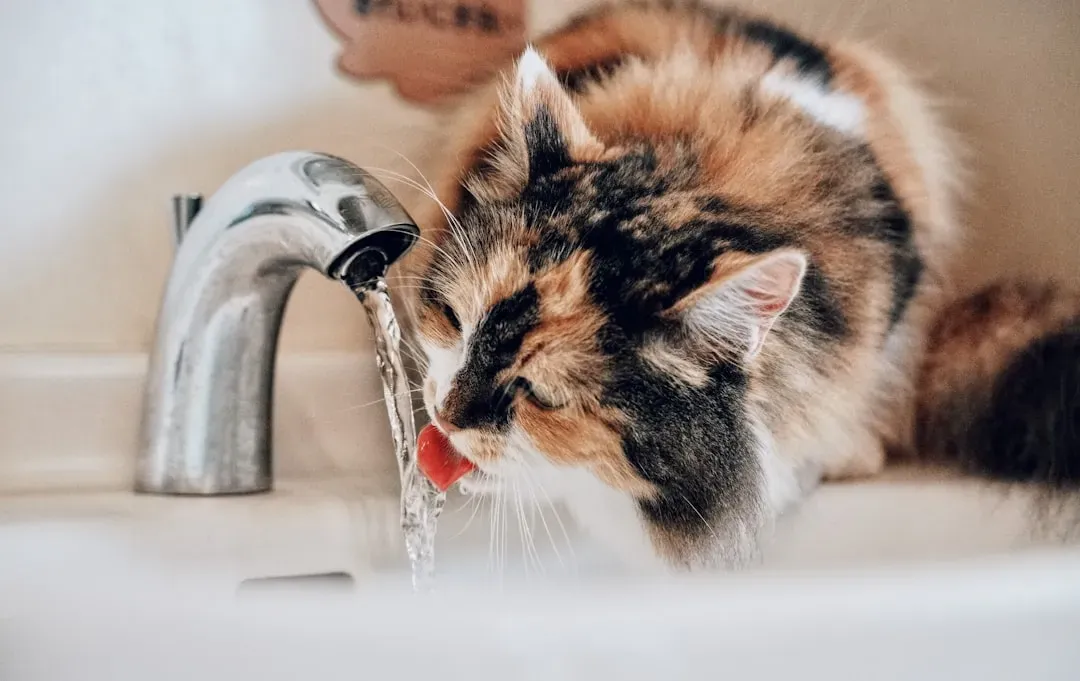
Cats do not see still water as easily as humans do. Their vision is designed to detect motion, which is excellent for hunting but not ideal for spotting a clear, motionless surface. A still bowl can appear invisible or confusing, especially in certain lighting. It is almost like staring at a glass table and misjudging the edge – except for your cat, that happens every single time they approach their water bowl.
Flowing water solves this problem entirely. The movement reflects light, creates ripples, and gives cats a clear visual target. That extra sensory feedback makes drinking more appealing and far less uncertain. So the next time your cat seems transfixed by the running tap, you are actually watching their vision system work exactly the way nature designed it.
Their Hearing Leads Them Straight to the Tap
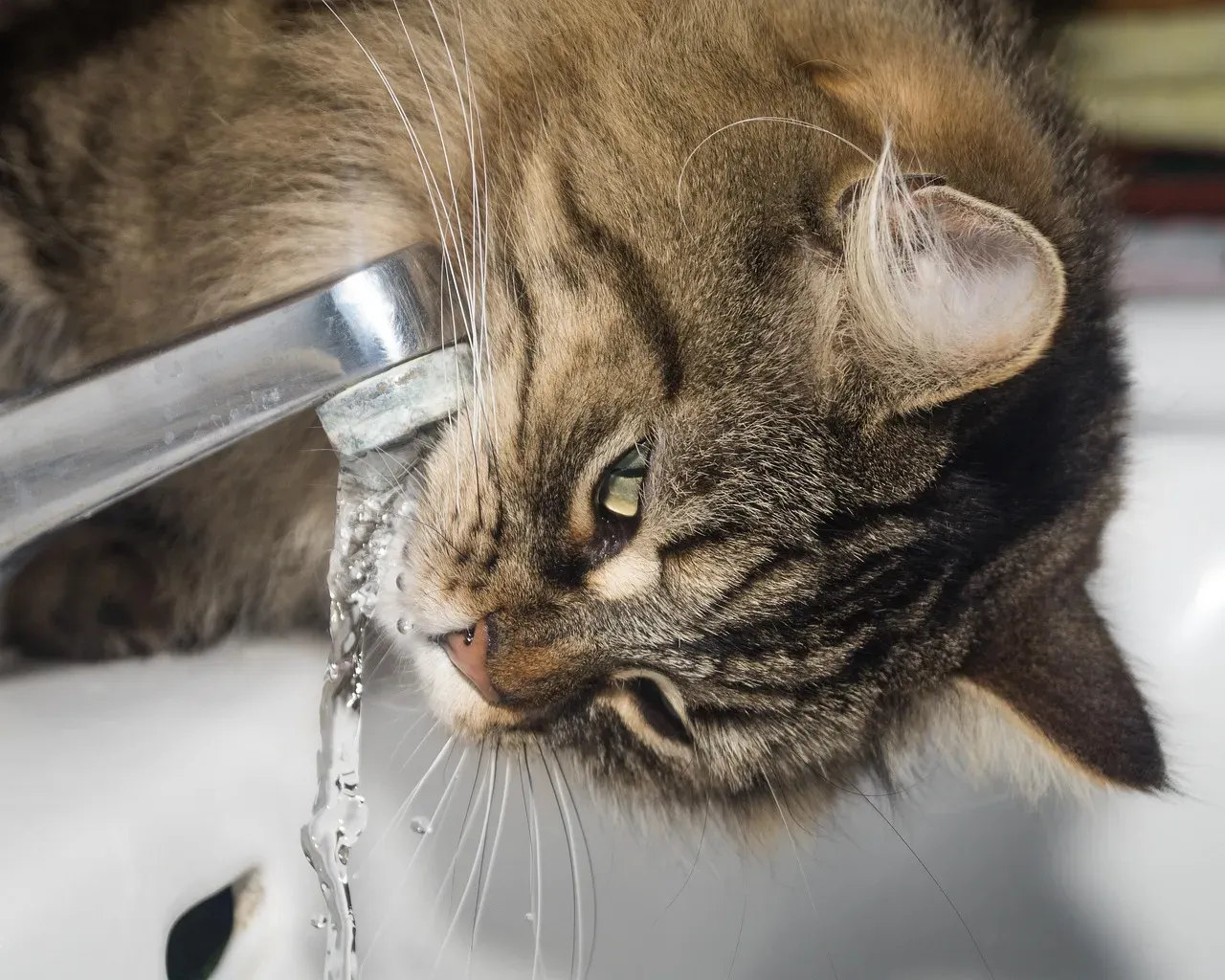
Cats might also prefer running water because they can detect it with their keen sense of hearing. It is easier for cats to find running water using sound than it is to rely on their sight to find still water. When you think about it, this is a genius survival skill. In dense wilderness, hearing the trickle of a stream before you can even see it is a lifesaving advantage.
The sound of dripping or trickling water mimics natural streams, triggering curiosity and engagement. This means the simple sound of your tap can essentially flip an ancient switch in your cat’s brain, making the faucet feel more trustworthy and inviting than any still bowl ever could. Your cat is not being difficult – it is being brilliantly instinctive.
Running Water Simply Tastes Better to Them
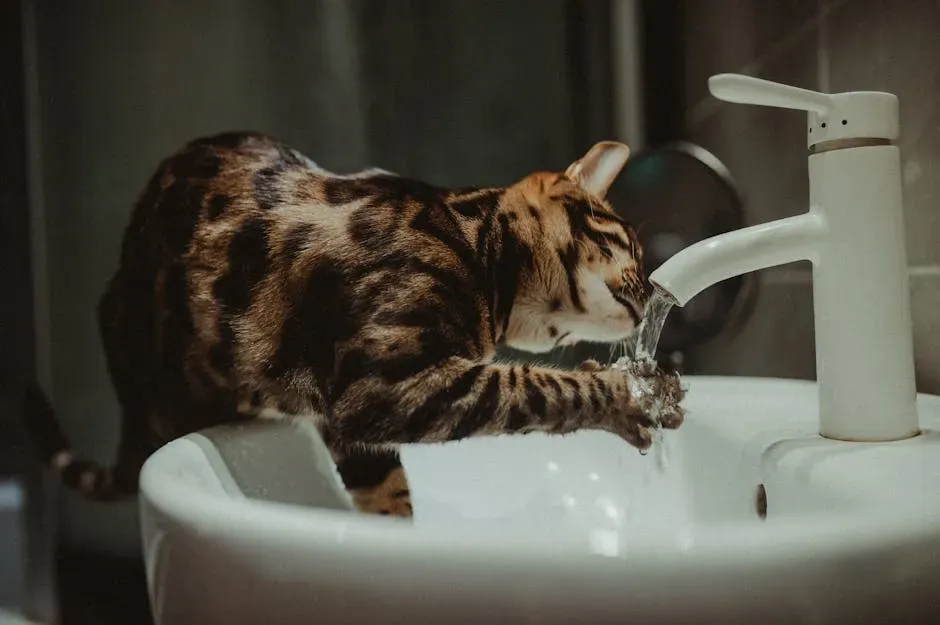
The swift-moving stream from a faucet may be cooler and more oxygenated, improving the taste. You experience something similar when you drink a glass of sparkling water versus flat water that has been sitting out since morning. The difference in taste and freshness is undeniable, and for cats, that sensitivity is amplified even further.
As water moves, it becomes aerated, reducing flat, stagnant flavors that cats instinctively avoid. Aeration also slightly lowers water temperature, which many cats prefer. Oxygen-rich water has a “cleaner” profile, and while humans can taste the difference subtly, cats are even more sensitive. Meanwhile, cats have really thick saliva since it is also used to clean themselves, and drinking out of the same water over and over can cause the water to have a stale taste or cause a build-up of saliva, which is also not pleasant.
Whisker Fatigue Is a Very Real Thing
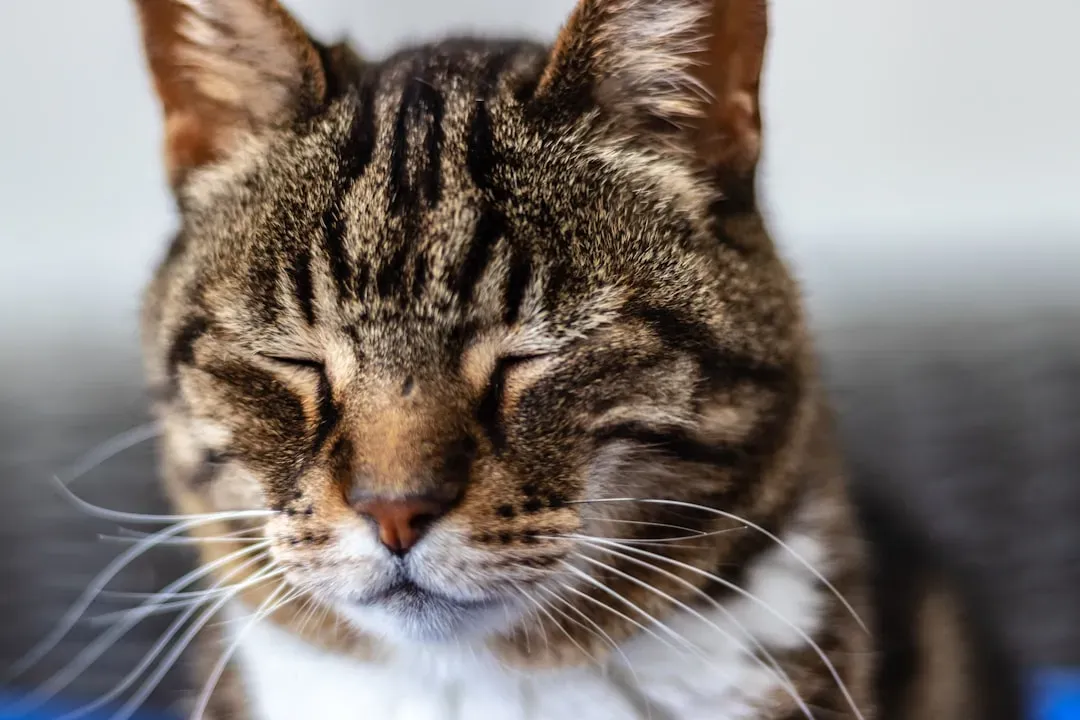
Here is the thing – most people have never heard of whisker fatigue, and once you do, it changes everything about how you set up your cat’s water station. Simply put, whisker fatigue is caused by the overstimulation of the whiskers. When your cat’s whiskers brush up against the sides of a food or water bowl, they send sensory messages to the brain. Too many messages, and your cat could become agitated and refuse food or water from their usual bowls.
Cats rely heavily on their whiskers, which are packed with nerve endings. Many standard water bowls are too narrow or deep, causing whisker fatigue when a cat dips its face in. This discomfort can deter drinking altogether. Faucets allow cats to drink without touching their whiskers to the sides, making the experience more comfortable. The fix is simpler than you might think – to avoid whisker fatigue, swap small, high-sided bowls with wide, shallow ones.
The Location of the Bowl Matters More Than You Think
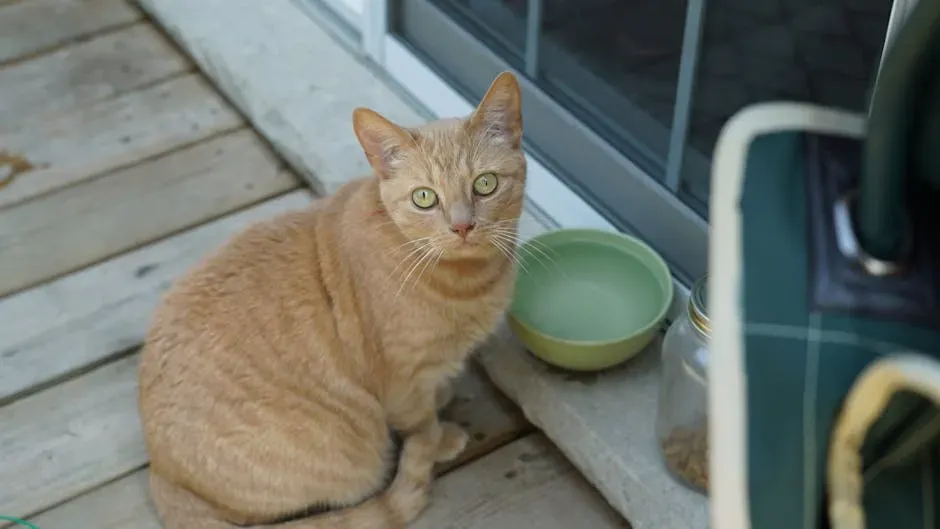
Many cats avoid drinking water that is placed right next to their food bowl. This behavior likely comes from their survival instinct. African wildcats usually avoid eating their prey near their water source, because the water could become contaminated by the remains of the prey. Your domesticated cat carries that exact same hard-wired aversion, even though the closest thing to “prey remains” in your home is probably a can of tuna.
Cats also do not like drinking near where they eat or toilet, to avoid contamination. If your cat’s bowl is tucked in a corner near the litter box or their food dish, it is no wonder they are sprinting to the faucet instead. Placing your cat’s water bowl in a low-traffic, quiet spot, and not next to the litter box or their regular food bowl, can make a significant difference.
Feeling Safe While Drinking Is a Serious Priority
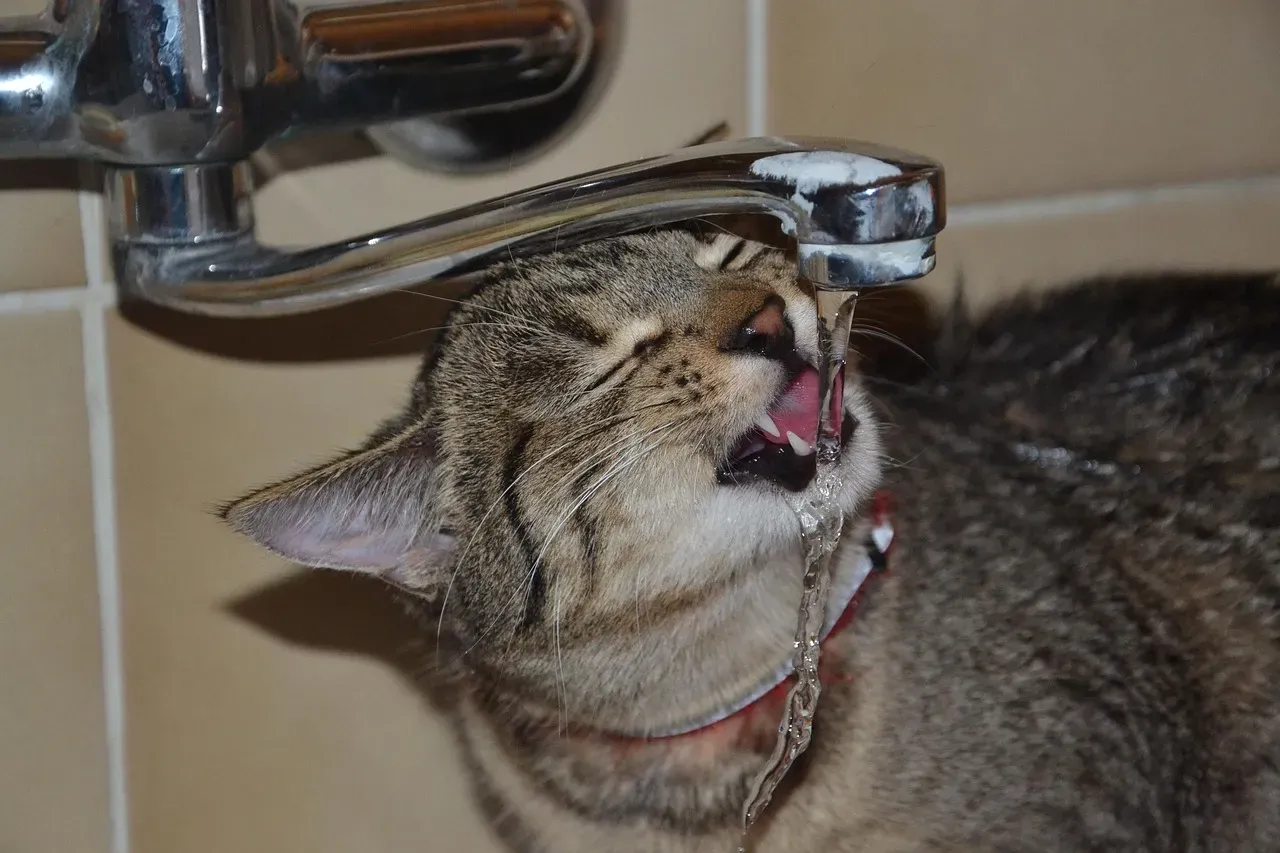
It is hard for cats to get water, because they cannot really see still water well, and they may feel vulnerable sitting at a bowl, especially if it is in a corner, so they have their back to other cats who might jump on them. This is not paranoia. It is your cat’s predator-prey awareness operating in full effect, even in the safety of your living room.
Standing proud on the kitchen counter provides a much better vantage point and a refuge from the busy traffic on the kitchen floor. Cats may drink from the faucet over their bowl because they simply feel more comfortable up high. So that seemingly diva behavior of demanding water from the bathroom tap? It might just be your cat choosing a spot where they feel fully in control of their surroundings.
Boredom and Mental Stimulation Play a Role Too
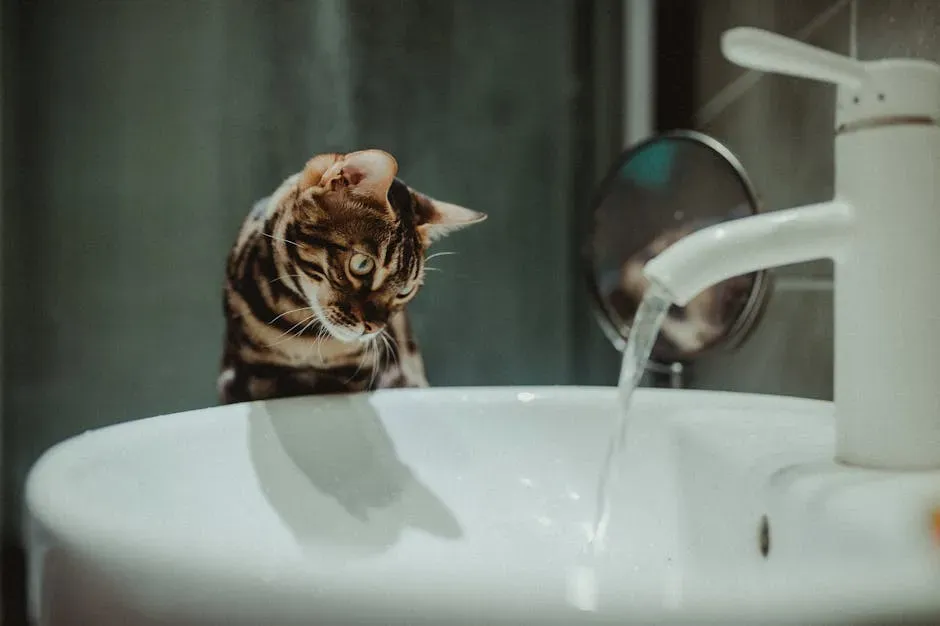
Like all of us, cats crave stimulation. Free-roaming cats will spend their days patrolling and hunting, but indoor cats do not have that ability. They have to find ways to entertain themselves inside, which can sometimes lead them to scratch at your furniture or play in a running faucet. I think this is genuinely underappreciated by most cat owners. Hydration and enrichment can go hand in hand.
The sound and sight of moving water can be intriguing, stimulating their senses and encouraging interaction. This attraction is not just a playful quirk – it is an engagement of their natural hunting and exploration instincts, providing mental stimulation and enriching their indoor environment. Essentially, your cat is getting a mental workout every time it paws at the dripping faucet, which is a surprisingly healthy habit.
The Bowl Material Can Actually Put Your Cat Off
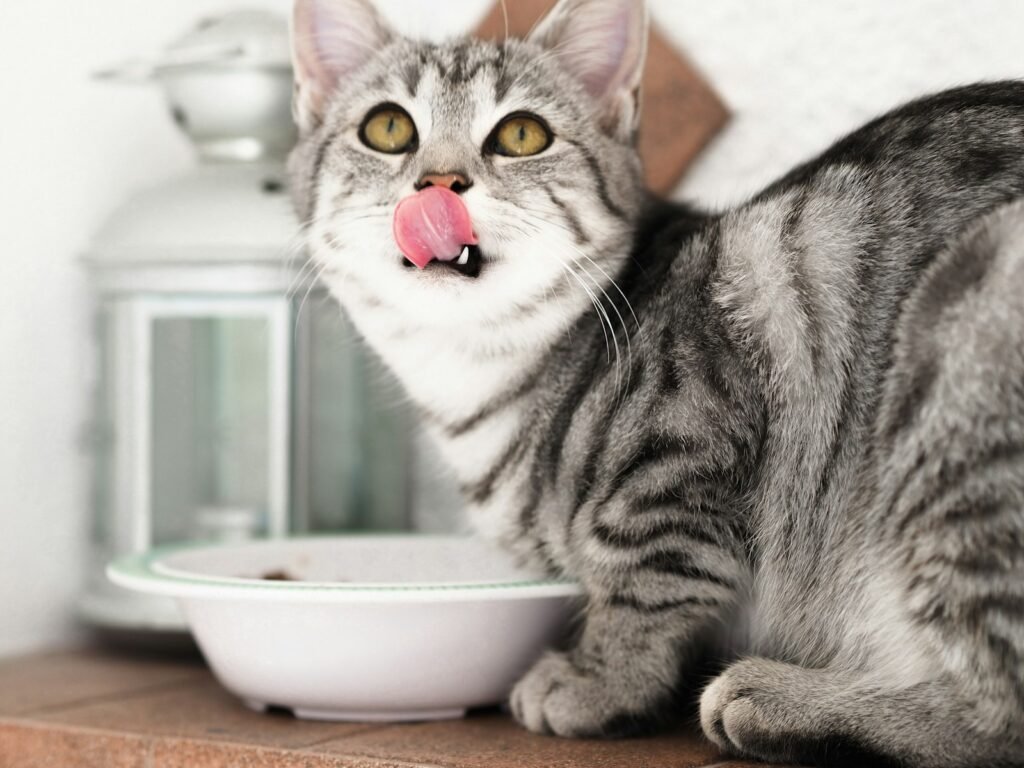
You might never suspect that the material of a water bowl could send your cat running to the tap, but it absolutely can. Your cat may have a preference for a certain type of bowl, as plastic and metal bowls can taint the water. Even after cleaning, plastic bowls can retain microscopic scratches that harbor bacteria and odors. That is not something you can see or smell, but your cat’s sensitive nose absolutely can.
Cats have a keen sense of taste. They might refuse to drink water that has been standing for a while as it may taste stale. Similarly, some cats can detect the taste of certain types of bowls, particularly plastic ones, and may refuse to drink from them. Switching to ceramic or stainless steel bowls and refreshing the water frequently can make a bigger difference than you would ever expect.
Poor Hydration Has Real Health Consequences
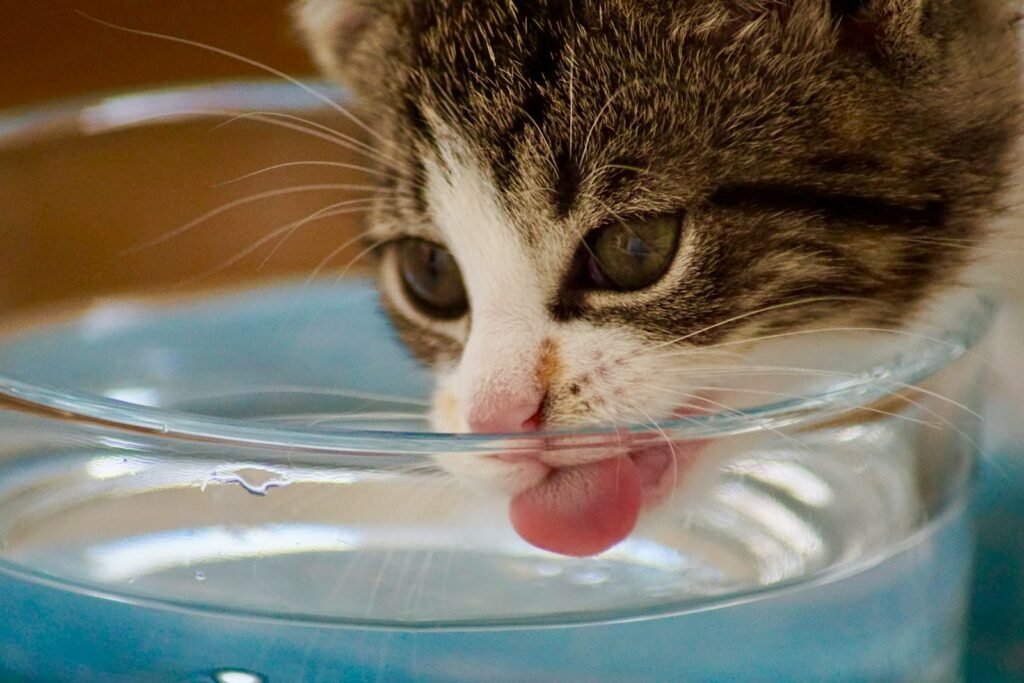
Chronic low water intake is strongly linked to urinary tract issues, including crystals, bladder stones, and feline lower urinary tract disease. Kidney function also declines faster in dehydrated cats. Ensuring consistent hydration supports organ health and can extend lifespan. This is the part where your cat’s tap obsession stops being quirky and starts being genuinely important to take seriously.
Kidney failure is widespread in cats, and increasing water consumption may help stave it off. Flowing water appears cleaner, fresher, and more oxygenated, making cats more likely to drink enough each day. Adequate hydration supports urinary health, prevents crystals, and reduces the risk of chronic kidney disease. If your cat prefers the tap, that preference might actually be one of the best health habits they have.
Conclusion: Your Cat’s Tap Habit Is Smarter Than It Looks
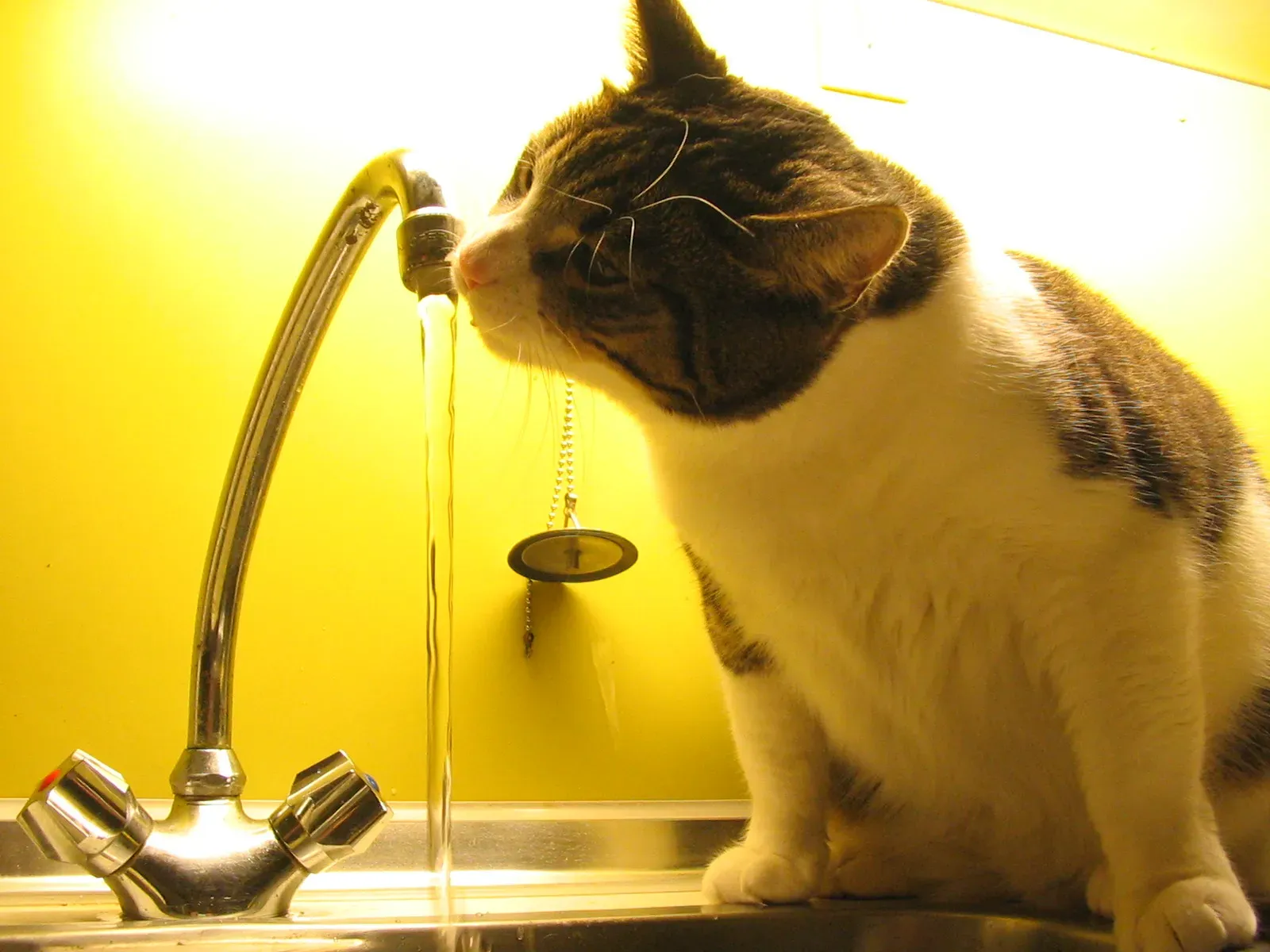
There is so much more going on behind those wide, expectant eyes at the kitchen sink than you might have ever imagined. From deep evolutionary instincts and sharpened sensory systems to very practical concerns about bowl placement, material, and whisker comfort, your cat is not being difficult when they reject their bowl. They are following ancient, intelligent signals that have kept cats alive for thousands of years.
The good news is that understanding why your cat prefers the tap gives you real, actionable ways to improve their hydration and overall health. Whether you switch to a wider ceramic bowl, move it away from the food station, or invest in a cat water fountain that mimics the flow they love, small changes can have a genuinely big impact. Your cat has been trying to communicate something all along – you just needed the full picture to hear it clearly.
So, the next time your cat stares you down until you turn on the faucet, take it as a compliment. They trust you enough to train you. What does your cat’s drinking behavior say about them? Tell us in the comments.