Have you ever noticed how your feline friend seems to have their entire day mapped out? From mealtime to playtime, your cat likely follows an invisible schedule that would put most humans to shame. This isn’t just a coincidence or your imagination running wild.
Cats don’t like change. While your curious kitty might inspect every new shopping bag you bring home, disrupting their established daily patterns is a different story entirely. Understanding why your cat craves predictability over surprise adventures can transform your relationship and help you create a happier home for your whiskered companion. So let’s get started.
The Evolutionary Blueprint of Feline Predictability

Your cat’s love for routine isn’t just a personality quirk. This preference is rooted in their evolutionary history as hunters who relied on predictable patterns for survival. Think about it from their perspective: in the wild, knowing exactly where to find water, when prey appears, and which paths are safe made the difference between life and death.
From an evolutionary perspective, routines help cats feel safe. Knowing when and where to expect food, rest, and interaction mimics their natural hunting and resting cycles, offering them a sense of control in their environment. Your domestic cat hasn’t forgotten these ancient lessons. Even though they’re lounging on your couch instead of stalking through tall grass, their brain still operates on that same survival programming.
Territory and Security Go Hand in Hand
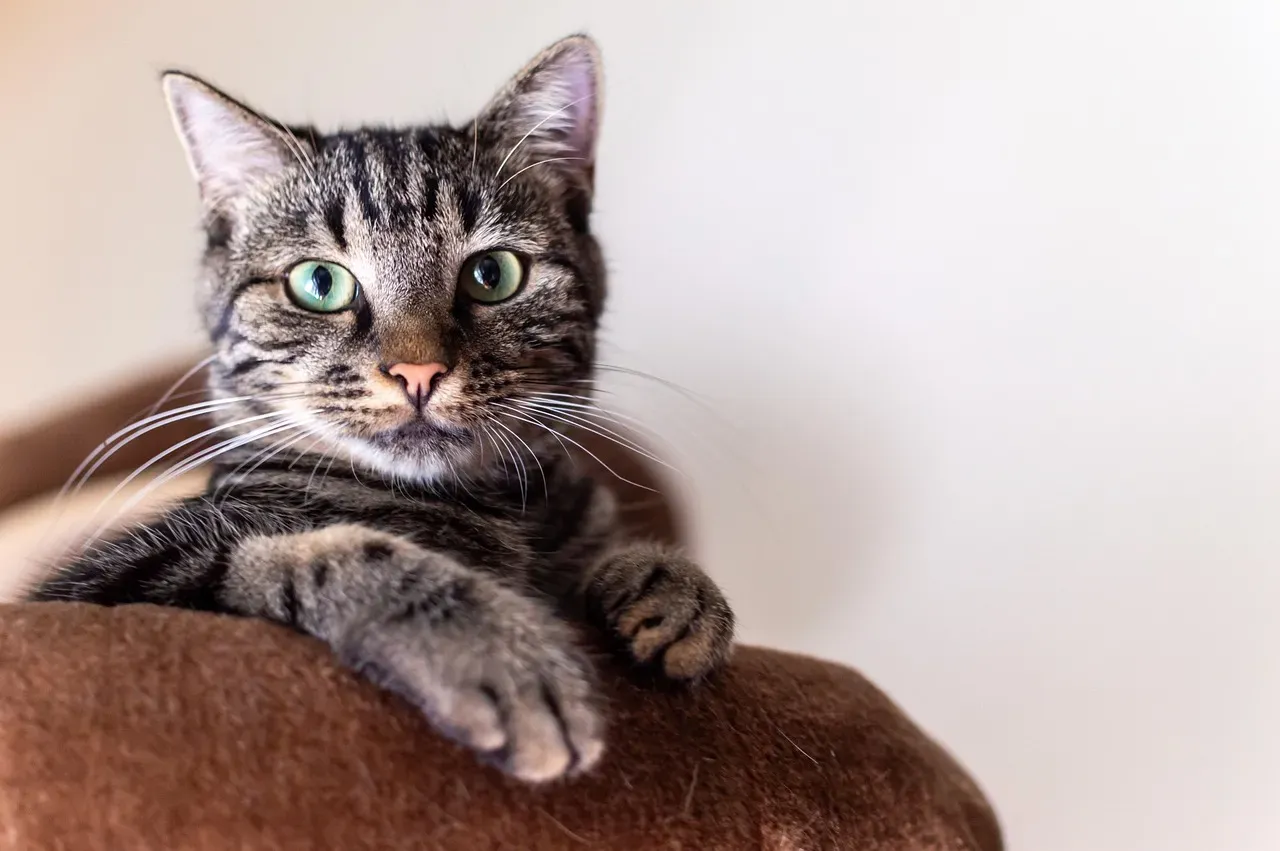
Cats are territorial animals, they defend a certain area against intruders. In their own territory they can eat, sleep and play safely. When their routine stays consistent, your cat feels confident that they understand and control their domain.
Honestly, this territorial instinct runs deeper than most people realize. The power of the balance–or the unbalance–of the environment is what allows us to say that cats, unlike dogs, are mainly territorial animals. Your cat isn’t just living in your home – they’re managing it like a tiny, furry CEO. Any disruption to their established patterns can feel like a hostile takeover of their carefully organized world.
The Stress Connection You Can’t Ignore

Here’s something that might surprise you. When cats can predict what happens next, they experience less stress and anxiety, leading to better overall health and behavior. It’s hard to say for sure, but your cat’s insistence on eating at exactly 6 AM every morning might actually be their way of managing anxiety.
The most common reason for cat anxiety is a sudden change in their environment or routine. As hunter–prey, cats are animals particularly predisposed to suffer the effects of stress, even related to small changes in their routines like feeding time variations or new furniture. Your cat’s stress response to change isn’t them being dramatic – it’s a legitimate physiological reaction that can affect their health.
Feeding Time as the Ultimate Anchor
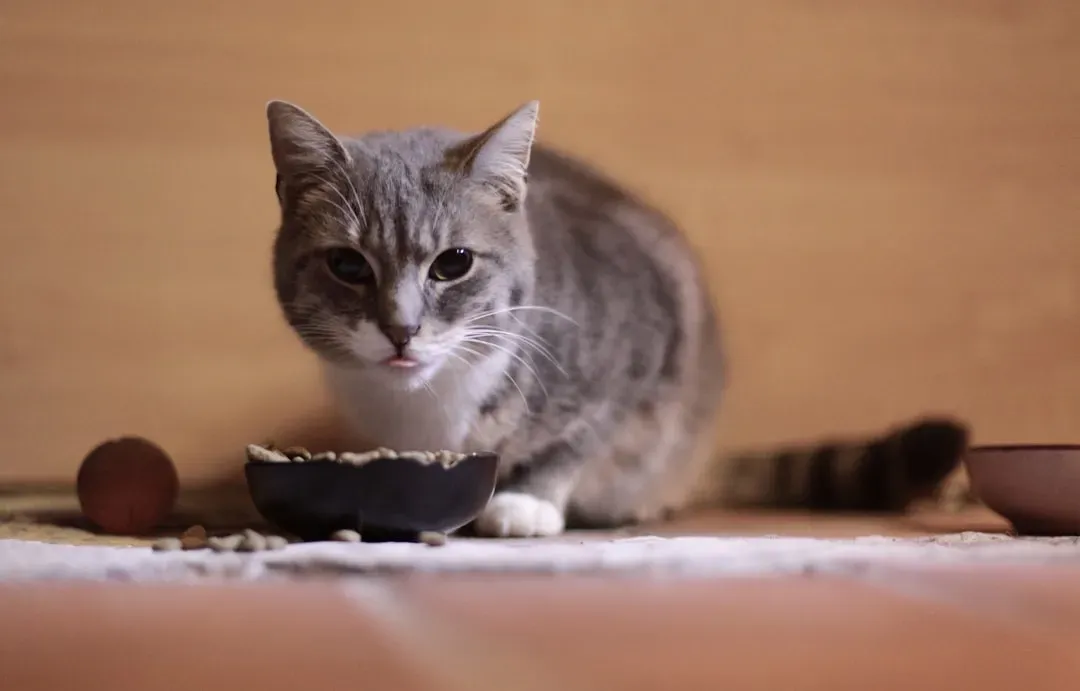
Let’s be real: if you’ve ever slept through your cat’s breakfast time, you know the consequences. Their routine is off, and they think something is wrong. That is why they come to climb on your head or give you a scratch. Your cat’s feeding schedule isn’t just about hunger – it’s about certainty.
Cats often form strong associations with their feeding routine. For example, the sound of a can opener or the crinkle of a treat bag can signal mealtime, reinforcing their sense of predictability. This consistent routine helps them feel secure throughout their entire day. When you feed your cat at regular intervals, you’re essentially telling them the world is stable and safe.
Predictability Equals Emotional Control
When cats think they know what will happen, and then it does, they feel that they are in control. They feel they understand how things work in their world. This sense of control is absolutely fundamental to your cat’s emotional wellbeing.
Think about how unsettling it feels when your own routine gets disrupted. Your cat experiences similar feelings, but they lack the cognitive ability to rationalize unexpected changes. Cats feel comfortable when they know what to expect, and disruptions to their routine can cause stress. Predictability in their daily life reduces uncertainty and helps them feel secure in their environment.
The Morning Ritual and Sleep Patterns
Creating a routine that is beneficial to managing cat anxiety and stress includes sticking to normal bedtime, wake time, and meal schedules. This is because you are meeting your cat’s needs in a predictable way, that doesn’t leave them on edge waiting for their next meal or time to rest. This structure in a cat’s routine also taps into their natural instincts of a hunting and resting cycle, allowing them to feel a sense of security that can lessen feelings of anxiety.
Your cat’s seemingly rigid sleep schedule isn’t random. They’re following an internal clock that aligns with their hunting instincts. When you maintain consistent routines around bedtime and wake-up time, you’re supporting their natural biological rhythms rather than fighting against them.
Changes That Trigger Behavioral Issues

In addition to sexual maturation, other causes include stress, a change in routine, a new house, the introduction of a new pet, or a lack of socialization when your furry friend was young. Even seemingly minor adjustments can throw your cat’s entire world into chaos.
The biggest source of stress for cats is often something new in their environment or routine. A move to a new house, a new baby or pet, weird new noises (like from neighborhood construction), or even unfamiliar guests in the house may trigger your cat. What you might consider a small inconvenience – like rearranging furniture or changing your work schedule – can genuinely distress your cat for days or even weeks.
How Routine Supports Your Cat’s Mental Health
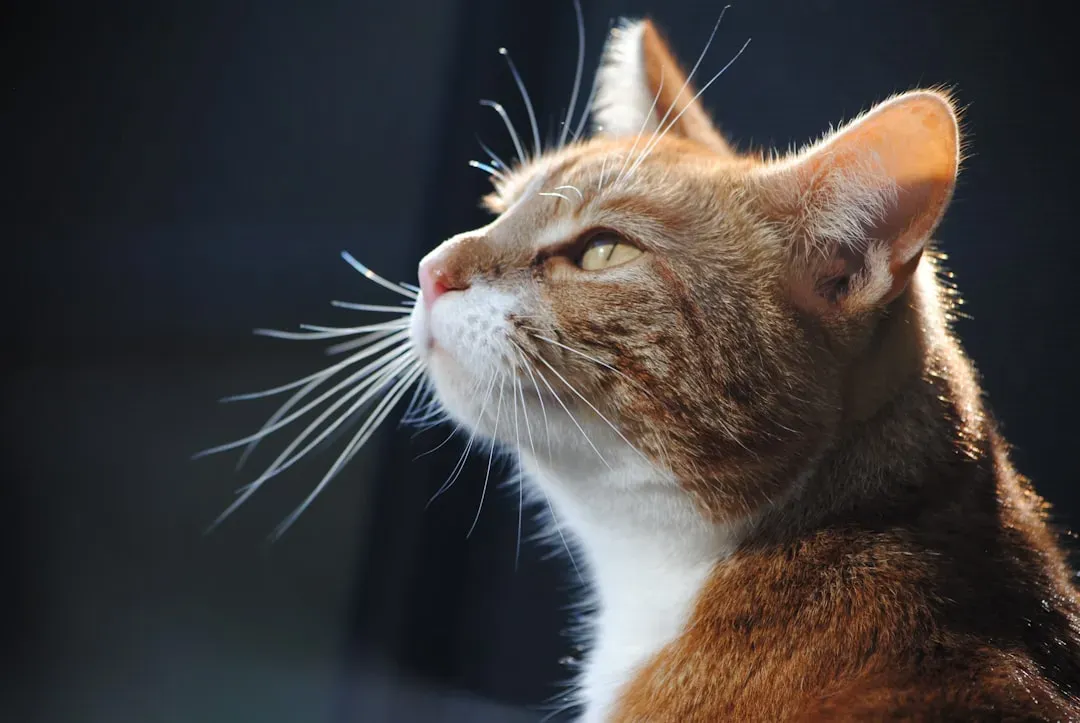
Routine is important for cats because it keeps their stress levels low. Just like humans, stress is one of the leading causes of disease in cats. Anxiety breeds inflammation and lowers the immune system of our feline friends. A simple, steady schedule can and will help reduce these stress levels greatly.
I know it sounds crazy, but maintaining your cat’s routine is genuinely a health intervention. Routine instills a sense of safety and predictability, and without it, our feline friends can often display signs of cat stress. This can manifest in a number of ways including urine spraying, scratching furniture, or hiding. Those annoying behaviors you might be dealing with could simply be your cat’s way of crying out for more structure.
Building a Bond Through Predictable Interactions
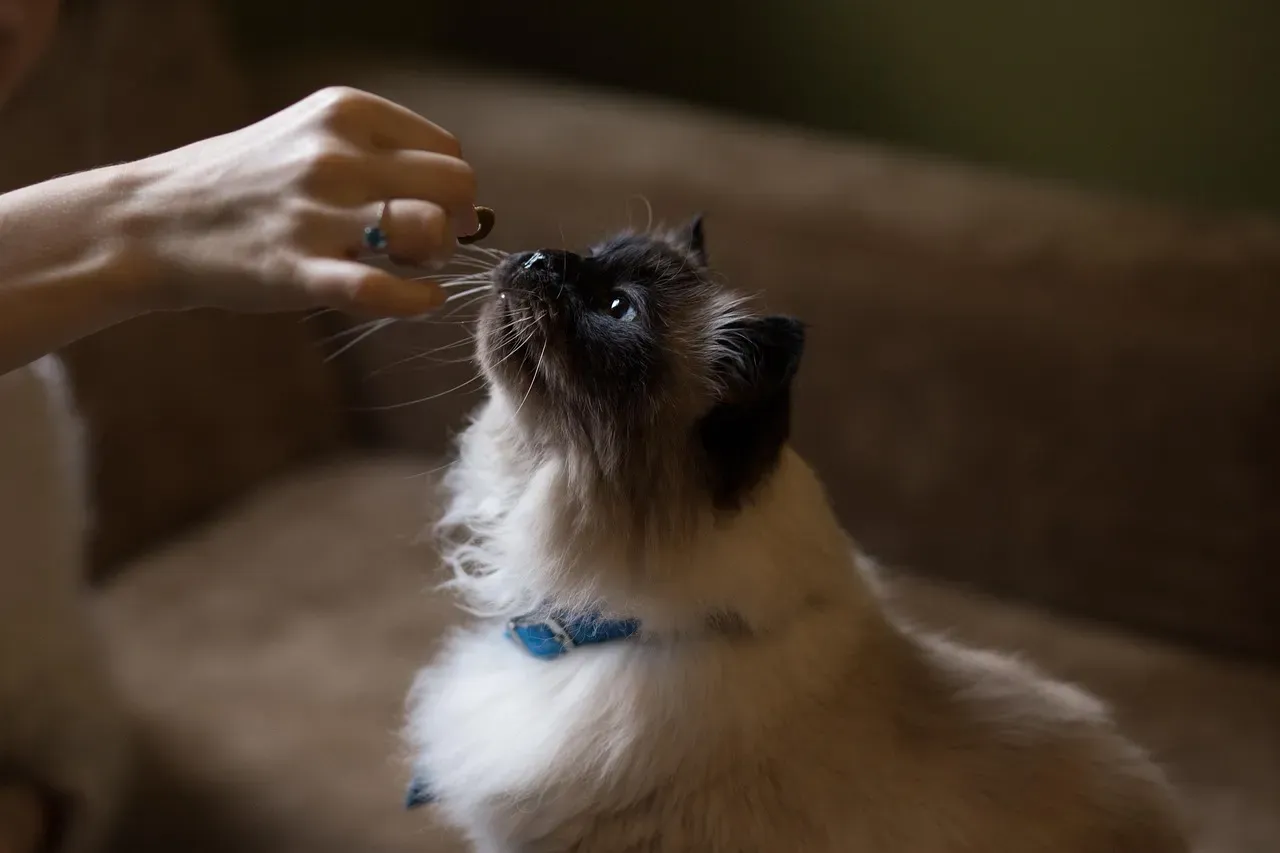
Rituals around mealtimes, play times, and going to bed create bonding moments. We share good times, and show we care by having them. Your cat learns to anticipate positive interactions with you, which deepens trust and affection over time.
While you may not realize it, keeping your cat in a routine is one of the best ways to establish a good relationship between you and keep them healthy. When your cat knows what to expect from you, they can relax and enjoy your companionship rather than remaining in a constant state of vigilance or uncertainty. This predictable framework actually allows for more genuine connection between you and your feline friend.
Finding Balance Between Structure and Flexibility

Mouser loves knowing what’s going to happen throughout the day. But a new treat or an extra long play session isn’t going to cause her to complain. Regular routines just make life relaxed and comfortable for everyone in the household – including your cat. The goal isn’t to become a robot yourself.
You can introduce variety within your established framework. Cats thrive on predictability. A consistent schedule for feeding, playtime, and rest helps them feel secure and reduces stress. It’s about creating anchors throughout the day – specific touchpoints your cat can rely on – while allowing some spontaneity in between. That way, your cat gets the security they crave without either of you feeling trapped by an inflexible schedule.
Your cat’s preference for routine over spontaneity isn’t stubbornness or rigidity – it’s an adaptive survival mechanism that continues to serve them in your modern home. By honoring their need for predictability, you’re not just making life easier for yourself. You’re actively supporting their mental and physical health while strengthening the bond you share. Did you notice these patterns in your own cat? What small routine changes could you make today to help your feline friend feel more secure and content?