Have you ever wondered why your friend’s cat acts like a furry shadow, following them everywhere, while your own cat prefers to reign from their chosen perch across the room? Your observations aren’t imaginary. The spectrum of feline social behavior is remarkably wide, ranging from cats who seem to need constant human interaction to those who appear perfectly content with minimal contact.
This fascinating behavioral diversity stems from a complex interplay of genetics, early life experiences, and individual personality traits. Understanding these differences can transform how you relate to your feline companion, whether they’re a cuddle enthusiast or an independent spirit. Let’s explore the captivating world of cat personalities and discover what makes each whisker-twitching individual unique.
The Evolutionary Foundation of Feline Independence
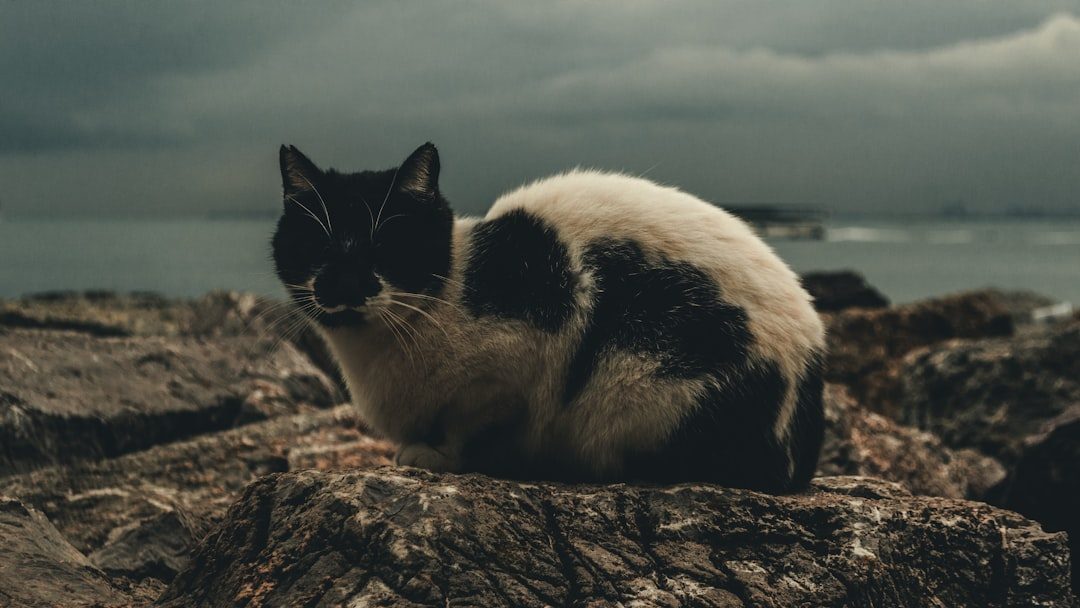
Cats evolved as solitary hunters rather than pack animals like dogs. This evolutionary history means they’re naturally equipped for self-sufficiency and don’t rely on social groups for survival or emotional support. Cats descended from solitary wildcats that hunted alone and maintained individual territories. This heritage is reflected in modern cats’ self-sufficient behavior, territorial nature, and preference for controlling their own activities.
Think of this like having a built-in independence gene. While dogs evolved alongside humans in cooperative hunting groups, cats came to us as self-reliant individuals. Cats are what scientists call “facultatively social.” This is just a fancy of way of saying that cats are very flexible when it comes to sociability. In the wild, cats may be solitary, or they may live happily as a member of a large colony, or somewhere in between. This flexibility explains why you might see such dramatic personality differences between cats.
Scientific research shows that cats are actually highly social animals. However, their social structure differs fundamentally from what we might expect. Their social structure is centered around resource availability and safety. In a multicat household, if you make sure there are adequate resources for everyone spread through the home to allow cats to feel secure in their preferred core areas, they can be more relaxed about engaging in social behavior with you and with each other.
Genetics Shape Personality From Birth
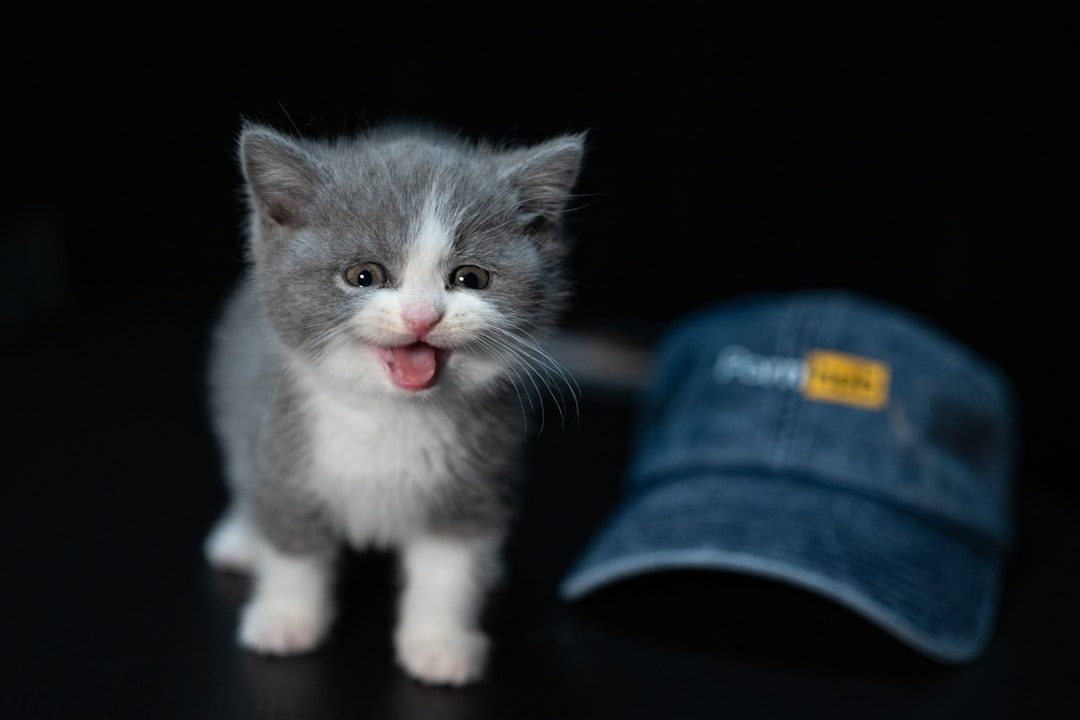
Genetics, especially those of the father, play a strong role in a cat’s personality. Research has revealed something quite fascinating about feline inheritance patterns. Kittens inherit sociability and boldness traits through their father’s genes, independent of environmental contact. This genetic component affects temperament even when fathers have no direct interaction with their offspring.
This paternal influence operates like a personality blueprint. Friendly, confident male cats are more likely to produce offspring that adapt well to human households and exhibit the social behaviors that make for successful pet relationships. Even before your kitten opens its eyes, its genetic makeup is already influencing how social or independent it will become.
The heritability of temperament among cats ranges from 0.40 to 0.53, indicating substantial genetic influence on personality development. This number indicates that approximately half of the variance in cats’ behaviors can be attributed to genetic variations in the population. Therefore, nature appears to play a non-trivial role in cats’ personality. Essentially, roughly half of your cat’s personality comes from their genes, while the other half develops through experiences and environment.
The Critical Early Socialization Window
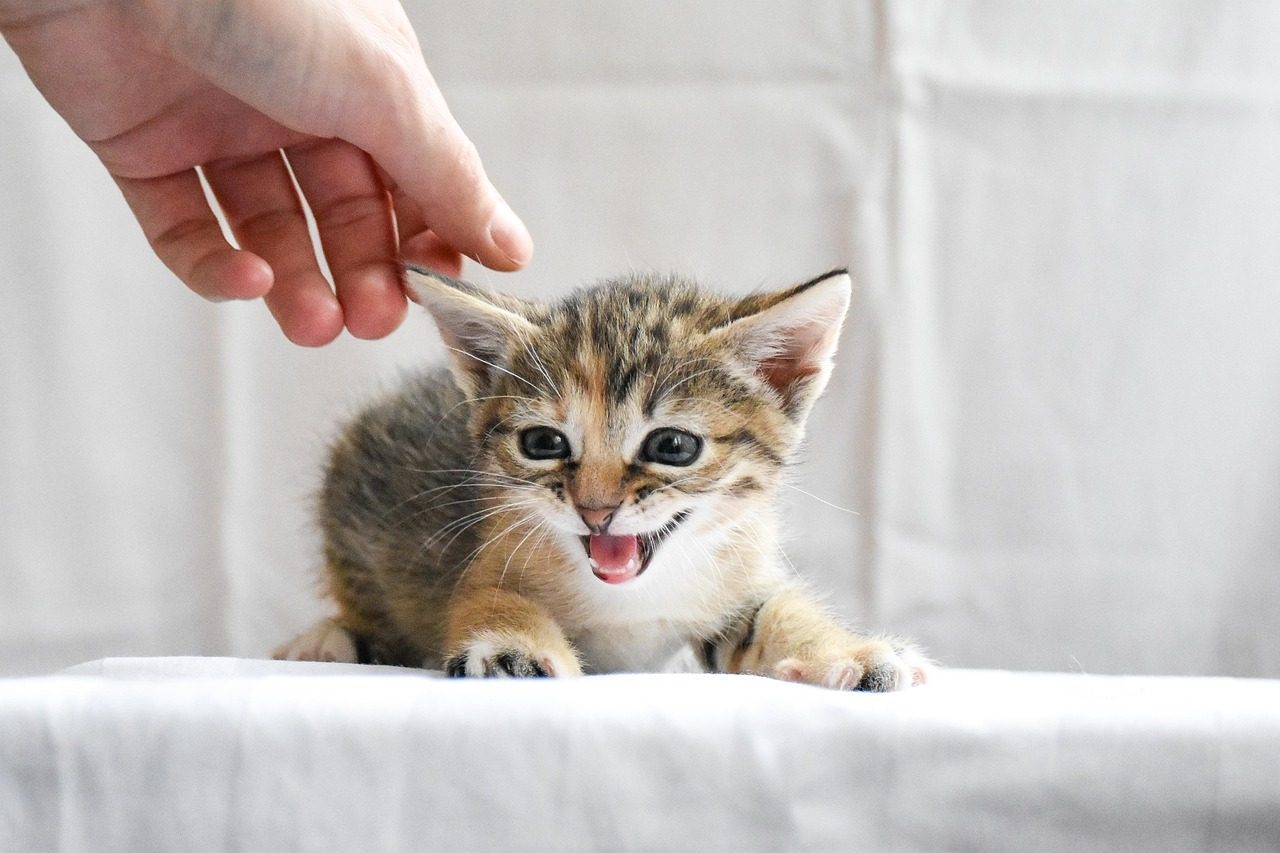
The window between 2 and 12 weeks of age represents the most crucial period for shaping a cat’s personality and social behavior. During this critical imprinting phase, positive human contact and diverse experiences significantly influence whether a kitten develops into a friendly, confident adult cat or remains fearful and withdrawn.
Early handling: Kittens that are stimulated and handled from birth are more confident, more social, more exploratory, faster to mature and are better able to handle stress as they develop. One study showed handling kittens for 40 minutes per day vs. 15 minutes per day made a difference in how social the kittens were. The amount and quality of human interaction during these early weeks creates lasting impressions on a cat’s social comfort level.
Cats raised in enriched environments with positive human interaction during their critical developmental period (2-7 weeks) often show greater sociability and confidence in adulthood. If a cat has negative experiences with people, she won’t forget them. The fear instinct is one of cats’ strongest. If they associate human contact with harm, yelling, and threatening movements, they will be far less socialized. This is especially true if the negative experiences occur during a kitten’s critical window of development.
Individual Personality Types in Cats
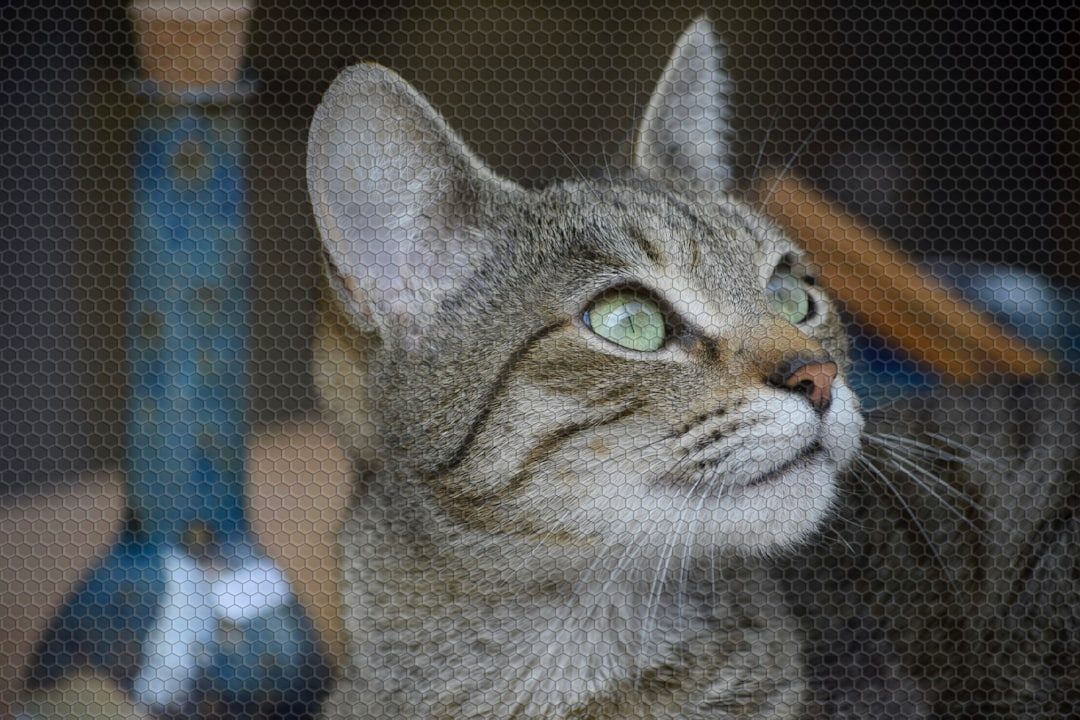
Like people, cats enjoy a full spectrum of personality types, preferences, and behaviors. Recent research has identified distinct personality types that help explain why some cats crave attention while others prefer solitude. The Human Cat is sociable and enjoys affection from their pet parent. They love sharing your space with you and are always ready to cuddle or just be near you. They probably want to sleep in your bed at night and right on your keyboard during the day. This cat is incredibly friendly, calm, and responsive toward people. They display affection through kneading and will get lonely without daily social attention.
On the opposite end of the spectrum, you’ll find the more independent types. Each cat has its own unique personality and social preferences. Some may be more gregarious and attention-seeking, while others prefer minimal interaction. Both extremes are normal variations within cats’ independent nature. These personality differences aren’t just random quirks; they represent genuine behavioral variations with scientific backing.
Cats scoring high in extraversion exhibit personality traits of being active, vigilant, curious, inquisitive, and smart, adjusting well to new people, animals, and situations. Those with lower scores may be more solitary and clumsy or behave in an aimless manner, which can indicate an underlying health issue. Understanding your cat’s personality type helps explain their social preferences and needs.
Breed Differences in Social Behavior
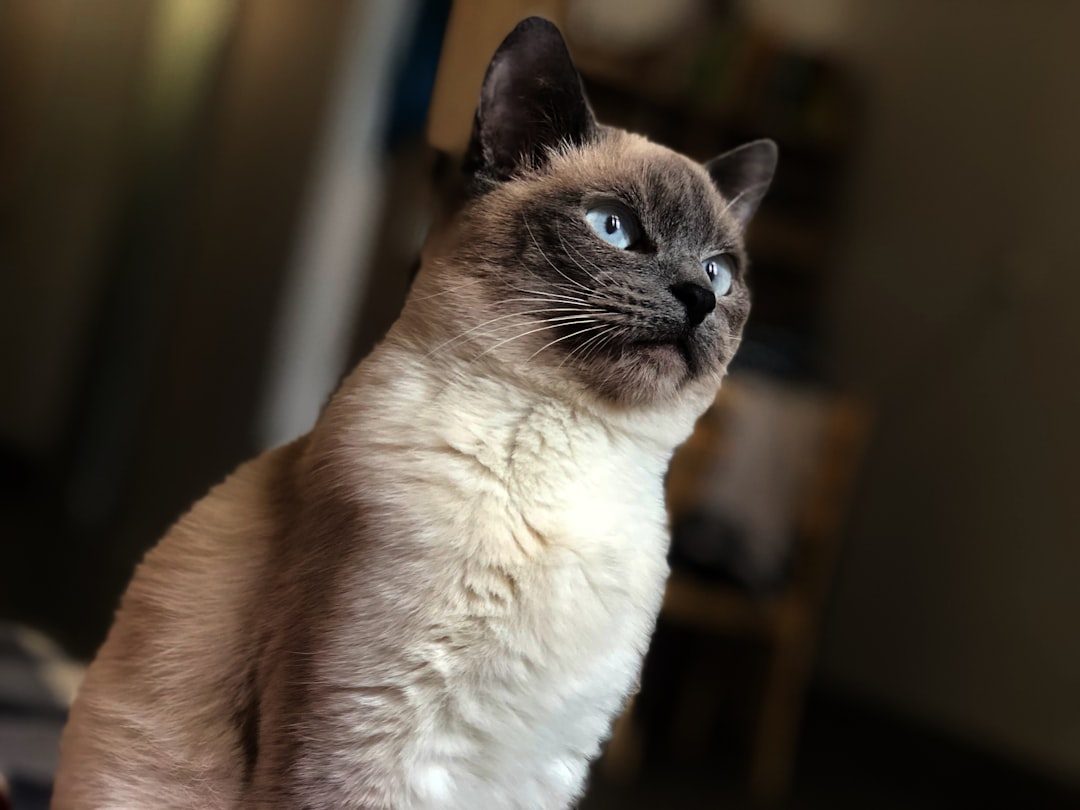
In our study, the most human social breeds were Siamese and Balinese, Burmese and Oriental, and the least social breeds were Persian and Exotic, European, American Curl and British. These breed differences aren’t coincidental; they reflect generations of selective breeding for specific temperament traits.
Large breed differences were observed in social behaviour. British Shorthair cats had the lowest tendency to seek human contact, whereas Korat and Devon Rex cats were the most likely to seek contact from people. The RagaMuffin for example, is known to love being with people, so will be happy to spend a lot of time with you, but the Russian Blue or Persian breeds are often happy with their own company.
Some breeds practically demand interaction. Abyssinians grow very attached to their owners and don’t like to be left alone. They need a lot of affection, attention, and active play. Meanwhile, Typically quiet and rather aloof, Persians dislike loud noises and enjoy lounging regally upon a cushion or a lap. Less active than other breeds, their shorter legs make them less inclined to jump and climb. Although they do enjoy the attention, they will not demand it. Persian cats are usually quite shy and reserved around strangers, but affectionate with people they know.
Environmental Factors That Influence Social Needs
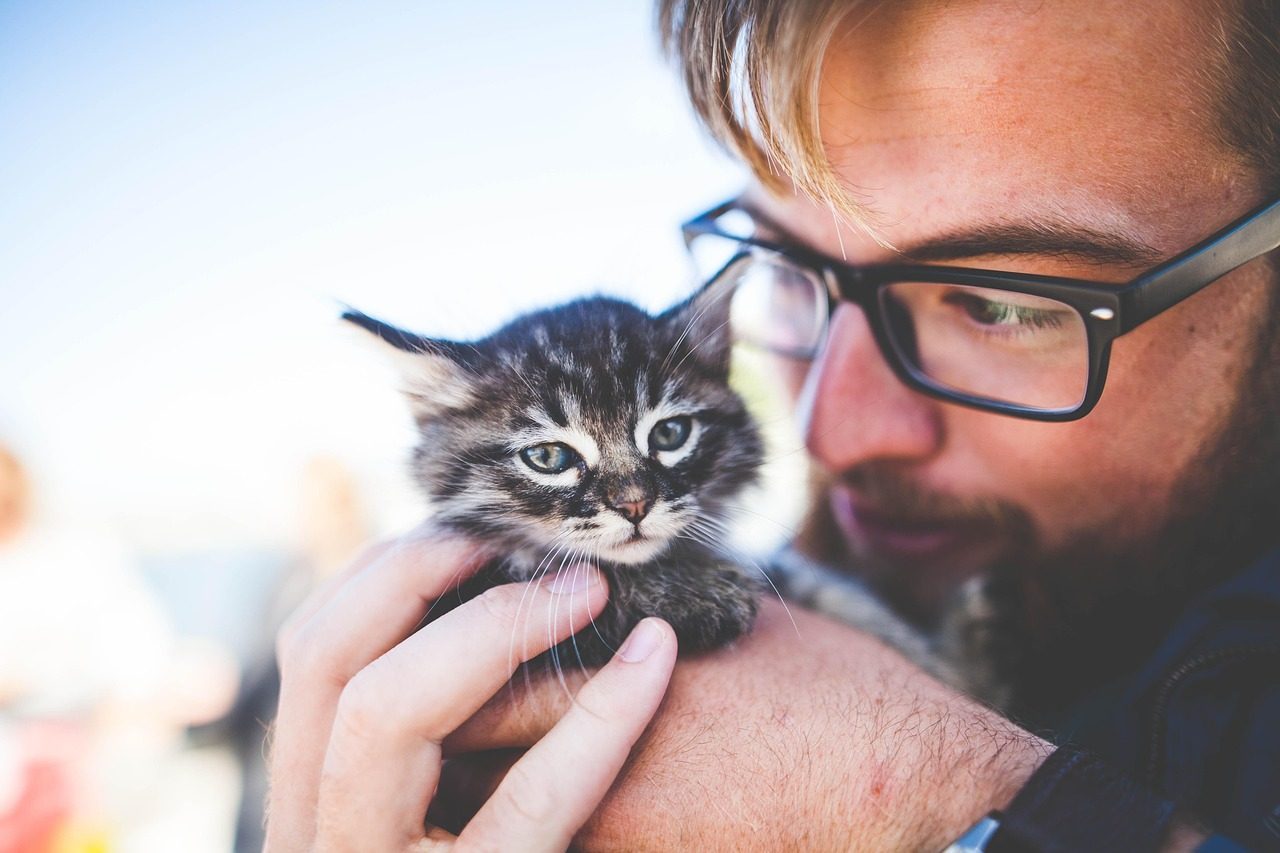
Socialization with other pets and humans during the early part of your cat’s life is a key factor in determining their personality. The first 12 weeks are crucial in raising a well-rounded cat, but socialization and upbringing can have a role in shaping your cat’s personality for up to 2 years.
Your cat’s current environment continues to shape their social behavior throughout their life. Those exposed to frequent disruptions, such as loud noises or inconsistent feeding schedules, may develop anxiety-driven behaviors like excessive hiding or compulsive grooming. Studies on feline stress responses indicate that environmental predictability influences cortisol levels, with cats in stable conditions displaying lower stress markers.
Creating an environment that respects your cat’s independence while providing opportunities for interaction is key to a healthy relationship. This balance varies dramatically between individual cats. Some thrive in bustling households with constant activity, while others need quiet, predictable routines to feel secure enough to engage socially.
Cats need your companionship and in fact, some will go through separation anxiety if left alone too often or for too long – something most people only associate with their canine counterparts. Even seemingly independent cats can develop emotional attachments and need appropriate social interaction.
The Spectrum of Feline Attachment Styles
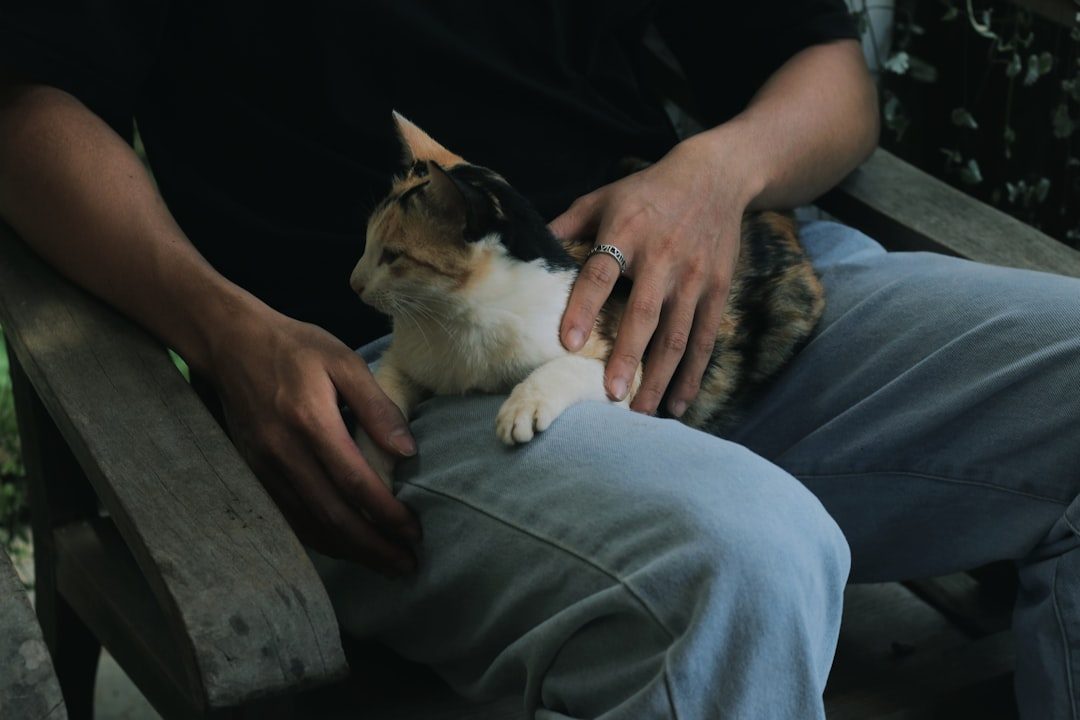
Co-dependent – the owner adores their cat, and the cat wants to be around the person as much as possible (over interacting with other people) Friendship – the owner is emotionally invested, and the cat wants to be around them, as well as others. This was confirmed in a survey undertaken by Prof Mills and his team at the University of Lincoln, who described 5 relationship types between cats and owners – indicating that whichever of the 5 relationships a person and kitty have, can depend on the level of emotional investment that person gives invests in their cat.
These relationship types explain why you might see such different behaviors between cats in the same household. Some cats form intensely bonded relationships with one person, following them everywhere and seeking constant interaction. Others maintain friendly but more casual relationships with all family members. Cats are semi-social, meaning they have the potential to be independent or to form genuine attachments with people and other pets. Often, your efforts will dictate whether your furry friend views you as its safe hub. Learning your pet’s personality is the most crucial step to ensuring successful bonding.
Another study involving both pet and shelter cats showed that cats, when given the choice, will choose socializing with people over food, toys, and scent. Food came second. This finding challenges the stereotype that cats only care about food and demonstrates that many cats genuinely prefer social interaction when offered the choice.
Understanding and Supporting Your Cat’s Social Needs
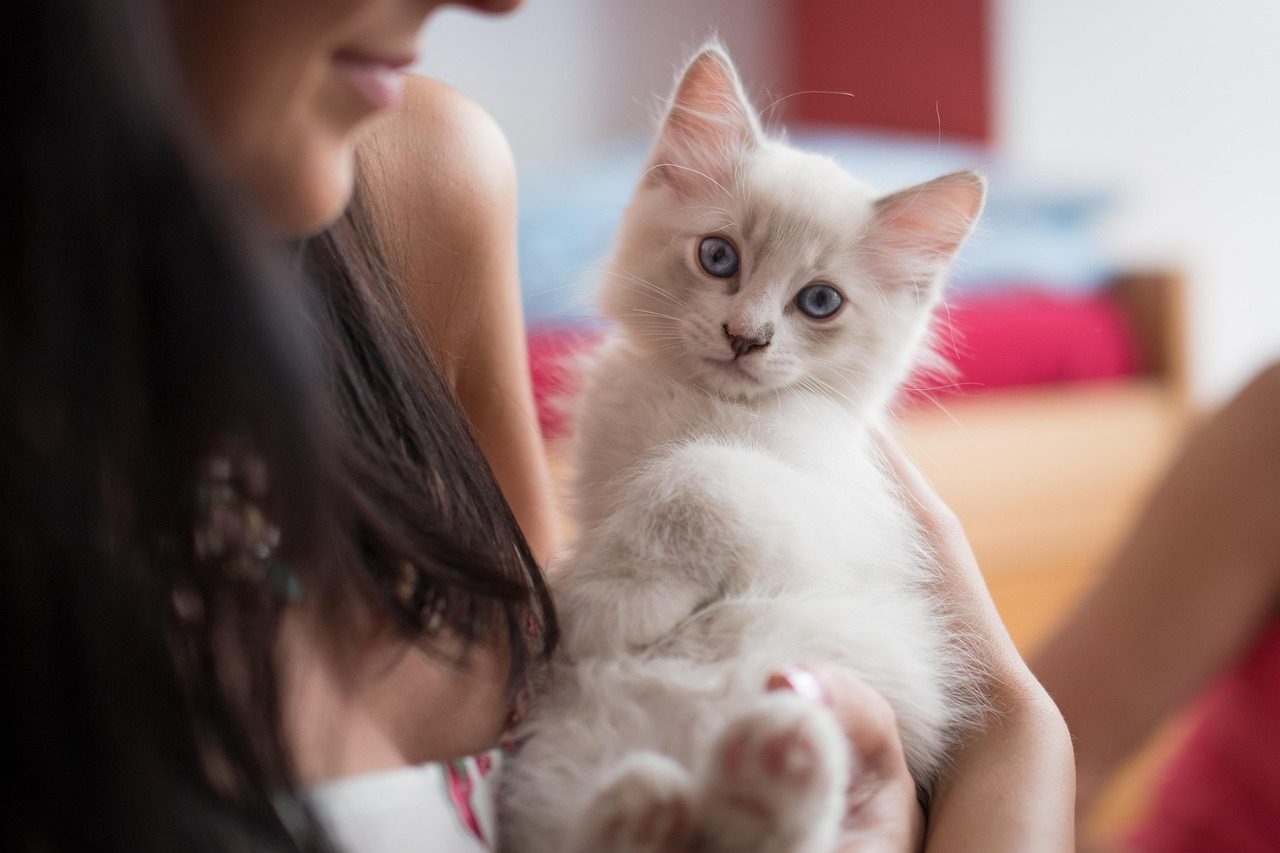
Cats show affection through subtle behaviors like slow blinking, purring, rubbing against you, following you between rooms, and choosing to sleep near you. These gestures are meaningful because they’re voluntary expressions of trust from an independent animal. Learning to recognize these subtle signs helps you understand your cat’s unique way of expressing their social needs.
Cats show affection in so many ways and you might even not notice some of the more subtle ones. Your cat doesn’t have to be a lap cat to be affectionate. He may enjoy sitting next to you or maybe even a several inches away but that doesn’t mean he’s not affectionate. Some cats express their social needs through proximity rather than physical contact.
Remember that respecting your cat’s independence doesn’t mean neglecting their need for attention and care. It’s about finding the right balance that works for both you and your feline companion. You can tell your furry friend cherishes the bond between you if they seek your attention and affection. They may do this by licking your face, rubbing against your legs, purring in your presence, and following you around. If you’re lucky and they perceive you as an essential source of comfort and security, they could even bring you gifts like toys, or a lizard caught outside.
Conclusion
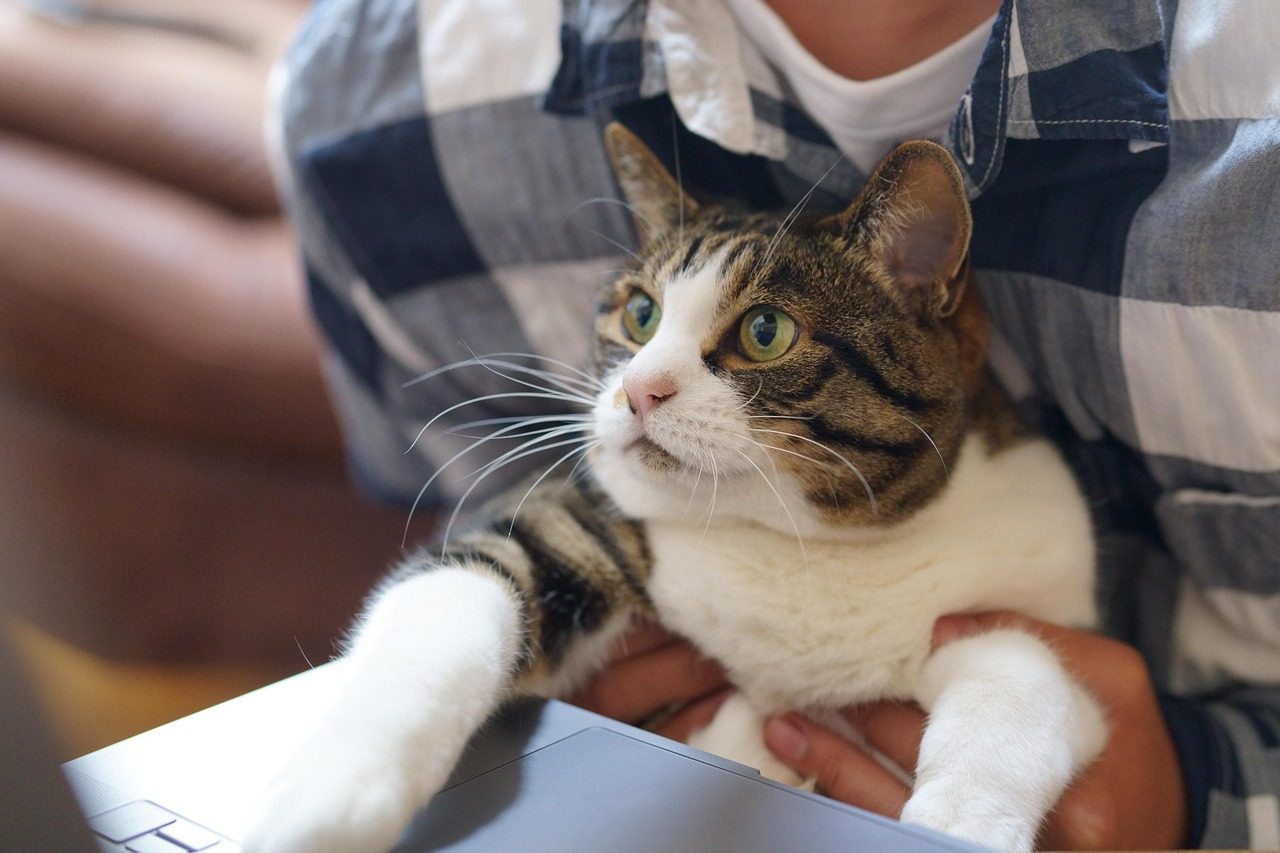
The remarkable diversity in feline social behavior reflects millions of years of evolution combined with individual genetic makeup and life experiences. Your cat’s preference for solitude or craving for attention isn’t a random quirk but a complex expression of their inherited traits, early socialization, breed characteristics, and ongoing environmental influences.
Whether you live with an attention-seeking shadow cat or an independent observer, understanding these underlying factors helps you appreciate and respect your feline companion’s unique personality. The key lies in recognizing that both extremes represent normal, healthy expressions of feline nature.
What fascinates you most about your own cat’s social personality? Have you noticed how their needs for attention change in different situations? Share your observations in the comments below!