You’ve seen it countless times. Your cat settles onto your lap, purrs softly, and starts pressing those little paws into your leg in a rhythmic, almost hypnotic motion. It’s adorable, slightly painful, and completely mysterious all at once. This behavior, affectionately called or making biscuits, is one of the most endearing things cats do. Yet so many of us wonder what drives this peculiar habit.
Let me be honest with you – this isn’t just a random quirk. When your cat kneads you, it’s actually a powerful sign of trust and affection, demonstrating that they feel safe and comfortable in your presence. It’s one of the purest forms of feline communication, rooted deep in their earliest memories. Let’s dive into the fascinating reasons behind this delightful behavior.
It All Starts with Kittenhood
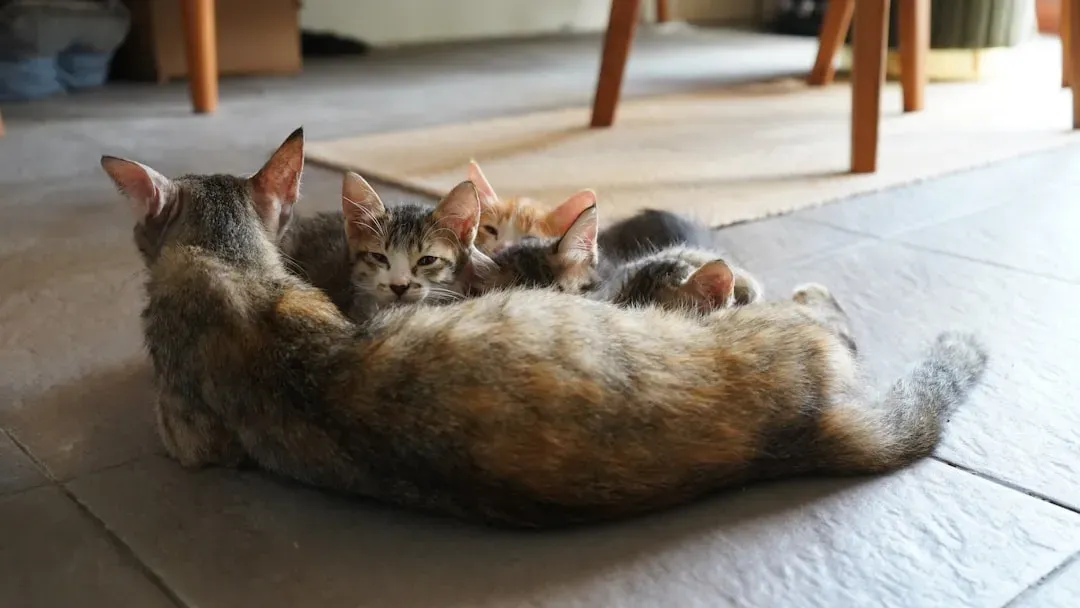
Kittens use a action to stimulate milk production from their mother cat when nursing. This instinctive behavior is vital for their survival. Picture a newborn kitten, eyes closed, instinctively pushing tiny paws against its mother’s belly to encourage the flow of milk. The kitten’s stimulates milk flow and may also release oxytocin, a social bonding hormone, in the mother.
This early experience creates a powerful association in the kitten’s brain. equals warmth, nourishment, and the comforting presence of mom. Because nursing and being around a mother cat’s calming pheromones encourages a sense of contentment in young kittens, many cats will continue to knead into adulthood to create a similar sense of calm and relaxation. It’s basically your cat’s way of time traveling back to those safe, cozy moments as a tiny ball of fluff.
A Profound Expression of Contentment
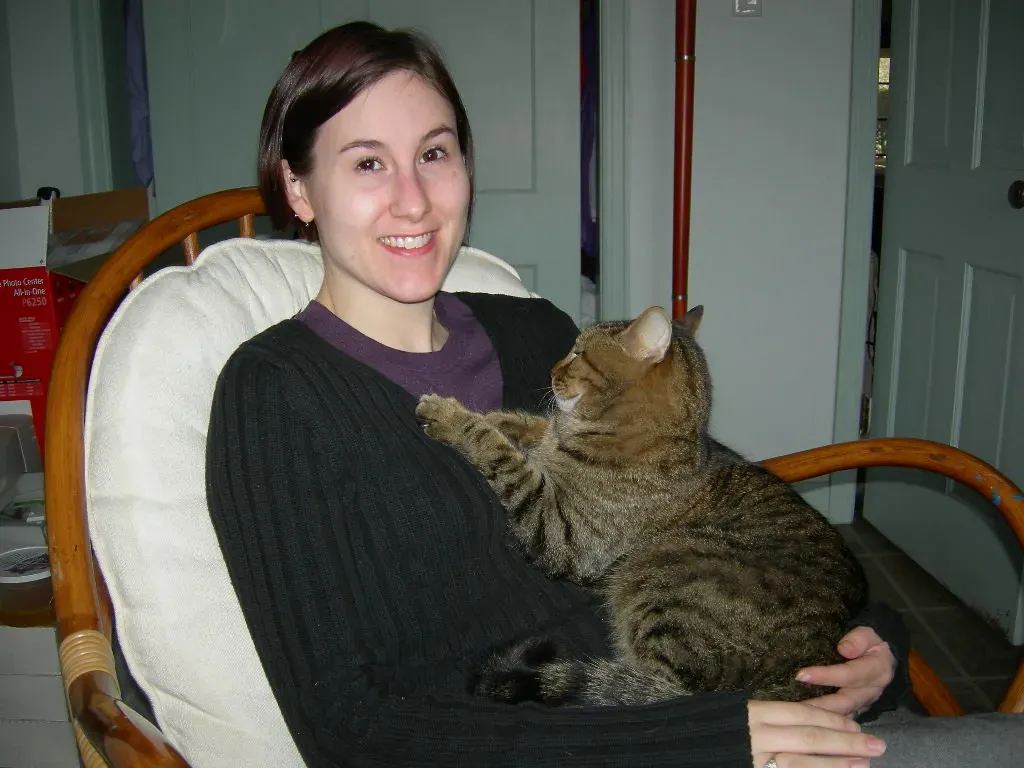
Here’s the thing – when your adult cat kneads, they’re essentially telling you they feel incredibly content. is often associated with feelings of contentment and relaxation in adult cats, commonly observed when they are in a state of comfort, such as when they’re settling down for a nap or enjoying affection from their human companions.
Think about it. Your cat chooses you, your lap, your favorite blanket. Adult cats’ connection with their earliest days might also help explain when and where they decide to knead – always on something soft and often on a favorite human or fellow pet in the household. You’re not just furniture to them. You represent safety, warmth, and love – everything their mother once meant to them. It’s hard to stay annoyed about the claw pricks when you realize what a compliment you’re receiving.
Marking You as Their Own
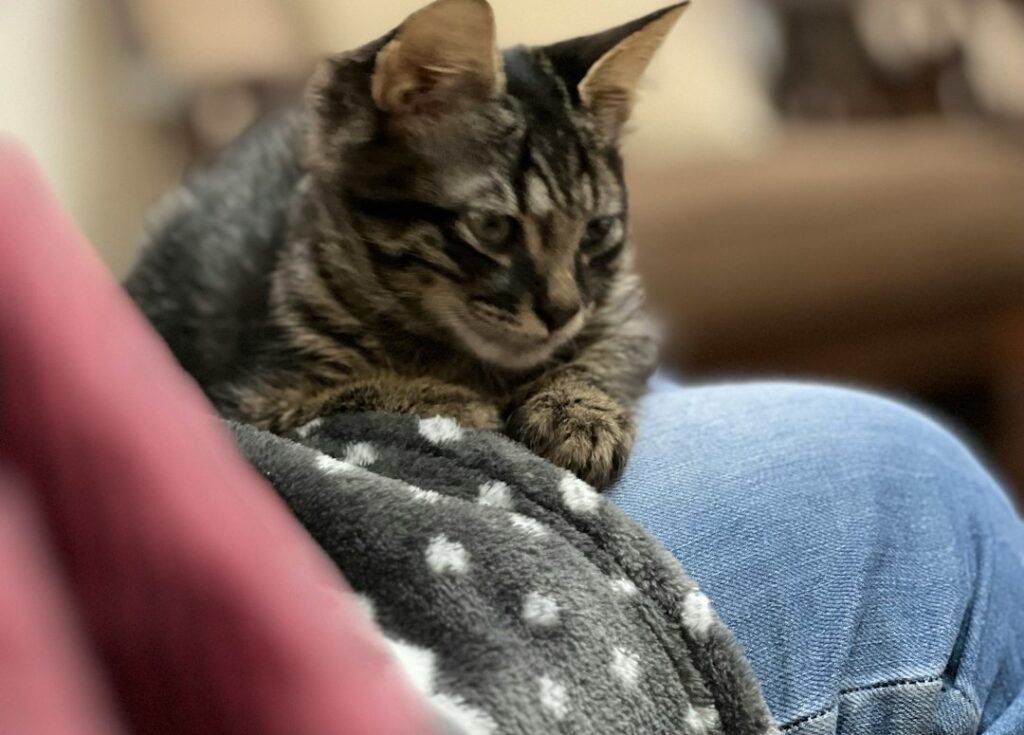
Cats are territorial creatures, no doubt about that. Your cat may knead to mark you with the pheromone glands in his paws, claiming you as his with his unique scent. Those adorable little paw pads contain scent glands that release pheromones invisible to us but crystal clear to other felines.
Cats have scent glands between their toes, and when they knead an object or a person, their scent is deposited onto that surface, allowing the cat to mark his territory should other cats come sniffing around for resources to claim. So basically, when your cat kneads you, they’re leaving their personal signature. You’re officially claimed. Congratulations – you belong to a cat now.
The Brain Chemistry Behind the Biscuits
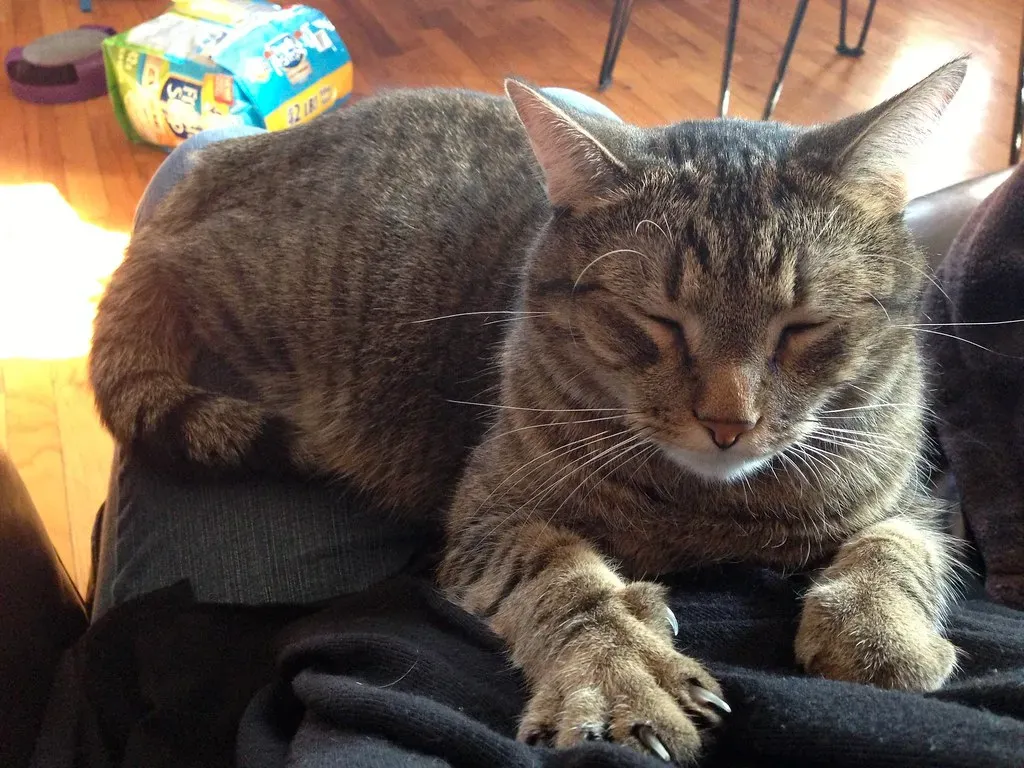
There’s actual science happening in your cat’s brain when they knead. The action of in cats causes the release of the pain-relieving, feel-good chemical dopamine in the brain. This neurochemical reward system explains why cats seem so blissfully zoned out during their sessions.
Adult cats knead to re-create the feel-good hormone release that occurs during nursing, and brings them comfort and helps them release tension and relax. It’s like their version of meditation or a stress ball. The rhythmic motion, combined with the dopamine release, creates a self-soothing loop that helps them manage anxiety and find calm in a chaotic world. Honestly, we could all use a coping mechanism that effective.
Preparing a Cozy Resting Spot
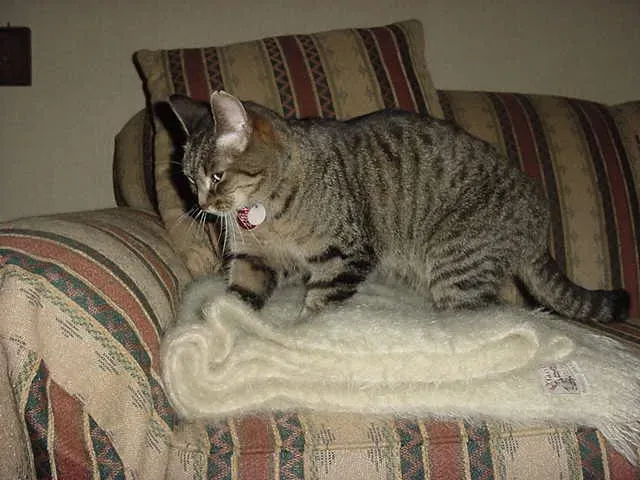
This behavior goes way back – like, way back. may have an origin going back to cats’ wild ancestors who had to tread down grass or foliage to make a temporary nest in which to rest. Before cats had plush beds and heated blankets, their ancestors needed to create comfortable sleeping spots in the wild.
Wild feline species will sometimes knead soft grasses and other bedding materials in their natural habitats as they prepare for rest. Your domestic cat is carrying on this ancient tradition. When they knead your blanket or favorite chair before settling in, they’re essentially fluffing their pillow. This form of may also be practiced by domestic cats on their beds, blankets, and other favorite sleeping spots.
Stretching and Physical Comfort
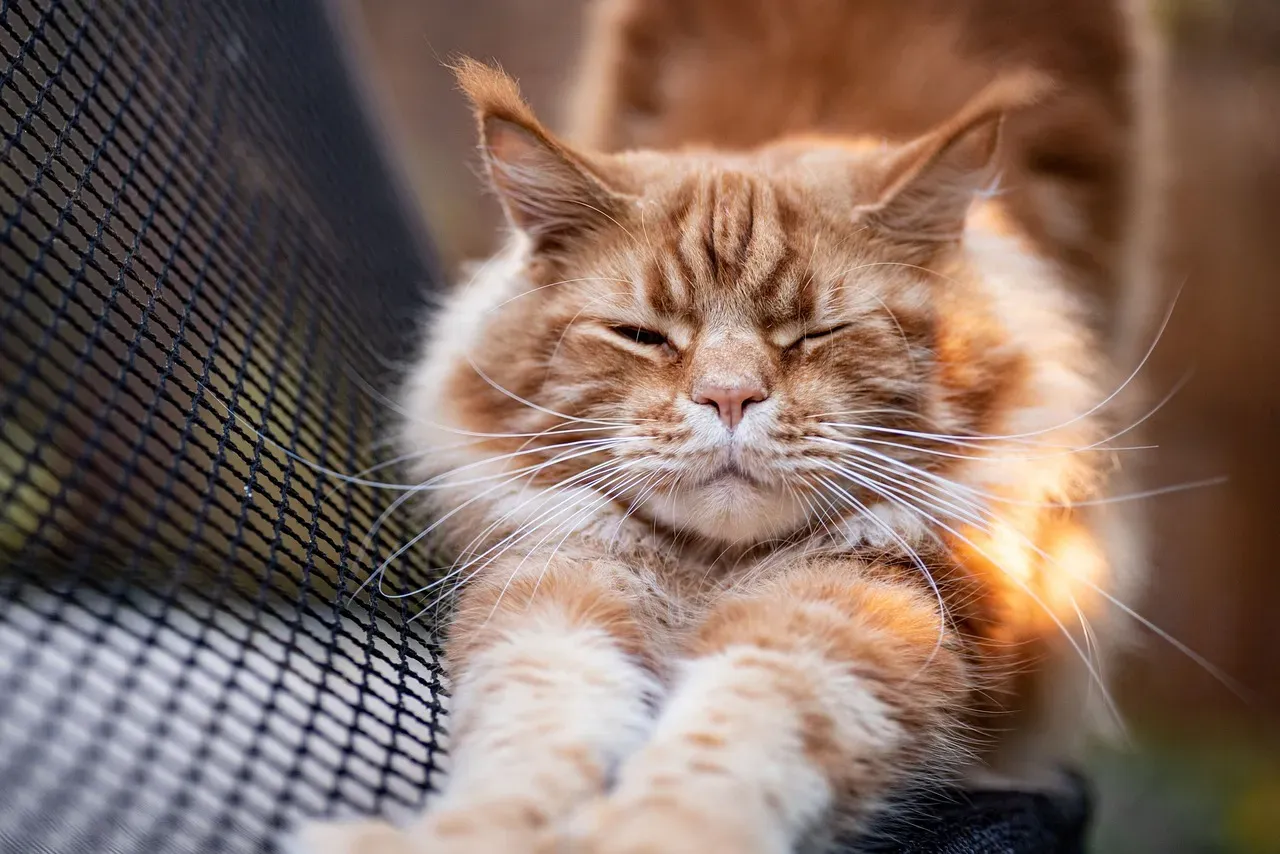
Let’s be real – feels good for cats physically, not just emotionally. Some experts theorize that cats knead to stretch their muscles and relieve tension in their limbs. The motion allows them to extend and flex their paw muscles, shoulders, and front legs in a gentle, repetitive way.
Some say that by , cats stretch and loosen their muscles, so they’ll be ready for whatever physical activities they’ll get into next. It’s basically feline yoga. Cats are athletes at heart – they need to keep those muscles limber for all the jumping, climbing, and sudden three a.m. zoomies. The rhythmic pushing and pulling motion keeps their joints flexible and their circulation flowing.
Sometimes It Means More Attention Is Needed
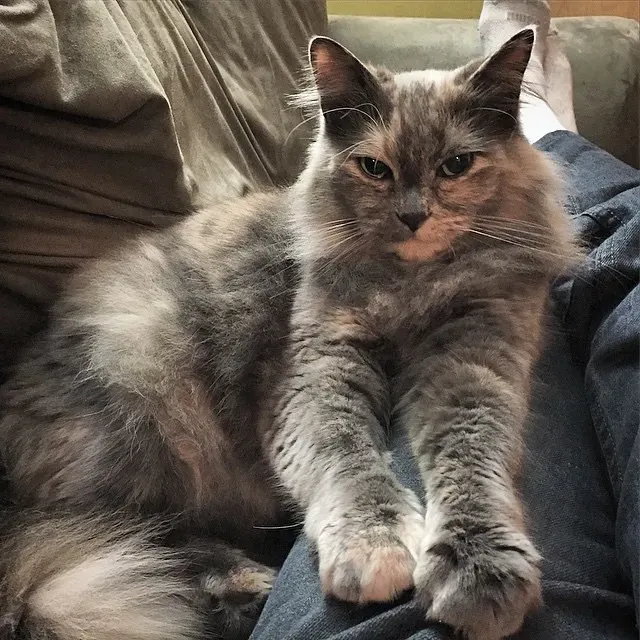
While is usually a sign of happiness, you should pay attention to changes in the behavior. Increased or excessive can be a sign that your cat is uncomfortable or anxious, and his could be an attempt to soothe himself. If your typically moderate kneader suddenly becomes obsessive about it, something might be wrong.
If your cat kneads excessively or suddenly kneads less than usual, it could mean that they don’t feel well, because is a comforting action and cats who feel stressed or are experiencing pain may knead to soothe themselves. Keep an eye on patterns. Dramatic changes in frequency could warrant a vet visit. It’s always better to be safe than sorry when it comes to your furry friend’s wellbeing.
Managing the Sharp Reality of
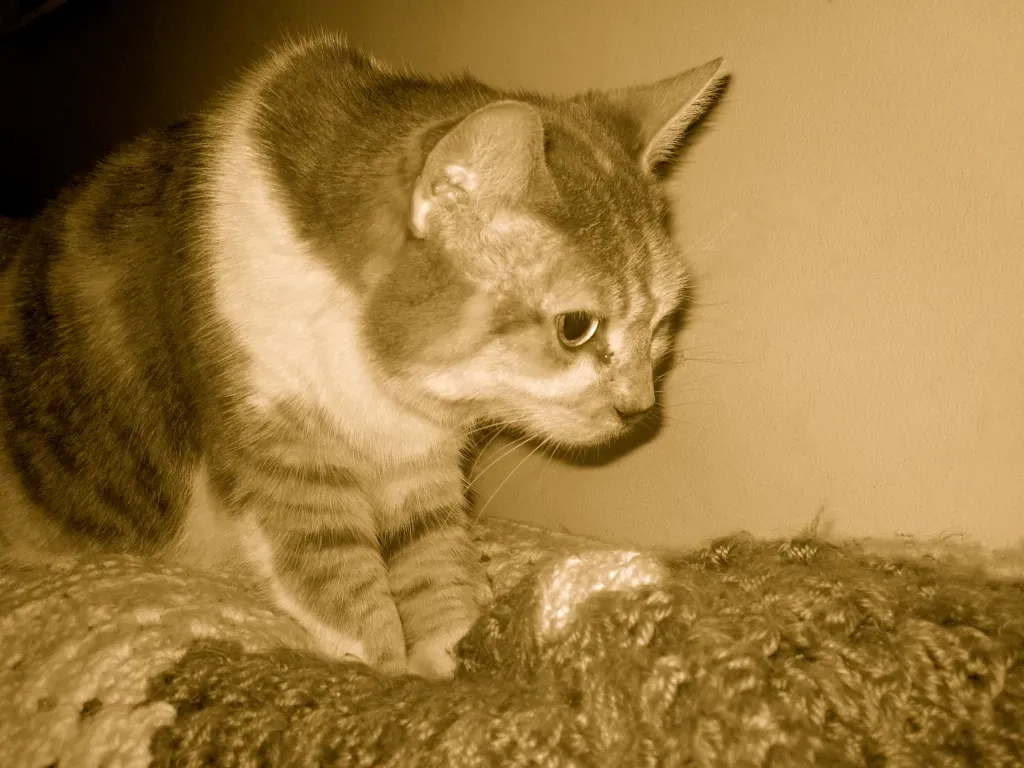
Look, we love our cats, but those claws can be brutal. The good news is you don’t have to suffer in silence to let your cat express their affection. Rather than preventing your cat from , you can redirect their behavior to an appropriate location by choosing a thick, plush blanket and designating it as your cat’s surface.
Because of ‘s positive associations and innate nature, it’s important to avoid punishing the behavior – even if your cat’s claws are occasionally painful – and you can strive to keep those claws trimmed and consider grabbing a plush blanket or pillow to protect yourself. Regular nail trims make a world of difference. You can also gently redirect your cat to a designated blanket when they start up on your bare skin. Never yell at or punish your cat for – they’re showing you love in the only way they know how.
Conclusion
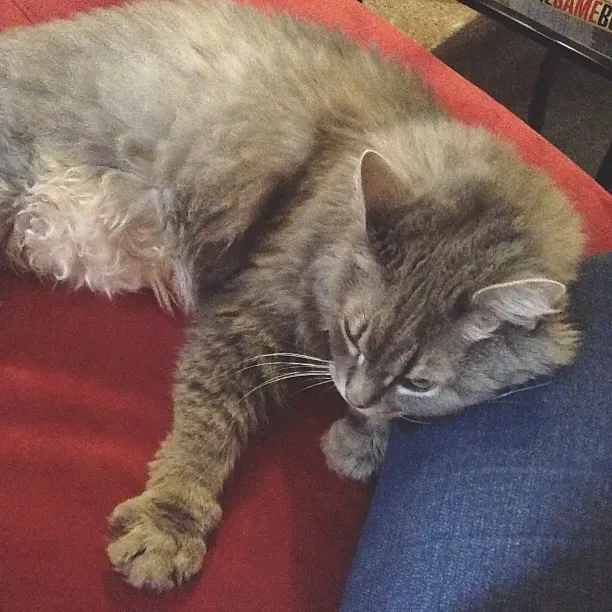
When your cat kneads you, it is a powerful sign of affection and trust, and by sharing a behavior rooted in their earliest life stages, your cat signals a strong bond and emotional connection. This simple act connects your adult cat to their kittenhood, their wild ancestors, and their deep attachment to you. It’s communication, comfort, territory marking, and physical exercise all rolled into one adorable package.
Feline experts agree that is completely normal, and allowing your cat to express their instinctual behaviors in a healthy and non-destructive way can help keep them happy and content. So the next time your cat starts making biscuits on your lap, take a moment to appreciate what’s really happening. You’re being told, in no uncertain terms, that you are loved, trusted, and claimed.
What do you think about your cat’s habits now that you know what they really mean?