You wake up, shuffle to the kitchen for your morning coffee, and almost step on a dead mouse left perfectly in the center of the floor. Your cat sits nearby, looking enormously proud of itself. Sound familiar? If you share your home with a feline, this scene is probably not as shocking as it once was. Still, it leaves most of us wondering: what on earth is going on inside that fuzzy little head?
This behavior is far more layered than it looks. It connects ancient evolutionary wiring, complex social bonds, and a cat’s very own love language – one that just happens to involve deceased rodents. So let’s get into it.
Your Cat Is a Born Hunter, Whether You Like It or Not
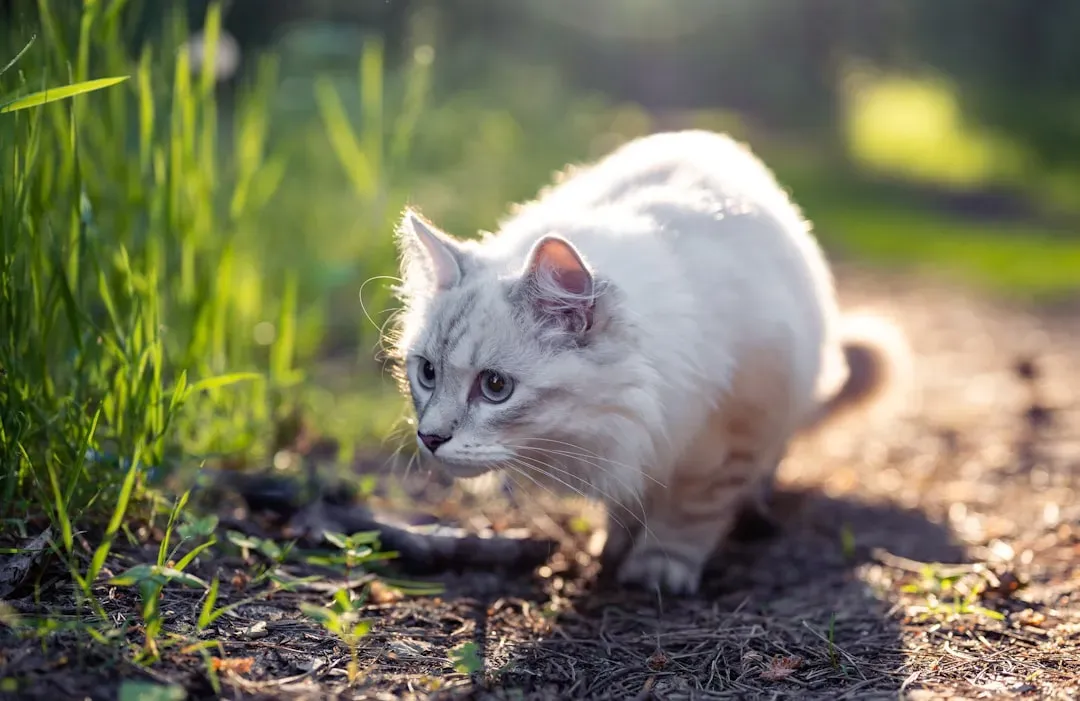
Here’s the thing: you might think of your cat as a pampered couch companion, but underneath all that softness is a precision-built predator. Though cats were first domesticated nearly 10,000 years ago, house cats retain the keen hunting instincts of their wild ancestors, and almost every inch of a cat is designed to hunt and kill prey. We’re talking about retractable claws, ultra-sensitive whiskers, and hearing that is frankly embarrassing compared to ours.
Along with the urge to procreate and defend their territory, the hunting instinct is one of the most distinctive behavioral patterns in cats, and the desire to hunt is not governed by hormones – it does not diminish after neutering. So don’t for a second think that getting your cat spayed or neutered will stop this. The drive runs deeper than that, straight into the genetic code.
A Full Food Bowl Doesn’t Switch Off the Instinct
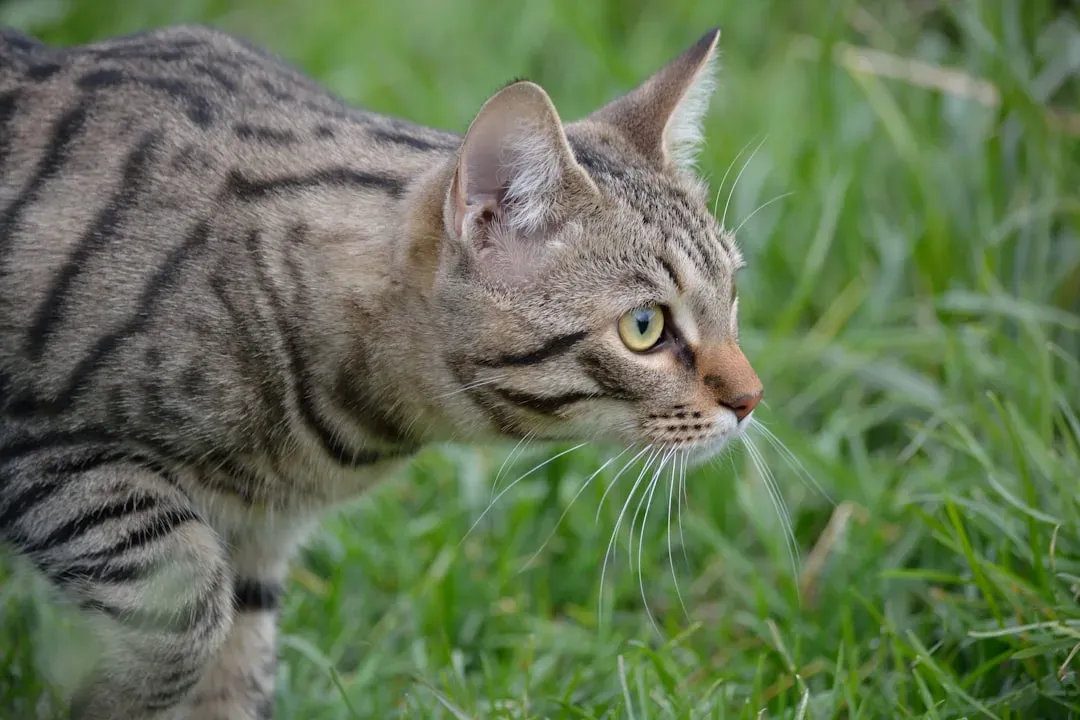
One of the most common questions cat owners ask is, “Why is my cat hunting? I just fed them!” Honestly, it’s a fair reaction. You fill the bowl, your cat eats, and then goes out and catches something anyway. Even if cats that are fed hunt less than those who have to hunt to survive, the feeling of being full and well fed does not cause a cat to give up hunting altogether.
Cats have learned to be opportunistic feeders, meaning they change their activity patterns depending on food availability, and if the opportunity to hunt presents itself, they’ll do so regardless of whether they’re hungry or not at the time. Think of it like someone who just ate a full dinner but still can’t resist a piece of cake when it’s right there. The temptation is biological, not logical.
The Maternal Instinct Behind the ‘Gift’
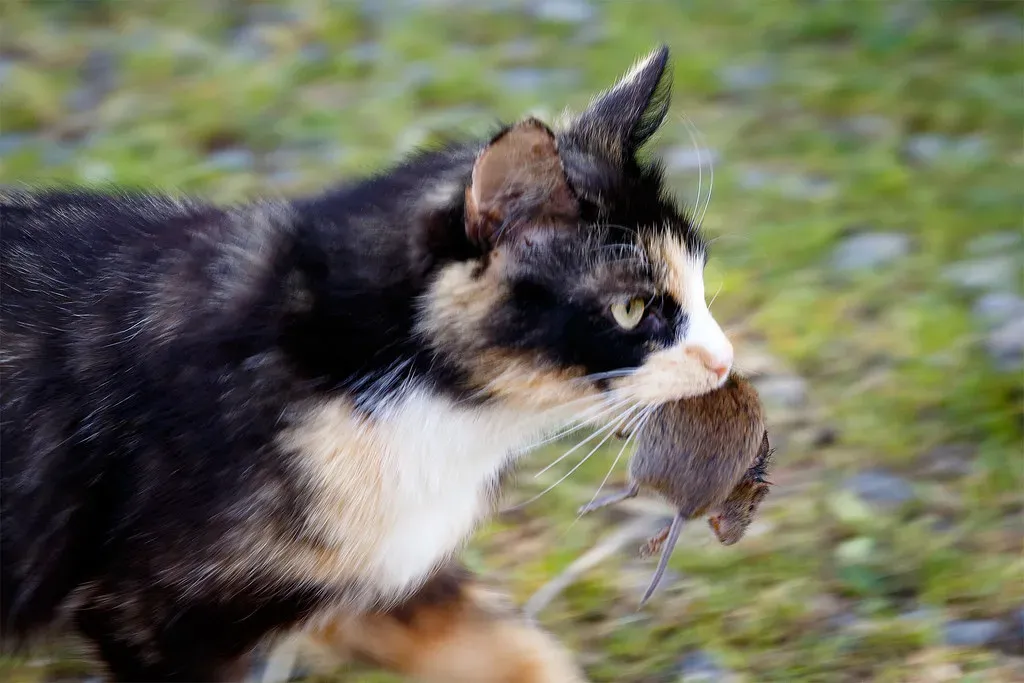
This is the explanation that genuinely gets me every time. The main hypothesis is that this behavior is maternal: in the wild, mother cats go out and hunt and then bring the food back for their kittens, which not only feeds the young cats but also provides something for them to play with and practice how to hunt. It’s a survival curriculum, delivered in mouse form.
The majority of domestic cats are neutered and so won’t provide for their young, so they may transfer these instincts to their owners instead. When you think about it that way, the dead bird on your pillow is, in the most literal sense, your cat trying to take care of you. It’s alarming and oddly touching at the same time.
You Are Family – And Your Cat Wants to Provide for You
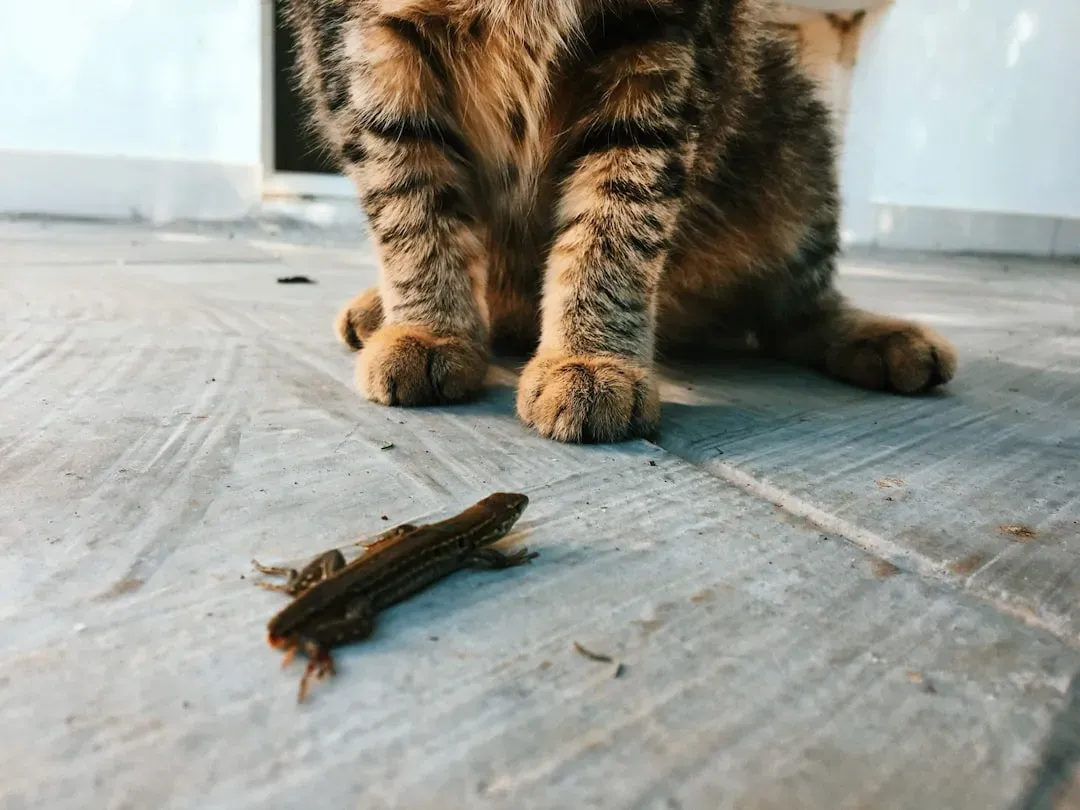
When a cat brings a gift to its owner, it shows that it sees its owner as a part of its “family” and is attempting to provide for them. Cats are not typically described as pack animals, but they do form genuine social bonds, and those bonds carry real behavioral meaning. When your cat drops prey at your feet, it is essentially including you in its inner circle.
For cats, presenting a toy or prey to you may carry significant meaning: they’re showing that you’re part of their family, they trust you, and they feel safe with you, and by offering a prized possession, they’re saying you matter. Not exactly a Hallmark card moment, but in the feline world, this is about as sincere as it gets.
Your Cat Might Think You’re a Terrible Hunter
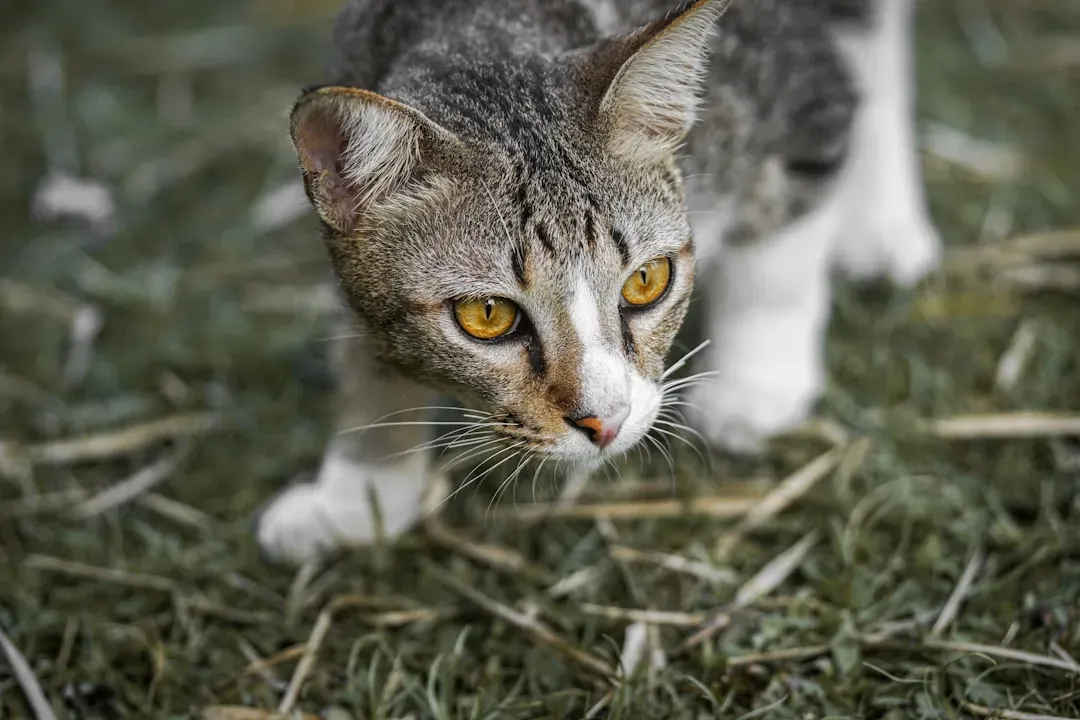
Let’s be real, this one is a little humbling. One theory suggests that cats with no young still naturally want to pass on their hunting skills, and since you are their family and clearly a very poor hunter from a cat’s point of view, they may be trying to help train you to provide for yourself. Your cat has essentially assessed your survival skills and found them lacking.
As part of their social group, domestic cats may bring toys, insects, or small objects to the humans they bond with, treating them as “kin” and sharing a “catch” to help them learn. So the next time your cat drops a lizard at your feet, try not to scream. You’re being enrolled in a hunting class. Show some respect.
It Is Also About Attention and Bonding
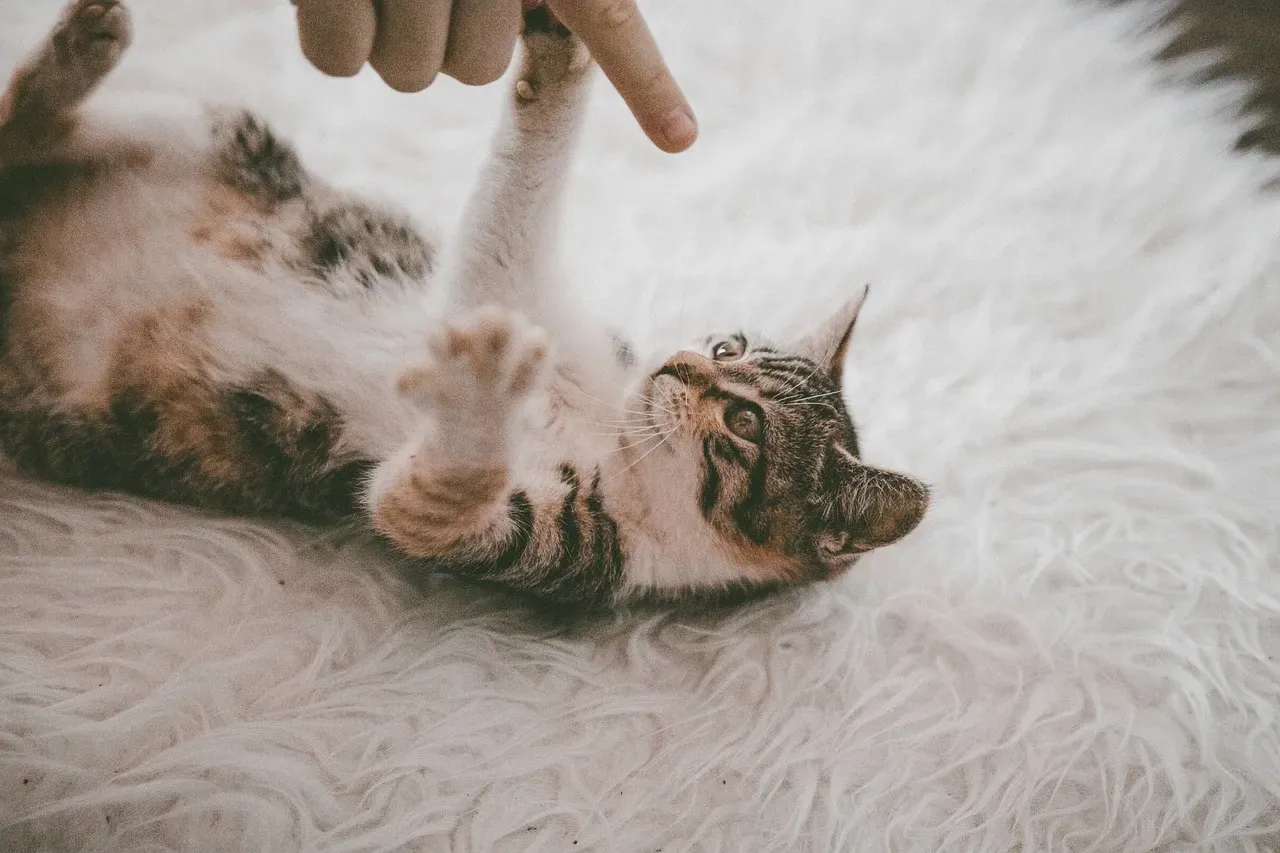
Sometimes the gift isn’t really about the prey at all. It’s about connection. Because cats will often play with their prey before eating it, a cat might bring you dead animals or toys to engage in a play session with you, and gift-giving might be a kind of attention-seeking and bond-building behavior. In other words, your cat wants to hang out, and this is its way of suggesting an activity.
Bringing toys to their owners is one way that cats communicate their desire for attention and affection, and by bringing toys, cats are seeking interaction and playtime with their owners – a behavior especially common in cats that do not receive enough attention or playtime. Think of it like a dog dropping a ball at your feet, just with considerably more drama and a higher chance of something being dead.
Indoor Cats Do It Too – With Toys
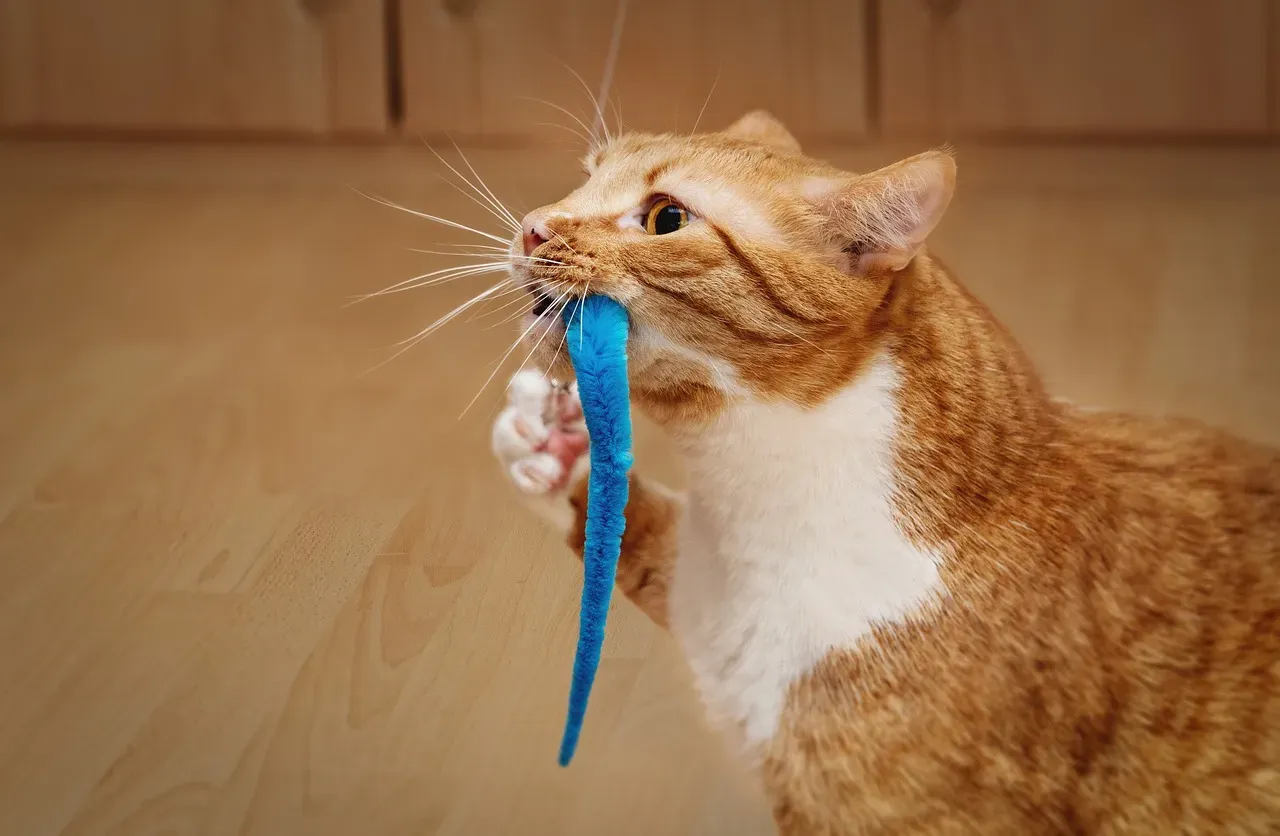
You might be thinking, “Well, my cat never goes outside, so this doesn’t apply.” Not so fast. Indoor cats hunt too, but their prey is toy mice or balls, which your cat may deliver to you as a gift, even though the toys can’t be eaten. The behavior is identical, the motivation is identical – the only difference is the object being presented.
When your cat picks up a toy and brings it to you, they may be reenacting the ancient hunting ritual: catch, capture, deliver, and by treating that toy as “prey” and presenting it to you, your cat could be offering a symbolic trophy, a sign of success and skill shared as a gift to someone they trust. It’s genuinely sweet when you look past the absurdity of a cat triumphantly parading a crinkle ball across the room at 2 a.m.
The Real Risks You Should Know About
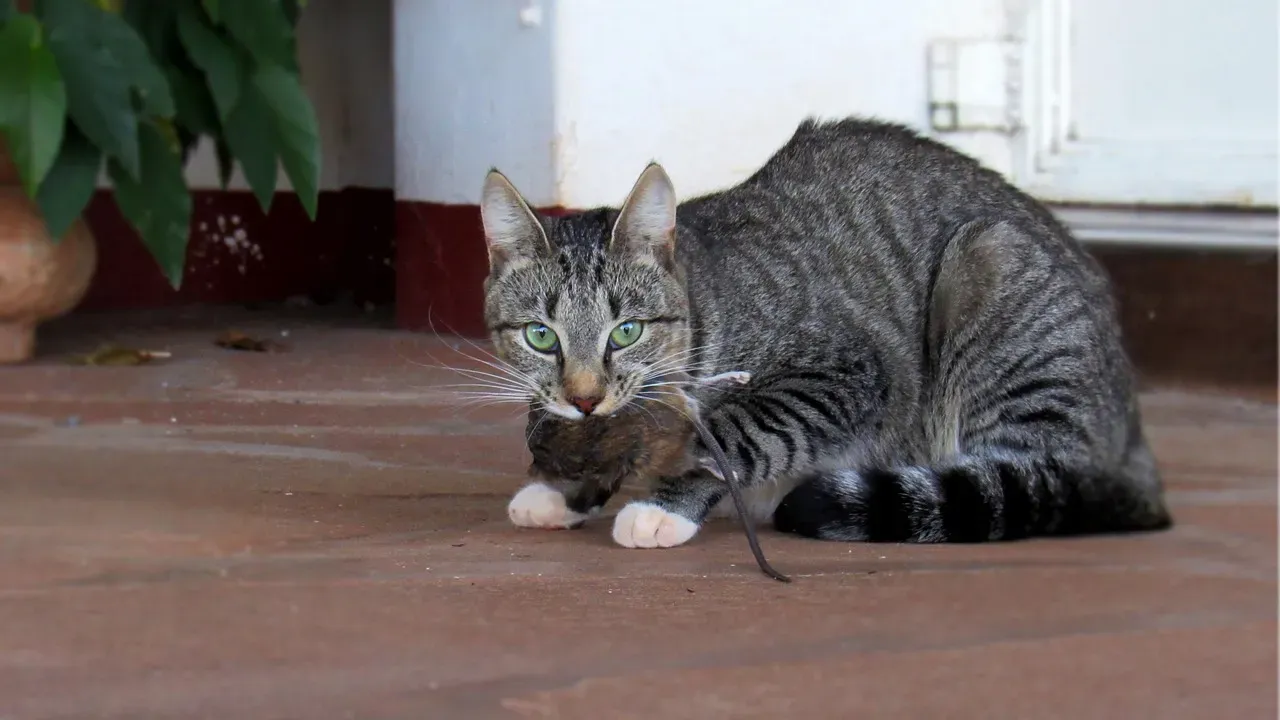
Here’s where things get a little more serious. While the gift-giving itself is emotionally harmless, the actual prey your outdoor cat brings in can pose real health concerns. Small rodents, such as mice or rats, that your cat might put in their mouth can carry parasites like tapeworms or might have ingested rodenticide poisons, both of which can make your cat sick. That’s a major problem if your cat is a frequent hunter.
Other diseases like the plague, leptospirosis, and hantavirus are transmitted by rodents, either to cats or directly to humans if the rodent is brought into the home by your cat. It’s hard to say for sure how often this leads to serious illness, but the risk is real enough that wearing gloves when disposing of any prey your cat brings home is genuinely the smart move. Your cat meant well. Your immune system, however, doesn’t care about intentions.
What You Can Do About It
The good news is that you don’t have to just accept an endless parade of dead things on your doorstep. The key is redirection, not punishment. You should never punish your cat for hunting, as they’re only expressing their natural instincts. Punishing instinct is like getting angry at someone for blinking. It doesn’t work and it damages trust.
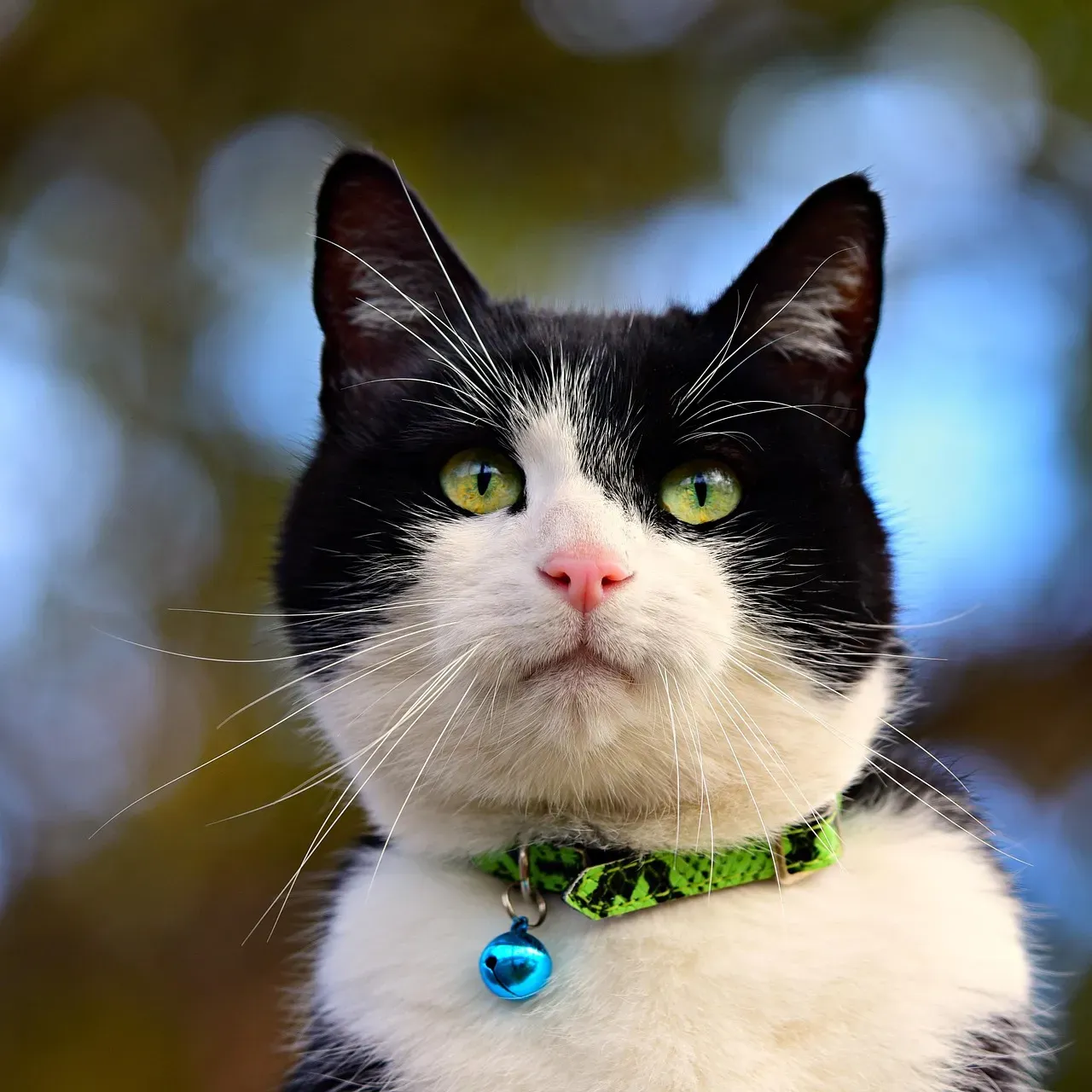
You can prevent your cat from going outside in the first place, especially at dawn and dusk when prey animals are foraging, and if your cat craves outside time, consider a secure catio. You can also put a bell on your cat’s collar so that potential prey animals hear them coming, which will reduce their hunting success. Additionally, providing interactive toys and regular play sessions can help satisfy their hunting drive while strengthening your bond in a more controlled way. That’s a win-win by any measure.
Conclusion: The Weirdest Love Letter You’ll Ever Receive
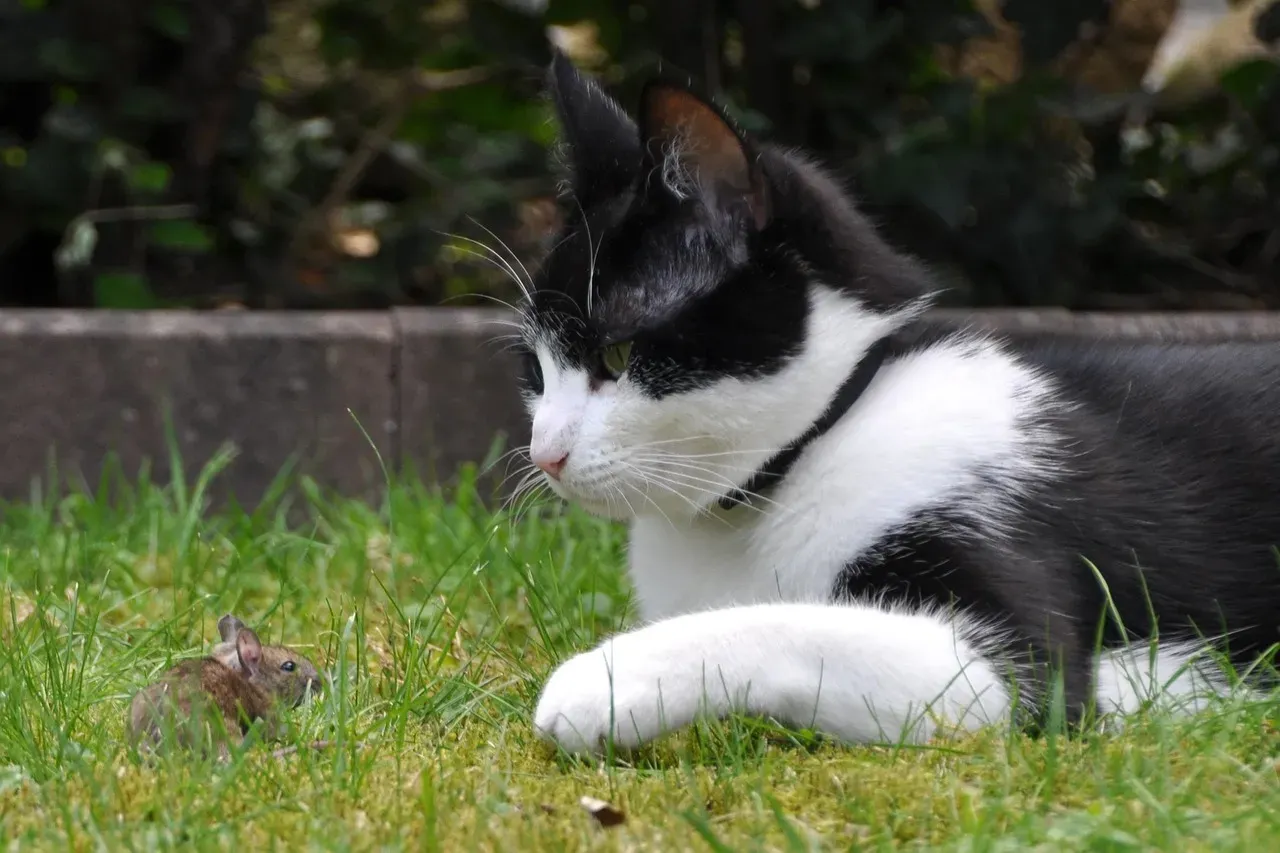
When you step back and look at the full picture, your cat’s gift-giving habit is actually one of the most honest expressions of connection in the animal world. This gift-giving behavior is as instinctual for cats as scratching, grooming, or kneading, and it’s actually a positive indicator of how they feel about you. It’s rooted in millions of years of evolutionary history, shaped by maternal instinct, social bonding, and a genuine desire to include you in their world.
Far from being random or purely utilitarian, this act of gifting can strengthen the emotional bond between you and your cat, and what feels like a strange performance is actually a profound expression of trust and attachment. So the next time your cat proudly deposits something unspeakable at your feet, take a breath. Say thank you. Then put on some gloves.
Your cat isn’t being morbid or strange. It’s saying “I love you” in the only language it truly knows. What’s the most unusual “gift” your cat has ever brought you? Drop it in the comments – you might be surprised how many people have the same story.