You let them sleep on your pillow. You rearrange your schedule around their feeding times. You apologize when you accidentally disturb their nap. Sound familiar? If you live with a cat, there’s a very real chance you’ve started to suspect that you are, in fact, not the one running the household.
It turns out your suspicion isn’t too far off. The curious, maddening, endlessly fascinating behavior of domestic cats isn’t random at all. There’s deep science, ancient instinct, and some surprisingly clever psychology at work behind that slow, judgmental blink your cat just gave you. Curious about what’s really going on inside that fluffy little head? Let’s dive in.
Your Home Is Not Your Home – It’s Their Kingdom
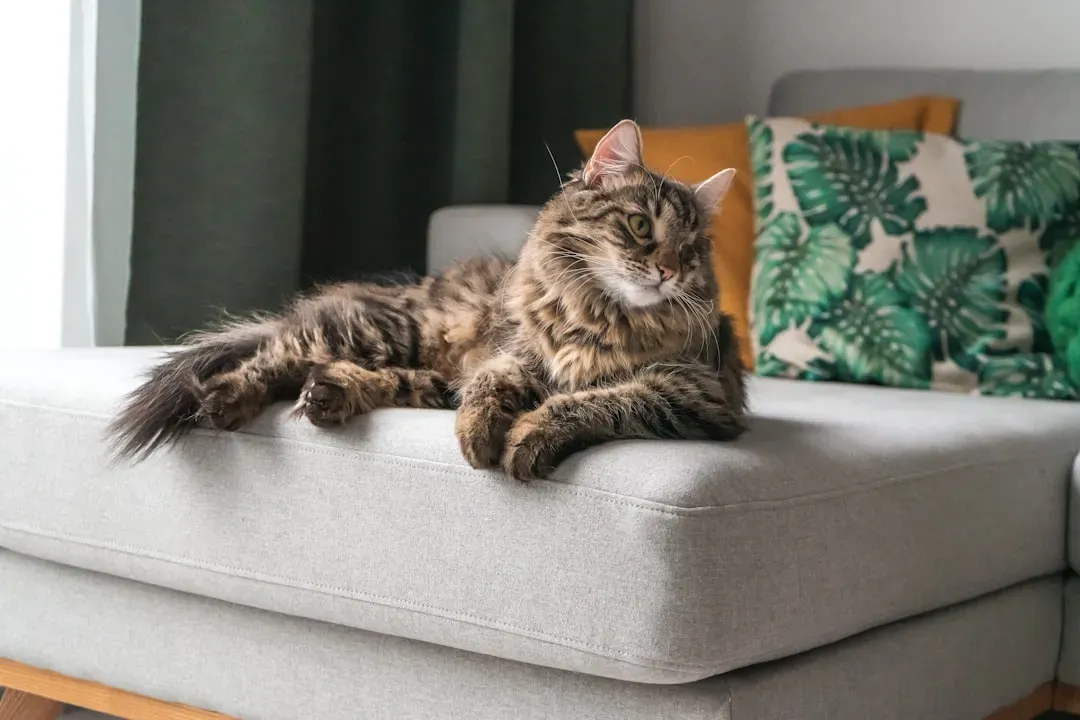
Here’s the thing most cat owners don’t fully grasp: the moment your cat walked through your front door, they started a systematic takeover of the space. Cats are territorial creatures, and in the wild, a cat’s survival depends on securing a safe space free from threats. When you bring a cat into your home, they immediately see it as their own territory – not yours. That’s not cute. That’s a hostile annexation of real estate.
Control is deeply significant to cats as a species. Cats feel happiest with free access to do and go wherever they want. Think of it like this: your cat isn’t sharing your home with you. You’re renting space in theirs, and the landlord has very specific rules. Every piece of furniture, every sunny patch on the floor, every warm corner belongs to them first.
The Territorial Marking: What Your Cat Is Actually Saying
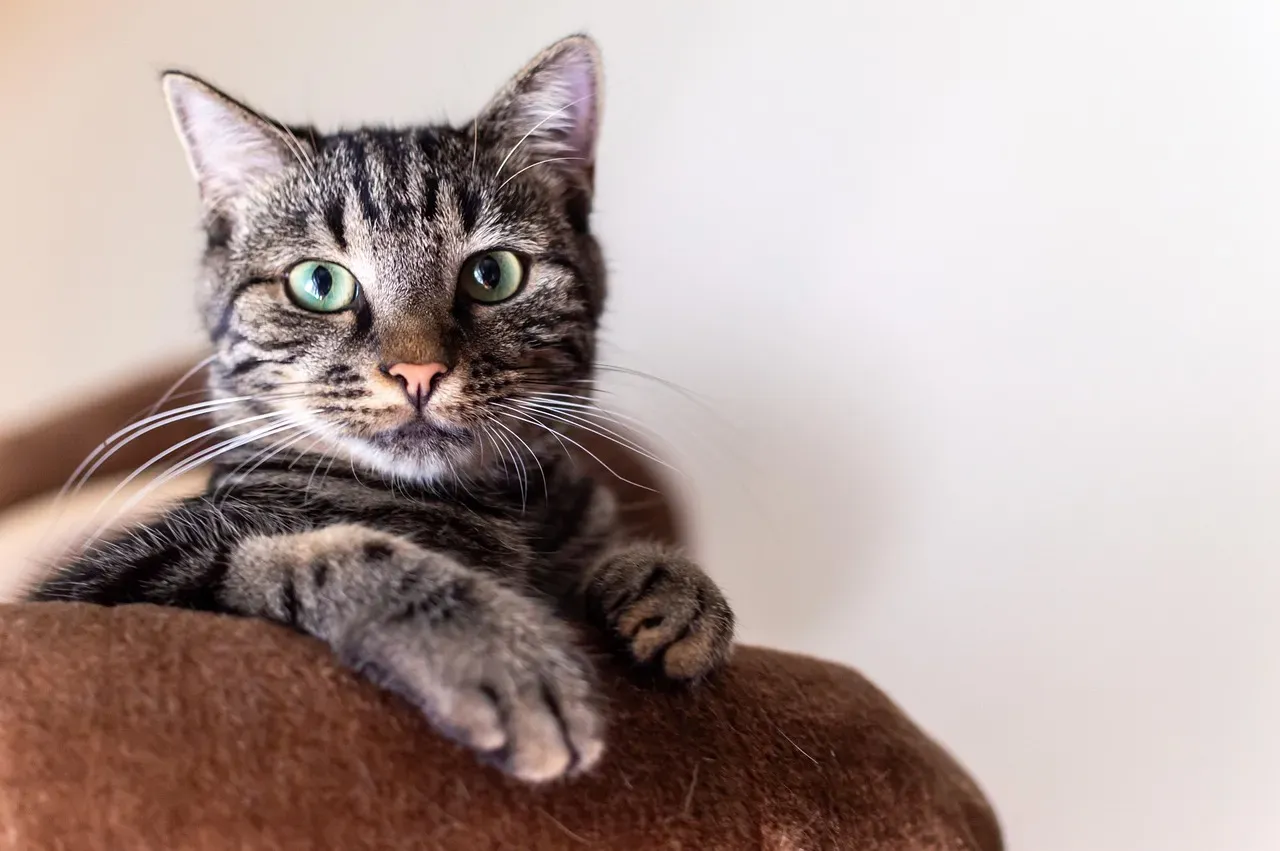
When your cat rubs their face on furniture – or on you – they are marking their territory with scent glands on their face, subtly saying: “This is mine now.” It feels like affection, and honestly, it sort of is. Think of it as a feline stamp of approval. You’ve been claimed.
Cats use scent marking as a vital form of communication to establish their dominance over their surroundings. It’s not just about the physical act of scratching – the location and frequency matter too. Cats often choose specific spots to scratch, like the base of doors or corners, to maximize visibility. This strategic placement sends a message: “I’ve claimed this territory as mine.” So yes, that couch they destroyed? It was deliberate. And somehow, deeply logical.
The “Overlord” Behavior Is Rooted in Survival Instinct
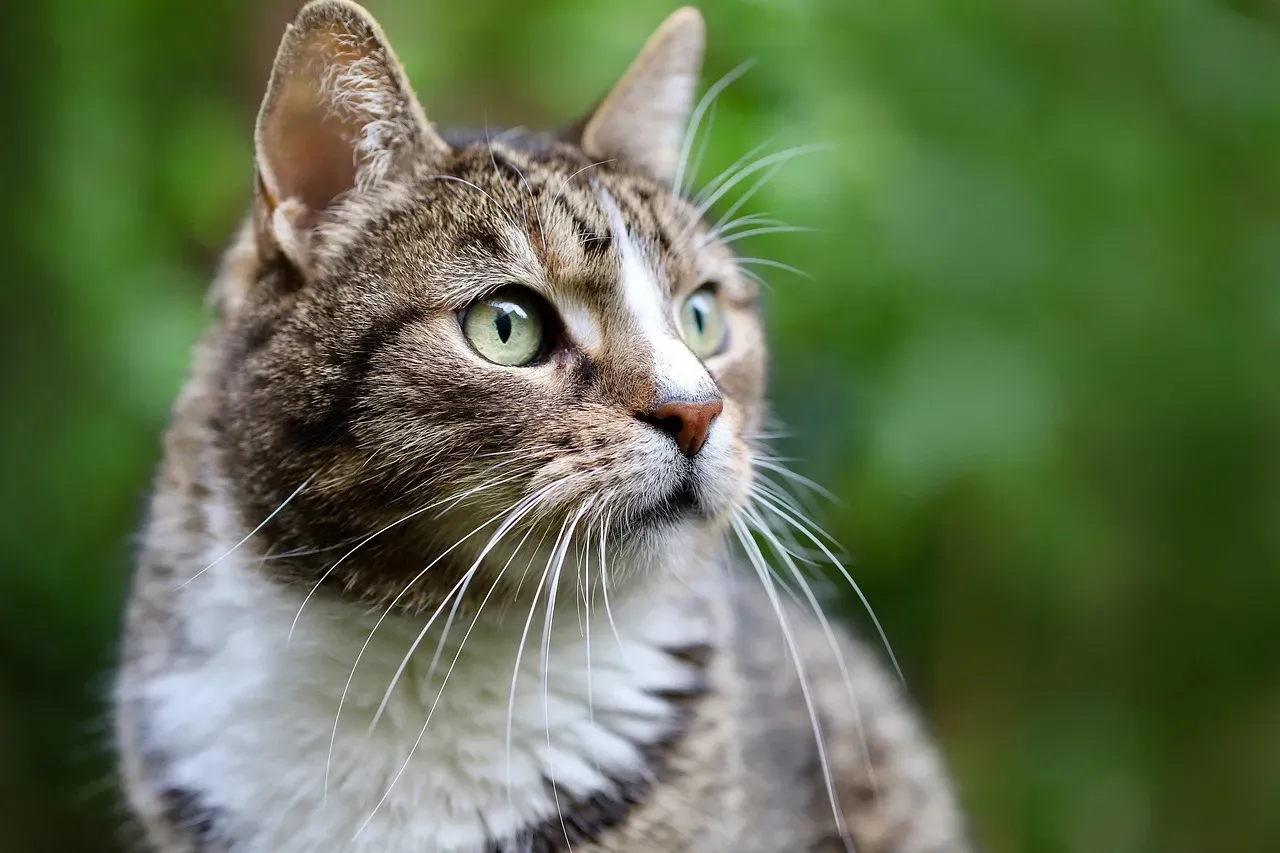
Cats are essentially a solitary, territorial species. Without the support of a pack or a group, it is of paramount importance for them to have a safe, predictable environment. What might appear to humans as a “controlling” attitude is simply an expression of their natural instincts. When your cat acts like the ruler of the household, they’re not being dramatic. They’re just being a cat, in the most honest, primal sense of the word.
Unlike dogs, who are pack animals and crave constant approval, cats evolved as solitary hunters. This means they don’t have the same social dependency as dogs, which is why they can sometimes seem aloof or uninterested. It’s a fascinating contrast. Your dog worships you. Your cat respects you – when the conditions are right and they feel like it. Honestly, I think that makes the moments of affection feel so much more earned.
You Accidentally Trained Your Cat to Boss You Around
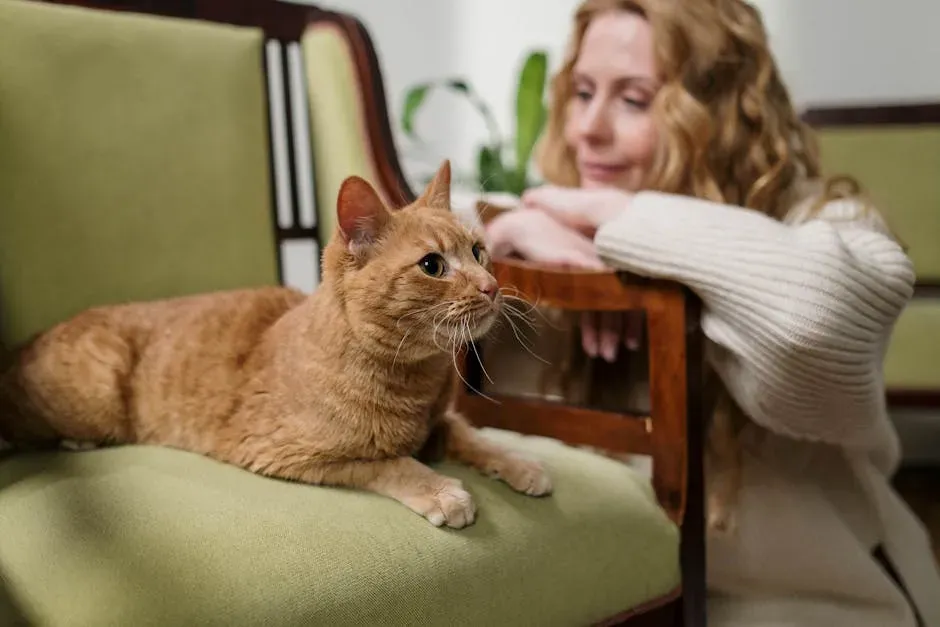
This one stings a little. As a result of associative learning, cats make associations between human behaviors and certain outcomes, both positive and negative. They also learn to associate their own behavior with particular outcomes. For example, if they are rewarded with food when they meow in the night, they will keep meowing in the night when they want to be fed. What might appear to humans to be dominant behavior in cats is actually them having learned that beneficial outcomes are associated with certain events.
Essentially, we are training them – often accidentally – and not the other way round. Let that sink in for a moment. Every time you got up at 3 a.m. to fill that food bowl just to stop the meowing, you weren’t winning the battle. You were signing a very unfavorable contract. Your cat simply ran the numbers and figured out the most efficient way to get what they want from you. Respect, honestly.
Why Your Cat Knocks Things Off Tables (On Purpose)
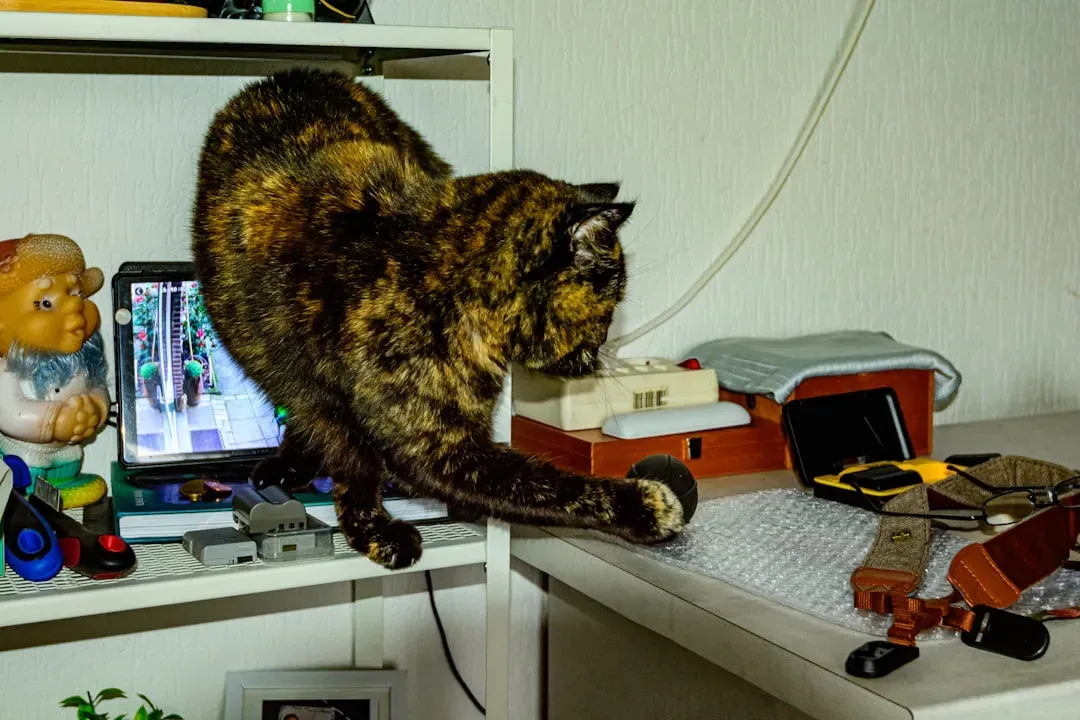
When your cat bats at your phone or pushes your keys across the counter, they’re doing exactly what millions of years of evolution programmed them to do. Cats are ambush predators with lightning-fast reflexes designed to pounce on small, moving prey. In the wild, this means mice, birds, and insects. In your living room, it means anything small enough to fit under a paw. Your phone, your pen, your favorite mug – all fair game.
Cats are fast learners: if knocking something over gets a reaction – your rush to investigate or scold – that moment of interaction becomes reinforcement. Even negative attention counts. So the next time your cat locks eyes with you and slowly slides your coffee cup toward the edge of the table, understand: they’re not being spiteful. They’re running a masterclass in behavioral conditioning. You are the subject.
The High Ground Obsession Is a Power Move
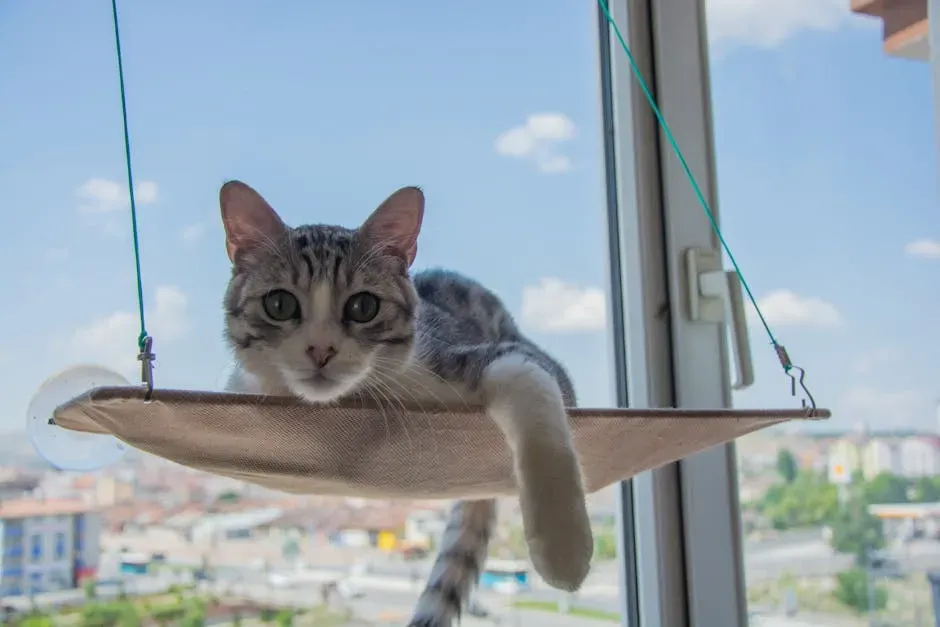
You’ve probably wondered why your cat loves sitting on top of the fridge, bookshelves, or your laptop. The answer lies in their wild ancestry. In nature, the safest and most dominant position is high up, where they can observe everything and stay away from threats. Height equals power in the feline world. A cat on the highest shelf in the room isn’t just lounging – they’re surveying their domain with full situational awareness.
This behavior goes deeper than comfort. Cats become confident, motivated members of their household when they feel confident in their ownership of their territory and they feel like they have a job to do in that territory. Give your cat a high perch, a cat tree, or even clear shelf space, and you’re not just giving them a place to sit. You’re giving them a throne, and in doing so, you’re actually helping reduce their stress and anxiety. Everybody wins. Well, mostly them.
Resource Guarding: The Food Bowl Power Struggle
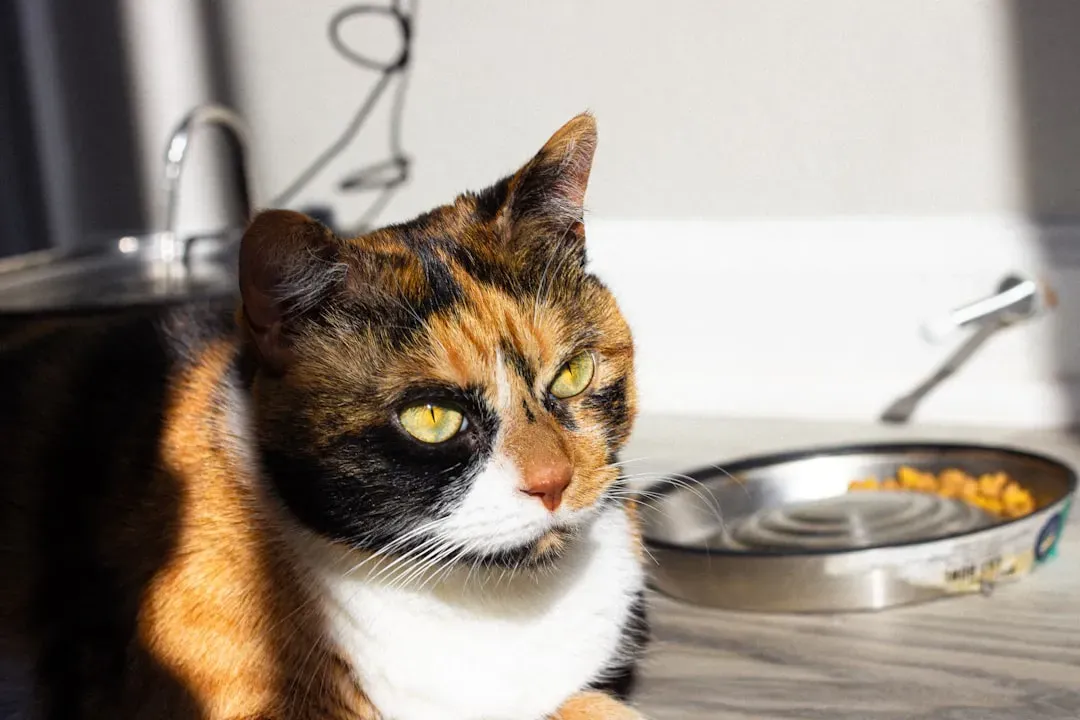
Competition for resources – food, water, resting places, toys, toileting facilities, even an owner’s attention – is the number one cause of conflict between indoor cats. When felines have no option other than to share essential resources, this can result in individuals attempting to dominate the territory and influence another cat’s access to such items. It’s not picky behavior. It’s strategy.
Guarding and controlling resources is a common trait of dominant cats. They assert their authority by monopolizing access to essential resources such as food, water, and preferred resting spots. You may notice the dominant cat positioning themselves near the food bowl or water dish, not allowing others to approach until they have had their fill. Similarly, they might claim the comfiest sleeping spots and discourage other cats from occupying them. Single-cat household? Your cat still guards resources – just from you.
Cats Don’t Have an Alpha Hierarchy – But They Do Have Control
Here’s a popular misconception worth clearing up. Most people assume cats operate in a rigid pecking order, like wolves or dogs. The reality is more nuanced. Since cats don’t have a hierarchical structure, it’s not a case of climbing up through the ranks to become the dominant feline member, but a combination of personality types, motivations, health conditions, resource distribution, and learned experiences that determine how a cat will behave in a given situation.
Cat dominance isn’t about being the “alpha” in a dog-like sense but about securing priority in a shared space. It’s less about ruling with an iron fist and more about quietly ensuring you always get the best napping spot, the first meal, and the undivided attention. Subtle, efficient, and remarkably effective. Think of it less like a dictatorship and more like masterful negotiation conducted entirely on their own terms.
What Your Cat’s Behavior Is Really Telling You About Their Emotional World
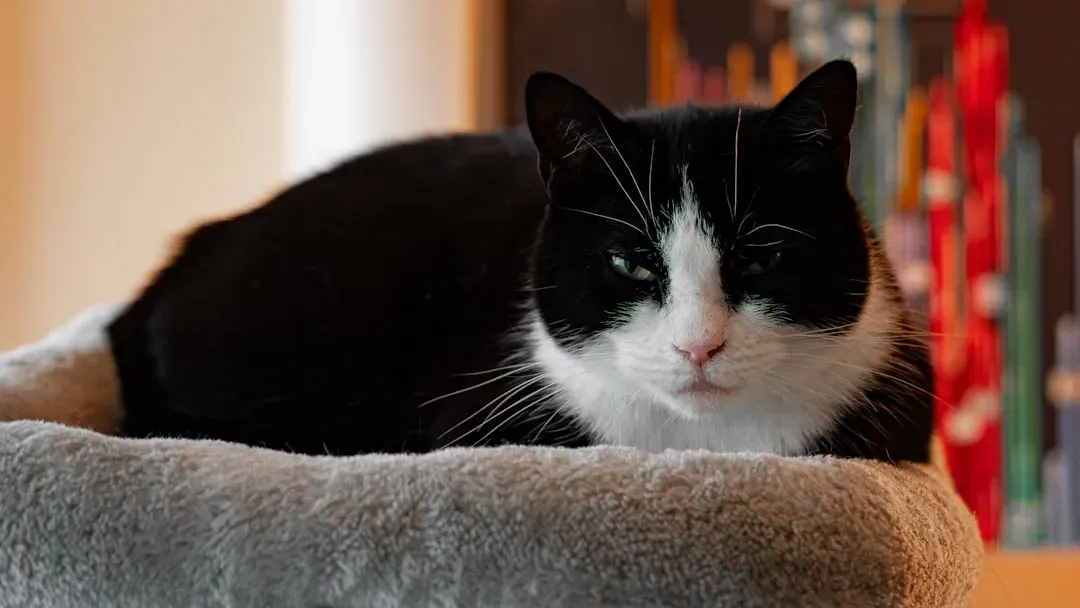
In reality, cats are not trying to get one over their owners. But it is very important for them to know what’s happening next, because that makes them feel secure. That demanding meow at 6 a.m., the way they weave between your legs at feeding time, the ritualistic headbutt against your shin – these aren’t power plays. They’re expressions of a deep need for predictability and safety. Your cat wants to know the world is stable. You just happen to be the architect of that world.
Stress or change – new pets, moves, or routine shifts – can upset the cat’s sense of hierarchy. Health issues, pain, or hormonal changes can also amplify dominant behavior. So if your usually laid-back cat suddenly seems more demanding, more territorial, or more insistent, it might be worth paying closer attention. Sometimes the overlord act is actually a cry for help dressed up in stubborn, majestic fur. Changes in typical eating patterns can be an early signal for possible physical or psychological health problems.
Conclusion: Your Cat Isn’t Difficult – They’re Just Deeply, Brilliantly Themselves
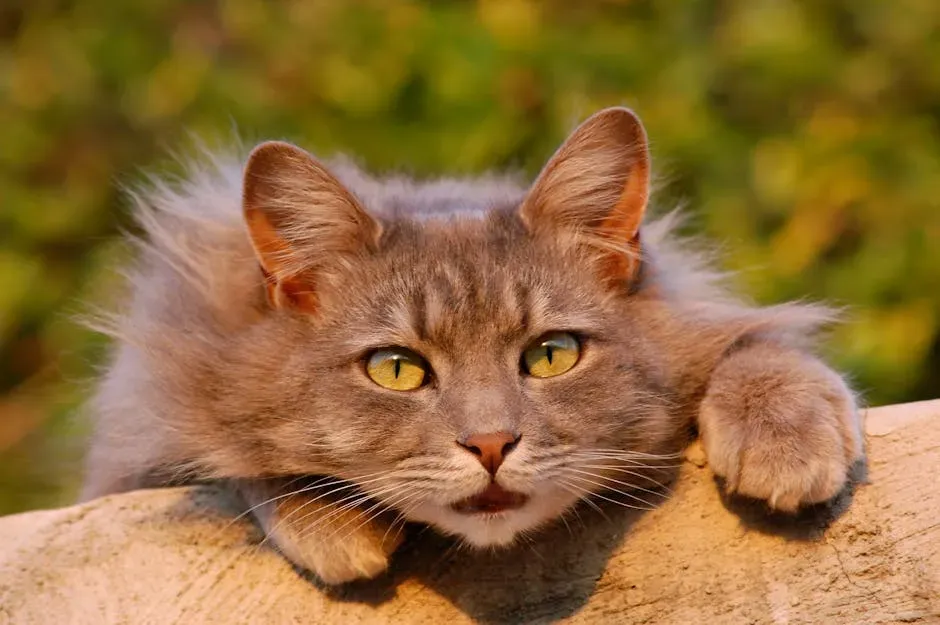
Understanding why your cat acts like a tiny, furry overlord doesn’t make you their servant any less. But it does make the whole relationship a lot more interesting. What looks like stubbornness is survival instinct. What looks like manipulation is learned intelligence. What looks like indifference is actually selective, considered engagement. Your cat is not broken, not difficult, and definitely not trying to ruin your life – they’re just running on incredibly old, incredibly sophisticated software that was never really updated for apartment living.
The beauty of it is that once you understand the “why,” you start appreciating the “what” in a completely different way. That slow blink means trust. That headbutt means ownership, yes – but also affection. That knocked-over mug? Well, honestly, that one’s just them having fun at your expense. And deep down, you kind of love them for it.
So the next time your cat surveys the room from their perch with that ancient, unbothered stare – just remember: in their mind, everything is as it should be. You’re not the owner. You’re the most devoted member of their household staff. The question is, are you finally okay with that? Tell us your funniest “my cat is the real boss” moment in the comments below.