You’ve finally settled in at your desk to tackle that urgent work project. Your laptop is open, your coffee is hot, and you’re ready to be productive. Then suddenly, your cat gracefully leaps onto the keyboard, sprawls across the screen, and proceeds to curl into a perfect furry ball right where you were typing. Perhaps you’ve found your feline friend snoozing on the stairs in the dark, creating a genuine tripping hazard. Or maybe they’ve decided the pile of freshly folded laundry is the ultimate sleeping destination.
If you’re nodding your head in recognition, you’re definitely not alone. Cats seem to possess an uncanny ability to select the most ridiculously inconvenient places for their countless daily naps. Here’s the thing, though. This seemingly bizarre behavior isn’t random or spiteful. Behind your cat’s choice to nap on your face or block the hallway lies a complex web of instincts, survival strategies, and yes, a little bit of that classic feline attitude we all know too well.
The Ancient Hunter’s Need for Strategic Positioning
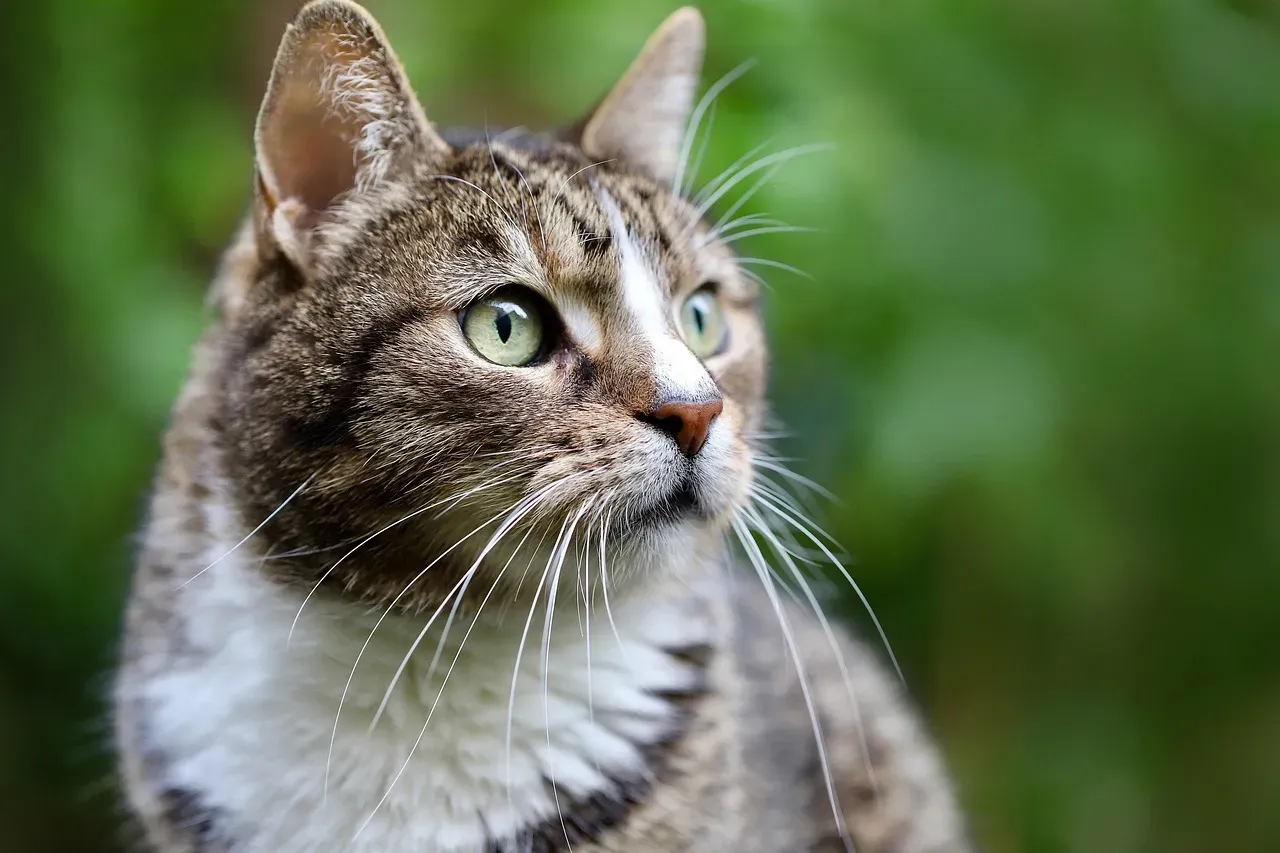
Your cat’s tendency to sleep in unusual places is deeply rooted in their wild ancestry, as descendants of wild felines who retain the instinct to regularly change sleeping locations to avoid predators and parasites. Think about it from an evolutionary perspective. In the wild, sleeping in the same spot repeatedly would make a cat predictable and vulnerable. Their ancestors needed to stay one step ahead of potential threats.
Cats like to be up high because it helps them feel safe and gives them a good view of their surroundings, and stairs give cats an ideal vantage point to watch what is going on above and below them. That precarious perch on top of your bookshelf or the middle step of your staircase might seem wildly impractical to you. To your cat, however, it’s a brilliant tactical advantage. They can monitor movement from multiple directions while remaining relatively protected.
Temperature Control is Everything
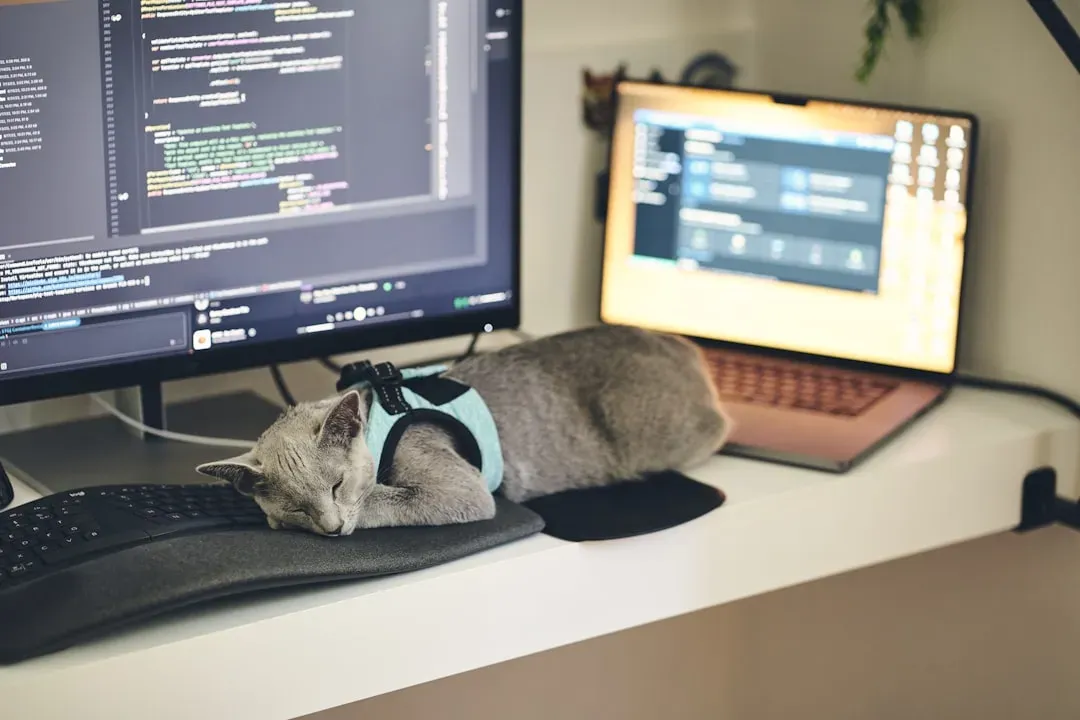
Cats are particularly sensitive to temperature changes and will often select sleeping spots based on their thermal comfort, seeking out areas near radiators or electronic devices during colder months, while preferring cool tile floors or breezy windowsills in warmer weather. Your laptop keyboard isn’t just a nuisance spot. It’s radiating warmth that your cat finds irresistible.
This explains why your cat might abandon their expensive heated bed for the cold bathroom sink on a sweltering summer day. Cats might lie on the windowsill above the radiator to get a bit of warmth, and these aren’t stereotypically comfortable places to lie, but the warmth might outweigh the discomfort. Comfort, in the feline world, is less about plush cushions and more about hitting that perfect body temperature sweet spot.
Your Scent Equals Security
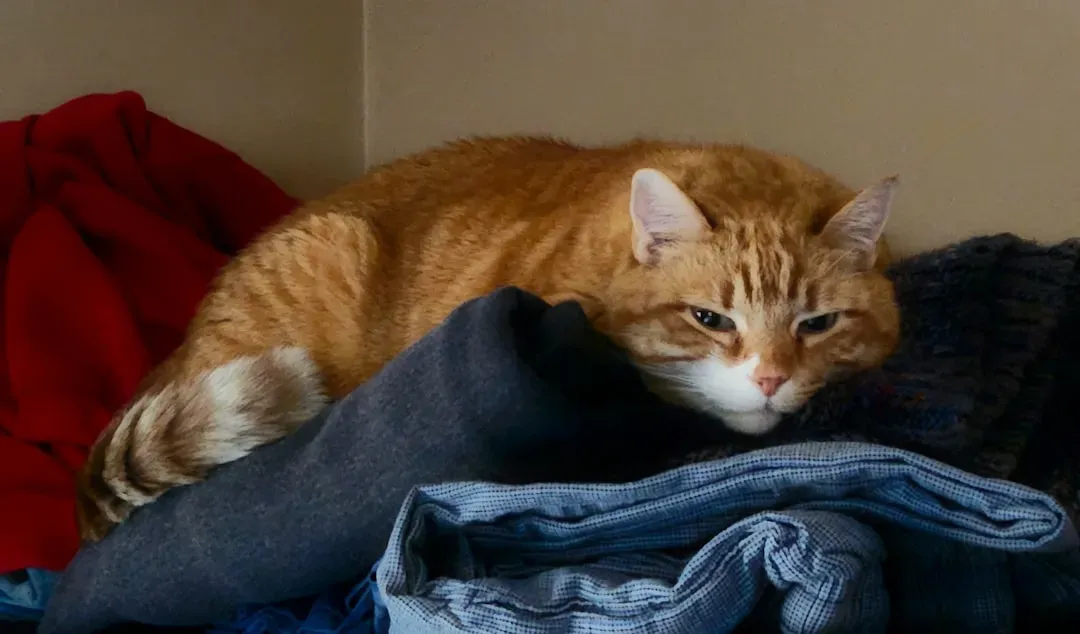
Let’s be real. Your cat choosing to sleep on your freshly laundered clothes or your laptop bag isn’t coincidental. Cats might lie on their owner’s stuff to get their attention, but they might also lie on their owner’s possessions because they find their owner’s smell comforting and reassuring. When you’re at work and your cat is home alone, surrounding themselves with your scent provides a sense of safety and connection.
When cats sleep on you, they’re marking you through scent exchange, as their body oils contain pheromones that signal ownership, bonding, and familiarity. That pile of dirty gym clothes might be offensive to you, but to your cat it’s basically a security blanket wrapped in the familiar smell of their favorite human.
The Attention-Seeking Strategy
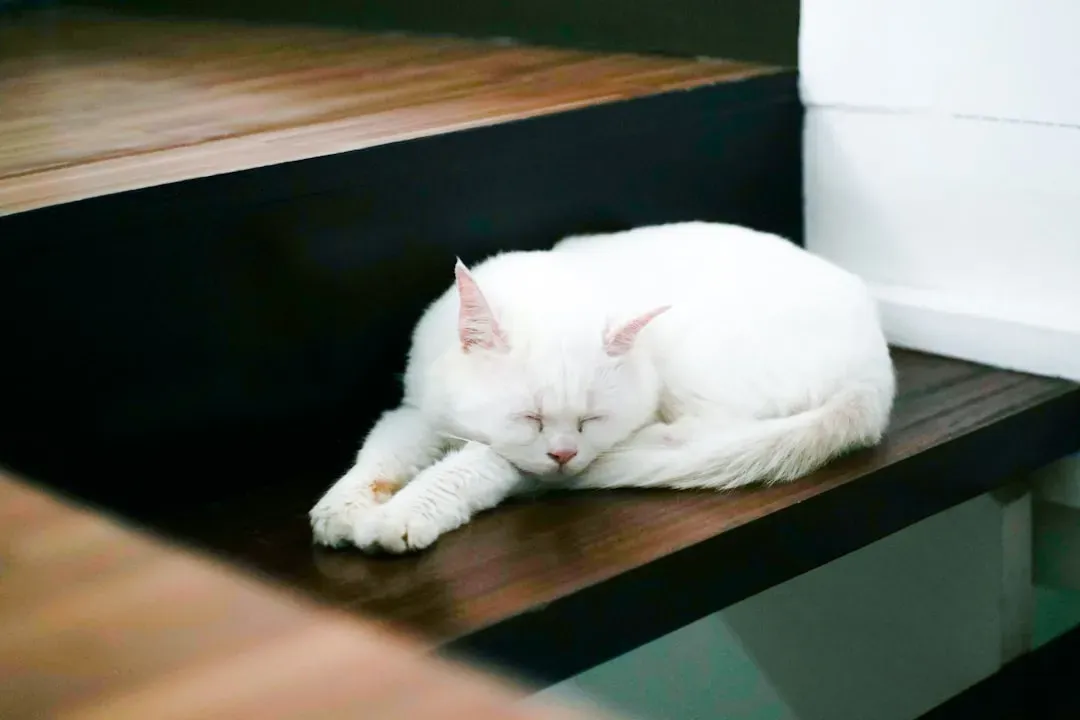
Sitting or sleeping on the stairs can be a clever strategic move for cats, as it’s a place where they can’t be easily ignored, ensuring they don’t miss out on family activities or getting your attention for food or fuss. You might think your cat is oblivious when they plop down in the middle of the hallway. They know exactly what they’re doing.
Cats are smarter than we often give them credit for. They’ve learned that sleeping in high-traffic areas guarantees interaction with you. Even if that interaction is you sighing heavily and stepping over them, it’s still acknowledgment. Some cats crave this contact more than others, and they’ve figured out that inconvenient placement equals human attention.
Seeking Privacy and Peace
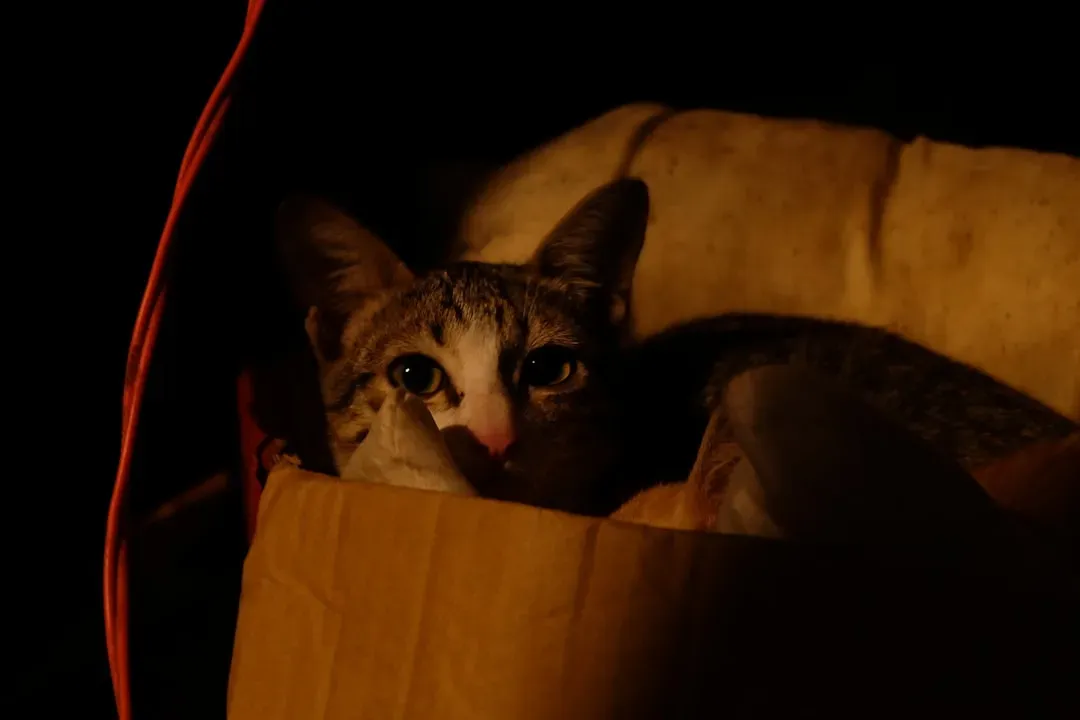
Your cat may be sleeping in a new and odd place simply because they’re seeking out some privacy, and a sense of security comes with finding a new spot to nap. Sometimes the most inconvenient spot from your perspective is actually the quietest, most secluded corner from theirs. That cramped space behind the washing machine or underneath your bed might seem uncomfortable, yet it offers something invaluable to a cat – solitude.
Cats prefer small, enclosed spaces when asleep, and this comes from the need to feel protected, as many cats love to sleep in cardboard boxes that are enclosed on all sides since this means they only have one point of entry to keep a sleepy eye on, reducing their vulnerability. It’s not that your cat dislikes you. They just need alone time, and sometimes that means claiming the most awkward nook in the house.
Territorial Claims and Household Hierarchy
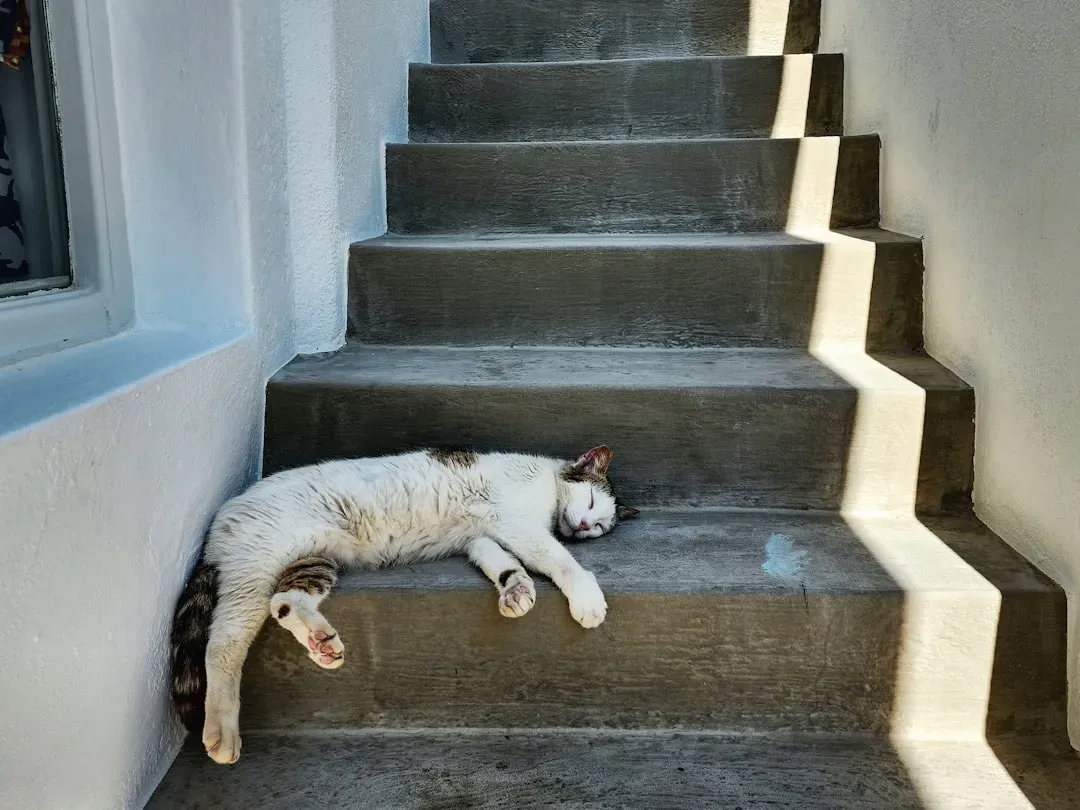
Cats are territorial creatures, and if you have more than one cat, they may sit or lie on the stairs to block each other from parts of the home they consider their territory. Your home isn’t just a living space to your cat. It’s a carefully mapped territory with boundaries and claims. That inconvenient sleeping spot might actually be a strategic territorial marker.
Multi-cat households see this behavior amplified. One cat might choose a doorway or narrow passage as their sleeping zone specifically to control access to certain areas. It’s both a power move and a comfort zone rolled into one seemingly irritating package. Your cat isn’t just napping – they’re making a statement about who owns what space in the house.
The Ever-Changing Sleep Rotation
Cats may seek a new sleeping spot simply because of their instinctual behavior, as cats in the wild are used to sleeping in different places and sometimes bringing their family members with them. Just when you think you’ve figured out your cat’s favorite napping location, they switch it up completely. This rotating sleep schedule isn’t your cat being difficult – it’s biology.
Just as cats seek out a safe spot to sleep, they think they need to move frequently to protect themselves, as they still retain the instinct to switch sleeping spaces. Even in the safety of your home, your cat’s ancient programming tells them that variety keeps them safe. That brand new sleeping spot on your dining room table tomorrow is simply the latest rotation in an endless cycle of location changes.
Physical Comfort You Don’t Understand
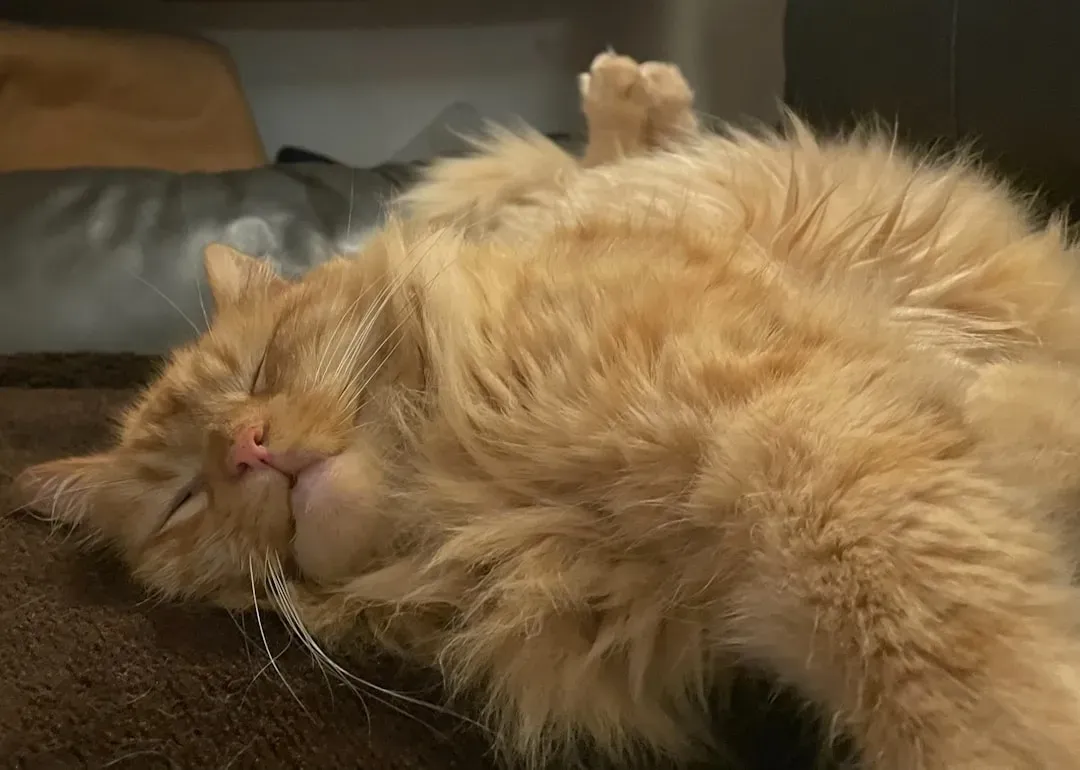
Cats sometimes sleep in very uncomfortable-looking positions, but unlike dogs, cats are extremely flexible, so a sleeping position that seems very awkward may actually be quite comfortable for your cat, as the discs in a cat’s spinal column are very elastic and their shoulder blade is attached loosely by muscle. That contorted position draped over the arm of your couch that makes you wince just looking at it? Your cat finds it delightful.
Their incredible flexibility means what looks painful to our rigid human bodies is actually perfectly fine for them. That tiny box that seems three sizes too small might provide just the right amount of pressure and support your cat craves. We simply can’t judge feline comfort by human standards.
Responding to Environmental Changes
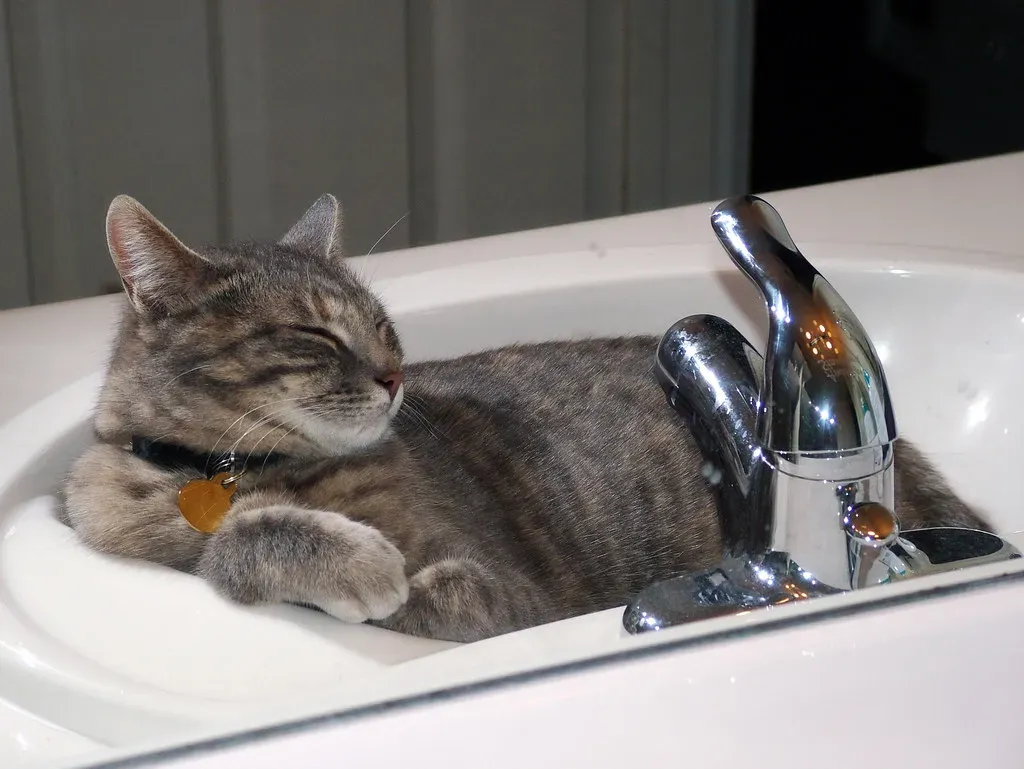
Cats thrive on consistency, and a change in their environment like new furniture, moving homes, the introduction of a new pet, or an altered work schedule can make them feel insecure, causing sleeping on you to become a coping mechanism. When life gets chaotic, your cat’s sleeping habits will reflect that stress. Suddenly camping out in the bathroom sink or your closet isn’t random – it’s a response to feeling unsettled.
Cats can become startled by sudden loud noises, such as those from a too-loud television or construction, and if their nap was disrupted by a sudden noise that startled them, they might be less likely to go back to that exact spot to sleep in the future. Your cat is constantly evaluating their environment for safety and comfort. What worked last week might not feel right this week, leading to those frustratingly inconvenient new sleeping arrangements.
The Health Factor You Shouldn’t Ignore
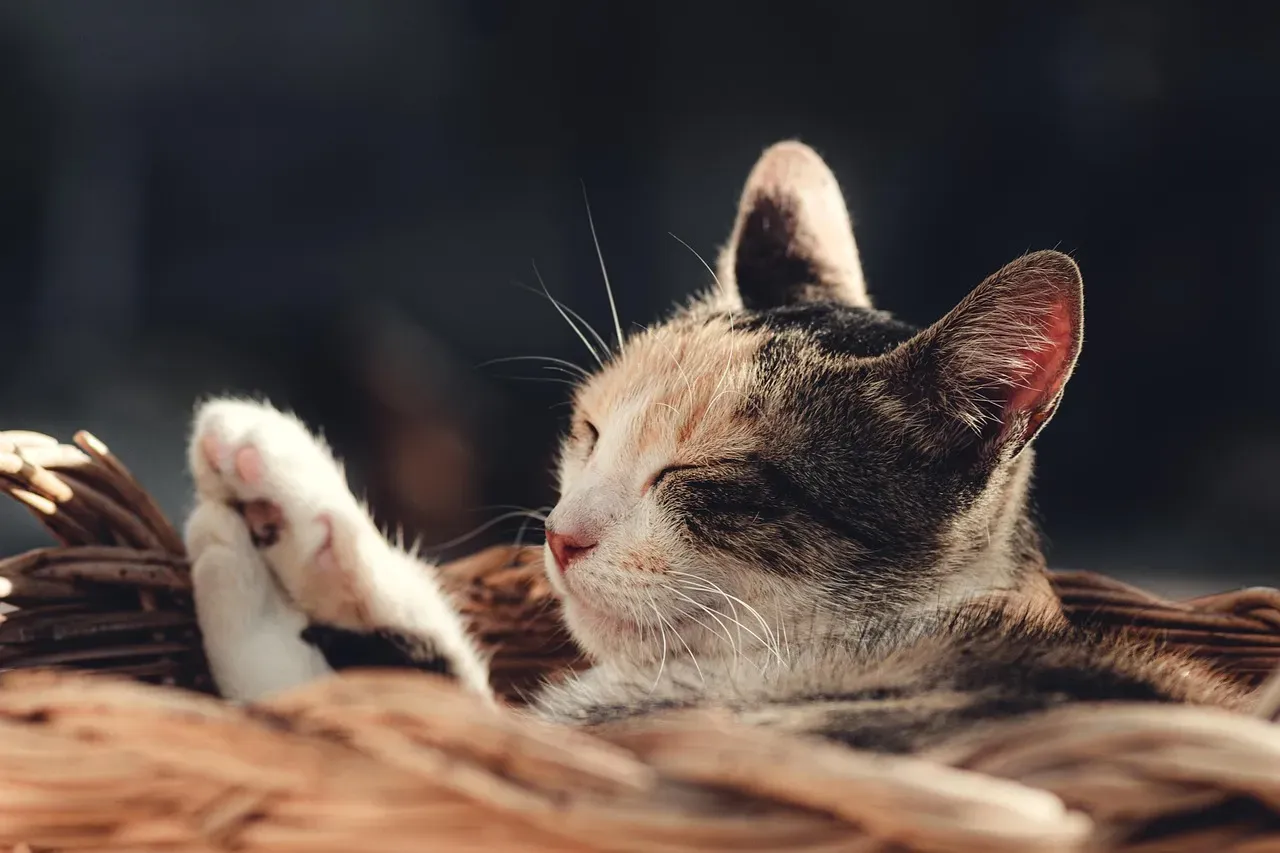
If your cat has a chronic health condition, such as arthritis, switching up where they snooze may help them find relief from their pain, and if their usual sleeping spot is up high or hard to reach, their pain may make getting there difficult, so they may seek a soft bed that’s easy to get into or cuddle up near a direct heat source. Sometimes that sudden preference for sleeping in weird new places isn’t about instinct or comfort – it’s about pain management.
Older cats especially might start choosing ground-level spots over their former high perches simply because jumping hurts. That new habit of sleeping in the middle of the hallway might actually be your cat seeking the softest walking surface because their joints ache. If your cat dramatically changes their sleeping patterns, honestly, it’s worth a vet visit to rule out underlying health issues.
Conclusion: Embrace the Inconvenience
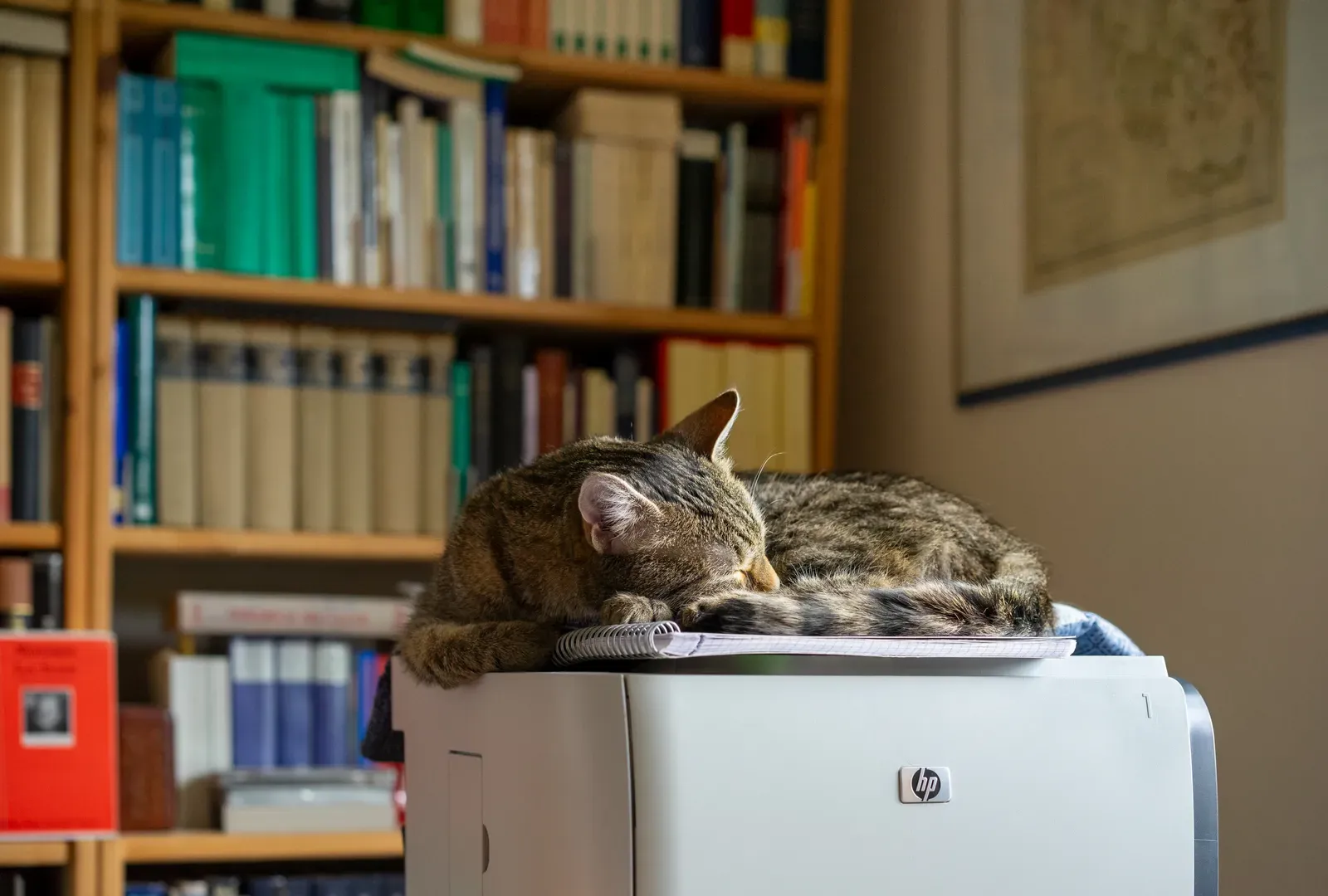
Understanding why your cat selects seemingly ridiculous napping spots doesn’t necessarily make stepping over them on the stairs less annoying. It does, however, help you appreciate the complex creature sharing your home. Your cat isn’t trying to sabotage your productivity or trip you in the dark. They’re simply following thousands of years of evolutionary programming mixed with their individual personality and needs.
Cats choose to lie in uncomfortable places for many reasons, including warmth, coolness, safety, and easy access, and many cats choose to rest in places that are quiet, hidden, or out of the way. The next time you find your cat sprawled across your laptop keyboard or blocking the bathroom door, take a moment to consider their perspective. That inconvenient spot is actually their perfectly chosen sanctuary.
What do you think about your cat’s sleeping choices now? Have you started to decode the mystery behind their seemingly random nap locations?