You wake up. Everything feels fine. Then your foot touches something soft, cold, and disturbingly still near the bedroom doorway. Your cat is sitting inches away, watching you with the unmistakable pride of someone who just aced an exam. Welcome to the deeply weird, surprisingly touching world of feline gift-giving.
Honestly, if you’ve never experienced this moment, you probably don’t own a cat. And if you have, you already know the strange mix of horror and affection that floods through you. There is actually a lot more going on behind that little “present” than you might think. Let’s dive in.
Your Cat Is a Hunter First, a Pet Second
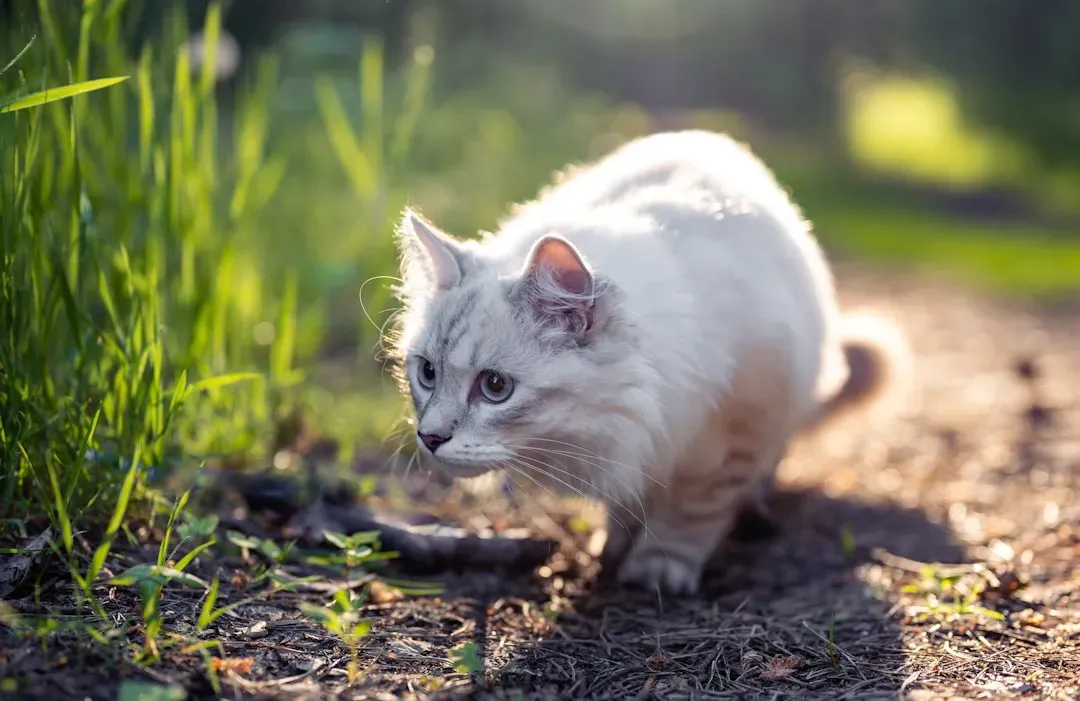
Though cats were first domesticated nearly 10,000 years ago, they retain the keen hunting instincts of their wild ancestors. Compare that to dogs, who have been domesticated for roughly three times as long, and it becomes clear why your cat still acts like a tiny predator wearing a house pet costume.
Hunting behavior is not simply driven by hunger – it’s a strong natural urge for cats. Today, cat hunting is more about fun and entertainment. The mere sight and sound of prey triggers your cat’s hunting instinct, which is hardwired into their brains. So even with a full bowl of food sitting three feet away, the chase is never really off the table.
The ‘Safe Zone’ Theory You’ve Probably Never Heard Of
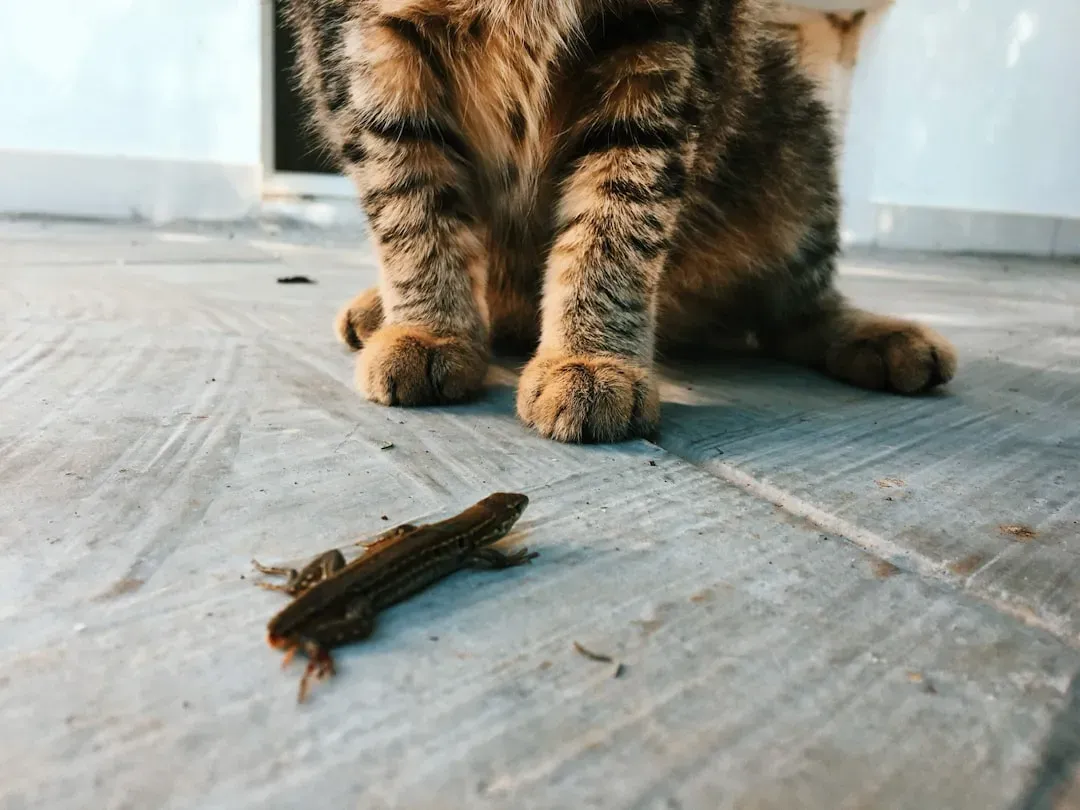
It is now thought that cats quite simply prefer to bring their prey back to their core territory where it is safer to eat it, or store it for a bit later. Think of your home the way your cat does: it’s a fortress, a pantry, and a living room all wrapped in one. Bringing prey there just makes perfect sense from their perspective.
While cats are natural predators, they’re also small enough to be considered prey to larger predators. Your living room, in your cat’s mind, is practically a five-star safe house. They bring prey home because it’s the safest place to eat or store it, away from other predators. You’re not receiving a gift so much as being used as a very willing security guard.
You Are Being Taught How to Hunt (Whether You Like It or Not)
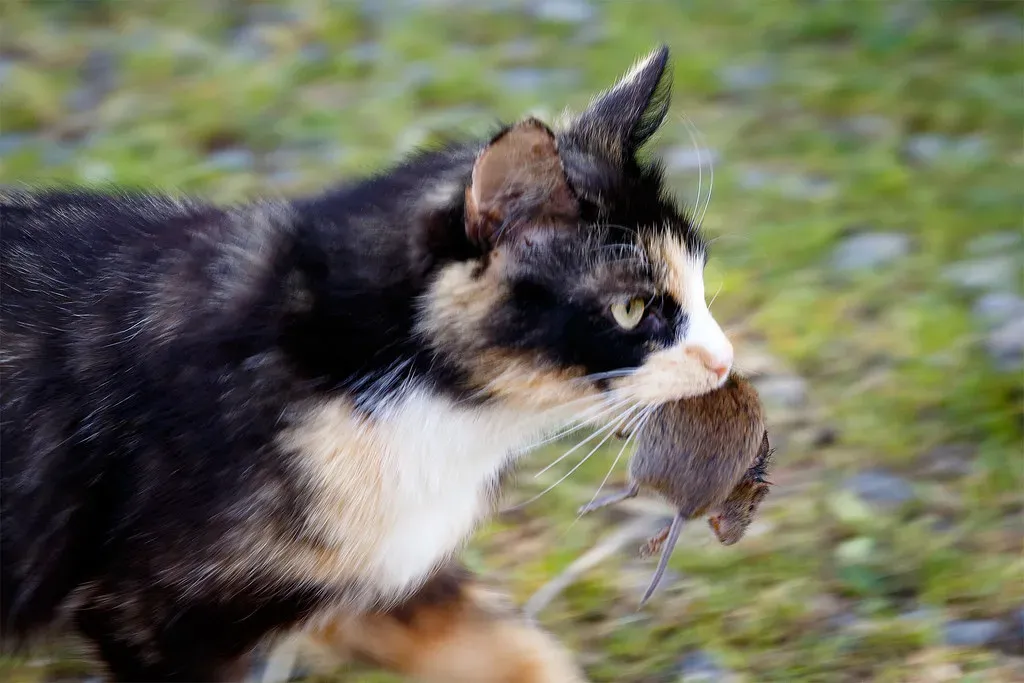
Cats may bring prey items to their owners as a way of teaching them to hunt. In the wild, mother cats often bring back injured or dead prey for their kittens to practice hunting skills. Your cat may be trying to teach you to hunt, considering you part of its social group. I know it sounds crazy, but your cat genuinely might think you’re hopeless out there.
The lessons start when kittens are about four weeks old. The mother cat begins by bringing home dead mice or other prey and eating them in front of the kittens. The kittens soon catch on and join in. Next, the mother cat brings home dead mice and the kittens eat on their own. Your cat is essentially running you through the same curriculum. Flattering? Sort of. Effective? Debatable.
Spayed and Neutered Cats: The Instinct That Has Nowhere Else to Go
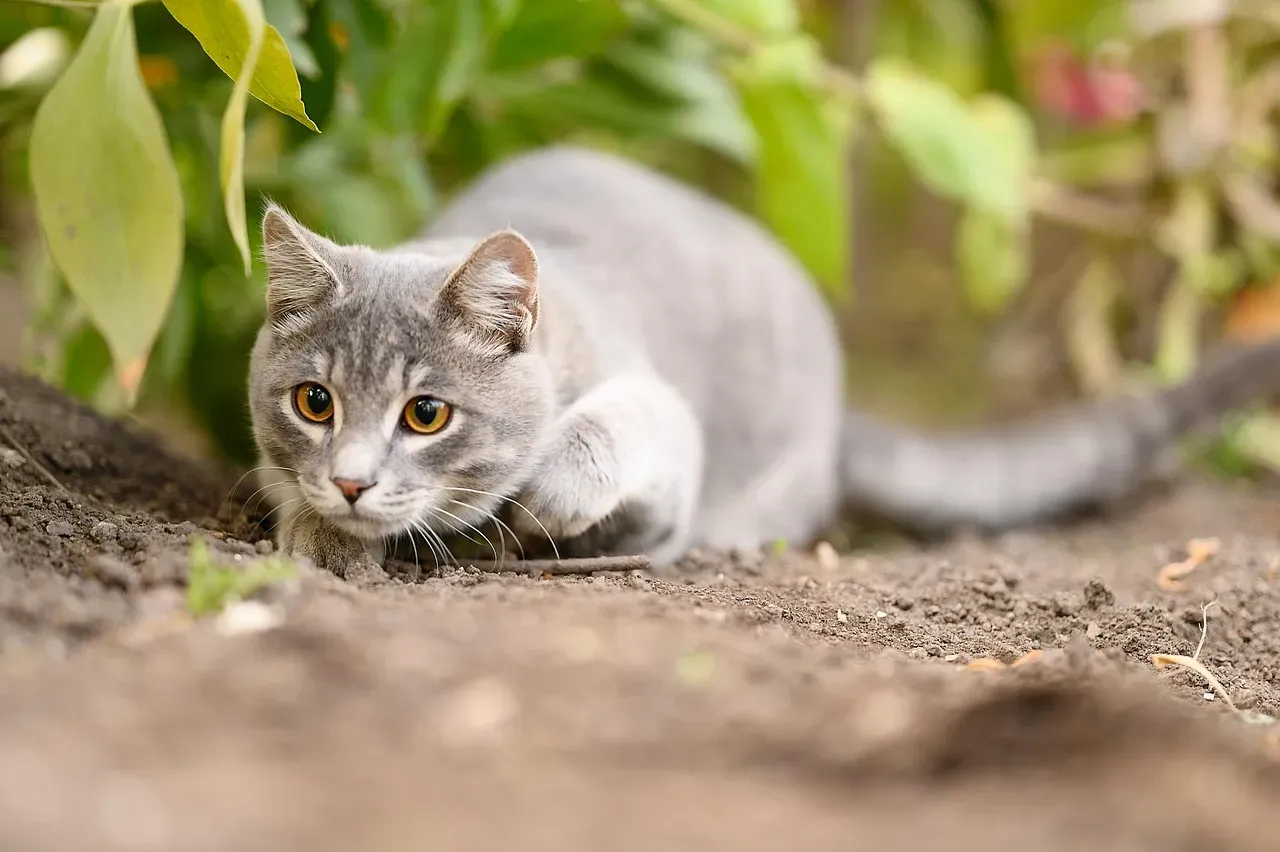
With castration and spaying becoming the norm in owned cats, pets often do not have any offspring to pass their hunting know-how down to, but the natural inbuilt instinct to hunt remains strong in our cats as they were taught by their mother. It’s a bit like someone who trained their whole life to be a coach but never got a team. The drive doesn’t disappear. It redirects.
The majority of our domestic cats are neutered and so won’t provide for their young, so they may transfer these instincts to their owners instead. You, dear cat owner, have become the stand-in kitten. You are the student. You are the one who apparently needs to learn that mice don’t just appear in bowls.
It’s a Love Language – Seriously
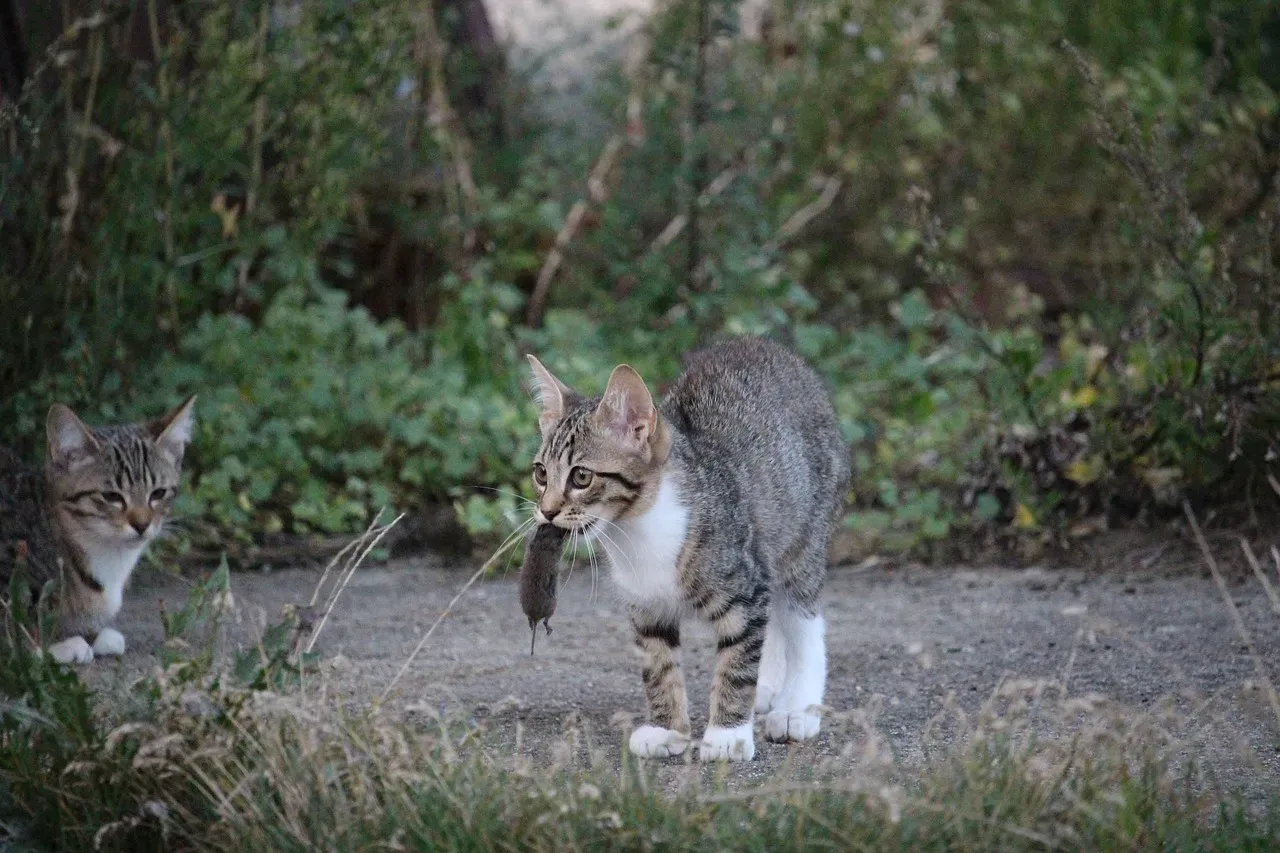
Gift-giving behavior is as instinctual for cats as scratching their scratching posts, grooming their fur, kneading, and other classic feline activities, and it’s actually a positive indicator of how they feel about you. So as revolting as that soggy bird may look, it’s essentially your cat saying “I appreciate you.”
Your cat could eat that mouse themselves, but they chose to give it to you. That’s feline love language. When cats bring gifts, they’re often expressing affection and trust. By sharing their “prey” with you, they’re demonstrating that they consider you part of their family group. Honestly, when you frame it that way, it’s kind of sweet. Still gross, but sweet.
Indoor Cats Do It Too, Just Differently
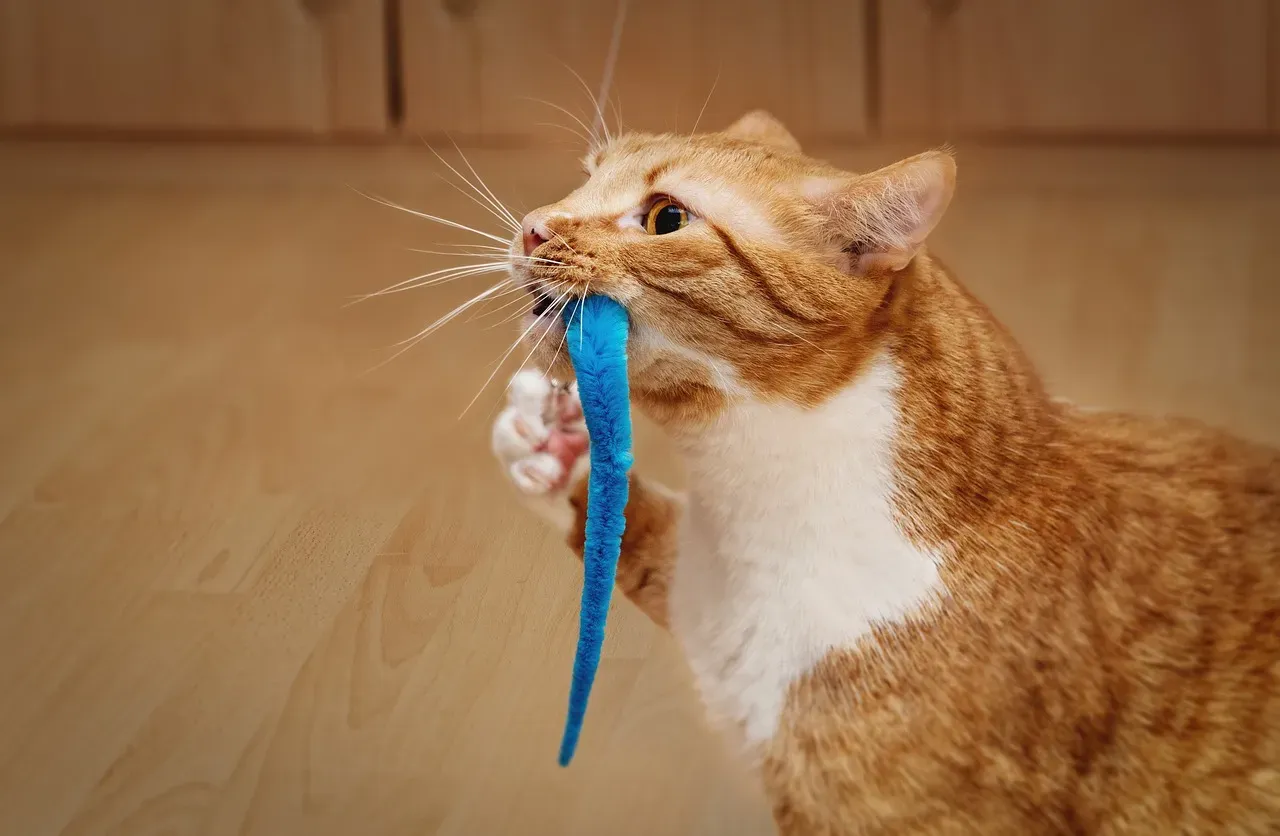
Even indoor-only cats might bring their toys to you, meowing and yowling as they carry them over. You’ve probably seen this: your cat marching through the hallway at two in the morning, wailing dramatically, mouth full of a stuffed mouse. It’s theatrical. It’s a little unhinged. It’s also completely normal.
Some cats may bring toys, leaves, or other objects as gifts. This behavior is not limited to cats that hunt, as even indoor cats can exhibit this behavior. The type of gift depends on your cat’s environment. Indoor cats bring toys; outdoor cats bring prey. Both mean the same thing: “You matter to me.” Context changes, but the message stays the same.
The Attention-Seeking Side of Gift-Giving
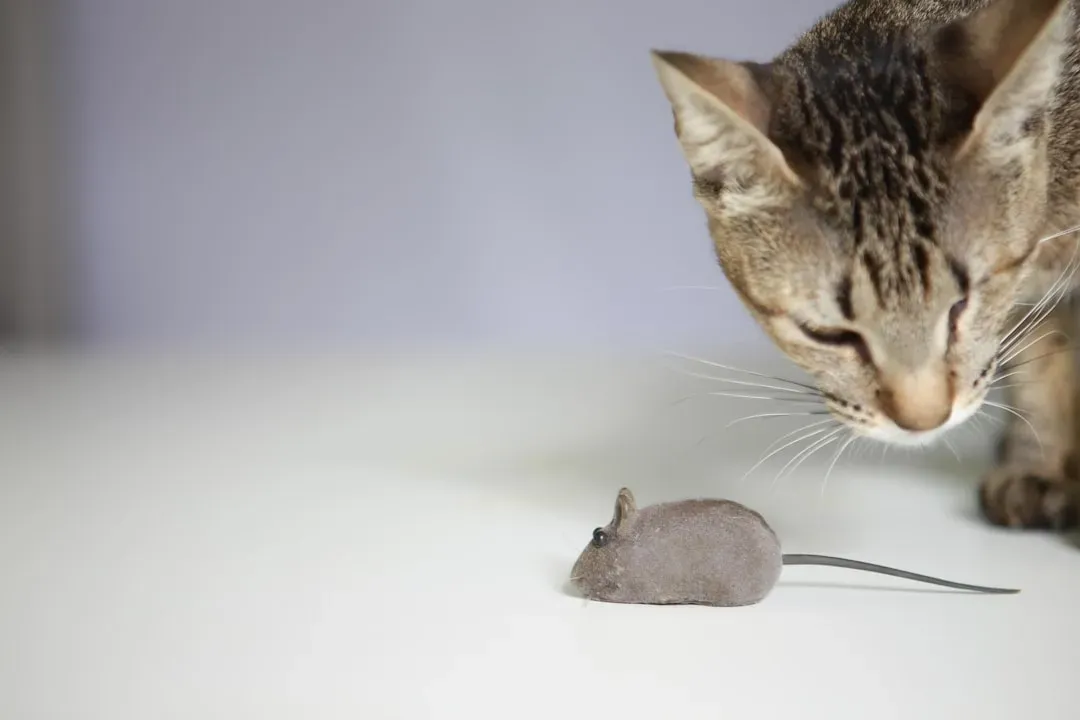
Because cats will often play with their prey before eating it, your cat might bring you dead animals or toys to engage in a play session with you. As such, gift-giving might be a kind of attention-seeking and bond-building behavior in cats. Think of it less like a gift and more like an invitation – one that’s hard to refuse when a mouse is involved.
Cats may bring you gifts to seek attention or as a way of showing recognition. If they receive positive reinforcement, such as praise or petting, when they bring you a “gift,” they may repeat the behavior to get more positive attention from you. So be careful how you react. Your response is being studied, catalogued, and stored for future reference by a creature who never forgets.
The Ecological Side Nobody Talks About Enough
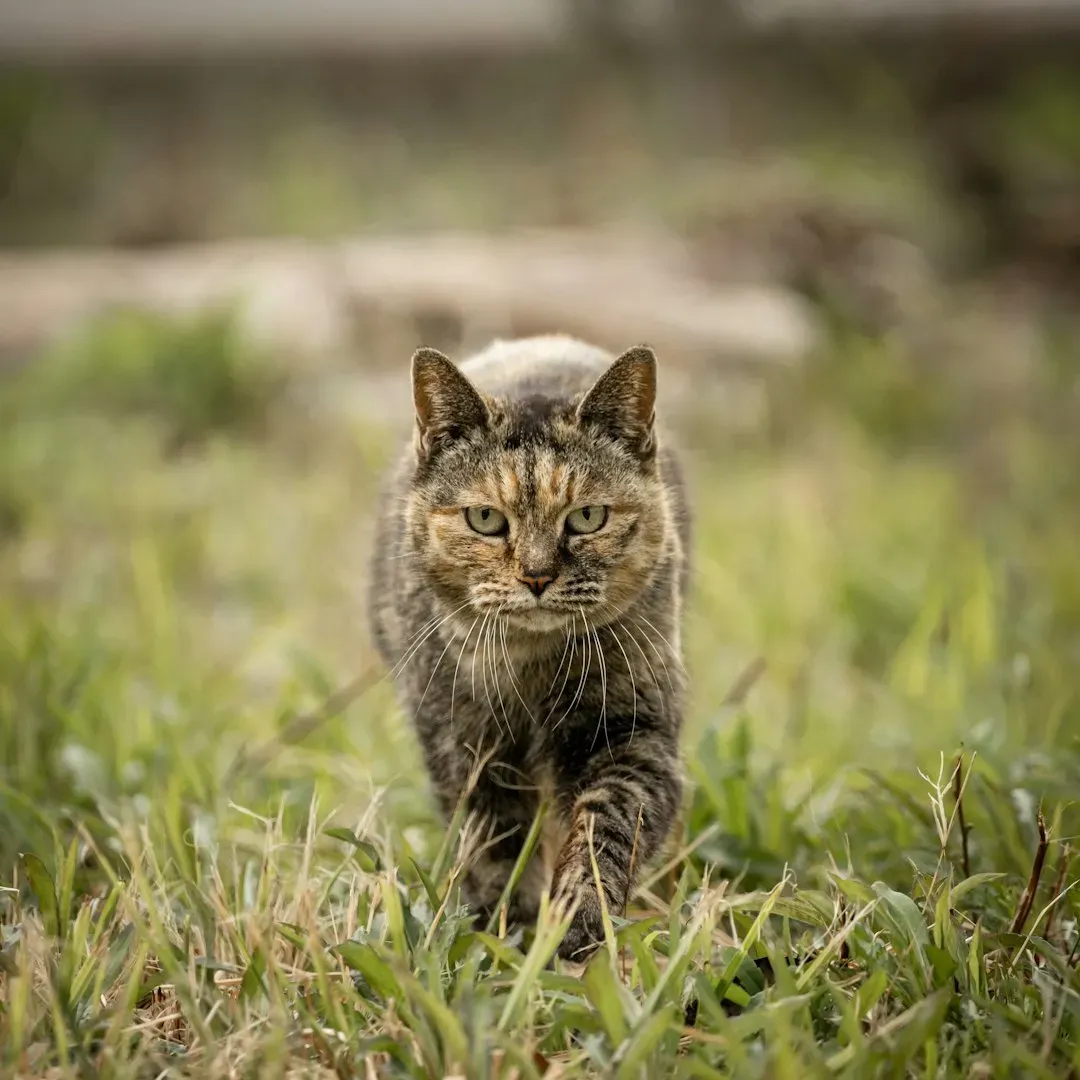
A 2013 study by UC Santa Cruz states that cats are considered invasive superpredators and pose considerable ecological damage. The effects are especially pronounced in confined regions like islands, but cats are adaptable and flourish nearly anywhere they go. That little hunter in your home is, at a global scale, a remarkably powerful force of nature.
Cats are incredibly efficient hunters that can do an extensive amount of damage to wild bird numbers in any given area. According to the American Bird Conservancy, cats kill 2.4 billion birds in the U.S. every year. That number is staggering. While you can’t fix the entire problem yourself, you could help your cat and nature stay safe by keeping your cat indoors or building a “catio” to keep your cat contained while still allowing it access to the outdoors.
How You Should Actually React (And What Not to Do)
If your cat manages to bring home a dead animal, the first thing to do is react as little as possible. Diverting your cat’s attention with a toy or treat might be perceived as a reward for bringing you prey, which could cause the behavior to increase. In other words, stay calm, stay cool, and absolutely do not gasp dramatically – even if every instinct in your body screams otherwise.
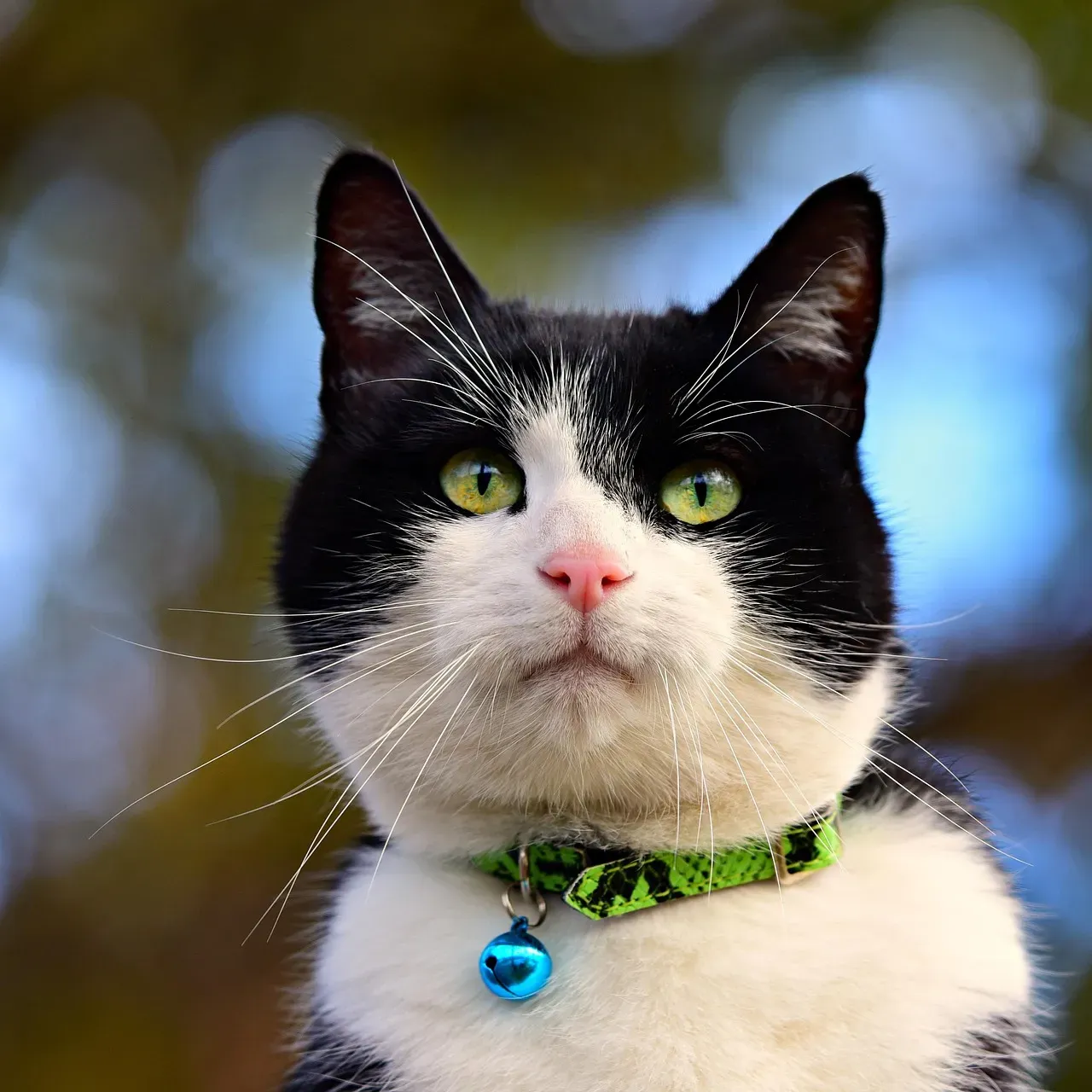
Wild rodents and birds often carry parasites like fleas and ticks or diseases like toxoplasmosis. Wear gloves, double-bag the carcass, and dispose of it in an outdoor bin immediately. Clean the area with an enzymatic cleaner to remove any lingering scents that might encourage them to bring prey to the same spot again. And if you want to reduce how often this happens? Break-away collars with a bell fitted on them have proven to be very effective at stopping cats from hunting. A recent study by the RSPB found that cats with a bell on their collar catch significantly fewer birds and mammals than those without one.
Conclusion
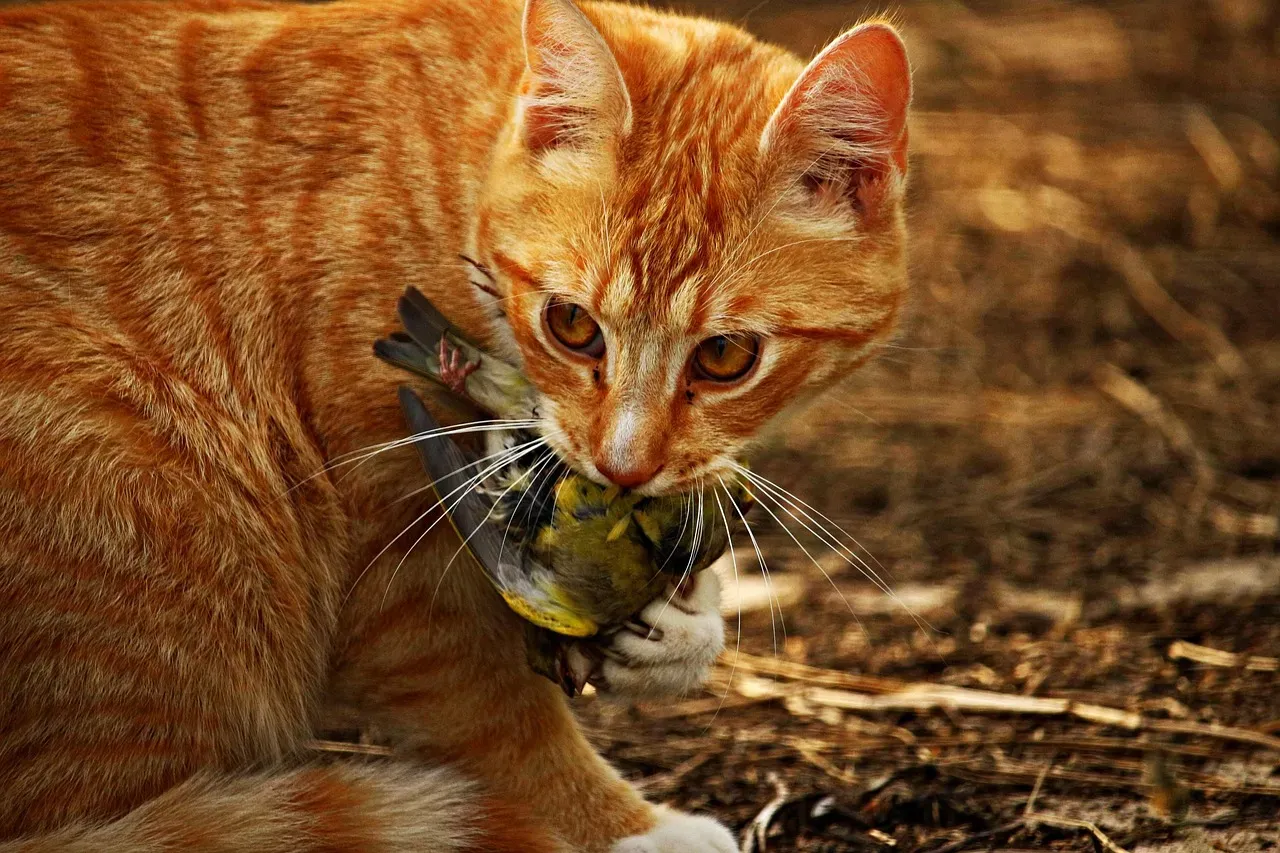
Your cat’s “gifts” are strange, occasionally horrifying, and genuinely one of the most revealing windows into who they are. Every dropped mouse, every wailed-about toy at midnight, every carefully placed insect on your pillow is a message written in pure instinct and unfiltered affection. You are trusted. You are family. You are apparently a terrible hunter who desperately needs help.
The next time your cat presents you with something questionable, try to pause before reacting. Behind those proud, blinking eyes is ten thousand years of evolutionary behavior pointing directly at you with something like love. It’s hard to stay annoyed at that for long.
So here’s the question worth sitting with: now that you know what those gifts actually mean, does it change how you see your cat? What would you have guessed was going on all along? Share your thoughts – and your strangest gift stories – in the comments below.