You’re sitting comfortably, maybe reading or watching television, when suddenly your feline friend approaches with a determined look. Before you know it, they’ve pressed their forehead directly against yours, sometimes with surprising force. If you’ve experienced this peculiar yet endearing behavior, you’re definitely not alone. Cats have their own unique language of love, and head-butting ranks among the most fascinating ways they communicate with their favorite humans.
This gentle (or sometimes not-so-gentle) gesture tells a story far richer than you might imagine. Your cat isn’t just being randomly affectionate or trying to get your attention for dinner. There’s actually some pretty remarkable science and instinct behind this behavior that dates back to their wild ancestors and social structures.
The Science Behind Those Adorable Bonks
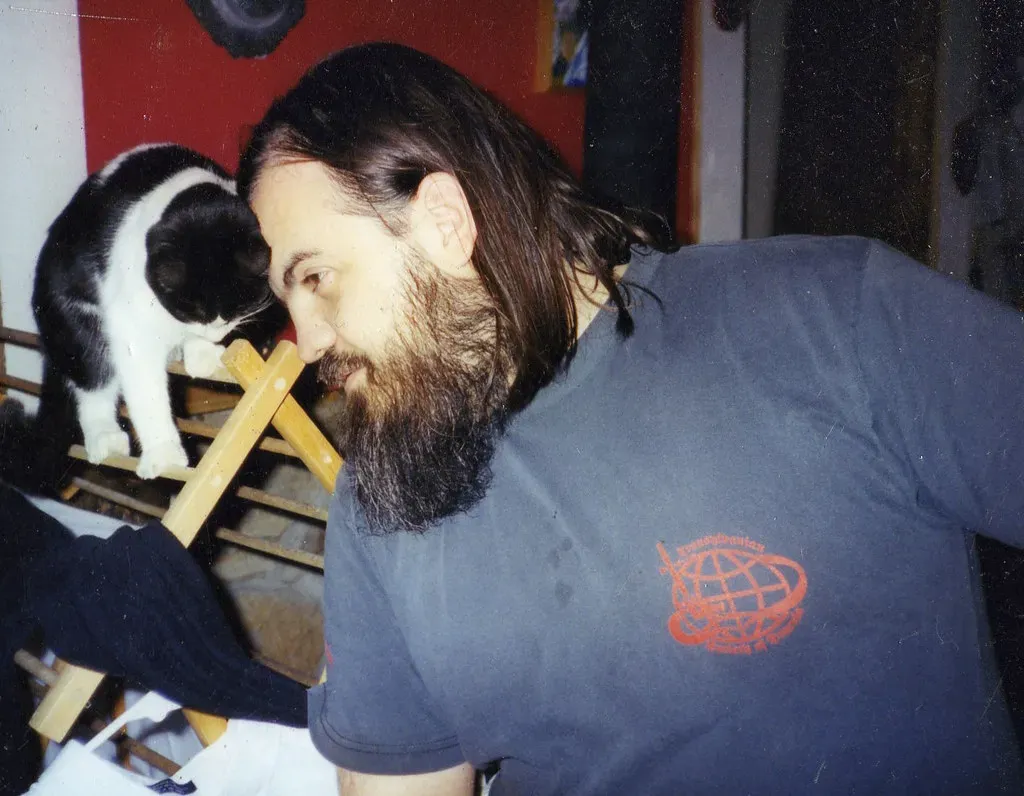
Your cat’s face is packed with specialized scent glands located on their cheeks, forehead, and chin that contain pheromones. These invisible chemical messengers serve as your cat’s personal signature. When your cat headbutts you, they’re rubbing pheromones on you from glands on their cheeks and forehead.
Here’s the thing though: while humans can’t detect these pheromones, to a cat, you can consider yourself marked. Think of it like an invisible badge of honor that only other cats can recognize. These are special chemicals that leave behind a unique scent only other cats can detect. Your kitty has essentially turned you into a walking billboard that announces to the feline world that you’re part of their inner circle.
It’s Actually Called Bunting
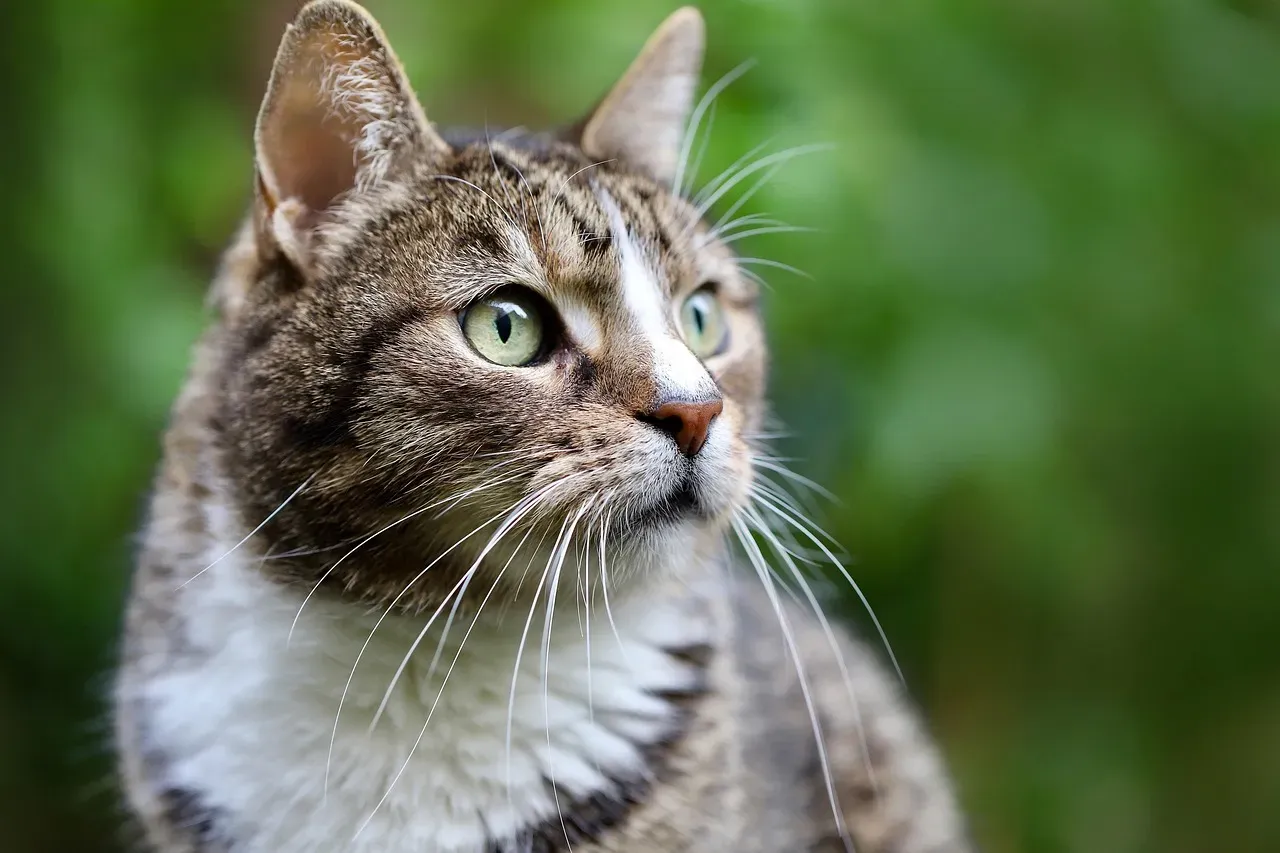
You might call it head-butting, but the proper term among animal behaviorists is bunting. Cat headbutting (also called bunting) is usually a friendly behavior where cats mark you with their scent to show bonding, comfort, and familiarity. The technical name makes it sound somehow more official, doesn’t it?
The type of headbutt varies from cat to cat, and sometimes a cat will clunk you skull to skull, which can be a jarring experience. Some cats are gentle nursers of affection, while others practically launch themselves at your face with the enthusiasm of a battering ram. Both approaches stem from the same loving intention, even if one leaves you seeing stars.
Marking You as Family
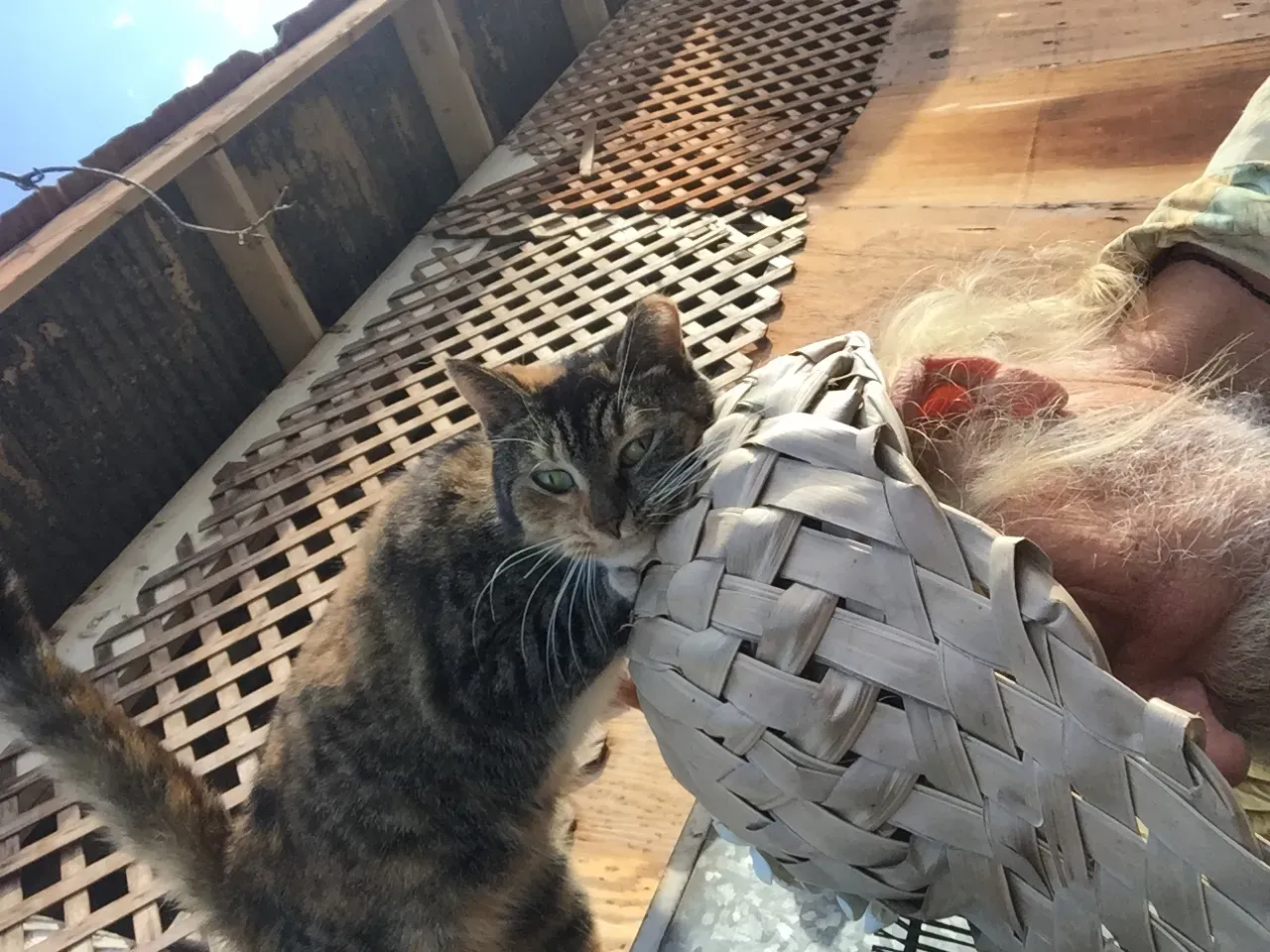
When a cat headbutts and marks you, it means you’ve been accepted into a very special club: a cat’s inner circle, and by marking you, a cat is connecting to you through scent and bonding with you. Let’s be real, cats are notoriously selective about whom they choose to love. Cats don’t bunt just anyone, and if your cat rubs its forehead on you, you’re in the inner circle.
It’s not merely about claiming ownership in some territorial way. Many people inaccurately assume any time a cat engages in rubbing or bunting then he is merely marking you as his territory, but scent communication is far more complex than that. Your cat is actually saying something much sweeter. They’re integrating you into their world, making you smell like home and safety.
Creating a Colony Scent
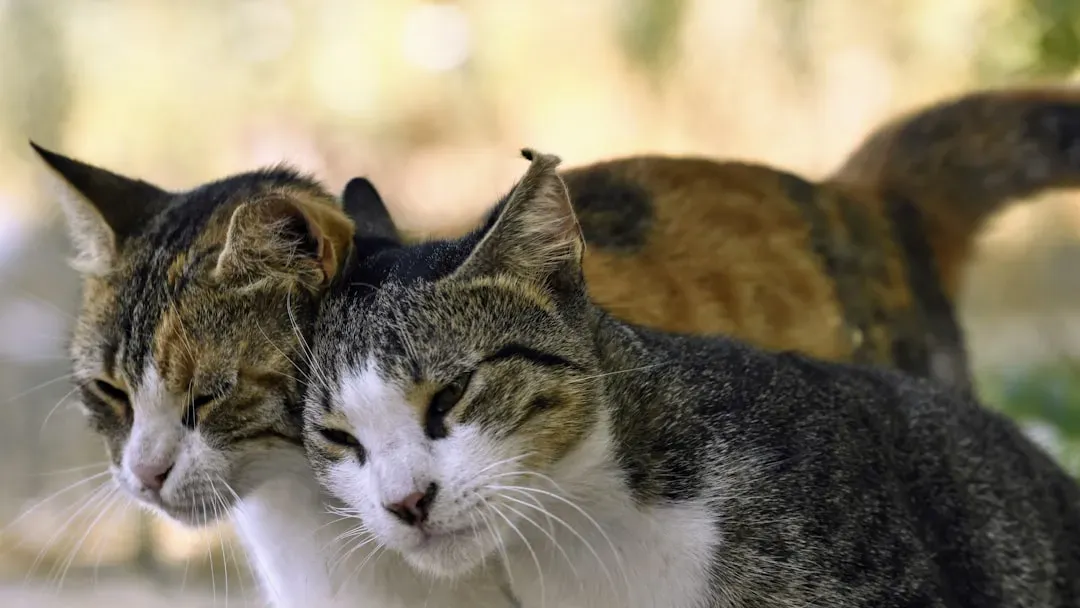
If you have multiple cats, you might notice them bunting each other as well as you. Headbutting and rubbing are ways for cats to communicate their connection with each other and establish social bonds, and when cats within a colony headbutt each other, they are mixing their scents to create a combined scent. This shared fragrance becomes the group’s signature, identifying all members as belonging to the same family unit.
When cats headbutt, they are exchanging scents from their scent glands, which helps create a shared scent that identifies them as a group, and this “colony scent” helps cats feel safe and secure within their group. It’s actually quite sophisticated when you think about it. Cats have developed this entire invisible social network based purely on smell, something we humans can barely comprehend since our noses are practically useless in comparison.
A Genuine Display of Trust and Affection
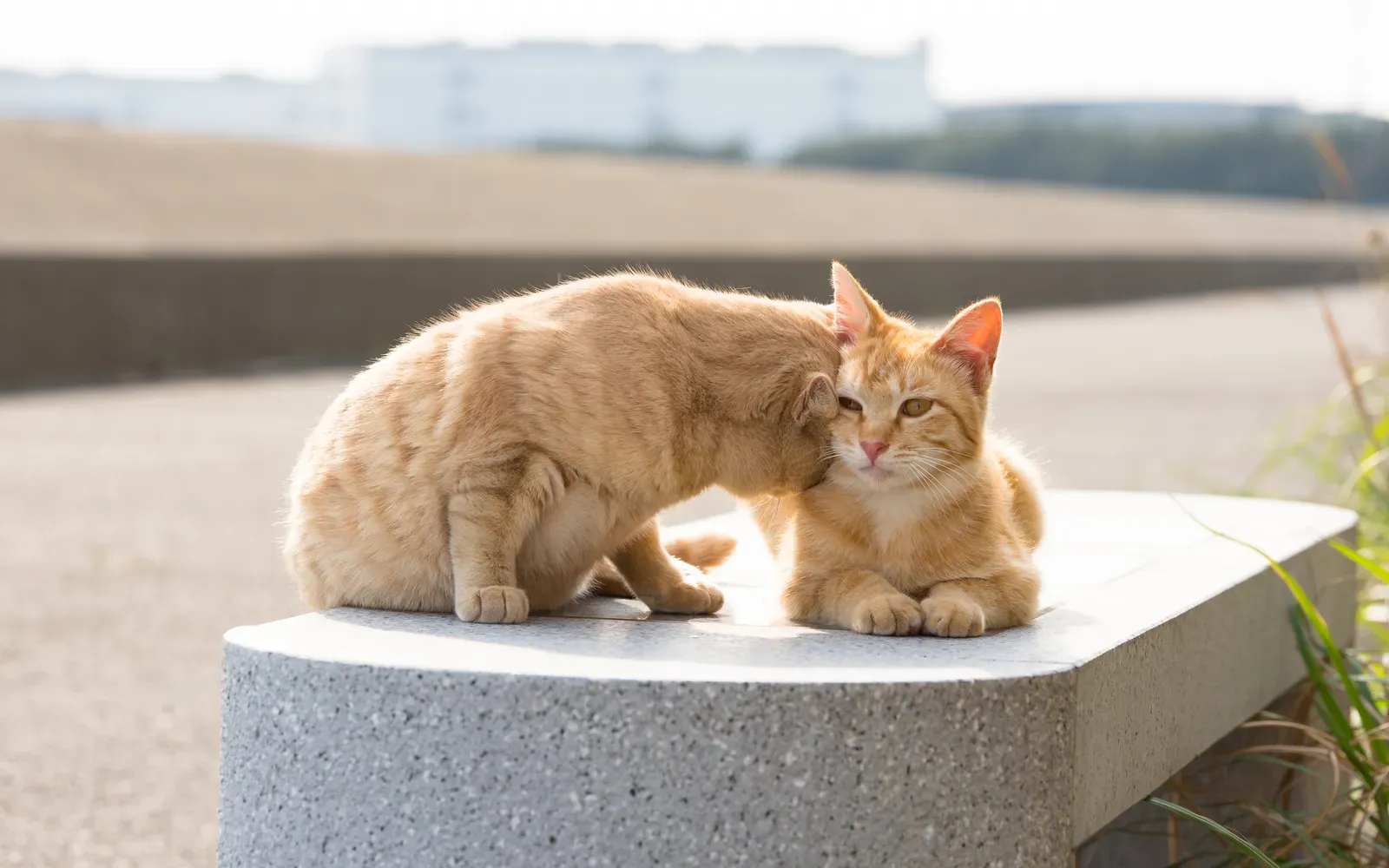
Cat-to-cat bunting is a form of allorubbing, a social greeting and bonding behaviour involving reciprocal contact, and bringing their head so close to another cat’s teeth and claws makes a bunter extremely vulnerable, cats will typically only engage in this behaviour when they feel safe and trust the recipient. Think about that for a moment. Your cat is putting their most vulnerable part – their face – right up against you.
For the cat to place his face so close to yours and engage in this bonding behavior is quite an act of trust. In the wild, this would be incredibly risky behavior. Your cat clearly believes you won’t harm them, which is honestly one of the highest compliments a cat can offer. Human-directed bunting is usually interpreted as an expression of love and trust – the feline equivalent of a kiss on the cheek.
Sometimes It’s Just Asking for Attention
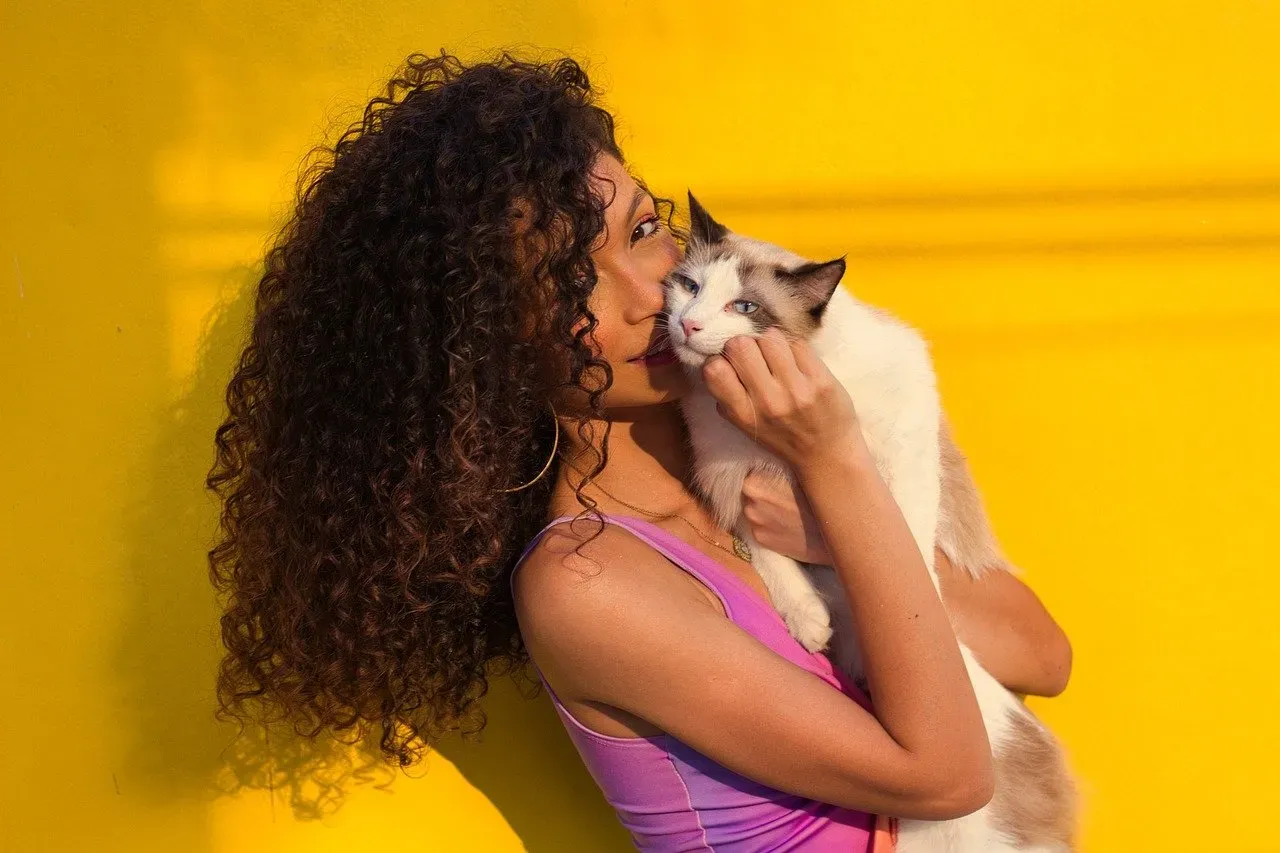
While bunting often expresses affection, your cat might also use it as a gentle nudge to get what they want. Sometimes, headbutting is how your cat gets your attention, and whether it wants a snack, a pet, or just some eye contact, that nudge means, “Hey, I’m here”. It’s considerably more polite than yowling at three in the morning, that’s for sure.
Bunting may also be used as an attention-seeking behavior if your cat butts his head up against you and then tucks it down or turns to the side, and he may be asking for one of those wonderful neck or head scratches that you often do for him. Pay attention to what happens after the bunt. Does your cat immediately look toward their empty food bowl? Do they turn their head expectantly, waiting for you to scratch that perfect spot behind their ears? Your kitty is communicating their needs in the most civilized way they know.
Dominant Cats Often Initiate Bunting
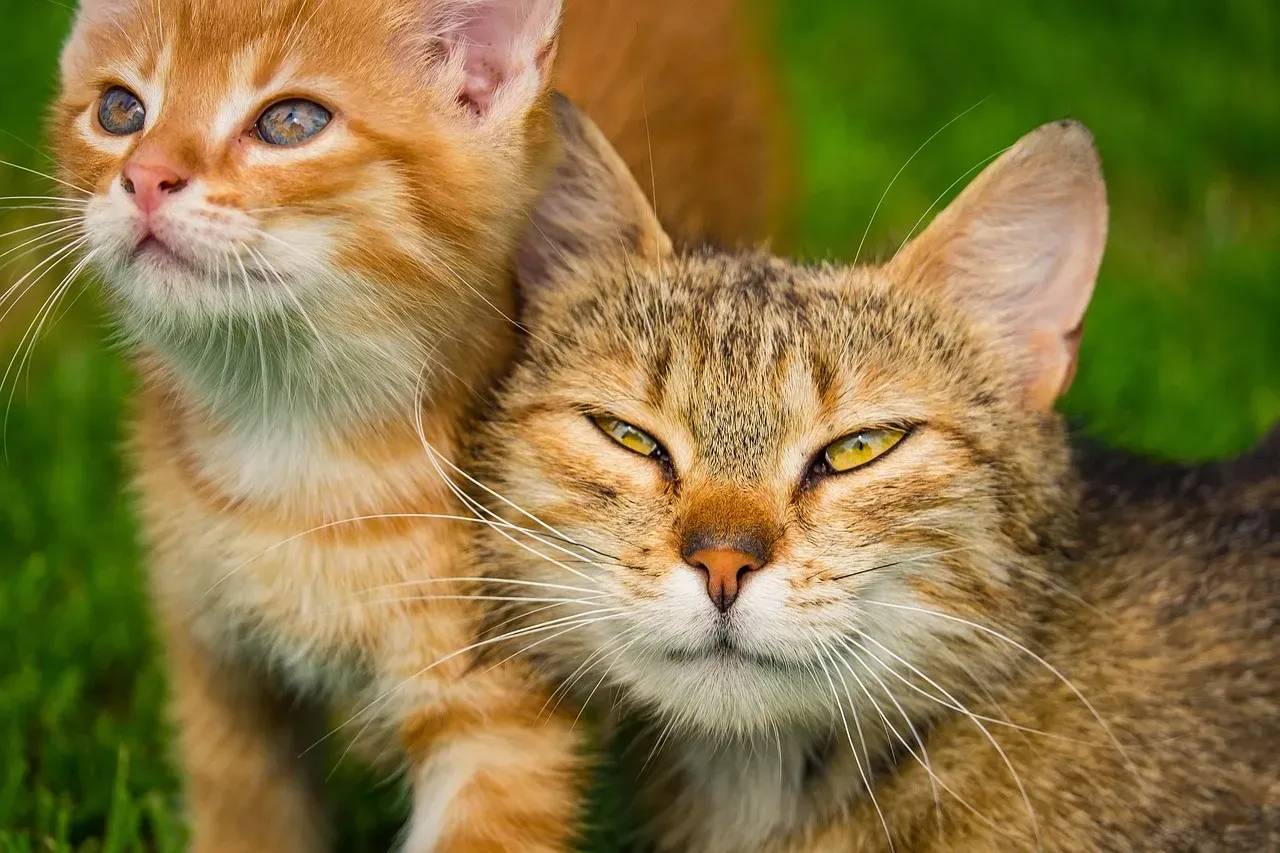
Your cat’s personality will matter as much as the breed when it comes to how they show affection through bunts, and the more confident and outgoing a cat is, the more likely they will bunt, and if there is more than one cat in your house, the more confident cat is likely to do most of the headbutting. It’s not about aggression or dominance in a negative sense.
A more dominant cat with a higher social rank will be the one to initiate head bunting, and it’s the job of the dominant, confident cat to spread the family scent and groom the other cats (and sometimes humans). So if you have one cat who’s constantly bunting everyone and everything, that’s probably your household’s self-appointed social coordinator. They’ve taken it upon themselves to make sure everyone smells like they belong together.
Self-Soothing and Comfort
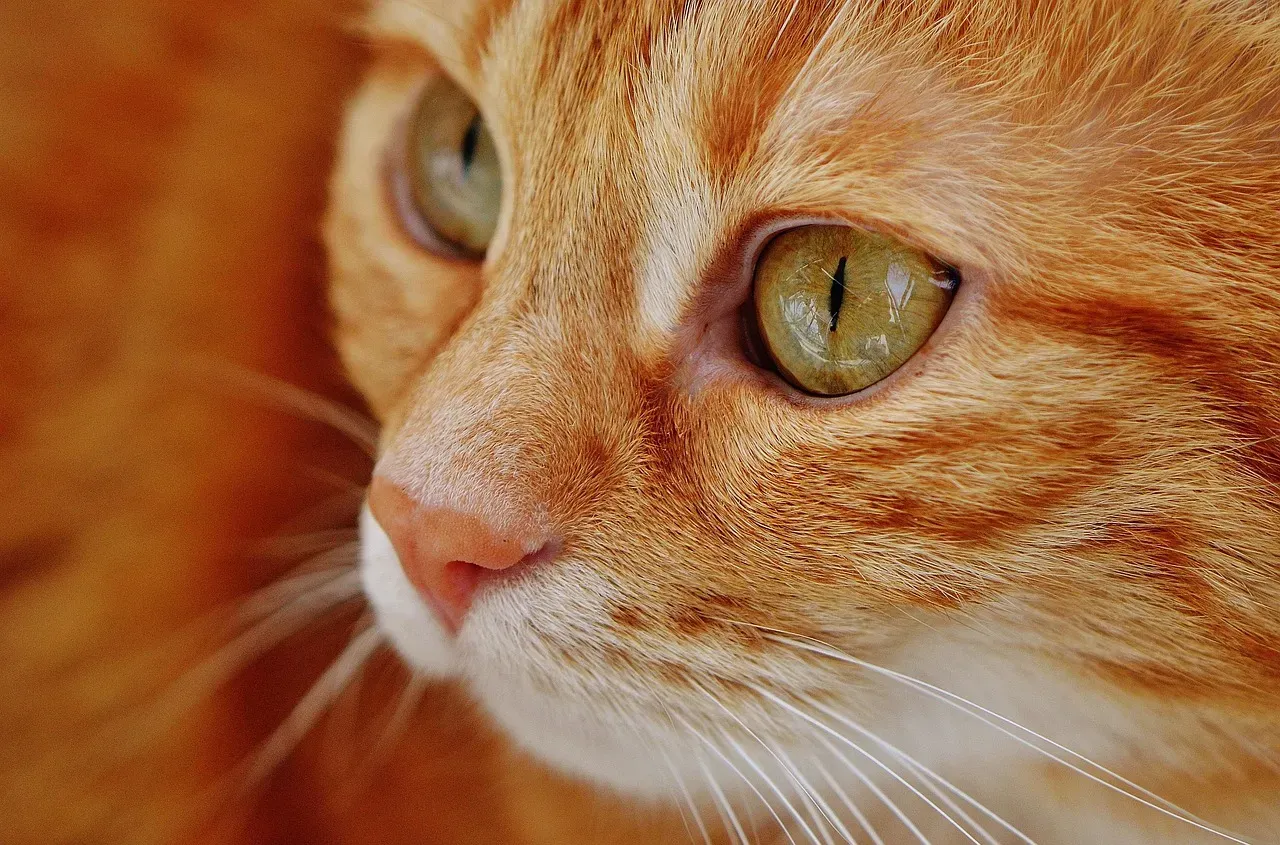
Cats also rub their face on you, or head butt, to self-soothe and regulate their emotional states, and they often purr and look relaxed, indicating their happiness and relaxation, and this behavior can help them feel secure and reduce stress. Your cat might bunt objects around the house or even you when they’re feeling anxious or overwhelmed.
Cats also use bunting as a way to familiarize themselves with their environment, and the pheromones released through this work to ease the cat’s anxieties about an unfamiliar area. Honestly, it’s kind of like how some people bite their nails or fidget with a stress ball. Your cat is spreading their own comforting scent to create a sense of calm and control in their world.
How You Should Respond
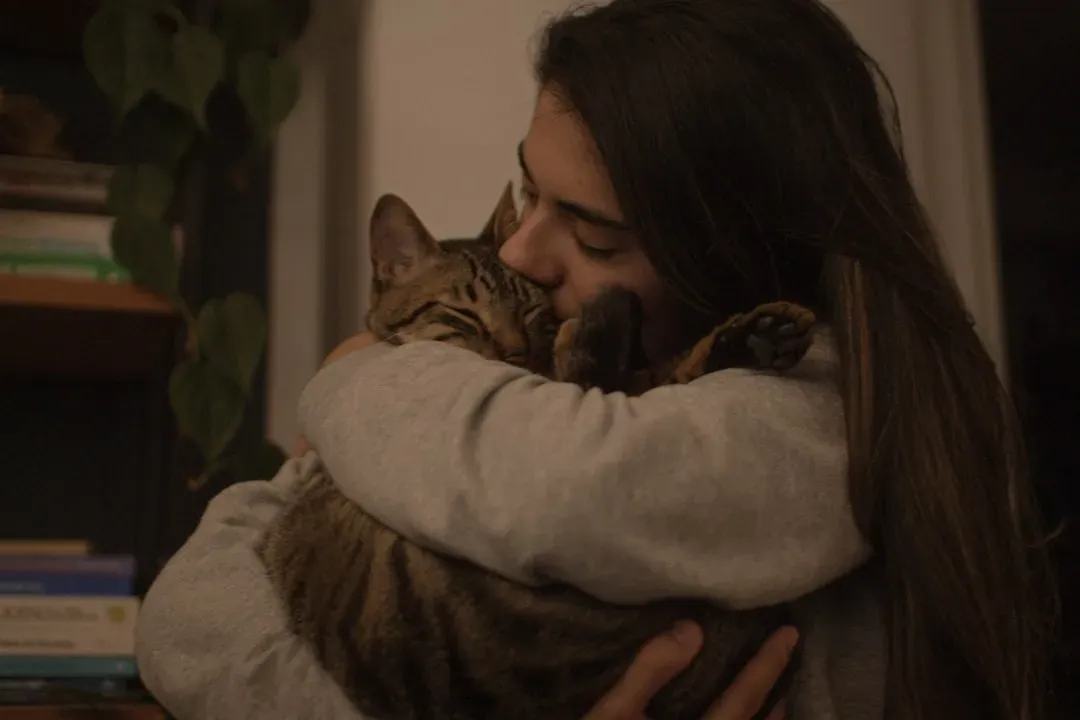
You can return the gesture by leaning in or gently pressing into them to give the affection back, though there’s no need to go forehead-to-forehead with them. Some cats love it when you reciprocate with a gentle head touch of your own, while others prefer you simply stay still and receive their affection.
Reward their affection by petting them in their favorite spot, such as around their chins or behind their ears, and they’ll show you that they enjoy it by leaning into you. Watch your cat’s body language carefully. If they seem to enjoy your response, continue. If they pull away or seem uncomfortable, just accept their bunt graciously without forcing further interaction. Every cat has their own preference for how much affection they want to receive back.
When Head-Butting Might Signal a Problem
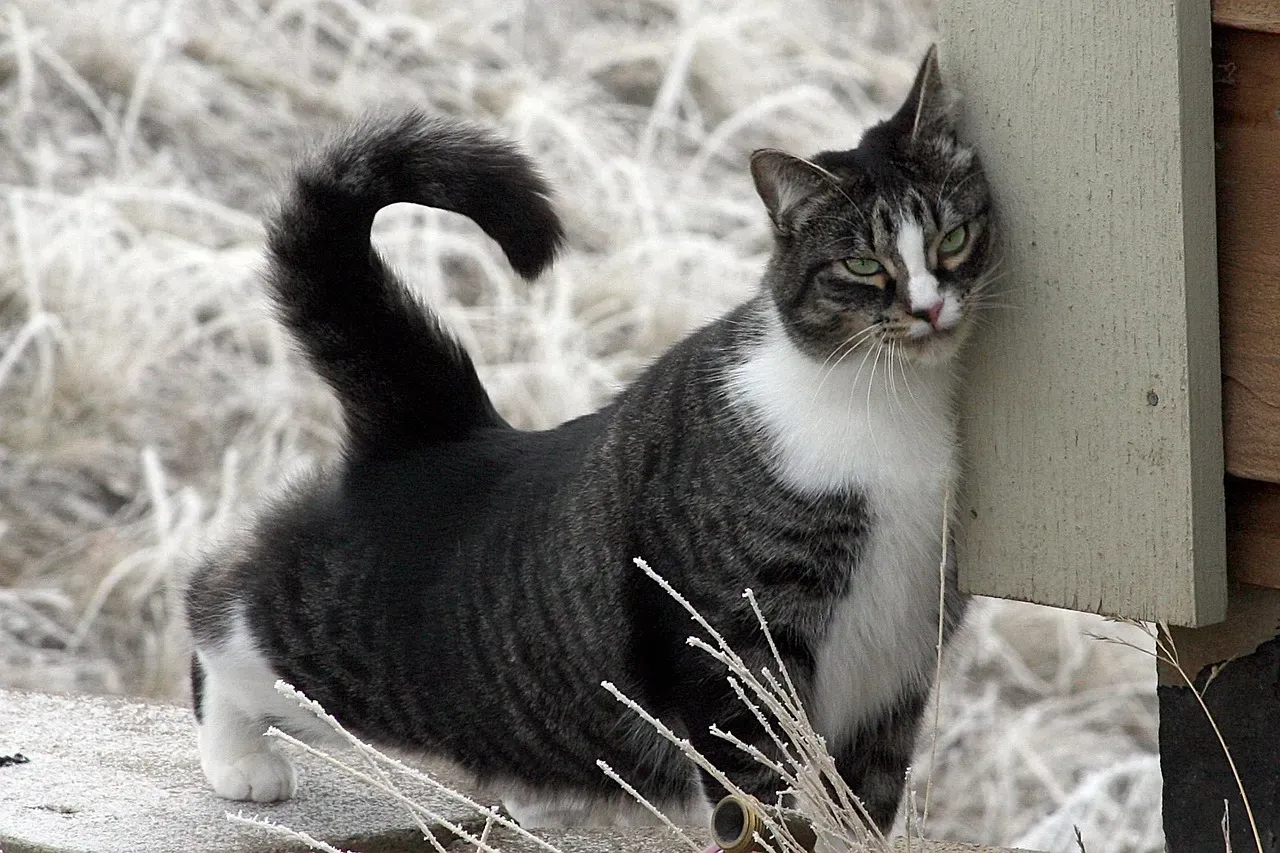
It’s important to note that cat headbutting is not the same as a similar behavior called head pressing, and with head pressing, a cat will push their head into the wall, corner, or something else for a longer period of time and will typically not appear relaxed. This distinction is crucial for your cat’s health.
Head pressing can also be accompanied by symptoms such as pacing, vision changes, or other signs of illness, and if your cat is head pressing or shows any other signs, it could be an indication of a serious neurologic condition, and in this case, your cat should be immediately examined by a veterinarian. If something feels off about your cat’s behavior, trust your instincts and get them checked out. Head pressing looks very different from the relaxed, affectionate bunting you’re used to seeing.
The Beautiful Language of Feline Affection
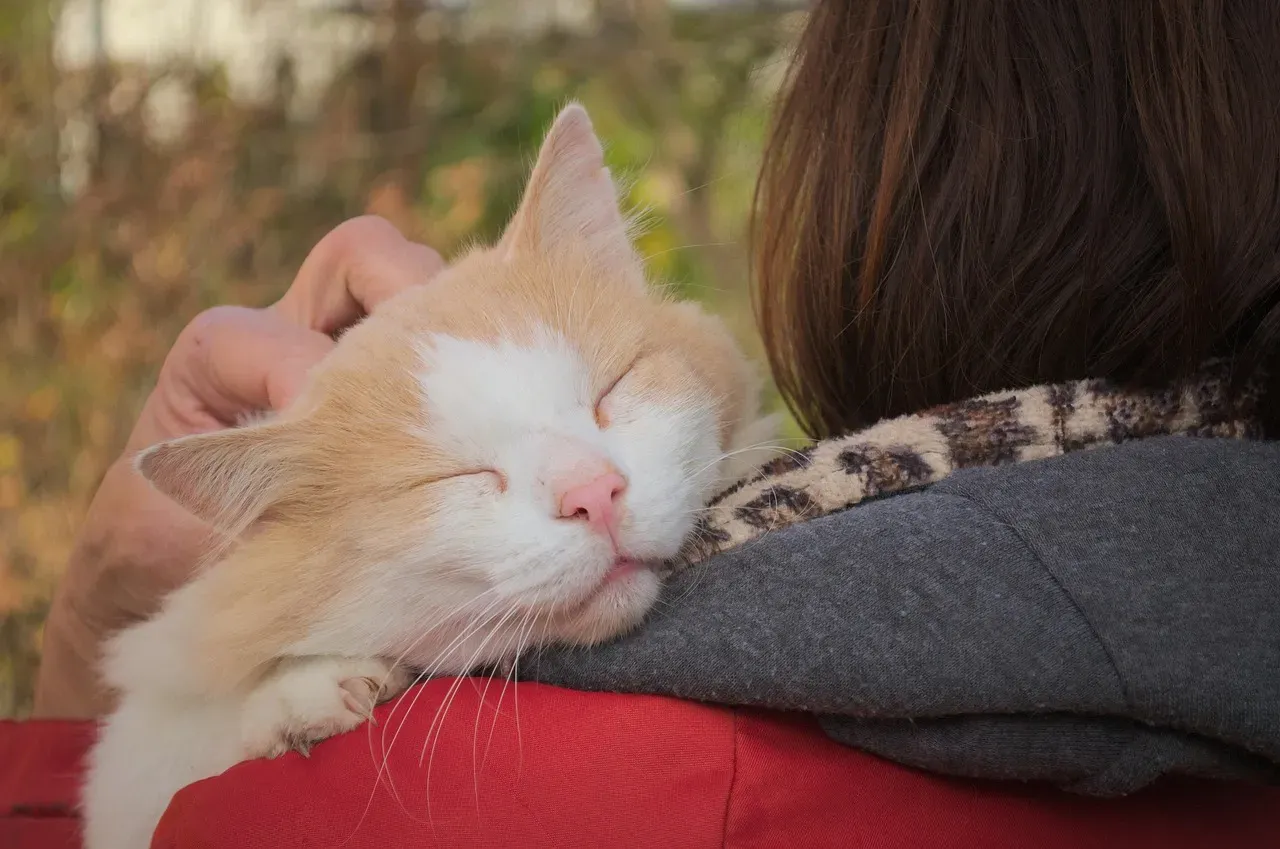
Cat facial pheromones have a calming and reassuring effect, so headbutting can be a sign your cat is content, and both before and during headbutting, a cat may flop over playfully, purr, partially close their eyes, or exhibit other relaxed behaviors and body language. When you understand what your cat is truly saying with these gentle bonks, the whole experience becomes even more special.
Headbutting is one of the many ways cats communicate their affection, trust, and social connection, and whether they’re marking you with their scent, seeking attention, or expressing comfort, this behavior is a sign of a strong bond between you and your pet, and understanding why your cat headbutts can deepen your appreciation for their unique way of showing love and reinforce the companionship you share. The next time your furry companion gives you one of those signature head bonks, take a moment to appreciate the depth of what they’re telling you. You’ve been chosen, marked, and accepted into their world. What do you think about it? Does your cat have their own unique bunting style that makes you smile?