You’re sitting on your couch, scrolling through your phone, when suddenly your cat leaps up beside you and gently bonks their forehead against your chin. It’s adorable, unexpected, and oddly forceful for something that feels so tender. This peculiar feline behavior has captured the hearts and curiosity of cat parents worldwide. What’s actually happening when your furry friend headbutts you? Let’s be real, there’s way more to this gesture than a simple hello.
The Science Behind the Bonk
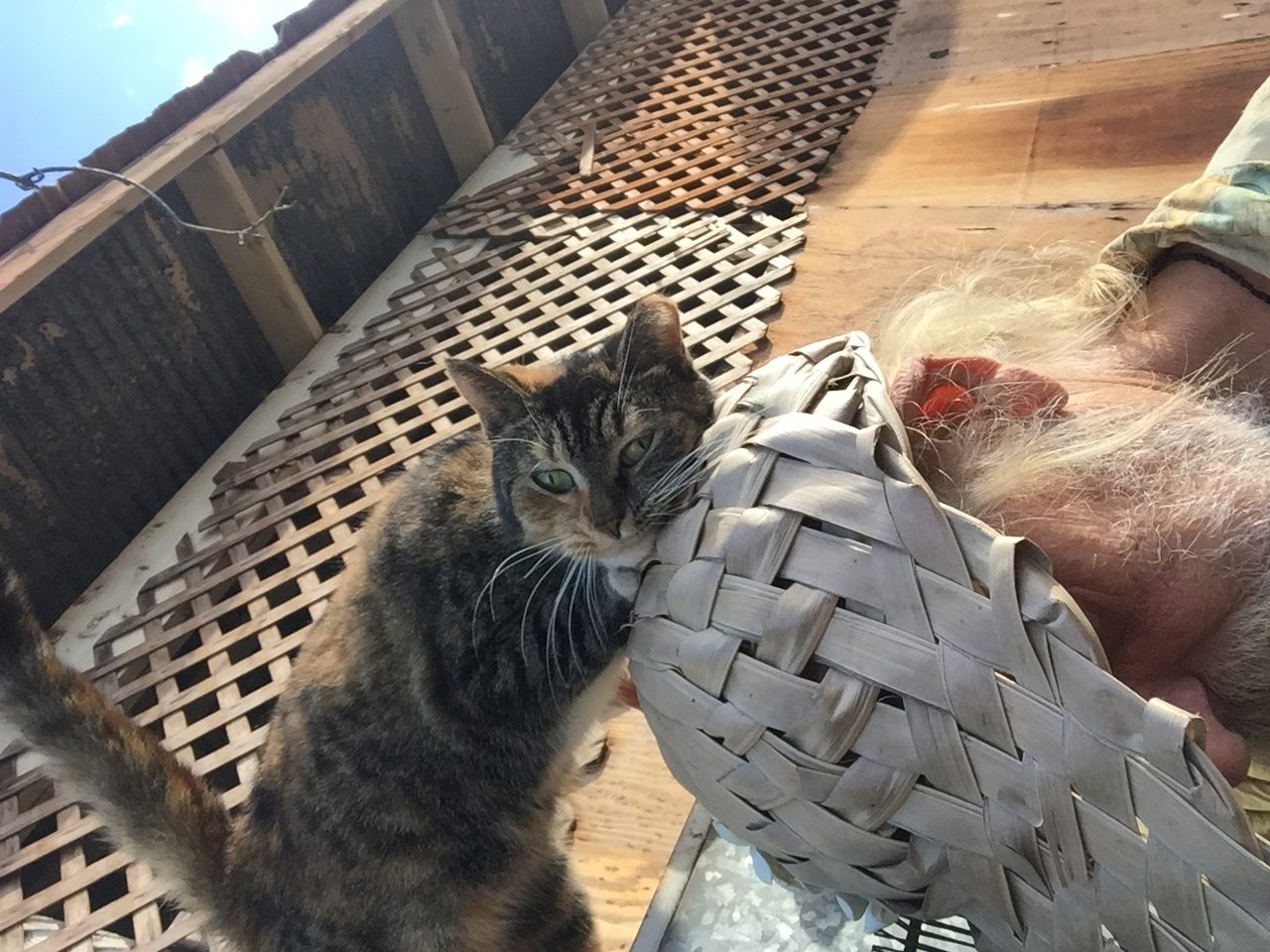
When your cat headbutts you, they’re engaging in what animal behaviorists technically call bunting. Temporal glands produce a fatty substance containing pheromones that a cat can transfer from herself to objects, people, and other animals. These glands are located between your cat’s eyes and ears, in an area where their fur is often thinnest and sometimes even a bit oily to the touch.
When a cat headbutts you, they are rubbing pheromones on you. The pheromone deposited during headbutting comes from glands located just in front of a cat’s ears. Humans can’t detect these chemical signals at all, but to other cats, you’re basically covered in invisible post-it notes announcing your cat’s presence. Think of it as your feline friend leaving their signature all over you.
Here’s the thing about pheromones: they’re not just random scents. Cat facial pheromones have a calming and reassuring effect, so headbutting is a sign your cat is very content. The entire process is rooted in biology and social communication that dates back to their wild ancestors.
You’ve Been Officially Claimed
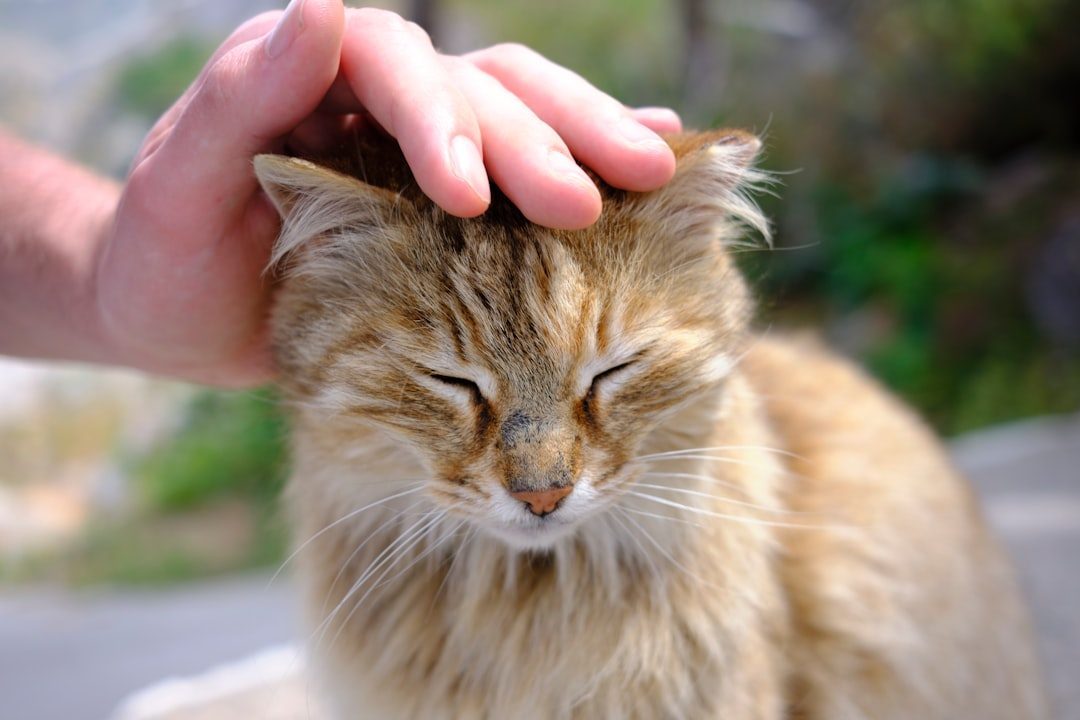
Cats mark familiar people just like they mark things around the house. When a cat headbutts and marks you, it means you’ve been accepted into a very special club: a cat’s inner circle. Honestly, you should feel pretty honored.
Your cat isn’t trying to dominate you or show aggression. This type of marking behavior claims a territory as familiar and in a positive way. It’s vastly different from territorial behaviors like urine marking, which signal insecurity or competition. When your cat headbutts you, they’re essentially saying you belong to them and they feel completely safe around you.
When your cat headbutts you (or other objects in their environment), they’re essentially marking you as part of their territory. This scent-marking behavior tells other cats that you’re within their social circle. It might sound possessive, but it’s actually deeply affectionate.
Creating a Family Scent Profile
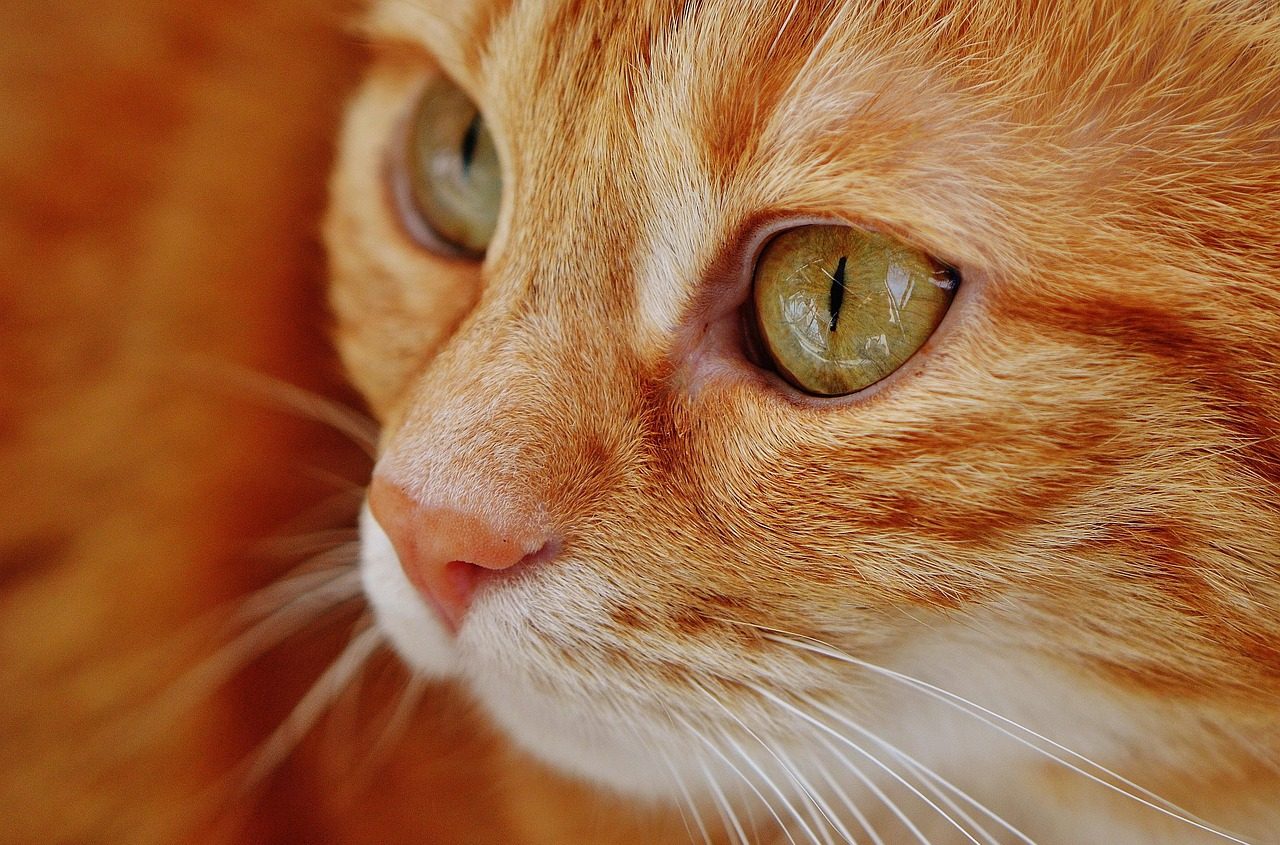
When cats within a colony headbutt each other, they are mixing their scents to create a single scent. This unique scent is then distributed to all of the cats in the colony as the colony scent. In multi-cat households, you’ll notice your pets bunting each other regularly to maintain this shared smell.
The same principle applies to you. When your cat headbutts you after you’ve been at work all day, they’re not just greeting you. They’re refreshing the family scent that faded while you were gone. Your cat wants you to smell like them again because it creates a sense of belonging and unity. Bunting releases pheromones that create a shared group scent, helping cats establish and maintain social bonds. This chemical communication helps create a harmonious environment and strengthens relationships between cats and their human or animal companions.
It’s Definitely About Trust and Affection
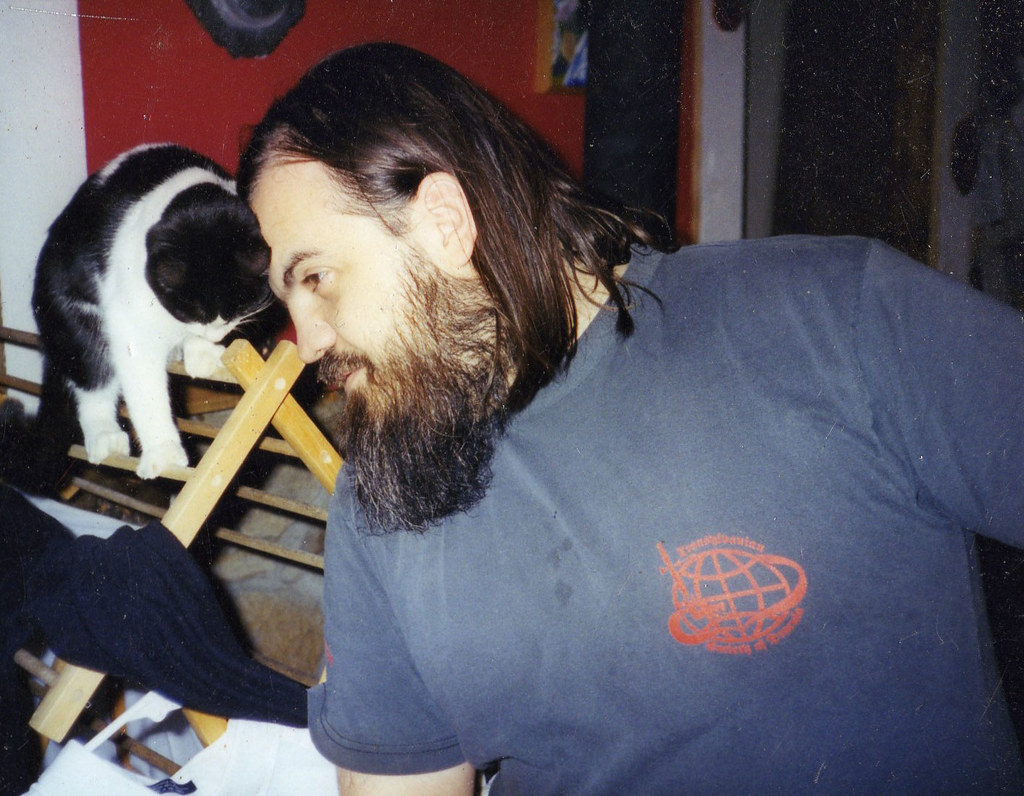
According to cat behaviorist Pam Johnson-Bennet, putting their head so close to another is a sign of trust and friendliness. Think about it: your cat is bringing one of their most vulnerable areas, their head, directly into contact with you. That takes serious confidence in your relationship.
Headbutting is completely normal in most cases and can be considered a good sign of affection and bonding. It helps strengthen the bond between you and your cat and can be comforting for them. The behavior typically comes with other signs of contentment like purring, partially closed eyes, or even playful flopping over.
It’s what scientists call an “affiliative behavior,” an act designed to encourage closeness in a group of cats, or in this case, cats and people. An affiliated or bonded group of cats will do things that cats who are strangers will not do. Essentially, your cat views you as family.
Sometimes It’s Just a Greeting or Attention Request
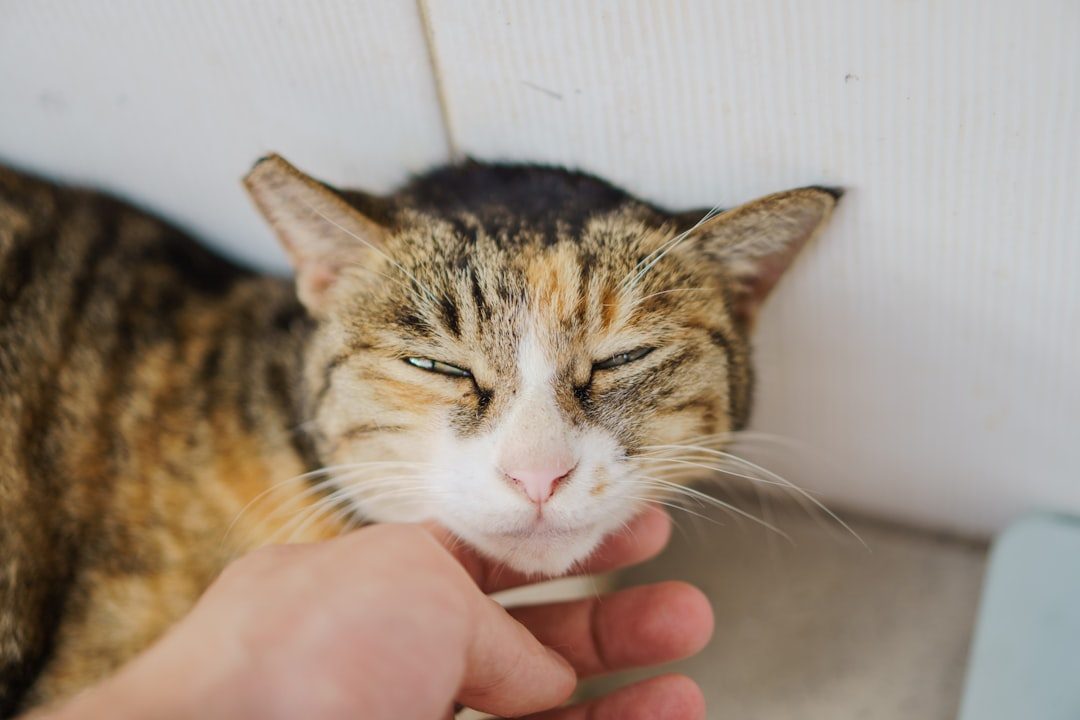
Let’s be honest, cats are smart. They know how to get what they want. Cats will often headbutt you in the morning, when you get home from work, or when they want to be petted. If your cat headbutts you and then stares at their empty food bowl, the message is pretty clear.
If your cat headbutts you while you’re sleeping, it’s likely an attempt to wake you up for attention, food, snuggles, or playtime. Cats are most active during dawn and dusk, which explains those early morning bonks to your forehead. Your cat might genuinely just want some quality time with you.
Headbutting can be triggered by a variety of different reasons, including a desire for attention or affection, recognizing your scent after being away for a while, stress or seeking comfort, or positive reinforcement if they’ve been rewarded for their behavior in the past.
The Intensity Varies by Personality
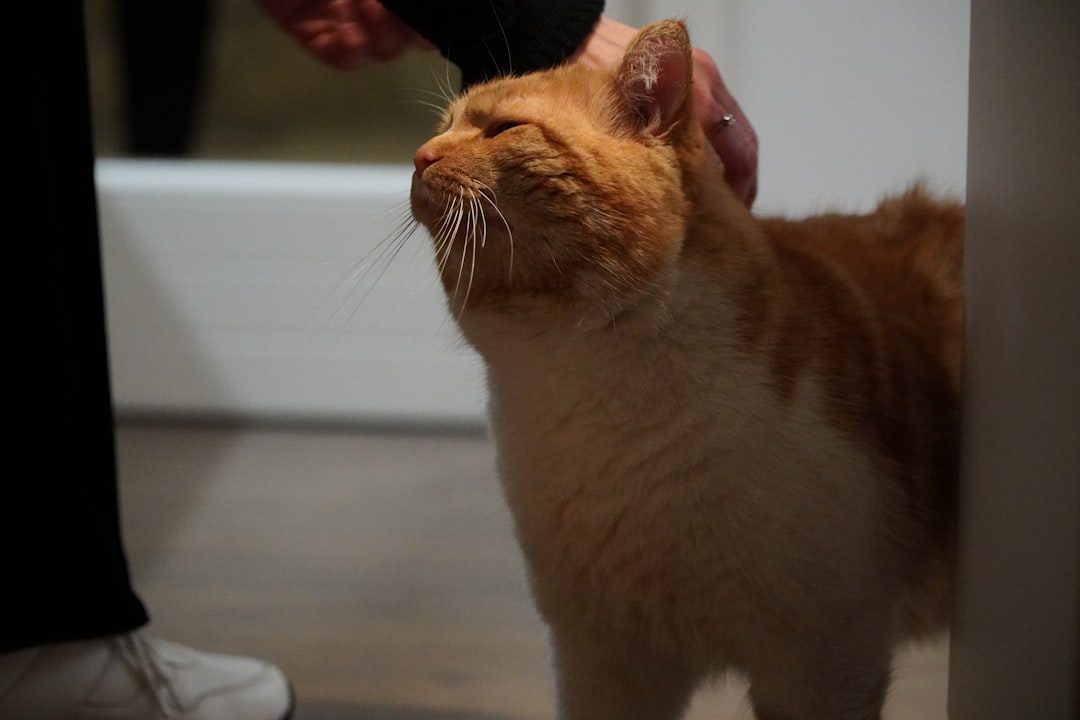
A cat may softly, languorously push his head against yours. Or, he might give you a brain-rattling bonk on the skull. Every cat has their own bunting style, and it usually reflects their personality and emotional state at that moment.
The force of a cat’s headbutt can vary depending on their personality and the situation. A harder headbutt might indicate heightened excitement or a stronger desire to convey affection. It’s generally a positive sign that your cat feels deeply attached to you. So if your cat really slams into you sometimes, they’re probably just extra enthusiastic about expressing their love.
Not All Cats Headbutt the Same Amount
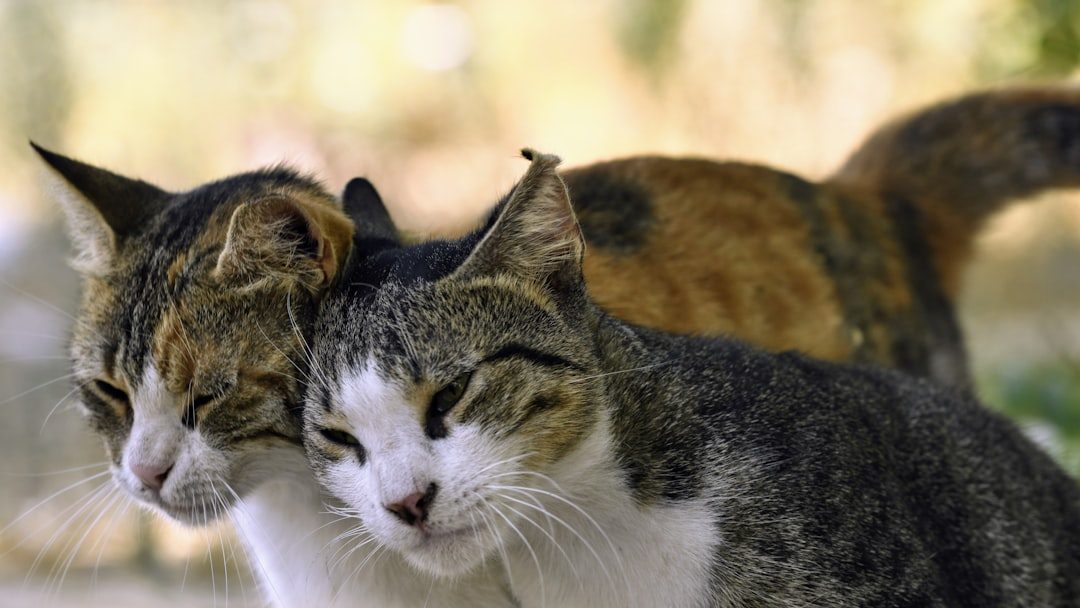
Some cats are more likely to engage in bunting than others, so a lack of bunting isn’t necessarily an indicator of a problem. Just like people have different love languages, cats have their own ways of showing affection. Some cats might prefer sitting next to you or slow blinking instead of headbutting.
If you’ve just adopted a cat or moved to a new home, it might take time for bunting behavior to emerge. If you’ve just adopted a cat or your cat is in a new environment, it may take some time for them to warm up. Otherwise, as long as your cat seems comfortable, they may not just be big on the headbutts. Don’t take it personally if your cat isn’t a frequent bunter.
When Headbutting Might Signal a Problem
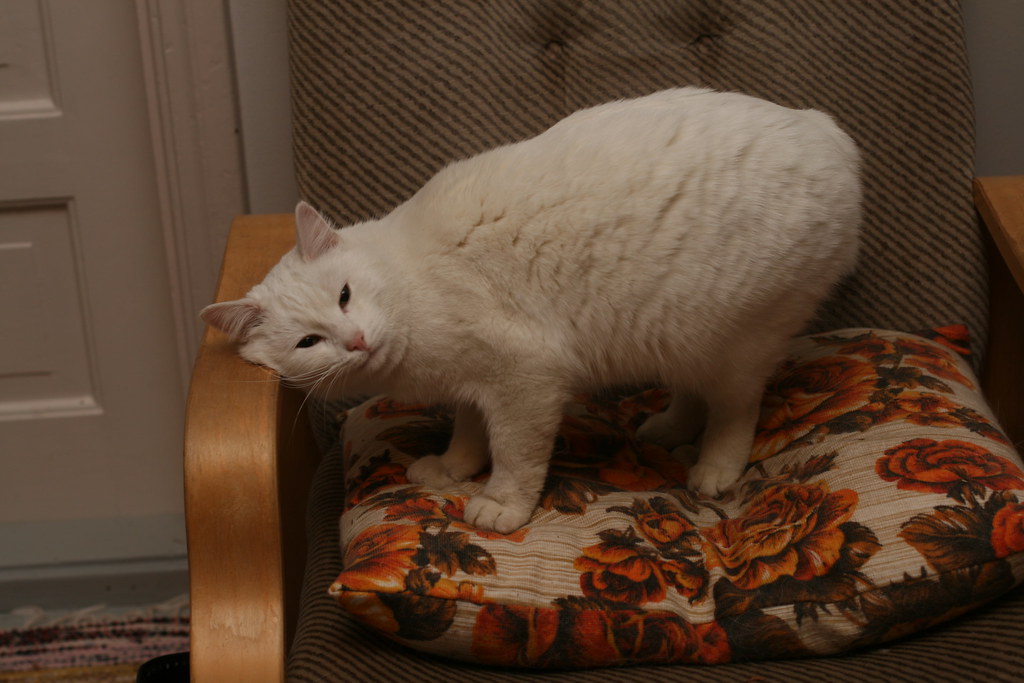
It’s important to note that headbutting in cats is not the same as a similar behavior called head pressing. With head pressing, a cat will compulsively push their head into the wall or corner and will typically not appear relaxed. This is a serious distinction you need to understand.
If your cat is head pressing or shows any other signs, it could be an indication of a serious neurologic condition. In this case, your cat should be immediately examined by a veterinarian. Head pressing can be accompanied by pacing, vision changes, or self-injury, and it’s a medical emergency.
If a cat headbutts excessively or aggressively, it might be a sign that it’s anxious, stressed, or has a medical issue. Pay attention to changes in frequency or intensity of headbutting behavior, especially if it’s paired with other unusual symptoms.
How to Respond to Your Cat’s Headbutts
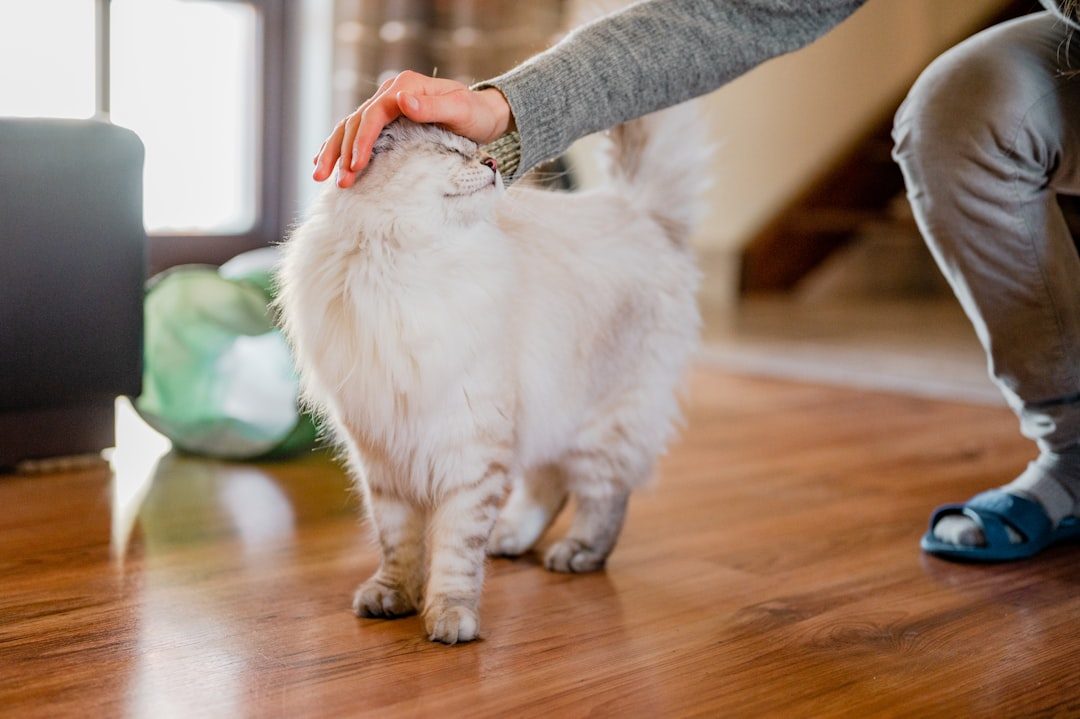
When your cat headbutts you, the best response is gentle reciprocation. The best response is gentle reciprocation through petting or verbal acknowledgment. This reinforces the positive social interaction and strengthens your bond with your cat. You can even try gently headbutting them back in a slow, soft manner.
If you know your cat likes to put their head close to yours, go ahead and try out your own headbutt. Keep it slow and gentle and see how your cat reacts. She’ll most likely return the gesture and headbutt you back. It’s one of the best ways to communicate with your cat in their own language. However, always let your cat initiate and control these interactions. Respect their boundaries and personal space preferences.
The next time your cat bonks their fuzzy little forehead against you, remember that it’s a complex behavior loaded with meaning. They’re marking you as theirs, expressing contentment, building social bonds, and showing trust all in one simple gesture. It’s their way of saying you’re family, and honestly, that’s pretty special. What do you think about your cat’s headbutting habits now? Share your experiences in the comments below.