You’ve felt it before. That rhythmic pressure against your lap, those soft paws pressing into your skin with deliberate, measured motions. Sometimes it’s pure comfort. Other times, those claws make you wince a little. Your cat is kneading you, and while it might seem like a quirky habit, this behavior tells a story that runs much deeper than you might imagine.
Honestly, it’s one of the most misunderstood gestures in the feline world. People often wonder if their cat is confused, uncomfortable, or just plain strange. The reality? When your cat kneads you, they’re giving you the highest compliment a feline can offer. It’s their way of saying you matter.
What Exactly Is Kneading?
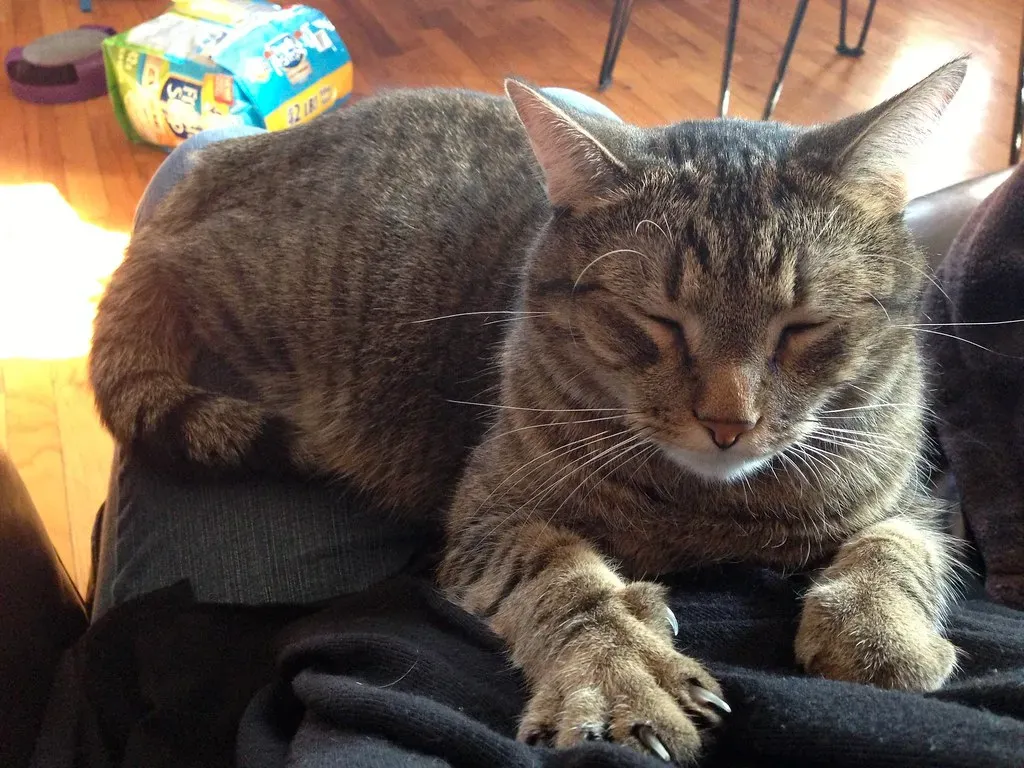
Kneading is when cats massage an object with the front paws, which extend and retract, one paw at a time, in a rhythmic motion. Think of it like a gentle, alternating press that looks strangely similar to someone working dough in a kitchen. Some cats do this quietly, almost in a trance. Others add purring, drooling, or even a glassy-eyed stare that makes them look completely zoned out.
Most cats will knead, but not all will do it in the same way, and the accompanying actions may differ. Some will purr really loudly, where others may do it quietly, others may do it with just their front paws, whereas some will put their all into it and use all four. Your cat might knead your stomach, a cozy blanket, or even another pet in the house. It’s a universal feline language, though each cat speaks it with their own accent.
Why Do Kittens Start Kneading?
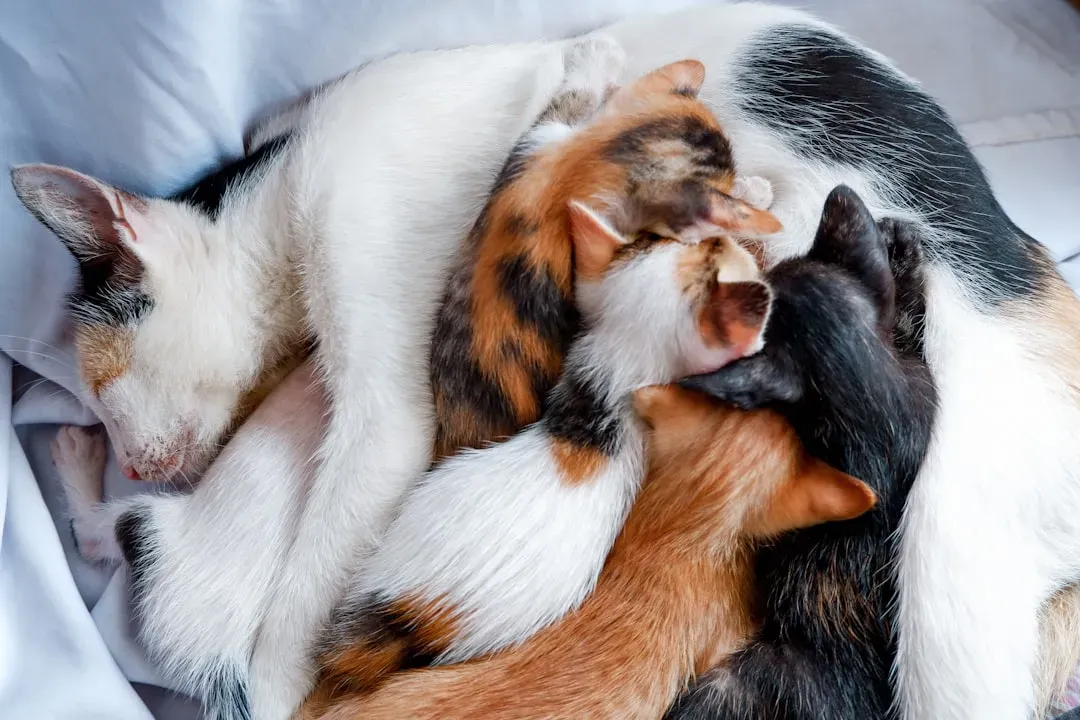
Kittens use a kneading action to stimulate milk production from their mother cat when nursing. This instinctual motion helps them get the nourishment they desperately need during those early, vulnerable weeks of life. It’s not a learned behavior. No mother cat sits down and teaches her kittens to knead. They just know.
Kneading is associated with suckling, which helps stimulate a mother cat’s milk supply through the release of oxytocin. Beyond the physical benefit, this action creates an emotional bond. The warmth, the scent of their mother, the rhythmic motion – it all combines into a deeply comforting memory that stays with them. Even after they’re weaned and fully grown, that association lingers like a half-remembered dream.
Does Your Cat See You as Their Parent?
Here’s where things get interesting. While kneading evolved to stimulate milk supply and express chemical and tactile messages between kitten and mother, it’s also a common behavior in adult cats, because of something called neoteny, which is when an animal retains their juvenile physical or behavioral traits into adulthood. Domestic cats are living proof of this phenomenon.
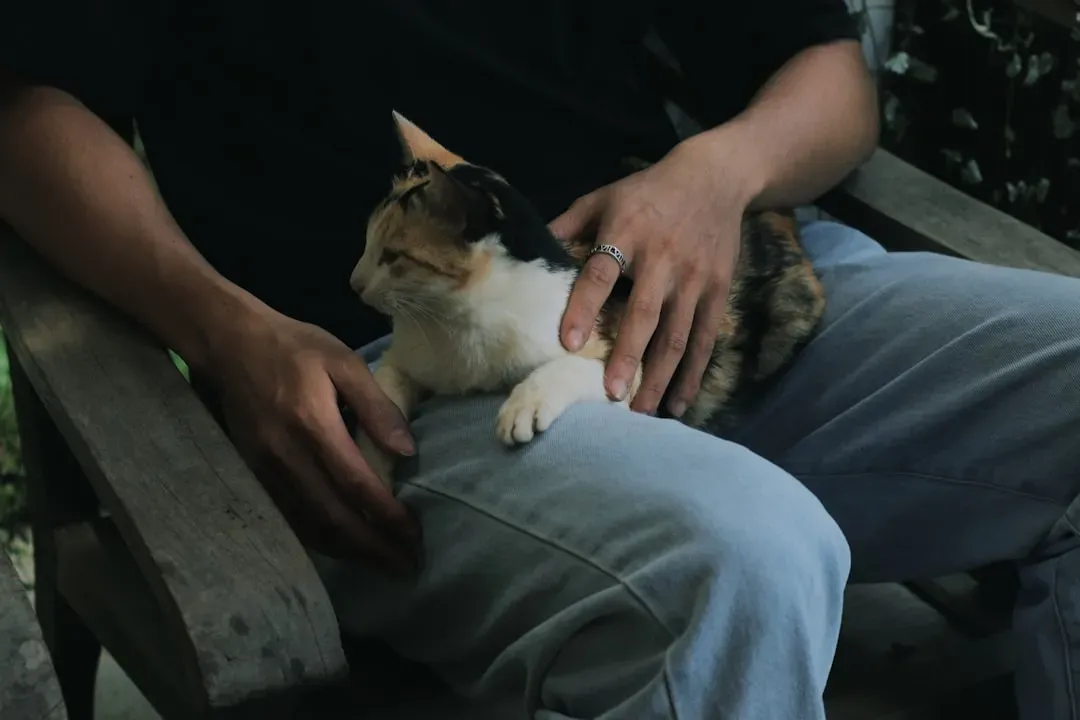
Kneading on your lap is a cat’s way of saying “we’re affiliated” or “you’re in my social group,” or, to be very human about it, “you’re my person.” It’s not that your cat thinks you’re going to start producing milk. Instead, they’re recreating that profound sense of safety they felt as kittens. You’ve become their comfort zone, their safe place. That’s no small thing in the world of cats, where trust isn’t handed out freely.
Is Kneading a Sign of Affection?
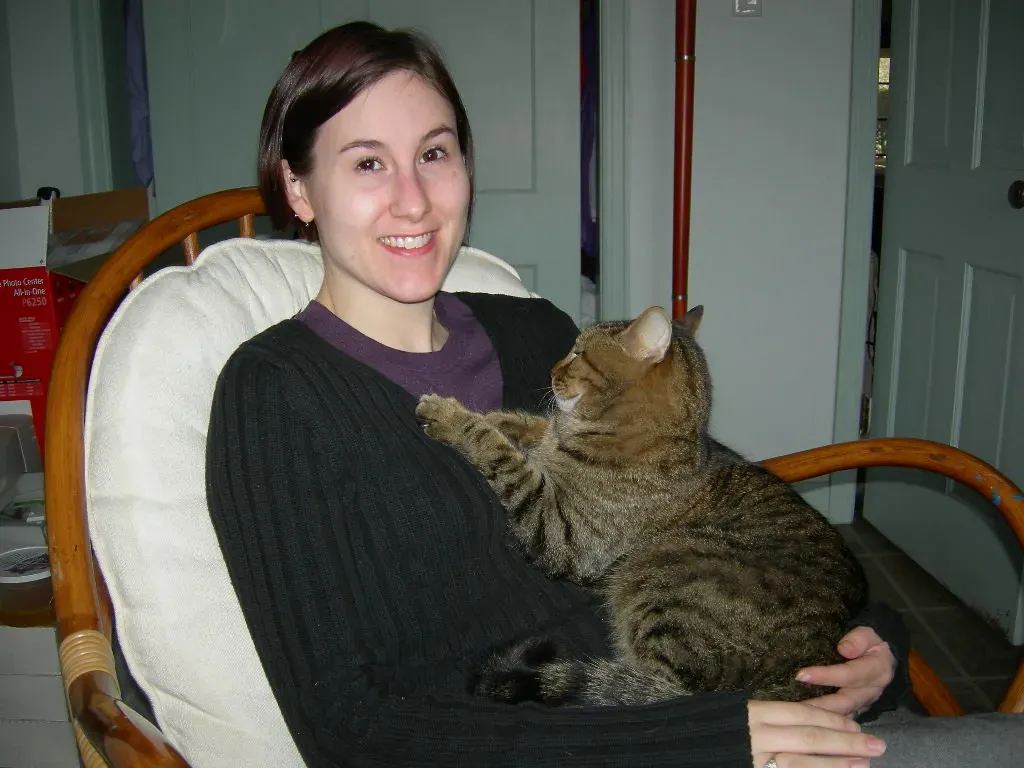
Absolutely. When your cat kneads you, it can be a sign of affection, since kneading is a behavior that he performed as a kitten with his mother, conveying a sense of comfort and security. Cats don’t knead strangers or things they dislike. They reserve this behavior for the people, places, and objects they truly love.
Let’s be real – cats can be aloof. They’re selective about who gets their attention. So when your cat climbs onto your lap and starts pressing those paws rhythmically into your thigh, take it as the ultimate badge of honor. Kneading usually means the cat feels happy, friendly and safe. You’re not just tolerated. You’re cherished.
What About That Trance-Like State?
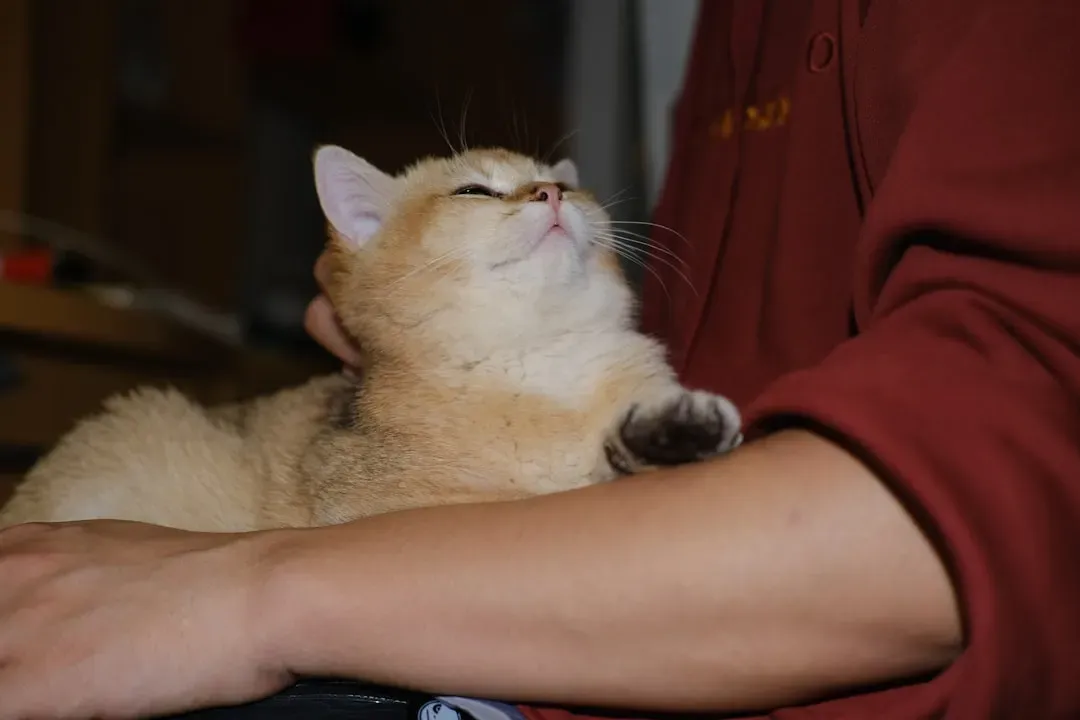
It’s not unusual for cats to appear to be in a trance-like state and look almost glazed over when they knead, which just means that they’re completely relaxed. Have you noticed your cat’s eyes going half-closed, their body going limp, maybe even a little drool escaping? Don’t panic. That’s pure bliss.
Kneading is a relaxing and soothing thing for cats to do, and you may even notice your cat appears to be zoned out while kneading. Sometimes cats will drift off to sleep while enjoying the motion. It’s like their version of meditation. The repetitive motion, the softness beneath their paws, the familiar scent – all of it works together to create a sense of deep peace. Your cat is basically in their happy place, and you’re part of it.
Are Cats Marking Their Territory When They Knead?
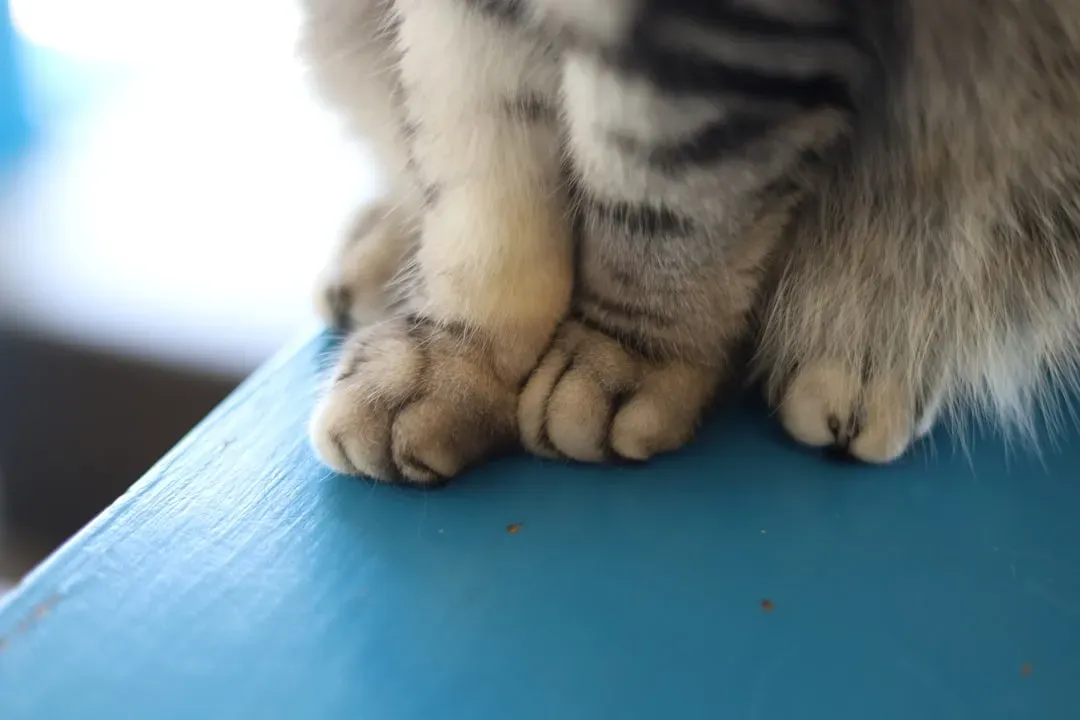
Yes, and it’s more sophisticated than you might think. Cats have scent glands in their soft paw pads, and when they knead, these glands release pheromones. These chemical messages are invisible to us, but to other cats, they’re loud and clear.
A possible answer to why cats knead is that they’re trying to mark their territory, because there are scent glands that release pheromones in their paws. By pushing their paws in and out they activate these scent glands, so they could be doing this on your lap to mark you as their own and warning other cats to back off. So when your cat kneads you, they’re essentially branding you as theirs. It’s possessive, sure, but also oddly flattering. You’re claimed.
Can Kneading Be a Stress Response?
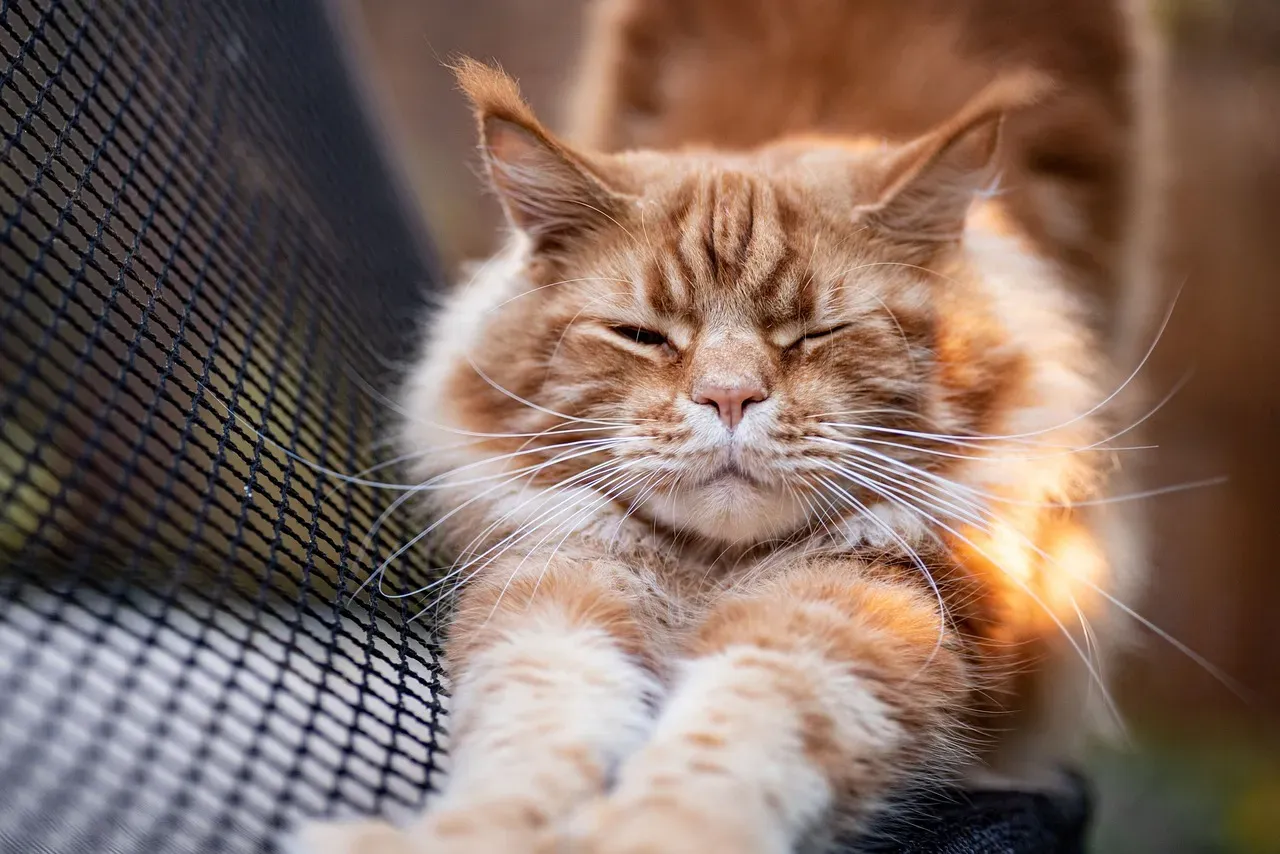
Sometimes, though it’s less common. The action of kneading in cats causes the release of endorphins, a pain-relieving, feel-good chemical in the brain, and increased or excessive kneading can be a sign that your cat is uncomfortable or anxious, and his kneading could be an attempt to soothe himself. It’s a coping mechanism, a way to self-regulate when things feel overwhelming.
If your cat kneads excessively or suddenly kneads less than usual, it could mean that they don’t feel well, because kneading is a comforting action and cats who feel stressed or are experiencing pain may knead to soothe themselves. Pay attention to context. If your cat is kneading more than usual and seems agitated or distressed, it might be worth checking in with your vet. Most of the time, though, kneading is just happiness in motion.
Is There a Connection to Wild Cats?
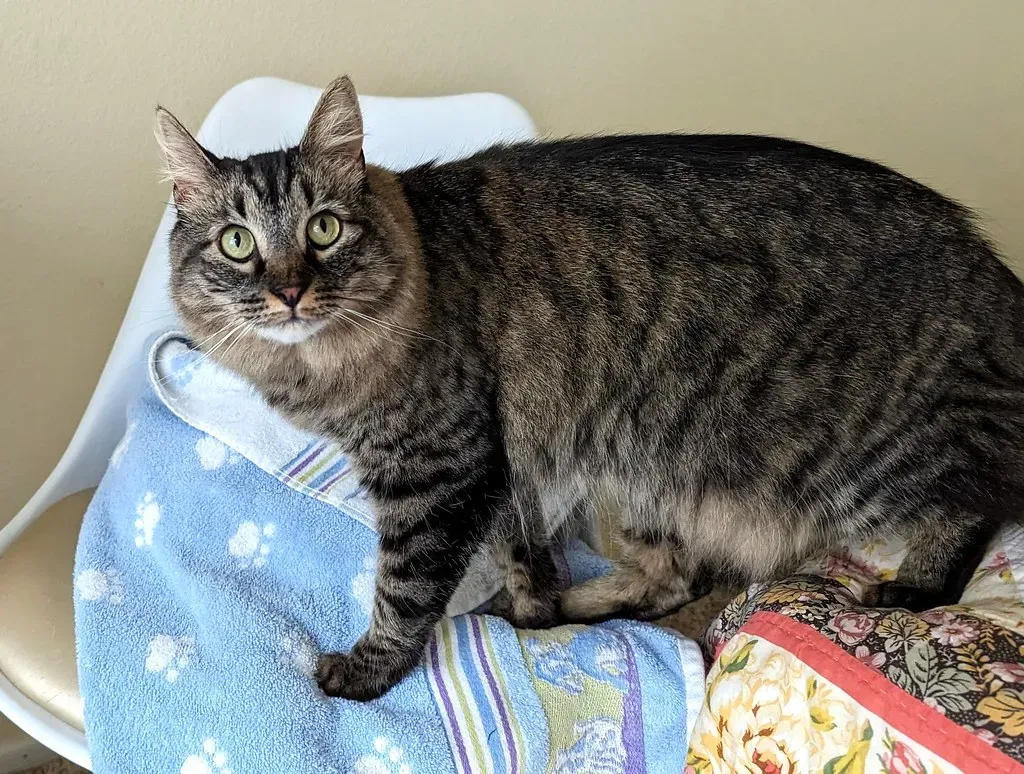
There is, actually. Kneading may have an origin going back to cats’ wild ancestors who had to tread down grass or foliage to make a temporary nest in which to rest. Even big cats in the wild have been observed doing something similar when they’re preparing a comfortable spot to sleep.
Wild cats knead grass to create a comfortable resting place, and the same is true for domestic cats, who often knead soft objects before lying down. It’s survival instinct wrapped in a cozy blanket of domesticity. Your cat might not need to flatten grass anymore, but the behavior persists. That’s the beauty of evolution – it doesn’t always erase the old habits, even when they’re no longer necessary.
What Should You Do If the Claws Hurt?
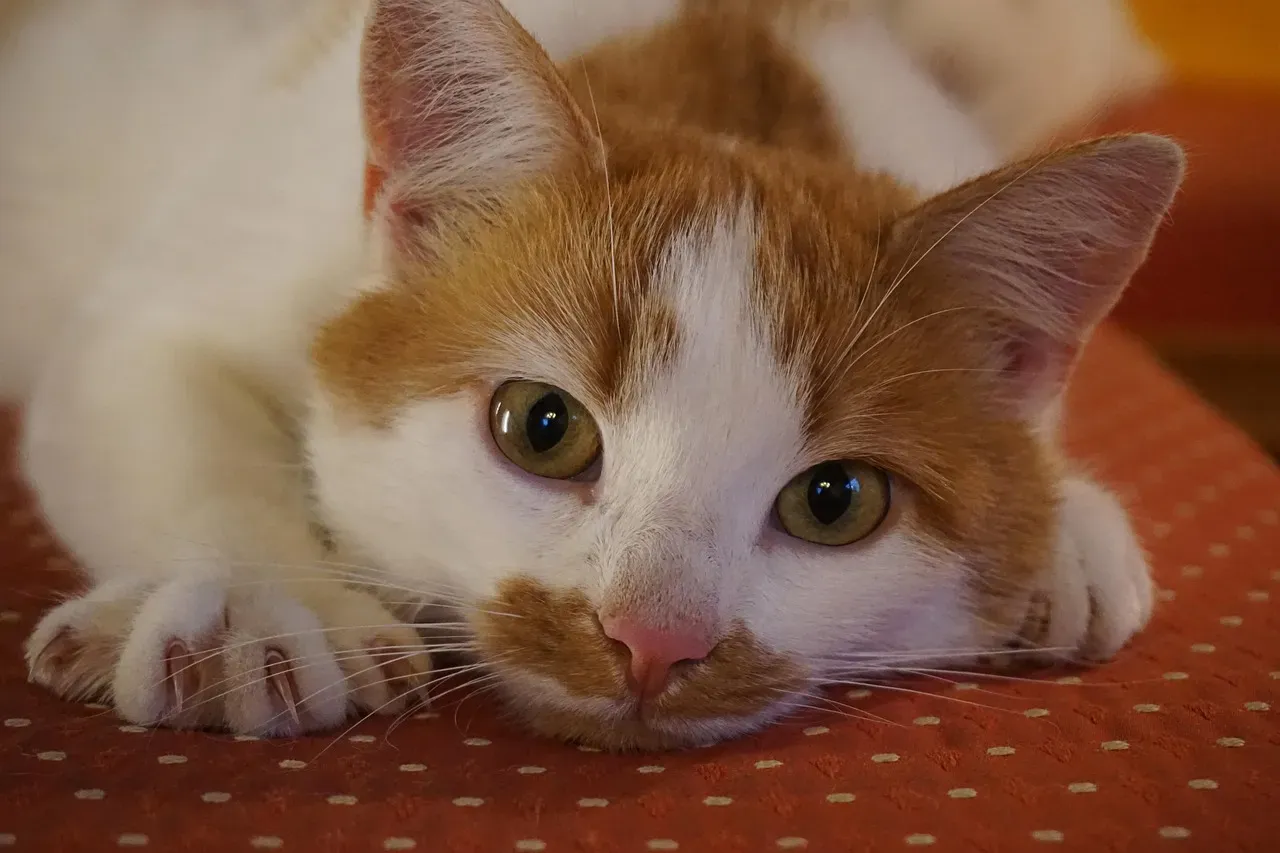
Let’s be honest – kneading can hurt. Those little claws dig in, and suddenly your moment of bonding feels more like acupuncture. The good news? You don’t have to suffer in silence, and you definitely shouldn’t punish your cat for it.
Rather than preventing your cat from kneading, you can redirect their behavior to an appropriate location by choosing a thick, plush blanket and designating it as your cat’s kneading surface. Keep a soft towel or cushion nearby. Regular nail trims also help significantly. Your cat isn’t trying to hurt you. They just don’t realize their love language comes with tiny daggers attached.
Why Don’t All Cats Knead?
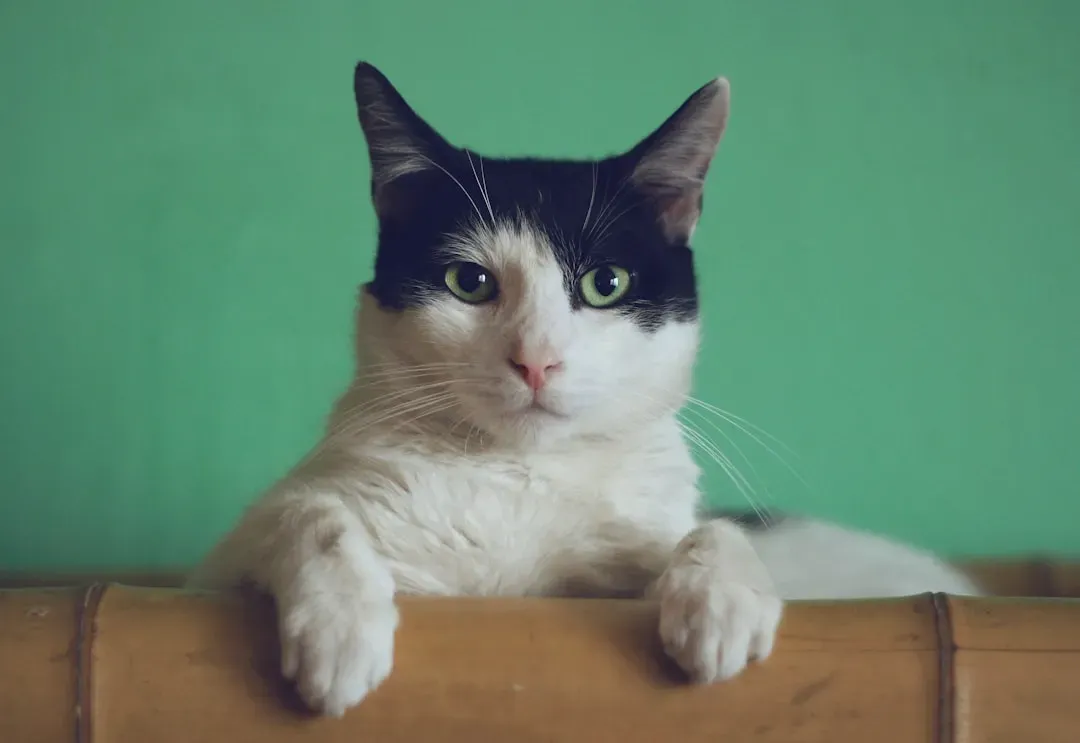
Some cats don’t knead at all, and just like people, cats are individuals and like to show that they are comfortable or affiliated with you in their own ways. If your cat doesn’t knead, it doesn’t mean they love you any less. They might rub against you, purr, curl up beside you, or simply follow you from room to room.
If your cat doesn’t knead, that doesn’t mean it doesn’t have a bond with you. There are probably other affiliative behaviors they’re engaging in, like purring or rubbing on you or even just sitting next to you. Every cat has their own personality, their own way of expressing trust and affection. Some are kneaders. Others are not. Both are valid.
Conclusion
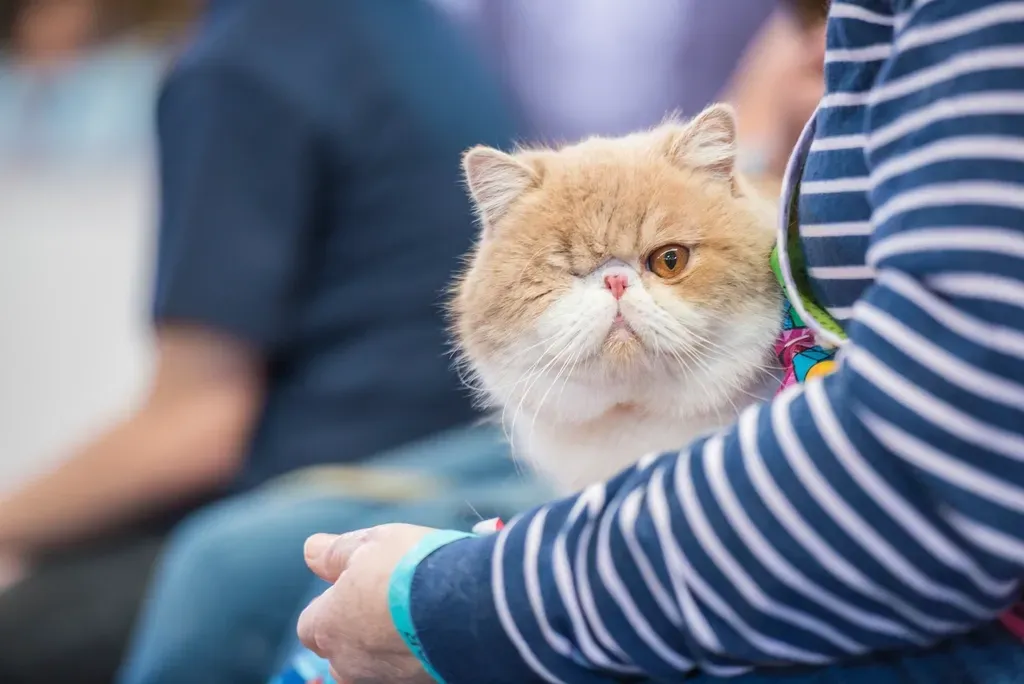
When your cat kneads you, they’re doing something profound. They’re telling you that you represent safety, comfort, and love. In most cases, kneading likely indicates your cat is comfortable. It’s a behavior rooted in their earliest memories, shaped by instinct, and refined by the bond they share with you. It’s messy, sometimes painful, occasionally accompanied by drool, and utterly sincere.
So the next time those paws start pressing into your lap, remember what it really means. You’re not just a piece of furniture. You’re family. You’re their person. What do you think about it? Does your cat knead you, or do they show their love in other ways? Share your stories in the comments.