You’re sitting quietly on the couch, maybe halfway through a show, and your cat climbs onto your lap with that familiar look of total ownership. Then it starts. Those little paws pushing rhythmically into your thighs, over and over, with an almost hypnotic intensity. It can feel adorable, confusing, and occasionally like a small acupuncture session you never asked for.
Cat kneading is one of those behaviors that genuinely fascinates even the most experienced pet owners. It seems random, yet somehow deeply purposeful. There’s warmth in it, mystery in it, and honestly, a surprising amount of science hiding beneath those soft paws. So let’s get into it.
The “Making Biscuits” Phenomenon: What Is Kneading, Exactly?
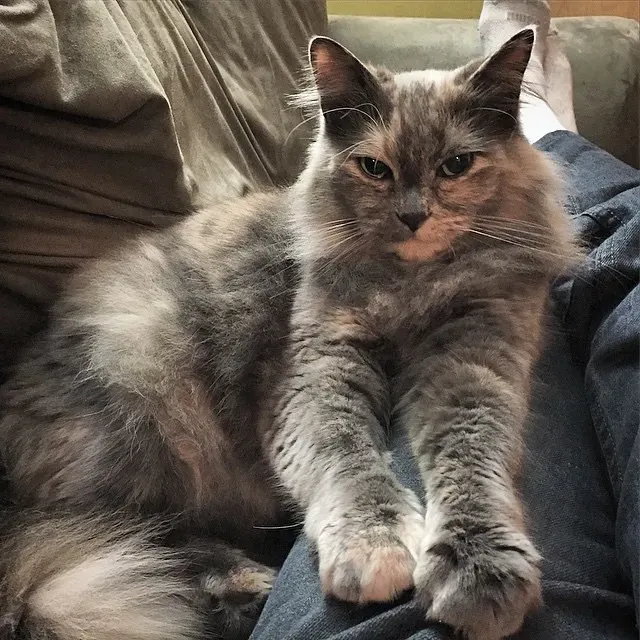
Kneading is a common and instinctive trait in cats, best described as rhythmically pushing their paws in and out against a soft object, such as a blanket, a pillow, or even your lap. Think of it like watching a tiny baker at work, which is exactly why so many people lovingly call it “making biscuits.” The comparison is oddly perfect.
Usually, cats will knead with their front two paws, but some may knead with all four. Some will purr really loudly while doing it, where others may do it quietly. There’s no single “correct” version of the behavior. Every cat has its own kneading style, which is somehow very on-brand for a species that refuses to follow anyone else’s rules.
It All Starts in Kittenhood: The Nursing Connection
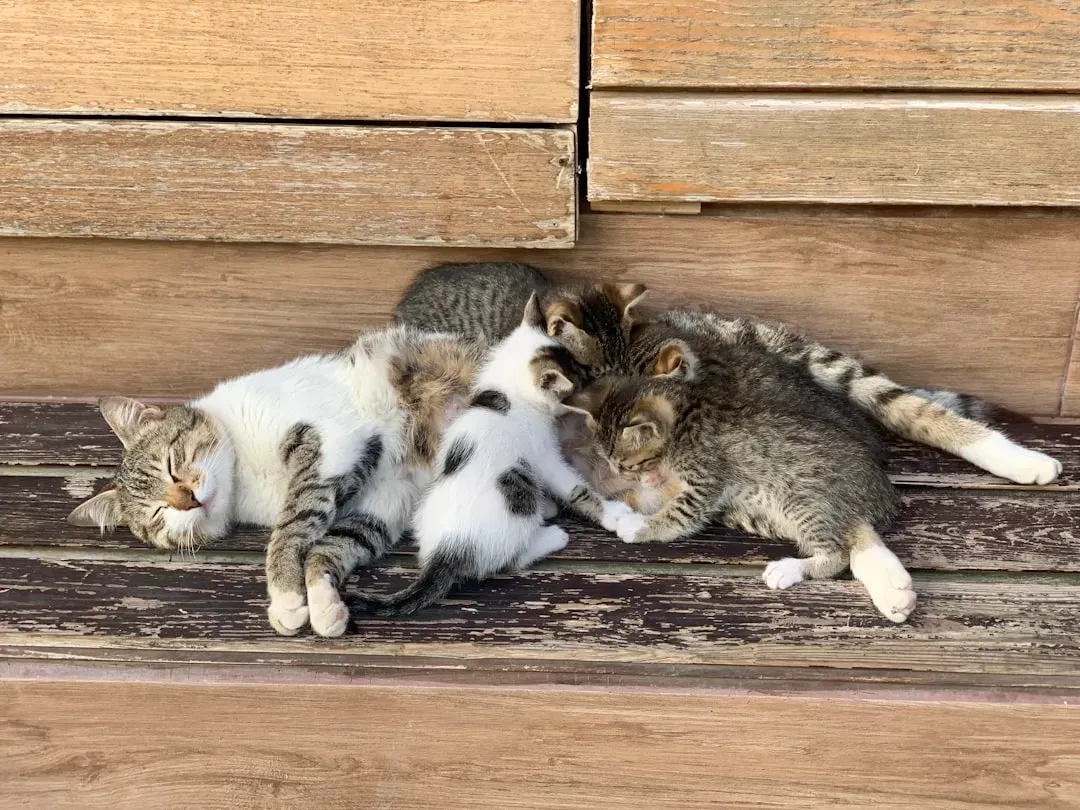
Kittens use a kneading action to stimulate milk production from their mother cat when nursing. Because nursing and being around a mother cat’s calming pheromones encourages a sense of contentment in young kittens, many cats will continue to knead into adulthood to create a similar sense of calm and relaxation. It’s essentially a comfort habit formed in the very first weeks of life.
Adult cats sometimes keep the behavior long after they have fully developed. It’s not unusual for domesticated animals to retain juvenile traits into adulthood, a phenomenon called neoteny that also explains, for example, why dogs look and act more like wolf cubs than adult wolves. So when your cat kneads you intensely, you’re basically witnessing a biological echo from its earliest days. I think that’s genuinely beautiful, even if your thighs disagree.
Your Cat Is Marking You as Theirs (Yes, Really)
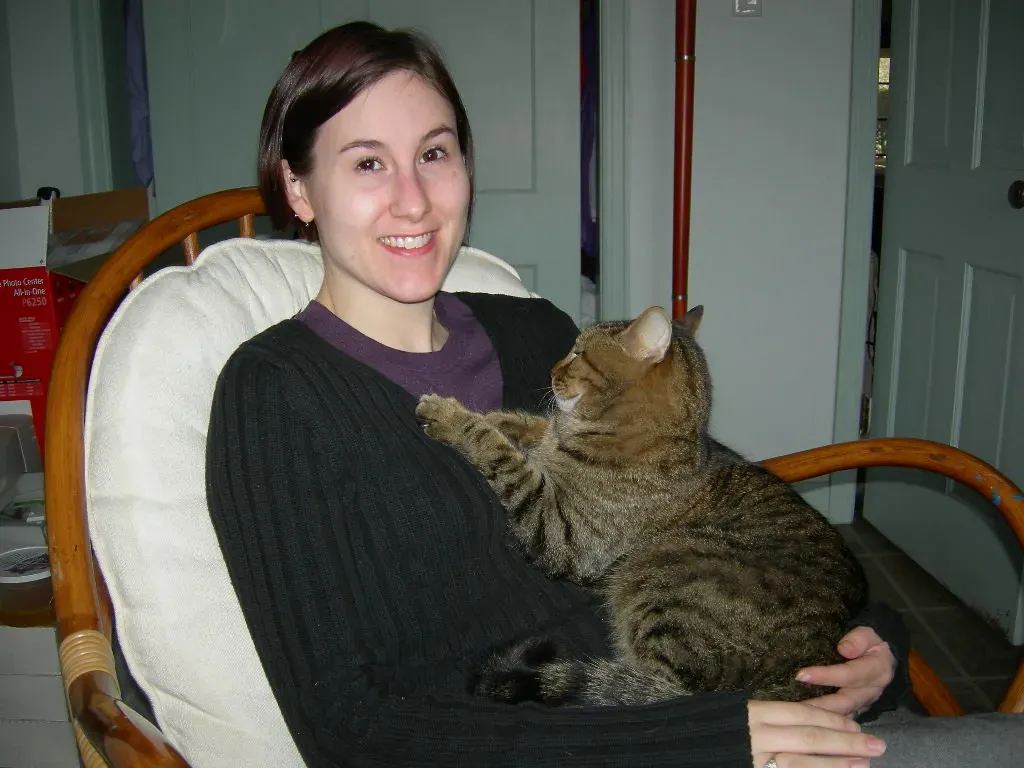
Cats have scent glands in the soft pads of their paws that release pheromones. By pushing their paws in and out, they activate these scent glands. So, it’s quite possible they’re kneading you in an attempt to mark you as their own and as a warning to other cats to back off. Flattering? Absolutely. A little territorial? Also yes.
Your cat has scent glands all over their body, and many of them are found on their paws. The act of moving their paws back and forth on a surface will leave their scent behind, letting others know that the area belongs to them. This means that if your kitty is kneading you, they are likely trying to mark you as their territory. Honestly, being claimed by a cat is something to be proud of. It’s an honor they don’t hand out lightly.
A Deep-Rooted Instinct From Wild Ancestors
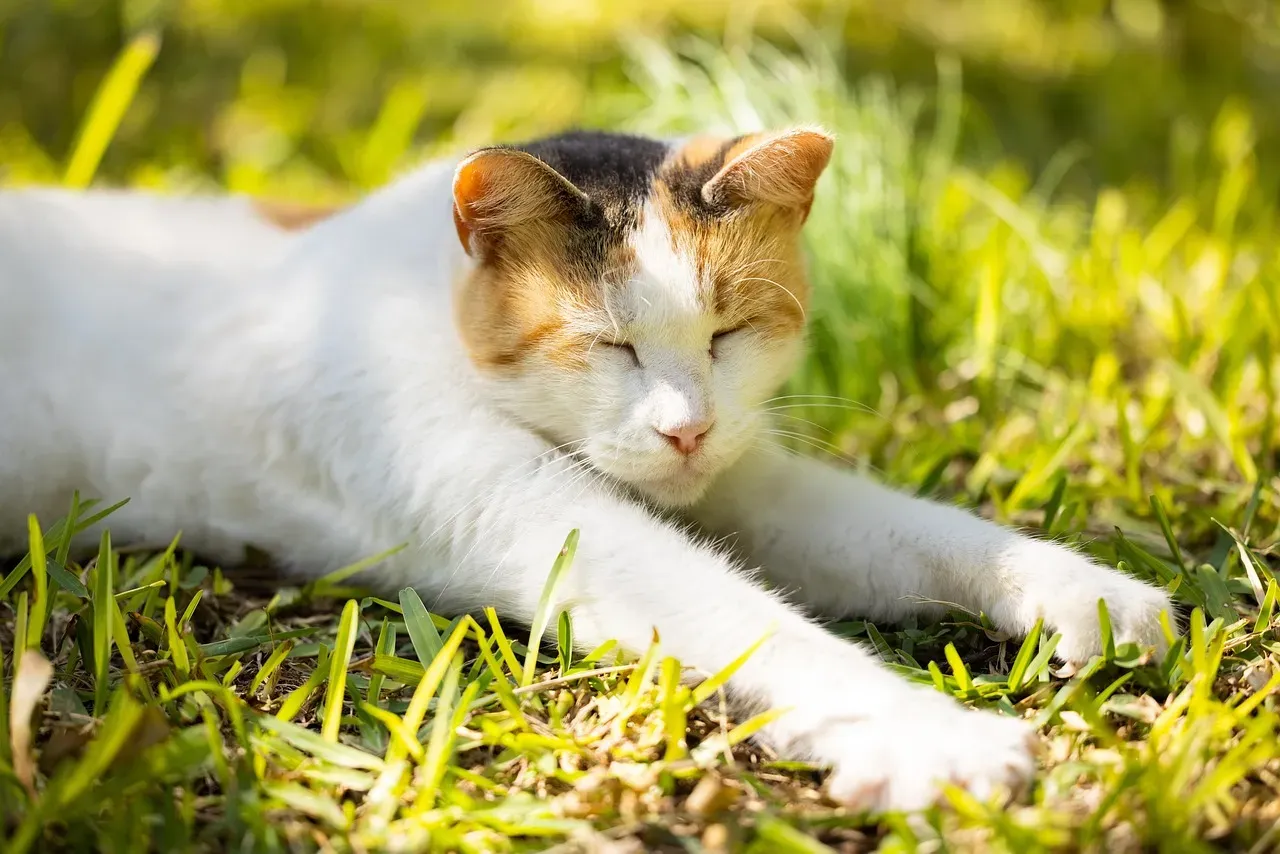
To understand the history of cat kneading, we must consider the wild forebears of our tamed felines. In the wild, cats would create nests or sleeping areas by patting down foliage or grass. These recurring movements helped to soften the ground, making it more comfortable for resting or giving birth. Over time, this behavior became ingrained in their instincts, even in the absence of such practical needs.
Before cats were domesticated, their wild ancestors would knead or press down on tall grass or leaves to create a safe, comfortable nest for sleeping or giving birth. This behavior can still be seen in modern-day cats, especially before they settle down for a nap. Even though our cats now sleep on comfy pillows and beds, the instinct to “prepare” a resting spot remains. It’s like muscle memory passed down through thousands of generations, quietly surfacing every time your cat settles into your lap.
Kneading as an Emotional Barometer: What It Says About How They Feel
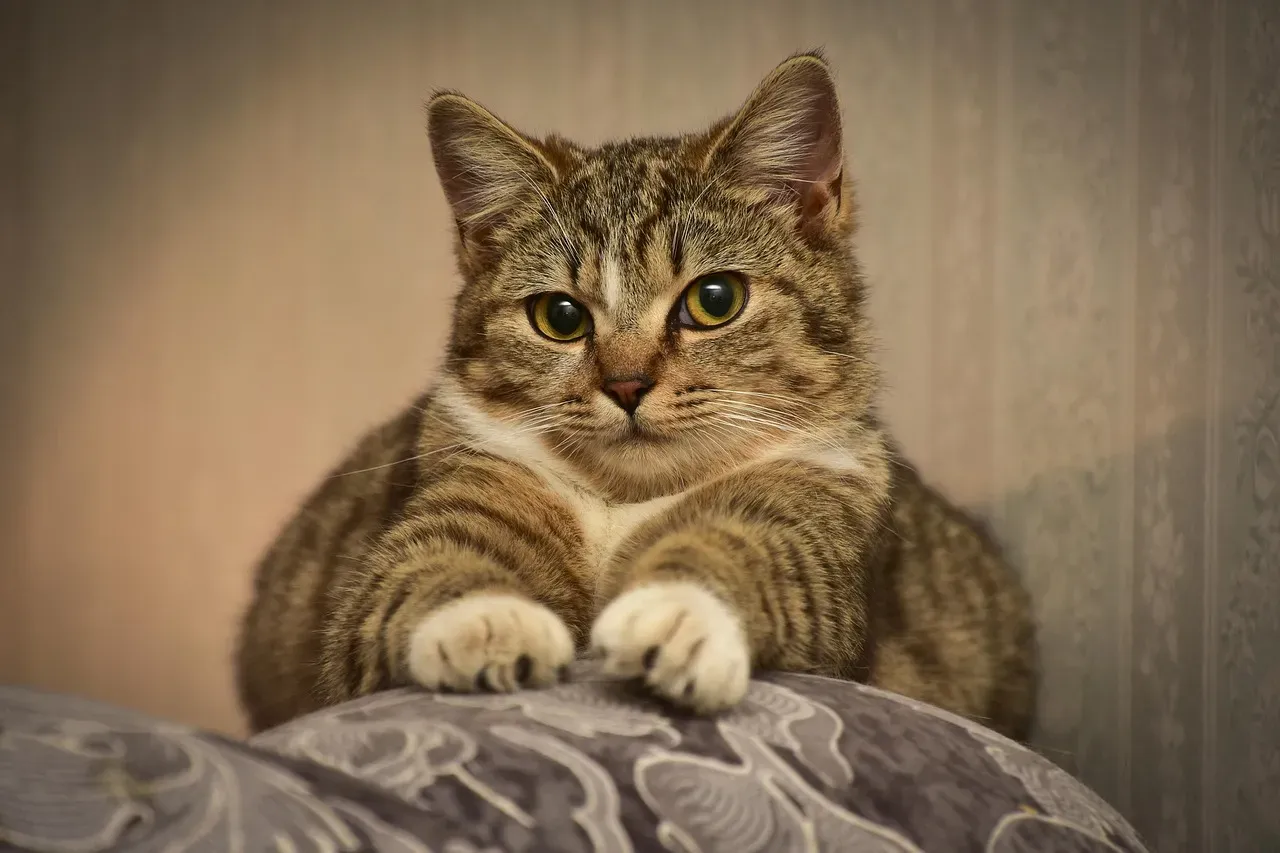
Kneading is often observed in cats when they feel satisfied, cozy, or in need of comfort. Many cats knead soft things, such as blankets, cushions, or even their owners’ laps. Kneading helps cats release endorphins, which promote feelings of relaxation and well-being, making it a self-soothing behavior that brings them relaxation and security.
While the evolutionary aspect explains the physical act of kneading, there’s another layer to this behavior that pertains to the emotional well-being of your cat. Kneading serves as a window into their emotional state. Cats knead when they are content and relaxed. When your cat kneads you or a soft surface, it is a sign of trust and affection. Think of it the way you might squeeze a loved one’s hand without even thinking about it. Instinctive. Warm. Meaningful.
The Dopamine Factor: Your Cat’s Natural High
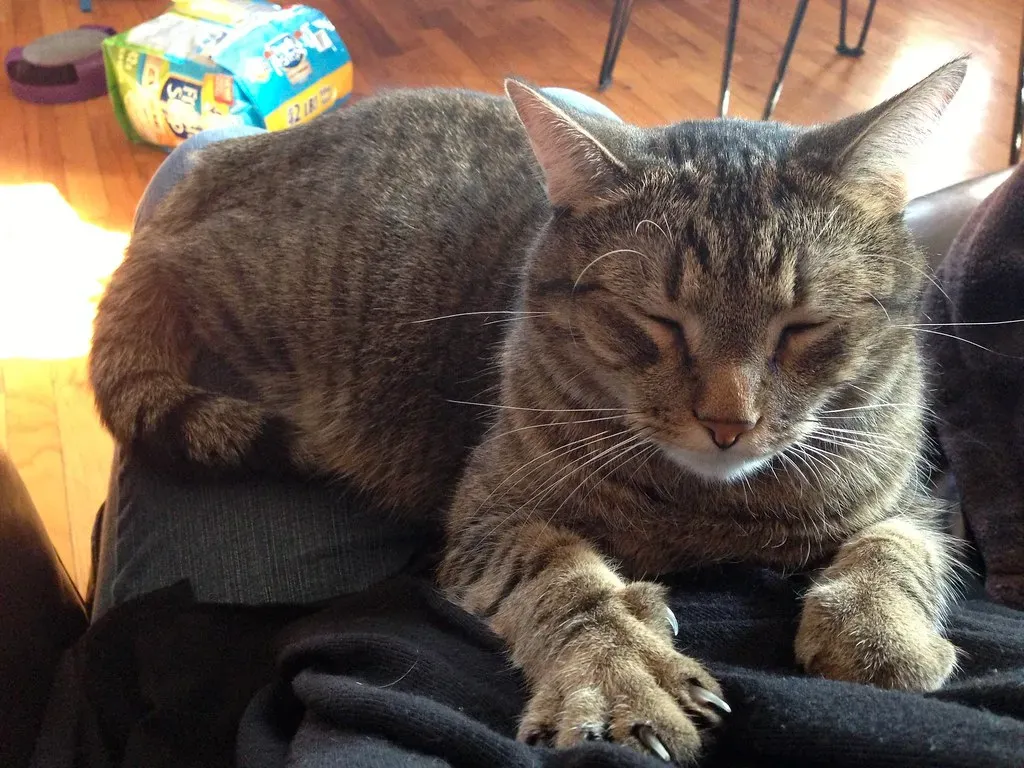
The action of kneading in cats causes the release of the pain-relieving, feel-good chemical dopamine in the brain. As such, increased or excessive kneading can be a sign that your cat is uncomfortable or anxious, and their kneading could be an attempt to soothe themselves. This release of dopamine also motivates your cat to continue kneading to receive additional bursts of the hormone, so excessive kneading can be a sign of a compulsive behavioral disorder.
It could be that kneading causes the release of chemical signals in the brain that contribute to the flow of happy and relaxing hormones. If the cat can create their own natural high, it would make sense to keep kneading. So in a way, your cat isn’t just being affectionate. It may literally be self-medicating with its own body chemistry. Wild, right?
When Intensity Goes Up: What Triggers Harder Kneading?
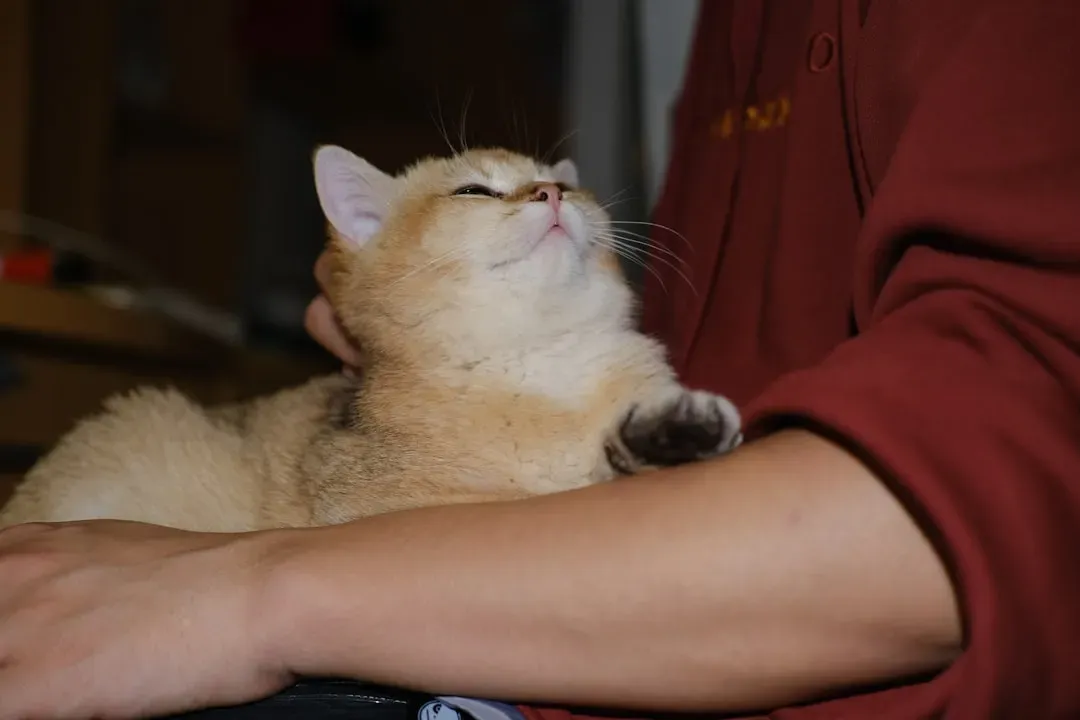
The intensity of kneading can vary. For example, when cats have been alone for a while, they may knead with more ferocity, especially with their favorite person. The frequency may vary as well, and this could depend on what is occurring in the cat’s life at the time. So if your cat is going at your lap like it’s auditioning for a bread-making competition after you’ve been away all day, that’s basically a form of “I missed you.”
The better a cat feels, the harder they are likely to knead. Never discipline a cat for this behavior because they are not trying to hurt you. They are trying to show you how happy they are. Hard kneading isn’t aggression. It’s enthusiasm. Pure, paw-powered joy directed entirely at you.
Female Cats and Kneading: The Heat Connection
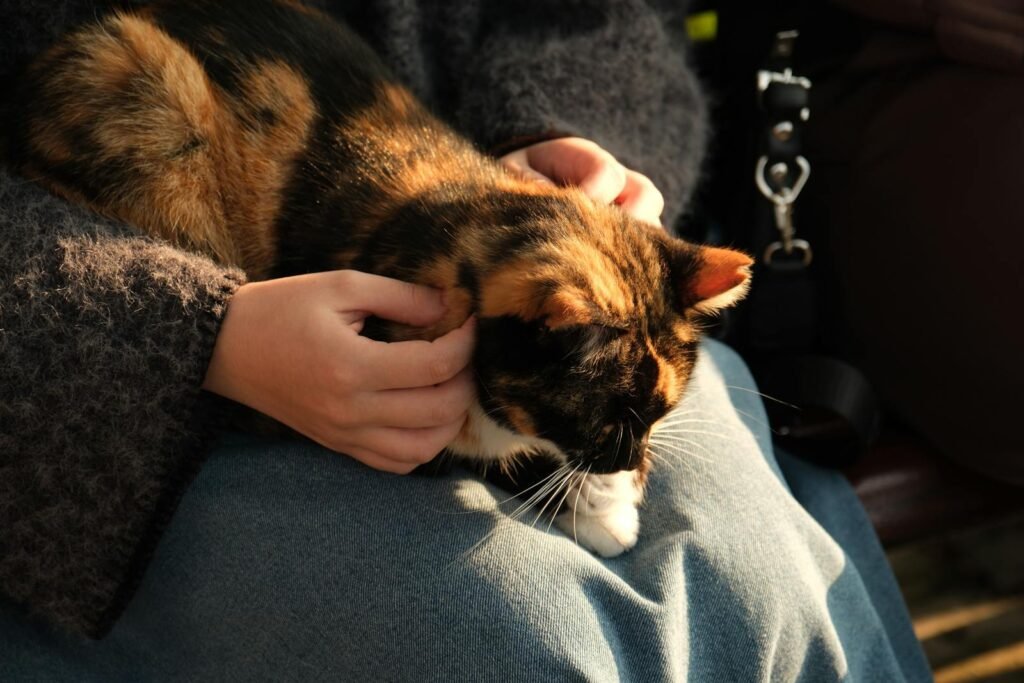
When female cats knead, it can also be for mating reasons. A female cat who is going into heat may purr, stretch, and knead the air while laying on their side to signal to male cats that it is okay to approach for possible mating. This is a notably different kind of kneading, usually accompanied by louder vocalizations and restless behavior.
Female cats may also knead when they go into heat. They may display other behaviors along with this, such as being overly vocal, displaying more affection than usual, and begging to go outside. Neutering or spaying may decrease these behaviors if they are related to the heat cycle. If you notice this pattern in your unspayed female cat, a conversation with your vet is always a smart next step.
How to Handle the Claws and Redirect the Habit Kindly
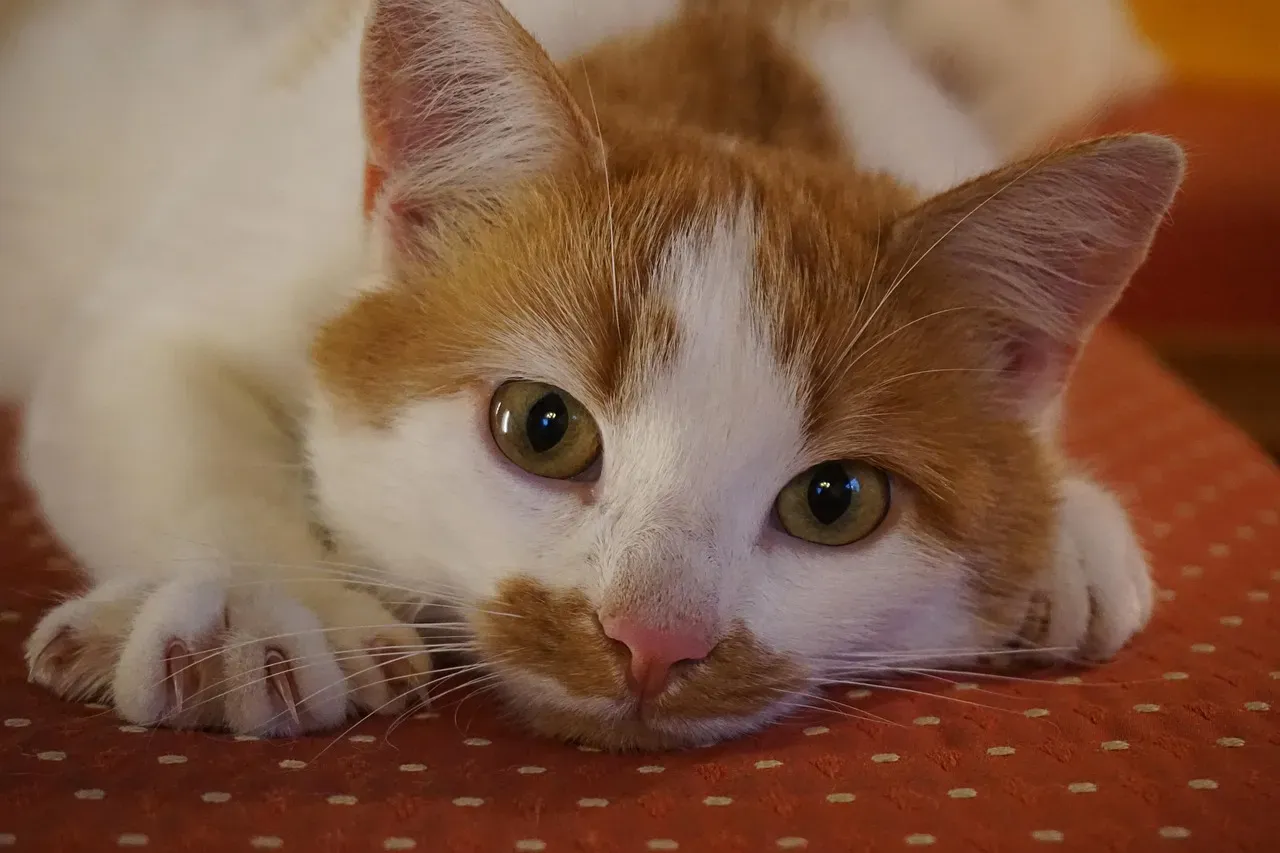
Kneading can become a problem if your cat’s claws are damaging your furniture or injuring household members. When this happens, you should never yell at or punish your cat. Remember that kneading is a natural behavior, and your cat needs an acceptable outlet to express their instincts. Shouting at them for doing something they’re hardwired to do is a bit like scolding someone for blinking.
Rather than preventing your cat from kneading, you can redirect their behavior to an appropriate location. Choose a thick, plush blanket and designate it as your cat’s kneading surface. When you see your cat kneading something you don’t want destroyed, try to attract their attention to the blanket or use a toy to redirect the behavior to something appropriate. If your cat kneads your lap, keep a blanket nearby to protect yourself when your feline friend approaches for cuddle time. Simple, kind, and genuinely effective.
Conclusion
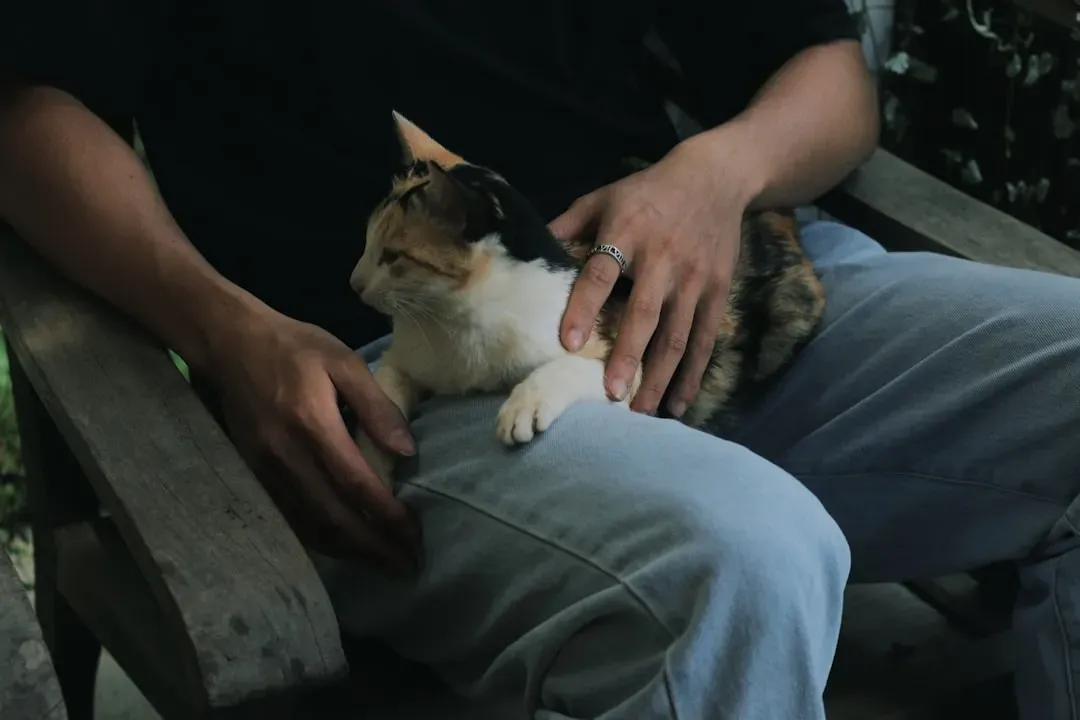
There’s something quietly extraordinary about the fact that your cat’s intense kneading session on your lap connects all the way back to its earliest hours of life, its wild ancestors, and even its brain chemistry. It’s not a random quirk. It’s communication, comfort, territorial love, and emotional release all wrapped up in one rhythmic little motion.
Kneading and bunting are both forms of communication that reflect a cat’s emotional state and their relationship with their surroundings and owners. These behaviors often indicate that a cat feels safe and content in their environment. The next time those paws press into you with that almost trance-like intensity, know that you’re not just a convenient soft surface. You’re their safe place, their comfort, their chosen person.
So the real question is: now that you know just how much meaning hides inside those tiny pushing paws, does it change the way you’ll feel the next time your cat “makes biscuits” on you? Drop your thoughts in the comments. We’d love to hear about your own kneading cat and what you think they’re really trying to tell you.